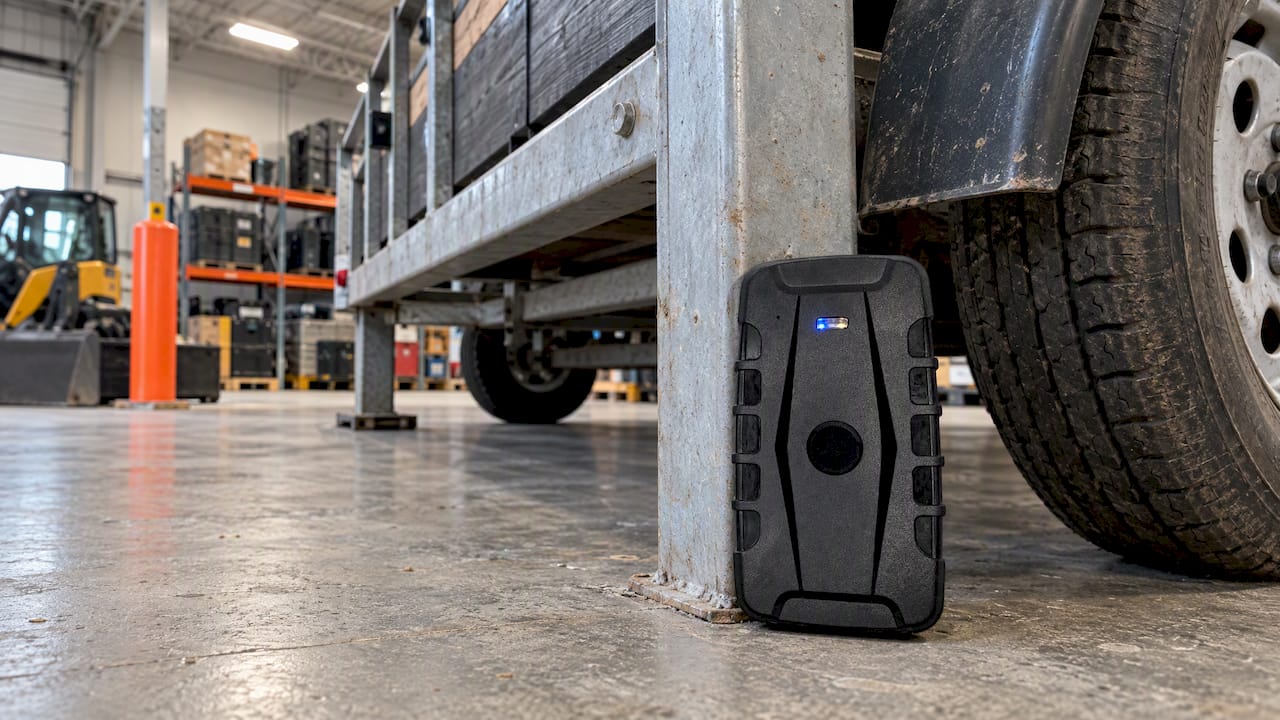
Vehicle Telematics Operational Analytics: Optimizing Fleet Performance Through Data-Driven Insights
How to start saving money
Lorem ipsum dolor sit amet, consectetur adipiscing elit lobortis arcu enim urna adipiscing praesent velit viverra sit semper lorem eu cursus vel hendrerit elementum morbi curabitur etiam nibh justo, lorem aliquet donec sed sit mi dignissim at ante massa mattis.
- Neque sodales ut etiam sit amet nisl purus non tellus orci ac auctor
- Adipiscing elit ut aliquam purus sit amet viverra suspendisse potent
- Mauris commodo quis imperdiet massa tincidunt nunc pulvinar
- Excepteur sint occaecat cupidatat non proident sunt in culpa qui officia
Why it is important to start saving
Vitae congue eu consequat ac felis placerat vestibulum lectus mauris ultrices cursus sit amet dictum sit amet justo donec enim diam porttitor lacus luctus accumsan tortor posuere praesent tristique magna sit amet purus gravida quis blandit turpis.

How much money should I save?
At risus viverra adipiscing at in tellus integer feugiat nisl pretium fusce id velit ut tortor sagittis orci a scelerisque purus semper eget at lectus urna duis convallis. porta nibh venenatis cras sed felis eget neque laoreet suspendisse interdum consectetur libero id faucibus nisl donec pretium vulputate sapien nec sagittis aliquam nunc lobortis mattis aliquam faucibus purus in.
- Neque sodales ut etiam sit amet nisl purus non tellus orci ac auctor
- Adipiscing elit ut aliquam purus sit amet viverra suspendisse potenti
- Mauris commodo quis imperdiet massa tincidunt nunc pulvinar
- Adipiscing elit ut aliquam purus sit amet viverra suspendisse potenti
What percentege of my income should go to savings?
Nisi quis eleifend quam adipiscing vitae aliquet bibendum enim facilisis gravida neque. Velit euismod in pellentesque massa placerat volutpat lacus laoreet non curabitur gravida odio aenean sed adipiscing diam donec adipiscing tristique risus. amet est placerat in egestas erat imperdiet sed euismod nisi.
“Nisi quis eleifend quam adipiscing vitae aliquet bibendum enim facilisis gravida neque velit euismod in pellentesque”
Do you have any comments? Share them with us on social media
Eget lorem dolor sed viverra ipsum nunc aliquet bibendum felis donec et odio pellentesque diam volutpat commodo sed egestas aliquam sem fringilla ut morbi tincidunt augue interdum velit euismod eu tincidunt tortor aliquam nulla facilisi aenean sed adipiscing diam donec adipiscing ut lectus arcu bibendum at varius vel pharetra nibh venenatis cras sed felis eget.
Fleet managers today face a major challenge: turning massive streams of vehicle data into decisions that lower costs, boost safety, and improve operations.
Modern vehicles generate thousands of data points daily through GPS systems, engine sensors, and onboard diagnostics.
Without proper analysis, this information remains unused and cannot guide decisions.
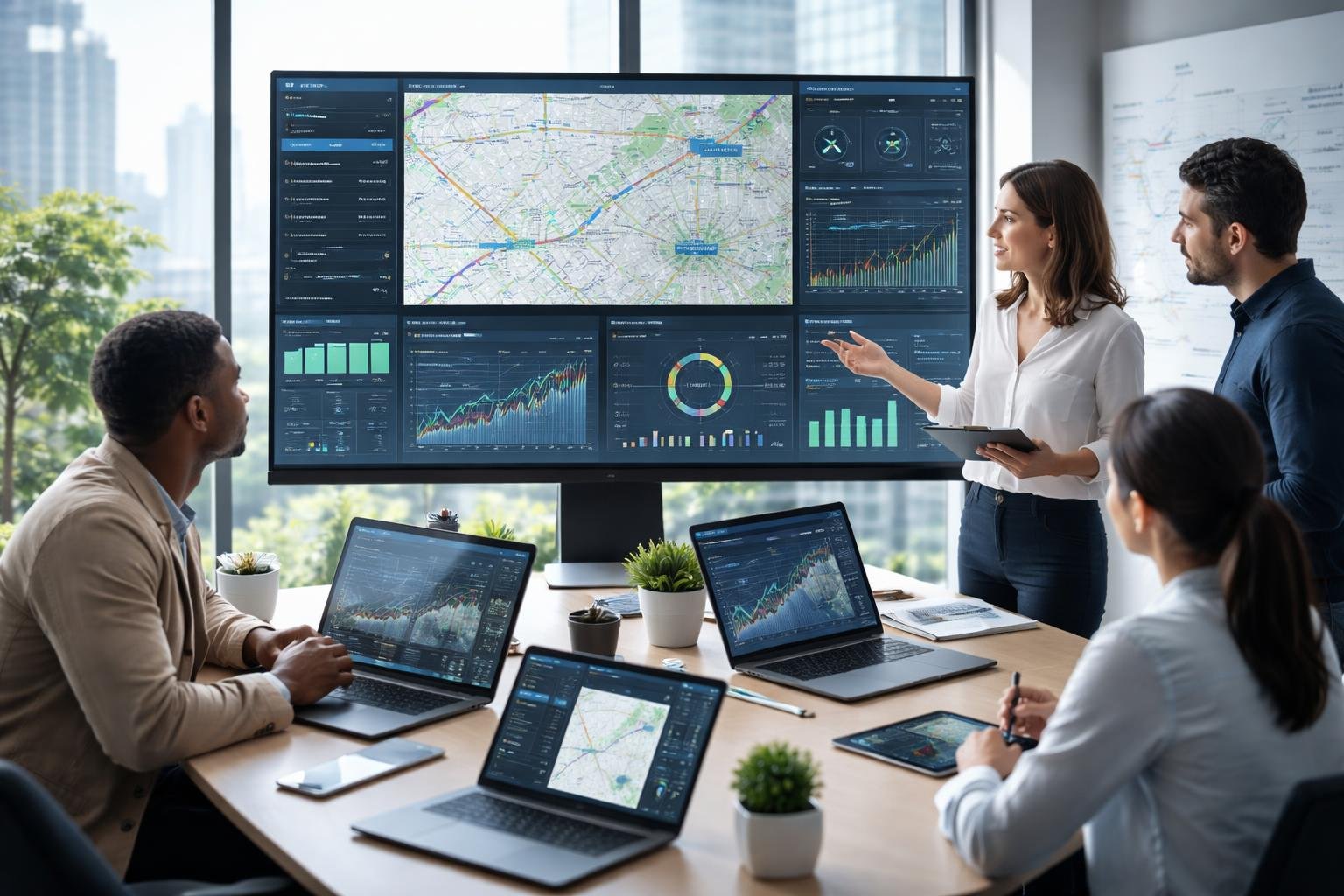
Vehicle telematics operational analytics turns raw data into measurable improvements in maintenance scheduling, route planning, fuel use, and driver performance. The technology uses real-time data from IoT sensors and advanced analytics, including machine learning and predictive modeling.
These systems help fleet operators move from reacting to problems to managing proactively, using patterns and trends found across their vehicles.
The shift from basic GPS tracking to advanced analytics has changed how commercial fleets work.
Integration now lets managers combine data from many telematics providers, electronic logging devices, and third-party systems into one dashboard.
Using these tools well determines whether fleets just collect data or truly use it for better results.
Understanding Vehicle Telematics Operational Analytics
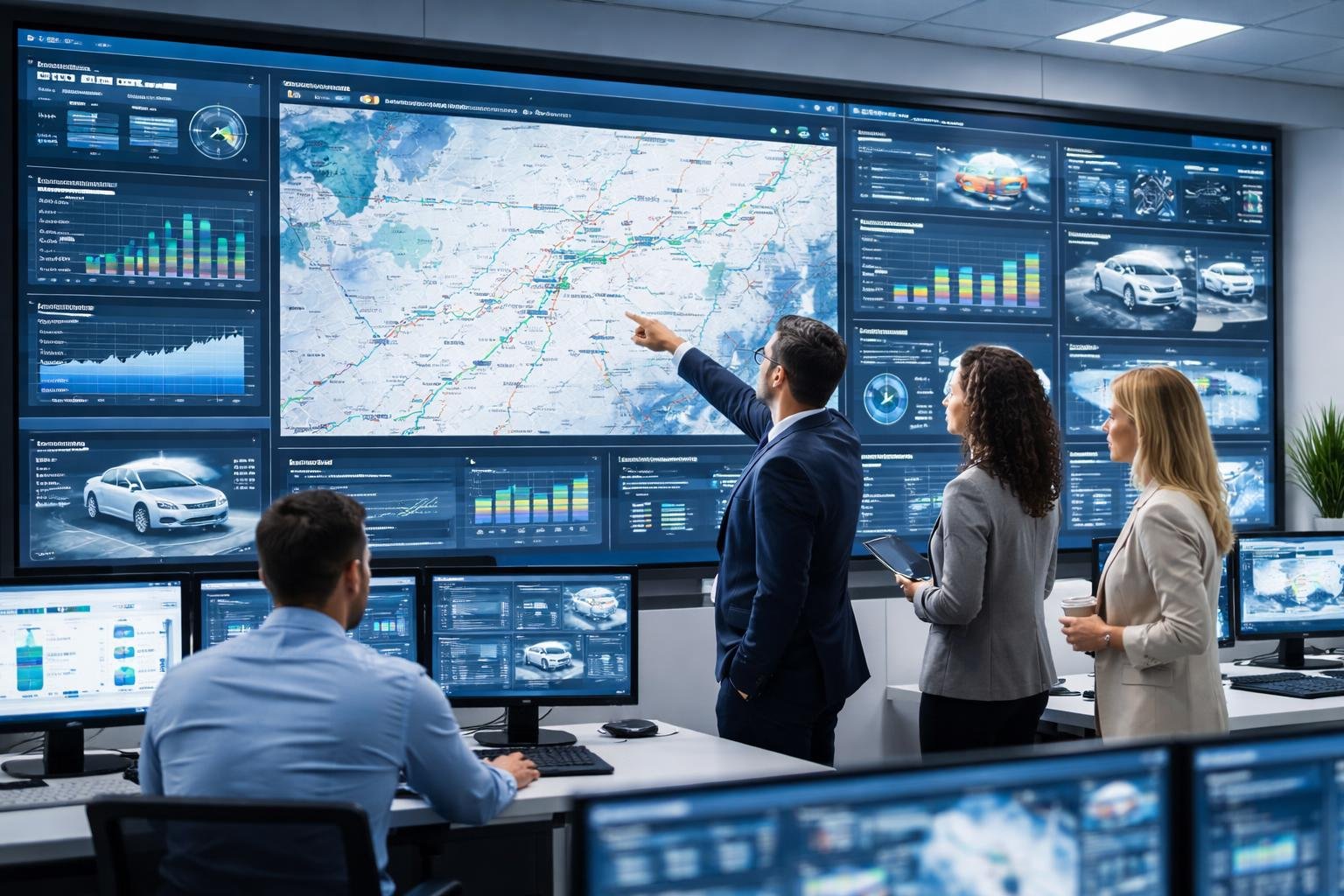
Vehicle telematics operational analytics turns raw vehicle data into useful insights by collecting, sending, and analyzing real-time operational information.
This system combines GPS tracking, onboard diagnostics, and telecommunications to give continuous visibility into fleet metrics and patterns.
Definition and Core Concepts
Vehicle telematics operational analytics means collecting, processing, and understanding data sent from vehicles to improve performance and guide decisions.
Devices in vehicles capture information from GPS satellites, sensors, and diagnostic systems.
Telematics combines telecommunications and informatics.
Each vehicle becomes a mobile data source, sending information about location, speed, fuel use, engine diagnostics, and driver behavior.
This data flows through software platforms that gather and analyze information in real time.
The main parts include data collection devices, transmission networks, and analytics platforms.
Telematics devices collect data from vehicle sensors and GPS trackers.
The information is sent via cellular or satellite networks to central systems, where analytics engines process the data and create operational insights.
Role of Telematics Data in Operational Analytics
Telematics data is the main input for operational analytics.
It provides the raw information needed to watch, measure, and improve fleet performance.
Continuous vehicle telemetry lets managers track locations, monitor status, and spot performance patterns across fleets.
Real-time data allows for quick action and proactive management.
Fleet operators can catch maintenance issues before breakdowns, see inefficient routes, and monitor driver behaviors that affect fuel use and safety.
The data also supports looking back at trends in vehicle use, maintenance, and costs.
Key metrics from telematics data include vehicle uptime, fuel efficiency, route optimization, driver performance, and maintenance predictions.
These numbers help fleets move from reacting to problems to planning ahead.
Distinguishing Telematics from Traditional Vehicle Analytics
Traditional vehicle analytics used manual data collection, like paper logs and odometer readings.
Managers relied on delayed information and estimates instead of real-time facts.
Telematics operational analytics removes this delay by providing automatic, continuous data streams.
Traditional methods might log mileage weekly, but telematics tracks every mile in real time, with context about speed, location, and driving conditions.
This shift allows for continuous monitoring instead of occasional checks.
Traditional analytics captured basic numbers like miles driven or fuel bought.
Telematics enables detailed analysis of acceleration, idle time, route efficiency, and vehicle health.
This rich data supports advanced analytics, such as predictive maintenance and machine learning, which find opportunities that old methods missed.
Data Sources and Integration in Telematics

Vehicle telematics systems collect data from GPS devices, onboard diagnostics, and sensors.
This information is then combined with fleet management and enterprise software.
The value of telematics analytics depends on how well these data sources connect and work together.
Types of Vehicle Data and Multiple Data Sources
Telematics systems gather data from several hardware parts inside vehicles.
GPS trackers give location and movement data.
Onboard diagnostic (OBD) ports provide engine performance, fuel use, and trouble codes.
Extra sensors can monitor tire pressure, temperature, and cargo conditions.
Fleet telematics platforms combine data from these sources into a single stream.
A typical truck may send data from its engine, transmission, brakes, and telematics device at the same time.
This creates multiple sources that need to be matched and synchronized.
The data includes location, mechanical diagnostics, driver behavior, and environment readings.
Speed, idle time, harsh braking, and seatbelt use are examples of behavior data.
Battery voltage, coolant temperature, and oil pressure are mechanical diagnostics.
Connected Vehicles and Software-Defined Vehicles
Connected vehicles use built-in telematics control units (TCUs) that talk to cloud platforms over cellular networks.
These systems, installed by manufacturers, can access special vehicle data not available to aftermarket devices.
Software-defined vehicles go further by allowing remote updates and changes to vehicle functions.
This setup lets operators update features or adjust performance without visiting a service center.
Most new commercial vehicles now come with integrated telematics as standard.
This move from add-on trackers to built-in TCUs gives access to more detailed vehicle data.
Integration with Fleet and Enterprise Systems
Telematics data flows into fleet management, transportation management, and enterprise resource planning (ERP) systems using APIs and middleware.
This integration allows automated processes when vehicle events occur.
For example, a maintenance alert can automatically create a work order in the fleet system.
Driver hours-of-service data from electronic logging devices (ELDs) syncs with dispatch software for compliance and route planning.
Fuel use data connects to accounting systems for cost tracking.
Fleets using several telematics providers may have data spread across different dashboards.
Unified integration platforms combine streams from different brands into one interface.
This makes data consistent for analytics and reporting.
Data Analytics Techniques for Operational Insights
Fleet operators turn raw telematics data into insights using analytics that reveal patterns in vehicle performance, driver behavior, and operational efficiency.
These methods cover historical analysis, real-time monitoring, and more.
Descriptive and Diagnostic Analytics
Descriptive analytics summarizes past vehicle data to show patterns and trends.
Fleet managers look at metrics such as fuel consumption, idle time, maintenance intervals, and trip distances to see what happened over time.
These reports often group data by day, week, or month to find normal performance levels.
Diagnostic analytics goes further to explain why certain events happened.
If fuel use rises or downtime increases, analysts dig into telematics data to find the reasons.
This means comparing data streams like engine diagnostics, route details, and driver actions.
Common diagnostic techniques include:
- Anomaly detection to spot unusual vehicle behavior
- Comparing high and low-performing vehicles
- Event sequence analysis to trace mechanical issues
- Driver behavior correlation linking actions to results
Geospatial Analysis and Geohash
Geospatial analysis uses GPS and location data to improve route planning and monitor vehicle locations.
Operators map vehicle positions against service areas and traffic to find inefficiencies.
Geohash encoding turns latitude and longitude into short codes that represent areas.
This makes it easier to search and group location data.
A geohash system divides the world into grid cells, with nearby places sharing similar codes.
Geohash is used for tracking performance by zone, finding the closest vehicles, and analyzing frequent stops.
Its structure lets analysts group data by street or by region.
Visualization and Real-Time Reporting
Data visualization turns complex telematics data into dashboards, charts, and maps.
Heat maps can show fuel use by route, while timelines track maintenance and compliance.
Interactive dashboards let managers filter data by vehicle, driver, time, or location.
Real-time reporting systems process streaming vehicle data for instant visibility.
These platforms update key metrics continuously and alert managers to events like harsh braking, geofence violations, or engine faults.
Real-time analytics support quick decisions for dispatch and preventive action.
Predictive Analytics and Machine Learning Applications
Machine learning turns raw telematics data into insights that predict failures, detect problems, and improve fleet performance.
These tools help organizations move from reacting to issues to preventing them and using resources more wisely.
Predictive Maintenance and Anomaly Detection
Predictive maintenance uses past and real-time vehicle data to forecast part failures.
Telematics systems collect engine diagnostics, sensor readings, fault codes, and more for machine learning models.
The models study things like oil pressure, coolant temperature, brake wear, and vibrations to spot problems early.
When issues appear, the system alerts teams about which parts need attention and when.
This helps schedule repairs before breakdowns.
Common predictive maintenance uses:
- Engine monitoring with deep learning
- Brake wear prediction
- Battery health checks
- Transmission failure alerts
- Tire pressure and tread analysis
Anomaly detection algorithms find patterns that don't match the usual, catching problems that simple thresholds might miss.
These models adjust to each vehicle's unique profile.
Machine Learning Models in Telematics
Different machine learning models serve different purposes in telematics analytics.
Supervised models need labeled data showing normal and failure cases.
Unsupervised models, like clustering, group similar patterns without labeled examples.
Deep learning networks can track how vehicle conditions change over time.
Model TypePrimary Use CaseData RequirementRandom ForestComponent failure classificationLabeled historical failuresNeural NetworksComplex pattern recognitionLarge datasets with sequencesK-means ClusteringDriving behavior segmentationUnlabeled dataLSTM NetworksTime-series predictionsSequential sensor readings
These models keep learning from new data, improving their predictions over time.
Edge-cloud platforms let real-time decisions happen in the vehicle, while heavy data processing happens centrally.
Optimization of Fleet Operations
Machine learning helps optimize routing, fuel consumption, and driver performance. Predictive analytics finds efficient routes by analyzing traffic, delivery schedules, and real-time conditions.
Fuel optimization models link driving behaviors to fuel use. They highlight actions like harsh acceleration and excessive idling that raise costs.
The system provides driver-specific coaching based on real performance data. This approach replaces generic advice with targeted recommendations.
Fleet managers use predictive insights to adjust their vehicle inventory. They determine the best replacement cycles by comparing projected maintenance costs with depreciation.
Analytics show which vehicles underperform or need frequent repairs. This information guides strategic asset decisions.
Key optimization metrics include:
- Route efficiency scores comparing planned and actual travel times
- Fuel use per mile, adjusted for load and terrain
- Vehicle utilization rates to spot underused assets
- Maintenance cost per vehicle mile
- Driver safety ratings based on braking, cornering, and speeding
Impact on Fleet Operations and Management
Vehicle telematics analytics change how fleet managers monitor vehicles and control costs. Real-time data enables quick decisions on maintenance, fuel use, and driver behavior.
Enhancing Fleet Management Strategies
Telematics systems give managers a clear view of vehicle locations and utilization. This data-driven approach supports proactive planning based on real metrics.
Real-time tracking lets dispatchers optimize routes and cut idle time. Vehicle-to-cloud systems gather continuous data, revealing fleet usage patterns and helping managers rebalance workloads.
Key operational improvements include:
- Dynamic route optimization using traffic and delivery priorities
- Accurate arrival time predictions for better customer service
- Asset utilization analysis to set fleet size
- Maintenance scheduling to reduce downtime
Predictive maintenance shifts fleets to condition-based service. Sensors monitor engine diagnostics, tire pressure, and brake wear to spot problems before failures happen.
Fuel Optimization and Cost Reduction
Fuel is a major expense for fleets. Telematics analytics spot inefficient driving, such as idling and harsh acceleration, that increase fuel use.
Fleet managers get detailed reports on fuel use for each vehicle and driver. This data supports targeted coaching and vehicle replacement strategies based on efficiency.
Measurable cost reductions occur through:
- Less unauthorized vehicle use and route deviation
- Lower maintenance costs from predictive diagnostics
- Reduced insurance premiums from safer driving
- Fewer towing and emergency repairs
Route optimization algorithms use telematics data to find the most fuel-efficient paths. These systems adjust for delivery windows and real-time traffic.
Safety Monitoring and Compliance
Telematics platforms monitor driving behavior, including speeding and harsh braking. Fleet managers set safety benchmarks and get alerts when drivers exceed risk limits.
Electronic logging devices track hours of service automatically. This ensures compliance and removes manual logbook errors.
Analytics identify high-risk drivers needing extra training. Managers compare safety scores to set standards and reward safe driving.
Compliance capabilities include:
- Automated hours-of-service tracking and alerts
- Digital vehicle inspection report storage
- Monitoring of driver vehicle inspection report (DVIR) completion
- Regulatory reporting for multiple regions
Video telematics systems record safety events. These recordings help with accident investigations and protect fleets from false claims.
Emerging Trends and Innovations in Vehicle Telematics Analytics
Vehicle telematics analytics are advancing with autonomous driving, integrated mobility platforms, and software-driven vehicles. These changes are transforming how operators collect and use operational data.
Autonomous Vehicles and Advanced Driver Assistance Systems
Advanced driver assistance systems use telematics analytics to process sensor data and environmental conditions. These systems help with collision avoidance, lane keeping, and adaptive cruise control.
Autonomous vehicles combine telematics with machine learning to analyze driving patterns and road conditions. Data from LiDAR, cameras, and radar create insights for navigation and safety.
Fleet operators using these technologies get detailed performance metrics. This data supports ongoing improvements in safety and efficiency.
Mobility Solutions in the Transportation Sector
Transportation providers use telematics analytics to improve route planning and reduce fuel use. Real-time data lets dispatchers adjust vehicle assignments for traffic and delivery needs.
Connected mobility platforms coordinate multi-modal transportation using telematics data. They track vehicle locations and service availability to improve utilization and reduce wait times.
Fleet management systems now use predictive maintenance analytics to spot component failures early. This reduces downtime and extends vehicle life by scheduling service before breakdowns.
Future Directions for Software-Defined Vehicles
Software-defined vehicles separate hardware from software. This allows over-the-air updates and feature changes without physical intervention.
Telematics analytics monitor system performance. They also track software version effectiveness and identify opportunities for improvement.
Manufacturers and fleet operators can deploy new analytics capabilities remotely. Vehicles can receive updated algorithms for fuel efficiency or enhanced safety protocols.
Improved diagnostic functions can also be delivered without visiting a service center. The data collected from software-defined vehicles creates feedback loops for future development.
Analytics platforms show which features provide real benefits. They also highlight areas that need refinement.