Plumbing Vehicle Monitoring: Essential GPS Tracking Solutions for Service Fleets
How to start saving money
Lorem ipsum dolor sit amet, consectetur adipiscing elit lobortis arcu enim urna adipiscing praesent velit viverra sit semper lorem eu cursus vel hendrerit elementum morbi curabitur etiam nibh justo, lorem aliquet donec sed sit mi dignissim at ante massa mattis.
- Neque sodales ut etiam sit amet nisl purus non tellus orci ac auctor
- Adipiscing elit ut aliquam purus sit amet viverra suspendisse potent
- Mauris commodo quis imperdiet massa tincidunt nunc pulvinar
- Excepteur sint occaecat cupidatat non proident sunt in culpa qui officia
Why it is important to start saving
Vitae congue eu consequat ac felis placerat vestibulum lectus mauris ultrices cursus sit amet dictum sit amet justo donec enim diam porttitor lacus luctus accumsan tortor posuere praesent tristique magna sit amet purus gravida quis blandit turpis.

How much money should I save?
At risus viverra adipiscing at in tellus integer feugiat nisl pretium fusce id velit ut tortor sagittis orci a scelerisque purus semper eget at lectus urna duis convallis. porta nibh venenatis cras sed felis eget neque laoreet suspendisse interdum consectetur libero id faucibus nisl donec pretium vulputate sapien nec sagittis aliquam nunc lobortis mattis aliquam faucibus purus in.
- Neque sodales ut etiam sit amet nisl purus non tellus orci ac auctor
- Adipiscing elit ut aliquam purus sit amet viverra suspendisse potenti
- Mauris commodo quis imperdiet massa tincidunt nunc pulvinar
- Adipiscing elit ut aliquam purus sit amet viverra suspendisse potenti
What percentege of my income should go to savings?
Nisi quis eleifend quam adipiscing vitae aliquet bibendum enim facilisis gravida neque. Velit euismod in pellentesque massa placerat volutpat lacus laoreet non curabitur gravida odio aenean sed adipiscing diam donec adipiscing tristique risus. amet est placerat in egestas erat imperdiet sed euismod nisi.
“Nisi quis eleifend quam adipiscing vitae aliquet bibendum enim facilisis gravida neque velit euismod in pellentesque”
Do you have any comments? Share them with us on social media
Eget lorem dolor sed viverra ipsum nunc aliquet bibendum felis donec et odio pellentesque diam volutpat commodo sed egestas aliquam sem fringilla ut morbi tincidunt augue interdum velit euismod eu tincidunt tortor aliquam nulla facilisi aenean sed adipiscing diam donec adipiscing ut lectus arcu bibendum at varius vel pharetra nibh venenatis cras sed felis eget.
Plumbing businesses face unique challenges when managing field technicians who spend most of their workday in service vehicles. These technicians travel between job sites, making it hard for companies to track vehicle locations, usage, and driver behavior.
Without visibility, businesses deal with inefficiencies that hurt their bottom line. Issues include unauthorized vehicle use, inflated overtime claims, poor routing, and delayed customer service.
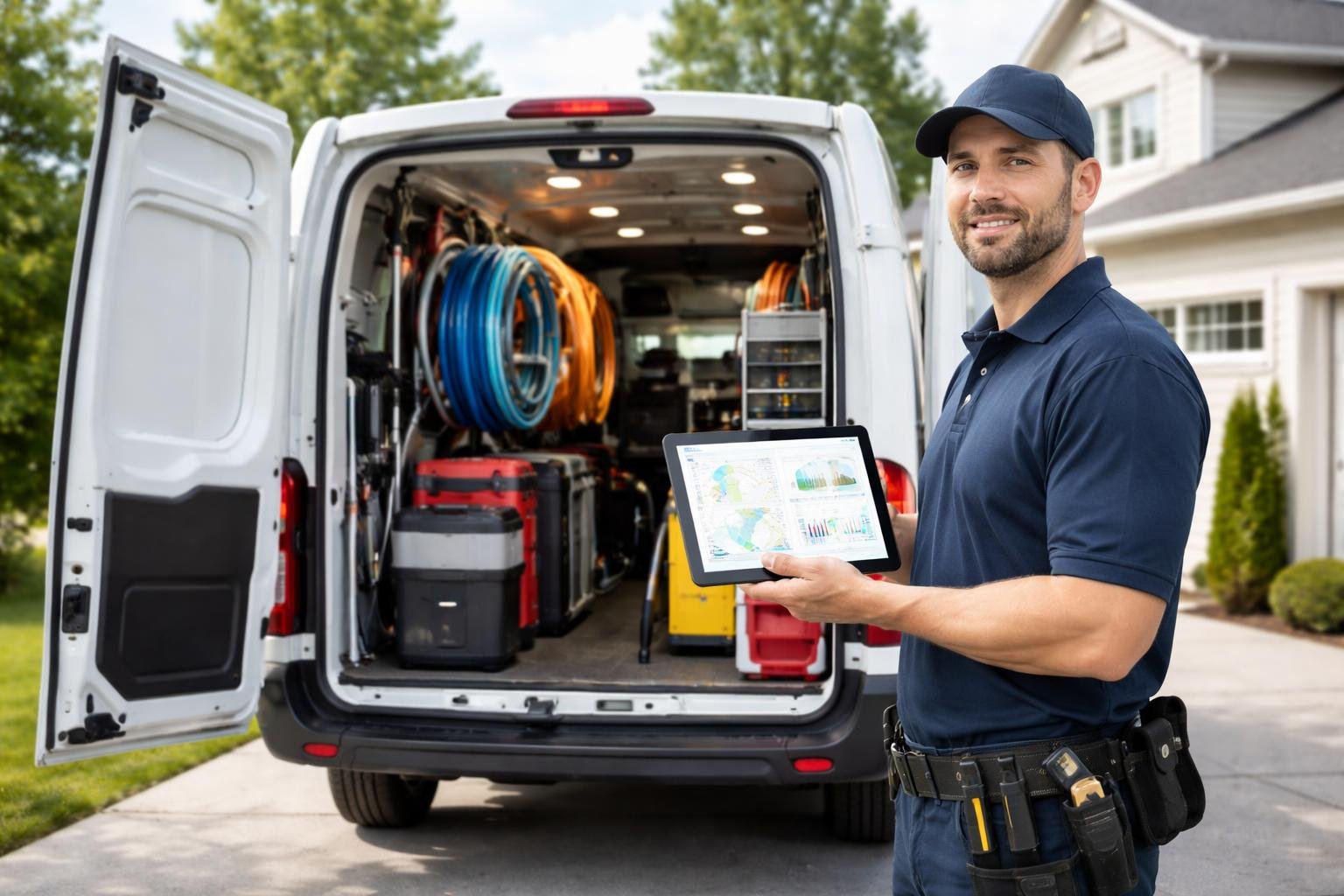
Plumbing vehicle monitoring uses GPS tracking and telematics to give real-time visibility into fleet operations. This technology helps optimize routes, verify work hours, reduce fuel costs, and improve customer service.
Modern systems offer more than just location tracking. They include features like driver behavior monitoring, maintenance alerts, and integration with timecard systems.
Vehicle ignition data can be matched to employee timesheets, ensuring accurate billing and payroll.
Vehicle monitoring systems help plumbing companies solve daily operational problems. They allow dispatchers to send the nearest technician and document arrival and departure times at job sites.
These systems create accountability and efficiency throughout the organization. To choose the right solution, companies should look at core features, implementation needs, and measurable benefits.
Understanding Plumbing Vehicle Monitoring
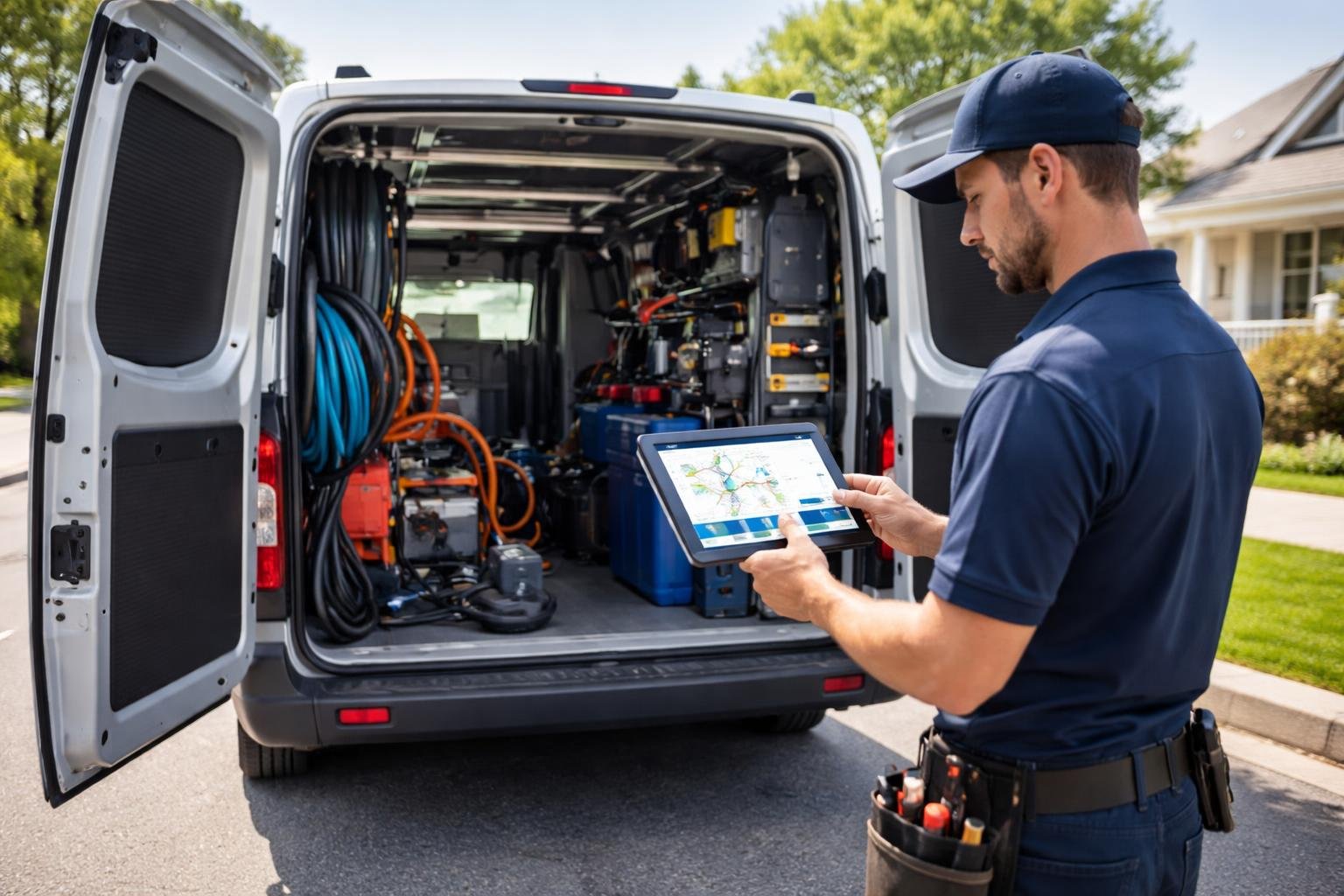
Plumbing vehicle monitoring uses GPS tracking with fleet management tools to help contractors track service vans and manage technicians. The system provides real-time location data, vehicle diagnostics, and driver behavior insights.
What Is Plumbing Vehicle Monitoring
Plumbing vehicle monitoring is a system that uses GPS devices in service vehicles to track location, movement, and usage in real time. Contractors use these systems to monitor their fleet as technicians travel between jobs.
The technology includes hardware in vehicles and software that can be accessed from computers or mobile devices. Fleet managers see vehicle locations on digital maps, get alerts for certain events, and review historical route data.
Core components include:
- GPS tracking devices in each vehicle
- Cloud-based software for processing and storage
- Dashboards for viewing fleet activity
- Mobile apps for technicians and dispatchers
- Alert systems for unauthorized use or maintenance needs
Modern tracking systems also integrate with business tools to track equipment, verify work hours, and automate customer notifications.
How Plumbing Vehicle Monitoring Works
GPS tracking devices in plumbing vehicles connect with satellites to get accurate location data. This data is sent through cellular networks to cloud servers, making it available to fleet managers and dispatchers.
The system works while vehicles are in use. When a technician starts the engine, the system records movement, speed, idle time, and route information.
Data updates regularly, often every few seconds or minutes, depending on the setup.
Vehicle tracking systems collect more than just location. They monitor ignition status, fuel use, harsh braking, rapid acceleration, and maintenance needs. Some systems have dashcams to record driver behavior and road conditions.
Contractors access this information through web dashboards or mobile apps. The software turns GPS data into useful insights like optimized routes, geofenced areas, and timesheet verification.
Integration with dispatch systems lets managers assign the nearest technician to emergency calls based on real-time location.
Key Benefits for Plumbing Contractors
Improved response times let dispatchers quickly find the closest technician to a service call. They can give customers accurate arrival estimates, boosting satisfaction.
Cost reduction happens by matching timesheet claims to vehicle ignition data, stopping unverified overtime. Fuel costs drop by finding better routes and preventing unauthorized vehicle use. Maintenance costs go down with preventive service based on real mileage and engine hours.
Enhanced accountability changes driver behavior because technicians know vehicles are monitored. This reduces personal use, excessive idling, and unsafe driving.
It also protects tools and equipment in vans and can lower insurance premiums.
Operational efficiency increases as managers use route data to optimize service areas and reduce travel time. The technology helps distribute work fairly and provides documentation for billing or warranty claims.
Core Features of Plumbing Vehicle Monitoring Systems
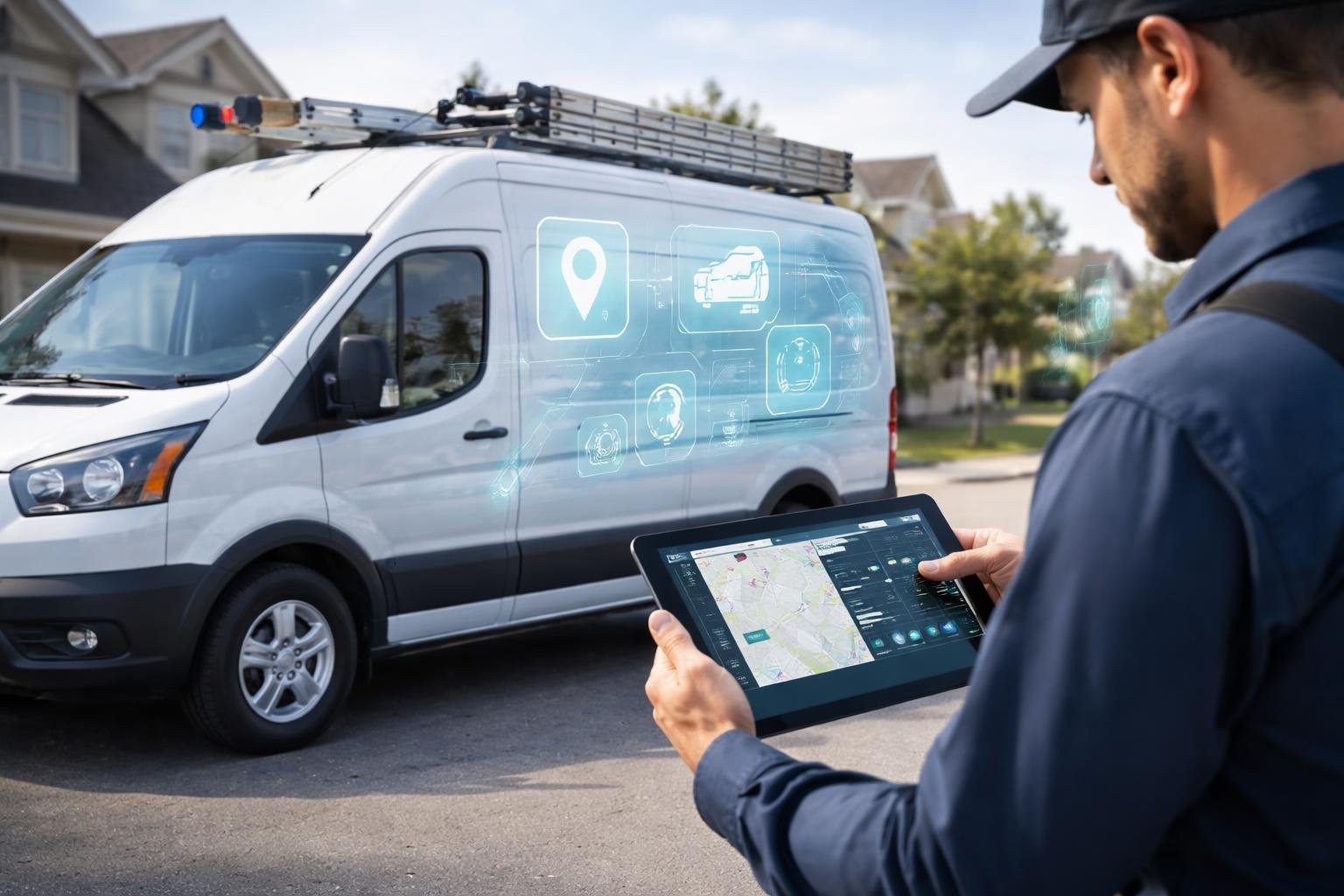
Modern plumbing vehicle monitoring systems give fleet managers tools to track vehicles and manage field operations. These systems use GPS and alert mechanisms to deliver data about fleet location and movement.
Real-Time Tracking and Live Maps
Real-time tracking shows the exact location of every plumbing vehicle on a live map. Fleet managers can see all vehicles on one dashboard and don't need to call drivers for updates.
The system updates vehicle positions every 30 seconds to two minutes.
Live maps help dispatchers find the technician closest to an emergency call, reducing response times. The tracking data also shows actual routes taken, helping spot inefficiencies.
GPS tracking keeps historical route data for managers to review. Companies use this data to verify service calls, billing records, and travel patterns.
The information is useful if customers question arrival times or service completion.
Geofencing and Geofence Alerts
A geofence is a virtual boundary around an area like a job site or customer location. Managers set these boundaries on a digital map.
The system tracks when vehicles enter or leave these zones.
Geofencing confirms technicians arrive at appointments and helps prevent unauthorized vehicle use outside business hours or service areas. Companies can also use geofences to monitor equipment yards or warehouses.
The technology supports multiple geofences at once. Managers can set permanent boundaries for regular sites or temporary ones for special projects.
Customizable Real-Time Alerts
Real-time alerts notify managers when certain events happen. They can arrive by email, text, or through the mobile app.
Managers choose which events trigger alerts and who gets them.
Common alert types include speeding, after-hours use, excessive idling, and harsh braking. Geofence alerts trigger when vehicles cross set boundaries.
Maintenance alerts remind managers when vehicles need service.
Managers can set different alert thresholds for different vehicles or drivers. For example, speed alerts might be set at 10 mph over the limit for some drivers and 5 mph for others.
Fleet Management and Optimization
Modern fleet management systems give plumbing companies centralized control over vehicles, equipment, and drivers. These platforms combine GPS tracking, maintenance scheduling, and route optimization to lower costs and improve service.
Fleet Management Software Capabilities
Fleet management software is a hub for tracking vehicles, managing equipment, and monitoring drivers. These platforms provide real-time visibility into vehicle health, technician locations, and operating costs.
The software handles job scheduling, parts inventory, and customer service management. This ensures technicians have needed supplies and helps streamline communication.
Advanced platforms offer analytics on vehicle and driver performance. They track inspection compliance, maintenance schedules, and van status.
This data helps companies coordinate crews and respond quickly to urgent calls.
Efficient Fleet Tracking and Oversight
GPS fleet tracking gives real-time locations for all vehicles in the field. Dispatchers can send the nearest technician to new requests, reducing response times and fuel use.
Tracking systems monitor asset use and driver behavior. Companies can verify job site arrival times and time spent on each call.
This improves productivity and helps find inefficiencies.
Customers get accurate arrival estimates based on technician locations. Automated updates let clients know when their plumber is on the way, meeting expectations for professional service.
Route Planning and Optimization
Route optimization software finds the best paths for service vehicles. It considers job locations, traffic, appointment times, and technician skills.
Companies can cut drive time between calls, saving fuel and fitting more jobs into each day. Dynamic routing updates plans in real time for emergencies or schedule changes.
Key routing benefits include:
- Reduced fuel use from shorter routes
- More service calls completed each day
- Lower vehicle wear from less mileage
- Better technician satisfaction with improved schedules
Driver Performance and Safety Enhancement
Vehicle monitoring systems let plumbing businesses track driver habits and reduce risky behavior. These tools help managers find training needs, prevent misuse, and keep the fleet accountable.
Monitoring Driver Behavior
Modern telematics systems track driving metrics like harsh braking, rapid acceleration, speeding, and sharp turns. GPS and onboard diagnostics collect real-time data on how technicians drive.
Fleet managers can review reports of incidents such as excessive idling, aggressive driving, or frequent violations. This data affects fuel use, maintenance costs, and insurance premiums.
The systems also record arrival and departure times at customer locations, providing proof of service for billing. Automated alerts notify managers of speeding or unsafe maneuvers, allowing quick action.
Driver Coaching and Scorecards
Driver scorecards turn telematics data into ratings for safety, fuel efficiency, and policy compliance. These scores give objective benchmarks for performance reviews.
Plumbing businesses can set coaching goals for each technician based on their scores. Managers get reports highlighting areas for improvement, like reducing hard braking or keeping steady speeds.
Some systems send live warnings in the cab when drivers make mistakes, offering immediate feedback.
Driver coaching programs use this data for focused one-on-one sessions. Technicians benefit from seeing specific examples of unsafe driving, making coaching more effective.
Reducing Unauthorized Use and Overtime
After-hours alerts notify managers when vehicles operate outside scheduled work hours. These alerts help identify potential unauthorized use or unreported overtime.
The system generates automatic notifications when ignition events occur during evenings, weekends, or holidays. This helps managers monitor vehicle activity during off-hours.
Geofencing capabilities trigger alerts when plumbing vehicles enter restricted areas or deviate from assigned service territories. This prevents personal use of company vehicles and ensures technicians follow designated routes.
Time tracking integrations compare vehicle operation hours against payroll records. Fleet managers can verify whether extended vehicle use is for legitimate emergency calls or policy violations.
Maintenance Scheduling and Cost Reduction
Effective maintenance scheduling reduces fleet costs by up to 35%. It also prevents unexpected breakdowns that sideline plumbing vehicles.
Automated systems, diagnostic alerts, and strategic planning work together to extend vehicle life. These tools help minimize operational expenses.
Automated Maintenance Schedules
Automated maintenance schedules track service intervals based on mileage, engine hours, and time since the last service. This eliminates manual tracking errors and ensures no vehicle misses critical preventive maintenance.
Fleet maintenance software generates work orders when vehicles reach set thresholds. Notifications go to fleet managers and technicians, helping coordinate shop availability with vehicle usage.
Modern scheduling platforms integrate manufacturer specifications into maintenance plans. They also adjust for seasonal needs, like pre-winter inspections and summer cooling system checks.
Key automation benefits include:
- Reduction in unplanned maintenance by up to 65%
- Elimination of spreadsheet tracking
- Coordinated scheduling across multiple vehicles
- Historical data analysis for optimizing service intervals
Alerts for Vehicle Health and Diagnostics
Real-time diagnostic monitoring identifies mechanical issues before breakdowns occur. Sensor data from engine systems, transmission, and brakes flows directly to fleet management platforms.
Critical alerts notify managers immediately when parameters exceed safe ranges. Oil pressure drops, coolant temperature spikes, and brake wear indicators trigger automated notifications.
Diagnostic alerts help reduce emergency repair costs by catching problems early. A failing water pump identified through monitoring costs less to replace than one that fails and damages the engine.
Fleet managers receive customizable alert thresholds based on vehicle age, usage, and priorities. High-priority vehicles get more sensitive monitoring than standard service trucks.
Lowering Fuel and Operational Costs
Proper maintenance scheduling improves fuel efficiency by keeping engines, tires, and drivetrain components in good condition. Regular oil changes, air filter replacements, and tire pressure checks can reduce fuel consumption by up to 15%.
Fleet maintenance programs extend vehicle service life by preventing accelerated wear. Scheduled transmission services help avoid costly rebuilds that can exceed $4,000 per vehicle.
Maintenance ActivityFuel SavingsCost AvoidanceTire pressure monitoring3-5%Premature tire replacementEngine tune-ups4-8%Major engine repairsAir filter replacement2-3%Reduced engine efficiency
Preventive maintenance costs less than emergency repairs. Scheduled brake pad replacement costs $200-400, while ignoring worn pads can lead to rotor damage and higher repair bills.
Advanced Tracking and Reporting Tools
Modern plumbing vehicle monitoring systems provide detailed historical data analysis. They also track equipment and tools, and integrate with business software for comprehensive oversight.
Route History and Replay Functionality
Route history features allow fleet managers to review where their plumbing vehicles traveled each day. Replay functionality recreates past trips with turn-by-turn visualization, showing stops, idle times, and actual routes.
This data helps verify completed service calls and resolve customer disputes about arrival times. Managers can compare planned routes against actual routes to find inefficiencies or unauthorized detours.
Route replays support driver coaching by highlighting excessive speeding, hard braking, or route deviations. The timestamp data syncs with ignition records to validate timesheet accuracy. Many systems retain route history for 60 to 90 days, with some offering extended storage.
Asset Tracking Beyond Vehicles
Plumbing contractors carry expensive equipment like drain machines, sewer cameras, and pipe locators. GPS trackers attach to high-value tools or equipment containers, sending location updates independent of vehicle tracking.
Companies can monitor tool movement between job sites, depots, and technician homes to prevent loss and theft. Some tracking platforms integrate with inventory management systems to show which equipment is assigned to specific jobs or employees.
Asset tracking also covers portable generators, compressors, and trailers that move between crews. Battery-powered GPS units provide location data for items stored outdoors or away from vehicles.
Integration with Third-Party Solutions
Fleet tracking platforms connect with field service management, accounting, and payroll systems through API integrations or partnerships. These connections transfer mileage data, job site arrival times, and vehicle usage hours into business workflows.
Integration with dispatch software enables real-time vehicle location sharing. This helps assign the nearest technician to emergency calls.
Time-tracking systems use ignition and geofence data to auto-populate timesheets, reducing manual entry errors. Accounting software integrations calculate accurate mileage reimbursements and job costing by matching GPS data with project codes.
Some platforms export compliance reports directly to safety management or insurance portals for easier documentation.
Selecting and Implementing Plumbing Vehicle Monitoring Solutions
Choosing the right vehicle monitoring system means evaluating hardware durability, GPS accuracy, and software features. Proper implementation ensures a good return on investment and smooth adoption.
Choosing Reliable GPS Trackers
The GPS tracker is the foundation of any vehicle monitoring system. Plumbing businesses should choose devices with update intervals of 10-30 seconds for accurate real-time positioning.
Signal strength is important, especially in urban environments. Multi-constellation support (GPS, GLONASS, Galileo) provides better accuracy in areas with tall buildings or underground parking.
Battery backup ensures tracking continues during electrical issues. Integration capabilities determine how well the tracker communicates with business systems.
Look for devices that support standard protocols like OBD-II connectivity. APIs make it easier to connect with dispatch, accounting, or customer management tools.
IP66 Hardware and Environmental Considerations
Plumbing vehicles face harsh conditions like moisture, debris, and temperature extremes. IP66-rated devices are dustproof and resist powerful water jets, making them suitable for tough environments.
Installation location affects device longevity and performance. Under-dash mounting protects hardware from direct exposure while keeping a strong GPS signal.
External antennas may be needed for vehicles with metallic roofs or large equipment loads. Temperature ratings should match the climate where vehicles operate.
Commercial-grade trackers typically work from -40°F to 185°F. This ensures reliability in both winter cold and summer heat.
Scalability and Customization Options
Fleet size can change over time, so systems should accommodate growth easily. Cloud-based platforms scale efficiently, letting businesses add vehicles by installing more trackers and activating licenses.
Customization features help companies configure the system for their specific workflows. Geofencing marks service areas, customer locations, or supply warehouses.
Custom alerts can trigger for unauthorized use, extended idling, or when drivers need assistance. Role-based access controls allow dispatchers, managers, and technicians to see different information levels.
Technicians might only see their assigned routes. Managers can access fleet analytics and historical data for all vehicles.
Deployment and Onboarding Tips
Professional installation reduces errors. It also ensures proper device placement.
Certified installers understand vehicle electrical systems. They can integrate trackers without voiding warranties or creating safety hazards.
Driver training should address privacy concerns. It should also highlight benefits like better roadside assistance and accurate overtime tracking.
Clear policies about monitoring usage help prevent misunderstandings. They also increase acceptance among technicians.
Phased rollout approaches are more effective than fleet-wide deployments. Starting with a few vehicles helps managers find configuration issues and refine alert settings.
This method allows teams to develop best practices before expanding to the whole fleet. Early success stories can help gain support from team members.