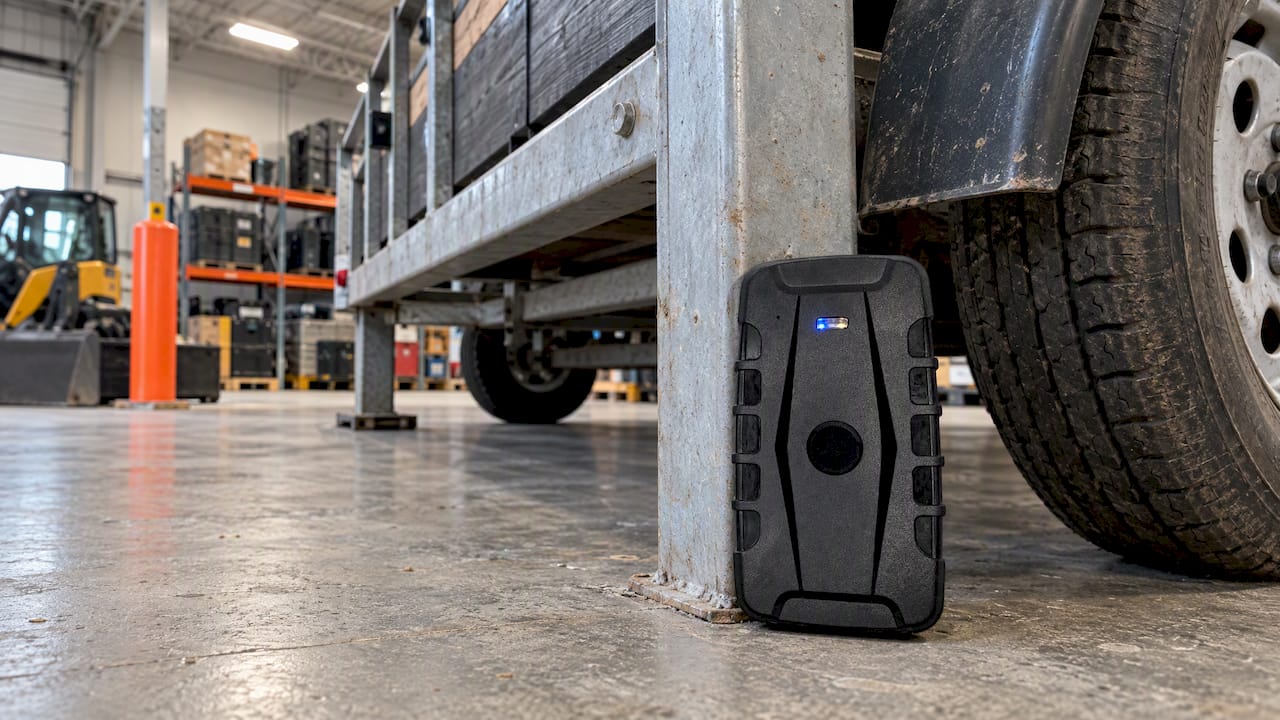
Landscaping Fleet Maintenance Tracking: Essential Systems for Operational Efficiency
How to start saving money
Lorem ipsum dolor sit amet, consectetur adipiscing elit lobortis arcu enim urna adipiscing praesent velit viverra sit semper lorem eu cursus vel hendrerit elementum morbi curabitur etiam nibh justo, lorem aliquet donec sed sit mi dignissim at ante massa mattis.
- Neque sodales ut etiam sit amet nisl purus non tellus orci ac auctor
- Adipiscing elit ut aliquam purus sit amet viverra suspendisse potent
- Mauris commodo quis imperdiet massa tincidunt nunc pulvinar
- Excepteur sint occaecat cupidatat non proident sunt in culpa qui officia
Why it is important to start saving
Vitae congue eu consequat ac felis placerat vestibulum lectus mauris ultrices cursus sit amet dictum sit amet justo donec enim diam porttitor lacus luctus accumsan tortor posuere praesent tristique magna sit amet purus gravida quis blandit turpis.

How much money should I save?
At risus viverra adipiscing at in tellus integer feugiat nisl pretium fusce id velit ut tortor sagittis orci a scelerisque purus semper eget at lectus urna duis convallis. porta nibh venenatis cras sed felis eget neque laoreet suspendisse interdum consectetur libero id faucibus nisl donec pretium vulputate sapien nec sagittis aliquam nunc lobortis mattis aliquam faucibus purus in.
- Neque sodales ut etiam sit amet nisl purus non tellus orci ac auctor
- Adipiscing elit ut aliquam purus sit amet viverra suspendisse potenti
- Mauris commodo quis imperdiet massa tincidunt nunc pulvinar
- Adipiscing elit ut aliquam purus sit amet viverra suspendisse potenti
What percentege of my income should go to savings?
Nisi quis eleifend quam adipiscing vitae aliquet bibendum enim facilisis gravida neque. Velit euismod in pellentesque massa placerat volutpat lacus laoreet non curabitur gravida odio aenean sed adipiscing diam donec adipiscing tristique risus. amet est placerat in egestas erat imperdiet sed euismod nisi.
“Nisi quis eleifend quam adipiscing vitae aliquet bibendum enim facilisis gravida neque velit euismod in pellentesque”
Do you have any comments? Share them with us on social media
Eget lorem dolor sed viverra ipsum nunc aliquet bibendum felis donec et odio pellentesque diam volutpat commodo sed egestas aliquam sem fringilla ut morbi tincidunt augue interdum velit euismod eu tincidunt tortor aliquam nulla facilisi aenean sed adipiscing diam donec adipiscing ut lectus arcu bibendum at varius vel pharetra nibh venenatis cras sed felis eget.
Landscaping businesses face unique challenges managing vehicles and equipment, such as mowers, trailers, and trimmers. Consistent upkeep is needed to avoid unexpected breakdowns and downtime during peak season.
Without a systematic approach, maintenance becomes reactive instead of proactive. This can lead to costly repairs and lost productivity.
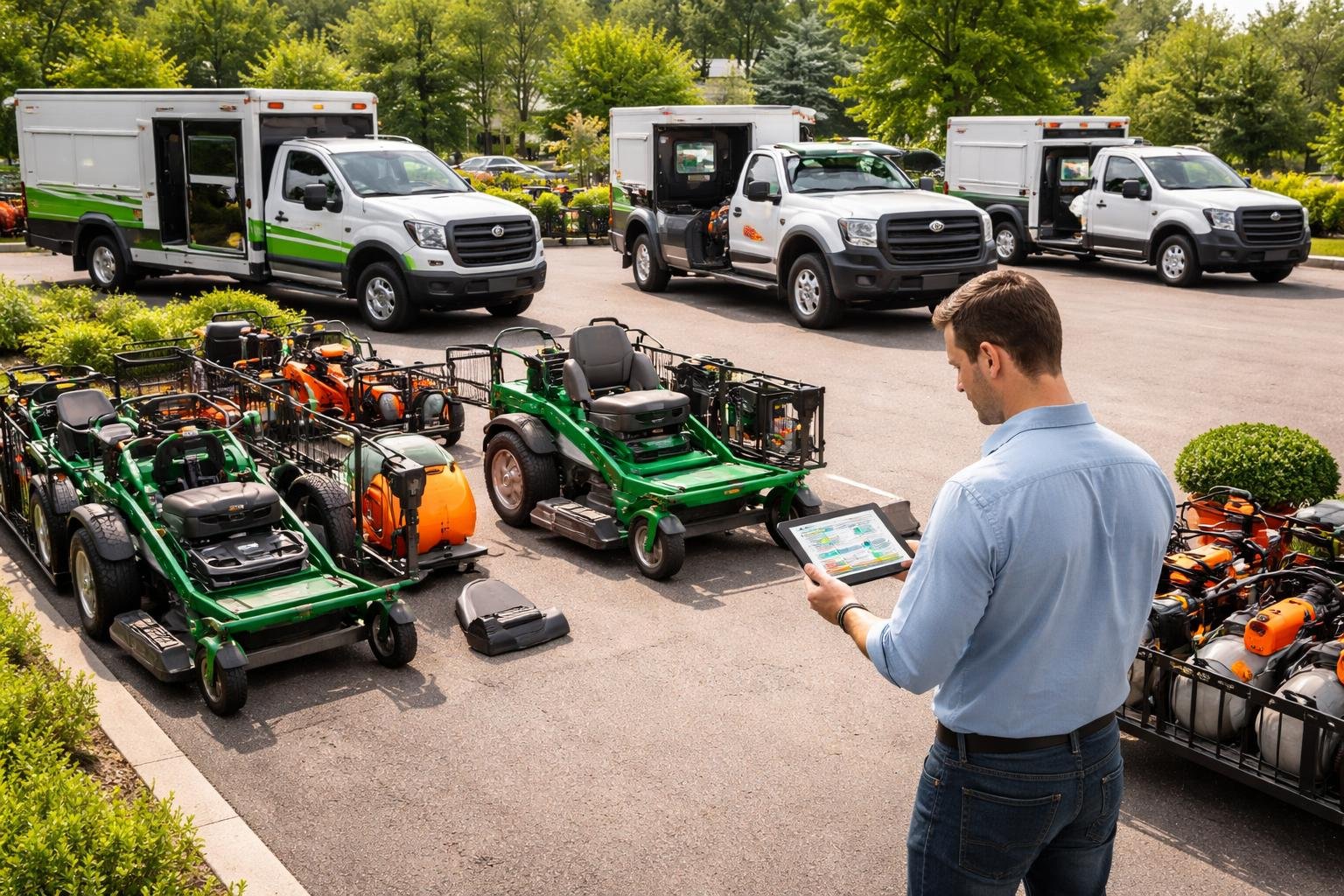
Fleet maintenance tracking systems help landscaping companies schedule and monitor maintenance based on mileage, engine hours, or time intervals. These systems centralize maintenance records, usage data, and service reminders in one platform.
Managers gain complete visibility into their fleet's health. This helps prevent equipment failures and extends asset lifespan.
Modern tracking solutions combine GPS technology, telematics, and maintenance management tools. These tools reduce costs, improve productivity, and keep operations running smoothly.
Understanding Landscaping Fleet Maintenance Tracking
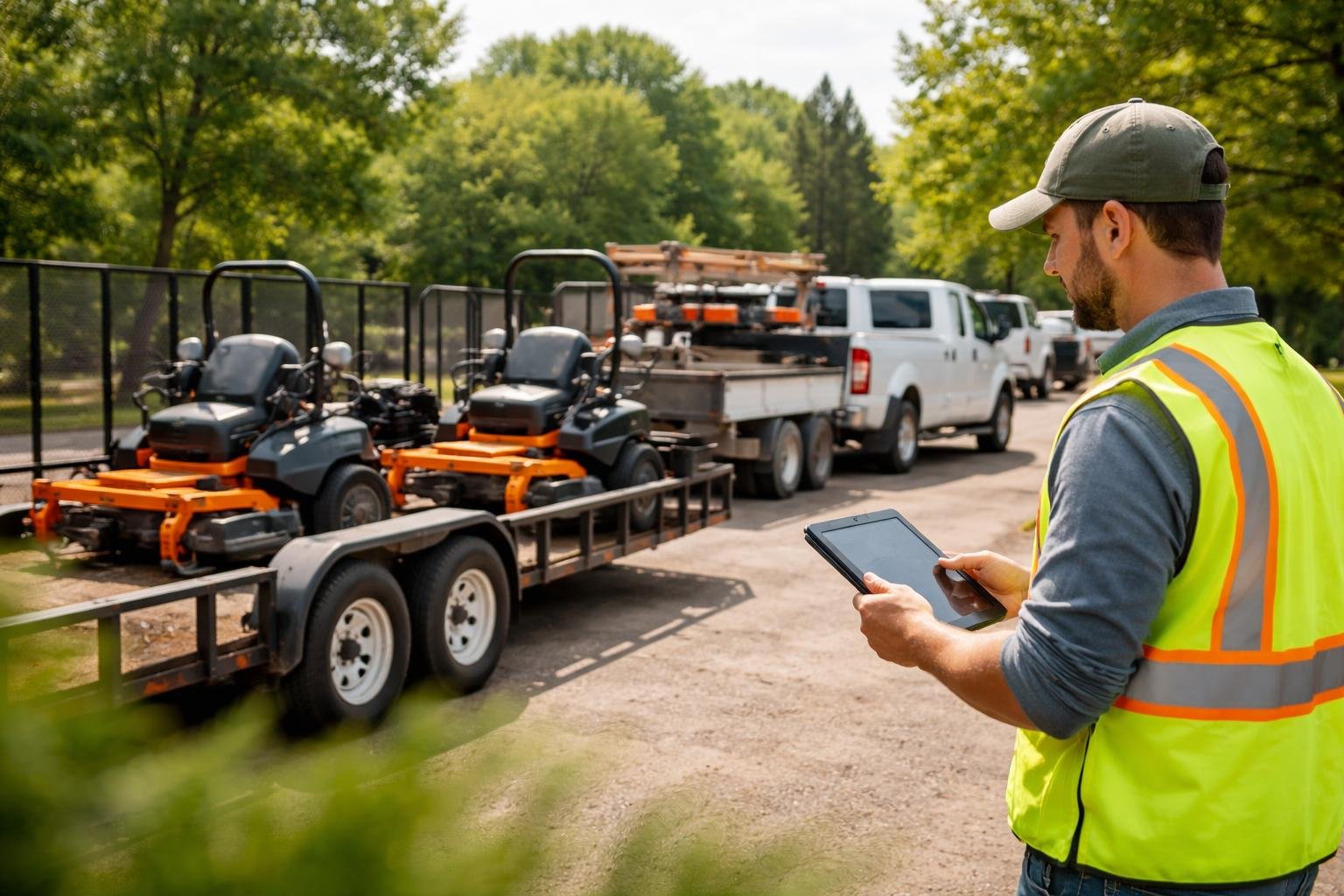
Landscaping businesses use a variety of equipment, including commercial mowers, trucks, trailers, and specialized tools. Systematic monitoring is crucial to prevent breakdowns and extend asset lifespan.
Effective maintenance tracking keeps crews operational during busy seasons. It also helps avoid costly repairs.
What Is Landscaping Fleet Maintenance Tracking
Landscaping fleet maintenance tracking is a method for monitoring and recording service activities for all vehicles and equipment in lawn care operations. It involves documenting maintenance schedules, repairs, inspections, and usage data.
Modern systems use digital platforms instead of manual logbooks or spreadsheets. They track maintenance intervals based on engine hours, mileage, or dates.
Managers can set automated reminders for tasks like oil changes, blade sharpening, and tire rotations. This ensures timely maintenance.
Fleet maintenance tracking also includes photo documentation, inspection checklists, and cost tracking for parts and labor. Each asset gets a comprehensive service history.
This history helps with warranty claims, resale value, and identifying recurring issues.
The Importance of Maintenance Tracking for Landscaping Fleets
Preventive maintenance scheduling reduces unexpected equipment failures. This keeps service schedules on track and protects client relationships.
Tracking maintenance systematically leads to fewer emergency repairs. It also extends the operational life of expensive assets.
Cost control improves when managers see maintenance expenses for all equipment. Tracking reveals patterns, such as vehicles needing frequent repairs, and helps decide when to replace equipment.
Reliable equipment boosts crew productivity during peak seasons. Well-maintained tools ensure teams arrive at job sites ready to work.
Maintenance tracking also helps with compliance and warranty requirements.
Key Challenges in Landscaping Fleet Maintenance
Managing different equipment types adds complexity. Mowers, trucks, and tools each have unique maintenance needs and intervals.
Some equipment tracks usage by engine hours, while others use mileage. Fleet management must account for these differences.
Seasonal work fluctuations make consistent maintenance scheduling harder. Equipment may sit idle in winter, requiring special storage and preparation.
Manual tracking methods often result in missed service intervals and incomplete records. Paper logbooks can get lost or damaged.
Many companies experience maintenance delays when relying on memory or non-automated systems.
Core Components and Technologies
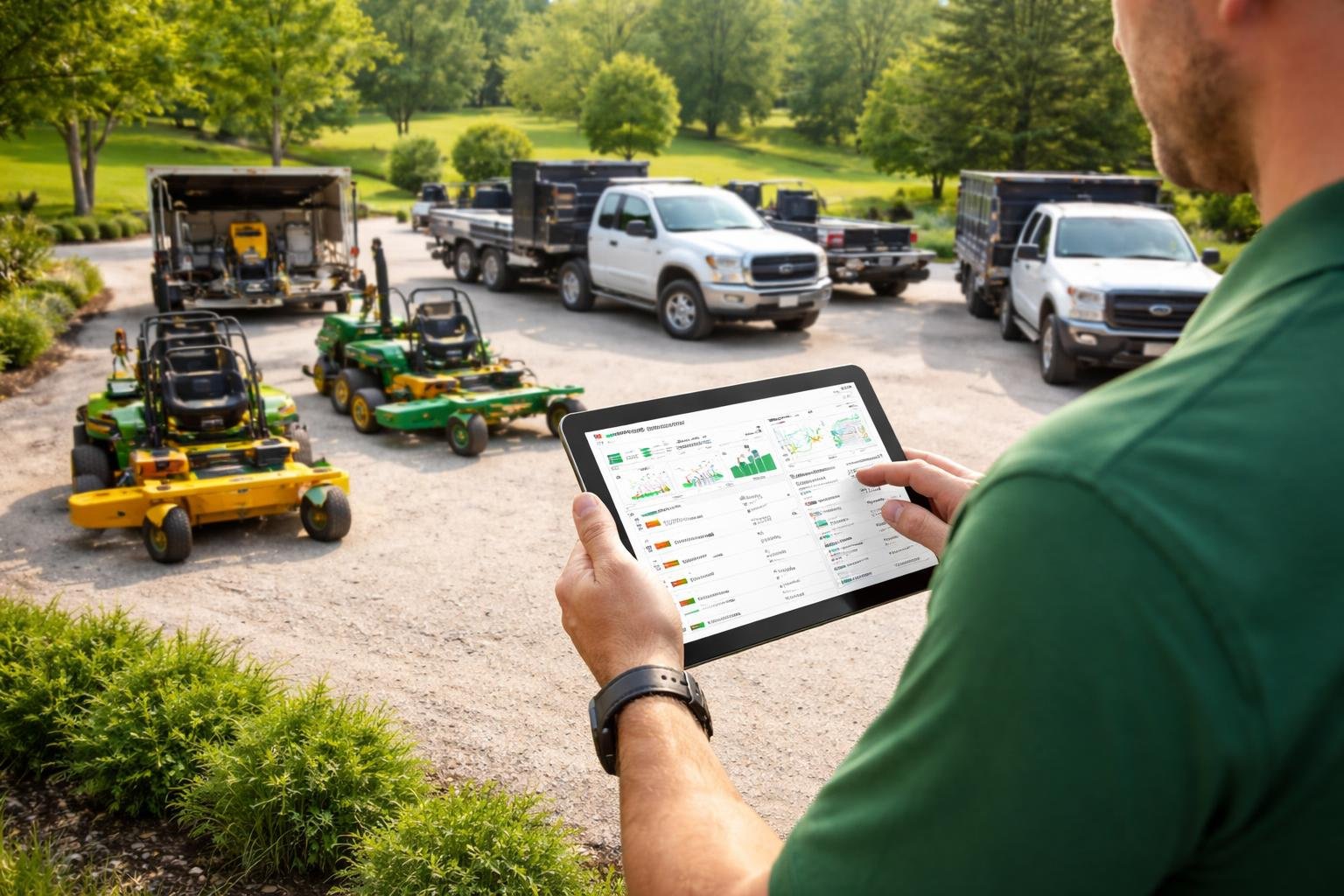
Effective landscaping fleet maintenance tracking uses both hardware and software to monitor vehicle location, equipment usage, and maintenance schedules. These technologies provide real-time visibility into fleet operations.
Fleet Tracking Systems and Hardware
Fleet tracking systems use physical GPS devices installed in vehicles and equipment. These devices send location, speed, and operational status to a central platform.
Modern tracking hardware includes compact units that mount easily to trucks, trailers, and mowers. Installation usually takes less than 30 minutes per vehicle.
Devices connect through cellular networks to relay movement and idle time. Battery-powered trackers are available for equipment without direct power sources.
Quality hardware provides accurate positioning, usually within 10-15 feet. The devices are built to withstand outdoor conditions like rain, dust, and temperature changes.
Telematics and GPS Tracking Integration
Telematics systems combine GPS tracking with engine diagnostics and operational data. These platforms monitor fuel use, engine hours, and driver behavior.
Real-time GPS tracking lets managers see exact vehicle positions and movement throughout the day. Integration with telematics captures detailed performance metrics for better maintenance planning.
Engine hour tracking is valuable for equipment like mowers that may not travel far but see heavy use. The system logs stops, routes, and service locations automatically.
Speed monitoring and alerts for harsh braking help identify driving habits that cause extra wear. This information supports better maintenance scheduling.
Maintenance Tracking Software
Fleet management software centralizes maintenance scheduling, repair tracking, and work order management. Managers set maintenance intervals based on mileage, engine hours, or calendar dates.
Automated reminders notify teams when service is due. The software keeps digital records of all maintenance activities, parts replaced, and repair costs.
Users can track warranty and vendor details for each asset. Work order systems make it easier to identify issues and complete repairs.
Key features include:
- Automated maintenance scheduling
- Digital service history for each asset
- Cost tracking for repairs, parts, and labor
- Integration with telematics data
Asset Tracking for Landscaping Equipment
Equipment tracking covers mowers, edgers, blowers, trailers, and more. Each asset gets a unique identifier for inventory management.
GPS-enabled tags or devices monitor equipment location to prevent theft and loss. The software records which crew uses specific equipment and where it operates.
This accountability reduces misplacement on job sites. Usage data helps make informed replacement decisions.
Powered equipment like mowers use telematics to track engine hours. Trailers and hand tools use GPS tags that report location at set intervals.
Real-Time Tracking and Visibility
Modern fleet maintenance tracking systems offer instant access to vehicle locations, equipment status, and maintenance needs. GPS platforms provide continuous updates on fleet positioning and mechanical conditions.
Real-Time Location Tracking Across Vehicles and Equipment
Real-time tracking systems update positions every few seconds, creating a clear view of all fleet assets. Managers can monitor trucks, trailers, mowers, and other equipment through centralized dashboards.
This visibility helps managers verify crew arrivals, track time at job sites, and review daily routes. GPS tracking also provides data on vehicle movements and idle times.
Fleet managers can identify inefficient routing or unauthorized use. The technology works for all asset types, ensuring full fleet coverage.
Service fleet tracking supports efficient dispatching by showing which crews are closest to new jobs. Timestamp features resolve customer questions about arrival times and service duration.
Geofencing for Asset Security
Geofencing sets virtual boundaries around areas like company yards or job sites. Managers get instant alerts when vehicles or equipment enter or leave these zones.
This feature helps prevent theft and unauthorized use. Landscaping businesses can set curfews to trigger alerts if equipment operates outside approved hours.
Geofences also confirm that crews visit scheduled locations and stay on site as needed. Automated monitoring improves security without constant manual checks.
Managers can set multiple geofences and customize alert settings for each zone.
Real-Time Maintenance Alerts
Maintenance alerts activate based on diagnostics, engine hours, mileage, or service intervals. The system monitors equipment and sends notifications when maintenance is due.
Fleet managers get alerts through mobile apps or web portals, allowing quick responses to issues. Vehicle diagnostics can detect problems like battery failure before breakdowns occur.
Real-time visibility into maintenance needs allows repairs to be scheduled during downtime. Automated tracking keeps digital service histories for each asset.
This approach extends equipment lifespan and lowers emergency repair costs.
Optimizing Maintenance Scheduling and Reminders
Effective maintenance scheduling uses automation, customization, and data-driven predictions. These elements work together to reduce downtime and extend equipment lifespan.
Automated Maintenance Scheduling
Automated scheduling tracks service intervals by mileage, engine hours, or time. The system creates maintenance schedules automatically when thresholds are reached.
Fleet managers can set triggers for different asset types. For example, mowers may need service every 50 engine hours, while trucks are serviced every 5,000 miles.
Key automation features include:
- Real-time monitoring of engine hours and mileage
- Automatic work order generation
- Digital service history for each asset
- Integration with parts inventory
Automation reduces administrative work and maintains consistent service schedules. It also prevents human error in tracking maintenance needs.
Customizable Maintenance Reminders
Maintenance alerts can be tailored to fit operational needs. Managers choose who receives notifications and how they are delivered.
Reminders can be set for multiple intervals before service is due. For example, a manager might get a reminder a week before maintenance, with daily alerts as the deadline approaches.
Notification options include email, SMS, dashboard alerts, and mobile app notifications. Different reminder types can be used for different tasks.
Seasonal equipment that sits idle can have scheduling paused and reactivated as needed. This prevents unnecessary alerts during off-seasons.
Predictive Maintenance and Analytics
Predictive maintenance uses historical data and equipment performance patterns to forecast failures before they occur. The system analyzes trends in repair frequency, part replacement intervals, and operational conditions to identify vehicles needing attention.
Analytics dashboards show maintenance costs per vehicle and downtime patterns. They also highlight recurring issues across the fleet.
This visibility helps managers spot underperforming assets and make informed replacement decisions.
Predictive capabilities include:
Analysis TypeBenefitFailure pattern recognitionEarly intervention before breakdownsCost trendingBudget forecasting and expense controlEquipment lifespan modelingOptimal replacement timing
Fleet maintenance tracking software connects repair data with usage patterns. A vehicle needing frequent repairs might signal operator training needs or route optimization opportunities.
These insights help reduce maintenance costs by addressing root causes.
Fuel Management and Route Optimization
Fuel is one of the largest operating expenses for landscaping fleets. Efficient fuel management and strategic route planning are essential for controlling costs.
Modern tracking systems provide data and tools to reduce fuel consumption through smart routing. They also monitor usage patterns with fuel cards and analyze efficiency metrics across the fleet.
Reducing Fuel Consumption Through Better Routing
Route optimization software reviews job locations, traffic patterns, and vehicle capacity. It creates efficient paths for landscaping crews.
This technology reduces fuel use by cutting unnecessary miles and avoiding backtracking.
GPS tracking systems provide real-time traffic updates. Dispatchers can adjust routes quickly when conditions change.
Fleet managers can group nearby jobs and sequence them to reduce total drive time.
Strategic planning also considers vehicle load capacity and equipment needs. Assigning the right vehicle to each route prevents sending oversized trucks to small jobs, saving fuel and reducing wear.
Key routing considerations include:
- Job site proximity and geographic clustering
- Time windows for scheduled appointments
- Vehicle capacity and equipment needs
- Historical traffic patterns during work hours
- Return trips to the depot for supplies or equipment
Using Fuel Cards and Usage Reports
Fuel cards provide detailed transaction data for each purchase. Each record includes vehicle identification, fuel quantity, mileage, and location.
Fleet managers can set restrictions on fuel cards to prevent unauthorized transactions. Cards can limit purchases to fuel only, block weekend use, or require odometer readings at each fill-up.
Usage reports from fuel card systems reveal patterns that may indicate problems. A sudden increase in fuel purchases for a vehicle could signal mechanical issues, fuel theft, or unauthorized use.
Analyzing Fuel Efficiency and Reducing Costs
Tracking fuel efficiency for each vehicle helps establish baseline performance and spot underperforming assets. Fleet management systems calculate miles per gallon automatically using fuel card and GPS data.
Driver behavior impacts fuel costs. Aggressive driving, excessive idling, and speeding all lower efficiency.
Telematics systems monitor these behaviors and generate reports for managers. This helps coach drivers to adopt better habits.
Comparing fuel efficiency across similar vehicles can reveal maintenance issues early. A truck with declining MPG may need an air filter change, tire pressure adjustment, or engine diagnostics.
Regular fuel data analysis should track:
- MPG trends for individual vehicles over time
- Idle time percentages by vehicle and driver
- Fuel costs per job or per customer
- Variance between expected and actual fuel consumption
Enhancing Productivity, Safety, and Accountability
Fleet maintenance tracking systems give landscaping businesses tools to monitor driver performance, document safety incidents, and verify service completion. These features support operational efficiency and help companies maintain professional standards while reducing risk.
Driver Behavior Monitoring and Scorecards
Driver behavior monitoring uses telematics to track habits such as harsh braking, rapid acceleration, speeding, and excessive idling. The system records these events in real-time and compiles data into driver scorecards.
Landscaping fleet managers can identify which operators need extra training or coaching. This targeted approach improves driver safety.
Common metrics tracked include:
- Hard braking and acceleration events
- Speed limit violations
- Idle time duration
- Seatbelt usage
- Sharp cornering
Driver scorecards create accountability by making performance visible. Many companies use these scores for recognition programs or performance reviews, encouraging safer driving habits.
Fleet Safety and Incident Reporting
Digital incident reporting tools let drivers document accidents, near-misses, and equipment damage from mobile devices. This ensures details remain accurate and complete.
Fleet safety improves when managers can quickly review incident reports with photos, location data, and timestamps. The documentation helps with insurance claims and identifies patterns that need attention.
Pre-trip and post-trip inspection checklists in the tracking system help drivers catch safety hazards early. These digital records prove compliance with maintenance schedules and safety protocols during audits.
Proof of Service and Compliance
GPS tracking and time-stamped service records provide proof of service. The system automatically logs when crews arrive at job sites, how long they stay, and which equipment was used.
This documentation increases productivity by reducing paperwork and manual timekeeping. Crews spend more time on jobs and less on administrative tasks.
Fleet operations benefit from compliance tracking for certifications, licenses, and training. The system sends alerts before credentials expire, preventing unlicensed operators from handling restricted equipment or chemicals.
Digital records also simplify responses to audits or customer verification requests.
Best Practices for Implementing Landscaping Fleet Maintenance Tracking
Successful fleet maintenance tracking starts with selecting software that fits business needs. Integration with current workflows and proper staff training are also essential.
These steps determine whether a tracking system becomes a valuable asset.
Choosing the Right Fleet Tracking Solution
Landscaping businesses should choose fleet tracking solutions that track both vehicles and equipment like mowers, trimmers, and trailers. The system should monitor maintenance by engine hours, mileage, and calendar intervals, as lawn equipment often needs service based on use, not distance.
Key features to consider include:
- GPS tracking for real-time location monitoring
- Customizable maintenance schedules for different equipment
- Automated reminders for upcoming service
- Mobile access for field crew updates
- Reporting tools for cost analysis and compliance
The fleet management platform should scale with business growth and handle seasonal changes in equipment use. Asset monitoring needs to include fuel consumption, idle time, and equipment performance metrics to spot inefficiencies.
Integrating with Existing Business Systems
A fleet tracking system works best when it connects with scheduling, accounting, and work order management tools already in use. Direct integration eliminates duplicate data entry and keeps maintenance records aligned with job assignments and billing.
Data synchronization with inventory software helps maintain accurate parts availability for repairs. Financial integration allows maintenance costs to post automatically to the correct job or equipment accounts.
These connections create a single source of truth for equipment status, preventing crews from being assigned vehicles or machines that need service.
Most modern platforms offer API access or pre-built integrations with common landscaping business software. Companies should check compatibility before purchase and plan for initial data migration from existing maintenance logs.
Training Staff and Ensuring Adoption
Office administrators, fleet managers, and field crew members each need training tailored to their roles. Administrators should learn how to schedule maintenance and generate reports.
Field staff mainly need to know how to use mobile check-in features and update equipment status. Hands-on training sessions are more effective than just reading documentation.
Begin with a pilot group of one or two crews before rolling out the system to everyone. This helps spot workflow issues and improve procedures.
Set clear rules about who enters maintenance data and how quickly repairs must be logged. Specify which metrics need daily checks.
Regular audits during the first 90 days can find gaps in how the system is used. Tying equipment tracking to performance reviews or crew bonuses helps keep everyone accountable and ensures data is entered consistently.