Landscaping Fleet Efficiency: Proven Strategies to Reduce Costs and Maximize Productivity
How to start saving money
Lorem ipsum dolor sit amet, consectetur adipiscing elit lobortis arcu enim urna adipiscing praesent velit viverra sit semper lorem eu cursus vel hendrerit elementum morbi curabitur etiam nibh justo, lorem aliquet donec sed sit mi dignissim at ante massa mattis.
- Neque sodales ut etiam sit amet nisl purus non tellus orci ac auctor
- Adipiscing elit ut aliquam purus sit amet viverra suspendisse potent
- Mauris commodo quis imperdiet massa tincidunt nunc pulvinar
- Excepteur sint occaecat cupidatat non proident sunt in culpa qui officia
Why it is important to start saving
Vitae congue eu consequat ac felis placerat vestibulum lectus mauris ultrices cursus sit amet dictum sit amet justo donec enim diam porttitor lacus luctus accumsan tortor posuere praesent tristique magna sit amet purus gravida quis blandit turpis.

How much money should I save?
At risus viverra adipiscing at in tellus integer feugiat nisl pretium fusce id velit ut tortor sagittis orci a scelerisque purus semper eget at lectus urna duis convallis. porta nibh venenatis cras sed felis eget neque laoreet suspendisse interdum consectetur libero id faucibus nisl donec pretium vulputate sapien nec sagittis aliquam nunc lobortis mattis aliquam faucibus purus in.
- Neque sodales ut etiam sit amet nisl purus non tellus orci ac auctor
- Adipiscing elit ut aliquam purus sit amet viverra suspendisse potenti
- Mauris commodo quis imperdiet massa tincidunt nunc pulvinar
- Adipiscing elit ut aliquam purus sit amet viverra suspendisse potenti
What percentege of my income should go to savings?
Nisi quis eleifend quam adipiscing vitae aliquet bibendum enim facilisis gravida neque. Velit euismod in pellentesque massa placerat volutpat lacus laoreet non curabitur gravida odio aenean sed adipiscing diam donec adipiscing tristique risus. amet est placerat in egestas erat imperdiet sed euismod nisi.
“Nisi quis eleifend quam adipiscing vitae aliquet bibendum enim facilisis gravida neque velit euismod in pellentesque”
Do you have any comments? Share them with us on social media
Eget lorem dolor sed viverra ipsum nunc aliquet bibendum felis donec et odio pellentesque diam volutpat commodo sed egestas aliquam sem fringilla ut morbi tincidunt augue interdum velit euismod eu tincidunt tortor aliquam nulla facilisi aenean sed adipiscing diam donec adipiscing ut lectus arcu bibendum at varius vel pharetra nibh venenatis cras sed felis eget.
Landscaping companies face unique challenges when managing their vehicle fleets and equipment across multiple job sites each day. Fuel costs, maintenance expenses, and inefficient routes can quickly reduce profit margins in a highly competitive industry where timely service is essential.
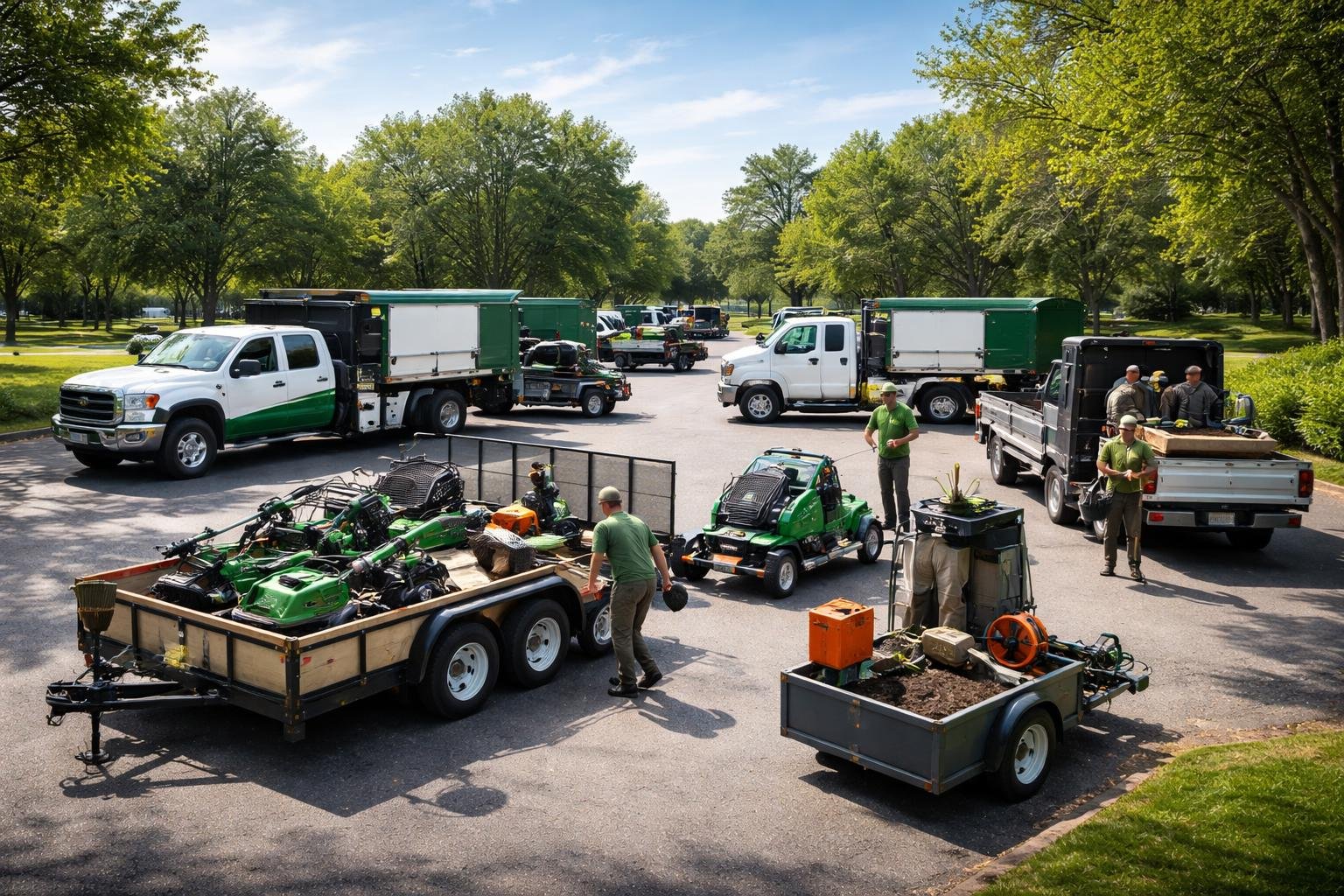
Implementing strategic fleet management can cut operational costs by 15-30%. These practices also improve service quality and customer satisfaction.
Optimizing routes, maintaining equipment proactively, and using technology to monitor fleet operations are key strategies. Tools like GPS tracking, telematics, and driver training help landscaping businesses increase productivity and stay competitive.
The Fundamentals Of Landscaping Fleet Efficiency
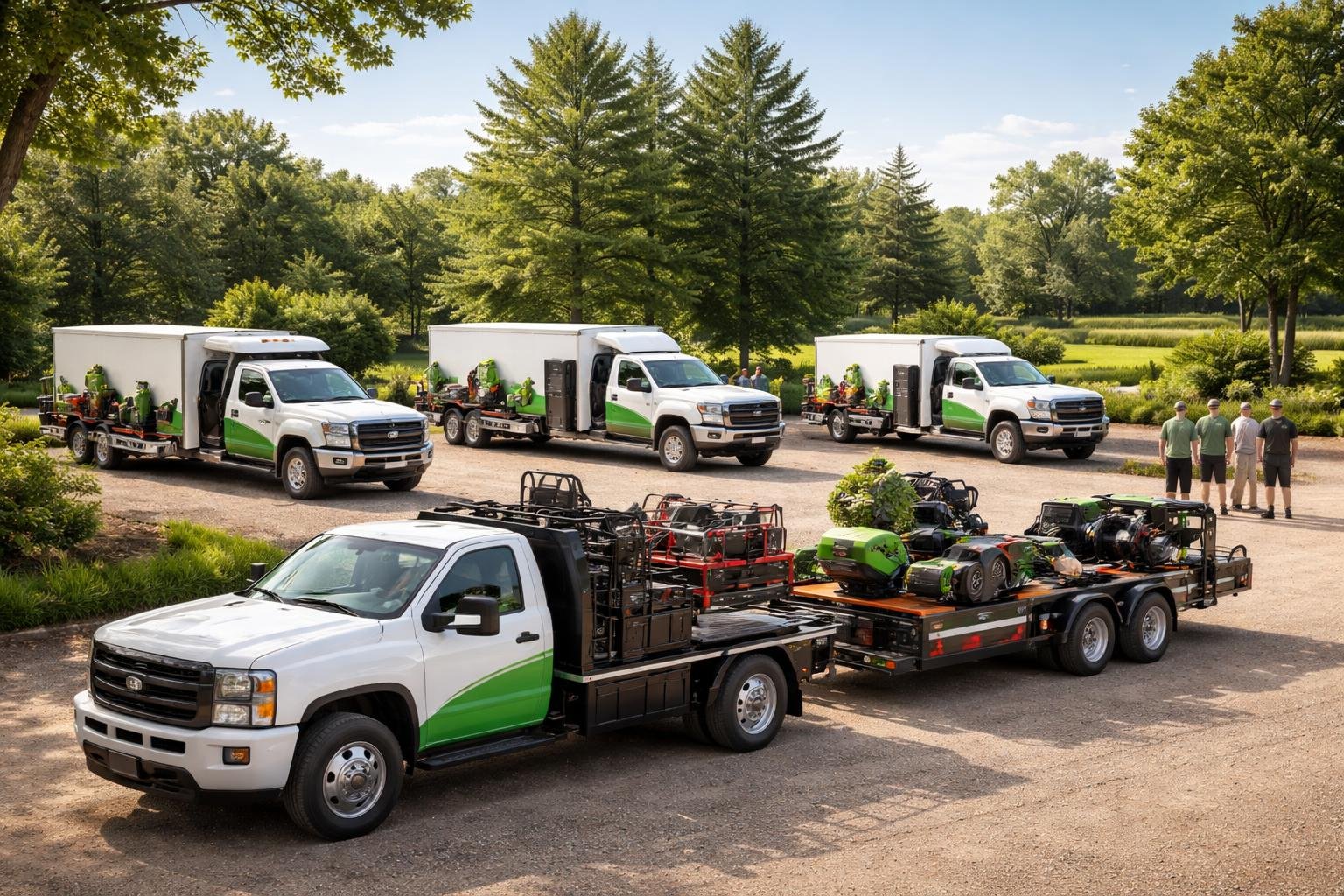
Landscaping fleet efficiency means getting the most work from vehicles and equipment while keeping costs and downtime low. Knowing key metrics and common challenges helps fleet managers make better decisions.
Defining Landscaping Fleet Efficiency
Landscaping fleet efficiency measures how well a company uses its vehicles, equipment, and resources to finish jobs while controlling costs. This involves coordinating crews, deploying equipment, managing fuel use, and scheduling maintenance for all assets.
A well-managed fleet avoids idle time and uses optimal route planning. Efficient fleets help protect profit margins because transportation and equipment costs are a major part of overhead.
Fleet efficiency also includes managing equipment lifespan, boosting crew productivity, and using resources wisely. Efficient fleets can complete more jobs with fewer vehicles, lowering both capital and operating costs.
Key Metrics And Performance Indicators
Fleet managers track specific metrics to improve landscaping operations. Cost per mile shows the total expense of running each vehicle, including fuel, maintenance, insurance, and depreciation.
Important fleet performance indicators:
- Vehicle utilization rate: Time equipment is in use versus idle
- Fuel efficiency: Miles per gallon or cost per service area
- Maintenance completion rate: Preventive maintenance done on time versus emergency repairs
- Asset utilization: Revenue generated per vehicle or equipment piece
- Route efficiency: Jobs completed per mile traveled
Total cost of ownership shows all fleet expenses over a vehicle's life. Return on investment helps decide when to replace old equipment instead of repairing it.
Common Challenges In Landscaping Fleet Operations
Seasonal demand changes make fleet management harder for landscaping businesses. During busy seasons, fleets need to work at full capacity, while off-seasons can leave vehicles unused.
Coordinating maintenance is challenging when crews need equipment most. Delayed repairs can cause breakdowns at busy times, disrupting schedules and revenue.
Route planning is complicated by multiple job sites, different service needs, and unpredictable weather or traffic. Poor routing raises fuel costs and reduces daily appointments.
Without good tracking systems, it’s hard to locate vehicles or tools across many job sites. This can lead to buying duplicates and underusing assets.
Fleet Management Strategies For Landscaping Businesses
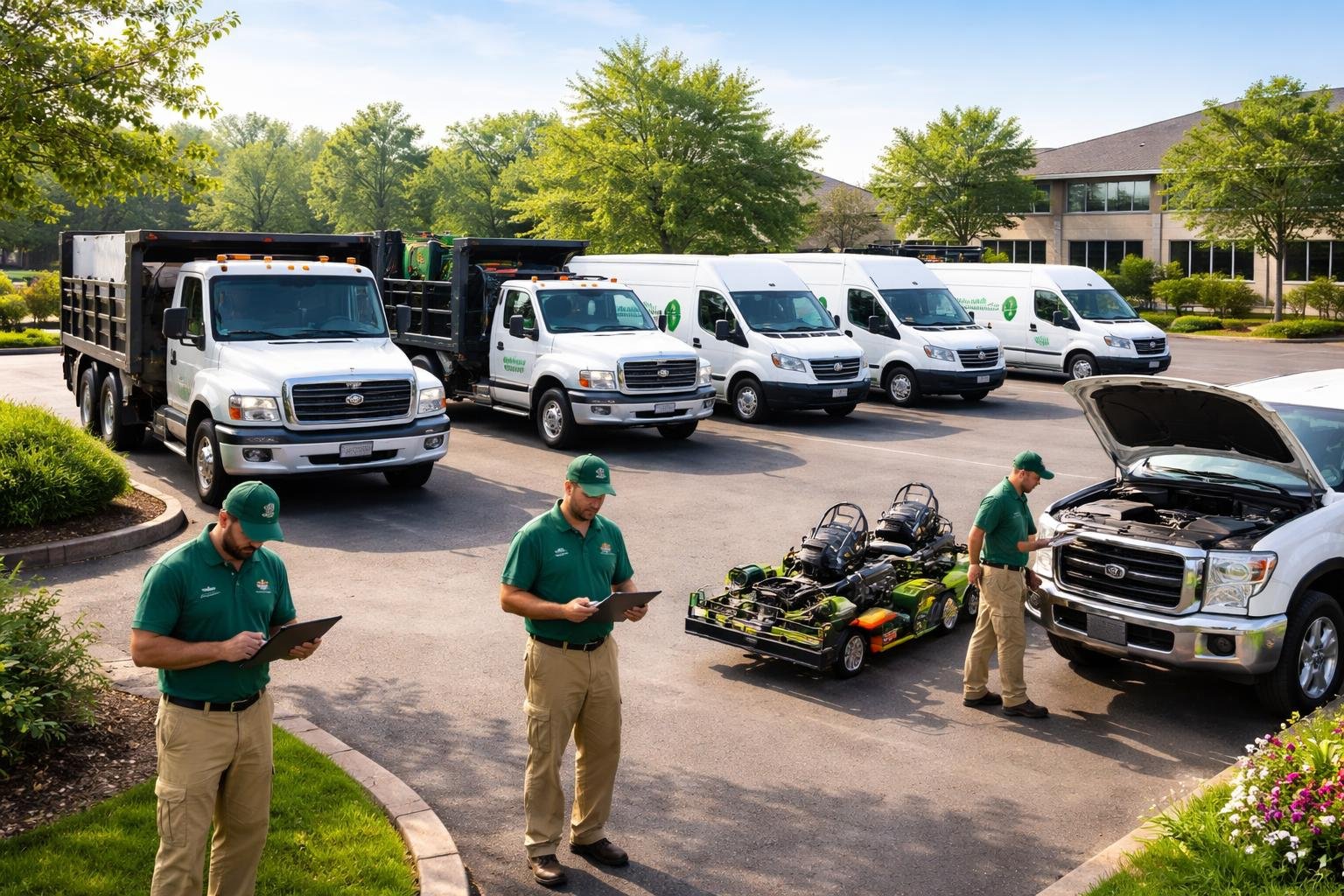
Effective fleet management means coordinating vehicles, equipment, and staff while keeping track of daily operations. Cutting maintenance costs and making assets last longer depend on proactive tracking and resource allocation.
Coordinating Vehicles, Equipment, And Staff
Landscaping companies need to organize many moving parts to stay productive across job sites. Fleet management software helps dispatchers assign the right vehicles and equipment to the right crews based on project needs and location.
This prevents crews from arriving without needed tools or with the wrong vehicle. Tracking which assets are in use, under maintenance, or available helps managers allocate resources better.
Digital scheduling matches crew skills with equipment needs and considers travel time between sites. This reduces idle time and keeps valuable assets like specialized trucks or mowers in use.
Companies can also adjust staffing and equipment deployment based on seasonal demand, avoiding overextension during peak times.
Real-Time Visibility And Monitoring
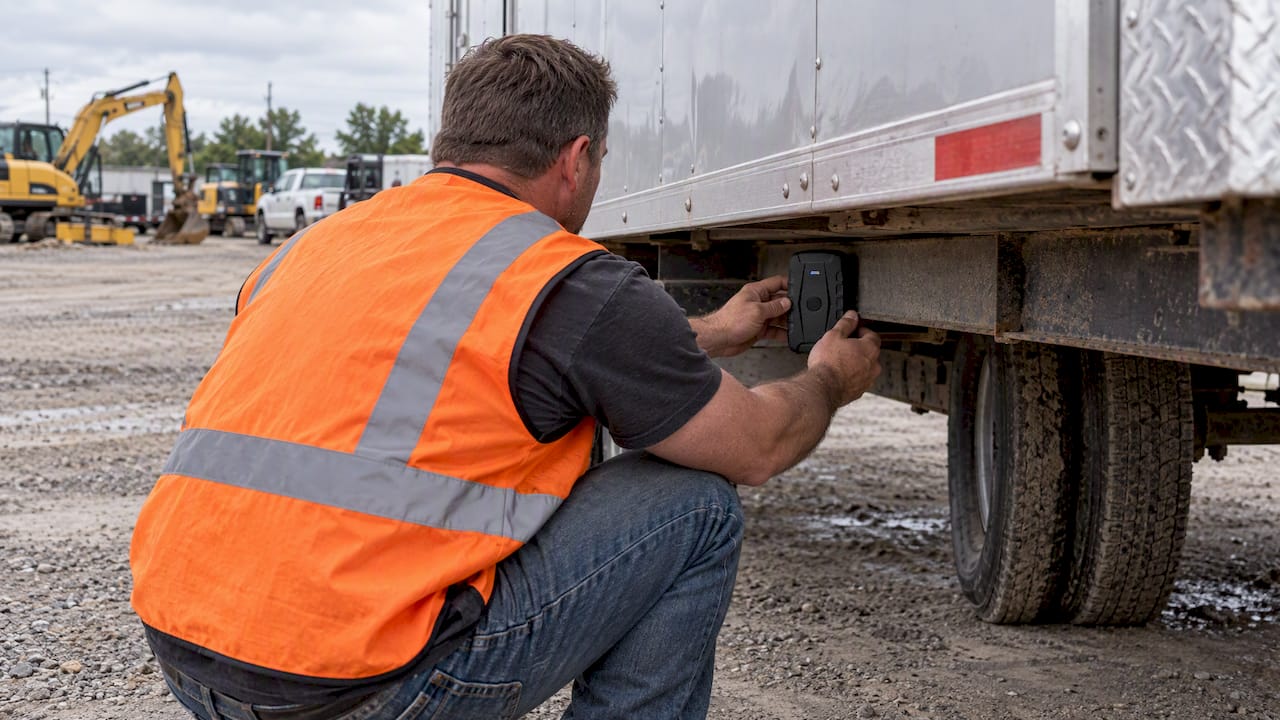
GPS and telematics provide real-time location data for all vehicles and equipment. Managers can monitor routes, spot schedule changes, and react quickly to delays or emergencies.
This visibility helps reduce fuel use by identifying inefficient routes and idling. Telematics systems also track engine diagnostics, usage hours, and performance, which helps with timely maintenance.
Fleet management software puts all this information into dashboards. Supervisors can see fleet status, track crew progress, and adjust resources as needed.
Cost Control And Asset Longevity
Scheduling maintenance based on actual usage prevents early wear and expensive repairs. Planning ahead for maintenance reduces downtime by fixing small problems before they become major failures.
Tracking maintenance costs per asset shows which vehicles or equipment need too much investment for their output. This helps managers decide when to repair or replace assets.
Regular inspections and predictive maintenance help trucks and equipment last longer. Fleet management systems keep service records, maintain asset value, and ensure warranty compliance.
Standardized maintenance protocols keep equipment in good condition across the fleet.
Leveraging Data And Telematics For Enhanced Efficiency
Modern landscaping companies use telematics systems to gather fleet data and make better decisions. Real-time GPS tracking and analytics turn this data into insights that lower costs and improve service.
Telematics Systems And Data Collection
Telematics systems are the backbone of data-driven fleet management. They combine GPS with vehicle sensors to automatically track location, speed, idle time, fuel use, and equipment activity.
The system sends this data wirelessly to a central platform for instant access. Modern telematics can collect dozens of data points per vehicle every minute, including engine alerts, maintenance needs, driver behavior, and boundary crossings.
Automated data collection reduces manual work and errors. Telematics platforms organize the data so managers can focus on the most important metrics, like time at job sites versus travel time.
Real-Time GPS Tracking
Real-time GPS tracking shows where every vehicle is at all times. Managers can follow crew movements, confirm arrival times, and check job completion.
This is especially useful during busy seasons when many teams work in different areas. GPS tracking enables quick response to breakdowns or weather issues by locating the nearest available crew.
It also helps communicate accurate arrival times to customers. Tracking data reveals inefficient routes and unnecessary travel, so managers can redesign service zones and cut mileage.
The technology helps prevent unauthorized vehicle use and aids in recovering stolen equipment.
Fleet Data Analytics And Reporting
Analytics turn telematics data into useful performance metrics. Reports group vehicles and drivers by fuel efficiency, safety, and productivity.
Pattern reports show trends that may be missed in daily operations. For example, certain routes may always have delays, or some vehicles may need frequent repairs.
Analytics platforms create automated reports on job duration, fuel use per stop, and vehicle utilization. These metrics help managers compare performance to industry standards and track progress.
Custom dashboards display relevant data for different team members, from supervisors to finance staff.
Utilization Of Telematics Data
To benefit from telematics, managers need to act on the insights. GPS data helps optimize daily routes, group nearby jobs, and reduce backtracking, which saves fuel and increases job completion.
Telematics also guides equipment replacement by showing actual usage and maintenance costs. Managers can replace vehicles based on data, not arbitrary schedules.
Driver coaching improves with specific data on braking, acceleration, and speeding. Maintenance becomes proactive, as telematics alerts managers to issues before breakdowns happen.
Benchmarking And Continuous Improvement
Measuring fleet performance against standards and past data helps landscaping companies improve operations. Regular tracking and comparisons reveal ways to cut costs and boost service.
Fleet Performance Benchmarking
Benchmarking gives companies clear metrics to assess how well their fleet operates. This includes tracking fuel use, maintenance costs, vehicle utilization, and response times.
Key benchmarking metrics:
- Cost per mile or hour
- Maintenance cost per vehicle
- Fuel efficiency by vehicle type
- Equipment downtime percentage
- Vehicle lifespan and replacement timing
Platforms like DataCalculus automate metric tracking and create real-time dashboards. These tools gather data from telematics, maintenance logs, and fuel purchases to give a full picture of fleet performance.
Managers should review benchmarking data each month to spot trends early. Using a Data Dictionary ensures everyone defines and measures metrics the same way, making comparisons accurate.
Setting Baselines And Tracking Progress
Setting baseline measurements gives a starting point to measure improvement. Fleet managers record current performance for all key metrics before making changes.
Progress is tracked by collecting data at regular intervals, such as weekly or monthly. Managers should note all operational changes, like new routes or vehicles, to link actions with results.
Report tools combine data from different sources into easy-to-read summaries for stakeholders. These reports should highlight successes and areas needing work. If performance falls short, managers look for causes and adjust strategies.
Comparing Against Industry Standards
Industry standards help evaluate whether a fleet's performance is competitive. Landscaping fleets have unique conditions, so sector-specific benchmarks are especially useful.
Mid-sized fleets can use benchmarking data to compete more effectively, even with fewer resources than larger companies. External benchmarking services collect anonymized data from many companies to create performance ranges.
These comparisons show if a fleet's costs, efficiency, or maintenance schedules match those of similar businesses. Large differences may reveal strengths to keep or inefficiencies to fix.
Benchmarking against industry standards helps managers set realistic targets. Goals become based on what similar operations actually achieve.
This approach also guides resource allocation and supports investments in new technology or training.
Optimizing Routes And Reducing Fuel Costs
Fuel expenses often make up 15-20% of total revenue in landscaping operations. Route optimization and fuel management are essential for fleet efficiency.
Strategic routing and proactive fuel monitoring can reduce fuel costs by 20-30%.
Route Optimization Techniques
Modern route optimization uses GPS tracking and fleet management software to find the most efficient paths between job sites. These systems consider distance, traffic, job duration, and equipment needs to cut unnecessary mileage.
Dynamic routing updates schedules in real time if jobs run long or weather changes. This prevents crews from driving extra miles or revisiting the same areas.
Fleet managers should group jobs by location to create tight service loops. Assigning dedicated service days for specific areas can cut drive time between properties by up to 40%.
Software can analyze historical job data to identify patterns and suggest the best job groupings based on seasonal workloads.
Key routing considerations:
- Job site proximity and clustering
- Equipment sharing between nearby sites
- Traffic patterns during service hours
- Crew availability and skill requirements
- Vehicle capacity constraints
Fuel Management Practices
Telematics systems provide accurate fuel consumption data across the fleet. These platforms track fuel use by vehicle, route, and crew to spot inefficiencies.
Regular fuel audits compare actual consumption to expected usage based on mileage and equipment. Large differences may point to fuel theft, maintenance needs, or poor driving habits.
Preventative maintenance keeps engines running efficiently. Clean air filters, properly inflated tires, and regular tune-ups can improve fuel economy by 10-15%.
Tire pressure checks are important because landscaping equipment often loses pressure on rough terrain. Fuel card programs track purchases by vehicle, driver, and location, increasing accountability and providing detailed reports for budgeting.
Reducing Idling And Improving Fuel Consumption
Extended idling burns about 0.5-1 gallon of fuel per hour and wears out engines faster. Landscaping crews often idle vehicles during breaks or while using equipment, leading to extra costs.
Anti-idling policies should set maximum idle times, usually 3-5 minutes, except for extreme weather or equipment needs. Telematics can monitor idle time and send alerts when limits are exceeded.
Driver training on fuel-efficient techniques can cut fuel use by 10-20%. Training should cover smooth acceleration, speed control, and gear selection for different terrains.
Sharing personal fuel efficiency metrics with drivers encourages improvement.
Fuel-saving driver behaviors:
- Gradual acceleration and deceleration
- Maintaining consistent speeds
- Anticipating stops to avoid hard braking
- Selecting appropriate gears for terrain
- Shutting down during extended stops
Right-sizing vehicles means matching equipment to the job. Using smaller vehicles for maintenance routes and larger trucks for installation work helps save fuel.
Vehicle And Equipment Maintenance Programs
Structured maintenance programs protect fleet investments through scheduled servicing and automated tracking. These programs prevent costly breakdowns and extend asset life.
Preventive And Predictive Maintenance
Preventive maintenance follows set schedules based on time, mileage, or engine hours. Landscaping fleets often schedule oil changes every 3,000-5,000 miles, regular tire rotations, and seasonal inspections.
Predictive maintenance uses data and sensors to spot potential failures early. Sensors track engine performance, hydraulic fluid, and component wear, allowing repairs during planned downtime.
Combining both strategies creates a strong maintenance plan. Each type of equipment needs tailored protocols based on use and manufacturer guidelines.
Regular blade sharpening, hydraulic checks, and air filter changes extend equipment lifespan.
Maintenance Scheduling And Alerts
Fleet management software automates maintenance scheduling with customizable alerts. Systems track mileage, engine hours, and dates to remind managers of upcoming service needs.
Common alert triggers include:
- Engine hours for commercial mowers
- Odometer readings for vehicles
- Time-based intervals for equipment
- Inspection due dates for compliance
Automated alerts prevent missed maintenance and reduce manual tracking errors. Managers receive notifications with enough time to schedule service.
Minimizing Downtime And Replacement Costs
Proactive maintenance reduces unplanned downtime that can disrupt job schedules. Emergency repairs usually cost more than planned maintenance.
Equipment used past its recommended service interval wears out faster and uses more fuel. Well-maintained equipment lasts 30-40% longer than poorly maintained machines.
Keeping a stock of common parts like filters, belts, and fluids allows for faster repairs. Tracking total cost of ownership helps managers decide when to repair or replace equipment.
Safety, Training, And Driver Performance
Driver safety affects fleet efficiency, insurance costs, and employee retention. Companies that provide training and monitor behavior reduce accidents and keep teams productive.
Driver Safety And Retention Strategies
Safety programs protect workers and lower turnover. Companies that invest in safety training see better driver retention because employees feel valued.
Effective retention strategies include:
- Regular safety meetings covering seasonal hazards and equipment updates
- Incentive programs rewarding accident-free records
- Clear career pathways linking safety to advancement
- Comprehensive onboarding introducing new drivers to vehicles and company protocols
Defensive driving courses should be tailored to landscaping, such as navigating neighborhoods with trailers. Training needs to cover backing up, blind spots, and protecting customer property.
New driver orientation should also include equipment securing, load distribution, and trailer coupling to prevent accidents.
Monitoring Driver Behavior
Technology lets managers track key performance metrics automatically. GPS and telematics devices record harsh braking, quick acceleration, speeding, and idle time.
Key metrics to monitor include:
MetricImpact on FleetSpeeding incidentsFuel use, accident riskHarsh braking eventsMaintenance costs, safety concernsIdle timeFuel waste, emissionsSeatbelt usageCompliance, driver safety
Real-time alerts help managers address risky behaviors immediately. Data can identify who needs more coaching and who consistently drives safely.
Tracking should focus on improvement, not punishment. Drivers respond better to feedback that shows how their actions affect costs and equipment.
Implementing Safety Protocols
Written safety protocols set clear expectations for all fleet operations. These should include pre-trip inspections, load securing, distracted driving policies, and emergency procedures.
Daily vehicle checklists help prevent breakdowns and accidents. Drivers should check tire pressure, fluid levels, brakes, and trailer lights before leaving a job site.
Load securing protocols are crucial for fleets carrying mowers, debris, and chemicals. Unsecured loads are dangerous and can break regulations.
Protocols should specify tie-down methods, weight limits, and height restrictions. Weather policies guide drivers during storms or extreme temperatures.
Managers must enforce safety protocols through regular audits and accountability for all team members.
Fleet Optimization And Resource Allocation
Fleet optimization means having the right number of vehicles and equipment for the workload. Strategic resource allocation ensures everything is used efficiently throughout the year.
Right-Sizing The Fleet
Fleet optimization starts by finding out how many vehicles and pieces of equipment are needed. Companies should review work orders, crew sizes, and service areas to calculate the best fleet size.
Tracking vehicle utilization rates helps spot underused assets. A utilization rate below 70% may mean the fleet is too large, while rates above 90% can show capacity issues.
Companies should decide if specialized equipment needs dedicated vehicles or if multi-purpose trucks can do multiple jobs. Right-sizing cuts insurance, maintenance, and depreciation costs.
Forecasting helps predict future needs based on customer growth and contracts. Regular fleet audits identify vehicles to retire, reassign, or replace.
Asset And Equipment Utilization
Maximizing equipment use means tracking how often each asset is deployed. GPS systems provide real-time data on locations, engine hours, and work time.
Managers can reassign nearby equipment to urgent jobs instead of sending extra vehicles. Shared equipment pools across crews increase utilization.
Clear protocols for equipment check-out, maintenance, and returns prevent delays. Peak utilization happens when asset availability matches job needs.
Key utilization metrics include:
- Daily active hours per vehicle
- Equipment deployment frequency
- Idle time between jobs
- Maintenance downtime percentages
Resource allocation systems ensure the right equipment is sent to each job.
Adapting To Seasonal Demand
Seasonal demand changes make resource allocation challenging. Spring and fall are usually busy, while winter can be slower.
Leasing extra vehicles during peak seasons is often better than buying equipment that sits idle for months. Cross-training crews to handle different services helps adjust to changing demand.
Tiered service schedules can spread maintenance across longer periods to avoid peaks. Forecasting with weather and contract data helps predict capacity needs.
Partnerships with other landscaping firms can allow equipment sharing during busy times. Preventive maintenance should be scheduled during slow months to keep vehicles ready for peak demand.
Customer Communication And Service Enhancement
Fleet management systems change how landscaping companies communicate with clients and confirm completed work. These tools let businesses share accurate information quickly and track service delivery and performance metrics.
Real-Time Updates For Clients
Modern fleet tracking technology allows landscaping companies to provide clients with live updates about service arrival times and job progress. GPS-enabled systems show exact vehicle locations, so dispatchers can share precise ETAs if weather or traffic causes delays.
Automated notifications inform customers when crews depart, arrive, and finish the work. This transparency reduces customer service calls and builds trust through proactive communication.
Some platforms offer client portals where property managers can view scheduled services and track multiple locations. They can also access job completion records.
This self-service feature benefits commercial clients who manage many properties in different regions.
Job Scheduling And Verification
Digital job verification systems replace paper-based processes. They use photo documentation, timestamp records, and electronic signatures collected from mobile devices.
Crew members photograph completed work before leaving each site. This creates visual proof of service delivery and helps reduce disputes.
Time-stamped GPS data confirms when teams arrive and leave job sites. This provides accurate records for billing and accountability.
Such documentation helps resolve customer questions about service timing or scope.
Integration between scheduling software and fleet management platforms keeps crews updated while in the field. Route optimization algorithms help sequence stops efficiently.
This allows companies to serve more clients each day while saving fuel and reducing vehicle wear.
Measuring Productivity And Satisfaction
Performance dashboards track key metrics such as jobs completed per day and time spent at each location. They also monitor fuel efficiency across the fleet.
These measurements identify top-performing crews. They reveal opportunities to boost productivity through better routing or improved equipment allocation.
Customer satisfaction scores are linked to specific crews and service dates. This helps managers recognize excellence and address service gaps quickly.
Businesses can analyze feedback patterns to find out if issues come from scheduling problems, equipment limitations, or training needs.
Bulk operations data shows trends across multiple properties. It highlights which service types generate the most customer inquiries or require repeat visits.