How to start saving money
Lorem ipsum dolor sit amet, consectetur adipiscing elit lobortis arcu enim urna adipiscing praesent velit viverra sit semper lorem eu cursus vel hendrerit elementum morbi curabitur etiam nibh justo, lorem aliquet donec sed sit mi dignissim at ante massa mattis.
- Neque sodales ut etiam sit amet nisl purus non tellus orci ac auctor
- Adipiscing elit ut aliquam purus sit amet viverra suspendisse potent
- Mauris commodo quis imperdiet massa tincidunt nunc pulvinar
- Excepteur sint occaecat cupidatat non proident sunt in culpa qui officia
Why it is important to start saving
Vitae congue eu consequat ac felis placerat vestibulum lectus mauris ultrices cursus sit amet dictum sit amet justo donec enim diam porttitor lacus luctus accumsan tortor posuere praesent tristique magna sit amet purus gravida quis blandit turpis.

How much money should I save?
At risus viverra adipiscing at in tellus integer feugiat nisl pretium fusce id velit ut tortor sagittis orci a scelerisque purus semper eget at lectus urna duis convallis. porta nibh venenatis cras sed felis eget neque laoreet suspendisse interdum consectetur libero id faucibus nisl donec pretium vulputate sapien nec sagittis aliquam nunc lobortis mattis aliquam faucibus purus in.
- Neque sodales ut etiam sit amet nisl purus non tellus orci ac auctor
- Adipiscing elit ut aliquam purus sit amet viverra suspendisse potenti
- Mauris commodo quis imperdiet massa tincidunt nunc pulvinar
- Adipiscing elit ut aliquam purus sit amet viverra suspendisse potenti
What percentege of my income should go to savings?
Nisi quis eleifend quam adipiscing vitae aliquet bibendum enim facilisis gravida neque. Velit euismod in pellentesque massa placerat volutpat lacus laoreet non curabitur gravida odio aenean sed adipiscing diam donec adipiscing tristique risus. amet est placerat in egestas erat imperdiet sed euismod nisi.
“Nisi quis eleifend quam adipiscing vitae aliquet bibendum enim facilisis gravida neque velit euismod in pellentesque”
Do you have any comments? Share them with us on social media
Eget lorem dolor sed viverra ipsum nunc aliquet bibendum felis donec et odio pellentesque diam volutpat commodo sed egestas aliquam sem fringilla ut morbi tincidunt augue interdum velit euismod eu tincidunt tortor aliquam nulla facilisi aenean sed adipiscing diam donec adipiscing ut lectus arcu bibendum at varius vel pharetra nibh venenatis cras sed felis eget.
Managing fuel efficiently can make a big difference in fleet performance and profitability. As costs increase and environmental rules become stricter, organizations seek reliable ways to track fuel use and find savings.
Fuel management solutions use real-time data, automation, and analytics to control consumption, reduce waste, and support smarter decisions.
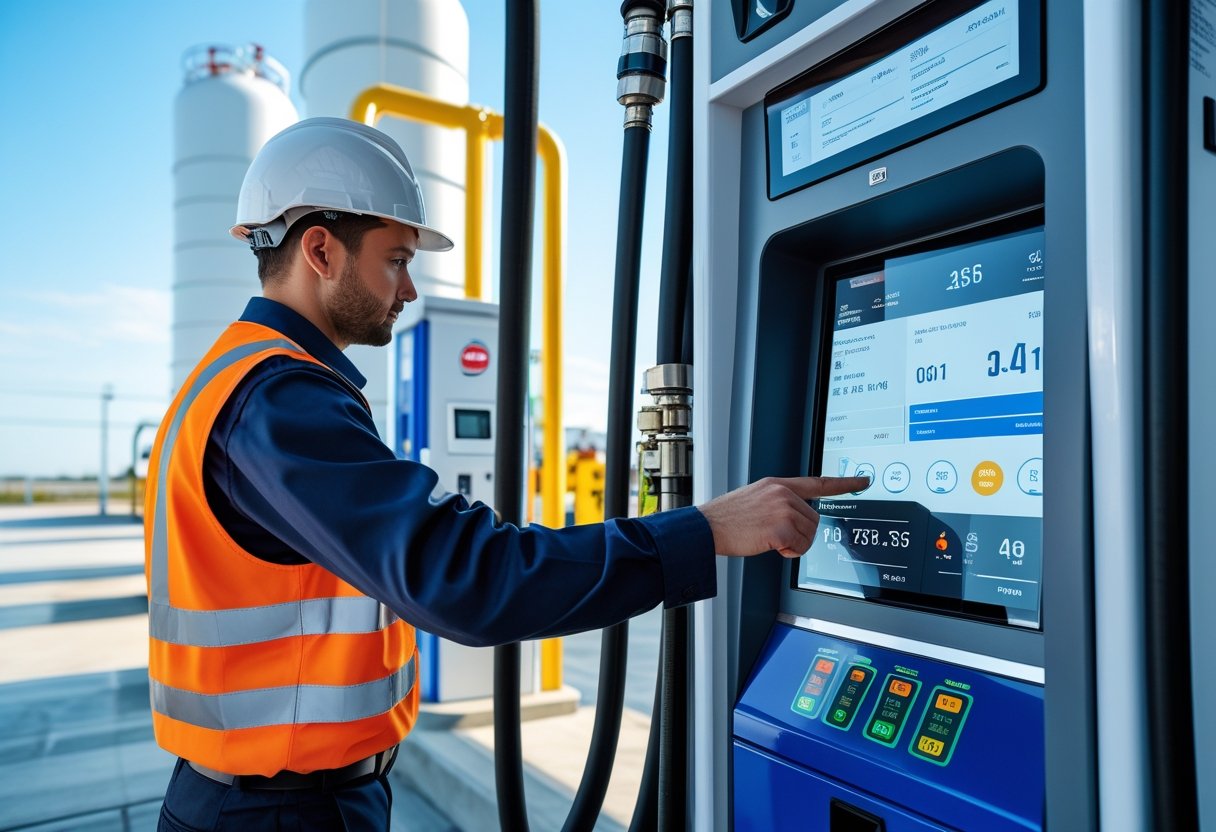
These systems connect with GPS tracking, telematics, and reporting tools to give logistics teams a full view of fuel usage. They help spot problems like idling, unauthorized fueling, or poor routing before costs rise.
With accurate monitoring, companies can manage fuel budgets more effectively and improve sustainability.
Adopting a fuel management solution is now essential across industries. Knowing what these systems do, how they work, and which providers lead the market helps organizations achieve fuel efficiency and cost control.
What Are Fuel Management Solutions?
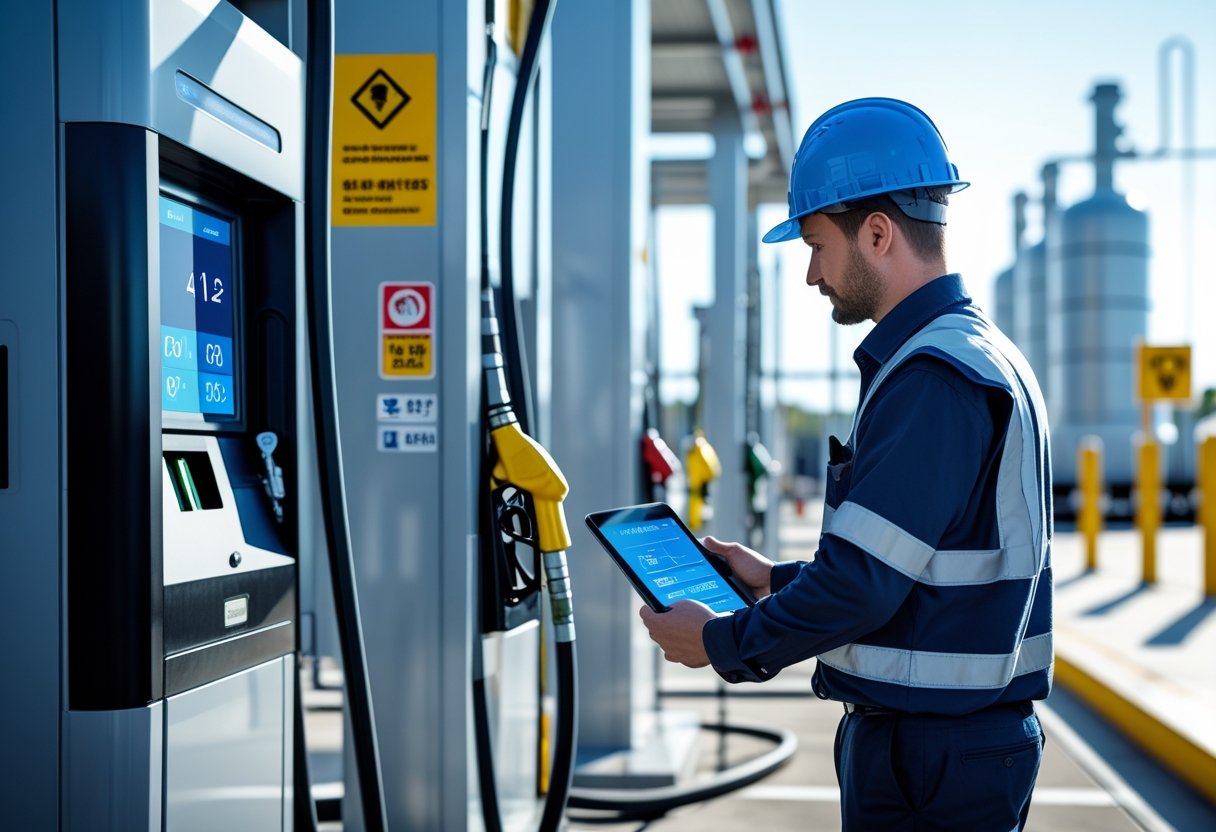
Fuel management solutions use hardware, software, and data analytics to monitor, control, and optimize how fuel is purchased, stored, and used. They help fleets make informed decisions, spot inefficiencies, and keep budgets accurate through precise fuel tracking.
Core Components of Fuel Management
A fuel management system (FMS) combines telemetry hardware, data management software, and reporting tools. Hardware like fuel sensors, RFID tags, and automated dispensers record fueling data and vehicle IDs.
These inputs go into software that analyzes metrics such as consumption rate, idle time, and refueling patterns. Many systems use GPS tracking and real-time monitoring to link vehicle behavior to fuel use.
Automated alerts notify managers about issues like excessive idling or potential theft. Data analytics create dashboards that show usage trends, cost breakdowns, and return on investment.
ComponentFunctionSensors & MetersMeasure fuel volume and flowTelematics PlatformTransmits data in real timeCloud SoftwareStores and analyzes fuel informationAccess ControlsVerifies user identity at dispensing points
These tools work together to track every stage of fuel activity, from supply to consumption.
Why Fuel Management Is Essential
Fuel is one of the biggest ongoing costs in fleet operations. Without accurate tracking, organizations may overspend due to waste, theft, or poor driving habits.
Fuel management systems give clear visibility into where and how fuel is used. Detailed data lets managers spot abnormal patterns and adjust maintenance or routes as needed.
This oversight also helps with regulatory compliance, as many areas require verified fuel logs for tax and emissions reporting. Effective fuel monitoring supports operational accuracy and accountability.
By controlling inventory and usage, companies keep fuel budgets stable. Predictive analytics help forecast expenses and plan purchases, reducing the impact of fuel price swings.
Benefits for Fleet Operations
Fuel is a major part of fleet operating costs. Using a structured fuel management solution helps organizations control spending and extend vehicle life.
Automated reporting cuts down on manual recordkeeping and reduces errors.
Key benefits include:
- Reduced fuel waste: Tracking idling, route efficiency, and refueling habits cuts unnecessary use.
- Cost control: Centralized data helps with budgeting and spotting trends across sites.
- Increased security: Controlled access at pumps and real-time checks reduce fraud and misuse.
- Improved sustainability: Optimized fuel use lowers emissions and supports environmental goals.
Modern fuel management software often connects with other fleet systems, creating a coordinated framework that ensures fuel is used efficiently.
Types of Fuel Management Solutions

Modern fuel management combines hardware, software, and analytics to track and control fuel use. These systems may vary in how they store data, handle transactions, and connect with equipment, but all aim to reduce waste and improve cost visibility.
Cloud-Based Fuel Management Platforms
Cloud-based fuel management software lets managers monitor fuel levels, purchases, and usage from any device. Data from telematics, fuel cards, and sensors updates in real time, making it easy to spot inefficiencies.
Many platforms offer central dashboards to display fleet fuel performance and compliance metrics.
These systems are usually subscription-based and integrate with existing fleet management or accounting tools. This lowers infrastructure costs and IT needs.
Because data is stored remotely, updates are automatic and the system can grow with operations.
Key AdvantagesExamples of CapabilitiesRemote access and mobile monitoringReal-time fuel usage trackingScalable and low maintenanceAutomated reports and analyticsIntegration with third-party systemsGPS-based fuel mapping
Security is important. Good providers use encryption and access controls to protect business data.
On-Site Fueling Systems
On-site fueling systems focus on fuel storage, dispensing, and transaction control within company property. These setups include storage tanks, pumps, and monitoring hardware that record each fueling event.
They offer better oversight for fleets based at a fixed location, such as construction or logistics companies. Hardware connects to software that logs driver IDs, fuel amounts, and times.
Some systems link with cloud dashboards to sync records automatically.
Key benefits are less downtime, control over fuel quality, and less reliance on outside fuel stations. Regular maintenance and following safety rules are required.
Many on-site systems include automated alerts for leaks or odd fuel use, supporting both cost control and safety.
Automated Fuel Management Tools
Automated fuel management tools use hardware sensors and intelligent software to track use, spot problems, and manage refueling automatically.
These tools use telematics, RFID tags, or card readers to confirm transactions and send data to reporting systems. Automation reduces manual errors and supports compliance with rules like the International Fuel Tax Agreement (IFTA).
It also improves fuel accountability and helps prevent misuse. Modern tools can connect to cloud or on-premises networks, giving organizations flexibility.
They often include predictive analytics to forecast fuel needs and plan deliveries. This helps align refueling with operations and supports cost-effective, transparent management.
Key Features and Integrations
Reliable fuel management solutions combine transaction control, vehicle tracking, and data-driven analysis to reduce waste and improve visibility.
They connect payment systems and telematics data in one platform, letting fleet operators monitor costs, usage, and compliance in real time.
Fuel Card Management and Integration
Fuel card integration links fuel purchases to a secure digital management system. It lets managers track every transaction and reduces fraud risk.
Each card can be assigned to a driver or vehicle, creating a clear audit trail. These systems often sync with accounting or ERP software for consistent data across departments.
Integration automates expense entry and reconciliation, which saves time and reduces errors.
A typical setup supports spending limits, real-time alerts, and fuel type restrictions to match company policy.
With accurate mileage tracking, it gives a full view of cost per mile and helps spot overuse. This leads to better expense control and budget accuracy.
Telematics and GPS Tracking
Telematics and GPS tracking are key parts of modern fuel management. These tools gather live data on location, speed, idling, and route efficiency.
When connected to fuel systems, they show how driver behavior and routes affect fuel use. Using GPS and telematics, operators can spot bad habits like long idling or detours.
Managers can then coach drivers or adjust schedules. The combination also helps detect theft, as mismatches between location and card use may signal misuse.
Maps and dashboards show vehicle status in near real time, allowing quick responses to changes or urgent needs. Using telematics with fuel data ensures performance metrics match both financial and operational realities.
Data Analytics and Reporting
Data analytics turns fuel and telematics data into useful insights. Systems gather transaction reports, mileage logs, and trends into clear dashboards.
Managers can track fuel efficiency, cost per gallon, and vehicle use rates for single vehicles or entire fleets. Many solutions include automated fuel use analytics, highlighting leaks, theft, or maintenance issues.
Predictive models use this data to estimate future fuel needs, improving planning. Advanced platforms offer customizable reports for each department.
Managers can export data for deeper analysis, supporting better decisions on fleet performance and budgets.
Regulatory Compliance Tools
Compliance tools help organizations meet fuel tax and reporting rules. Automated systems can generate IFTA reporting data, summarizing fuel use and distance by state or region.
This saves time on audits and reduces filing mistakes. Fleet software often checks for regulatory compliance, flagging missing or inconsistent records.
Digital storage ensures documents are easy to find during inspections. By combining GPS with route logs, the system accurately allocates fuel tax according to the International Fuel Tax Agreement (IFTA) or similar rules.
These features ensure compliance and save time by avoiding duplicate records and manual work.
How Fuel Management Solutions Optimize Fleet Performance
Fuel management systems use telematics, real-time analytics, and data integration to improve productivity, safety, and fuel economy across fleets. These solutions provide insights that help managers track use, cut waste, and support sustainable operations.
Improving Fuel Efficiency
Fuel management solutions track real-time usage data and reveal patterns that cause inefficiency.
By combining telematics with GPS route optimization, fleets can find the best driving paths, reduce idling, and avoid detours that increase fuel use.
Systems connect with sensors that track engine performance, speed, and idle time. Fleet operators can adjust maintenance or assign vehicles to routes where they perform best.
For example, comparing fuel used per mile between vehicles highlights where tuning or coaching can help most.
These systems also generate reports on factors like tire pressure and load weight, which affect fuel use. With all this data in one dashboard, managers can make decisions that improve overall fuel efficiency.
Reducing Fuel Costs
Automated fuel management helps fleets cut costs by linking fuel transactions to vehicles and drivers. This prevents unauthorized fueling and reduces errors in reporting.
The system enables monitoring of price trends across suppliers. Many solutions use purchase card integration to verify each transaction against distance traveled or average fuel economy.
A simple breakdown of cost tracking might include:
MetricPurposeExample InsightFuel volume vs. distanceIdentify abnormal usage15% excess fuel on Route AIdle timeDetect waste2 hours idle per shiftRefueling frequencySpot unauthorized activityRefill outside shift hours
Managers can set consumption thresholds and receive alerts when usage exceeds set levels. Over time, these insights support better budget control across multiple sites or regions.
Enhancing Driver Behavior
Driver conduct affects fleet efficiency and fuel use. Fuel management platforms track acceleration, braking, and idle time to spot patterns that waste fuel or increase vehicle wear.
Scorecards and automated alerts help managers address poor habits early. This allows for targeted driver coaching when needed.
Monitoring tools also support driver safety by flagging aggressive driving or speeding incidents. This data helps balance performance metrics with safety standards.
Feedback supported by clear data keeps training objective and measurable. Incentive programs can further motivate drivers to maintain efficient and safe driving habits.
Supporting Sustainability Initiatives
Modern fleets use fuel management technology to measure and report environmental performance. Tracking fuel consumption and carbon output allows organizations to set realistic reduction goals.
Managers can assess total emissions per vehicle class, customer route, or department. This breakdown highlights where upgrades—such as newer engines or alternative fuels—have the greatest impact.
Reports and dashboards provide measurable sustainability metrics for compliance or customer reporting. Data-driven tracking helps companies document reductions in fuel waste and emissions.
Fuel Monitoring and Consumption Tracking
Accurate monitoring of fuel activity helps reduce waste and improve accountability. A modern system captures and analyzes data on consumption, driver behavior, and equipment idling to reveal efficiency opportunities.
Real-Time Fuel Tracking
Real-time fuel tracking uses sensors and GPS-integrated telematics to measure consumption continuously. The system records fuel levels, refueling events, and consumption rates from each vehicle.
Managers can review live dashboards to detect sudden drops in fuel, which may indicate leaks or theft. This visibility supports faster decisions and reduces discrepancies in fuel records.
Integrating fuel tracking data with route management allows users to compare miles per gallon (MPG) across routes or drivers. This helps identify patterns that affect performance.
MetricTypical PurposeFuel levelDetect leaks or theftRefueling timeTrack fill eventsMPG trendCompare driver or route performance
Continuous tracking improves reporting accuracy and supports compliance with cost controls or environmental standards. Every gallon is accounted for.
Fuel Usage Reports
Fuel usage reports consolidate historical data to highlight efficiency trends. Reports group results by vehicle, trip, or driver, allowing comparison of average fuel consumption and cost per mile.
Many systems automate these summaries, producing updates that help managers identify anomalies. Tabulated data can reveal underperforming assets or maintenance needs.
A drop in average MPG might indicate poor tire pressure, engine issues, or inefficient routing. Modern reporting tools support exportable data formats for integration with accounting or compliance software.
This helps organizations link consumption metrics with budget tracking and sustainability goals.
Idling Alerts and Reports
Idling contributes to unnecessary fuel expense and emissions. Monitoring systems detect idle duration using engine status data, generating immediate idling alerts when a vehicle runs longer than a set threshold.
Drivers may receive in-cab notifications, while managers receive digital alerts through dashboards. By analyzing idling reports, teams can track total idle time, fuel burned during idle, and cost implications.
These reports can rank drivers or vehicles by idle hours, helping set measurable reduction targets. Reducing idling improves fuel efficiency and lowers maintenance wear.
Feedback tools encourage more disciplined driving habits and reinforce accountability across the fleet.
Implementation and Best Practices
Successful fuel management depends on a clear evaluation of operational needs and seamless system integration. Consistent staff engagement is also important.
A structured rollout process ensures data accuracy and efficient resource use. This supports sustained performance improvement across fleets of any size.
Assessment and System Selection
Before implementation, fleet managers must evaluate how fuel is tracked, monitored, and reported. This involves reviewing historical consumption patterns and examining fuel card data.
Identifying inefficiencies such as excessive idle time or inconsistent recordkeeping helps set clear objectives. Goals like reducing costs, improving route optimization, or enhancing invoice accuracy guide system selection.
Choosing the right software or hardware means balancing scalability with cost effectiveness. Larger fleets may prioritize advanced analytics and real-time data integration.
Smaller operations often seek easy deployment and basic reporting tools. Evaluating compatibility with current telematics and accounting systems avoids future bottlenecks.
A comparison matrix can help decision-making:
Evaluation CriteriaExample ConsiderationsFunctionalityReal-time monitoring, automated reportingScalabilityFleet size growth and multi-site useSupport24/7 customer support, onboarding assistanceCost StructureSubscription vs. usage-based billing
Documented assessments ensure transparency in selection and provide a baseline for measuring future improvements.
Integration With Existing Infrastructure
Integration should align the fuel management system with existing tools like GPS tracking, dispatch software, and financial systems. Data synchronization eliminates manual input and streamlines information flow.
Accurate integration improves billing accuracy, identifies high-consumption vehicles, and supports predictive maintenance. IT departments and vendors must coordinate to test compatibility before full deployment.
Secure data sharing protocols and standardized file formats (such as APIs) prevent errors and duplication. For organizations with multiple fuel stations or suppliers, automated reconciliation between purchase records and invoicing systems reduces discrepancies.
Early pilot testing across a small number of vehicles helps uncover technical gaps. This approach minimizes disruption and builds confidence in the system before full rollout.
Staff Training and Support
Staff adoption is key to long-term success. Drivers and dispatchers need clear guidance on using fuel cards, capturing odometer readings, and following refueling policies.
Consistent training programs help staff understand how the system affects daily operations. Fleet managers should create brief reference materials and digital help guides.
Vendors that provide ongoing customer support and remote troubleshooting increase reliability. This reduces downtime caused by technical issues.
Regular feedback sessions keep system usage aligned with objectives. Monitoring compliance reports and training completion rates allows managers to identify areas needing more instruction.
Top Providers and Market Leaders
The most effective fuel management solutions combine accurate data tracking with automation. Market leaders integrate telematics, analytics, and reporting into unified platforms for greater reliability and scalability.
Leading Fuel Management Software Solutions
Modern fuel management software supports decision-making through real-time tracking, digital reporting, and automated alerts.
Products like Geotab, Samsara, Verizon Connect, and Motive integrate vehicle telematics with cost analysis. These systems help fleets monitor usage, detect inefficiencies, and prevent unauthorized fuel spending.
They typically connect to hardware such as fuel cards or sensors that capture data on mileage, engine idling, and refueling events. Fleetio, AUTOsist, and Simply Fleet focus on ease of use with cloud-based dashboards and mobile apps.
Many tools allow managers to assign vehicles, log fuel receipts, and compare fuel economy across drivers or assets. The best platforms connect fuel tracking to broader fleet management solutions for maintenance, compliance, and cost forecasting.
ProviderKey FeaturesSuitable ForGeotabTelematics, sustainability reportingLarge fleetsSamsaraReal-time fuel tracking, GPS integrationTransportation and logisticsFleetioCloud dashboards, cost trackingSmall to medium-sized fleetsFuelForceAutomated fueling control, compliance toolsGovernment and commercial fleets
Major Industry Players
Several established companies shape the competitive landscape of fuel management systems through technology innovation and partnerships. Firms like WEX, FleetCor, Omnitracs, and Bosch have built platforms that combine fuel card networks, data analytics, and payment automation.
Their solutions help fleets manage expenses across regions. They also integrate with accounting systems for easier reconciliation.
FuelForce offers hardware-driven control systems that ensure only authorized fueling and provide clear audit trails. Verizon Connect integrates telematics with fuel data, giving fleets insight into driver behavior and route efficiency.
These industry leaders show a trend toward data convergence. Fuel information now merges with vehicle diagnostics and regulatory compliance tracking.
Global competition is steady, but adaptability is important. Companies that support sustainability, follow regulatory changes, and use connected-vehicle technologies are better positioned to reduce fleet fuel costs and improve efficiency.