Electrical Fleet Utilization: Strategies for Maximizing Commercial Vehicle Efficiency in 2026
How to start saving money
Lorem ipsum dolor sit amet, consectetur adipiscing elit lobortis arcu enim urna adipiscing praesent velit viverra sit semper lorem eu cursus vel hendrerit elementum morbi curabitur etiam nibh justo, lorem aliquet donec sed sit mi dignissim at ante massa mattis.
- Neque sodales ut etiam sit amet nisl purus non tellus orci ac auctor
- Adipiscing elit ut aliquam purus sit amet viverra suspendisse potent
- Mauris commodo quis imperdiet massa tincidunt nunc pulvinar
- Excepteur sint occaecat cupidatat non proident sunt in culpa qui officia
Why it is important to start saving
Vitae congue eu consequat ac felis placerat vestibulum lectus mauris ultrices cursus sit amet dictum sit amet justo donec enim diam porttitor lacus luctus accumsan tortor posuere praesent tristique magna sit amet purus gravida quis blandit turpis.

How much money should I save?
At risus viverra adipiscing at in tellus integer feugiat nisl pretium fusce id velit ut tortor sagittis orci a scelerisque purus semper eget at lectus urna duis convallis. porta nibh venenatis cras sed felis eget neque laoreet suspendisse interdum consectetur libero id faucibus nisl donec pretium vulputate sapien nec sagittis aliquam nunc lobortis mattis aliquam faucibus purus in.
- Neque sodales ut etiam sit amet nisl purus non tellus orci ac auctor
- Adipiscing elit ut aliquam purus sit amet viverra suspendisse potenti
- Mauris commodo quis imperdiet massa tincidunt nunc pulvinar
- Adipiscing elit ut aliquam purus sit amet viverra suspendisse potenti
What percentege of my income should go to savings?
Nisi quis eleifend quam adipiscing vitae aliquet bibendum enim facilisis gravida neque. Velit euismod in pellentesque massa placerat volutpat lacus laoreet non curabitur gravida odio aenean sed adipiscing diam donec adipiscing tristique risus. amet est placerat in egestas erat imperdiet sed euismod nisi.
“Nisi quis eleifend quam adipiscing vitae aliquet bibendum enim facilisis gravida neque velit euismod in pellentesque”
Do you have any comments? Share them with us on social media
Eget lorem dolor sed viverra ipsum nunc aliquet bibendum felis donec et odio pellentesque diam volutpat commodo sed egestas aliquam sem fringilla ut morbi tincidunt augue interdum velit euismod eu tincidunt tortor aliquam nulla facilisi aenean sed adipiscing diam donec adipiscing ut lectus arcu bibendum at varius vel pharetra nibh venenatis cras sed felis eget.
Electric fleet utilization measures how well fleet vehicles generate value compared to their available capacity. For operators switching to electric vehicles, optimizing utilization is critical because these vehicles usually require higher upfront investments than traditional models.
Fleet utilization directly determines if electric vehicles provide positive returns or become a financial burden.

The shift to electric fleets brings new challenges for fleet managers. Charging infrastructure, energy management, and vehicle use patterns all affect how much work each vehicle can do.
Small differences in utilization rates can have a big financial impact across a fleet.
This article looks at the main factors that affect electric fleet utilization and offers practical strategies for fleet managers. Topics include measurement methods, operational improvements, infrastructure planning, and the financial effects of utilization choices.
Understanding Electrical Fleet Utilization
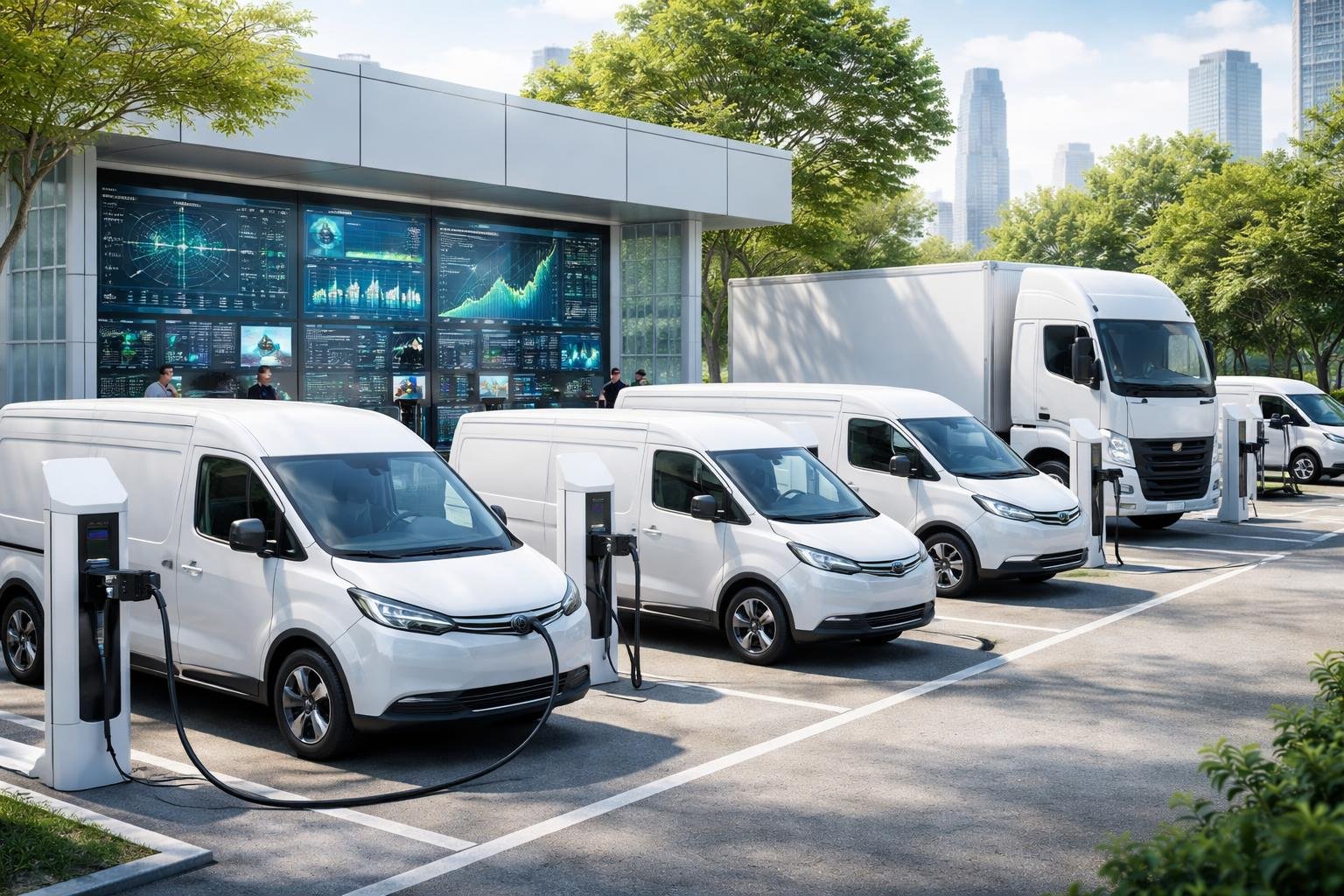
Electric fleet utilization measures how well organizations use their battery-electric vehicles compared to available capacity and operational hours. The metrics are different from traditional fleets because of charging needs, range limits, and energy management.
Defining Electrical Fleet Utilization
Electrical fleet utilization is the ratio of actual vehicle use to total available capacity in an electric vehicle fleet. This includes time-based usage (hours or days in operation), distance-based usage (miles driven vs. potential range), and capacity-based usage (payload or passenger capacity used).
Fleet managers use utilization data to see if vehicles justify their costs. The measurement shows which vehicles add value and which sit idle.
Electric vehicles add new factors to utilization. Charging time reduces available hours, so managers must track vehicles connected to chargers separately from those truly idle. Battery wear also affects utilization as range drops over the vehicle’s life.
Key Utilization Metrics for Electric Fleets
Time-based utilization shows the percentage of hours a vehicle is in use versus idle or charging. It is calculated as (operating hours ÷ total available hours) × 100.
Charging time complicates this metric because vehicles charging are not generating revenue, but charging is still necessary.
Distance-based utilization compares miles driven to the maximum possible range. This is important for electric fleets, where range and charging affect operations.
Energy utilization measures kilowatt-hours used compared to battery capacity and charging patterns. This helps spot inefficient vehicles and improve charging schedules.
Metric TypeFormulaPrimary UseTime-based(Operating hours ÷ Available hours) × 100Identify idle assetsDistance-based(Actual miles ÷ Potential range) × 100Route optimizationEnergy-basedkWh consumed ÷ Battery capacityCost managementCapacity-based(Actual load ÷ Maximum payload) × 100Right-sizing decisions
Difference Between ICE and Electric Fleet Utilization
Electric vehicles have different utilization patterns than internal combustion engine (ICE) vehicles. Small electric cars can replace ICE cars with similar utilization, but larger electric vehicles need operational changes that affect utilization.
Charging is the biggest difference. ICE vehicles refuel in minutes almost anywhere, but electric vehicles need longer charging at specific locations.
Fleet-based depot charging gives higher and more predictable utilization than public charging, which averages only 10 to 15 percent utilization.
Electric fleet utilization must include charging schedules, which ICE fleets do not consider. Smart charging strategies, such as time-of-use rate optimization and overnight charging, affect when vehicles are available.
Staggered charging start times prevent grid overload but can keep vehicles out of service longer.
Range limits also set electric fleets apart. Battery capacity limits daily routes and requires careful planning. Cold weather can reduce range, causing bigger seasonal changes than ICE vehicles face.
Measuring and Monitoring Utilization

Electric fleet operators need accurate metrics to track vehicle use and improve deployment. Good measurement combines time-based calculations with real-time data to find gaps and opportunities.
Time-Based Utilization Analysis
Time-based utilization measures the percentage of available hours that electric vehicles are working. The formula is actual operating time divided by total available time, multiplied by 100.
Fleet managers track this daily, weekly, and monthly. For example, a vehicle used 8 hours out of 12 available hours has 67% time-based utilization.
This calculation excludes scheduled maintenance and charging time from available hours.
Electric fleets have special considerations for time-based analysis. Charging sessions should be tracked separately from idle time, as charging is necessary, not underutilization.
Vehicles spending too much time charging may signal infrastructure problems or battery issues.
Operators should set utilization targets by vehicle type and job needs. Light-duty electric vehicles often reach 40-60% utilization in urban delivery, while heavy-duty trucks may aim for 70-85% during busy periods.
Telematics and Data-Driven Insights
Telematics systems provide automated data collection that removes manual errors and gives real-time fleet visibility. These systems track GPS location, battery charge, driving behavior, and vehicle status.
Remote monitoring helps managers find underused vehicles without on-site checks. Telematics platforms send alerts when vehicles sit unused for too long or when utilization drops below set levels.
Telematics data reveals patterns that time calculations alone miss. Route efficiency, driver habits, and charging strategies become clear through detailed analysis. Battery health and energy use tracking are especially useful for electric fleets.
Role of Fleet Management Software
Fleet management software brings together utilization data and automates calculations. These platforms connect telematics, maintenance records, and schedules into dashboards that show utilization across the fleet.
Advanced software compares each vehicle’s performance to fleet averages and industry benchmarks. Managers can sort data by vehicle type, department, region, or time to spot specific issues.
Automated reports remove the need for manual spreadsheets and keep metric definitions consistent. Fleet management software also uses predictive analytics to forecast future utilization based on past trends.
Operational Strategies to Improve Utilization
Fleet managers can cut costs by 20-30% by using strategic asset allocation, better routing, and shared vehicle programs. These methods address underused vehicles, inefficient dispatch, and scheduling gaps.
Right-Sizing Fleet Assets
Right-sizing removes the cost of keeping extra vehicles while still meeting operational needs. Managers should study utilization data over 6-12 months to find vehicles that are often idle but still cost money.
This involves comparing actual use against fleet size. Vehicles used less than 60% of the time or driven under 8,000 miles per year may be unnecessary.
Telematics systems give accurate data on engine hours, mileage, and duty cycles.
Managers should check for seasonal changes before removing vehicles. Some vehicles may be needed during busy times.
Flexible leasing can help cover seasonal needs without permanent ownership.
Fleet transition planning means matching vehicles to the right jobs. Oversized trucks on small jobs waste resources, while undersized vehicles may need multiple trips.
The right-sizing review should consider payload, range, and any special equipment needed for electrical work.
Route Planning and Scheduling Optimization
Route planning software cuts mileage, energy use, and vehicle hours by finding the best travel routes. Advanced systems consider traffic, service windows, and worker skills to reduce empty miles.
Dynamic routing changes schedules in real time for emergencies or early job completions. This keeps vehicles from sitting idle while others are overworked.
GPS tracking lets dispatchers assign the closest available vehicle to urgent calls.
Grouping jobs in the same area reduces total distance. Morning dispatch should focus on nearby jobs before moving to farther locations.
Scheduling must also consider proactive maintenance, inspections, and charging time for electric vehicles.
Coordinated maintenance scheduling avoids taking multiple vehicles offline at once, which keeps more vehicles available during busy times.
Vehicle Availability and Pooling
Pooling lets several departments or teams share vehicles instead of assigning vehicles that sit unused after hours. This can raise daily utilization from 40-50% to 70-80% for shared vehicles.
Check-out systems handle reservations and avoid scheduling conflicts. Digital tools show which vehicles are available, where they are, and their next use.
Clear rules set priorities when demand is high.
Motor pools work best for vehicles used for similar tasks. Specialized trucks with unique tools are harder to share, but standard vans can move easily between teams.
Vehicle availability increases when managers stop personal take-home use for jobs that don’t need after-hours response.
Centralized parking makes overnight charging easier and improves security. Return policies that require refueling and cleaning keep vehicles ready for the next user.
Charging Infrastructure and Its Impact
Charging infrastructure controls how well fleet operators can maintain vehicle availability and manage operational costs. The choice of charger types, locations, and power management affects daily operations, utility bills, and long-term growth.
Depot and Overnight Charging Practices
Overnight depot charging is the main strategy for most electric fleets. Vehicles return to a central site at shift end and charge during off-peak hours when electricity is cheaper.
This works well for fleets with set routes and enough downtime.
Operators usually allow 8-12 hours for overnight charging. This lets them use lower-power chargers, which cost less to install and reduce utility demand charges.
Many fleets start charging after midnight to use the lowest rates.
Depot charging removes range concerns for drivers and ensures vehicles start each day fully charged. Centralized charging also makes maintenance and energy management easier.
Level 2 and DC Fast Charging Solutions
Level 2 charging uses 208-240 volts and delivers 3-19 kilowatts of power. These chargers are good for fleets with longer downtime and lower daily mileage.
Installation costs range from $2,000 to $8,000 per port, depending on electrical setup.
DC fast chargers provide 50-350 kilowatts and can recharge vehicles to 80% in 20-60 minutes. These cost $30,000 to $150,000 each but allow for quick charging during breaks or shift changes.
Fleets use DC fast chargers when vehicles need multiple charges per day or run long routes.
Choosing between level 2 and DC fast charging depends on duty cycles, route length, and downtime. A mix of both types often gives the most flexibility, with level 2 chargers for overnight needs and DC fast chargers for daytime use.
Smart Charging and Managed Charging Operations
Smart charging systems decide when and how quickly vehicles charge. They use electricity prices, grid conditions, and fleet schedules to make these decisions.
These platforms can lower energy costs by 20-40% compared to unmanaged charging. They do this by shifting charging loads to optimal times.
Managed charging operations stop all vehicles from charging at once, which can cause expensive demand spikes. Software monitors the fleet's state of charge and staggers charging sessions to avoid exceeding peak demand limits.
This method helps reduce utility demand charges. Demand charges can account for 30-70% of total electricity costs.
Power-aware operations help charging stations use electricity efficiently while keeping service reliable. Fleet managers set departure times and minimum charge needs, letting the system plan charging schedules automatically.
Utility Interconnection and Service Upgrades
Utility interconnection connects charging infrastructure to the electric grid through agreements with local utilities. This process requires engineering studies, equipment details, and coordination with utility planners.
Interconnection timelines range from 3 to 18 months, depending on upgrade complexity. Service upgrades increase electrical capacity to support charging needs.
A 50-vehicle fleet with level 2 chargers may need 500-800 kilowatts of extra capacity. DC fast charging installations need even larger upgrades.
Upgrade costs range from $100,000 to over $1 million. The price depends on the distance to utility infrastructure and transformer capacity.
Fleet operators should consider monthly demand charges. Utilities set these charges based on the highest 15-minute power use.
A single unmanaged charging event can set high demand charges that last for 12 months.
Financial Performance and Cost Management
Electric fleet operators need to track several cost metrics to understand their financial performance. Energy expenses, infrastructure investments, and operational patterns create a unique cost structure.
Total Cost of Ownership for Electric Fleets
Total cost of ownership (TCO) for electric fleets includes more than the vehicle purchase price. It covers charging infrastructure, electricity, maintenance, and depreciation over the vehicle's life.
The upfront cost for electric vehicles is usually higher than diesel or gasoline vehicles. However, lower fuel and maintenance costs can balance this over time.
Fleet managers should calculate TCO over 5-7 years for a complete view. Charging infrastructure costs include hardware, installation, electrical upgrades, and network fees.
Maintenance savings come from fewer moving parts, no oil changes, and less brake wear thanks to regenerative braking.
Key TCO Components:
- Vehicle acquisition costs
- Charging equipment and installation
- Electricity consumption and demand charges
- Maintenance and repairs
- Insurance premiums
- Residual value projections
Cost per Mile and Energy Cost Analytics
Cost per mile (CPM) is a standard way to compare electric fleet performance with conventional vehicles. Operators calculate this by dividing total operating costs by miles driven in a set period.
Energy cost per mile depends on local electricity rates, charging times, and vehicle efficiency. Time-of-use rates can make daytime charging much more expensive than overnight charging.
Fleet managers who shift charging to off-peak hours often see 30-50% lower energy costs per mile. Tracking energy costs separately shows where improvements are possible.
Seasonal changes, route types, and driver habits all affect energy use. Telematics data helps monitor these factors.
Demand Charges and Billing Optimization
Demand charges are based on the highest power use during a billing period, not total energy used. Utilities set these fees according to the highest 15-minute power draw.
Demand charges can be high if several vehicles charge at once. Fleet operators manage these charges by staggering charging times and using load management systems.
Smart charging software helps spread power use across vehicles to avoid spikes. This ensures vehicles are ready when needed without extra costs.
Demand Management Strategies:
- Sequential charging protocols
- Time-of-use rate alignment
- Battery storage integration
- Real-time load balancing
Some fleets cut demand charges by 40-60% with coordinated charging and favorable rate plans.
Maximizing Uptime and Vehicle Health
Fleet managers must keep electric vehicles running smoothly and efficiently. Good maintenance strategies, careful battery monitoring, and smart lifecycle planning all affect costs and reliability.
Preventive and Predictive Maintenance
Electric vehicles need a different maintenance plan than gas vehicles. Preventive maintenance focuses on coolant systems, brake fluid, cabin air filters, and tire rotations.
These routine checks are done at set intervals based on mileage or time.
Predictive maintenance uses real-time data from sensors to spot issues before breakdowns happen. Fleet systems monitor component wear patterns, thermal management, and electrical health to prioritize repairs.
Key maintenance focus areas include:
- Battery thermal management system inspections
- Regenerative braking system diagnostics
- High-voltage electrical connection checks
- Charging port and cable condition assessments
- Software updates and calibration verification
Proactive maintenance reduces unexpected downtime and extends component life. Data-driven maintenance programs help fleets achieve higher availability and lower total costs.
Battery Health and State of Charge Management
Battery health affects range, charging times, and vehicle use. State of health (SOH) shows current battery capacity compared to the original, usually dropping 2-3% each year.
State of charge (SOC) tells how much energy is left in the battery. Fleet managers should keep SOC between 20-80% for daily use, as extreme levels speed up battery wear.
Deep discharges and frequent 100% charges shorten battery life.
Monitoring parameters:
MetricTarget RangeImpactSOHAbove 80%Range capabilitySOC (daily)20-80%Battery longevityOperating temp15-35°CDegradation rate
Extreme temperatures can harm batteries. Thermal management systems should keep batteries in the right temperature range, and charging in climate-controlled areas is best when possible.
Replacement Cycles and Lifecycle Planning
Electric vehicle batteries usually keep 70-80% of their capacity after 8-10 years of use. Fleet operators should monitor each vehicle's performance to decide the best time for replacement.
Lifecycle planning includes acquisition costs, maintenance, battery wear, and resale values. Some fleets replace vehicles when battery SOH drops below 70%, while others use them longer for less demanding routes.
Lifecycle decision factors:
- Current maintenance costs versus replacement expenses
- Remaining battery capacity and degradation trajectory
- Availability of newer technology with better range or efficiency
- Warranty coverage and remaining service life
Retired fleet batteries can be reused for stationary energy storage. This helps offset replacement costs and improves overall fleet economics.
Policy, Incentives, and Environmental Considerations
Fleet electrification relies on supportive policies, financial incentives, and utility programs. Government agencies and energy departments provide frameworks for emissions tracking and infrastructure development.
Government Incentives and Utility Programs
Federal and state governments offer financial incentives to speed up fleet electrification. For example, California's HVIP gives vouchers up to $240,000 per electric transit bus, lowering purchase prices.
Utility programs add to government incentives by supporting charging infrastructure and demand management. Many utilities offer rebates for charging equipment and special rates for off-peak charging.
These programs may include managed charging solutions that help both the grid and fleet operations. Tax credits and grants target various vehicle types and fleet sizes.
Fleet managers can combine multiple incentives to lower the higher upfront costs of electric vehicles.
GHG Protocol and Emissions Reductions
The GHG Protocol gives standardized methods for measuring and reporting emissions cuts from fleet electrification. Organizations track Scope 1 emissions reduced by switching from combustion vehicles to electric ones.
Fleet electrification lowers tailpipe emissions and local air pollution, especially in cities. The amount of reduction depends on how clean the local electricity grid is.
Many organizations buy Renewable Energy Certificates (RECs) to match fleet charging with renewable energy production. RECs let fleets claim zero-emissions operation even if the grid uses mixed energy sources.
Role of the U.S. Department of Energy
The U.S. Department of Energy coordinates federal efforts to support fleet electrification. It does this through research, funding, and policy development.
The department's Electric Vehicle Working Group provides recommendations for integrating electric vehicles into national transportation systems. This includes light-, medium-, and heavy-duty vehicles.
DOE programs fund charging infrastructure deployment. They also support vehicle technology advancement.
The Alternative Fuels Data Center offers technical resources to help fleet managers. These resources assist in evaluating if electric vehicles meet specific operational needs.
Federal investment through the Infrastructure Investment and Jobs Act (IIJA) and Inflation Reduction Act (IRA) expands charging networks. These programs also increase vehicle incentives.
These investments help reduce regional disparities in charging availability. They encourage faster adoption of electric vehicles by the private sector.