HVAC Technician Tracking: Optimize Field Service Operations and Improve Customer Response Times
How to start saving money
Lorem ipsum dolor sit amet, consectetur adipiscing elit lobortis arcu enim urna adipiscing praesent velit viverra sit semper lorem eu cursus vel hendrerit elementum morbi curabitur etiam nibh justo, lorem aliquet donec sed sit mi dignissim at ante massa mattis.
- Neque sodales ut etiam sit amet nisl purus non tellus orci ac auctor
- Adipiscing elit ut aliquam purus sit amet viverra suspendisse potent
- Mauris commodo quis imperdiet massa tincidunt nunc pulvinar
- Excepteur sint occaecat cupidatat non proident sunt in culpa qui officia
Why it is important to start saving
Vitae congue eu consequat ac felis placerat vestibulum lectus mauris ultrices cursus sit amet dictum sit amet justo donec enim diam porttitor lacus luctus accumsan tortor posuere praesent tristique magna sit amet purus gravida quis blandit turpis.

How much money should I save?
At risus viverra adipiscing at in tellus integer feugiat nisl pretium fusce id velit ut tortor sagittis orci a scelerisque purus semper eget at lectus urna duis convallis. porta nibh venenatis cras sed felis eget neque laoreet suspendisse interdum consectetur libero id faucibus nisl donec pretium vulputate sapien nec sagittis aliquam nunc lobortis mattis aliquam faucibus purus in.
- Neque sodales ut etiam sit amet nisl purus non tellus orci ac auctor
- Adipiscing elit ut aliquam purus sit amet viverra suspendisse potenti
- Mauris commodo quis imperdiet massa tincidunt nunc pulvinar
- Adipiscing elit ut aliquam purus sit amet viverra suspendisse potenti
What percentege of my income should go to savings?
Nisi quis eleifend quam adipiscing vitae aliquet bibendum enim facilisis gravida neque. Velit euismod in pellentesque massa placerat volutpat lacus laoreet non curabitur gravida odio aenean sed adipiscing diam donec adipiscing tristique risus. amet est placerat in egestas erat imperdiet sed euismod nisi.
“Nisi quis eleifend quam adipiscing vitae aliquet bibendum enim facilisis gravida neque velit euismod in pellentesque”
Do you have any comments? Share them with us on social media
Eget lorem dolor sed viverra ipsum nunc aliquet bibendum felis donec et odio pellentesque diam volutpat commodo sed egestas aliquam sem fringilla ut morbi tincidunt augue interdum velit euismod eu tincidunt tortor aliquam nulla facilisi aenean sed adipiscing diam donec adipiscing ut lectus arcu bibendum at varius vel pharetra nibh venenatis cras sed felis eget.
HVAC businesses face pressure to manage mobile workforces efficiently while meeting customer demands for fast, reliable service. Tracking technicians is now a critical need that affects response times and compliance.
Without proper systems, companies face inefficient routing, unclear technician locations, and difficulty managing certifications.
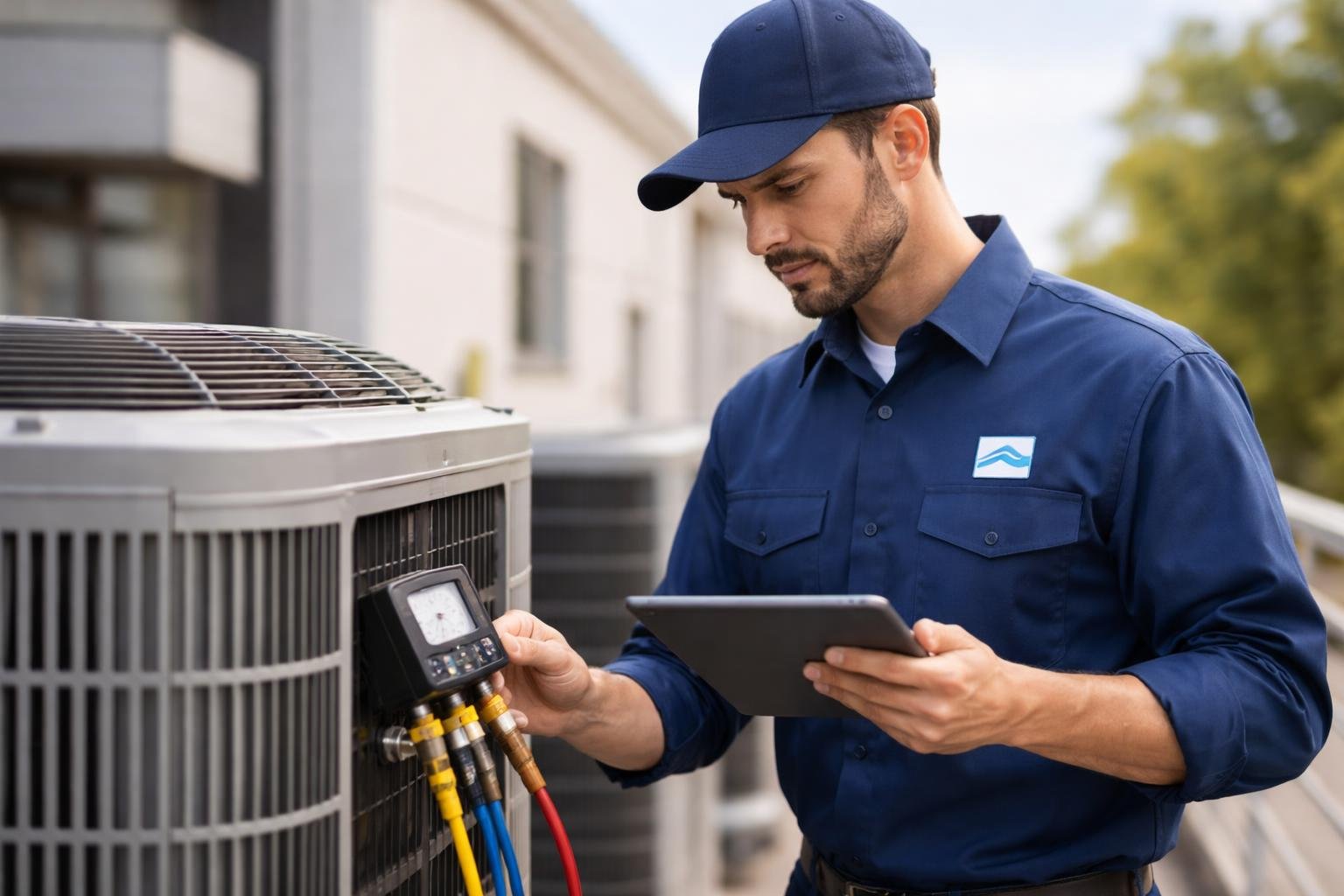
HVAC technician tracking uses GPS location monitoring, time tracking, certification management, and workflow tools to give businesses full visibility into field operations. Modern tracking systems provide real-time updates on technician locations, job progress, and work hours.
Managers can make faster dispatch decisions and optimize routes. These solutions also include features for monitoring EPA 608 licenses, tracking training, and ensuring industry compliance.
Overview of HVAC Technician Tracking
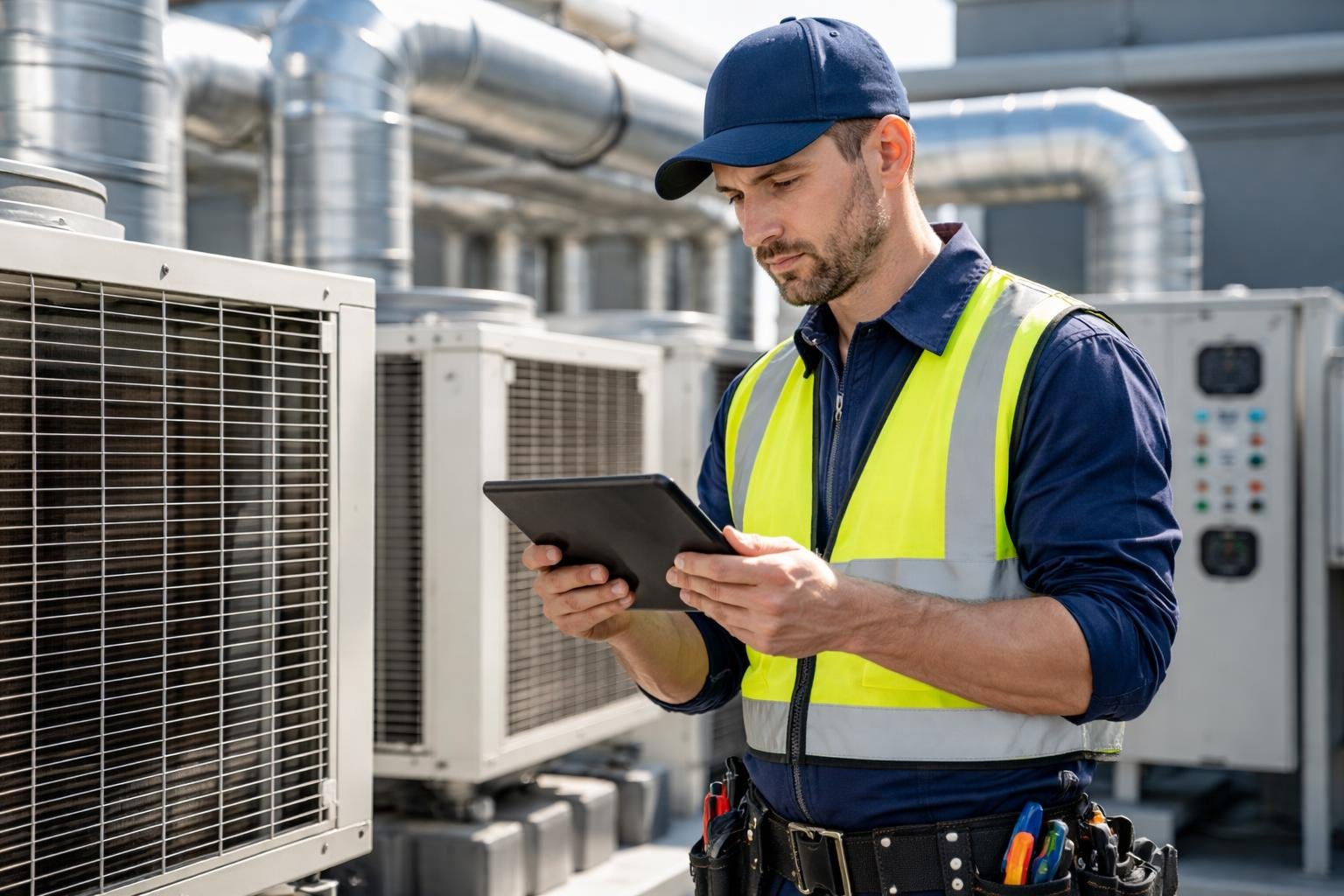
HVAC companies use tracking systems to monitor technician locations, work hours, and job progress in real time. These solutions combine GPS technology with time management tools to provide visibility into field operations and labor costs.
What Is HVAC Technician Tracking?
HVAC technician tracking uses digital tools to monitor field technicians during their workday. The system records when technicians clock in and out, tracks their location via GPS, and logs time spent at each job site.
These systems capture billable hours, travel time, and job completion data. They verify technician arrivals and document actual time spent on service calls.
The technology typically runs on mobile devices that technicians carry or through GPS units in service vehicles. Most tracking platforms integrate with scheduling and dispatch software.
This integration lets managers assign jobs based on technician proximity and monitor progress throughout the day.
Types of Tracking Solutions
GPS Time Tracking Apps run on smartphones or tablets and record technician location with clock-in and clock-out times. These apps often include mileage tracking and automated timesheet generation.
Vehicle GPS Tracking Systems install in HVAC service vehicles to monitor fleet locations and driving patterns. These systems track routes, idle time, and vehicle diagnostics.
Integrated Field Service Platforms combine GPS tracking with scheduling, dispatching, invoicing, and job management. These solutions connect tracking data with business operations like payroll and customer billing.
Key Benefits for HVAC Companies
Accurate time tracking eliminates payroll errors and ensures precise billing for labor costs. Companies can verify hours worked across job sites and calculate overtime based on GPS-verified data.
Dispatchers can locate available technicians instantly and assign service calls based on current location. This reduces travel time and helps companies complete more service calls per day.
Tracking systems provide labor cost data for each job. Management can spot inefficient routes, excessive idle time, and scheduling conflicts.
Compliance with labor laws is easier with detailed records of work hours, break times, and job site locations. Automated documentation reduces administrative workload and creates audit trails.
Core Components of HVAC Technician Tracking Systems
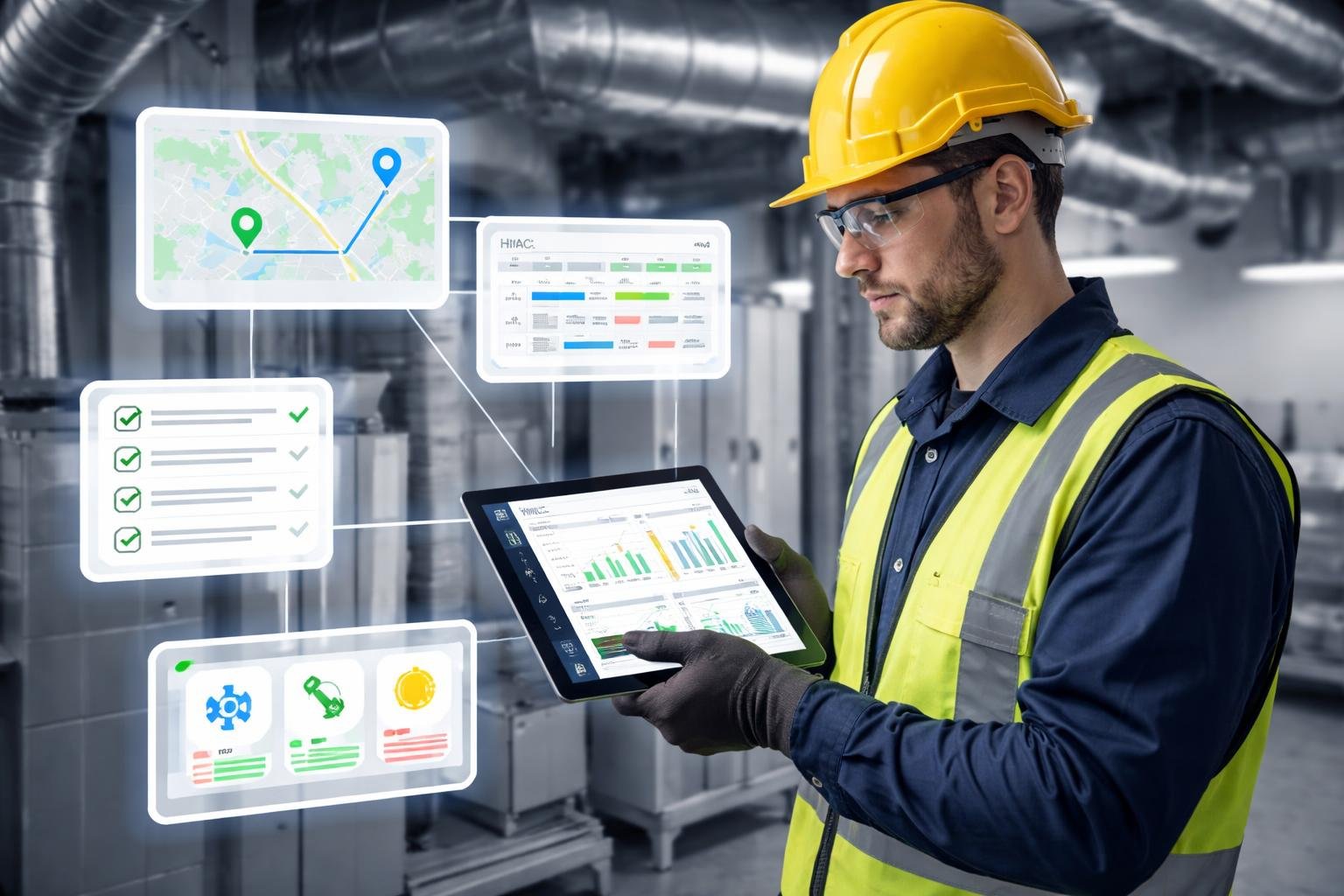
Modern HVAC technician tracking systems rely on GPS technology to monitor field teams and manage service vehicles. These platforms help businesses know where technicians are, what equipment they carry, and how efficiently they move between job sites.
GPS Tracking for Technicians
GPS tracking sends location data from mobile devices or vehicle hardware to a central management platform. Dispatchers can see which technician is closest to a service call or appointment.
The system captures coordinates at set intervals, usually every 30 seconds to a few minutes. HVAC companies use this data to verify arrival times, track mileage, and provide customers with accurate arrival estimates.
Key benefits include:
- Lower fuel costs with better routing
- Quicker response to urgent requests
- Accurate work hour records
- Evidence for disputed service calls or billing
Most GPS tracking solutions integrate with mobile apps. Technicians use these apps to update job statuses, access customer information, and receive new assignments.
Real-Time Location Visibility
Real-time GPS delivers immediate location updates as technicians move throughout their area. This helps HVAC businesses coordinate field operations and respond quickly.
Dispatchers view live maps of all active technicians, their locations, and assignment status. When an urgent request comes in, they can reassign the nearest available technician.
This visibility includes traffic conditions and estimated arrival times. The technology also supports geofencing, creating virtual boundaries around job sites or service areas.
The system sends automatic notifications when technicians enter or exit these zones. This removes manual check-in steps and improves job tracking accuracy.
Fleet Tracking Basics
HVAC fleet tracking monitors service vehicles to protect assets and boost efficiency. The system tracks each van's location, movement patterns, and usage.
Fleet visibility helps identify unauthorized use, excessive idling, harsh braking, and rapid acceleration. This information supports driver coaching and can reduce insurance costs.
Common fleet tracking metrics:
MetricPurposeMiles drivenMaintenance scheduling and cost allocationEngine hoursService interval trackingFuel consumptionBudget management and efficiency analysisVehicle diagnosticsPreventive maintenance alerts
Fleet tracking also monitors tool and equipment inventory in each vehicle. This ensures technicians have necessary parts before arriving at job sites.
Enhancing Field Operations with Technician Tracking
Real-time tracking technology changes how HVAC companies manage their field workforce. It enables smarter dispatch decisions, optimized routing, and automated boundary monitoring.
These features directly impact response times, fuel costs, and productivity.
Technician Dispatch Optimization
Real-time tracking lets dispatchers see each technician's location on a live map. Jobs can be assigned based on proximity, not guesswork.
This reduces response times and ensures customers get faster service for urgent repairs. Dispatchers can also monitor job statuses to see which technicians are available for new calls.
This helps prevent double-booking and reduces idle time. When emergency requests come in, managers can quickly identify the nearest qualified technician and redirect them.
The system tracks each technician's distance from pending jobs, giving concrete data for dispatch decisions.
Route Optimization Strategies
Route optimization uses GPS data to plan efficient paths between appointments. The software analyzes traffic, appointment times, and technician locations to suggest optimal routes.
HVAC businesses benefit from less drive time, allowing technicians to complete more appointments per shift. This increases capacity and revenue without extra hires.
Fuel savings are often seen soon after implementing tracking systems. Advanced routing algorithms account for appointment windows, equipment needs, and technician skills to build realistic schedules.
The system can adjust routes automatically when emergencies arise or appointments run long.
Geofencing for Field Management
Geofencing creates virtual boundaries around locations like customer sites or company facilities. The system logs when technicians enter or leave these zones, providing accurate arrival and departure times.
This automation removes timesheet disputes and gives verifiable billing data. Managers get notifications when technicians arrive at job sites, letting them update customers with precise ETAs.
Geofences can also trigger automated workflows, such as sending customer updates or changing job statuses in the management system.
Companies use geofencing to keep technicians within assigned territories and monitor unauthorized vehicle use after hours. This improves accountability and reduces administrative work.
Job Scheduling and Workflow Management
Modern HVAC businesses use advanced scheduling systems to coordinate assignments, prevent double-bookings, and keep service routes efficient. Effective workflow management ensures technicians arrive at the right location with the right equipment.
Automated Job Scheduling
HVAC software automates service call assignments based on technician availability, location, and skill level. The system looks at emergency priority, contract obligations, and proximity to match jobs with the right technicians.
This removes manual scheduling errors and reduces the time managers spend on daily assignments. Automated scheduling considers technician certifications and specializations.
A commercial refrigeration emergency goes to certified technicians, not residential specialists. The software also accounts for estimated job duration and travel time.
Real-time updates let the system adapt when technicians finish early or face delays. Jobs get rescheduled or reassigned automatically.
Reducing Scheduling Conflicts
Technician tracking software prevents double-bookings by keeping a centralized calendar of job assignments and technician status. The system blocks unavailable time slots when technicians are scheduled for calls, training, or time off.
Color-coded calendars show technician workload and availability. Conflict detection alerts managers to overlapping appointments or jobs that exceed available time.
The software flags issues like insufficient travel time or assignments that extend past working hours. These alerts help managers adjust schedules before problems occur.
Integration with GPS tracking ensures schedule accuracy by using actual technician locations. The system can spot when a technician won't reach the next appointment on time and suggest alternatives.
Integration with Dispatch Software
Job scheduling systems connect directly with dispatch platforms for seamless workflows from customer contact to job completion. Dispatchers can identify available technicians and assign jobs without switching applications.
This integration removes data entry duplication and keeps information consistent. Dispatch software receives automatic updates when schedules change.
Technicians see schedule changes on mobile devices instantly. Customer notifications trigger automatically when arrival times change.
The system tracks job status from dispatch through completion, giving visibility into workflow bottlenecks and technician productivity. Managers monitor metrics like response time, job completion rates, and schedule adherence.
Maximizing Technician Productivity and Accountability
Tracking systems provide data-driven insights that help HVAC companies measure performance and ensure accurate compensation.
Technician Productivity Analytics
Analytics tools measure key performance indicators that affect service efficiency and revenue. Companies track jobs completed per day, average job duration, first-time fix rates, and revenue per technician to set benchmarks.
Productivity analytics reveal patterns in service delivery that might go unnoticed. Field service platforms collect data on travel time, time spent on-site, and parts usage to find bottlenecks.
This helps managers optimize routes, allocate resources, and provide targeted training. The most valuable analytics compare individual technician performance against team and company averages.
Managers can identify top performers and share best practices. Technicians who fall below benchmarks get specific, data-based guidance.
Time Tracking and Payroll Accuracy
Automated time tracking removes errors between reported hours and actual work. GPS-enabled mobile apps record when technicians arrive, start work, take breaks, and finish assignments.
This system does not require manual timesheets or paper logs. Both employers and employees benefit from clear documentation of billable hours.
Payroll processing becomes faster and more accurate when time data flows directly into accounting software. Disputes over hours worked decrease because both sides can check timestamped records.
Time tracking also shows non-billable activities that lower technician productivity, such as long drive times or administrative tasks. Managers use this information to adjust schedules, change service areas, or improve processes to increase billable hours.
Performance Reporting
Customizable dashboards display real-time and historical performance data in easy-to-read formats. Managers can view technician metrics, team comparisons, and company trends using charts and summary tables.
Automated reports remove the need for manual data gathering. Weekly or monthly reports track progress toward goals like increasing jobs per day or improving customer satisfaction.
These standardized reports give all technicians fair evaluations based on clear data. Technicians can check their own metrics through mobile apps and adjust their work during the day.
Compliance and Certification Tracking for HVAC Technicians
HVAC businesses must keep up-to-date records of technician credentials to meet regulations and avoid penalties. Automated systems track EPA 608 certifications, manufacturer credentials, and state licenses while sending renewal alerts before expiration.
Managing EPA 608 Certification and Renewals
EPA 608 certification proves that HVAC technicians can handle refrigerants safely. There are four levels: Type I for small appliances, Type II for high-pressure refrigerants, Type III for low-pressure refrigerants, and Universal for all types.
Digital tracking systems store certification records and alert managers 30 to 90 days before expiration. These platforms keep a central database with certification dates, levels, and renewal requirements for each technician.
The system flags technicians who need recertification before they are sent to jobs that require specific certification levels.
Key tracking elements include:
- Certification type and level
- Issue and expiration dates
- Renewal status and upcoming deadlines
- Digital copies of credential documents
Tracking Manufacturer Certifications
Manufacturer certifications allow technicians to install, service, and warranty certain equipment brands. These credentials are tracked separately from EPA certifications because each manufacturer has its own rules and renewal times.
A central system logs multiple manufacturer certifications per technician, including brands like Carrier, Trane, and Lennox. The platform matches technician qualifications with job needs to ensure only certified workers handle brand-specific tasks.
This prevents warranty problems and keeps good relationships with manufacturers. Training dates, certification numbers, and expiration schedules are stored digitally and can be checked during job scheduling.
The system creates reports showing which technicians hold certifications for specific equipment lines. This helps dispatchers assign the right person to each service call.
Using Compliance Dashboards
Compliance dashboards give real-time updates on the certification status of the workforce. These dashboards use color-coded indicators to show which credentials are current, nearing expiration, or expired.
Managers can see data on certification gaps and upcoming renewals on one screen. The dashboard also highlights training needs.
Reports are generated for EPA audits, state inspections, and internal reviews without manual work. Filters help sort technicians by certification type, expiration date, or location to spot compliance risks quickly.
Automated workflows activate when certifications are close to expiring. These workflows create tasks for scheduling renewal training and updating records.
The system tracks when certifications are completed. It also keeps an audit trail of all certification activities for regulatory documentation.