HVAC Fleet Fuel Consumption Tracking: Essential Strategies for Reducing Operational Costs
How to start saving money
Lorem ipsum dolor sit amet, consectetur adipiscing elit lobortis arcu enim urna adipiscing praesent velit viverra sit semper lorem eu cursus vel hendrerit elementum morbi curabitur etiam nibh justo, lorem aliquet donec sed sit mi dignissim at ante massa mattis.
- Neque sodales ut etiam sit amet nisl purus non tellus orci ac auctor
- Adipiscing elit ut aliquam purus sit amet viverra suspendisse potent
- Mauris commodo quis imperdiet massa tincidunt nunc pulvinar
- Excepteur sint occaecat cupidatat non proident sunt in culpa qui officia
Why it is important to start saving
Vitae congue eu consequat ac felis placerat vestibulum lectus mauris ultrices cursus sit amet dictum sit amet justo donec enim diam porttitor lacus luctus accumsan tortor posuere praesent tristique magna sit amet purus gravida quis blandit turpis.

How much money should I save?
At risus viverra adipiscing at in tellus integer feugiat nisl pretium fusce id velit ut tortor sagittis orci a scelerisque purus semper eget at lectus urna duis convallis. porta nibh venenatis cras sed felis eget neque laoreet suspendisse interdum consectetur libero id faucibus nisl donec pretium vulputate sapien nec sagittis aliquam nunc lobortis mattis aliquam faucibus purus in.
- Neque sodales ut etiam sit amet nisl purus non tellus orci ac auctor
- Adipiscing elit ut aliquam purus sit amet viverra suspendisse potenti
- Mauris commodo quis imperdiet massa tincidunt nunc pulvinar
- Adipiscing elit ut aliquam purus sit amet viverra suspendisse potenti
What percentege of my income should go to savings?
Nisi quis eleifend quam adipiscing vitae aliquet bibendum enim facilisis gravida neque. Velit euismod in pellentesque massa placerat volutpat lacus laoreet non curabitur gravida odio aenean sed adipiscing diam donec adipiscing tristique risus. amet est placerat in egestas erat imperdiet sed euismod nisi.
“Nisi quis eleifend quam adipiscing vitae aliquet bibendum enim facilisis gravida neque velit euismod in pellentesque”
Do you have any comments? Share them with us on social media
Eget lorem dolor sed viverra ipsum nunc aliquet bibendum felis donec et odio pellentesque diam volutpat commodo sed egestas aliquam sem fringilla ut morbi tincidunt augue interdum velit euismod eu tincidunt tortor aliquam nulla facilisi aenean sed adipiscing diam donec adipiscing ut lectus arcu bibendum at varius vel pharetra nibh venenatis cras sed felis eget.
Fuel costs are one of the largest expenses for HVAC service companies. They often make up 20-30% of total fleet operating budgets.
Without systematic tracking and analysis, companies miss chances to find inefficiencies and reduce waste. This can hurt profitability.
HVAC fleet fuel consumption tracking uses digital platforms and telematics to monitor fuel usage across all service vehicles. These tools provide visibility into consumption patterns, costs per vehicle, and opportunities for improvement.
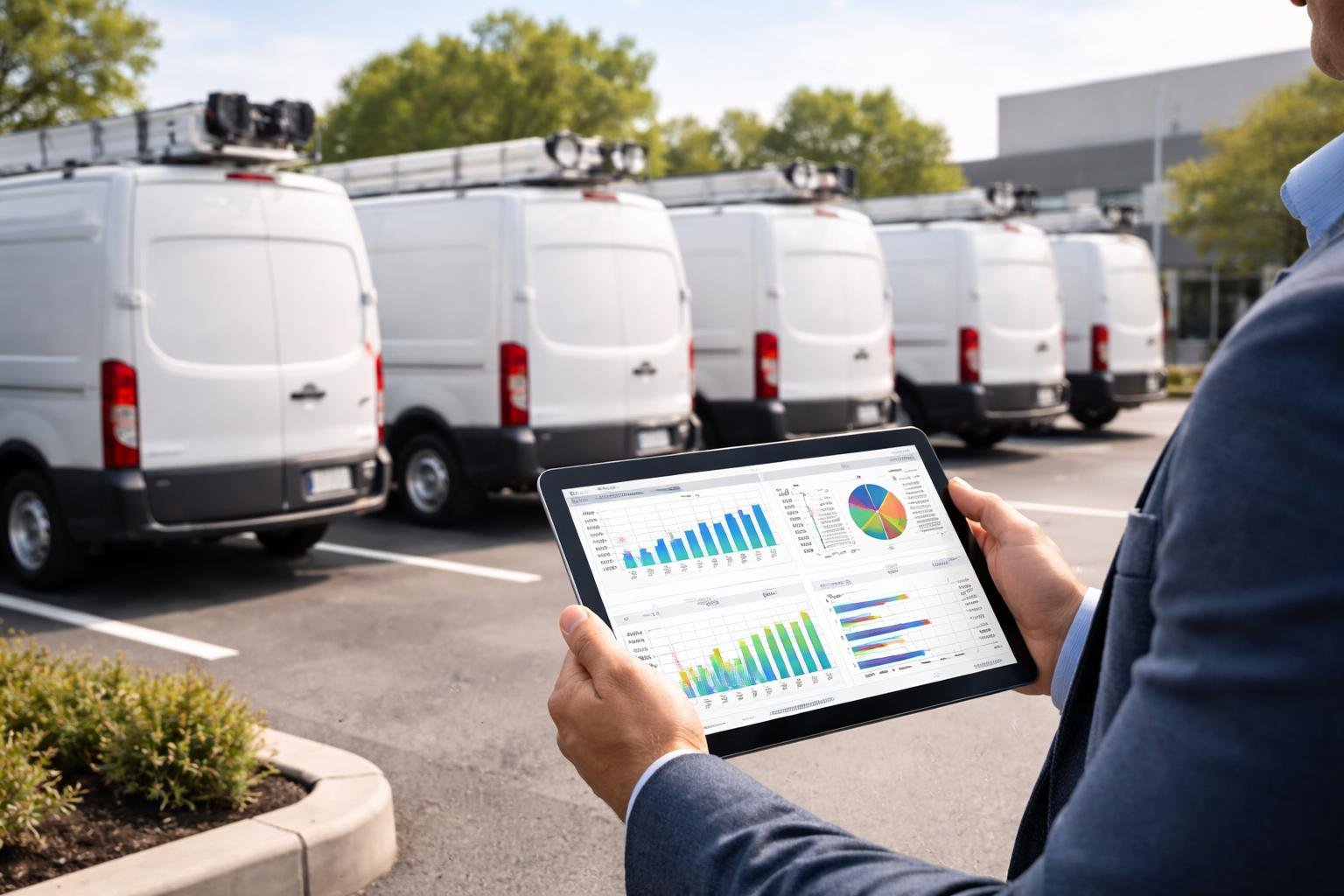
Modern tracking systems gather data from GPS devices, fuel cards, and vehicle sensors. This creates a clear view of fleet fuel performance.
These systems show which vehicles use too much fuel and which drivers have efficient habits. They also highlight routes that cause extra expenses.
The data helps HVAC companies make better decisions about vehicle maintenance, driver training, and dispatch strategies.
The Importance of Fuel Consumption Tracking in HVAC Fleets
Fuel is a major variable expense for HVAC companies. Without systematic tracking, these costs can lower profit margins.
Monitoring fuel consumption gives HVAC businesses the data needed to control expenses and find inefficiencies. This leads to better decisions about fleet operations.
Operational and Financial Impact of Fuel Costs
Fuel costs usually make up 20-30% of total fleet operating expenses in the HVAC industry. A mid-sized HVAC company with 10-15 service vehicles can spend $50,000-$75,000 on fuel each year.
Without tracking, HVAC businesses have little insight into their fuel budget performance. Unmonitored consumption often leads to budget overruns.
Fleet management becomes reactive when managers lack visibility into fuel spending. This can hurt overall profitability.
Hidden costs include unauthorized vehicle use, inefficient routing, and excessive idling during service calls. Each of these adds to the fuel budget without increasing revenue.
Understanding Fuel Waste in HVAC Operations
HVAC fleet operations face unique fuel waste challenges. Technicians often idle vehicles to power equipment or keep the cab comfortable during repairs.
A single vehicle idling two hours daily wastes about 0.5-1 gallon per hour. This can add $800-$1,600 in extra annual costs per vehicle.
Poor route planning is another cause of waste. Technicians who drive between job sites without optimized routes use 10-15% more fuel.
Neglected vehicle maintenance also increases fuel waste. Under-inflated tires can lower fuel efficiency by 3-5%, and dirty air filters can reduce performance by up to 10%.
Benefits of Accurate Fuel Data
Accurate fuel data helps HVAC companies set baseline metrics for each vehicle and driver. This shows which units are efficient and which need attention.
Real-time tracking can spot problems quickly. Sudden spikes in fuel use may mean mechanical issues, theft, or unauthorized use.
Fleet managers can act quickly, addressing problems within days. This prevents small issues from becoming bigger expenses.
Data-driven insights also help with resource allocation. Companies can assign fuel-efficient vehicles to longer routes and give less efficient ones shorter trips.
Fuel tracking systems also provide documentation for tax purposes and client billing. This protects the business from disputes and ensures proper cost recovery.
Key Factors Affecting Fuel Consumption in HVAC Fleets
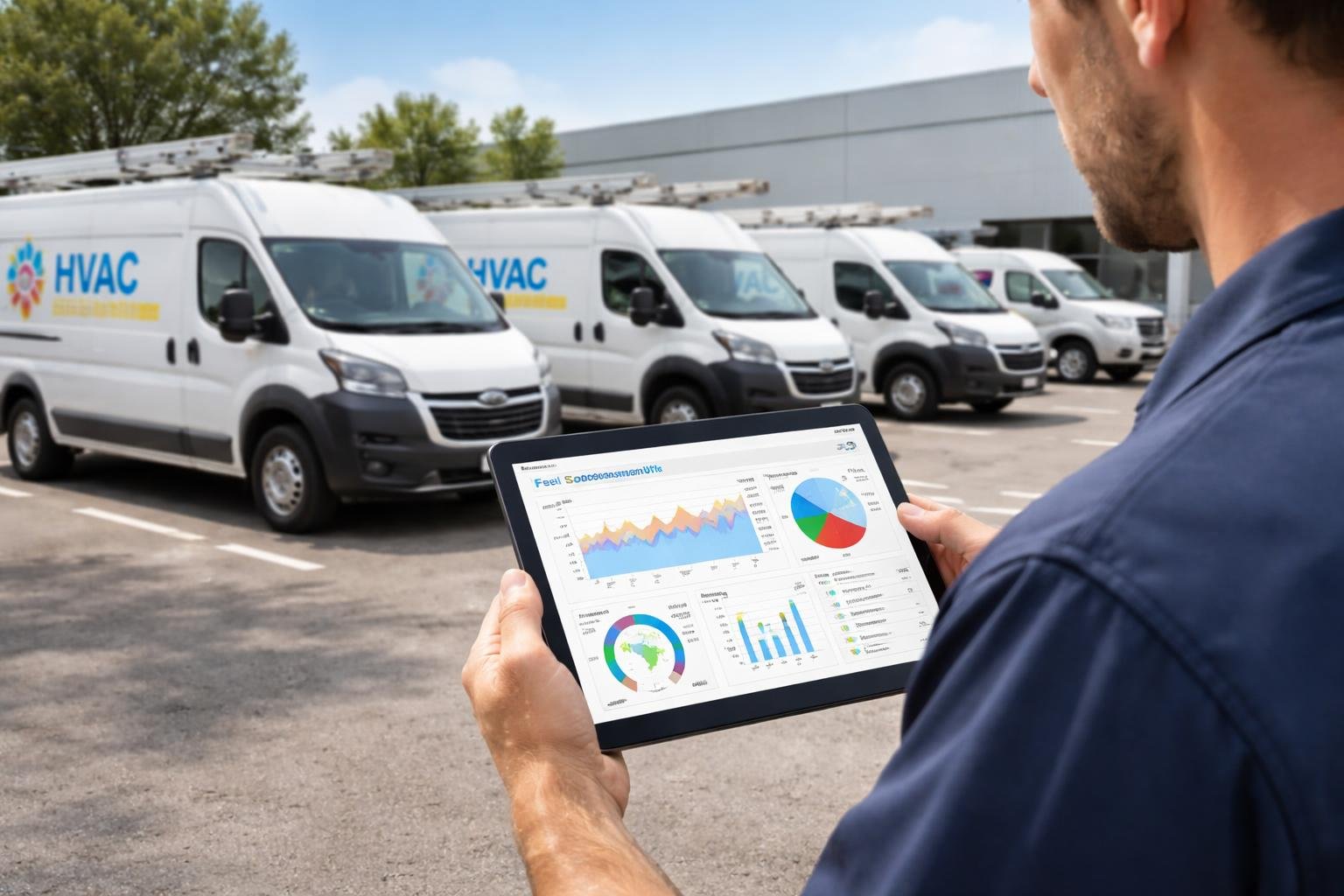
Three main factors drive fuel consumption in HVAC fleets: excessive idle time, aggressive driving, and poor vehicle maintenance. Knowing these issues helps fleet managers target solutions to reduce waste.
Idle Time and Its Costs
Excessive idle time is a major and preventable source of fuel waste. Technicians often leave vehicles running during calls or while waiting.
A typical service van uses 0.5 to 1.0 gallons of fuel per hour while idling. For ten vehicles idling two hours daily, this wastes about 5,200 gallons a year.
Telematics systems track vehicle location and idle time in real time. This gives managers the data to spot patterns and fix problems.
Maintenance alerts can show when excessive idling is affecting engine health. Setting idle time limits and clear policies helps reduce unnecessary fuel use.
Aggressive Driving and Driver Behaviors
Driver behavior monitoring shows that aggressive driving can increase fuel use by up to 30%. Hard braking, rapid acceleration, and speeding all waste fuel.
Fleet managers who use behavior monitoring systems can see how technicians drive. These systems track acceleration, braking, cornering, and speed.
Aggressive driving also wears out vehicles faster and raises maintenance costs. Regular feedback using telematics data helps drivers adopt better habits.
Maintenance Issues and Vehicle Health
Good vehicle maintenance is key to fuel efficiency. Poorly maintained vehicles use more fuel.
Underinflated tires can lower efficiency by 3% per tire. Dirty air filters force engines to work harder.
Preventive maintenance addresses issues before they become costly. Oil changes, tire rotations, and air filter replacements should follow manufacturer guidelines.
Regular vehicle health checks find problems like worn spark plugs, bad oxygen sensors, and dragging brakes. Preventative maintenance programs using telematics data keep all vehicles on schedule.
Fleet Fuel Consumption Tracking Technologies
Modern HVAC fleet managers use advanced technologies to monitor fuel use and get actionable insights. These systems combine GPS tracking, telematics, and automated monitoring tools.
GPS Tracking and Telematics Systems
GPS tracking is the foundation of modern fuel monitoring for HVAC fleets. These systems track vehicle location, route efficiency, and idle time in real time.
Telematics combines GPS with engine diagnostics to measure fuel use per mile. It also spots excessive idling and monitors unauthorized vehicle use.
Advanced telematics systems create driver behavior reports. These highlight aggressive driving patterns that waste fuel.
Fleet management software processes this data to create driver scorecards. Many platforms also track equipment usage on job sites.
Fuel Management and Tracking Software
Fuel management software brings together data from different sources for better oversight. It tracks fuel purchases, calculates cost per mile, and compares actual use to benchmarks.
Modern systems connect with fuel cards and telematics to spot fuel theft or abnormal consumption. Automated reports break down fuel costs by vehicle, driver, route, and time.
HVAC-specific GPS platforms often include route optimization features. These help reduce fuel use while keeping service quality high.
Automated Alerts and Real-Time Data
Automated alerts notify managers right away when fuel issues happen. Alerts can warn of excessive idling, sudden fuel drops, or remind about refueling.
Real-time tracking gives instant visibility into fuel use across the fleet. Managers can view this data on web dashboards or mobile apps.
GPS tracking software with alerts helps HVAC fleets control fuel expenses. Immediate feedback enables quick decisions to prevent waste.
Optimizing Routes and Dispatch in HVAC Fleet Operations
Good route planning and dispatch coordination directly affect fuel use in HVAC fleets. Real-time technician tracking and smart routing help reduce mileage while keeping service quality high.
Route Optimization for Fuel Efficiency
Route optimization cuts fuel use by reducing unnecessary driving. Companies using GPS tracking and routing software often save 12-18% on fuel.
Modern platforms consider traffic, service windows, technician skills, and vehicle capacity. The software finds the most efficient order of stops.
Real-time adjustments keep routes efficient when jobs change or emergencies arise. Dispatchers can spot idle time patterns and adjust schedules.
Optimized routing also lets technicians spend more time at customer sites and less time driving. This increases billable hours and revenue per vehicle.
Dispatching the Nearest Available Technician
Assigning the nearest available technician to each job reduces travel and fuel use. GPS tracking gives dispatchers real-time visibility into technician locations.
This method also requires knowing each technician’s availability and skills. The closest tech may not always be the best choice if they lack needed parts or certifications.
Automated dispatch systems consider these factors and suggest the best assignments. Dispatchers can override suggestions when business needs require it.
Having accurate data supports quick and informed decision-making during busy times.
Ensuring Accurate ETAs for Customers
Accurate ETAs improve customer satisfaction and support efficient routing. Real-time tracking helps field service businesses calculate arrival times using technician location, current traffic, and job duration.
Dynamic ETA updates notify customers about delays or early arrivals. This transparency reduces frustration and prevents technicians from rushing between appointments.
When customers know their service window, they can plan their day more easily. Integration between routing software and communication platforms automates ETA delivery by text or email.
Dispatchers can then focus on fleet coordination instead of manually updating customers.
Best Practices for Reducing Fuel Consumption and Increasing Efficiency
Structured training, proactive vehicle maintenance, and data analysis help HVAC fleets reduce fuel expenses and operate more efficiently.
Driver Training and Coaching
Monitoring driver behavior identifies habits that increase fuel use, such as harsh acceleration, excessive idling, and poor routing. HVAC contractors can reduce fuel costs by 15-25% through targeted coaching.
Fleet managers should set baseline metrics for each driver and provide regular feedback using safety reports. Training should focus on smooth driving, maintaining optimal speeds, and minimizing idle time at job sites.
Many fleet management systems send alerts for speeding, rapid acceleration, or long idling. Coaching works best when data review is combined with practical demonstrations.
Pairing experienced drivers with new team members helps share efficient driving and routing techniques.
Proactive Maintenance Scheduling
A preventive maintenance schedule improves fuel efficiency by keeping engines, transmissions, and HVAC systems running well. Neglected maintenance increases engine strain, fuel use, and risk of breakdowns.
Fleet managers should set maintenance intervals based on manufacturer guidelines and actual usage, tracked through telematics. Key components to monitor include air filters, tire pressure, fuel injectors, and engine oil.
Fleet management platforms generate maintenance alerts for timely repairs. Regular tire pressure checks can improve efficiency by 3-5% because underinflated tires increase resistance.
Oil changes with the right grade reduce friction and help engines run smoothly.
Data-Driven Decision Making
Fuel tracking systems support data-driven decisions to boost HVAC fleet productivity. Managers should analyze fuel use by vehicle, route, driver, and time period to find improvement opportunities.
Setting benchmarks for different vehicles and routes allows for better comparisons and targeted actions. Data analysis can show if certain routes consistently cost more due to traffic, suggesting schedule changes or new routes.
Integrating GPS tracking, fuel card data, and maintenance records gives a complete view of fleet efficiency. This helps with decisions about vehicle replacement, route planning, and resource allocation.
Regular review of consumption trends leads to small changes that add up to significant cost savings.
Integrating Fleet Fuel Tracking with Overall HVAC Business Management
Fleet fuel tracking is most valuable when linked to broader business systems. Integration creates visibility across operations and turns fuel data into actionable insights for HVAC contractors.
Linking Fuel Data with Fleet and Resource Management
Connecting fuel data with fleet tracking software gives a unified view of vehicle performance and costs. Automatic syncing of fuel card transactions with asset tracking lets managers match fuel spend to jobs, routes, and technicians.
This helps identify vehicles that use too much fuel for their mileage. GPS and fuel records together show if a van needs maintenance or if driving habits are causing high consumption.
Key integration benefits include:
- Real-time fuel expense visibility for all vehicles
- Automated calculations of mileage and fuel efficiency per vehicle
- Route optimization based on past fuel consumption
- Service area analysis using geofencing for efficient resource allocation
Modern platforms combine vehicle tracking, maintenance schedules, and fuel transactions in one dashboard. HVAC contractors can then evaluate total vehicle costs and make better replacement decisions using complete operational data.
Improving Accountability and Security
Integrated fuel tracking systems create clear accountability for every transaction and gallon used. Fuel cards with driver identification link purchases to specific HVAC technicians, reducing unauthorized use and theft.
These systems flag unusual transactions, such as purchases outside service areas or fill-ups over tank capacity. Alerts notify managers immediately about suspicious activity for quick response.
Driver-specific reports highlight consumption patterns that may need training or attention. When technicians know their fuel use is monitored, they are more likely to drive efficiently and save fuel.
Aligning Budgeting and Cost Controls
Accurate fuel data integration enables precise budgeting and forecasting based on actual consumption patterns. HVAC businesses can set department-level or vehicle-specific fuel budgets.
They receive alerts when spending approaches limits. Historical fuel spend data combined with service call volumes helps contractors predict seasonal fluctuations.
This visibility prevents overspending. It also helps identify opportunities to negotiate better rates with fuel suppliers.
Integration simplifies expense reporting. Fuel transactions automatically flow into accounting systems with proper cost center allocations, job codes, and vehicle assignments already attached.