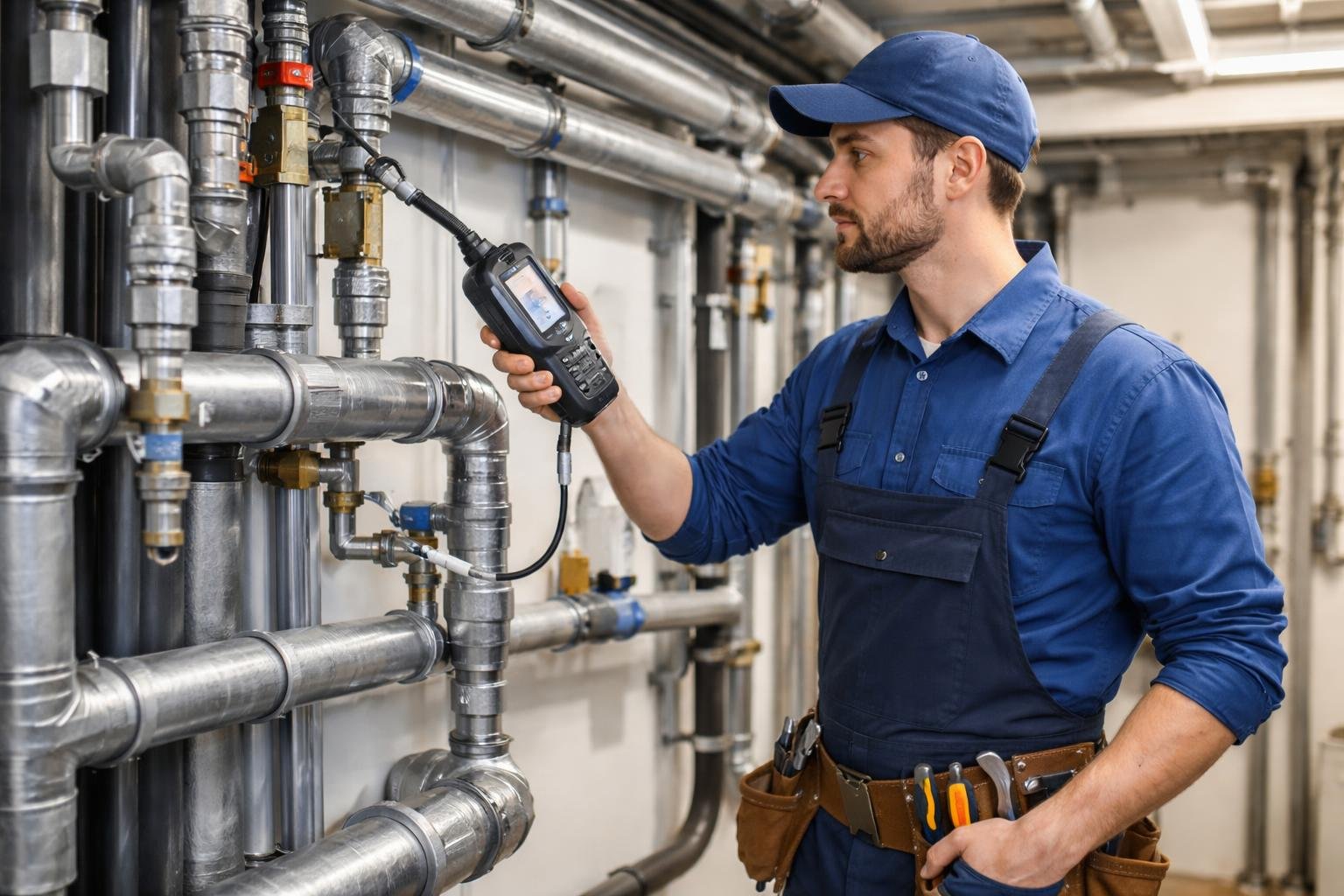
Construction Fleet Tracking Software: Essential Features for Project Efficiency in 2026
How to start saving money
Lorem ipsum dolor sit amet, consectetur adipiscing elit lobortis arcu enim urna adipiscing praesent velit viverra sit semper lorem eu cursus vel hendrerit elementum morbi curabitur etiam nibh justo, lorem aliquet donec sed sit mi dignissim at ante massa mattis.
- Neque sodales ut etiam sit amet nisl purus non tellus orci ac auctor
- Adipiscing elit ut aliquam purus sit amet viverra suspendisse potent
- Mauris commodo quis imperdiet massa tincidunt nunc pulvinar
- Excepteur sint occaecat cupidatat non proident sunt in culpa qui officia
Why it is important to start saving
Vitae congue eu consequat ac felis placerat vestibulum lectus mauris ultrices cursus sit amet dictum sit amet justo donec enim diam porttitor lacus luctus accumsan tortor posuere praesent tristique magna sit amet purus gravida quis blandit turpis.

How much money should I save?
At risus viverra adipiscing at in tellus integer feugiat nisl pretium fusce id velit ut tortor sagittis orci a scelerisque purus semper eget at lectus urna duis convallis. porta nibh venenatis cras sed felis eget neque laoreet suspendisse interdum consectetur libero id faucibus nisl donec pretium vulputate sapien nec sagittis aliquam nunc lobortis mattis aliquam faucibus purus in.
- Neque sodales ut etiam sit amet nisl purus non tellus orci ac auctor
- Adipiscing elit ut aliquam purus sit amet viverra suspendisse potenti
- Mauris commodo quis imperdiet massa tincidunt nunc pulvinar
- Adipiscing elit ut aliquam purus sit amet viverra suspendisse potenti
What percentege of my income should go to savings?
Nisi quis eleifend quam adipiscing vitae aliquet bibendum enim facilisis gravida neque. Velit euismod in pellentesque massa placerat volutpat lacus laoreet non curabitur gravida odio aenean sed adipiscing diam donec adipiscing tristique risus. amet est placerat in egestas erat imperdiet sed euismod nisi.
“Nisi quis eleifend quam adipiscing vitae aliquet bibendum enim facilisis gravida neque velit euismod in pellentesque”
Do you have any comments? Share them with us on social media
Eget lorem dolor sed viverra ipsum nunc aliquet bibendum felis donec et odio pellentesque diam volutpat commodo sed egestas aliquam sem fringilla ut morbi tincidunt augue interdum velit euismod eu tincidunt tortor aliquam nulla facilisi aenean sed adipiscing diam donec adipiscing ut lectus arcu bibendum at varius vel pharetra nibh venenatis cras sed felis eget.
Managing construction equipment across multiple job sites is challenging for companies. They must control costs and maintain productivity.
Construction fleet tracking software uses GPS, telematics, and data analytics. This technology provides real-time visibility into vehicle locations, equipment utilization, and maintenance needs.
These systems help construction companies reduce downtime, prevent theft, and optimize asset deployment. They are now essential tools in the industry.
The right tracking solution addresses construction industry needs beyond basic vehicle monitoring. Companies can track equipment by engine hours, monitor utilization rates across job sites, and receive automated alerts for maintenance.
The software also supports compliance and helps managers make data-driven decisions about fleet size. Understanding available technologies and features helps companies choose effective systems.
This article examines how fleet tracking software works and the operational benefits it provides. It also reviews what leading solutions offer for managing heavy equipment and vehicles.
What Is Construction Fleet Tracking Software?
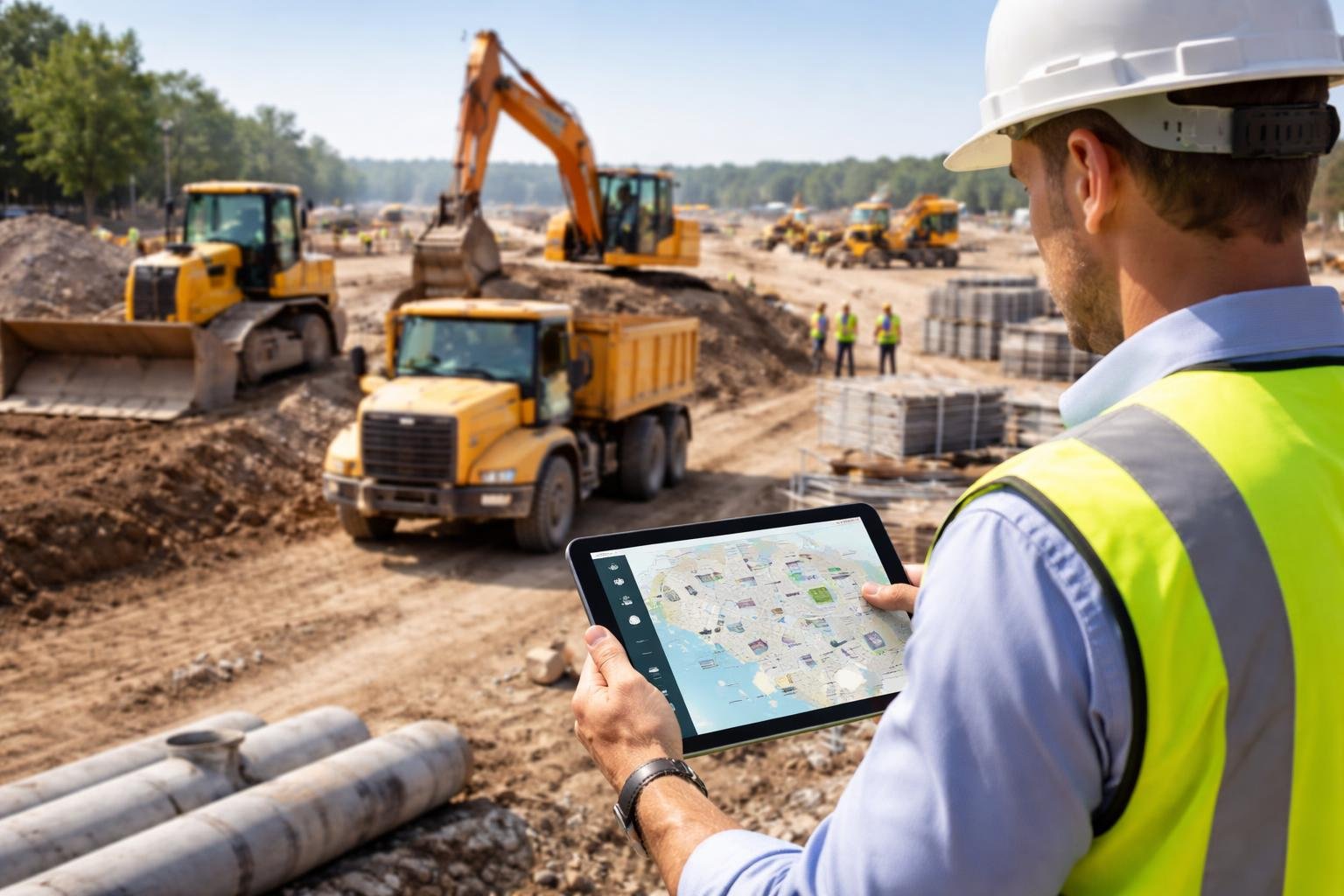
Construction fleet tracking software combines GPS, telematics, and analytics to monitor and manage vehicles, heavy equipment, and tools on construction sites. This technology provides real-time visibility into asset locations, equipment utilization, maintenance schedules, and costs.
Key Features of Construction Fleet Tracking Software
Real-time GPS tracking is the foundation of construction fleet management software. It allows managers to see the exact location of vehicles and equipment on multiple job sites.
Location data updates continuously, providing instant visibility into asset movements. This helps prevent unauthorized use or theft.
Maintenance scheduling and tracking automates alerts based on equipment hours, mileage, or time intervals. The software monitors service histories, tracks repair costs, and notifies managers before scheduled maintenance.
This approach reduces unexpected breakdowns and extends equipment lifespan.
Utilization analytics measure how often assets are used versus sitting idle. Fleet management platforms calculate operating hours, idle time, and productivity rates for each piece of equipment.
These insights help companies identify underutilized assets and optimize fleet size.
Fuel management and cost tracking monitor fuel consumption, detect excessive idling, and identify inefficient operation. The software tracks fuel expenses and generates reports to highlight cost-saving opportunities.
Types of Construction Fleets and Assets Tracked
Construction fleet tracking covers more than standard vehicles. It also tracks a wide range of specialized equipment and tools.
Heavy equipment includes excavators, bulldozers, cranes, loaders, graders, and backhoes. These assets require precise location tracking and utilization monitoring.
Vehicles and transportation assets include dump trucks, pickups, service vans, and delivery vehicles. Fleet tracking software monitors these for route optimization, driver behavior, and fuel efficiency.
Portable equipment and power tools such as generators, compressors, welders, and small tools are also tracked. Many platforms use GPS tags or Bluetooth beacons to monitor these smaller assets and prevent theft.
How Construction Fleet Tracking Differs from General Fleet Management
Construction fleet management software solves industry-specific challenges. Equipment often works off-road and in rough terrain where standard vehicle tracking falls short.
Multi-site coordination is complex in construction. Equipment moves between job sites, storage yards, and maintenance facilities.
Fleet management platforms for construction handle these changing, temporary locations.
Equipment utilization matters more than mileage in construction. While standard tracking focuses on miles traveled, construction tracking prioritizes operating hours, idle time, and productive use.
A bulldozer may not travel far but can do intensive work.
Regulatory compliance requirements in construction include certifications, operator qualifications, and safety inspections. Construction-focused software integrates these needs, while general platforms often do not.
Core Technologies in Construction Fleet Tracking
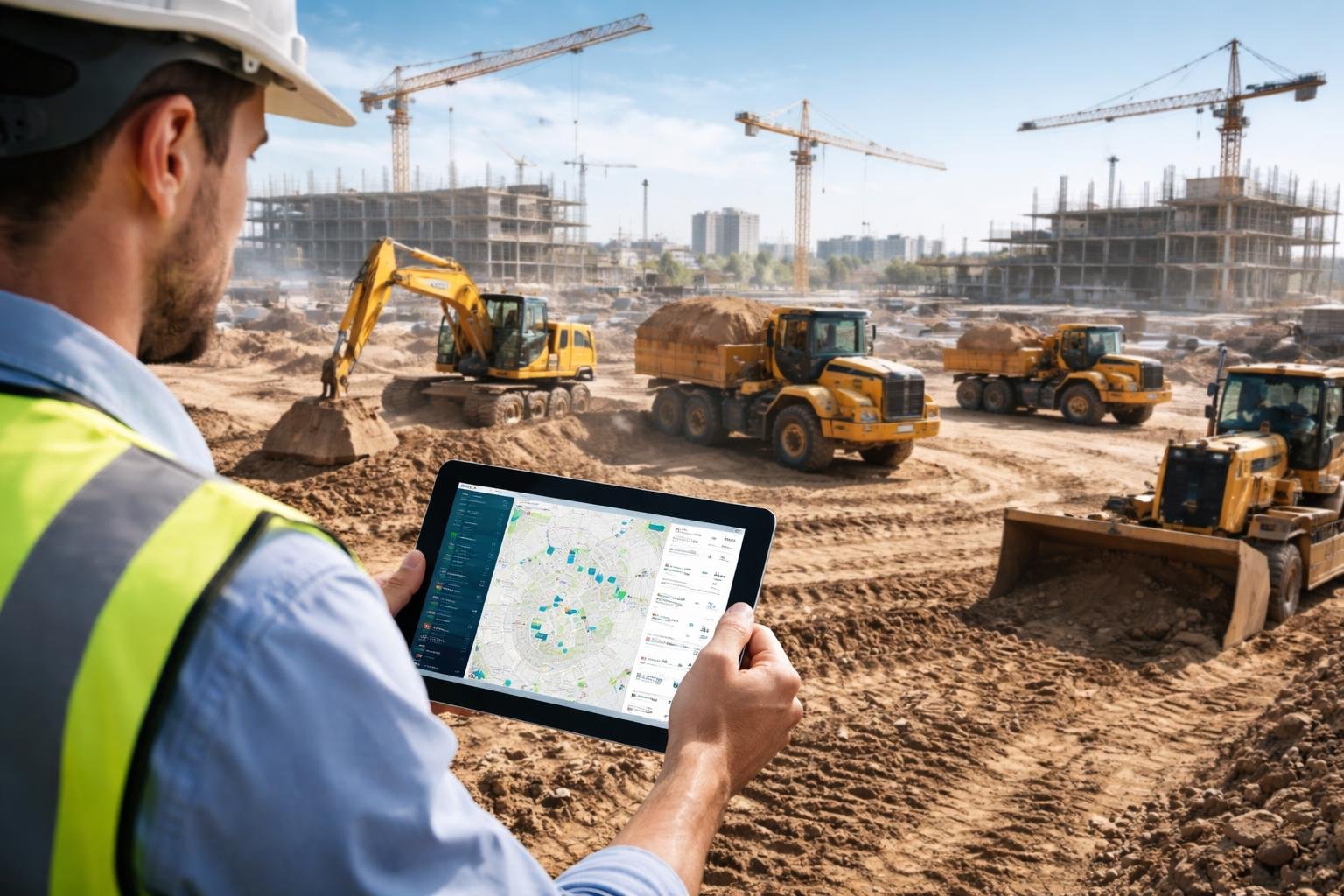
Construction fleet tracking relies on three main technologies. Telematics collect machine data, GPS tracking pinpoints asset locations, and geofencing creates virtual boundaries for monitoring.
Telematics and Equipment Telematics
Equipment telematics systems use sensors and communication devices to gather data from machines. They monitor engine hours, fuel use, idle time, diagnostic codes, and performance metrics.
These systems help managers understand how equipment is used on job sites.
Modern telematics often support AEMP 2.0 standards, which allow data exchange between different equipment brands and platforms. This standardization lets companies manage mixed fleets without compatibility issues.
Real-time data flows from machines to central management systems. Managers can spot underutilized assets, detect maintenance issues early, and track operator behavior that affects equipment life.
GPS Tracking and GPS Trackers
GPS trackers use satellite signals to find the location of vehicles and equipment. Devices range from hardwired units in vehicles to battery-powered trackers for trailers, generators, and tools.
Construction companies use GPS tracking to prevent theft, recover stolen equipment, and confirm asset locations. The technology also helps optimize routes and provides historical movement data.
GPS trackers for construction are rugged to handle dust, vibration, and temperature extremes. Battery-powered units can last months or years without maintenance, making them ideal for assets that move infrequently.
Geofencing and Real-Time Visibility
Geofencing sets virtual boundaries around areas like job sites or storage yards. When equipment enters or exits these areas, the system sends alerts to managers.
Real-time visibility combines location and operational data to show what equipment is doing at any moment. Fleet managers can view live dashboards with asset positions, movement status, engine condition, and utilization rates.
This helps companies respond quickly to equipment emergencies and coordinate resources between projects. Geofencing also supports compliance by keeping equipment within approved areas and alerting supervisors to security breaches.
Equipment Utilization and Asset Management
Modern construction fleet tracking software provides detailed visibility into equipment performance and location. Contractors can measure utilization rates and reduce idle time.
These platforms generate reports that reveal usage patterns. This supports data-driven decisions about equipment allocation.
Asset Tracking Across Multiple Job Sites
Construction companies with multiple job sites need real-time visibility into equipment locations and movements. GPS-enabled tracking monitors the position of each asset, from heavy machinery to small tools.
This eliminates time wasted searching for equipment and helps prevent theft.
Fleet managers can see all assets on a central dashboard showing locations, movement history, and geofence alerts. When equipment leaves a job site, the system sends automatic notifications.
This is valuable for companies managing owned, rented, and leased equipment across projects. The tracking data integrates with project management systems to verify equipment delivery and availability.
Teams can quickly see which assets are available for redeployment or committed to projects.
Utilization Reports and Idle Time Monitoring
Utilization reports show how actively equipment is used compared to available hours. Most platforms calculate utilization by monitoring engine hours, idle time, and operational status.
Key metrics include:
- Active hours vs. total available hours
- Idle time percentages and duration
- Equipment operating at job sites vs. in yards
- Cost per operating hour
These reports help identify underutilized assets. A machine that sits idle for 60% of the time may be better used elsewhere or rented out.
High utilization rates may signal the need for more equipment to avoid project delays.
Optimizing Construction Equipment Allocation
Tracking and utilization data help contractors match equipment to project needs. Fleet managers use historical patterns to determine the right equipment quantities and types.
The software spots equipment sitting idle at one site while similar assets are rented elsewhere. Redeploying resources saves rental costs.
Projects with changing needs benefit from dynamic allocation, moving assets based on real-time demand. Advanced platforms compare ownership costs to utilization rates, helping managers decide whether to buy, keep, or rent equipment.
Maintenance and Preventive Strategies
Construction fleet tracking software helps companies move from reactive repairs to scheduled maintenance. This reduces breakdowns and controls long-term costs.
Integration with maintenance management systems provides a framework for tracking service intervals, managing repairs, and maintaining parts inventory.
Proactive and Preventive Maintenance Scheduling
Preventive maintenance schedules trigger service alerts based on engine hours, mileage, or time intervals. The software monitors usage in real-time and notifies managers when equipment nears maintenance thresholds.
This prevents costly breakdowns and project delays.
Modern systems use actual utilization instead of estimates to set maintenance windows. Companies can set different schedules for each asset type, based on manufacturer and site conditions.
Platforms track maintenance history and usage patterns. This helps identify equipment needing more frequent service.
Key scheduling capabilities include:
- Automated alerts for upcoming service
- Engine hour and odometer-based triggers
- Custom plans by equipment type
- Service record tracking
- Multi-site maintenance coordination
Maintenance Management Systems (CMMS)
CMMS features within fleet tracking software centralize all maintenance activities on one dashboard. These systems store equipment specs, service histories, and warranty information.
Technicians can access detailed maintenance procedures. Fleet managers track which assets are in the shop, monitor repair progress, and analyze trends.
Integration between fleet tracking and CMMS removes duplicate data entry. Maintenance teams get complete asset profiles, including past repairs and component replacements.
This view helps managers decide whether to repair or replace aging equipment. Advanced platforms offer predictive maintenance by analyzing data to spot potential failures early.
Sensors and diagnostic codes feed into algorithms to flag issues needing inspection.
Maintenance Requests and Work Orders
Digital work order systems streamline maintenance from request to completion. Operators submit requests from mobile devices, including photos and descriptions.
The software sends requests to the right personnel and creates work orders with assigned technicians and estimated completion times.
Work orders include labor hours, parts used, and repair costs. Technicians update status in real-time, so managers can adjust schedules if equipment is out of service longer than expected.
The system keeps a complete audit trail of requests, approvals, and resolutions. Priority levels ensure urgent repairs get immediate attention, while routine services are scheduled as needed.
Recurring work orders automate regular tasks like oil changes and filter replacements.
Parts Inventory and Cost Management
Integrated parts inventory modules track component stock levels across multiple shop locations and job sites. The software links specific parts to equipment models, making it easy to identify which components fit particular machines.
When technicians create work orders, the system checks inventory availability and flags items that require procurement. Automated reorder points prevent stockouts of critical components and help avoid excess inventory.
Fleet managers analyze parts usage patterns to spot frequently failing components, which may indicate deeper equipment issues. The platforms calculate total maintenance costs per asset, breaking down expenses into labor, parts, and external service charges.
Inventory management features:
FeatureBenefitBarcode scanningFaster parts check-in and assignmentVendor integrationStreamlined ordering and pricing updatesUsage analyticsIdentification of high-consumption itemsCost allocationAccurate per-asset expense tracking
Safety, Security, and Compliance
Construction fleet tracking software addresses safety risks, regulatory requirements, and security vulnerabilities that affect daily operations. These platforms provide real-time monitoring, automated compliance tools, and anti-theft measures to protect workers, equipment, and company assets.
Safety Management and Driver Behavior Monitoring
Fleet tracking systems monitor driver behavior through telematics data and dashcams. Events like harsh braking, rapid acceleration, speeding, and unsafe turns are recorded.
Continuous monitoring creates driver scorecards that assign performance ratings based on specific safety metrics. Managers receive instant alerts for unsafe driving, allowing them to address issues before they lead to accidents.
The data reveals patterns in driver behavior, making it easier to identify operators who need additional training. Dashcams with AI can detect distracted driving, seat belt violations, and unsafe following distances.
Some systems include both forward-facing and driver-facing cameras that save footage when risky events occur. This video evidence helps during insurance claims and can exonerate drivers wrongly accused of causing incidents.
The scoring systems create accountability and give drivers clear feedback on their performance.
Regulatory and ELD Compliance
Electronic logging devices (ELDs) automatically track hours of service for commercial drivers. This eliminates manual paper logs that can be prone to errors.
Federal regulations require ELD use for most commercial vehicles, and fleet tracking software often includes integrated ELD functionality. The systems monitor driving time, rest breaks, and duty status changes to ensure compliance with Department of Transportation rules.
Automated alerts notify dispatchers and drivers when they approach maximum driving hours, helping prevent violations. Regulatory compliance also includes vehicle inspection reports, maintenance records, and safety certifications.
Fleet platforms maintain digital documentation that inspectors can access during roadside checks or audits.
Theft Prevention and Fraud Detection
GPS tracking enables immediate location identification when equipment goes missing. Geofencing alerts trigger when assets leave designated job sites.
Many systems allow remote equipment immobilization to prevent unauthorized use or movement. Theft prevention features include movement detection during non-working hours and tamper alerts when tracking devices are disconnected.
Historical location data helps law enforcement recover stolen equipment by showing movement patterns and current positions. Fraud detection identifies fuel card misuse, unauthorized personal vehicle use, and odometer discrepancies.
The software cross-references fuel purchases with GPS locations to flag suspicious transactions.
Operational Advantages for Construction Companies
Construction fleet tracking software delivers measurable improvements in daily operations through automated scheduling, fuel cost reduction, and centralized data access. These features help companies manage multiple job sites while maintaining visibility over equipment utilization and resource allocation.
Scheduling and Dispatch Optimization
Fleet tracking software automates the assignment of equipment and vehicles to job sites using real-time location data. Dispatchers can see which assets are idle, in transit, or working, eliminating the need for manual phone calls.
The system enables faster response times when project requirements change. If a bulldozer finishes early, supervisors can immediately reassign it to another site.
Key scheduling capabilities include:
- Automated assignment based on proximity to job sites
- Equipment availability tracking across multiple locations
- Historical data on completion times for similar tasks
- Integration with project management timelines
The software prevents double-booking and ensures the right equipment reaches the correct location on time.
Monitoring Fuel Usage and Route Optimization
GPS tracking records actual routes taken by fleet vehicles and identifies inefficient driving patterns. The software calculates optimal paths between job sites, supply yards, and storage facilities.
Fuel consumption data appears alongside route information, allowing managers to spot vehicles with excessive idling or inefficient operation. This helps reduce costs by highlighting operators who need training on fuel-efficient driving.
Route optimization features typically include:
FeatureBenefitTurn-by-turn directionsReduces time spent navigating unfamiliar areasTraffic pattern analysisAvoids congested routes during peak hoursGeofencing alertsNotifies managers of unauthorized vehicle useIdle time trackingIdentifies excessive engine runtime without movement
Dashboard and Real-Time Reporting
Centralized dashboards display live vehicle tracking data, maintenance schedules, and operator assignments in one interface. Managers can access current locations of all assets without contacting operators or visiting job sites.
The dashboard updates automatically as conditions change. Color-coded indicators show which equipment is operational, which needs maintenance, and which assets are available.
Reports generate automatically or on-demand. Fleet managers can view daily summaries of miles driven, hours operated, fuel consumed, and projects completed.
This data supports accurate billing for equipment usage and helps identify underutilized assets.
Integration, Scalability, and ROI
Construction fleet tracking software delivers measurable returns when it integrates with existing systems, scales across equipment types, and provides clear cost metrics.
Integration with Construction Management Systems
Modern construction fleet tracking platforms connect with project management, accounting, and ERP systems to create unified operational workflows. Direct integration eliminates duplicate data entry and ensures equipment locations, usage hours, and maintenance records sync with job costing and billing systems.
Key integration points include:
- Project management tools for linking equipment deployment to job sites and timelines
- Accounting systems for automated cost allocation and billing accuracy
- Fuel card networks and spend management platforms for reconciling transactions
- Maintenance management software for scheduling and parts inventory
Fleet cards like the Motive Card integrate directly with tracking systems to match fuel purchases with vehicle locations and timestamps. This connection flags unauthorized transactions and identifies inefficiencies in real time.
Vehicle gateways and asset gateways translate sensor data into standardized formats that third-party systems can process. API access and pre-built connectors reduce implementation time.
Construction companies should prioritize platforms offering native integrations with their existing software stack.
Scalability for Mixed Fleets and Multiple Sites
Construction operations require tracking solutions that handle both heavy equipment and light vehicles across multiple projects. Scalable platforms accommodate mixed fleets without requiring separate systems.
Cloud-based architectures allow companies to add assets as fleets grow. A contractor managing 50 vehicles can expand to 500 without platform migration or data loss.
Asset gateways designed for unpowered equipment extend tracking to trailers, generators, and tool containers using battery-powered GPS units. Multi-site functionality is important when projects span different regions or states.
The software should support:
- Role-based access for site managers viewing only their assigned equipment
- Customizable geofences that trigger alerts when assets leave designated areas
- Unified dashboards providing executives with fleet-wide visibility
Mixed fleets need flexible device options because a compact car requires different hardware than a bulldozer. Systems with multiple gateway types and installation methods adapt to varied asset profiles.
Evaluating ROI and Cost Savings
Most construction companies achieve full ROI within 6 to 12 months through reduced fuel consumption, lower insurance premiums, and decreased equipment theft. Fuel monitoring and route optimization can cut annual fuel spend by 10-15% by identifying inefficient routes and excessive idling.
Primary cost reduction areas:
CategoryTypical SavingsFuel efficiency10-15% annuallyMaintenance costs20-30% reductionInsurance premiums5-20% decreaseEquipment recovery$50K-$500K per theft prevented
Fleet tracking software prevents unauthorized usage and reduces overtime fraud by documenting actual work hours. Fleet card integration flags fuel purchases that don't match vehicle locations, helping catch fraud.
Predictive maintenance alerts extend equipment lifespan by preventing catastrophic failures. A $300,000 excavator receiving timely maintenance based on actual usage data can avoid expensive emergency repairs.
Spend management improves as accurate utilization data informs rental-versus-purchase decisions and identifies underutilized assets.
Leading Providers and Industry Solutions
The construction fleet tracking market features specialized platforms for equipment mobility, multi-site coordination, and heavy machinery monitoring. Modern solutions integrate GPS tracking with maintenance scheduling and safety compliance tools while adapting to construction workflows.
Top Construction Fleet Tracking Software Platforms
Motive delivers comprehensive tracking with real-time vehicle monitoring, maintenance alerts, and driver safety features for construction operations.
Geotab provides robust telematics with customizable dashboards and third-party integrations for mixed fleets.
Samsara combines GPS tracking with AI-powered cameras and environmental sensors. The system offers mobile apps for field crews and analytics for fleet managers.
Trackunit specializes in heavy equipment tracking with IoT sensors built for harsh construction environments. The platform monitors machine utilization, idle time, and location across job sites.
HCSS Telematics (Equipment360) integrates with construction management systems to link fleet data with project costs and scheduling.
Tenna focuses on construction asset management through hardware trackers and mobile apps. The platform manages both powered equipment and non-powered tools across work sites.
Industry Standards and Best Practices
Fleet tracking in construction requires cellular or satellite connectivity depending on job site location. Standard practices include installing tamper-resistant GPS devices on high-value equipment and setting geofencing boundaries around active sites.
Data security protocols must protect location information and operator details. Leading platforms use encrypted data transmission and role-based access controls.
Maintenance scheduling based on engine hours instead of calendar dates matches construction equipment usage patterns. Trackunit and HCSS systems automatically log operating hours to trigger service intervals based on manufacturer specifications.
Integration with fuel management systems helps spot excessive idling and unauthorized usage. Construction fleets typically set idle time thresholds between 10-15 minutes to balance readiness with fuel conservation.
Emerging Technologies and Trends
Machine learning algorithms predict equipment failures by analyzing operational patterns and sensor data. Lytx uses AI to review video footage and identify unsafe driving behaviors on construction sites.
Electric equipment adoption is increasing. This trend drives demand for battery monitoring and charging station management features.
Fleet Complete has added electric vehicle capabilities. These features track charge levels and help optimize charging schedules.
Sustainability reporting tools measure fuel consumption and emissions across construction fleets. Azuga provides carbon footprint calculations to help contractors meet environmental requirements.
Predictive analytics use weather data, project timelines, and equipment availability to optimize asset deployment. These systems recommend transferring equipment between job sites to reduce rental costs and improve utilization rates.