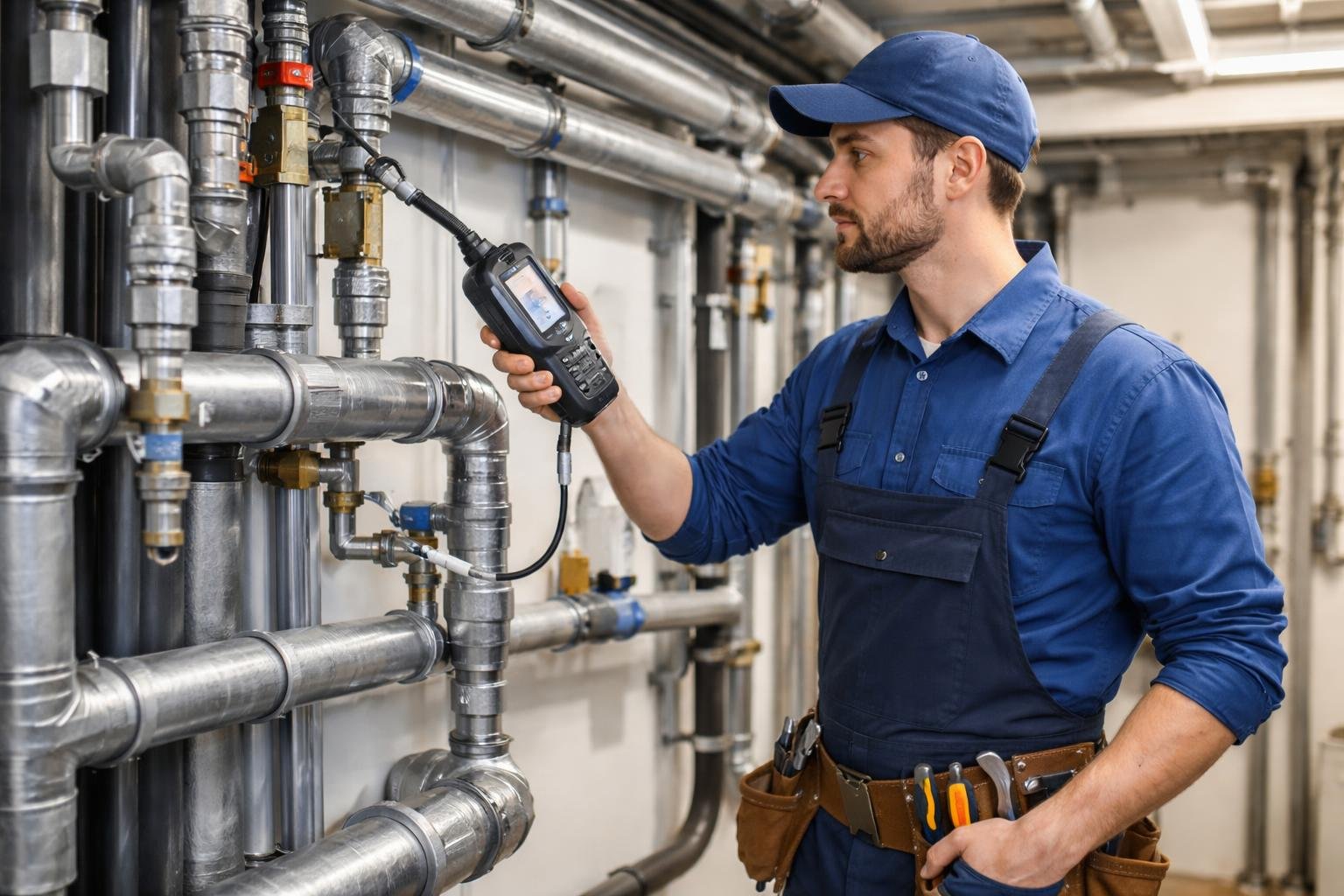
How to start saving money
Lorem ipsum dolor sit amet, consectetur adipiscing elit lobortis arcu enim urna adipiscing praesent velit viverra sit semper lorem eu cursus vel hendrerit elementum morbi curabitur etiam nibh justo, lorem aliquet donec sed sit mi dignissim at ante massa mattis.
- Neque sodales ut etiam sit amet nisl purus non tellus orci ac auctor
- Adipiscing elit ut aliquam purus sit amet viverra suspendisse potent
- Mauris commodo quis imperdiet massa tincidunt nunc pulvinar
- Excepteur sint occaecat cupidatat non proident sunt in culpa qui officia
Why it is important to start saving
Vitae congue eu consequat ac felis placerat vestibulum lectus mauris ultrices cursus sit amet dictum sit amet justo donec enim diam porttitor lacus luctus accumsan tortor posuere praesent tristique magna sit amet purus gravida quis blandit turpis.

How much money should I save?
At risus viverra adipiscing at in tellus integer feugiat nisl pretium fusce id velit ut tortor sagittis orci a scelerisque purus semper eget at lectus urna duis convallis. porta nibh venenatis cras sed felis eget neque laoreet suspendisse interdum consectetur libero id faucibus nisl donec pretium vulputate sapien nec sagittis aliquam nunc lobortis mattis aliquam faucibus purus in.
- Neque sodales ut etiam sit amet nisl purus non tellus orci ac auctor
- Adipiscing elit ut aliquam purus sit amet viverra suspendisse potenti
- Mauris commodo quis imperdiet massa tincidunt nunc pulvinar
- Adipiscing elit ut aliquam purus sit amet viverra suspendisse potenti
What percentege of my income should go to savings?
Nisi quis eleifend quam adipiscing vitae aliquet bibendum enim facilisis gravida neque. Velit euismod in pellentesque massa placerat volutpat lacus laoreet non curabitur gravida odio aenean sed adipiscing diam donec adipiscing tristique risus. amet est placerat in egestas erat imperdiet sed euismod nisi.
“Nisi quis eleifend quam adipiscing vitae aliquet bibendum enim facilisis gravida neque velit euismod in pellentesque”
Do you have any comments? Share them with us on social media
Eget lorem dolor sed viverra ipsum nunc aliquet bibendum felis donec et odio pellentesque diam volutpat commodo sed egestas aliquam sem fringilla ut morbi tincidunt augue interdum velit euismod eu tincidunt tortor aliquam nulla facilisi aenean sed adipiscing diam donec adipiscing ut lectus arcu bibendum at varius vel pharetra nibh venenatis cras sed felis eget.
Fleet monitoring brings clarity and control to transportation and logistics operations. By using connected sensors, GPS tracking, and telematics software, businesses can oversee vehicles, equipment, and assets in real time.
It enables companies to know exactly where their fleets are and how they are performing. This helps identify actions that can improve efficiency and reliability.
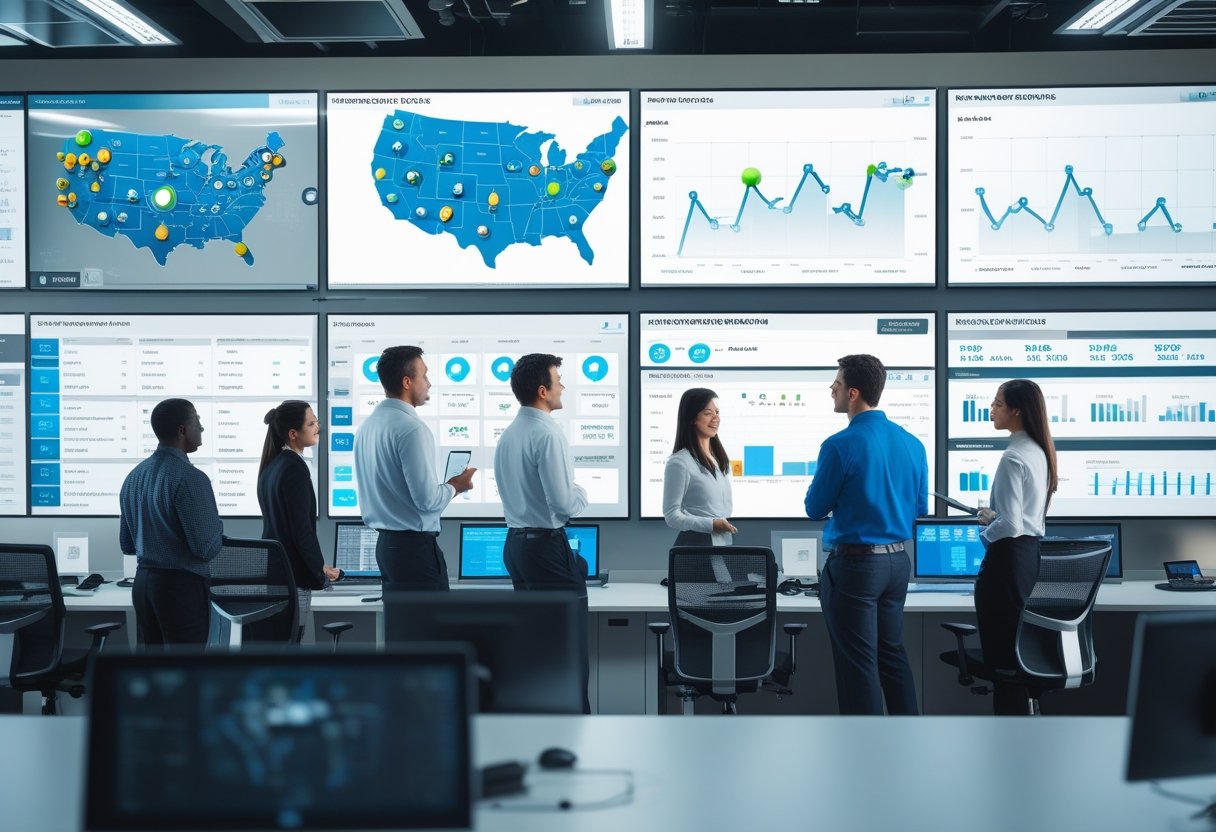
Modern fleet monitor systems combine data from location tracking, maintenance records, driver behavior, and fuel consumption into one platform. This integration helps operational teams reduce downtime, optimize routes, and make decisions that improve performance.
As technology evolves, fleet monitoring is used in rail transport, renewable energy, and intermodal freight. It supports predictive maintenance, smart resource allocation, and compliance management.
Understanding Fleet Monitoring
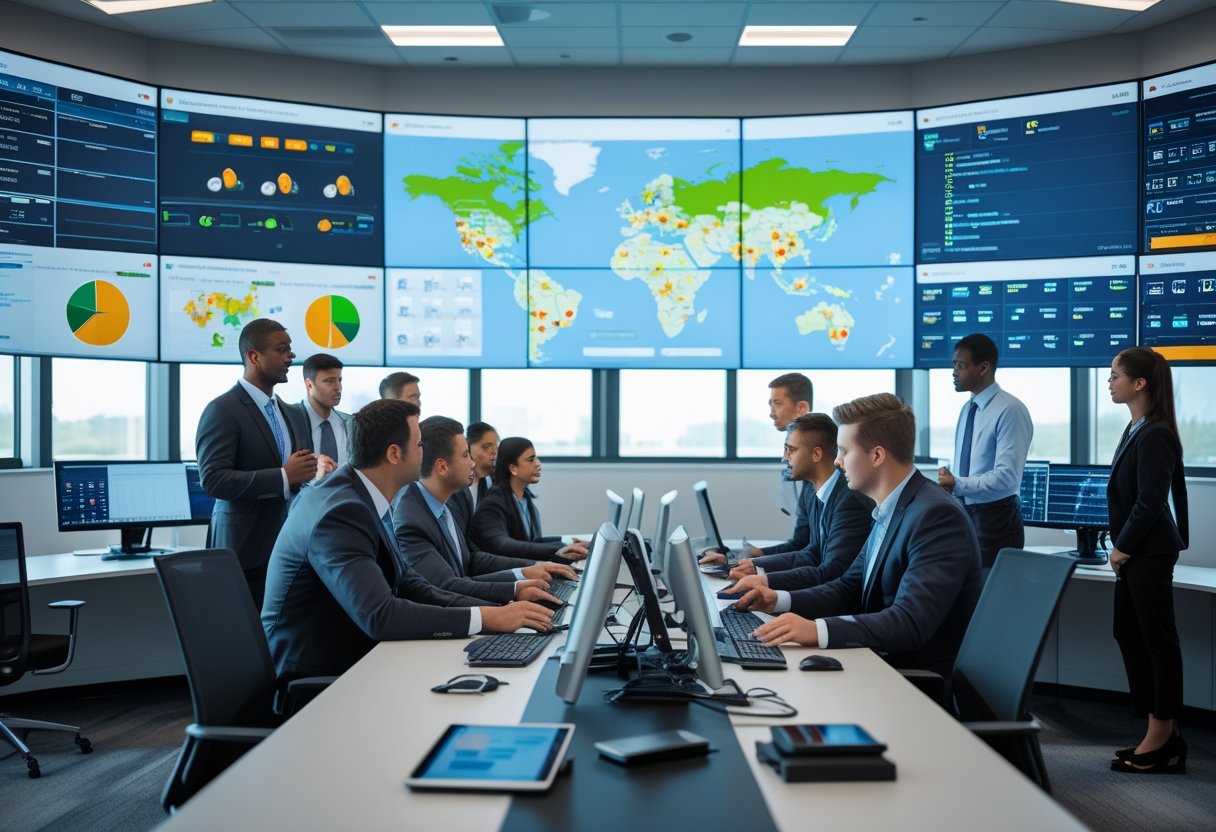
Fleet monitoring provides real-time oversight of vehicles, drivers, and operating conditions. It helps organizations collect and analyze data to improve efficiency, safety, and cost control while keeping assets visible and compliant.
What Is a Fleet Monitor
A fleet monitor is the hardware, software, and processes used to track and manage vehicle activity within a business fleet. It uses GPS, telematics, and onboard sensors to update vehicle location, speed, fuel usage, and driver behavior.
Data from a fleet monitor is sent to a centralized system, where dashboards and reports display it for operators. This allows decisions based on real-time data.
Fleet monitoring also works with maintenance schedules. Automatic alerts notify staff when vehicles need service or inspections, helping reduce downtime and prevent costly repairs.
Key Benefits of Fleet Monitoring
Fleet monitoring enables data-driven management of vehicles. It helps companies reduce wasted fuel, unplanned maintenance, and idle time.
The visibility gained also supports compliance with transportation regulations.
Common advantages include:
BenefitDescriptionOperational EfficiencyReduces route duplication and improves scheduling accuracy.Cost ControlTracks fuel consumption and optimizes driving habits to lower expenses.SafetyDetects risky driving behavior such as speeding or harsh braking.Maintenance PlanningPredictive monitoring minimizes outages and improves asset lifespan.
Fleet monitoring improves communication between drivers and central teams. Dispatchers can reroute vehicles in response to traffic or weather, helping ensure timely deliveries.
Fleet Monitoring vs. Fleet Management
Fleet monitoring tracks and analyzes vehicle performance in real time. Fleet management covers a wider range, including acquisition, financing, and company vehicle policies.
Monitoring provides the data foundation for management strategies. Without accurate tracking data, management decisions rely on estimates.
Fleet management systems often include monitoring tools, as well as workforce management, safety training, and compliance documentation. Monitoring delivers operational intelligence, and management uses it for planning.
Core Features of Fleet Monitoring Systems
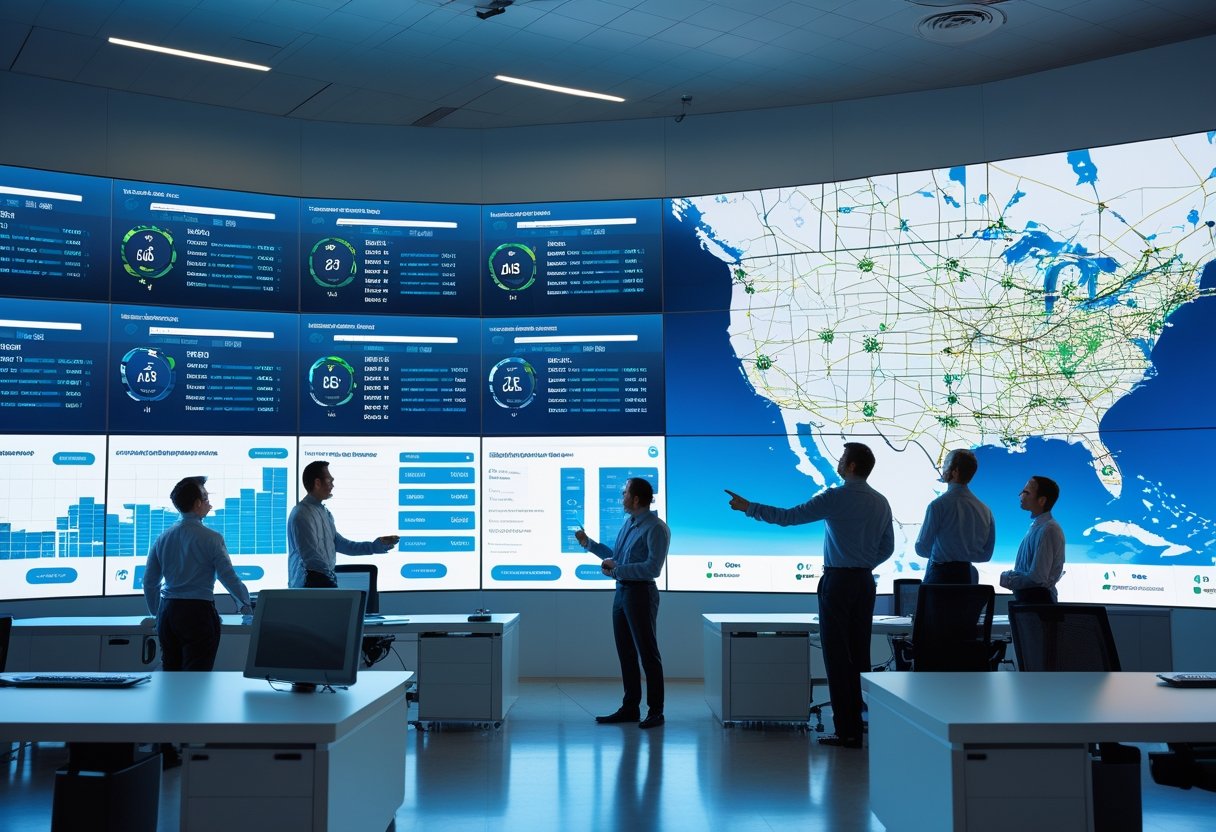
Fleet monitoring systems use telematics devices, GPS tracking, and data analytics for complete visibility into vehicle performance, driver activity, and compliance. These systems help improve uptime, reduce costs, and maintain safety through continuous monitoring and automated reporting.
Real-Time GPS Tracking
Real-time GPS tracking lets fleet managers see the exact location and movement of every vehicle. It uses GPS tracking devices and telematics to send live updates on routes, stops, and traffic.
Managers can quickly spot deviations, late arrivals, or unauthorized use. Accurate tracking supports route optimization and better dispatching.
It helps reduce fuel use by avoiding traffic and idling. Integration with management dashboards creates a unified view of operations.
Common GPS features include:
FeatureBenefitRoute PlaybackReview completed trips for efficiency analysisGeofencingTrigger alerts when vehicles enter or leave specific zonesSpeed AlertsNotify managers when drivers exceed defined limits
With data from sensors and mobile connectivity, GPS tracking improves visibility and accountability.
Vehicle Diagnostics and Maintenance
Vehicle diagnostics and maintenance modules track the technical health of vehicles using telematics devices and onboard sensors. They monitor engine temperature, battery voltage, and fuel efficiency.
When issues appear, the system sends instant alerts to maintenance staff. Automated diagnostics help prevent unplanned downtime.
Managers can schedule maintenance based on engine hours or mileage, which extends component lifespan and reduces costs.
Key monitored indicators include:
- Engine fault codes (via OBD-II or CAN bus)
- Oil pressure and temperature levels
- Tire pressure and brake wear
By combining diagnostic data with maintenance records, fleet systems ensure tasks match real vehicle needs.
Driver Behavior and Safety Monitoring
Monitoring driver behavior helps protect drivers and the organization. Telematics and dashcams collect data on acceleration, braking, cornering, and speed compliance.
Many platforms assign a driver scorecard to summarize performance trends. Safety modules alert for fatigue, harsh driving, or mobile phone use.
Managers use this data in training programs to reduce risks and insurance costs. Real-time alerts can warn drivers before unsafe actions continue.
Typical behavioral metrics include:
MetricDescriptionHarsh Braking CountMeasures abrupt stopping patternsIdle DurationCaptures engine run time while stationarySpeeding EventsTracks occurrences above set limits
This feedback encourages safer habits and supports driver improvement.
Compliance and Regulatory Reporting
Regulatory compliance is a core part of fleet operations. Electronic Logging Devices (ELDs) automatically record driving hours and rest periods for ELD compliance.
Data from ELDs simplifies reporting for audits. Systems generate reports for hours of service (HOS), driver logs, and maintenance schedules.
Automated storage of compliance data removes manual paperwork and lowers the risk of penalties. Integration with reporting systems streamlines submissions.
Essential compliance tools include:
- Electronic logging devices (ELDs) for duty status reports
- Vehicle inspection records for maintenance verification
- Regulatory dashboards summarizing compliance status
Maintaining up-to-date documentation helps managers meet standards with less effort.
Technology and Platforms
Modern fleet monitoring uses intelligent software, mobile tools, and integrated data frameworks. These systems enable vehicle tracking, ensure compliance, and provide accurate operational visibility.
Software Solutions and Integrations
Fleet tracking software is the foundation of a fleet monitoring system. It combines GPS tracking with modules for maintenance, driver management, fuel tracking, and route optimization.
Vendors such as Geotab, Motive, and RouteWise focus on real-time visibility, predictive maintenance, and IoT integration for better control.
Integration with platforms like ERP, TMS, and compliance portals allows smoother data sharing. APIs and middleware keep new and legacy systems compatible.
The following table highlights typical software components:
ComponentFunctionExample FeatureGPS Tracking ModuleMonitors location and speedLive map with vehicle statusMaintenance SchedulerTracks service intervalsAutomatic service alertsCompliance PortalRecords driver logs and inspectionsDigital reports for auditsFuel ManagementMonitors usage patternsFuel cost analytics dashboard
Reliable integration lets the platform adapt to business scale and regulatory needs.
Mobile Apps and Remote Access
Fleet operators use mobile apps to stay connected outside the office. These apps allow dispatchers, drivers, and managers to access trip data, fuel logs, and alerts from anywhere.
A well-designed mobile interface supports two-way communication for instant updates on deliveries or vehicle performance.
Mobile access improves response during route changes and delays. For example, if a driver reports an engine warning, a technician can review the data from a phone and suggest next steps.
Most providers use secure logins and encrypted communication to protect data. Many apps also work offline, syncing when a connection is restored.
This ensures accurate information flow in areas with poor coverage.
Data Integration and Analytics
Data integration brings together inputs from vehicle telematics, engine diagnostics, fuel sensors, and third-party services. The goal is to create actionable insights.
Fleet analytics dashboards summarize costs, maintenance patterns, and driver behavior in visual formats for quick decisions.
Advanced systems use AI-driven analytics to detect anomalies and forecast maintenance. By linking tire pressure with route or weather, analytics tools recommend preventive service.
Common integration methods include REST APIs, cloud data warehouses, and standardized reports. These reduce manual data entry and support accurate audit trails.
Combined with performance metrics, they help organizations measure efficiency and find improvement opportunities.
Major Providers and Solutions
Fleet monitoring technology uses GPS tracking, telematics, and analytics to improve vehicle visibility, reduce fuel use, and enhance driver accountability. The market offers scalable options for fleets of all sizes.
Top Fleet Monitoring Tools and Vendors
Several top vendors lead the fleet monitoring market with robust features and reliability. Samsara, Verizon Connect, and Motive provide end-to-end telematics platforms with GPS tracking, real-time data, and driver performance reporting.
These tools help managers analyze routes, spot inefficiencies, and enforce safety standards.
VendorKey FeaturesBest ForSamsaraLive GPS tracking, AI dashcams, route optimizationLarge fleets needing high data precisionVerizon ConnectPredictive maintenance, fuel tracking, driver coachingEnterprises with mixed-vehicle fleetsMotive (formerly KeepTruckin)ELD compliance, safety analytics, mobile accessFleets focused on regulatory adherence
Many tools integrate with maintenance systems and fuel cards for a unified dashboard. Solutions like Teletrac Navman add advanced reporting and geofencing for better asset security and planning.
Specialized Solutions for Small Fleets
Smaller fleets need affordable monitoring solutions that are easy to use. Azuga and ClearPathGPS are known for their simple setup and fast deployment.
Their platforms focus on easy installation, instant vehicle location tracking, and mobile management. These features help businesses stay flexible.
Subscription-based pricing is common and adjusts with fleet size. This makes these services affordable for companies that do not need advanced customization.
Data insights highlight fuel efficiency, maintenance reminders, and driver scorecards. They avoid overwhelming users with large datasets.
Cloud-based options like FleetMonitor offer a balance of features and cost. They automate tracking and provide clear reports for small teams.
Key Industry Players and Platforms
Major telematics and logistics firms now use AI analytics and automation. Companies like GPS Trackit, Teletrac Navman, and Verizon Connect lead the market with regular updates and industry-specific features.
These platforms connect with logistics management, compliance systems, and fuel tools. Many also offer open APIs for custom integrations.
Some vendors, such as Samsara, focus on connecting vehicles, equipment, and sites. Others, like Motive, offer features for driver safety and trip documentation.
Together, these companies create a data-driven environment for fleet visibility and efficiency.
Operational Advantages for Businesses
A fleet monitor helps organizations improve transportation and service by speeding up response times and lowering operating costs. Accurate vehicle data allows managers to make better decisions for reliability and profit.
Service Quality and Customer Support
Consistent monitoring enables faster dispatch and more accurate arrivals. Real-time vehicle status lets businesses give customers reliable updates and shorter wait times.
This transparency improves communication between dispatchers and clients. Fleet monitoring also helps track service metrics like response time, delivery accuracy, and driver performance.
These insights highlight areas for customer service improvement. Support staff can quickly access route records and trip details, which speeds up issue resolution and builds trust.
In competitive markets, stable service quality is a key advantage.
Cost Efficiency and ROI
Fleet monitoring cuts costs by improving route planning and vehicle use. Real-time tracking reduces idle time, fuel waste, and unauthorized trips.
Digital reports make budget analysis easier. Managers can quickly find cost per trip, fuel use, and vehicle downtime.
This helps with decisions about asset replacement and scheduling. Investing in fleet monitoring often leads to a strong return on investment (ROI) by aligning costs with actual use.
Savings come from lower fuel and maintenance costs, better compliance, and fewer costly delays.
Maintenance and Performance Optimization
Predictive maintenance alerts help avoid breakdowns and unplanned downtime. Continuous sensor data lets teams schedule service before problems grow.
A clear maintenance plan ensures vehicles stay reliable. Regular inspections and part replacements extend vehicle life and reduce ownership costs.
Performance analytics reveal driver habits like acceleration, braking, and idling. Improving these habits saves fuel and reduces engine and tire wear.
These changes lead to safer and more cost-effective fleet operations.
Advanced Applications and Emerging Trends
Fleet monitoring now includes real-time intelligence, standardized data models, and connected sensors. These tools link hardware, software, and cloud analytics for better safety, compliance, and visibility.
AI Dashcams and Driver Rewards
AI dashcams use computer vision and telematics to spot risky driving. They send real-time alerts so managers can act before accidents happen.
Some dashcams connect to mobile apps that coach drivers with short video feedback. Drivers receive personalized performance summaries.
Many fleets use driver rewards programs that link safe driving scores to incentives like gift cards or bonuses. This approach encourages safe driving and lowers turnover.
FeatureBenefitReal-time video analysisImmediate incident feedbackBehavior scoringObjective performance trackingIncentive integrationPromotes consistent safety culture
AI dashcams now use edge computing to process video on the device. This reduces bandwidth use and improves data privacy.
Route Planning and Geofencing
Modern route planning tools consider fuel use, load type, and regulations—not just distance. Predictive algorithms use live traffic and schedules to create efficient delivery routes.
Geofencing creates digital boundaries around specific areas. The system logs when a vehicle enters or leaves a zone for easy reporting and compliance.
This helps track deliveries and prevent unauthorized use. Organizations often use several geofences for depots, customer sites, and high-risk areas.
Integration with IoT sensors improves location accuracy and response times in critical operations.
AEMP 2.0 and Standardization
AEMP 2.0 (Association of Equipment Management Professionals) defines a common data format. This format lets mixed fleets exchange telematics data across different manufacturers.
Operators no longer need to manage separate dashboards. They can now see engine hours, fault codes, and fuel consumption in one standardized interface.
This interoperability reduces vendor lock-in. It also makes reporting for compliance and maintenance easier.
AEMP 2.0 enables cleaner data transfer between management platforms and mobile devices.
Common APIs and structured datasets support integration with analytics and cost management tools. This creates a stronger digital foundation for fleet optimization.