How to start saving money
Lorem ipsum dolor sit amet, consectetur adipiscing elit lobortis arcu enim urna adipiscing praesent velit viverra sit semper lorem eu cursus vel hendrerit elementum morbi curabitur etiam nibh justo, lorem aliquet donec sed sit mi dignissim at ante massa mattis.
- Neque sodales ut etiam sit amet nisl purus non tellus orci ac auctor
- Adipiscing elit ut aliquam purus sit amet viverra suspendisse potent
- Mauris commodo quis imperdiet massa tincidunt nunc pulvinar
- Excepteur sint occaecat cupidatat non proident sunt in culpa qui officia
Why it is important to start saving
Vitae congue eu consequat ac felis placerat vestibulum lectus mauris ultrices cursus sit amet dictum sit amet justo donec enim diam porttitor lacus luctus accumsan tortor posuere praesent tristique magna sit amet purus gravida quis blandit turpis.

How much money should I save?
At risus viverra adipiscing at in tellus integer feugiat nisl pretium fusce id velit ut tortor sagittis orci a scelerisque purus semper eget at lectus urna duis convallis. porta nibh venenatis cras sed felis eget neque laoreet suspendisse interdum consectetur libero id faucibus nisl donec pretium vulputate sapien nec sagittis aliquam nunc lobortis mattis aliquam faucibus purus in.
- Neque sodales ut etiam sit amet nisl purus non tellus orci ac auctor
- Adipiscing elit ut aliquam purus sit amet viverra suspendisse potenti
- Mauris commodo quis imperdiet massa tincidunt nunc pulvinar
- Adipiscing elit ut aliquam purus sit amet viverra suspendisse potenti
What percentege of my income should go to savings?
Nisi quis eleifend quam adipiscing vitae aliquet bibendum enim facilisis gravida neque. Velit euismod in pellentesque massa placerat volutpat lacus laoreet non curabitur gravida odio aenean sed adipiscing diam donec adipiscing tristique risus. amet est placerat in egestas erat imperdiet sed euismod nisi.
“Nisi quis eleifend quam adipiscing vitae aliquet bibendum enim facilisis gravida neque velit euismod in pellentesque”
Do you have any comments? Share them with us on social media
Eget lorem dolor sed viverra ipsum nunc aliquet bibendum felis donec et odio pellentesque diam volutpat commodo sed egestas aliquam sem fringilla ut morbi tincidunt augue interdum velit euismod eu tincidunt tortor aliquam nulla facilisi aenean sed adipiscing diam donec adipiscing ut lectus arcu bibendum at varius vel pharetra nibh venenatis cras sed felis eget.
Managing fuel use efficiently is now essential for running modern fleets. Rising fuel costs and stricter regulations push companies to find smarter ways to monitor every drop.
A vehicle fuel management system helps measure, control, and optimize fuel consumption across vehicles and equipment.
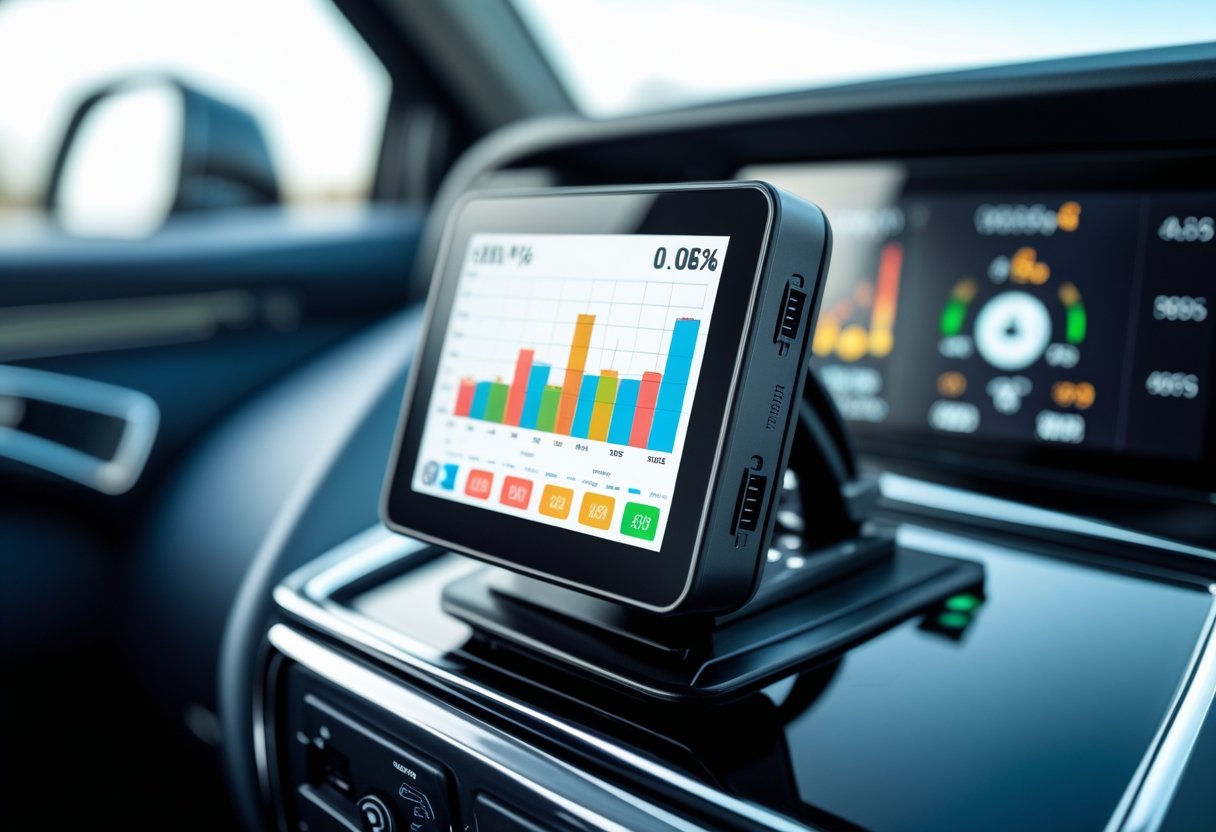
These systems use hardware like sensors and controllers with software that tracks fuel levels and usage patterns in real time. Fleet operators use this data to detect waste, prevent theft, and make better decisions.
As technology evolves, integration with telematics and analytics gives fleets more visibility. This helps them meet compliance and sustainability goals.
Fundamentals of Vehicle Fuel Management Systems
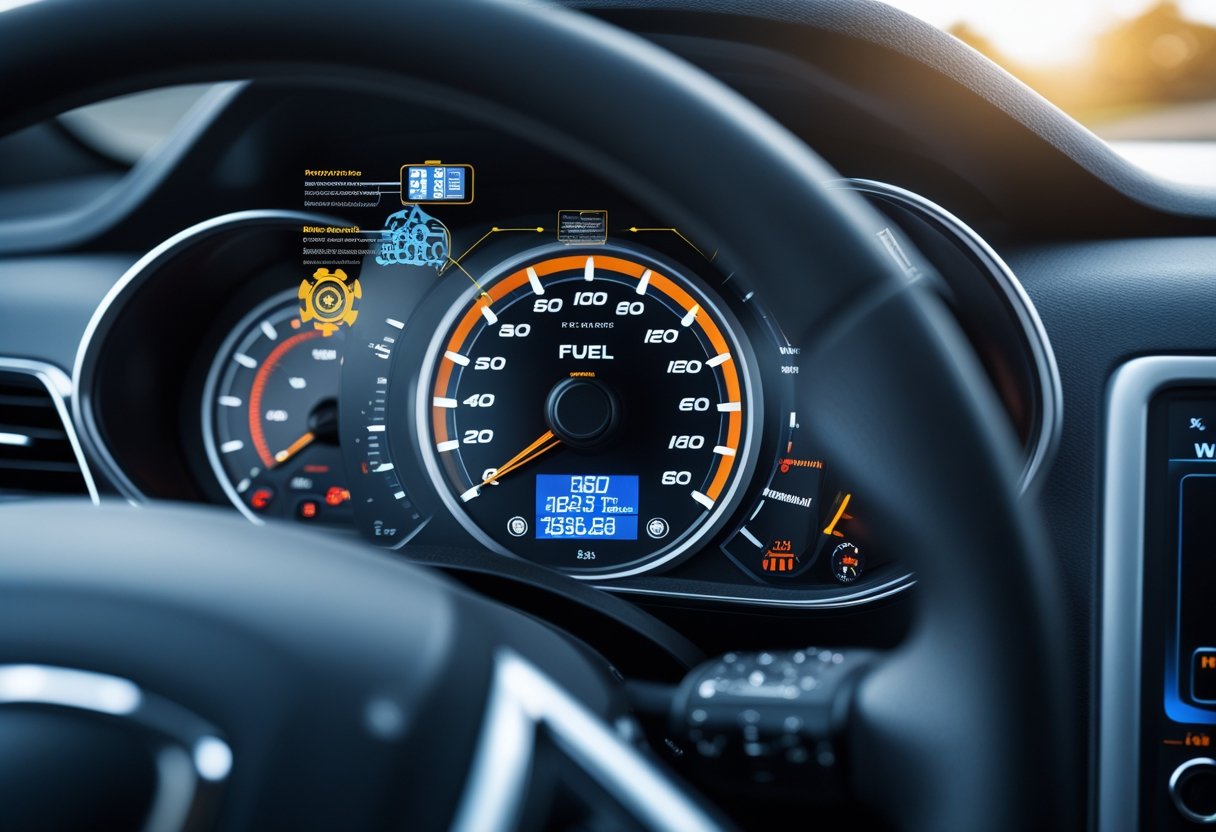
Managing fuel consumption, monitoring, and replenishment is crucial for cost control and operational efficiency. These systems combine hardware sensors and digital platforms to record and analyze fuel use.
What Is a Vehicle Fuel Management System
A Vehicle Fuel Management System (FMS) uses hardware and software to track and regulate how vehicles consume fuel. It records data like refueling events, mileage, and consumption rates to help fleet managers spot inefficiencies.
Modern fuel management solutions serve industries such as logistics, construction, and public transport. They provide insight into fuel inventory and usage trends through dashboards and reports.
An FMS also controls fuel access. Authorized drivers use smart cards, RFID tags, or PIN codes to dispense fuel, which helps reduce theft and misuse.
Core Components and Technologies
A typical fuel management platform includes several key components:
ComponentFunctionFuel SensorsMeasure tank levels and detect refueling or leakage.Data Terminal/ControllerCollects and transmits fuel usage data.Communication ModuleUses GPS, GSM, or Wi-Fi to send information to the central platform.Software DashboardDisplays analytics, consumption patterns, and alerts.
Telematics technologies link vehicle tracking data with fuel metrics to detect issues like excessive idling or harsh driving. Cloud-based platforms allow managers to control fuel use across multiple sites.
Integration with maintenance and ERP systems gives a unified view of fuel usage and vehicle health. This helps align fuel use with business goals.
How Fuel Management Systems Work
The system collects real-time data from sensors in fuel tanks and onboard diagnostic ports. Each fueling transaction is recorded with details like vehicle ID, time, quantity, and driver credentials.
The fuel management platform processes this data to create reports. Fleet managers can compare expected and actual consumption, set alerts for irregular fuel use, and monitor vehicles remotely with GPS tracking.
These insights help managers adjust routes, schedule maintenance, and plan refueling more efficiently. Accurate data supports cost reduction and prevents fuel loss.
Key Features of Modern Fuel Management Systems
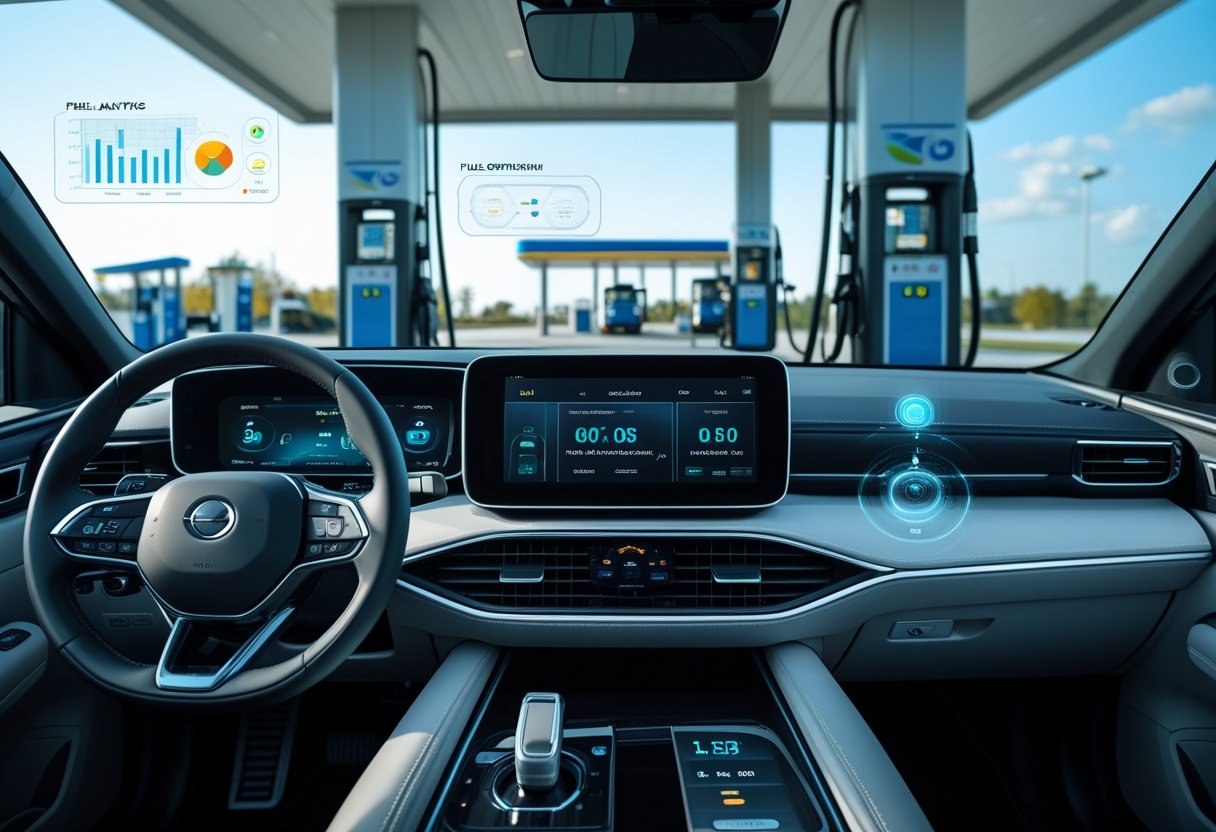
Modern fuel management systems use hardware sensors, telematics, and software to optimize fleet operations. They deliver precise fuel tracking, payment control, and data-driven reporting to reduce waste and detect problems.
Their design focuses on simplicity, automation, and actionable insights for better cost management.
Real-Time Fuel Monitoring
Real-time monitoring lets fleet operators see fuel activity as it happens. Telematics and tank-level sensors track fuel usage, fill-ups, and losses with minute-by-minute accuracy.
This helps identify problems like idling or unauthorized refueling. If a vehicle’s consumption pattern changes, the system can send instant alerts.
Managers can act quickly to prevent fuel theft or leaks. Many systems also use fuel data to schedule maintenance, as irregular consumption may signal engine issues.
Reliable fuel monitoring systems help save money and improve fleet reliability through constant oversight.
Fuel Card and Payment Integration
Fuel cards offer a controlled way to manage purchases. Each driver or vehicle has a card with spending limits and authorized stations.
This setup ensures transparent fuel transaction reporting and reduces manual errors.
All payments sync automatically with the main fuel management software. The system checks refueling data from pumps and telematics to validate each transaction, reducing fraud.
Operators can review card data to spot unusual spending or high fuel prices. By matching payment records with vehicle performance, budgeting becomes easier and accountability improves.
Automated Data Collection and Reporting
Automation removes most manual work in tracking fuel use. Automated data collection gathers readings from sensors, GPS units, and pumps into a single dashboard.
This ensures accurate and consistent data across all vehicles. Software tools create customizable reports that summarize metrics like refueling frequency, consumption per route, and cost per mile.
Managers can filter reports by vehicle, driver, or time period.
Table: Sample Report Types in Fuel Management Systems
Report TypeKey FocusCommon UseFuel Usage ReportVolume and cost per tripDetect inefficiencyTransaction SummaryPayment sources and cardsAudit complianceException ReportFuel theft, unusual patternsSecurity response
Automated reporting gives stakeholders timely insights without manual work, improving decision-making.
User-Friendly Interface and Ease of Use
Modern fuel management software focuses on clarity and ease of navigation. Dashboards use charts, maps, and color-coded alerts to display key data.
Users can customize how information appears for faster understanding. A user-friendly interface reduces training time, so managers and staff can use the system easily.
Mobile access is important too. Many systems let users monitor fuel activity, approve transactions, or view analytics from anywhere.
Clear design and intuitive menus help make fleet operations more manageable.
Benefits for Fleet Operations
A vehicle fuel management system improves control over fuel use, cuts unnecessary expenses, and helps detect misuse or theft. It provides oversight that enables managers to make better decisions and align vehicle performance with business goals.
Fuel Consumption Optimization
Accurate tracking and analysis of fuel consumption help fleets find inefficiencies in driving, route selection, and maintenance. Real-time data shows patterns that cause high fuel use, such as idling or poor route planning.
Managers can use this data to train drivers, adjust routes, or schedule maintenance. The system works with telematics and GPS tools to compare actual fuel use with expected levels.
Alerts highlight anomalies, allowing quick action. This helps fleets maintain consistent fuel efficiency in different conditions.
Optimized fuel use leads to better scheduling and control over vehicle performance. Continuous monitoring supports data-based decisions, improving reliability and accountability.
Cost Reduction and Savings
Fuel is one of the biggest recurring expenses in fleet management, often making up 20–30% of total costs. Fuel management systems track every unit of fuel purchased and used to find ways to save.
Savings can come from identifying underperforming vehicles, choosing better refueling locations, and encouraging efficient driving. Automated reports consolidate fuel transactions, helping managers compare usage and negotiate better prices.
Organizations using detailed fuel data often achieve real fleet fuel cost reductions. These savings improve margins and allow investment in maintenance, safety, or equipment.
Area of ImpactExample ImprovementVehicle efficiencyReduced idle time by up to 10%Operational planningSmarter route schedulingFinancial controlLower total fuel spend
Fraud Prevention and Fuel Theft Detection
Unauthorized fuel use can raise fleet fuel costs if not monitored. Fuel management systems use fraud prevention features like driver authentication, pump locking, and transaction validation.
These controls make sure only authorized people can access fuel. Systems also match fuel dispensed with vehicle mileage.
If discrepancies appear—such as more fuel reported than stored—alerts trigger a review. This helps detect fuel theft before major losses occur.
Audit trails add transparency. By tracking every transaction, management can verify accountability and maintain tighter control over fuel costs.
Integration with Fleet Management and Telematics
Connecting vehicle fuel management systems with digital fleet tools improves efficiency and data accuracy. Integrated platforms let managers track fuel performance, vehicle usage, and driver behavior from one dashboard.
Telematics and GPS Tracking
Telematics integration combines vehicle diagnostics, GPS data, and fuel analytics. This allows fleet operators to see how driving habits and routes affect fuel consumption in real time.
Systems like Geotab, Samsara, and Verizon Connect collect and send data from onboard sensors, making energy use visible through reports.
Linking telematics with GPS tracking helps managers find inefficient routes and optimize travel to reduce wasted mileage. Real-time alerts flag issues like harsh acceleration or unauthorized use.
Accurate data also supports compliance with regulations. When telematics devices record tank levels and usage trends, the connection between vehicle activity and fuel use is clear, reducing manual logs and errors.
Fleet Management Software Integration
Modern fleet management software brings together data from telematics, fuel cards, and maintenance systems. This creates a single, easy-to-use platform.
Platforms like Fleetio, Autosist, and Geotab let users track fuel metrics, work orders, and service schedules in one place. This saves time and reduces errors between departments.
In a typical setup, engine data and fuel reports feed directly into the fleet software dashboard. Managers can quickly see tables showing fuel efficiency, maintenance costs, and route history for each vehicle.
Example MetricDescriptionFuel EconomyMeasured miles per gallon or liters per 100 kmIdle TimePercentage of time engine runs without movementFuel CostTotal spend per vehicle or route segment
Third-Party Platform Connectivity
Third-party integrations expand fuel management systems by connecting to outside services like telematics, fuel card programs, and analytics tools. Common setups use APIs from Samsara, Fleetio, or Verizon Connect to sync data automatically.
These integrations combine fuel purchases, route data, and driver records in one portal. Cloud-based APIs allow secure data sharing with accounting or ERP systems, making invoicing and cost tracking easier.
Fleet operators also connect with payment networks or compliance apps to keep accurate records for audits or tax reporting. The level of connectivity depends on each vendor’s system.
Platforms with open API frameworks give more flexibility. This makes it easier for companies to grow and adapt as vehicle technology changes.
Advanced Analytics and Reporting
Modern fuel management systems use advanced analytics to find patterns in operational data. By combining real-time telemetry with fuel and maintenance records, they help track costs and driver activity that affect fleet efficiency.
This data helps organizations make clear, evidence-based changes to how vehicles are used and how fuel is managed.
Custom Reports and Dashboards
Custom reports and dashboards show key fleet data in ways that fit each company’s needs. Fleet managers can set up indicators like fuel burn rate, idle time, and cost per mile for each vehicle or driver.
Dashboards often use charts, trend lines, and maps to highlight problem areas. Reporting tools support formats like PDF and CSV, making it easy to share data for audits or budgets.
Advanced systems link directly with telematics and maintenance software, so reports update automatically as new data arrives.
Report TypeKey MetricsTypical UseFuel SummaryTotal fuel used, cost trendBudgeting, expense reviewEfficiency MetricsMPG, idle hours, load ratioPerformance analysisException ReportRefueling anomalies, data gapsFraud detection, compliance
These reports help find waste early and keep fuel strategies on track with business goals.
Performance Tracking and Driver Behavior Analysis
Performance tracking tools study driver behavior and vehicle use to lower unnecessary fuel use. Metrics include harsh acceleration, excessive idling, speeding, and poor gear shifting.
Monitoring these actions helps managers link fuel waste to specific habits and offer targeted training. Real-time alerts warn when a driver breaks set limits.
This data also builds performance scorecards, making it easy to compare drivers or routes. Combined with telematics, the system can tell if fuel waste is caused by the driver or the vehicle.
Companies use this analysis to set clear fuel-saving policies. The results support reward programs and better maintenance planning.
Odometer Readings and Fuel Usage Reports
Accurate odometer readings are essential for good fuel usage reports. They let the system measure fuel efficiency, such as miles per gallon or liters per 100 kilometers.
These readings come from vehicle sensors, cutting down on manual errors. Detailed fuel usage reports show refueling events, trends, and cost differences by route.
Comparing this data highlights vehicles that use more fuel than average, helping spot leaks or other issues. Linking GPS and fuel card data improves accuracy by connecting location, transaction time, and mileage.
These combined reports help organizations track real efficiency and make better budgeting decisions.
Regulatory Compliance and Sustainability
Modern fuel management systems must meet legal rules and improve environmental performance. This includes following tax laws, using cleaner energy, and adopting low-emission technology.
IFTA and Tax Reporting
Organizations that run vehicles across state or provincial lines must follow the International Fuel Tax Agreement (IFTA). IFTA lets carriers file one quarterly report for all miles traveled and fuel bought in each area.
Good documentation and digital records help companies stay ready for audits and avoid fines. Automated reporting tools in fuel management systems record odometer readings, fuel spending, and breakdowns by area.
This data helps compliance officers check tax credits and spot efficiency gaps.
Common compliance practices include:
- Keeping fuel purchase logs
- Recording miles by area each day
- Using certified IFTA software
Clear, reliable data is the best way to avoid reporting errors and tax problems.
Sustainability Initiatives
Sustainability in fuel management goes beyond legal requirements. Companies cut emissions by using vehicles wisely, choosing the right engines, and promoting fuel-efficient driving.
Telematics and real-time analytics help monitor idling, routes, and maintenance. Government and corporate programs now tie business targets to environmental goals.
For example, the Federal Energy Management Program (FEMP) encourages lower fuel use and more renewable energy. Adding sustainability reporting to fleet metrics helps companies show they meet standards like ISO 14001.
Key performance metrics often include:
MetricDescriptionFuel EfficiencyAverage miles per gallon or kWh per mileCO₂ ReductionPercentage decrease year over yearRenewable Fuel UseProportion of biodiesel, ethanol, or electricity used
Clear reporting shows accountability and helps organizations meet stakeholder expectations.
Electric Vehicles and Fuel Alternatives
Electric vehicles (EVs) and cleaner fuel alternatives are changing compliance and sustainability strategies. As regulations become stricter, fleets using EVs benefit from lower emissions and long-term cost savings.
Battery-powered vehicles reduce tailpipe emissions. They also qualify for tax incentives or meet low-emission fleet requirements in many areas.
Fuel management systems now use tools like FuelFocusEV to track electricity use, charging cycles, and cost per kilowatt-hour. This allows fleet managers to compare energy expenses with traditional fuel costs and verify eligibility for energy tax credits.
Alternative fuels—such as hydrogen, compressed natural gas (CNG), and biofuels—give fleets more options. Choosing the right fuel depends on vehicle use, available fueling stations, and local emissions rules.
This flexible approach helps fleets reduce emissions while staying compliant with new clean-fleet standards.