How to start saving money
Lorem ipsum dolor sit amet, consectetur adipiscing elit lobortis arcu enim urna adipiscing praesent velit viverra sit semper lorem eu cursus vel hendrerit elementum morbi curabitur etiam nibh justo, lorem aliquet donec sed sit mi dignissim at ante massa mattis.
- Neque sodales ut etiam sit amet nisl purus non tellus orci ac auctor
- Adipiscing elit ut aliquam purus sit amet viverra suspendisse potent
- Mauris commodo quis imperdiet massa tincidunt nunc pulvinar
- Excepteur sint occaecat cupidatat non proident sunt in culpa qui officia
Why it is important to start saving
Vitae congue eu consequat ac felis placerat vestibulum lectus mauris ultrices cursus sit amet dictum sit amet justo donec enim diam porttitor lacus luctus accumsan tortor posuere praesent tristique magna sit amet purus gravida quis blandit turpis.

How much money should I save?
At risus viverra adipiscing at in tellus integer feugiat nisl pretium fusce id velit ut tortor sagittis orci a scelerisque purus semper eget at lectus urna duis convallis. porta nibh venenatis cras sed felis eget neque laoreet suspendisse interdum consectetur libero id faucibus nisl donec pretium vulputate sapien nec sagittis aliquam nunc lobortis mattis aliquam faucibus purus in.
- Neque sodales ut etiam sit amet nisl purus non tellus orci ac auctor
- Adipiscing elit ut aliquam purus sit amet viverra suspendisse potenti
- Mauris commodo quis imperdiet massa tincidunt nunc pulvinar
- Adipiscing elit ut aliquam purus sit amet viverra suspendisse potenti
What percentege of my income should go to savings?
Nisi quis eleifend quam adipiscing vitae aliquet bibendum enim facilisis gravida neque. Velit euismod in pellentesque massa placerat volutpat lacus laoreet non curabitur gravida odio aenean sed adipiscing diam donec adipiscing tristique risus. amet est placerat in egestas erat imperdiet sed euismod nisi.
“Nisi quis eleifend quam adipiscing vitae aliquet bibendum enim facilisis gravida neque velit euismod in pellentesque”
Do you have any comments? Share them with us on social media
Eget lorem dolor sed viverra ipsum nunc aliquet bibendum felis donec et odio pellentesque diam volutpat commodo sed egestas aliquam sem fringilla ut morbi tincidunt augue interdum velit euismod eu tincidunt tortor aliquam nulla facilisi aenean sed adipiscing diam donec adipiscing ut lectus arcu bibendum at varius vel pharetra nibh venenatis cras sed felis eget.
Truck logistics keeps goods moving across highways and borders. It includes planning routes, managing drivers, maintaining fleets, and coordinating deliveries to meet schedules and budgets.
Truck logistics ensures products reach destinations on time while minimizing costs and maximizing fleet performance.
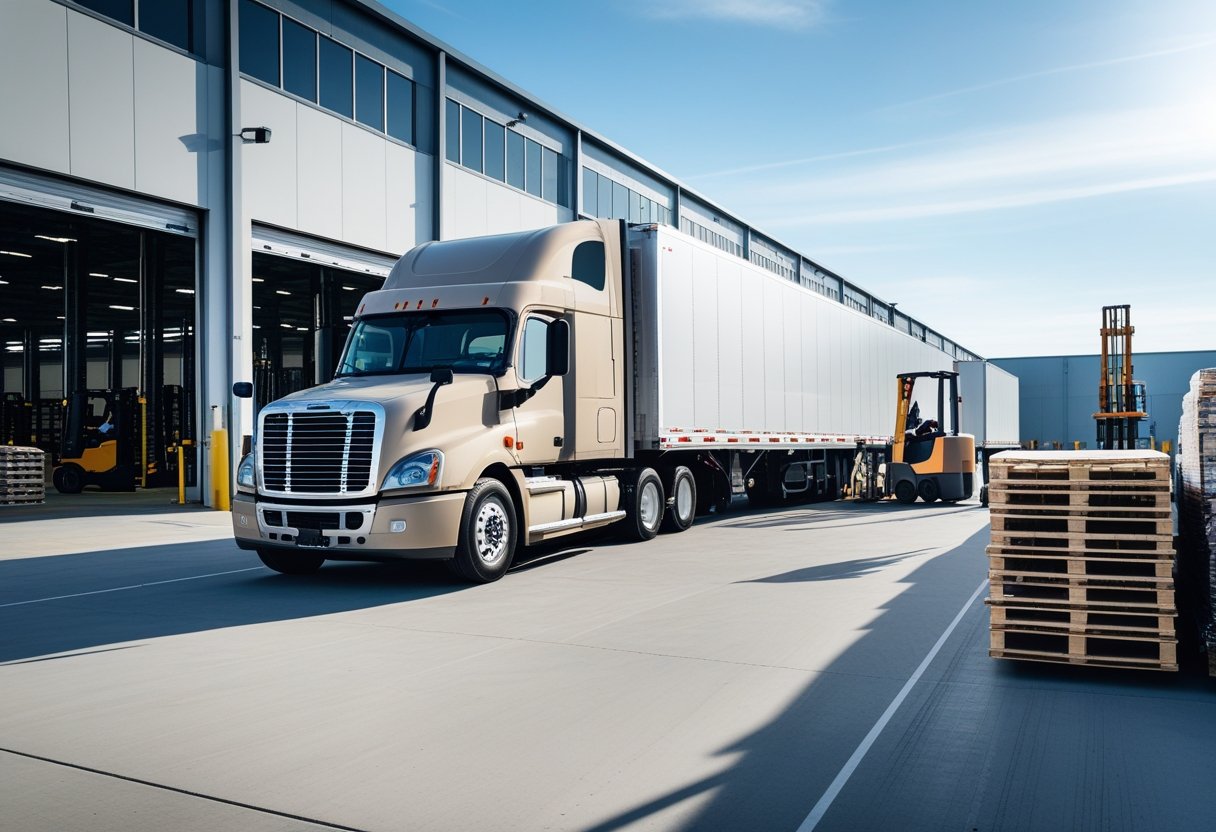
This field connects transportation strategy with daily operations. Companies use data, technology, and regulatory compliance to streamline dispatch and delivery.
Understanding these processes shows how essential truck logistics is to the supply chain. As the industry changes, logistics providers face shifting fuel costs, new regulations, and higher demand for transparency.
Exploring truck logistics systems and strategies gives insight into how companies adapt and stay competitive.
Understanding Truck Logistics
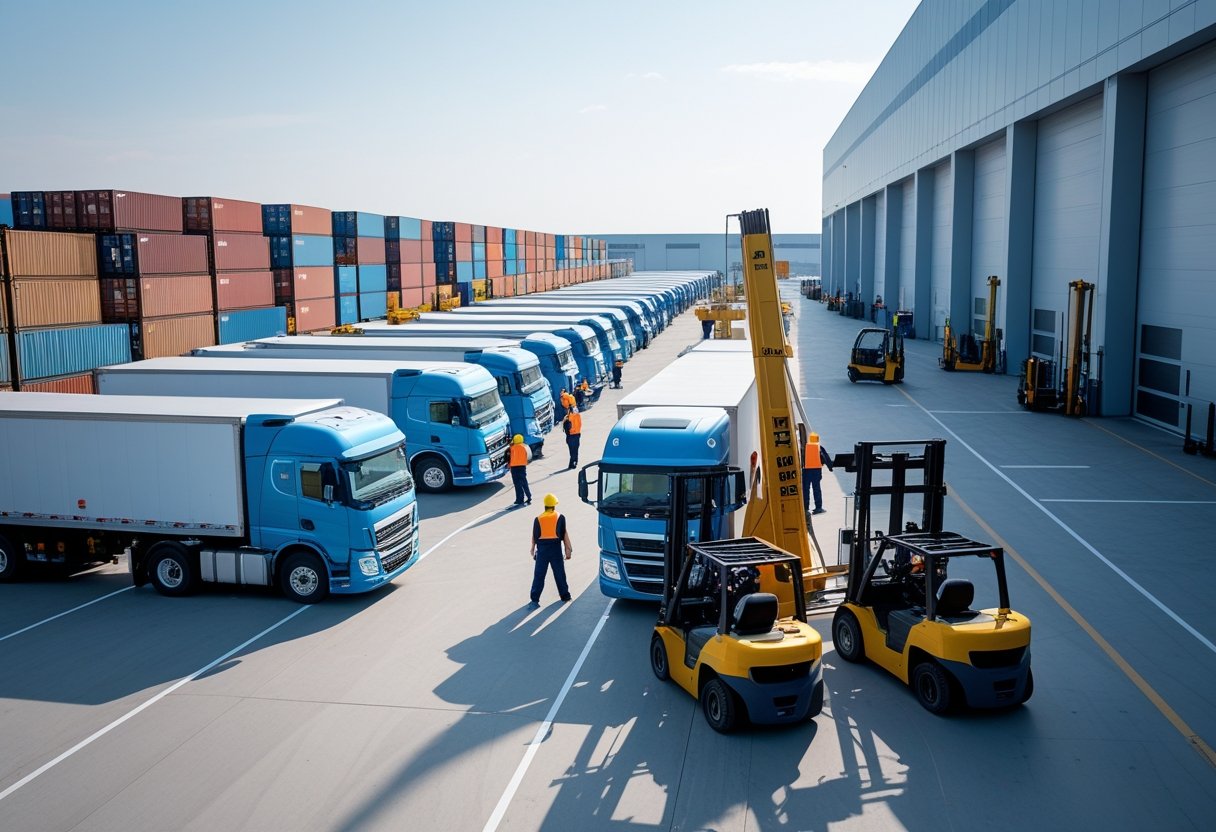
Truck logistics is the planning and coordination of moving goods efficiently on roads. It connects manufacturers, distributors, and customers by managing transport activities through scheduling, route optimization, and tracking.
The effectiveness of these operations influences delivery speed, cost, and reliability.
Definition and Scope
Truck logistics is the structured management of goods transportation using trucks within a supply chain system. It covers freight pickup, in-transit monitoring, delivery, and returns.
The goal is to ensure shipments arrive safely, cost-effectively, and on time.
Trucking logistics activities include fleet management, load optimization, and driver scheduling. Technology, such as GPS tracking and transport management software, helps planners improve performance by monitoring traffic, fuel use, and vehicle condition.
The scope also covers compliance with transport regulations, managing carrier partnerships, and optimizing both full-truckload (FTL) and less-than-truckload (LTL) operations. Efficient truck logistics keeps product flow consistent across markets.
Role in the Supply Chain
Truck logistics is the connector between production and distribution points in the supply chain. It handles last-mile delivery, warehouse transportation, and transfers between facilities to keep products available.
Without effective truck logistics, suppliers face higher costs and slower deliveries.
Its main role is to combine physical transportation with logistical planning. Trucking logistics systems track shipments in real time, coordinate loading dock schedules, and reduce idle time.
Industries like retail, manufacturing, and food distribution rely on truck logistics for supply chain resilience. It helps respond to demand changes and disruptions by rerouting vehicles or adjusting capacity.
Reliable trucking networks support just-in-time manufacturing and large-scale distribution.
Key Stakeholders
Key stakeholders in the trucking industry include shippers, freight brokers, carriers, and third-party logistics providers (3PLs). Each plays a role in moving goods efficiently.
- Shippers organize shipments and choose transport partners.
- Carriers manage fleets, driver safety, and delivery timing.
- Brokers and 3PLs link shippers and carriers using digital platforms to match loads with capacity.
Government agencies enforce transportation regulations and set safety standards. Technology vendors supply digital tools to improve supply chain visibility.
Together, these stakeholders form a network that keeps truck logistics reliable.
Types of Truck Logistics Companies
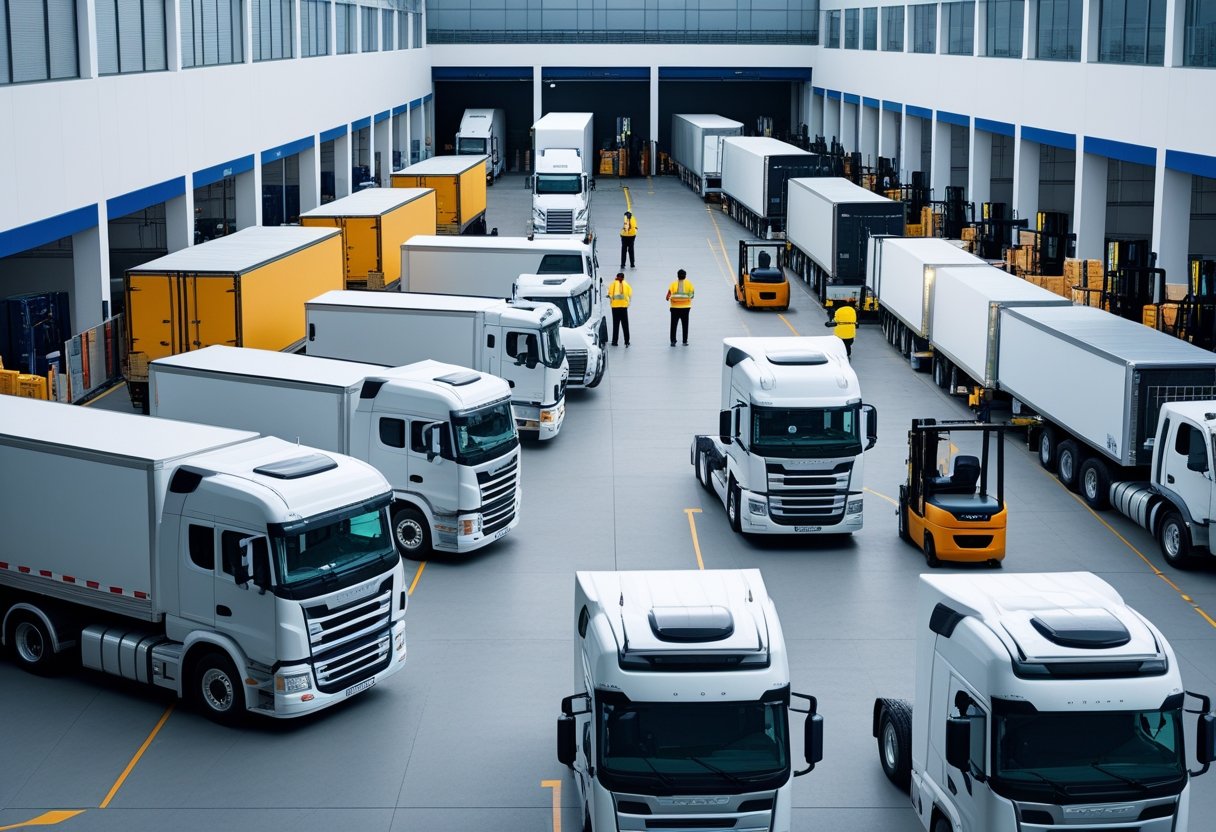
Truck logistics companies differ in how they manage freight, coordinate transportation, and work with clients’ supply chains. Some match shippers with carriers, while others manage entire logistics networks using technology to improve delivery performance and cost efficiency.
Freight Brokers and Their Functions
Freight brokers are intermediaries between shippers and carriers. They do not own trucks but connect businesses needing transportation with carriers that have available capacity.
This coordination saves time and money, especially when demand and supply change quickly.
Brokers use load boards, digital platforms, and carrier networks. They negotiate rates, check insurance and safety, and track shipments.
Their value comes from being responsive and flexible. By quickly matching loads to trucks, they reduce empty miles and improve efficiency.
Small and mid-sized manufacturers rely on brokers for irregular shipping needs. Large shippers use brokers for overflow freight or special shipments outside regular routes.
Third-Party Logistics (3PL) Providers
Third-party logistics (3PL) providers manage several parts of a customer’s transportation process. They often handle warehousing, freight forwarding, order fulfillment, and sometimes packaging and assembly.
These companies connect directly with clients’ supply chain systems, offering real-time visibility into shipments and inventory.
3PLs maintain partnerships with trucking carriers, ocean lines, and airfreight operators for multimodal transport services. Shippers gain flexibility and scalability without investing in their own logistics infrastructure.
Some 3PLs specialize in industries like retail distribution, temperature-controlled transport, or automotive supply chains. Their success depends on efficient transportation management and strong technology tools like Transportation Management Systems (TMS).
Fourth-Party Logistics (4PL) Providers
Fourth-party logistics (4PL) providers manage the entire logistics process for clients. They do not handle transport directly but oversee multiple 3PLs and act as a single point of contact.
A 4PL handles strategic planning, data analytics, and supplier management. It evaluates performance, selects partners, and ensures integration among them.
These tasks require advanced digital tools, such as predictive analytics and centralized dashboards.
Companies with global operations use 4PL services to improve visibility and efficiency across regions. By outsourcing at this level, they gain more strategic control.
Logistics Company vs. Fleet Management Company
A logistics company coordinates the movement of goods from origin to destination. It focuses on route planning, carrier selection, customs clearance, and load optimization to improve supply chain efficiency.
A fleet management company owns or manages vehicles for clients. Its main tasks are vehicle maintenance, driver scheduling, fuel management, and regulatory compliance.
While both manage transport, their roles differ.
AspectLogistics CompanyFleet Management CompanyCore FocusSupply chain coordinationVehicle operation and maintenanceAssetsUsually asset-lightTypically asset-basedServicesShipping, warehousing, freight planningFleet upkeep, driver managementClientsShippers and manufacturersBusinesses with owned or leased fleets
Businesses may partner with one or both, depending on their needs.
Fundamental Services and Operations
Truck logistics depends on several services to keep freight moving from origin to destination. These functions coordinate shipment scheduling, storage, and materials handling while ensuring products stay secure and compliant.
Shipment Planning and Order Fulfillment
Shipment planning and order fulfillment connect customer demand with carrier capacity. Teams set pickup times, choose routes, and assign vehicles based on delivery needs and regulations.
They use transportation management systems (TMS) to optimize routes, reduce fuel use, and track orders in real time.
Accurate inventory data ensures goods are ready before scheduling shipments. Planners confirm quantities, prepare documents, and coordinate with dispatchers.
This reduces delays and prevents missed deliveries. On-time performance and cost-per-mile are common efficiency benchmarks.
Many trucking companies use routing software and electronic data interchange (EDI) to sync fulfillment updates with customers and warehouses. This end-to-end visibility helps with forecasting and reduces empty miles.
Warehousing and Distribution Centers
Warehousing and distribution centers store, sort, and prepare goods before delivery. Facilities handle a range of inventory based on schedules and customer locations.
Efficient operations rely on clear inbound and outbound flows. Workers receive, inspect, and scan items into inventory, aligning data with transportation timelines.
Distribution centers often use cross-docking, moving goods quickly between trucks without long storage. This reduces handling costs and dwell time.
Warehouse FunctionPrimary PurposeExample PracticeStorage ManagementPreserve inventory accuracyRFID scanningInventory RotationPrevent product agingFIFO systemOrder StagingPrepare goods for shipmentPallet sorting
Automation with barcode systems, conveyors, and warehouse software increases throughput and reduces errors.
Packaging and Disposal
Packaging protects freight and makes handling easier during transit. Packaging must withstand vibration, stacking, and temperature changes while meeting carrier requirements for weight and space.
Crews label each package with tracking identifiers, safety instructions, and recipient details. Proper labeling reduces errors and ensures compliance with safety rules.
Good packaging also speeds up loading, improving fleet productivity.
Disposal happens after delivery or in warehouses, focusing on recycling, waste sorting, and safe removal of damaged packaging. Many providers follow sustainability programs to reduce landfill use.
Fleet and Resource Management
Efficient operations depend on managing vehicles, drivers, and resources accurately. Companies that control maintenance, fuel use, and procurement protect profit margins and maintain reliability.
Fleet Management and Vehicle Procurement
Fleet management is the coordination of all vehicles to ensure compliance, availability, and cost-effectiveness. Each decision, from purchase to retirement, affects efficiency and financial results.
Organizations use fleet management systems to monitor routes, usage, and maintenance in real time.
Selecting vehicles starts with understanding operational needs. Teams consider payload, fuel efficiency, and service life to choose the right trucks.
Procurement compares total cost of ownership (TCO), not just purchase price, to avoid overruns.
A balanced strategy looks at new and used equipment, leasing, and future resale value. Centralized data and analytics tools help spot underperforming units or cost issues early.
Fleet Maintenance and Safety
Maintenance and safety programs protect company assets and driver welfare. Preventive fleet maintenance management reduces breakdowns and extends vehicle life.
These programs also ensure compliance with safety standards. Many fleets use fleet maintenance apps to track service intervals and automate parts inventory.
Apps also store inspection records for easy access. Regular servicing—like oil changes, brake checks, and tire rotations—helps reduce downtime.
Digital scheduling systems alert technicians before maintenance lapses, helping prevent costly repairs. Companies document maintenance histories electronically to support audits and warranty claims.
Safety training is essential. Operators receive updates on defensive driving, cargo securement, and emergency procedures.
A consistent maintenance and safety structure decreases accidents and helps lower insurance premiums.
Fuel and Cost Control
Fuel is one of the largest trucking costs, especially during periods of inflation or market volatility. Effective fuel management programs monitor consumption trends and spot inefficient driving habits or vehicle issues.
Companies use telematics data to track idle time, rapid acceleration, and route deviations. Training and incentives encourage drivers to adopt fuel-efficient habits, leading to savings.
Cost control strategies include bulk fuel purchasing and tiered vendor contracts. Fleets may also use energy-efficient trucks or alternative-fuel options.
Expense AreaControl MethodExpected ImpactFuel UsageIdle reduction, optimized routingLower per-mile costsMaintenancePredictive servicingFewer emergency repairsProcurementLifecycle cost analysisBetter asset ROI
Fleet managers analyze these variables to maintain financial stability and operational consistency.
Transportation and Delivery Solutions
Efficient freight transportation matches shipment size with service type. This reduces travel time and improves delivery accuracy.
Transportation management systems and digital platforms help logistics companies coordinate these efforts. This ensures goods move quickly from origin to destination.
Modes: FTL vs. LTL
Full Truckload (FTL) and Less-Than-Truckload (LTL) carriers serve different shipping needs. FTL shipments fill an entire trailer and move directly to the destination, reducing handling risks and transit time.
FTL is best for high-volume or time-sensitive goods. LTL shares trailer space among multiple shippers, lowering costs for smaller shipments.
LTL requires more complex coordination through a transportation management system (TMS) for efficient routing and tracking.
ModeTypical Shipment SizeSpeedCost EfficiencyIdeal UseFTLFull trailer (≥20,000 lb)FasterHigher per unitHigh-volume freightLTLPartial load (<20,000 lb)ModerateLower per unitSmaller shipments
Choosing between FTL and LTL depends on freight size, delivery windows, and transportation strategy.
Route Optimization and Planning
Route optimization uses data and algorithms to find the most efficient paths for freight transport. Companies use route planning tools that consider traffic, fuel costs, driver hours, and delivery schedules.
These tools help minimize empty miles and lower operational costs. Modern transportation management systems combine route optimization with real-time tracking.
This integration allows dynamic scheduling when conditions change. Companies like UPS and GEODIS use machine learning to forecast delays and reroute shipments.
Accurate route planning increases reliability and resource utilization. Even small improvements, like optimizing stop sequences, can enhance delivery efficiency.
Last-Mile Delivery
Last-mile delivery is the final stage where goods move from a local hub to the customer. This step requires speed, precision, and transparency.
Retailers and carriers use last-mile orchestration platforms to coordinate drivers, vehicles, and customer updates in real time. Platforms like Delivery Solutions integrate data from multiple carriers to improve visibility.
Automated notifications and GPS tracking provide delivery confirmations and time estimates. Since the last mile is a large part of delivery cost, small efficiencies—such as route consolidation—create savings.
Reliable last-mile performance builds customer trust and supports transportation management goals.
Types of Trucks and Specialized Equipment
Trucks in logistics vary in size, capacity, and configuration to match cargo and delivery needs. Equipment choices affect efficiency, compliance, and cargo condition.
Common Truck Types
Logistics fleets include flatbed trucks, box trucks, dry vans, and semi-trailers. Each type serves specific freight needs.
Flatbeds carry oversized or irregular cargo like machinery or construction materials. Enclosed box trucks and dry vans protect goods from weather and theft.
Table: Key Truck Types and Uses
Truck TypeCommon CargoNotable FeatureFlatbedMachinery, lumberOpen bed with no fixed sidesBox TruckRetail goodsFully enclosed cargo areaDry VanPalletized freightDetachable trailer optionSemi-TrailerLong-haul freightHigh-capacity transport
Weight limits, regulations, and cargo type determine vehicle selection. Operators choose vehicles based on route length, fuel efficiency, and loading needs.
Many businesses use a mix of vehicle types to balance cost and reliability.
Refrigerated and Tanker Trucks
Refrigerated trucks (reefers) transport temperature-sensitive goods like food and pharmaceuticals. Their insulated walls and cooling units maintain set temperatures during transit.
Automated systems record temperature variations, helping companies meet safety standards. Tanker trucks carry bulk liquids or gases, including fuel and chemicals.
Tankers vary by material—stainless steel for dairy or aluminum for petroleum—to prevent contamination. They are equipped with pressure relief valves, internal baffles, and sealed fittings for safety.
Regular inspections help meet legal and environmental requirements. Tanker design minimizes spillage risk and handles high-density liquid cargo.
Technology Integration: GPS and Tracking
Fleets use GPS tracking and telematics systems to coordinate vehicle movement. These tools provide real-time tracking and shipment updates for customers and dispatchers.
Integrated software improves scheduling and reduces idle time. Dispatchers can reroute trucks around delays using live data.
Tracking systems also monitor driving habits, helping reduce fuel waste and vehicle wear. Automated reports support predictive maintenance and regulatory compliance.
Compliance, Challenges, and Industry Trends
The trucking logistics industry adapts to changing regulations, workforce demands, and market pressures. Carriers balance compliance with efficient driver management and strategic planning.
Regulatory Compliance and Certifications
Regulatory compliance is essential in logistics operations. Carriers face expanded federal and state transportation regulations, including stricter emissions standards, hours-of-service rules, and safety audits.
Programs like the International Roadcheck test safety, maintenance, and driver record standards. Certifications—such as FMCSA safety registration and hazardous materials certification—ensure authority and insurance eligibility.
Certified carriers assure partners of reliability and transparency. Compliance requires strong recordkeeping and digital documentation systems.
Many organizations use automated compliance software that works with telematics to track inspections, driver logs, and equipment performance. These tools reduce administrative workload and help carriers avoid violations.
Driver Management and Labor
Driver management affects efficiency and safety. The industry faces driver shortages and rising labor costs, pushing companies to optimize driver scheduling and assignments.
Effective workforce planning uses route optimization, load forecasting, and performance analytics. Structured scheduling reduces downtime and ensures fair workloads, improving driver retention.
Clear communication between management and drivers supports success. Transparent channels build stronger relationships and compliance awareness.
Training programs focused on updated safety and certification standards keep drivers skilled and help prevent violations.
Current Challenges and Future Directions
Economic uncertainty and supply chain delays continue to shape the trucking sector. Carriers must manage disruptions in freight availability and fuel price volatility.
There is also a growing push toward sustainable fleets that meet new emissions standards.
Technology adoption offers new ways to improve operations. Predictive analytics and digital freight platforms help companies anticipate congestion.
These tools also support tracking regulatory changes and refining route planning.
Investing in integrated compliance tools and driver engagement strategies helps fleets adapt. Renewable technologies can also support resilience in the modern trucking industry.