Semi Truck Fleet Maintenance Software For Optimizing Performance And Efficiency
How to start saving money
Lorem ipsum dolor sit amet, consectetur adipiscing elit lobortis arcu enim urna adipiscing praesent velit viverra sit semper lorem eu cursus vel hendrerit elementum morbi curabitur etiam nibh justo, lorem aliquet donec sed sit mi dignissim at ante massa mattis.
- Neque sodales ut etiam sit amet nisl purus non tellus orci ac auctor
- Adipiscing elit ut aliquam purus sit amet viverra suspendisse potent
- Mauris commodo quis imperdiet massa tincidunt nunc pulvinar
- Excepteur sint occaecat cupidatat non proident sunt in culpa qui officia
Why it is important to start saving
Vitae congue eu consequat ac felis placerat vestibulum lectus mauris ultrices cursus sit amet dictum sit amet justo donec enim diam porttitor lacus luctus accumsan tortor posuere praesent tristique magna sit amet purus gravida quis blandit turpis.

How much money should I save?
At risus viverra adipiscing at in tellus integer feugiat nisl pretium fusce id velit ut tortor sagittis orci a scelerisque purus semper eget at lectus urna duis convallis. porta nibh venenatis cras sed felis eget neque laoreet suspendisse interdum consectetur libero id faucibus nisl donec pretium vulputate sapien nec sagittis aliquam nunc lobortis mattis aliquam faucibus purus in.
- Neque sodales ut etiam sit amet nisl purus non tellus orci ac auctor
- Adipiscing elit ut aliquam purus sit amet viverra suspendisse potenti
- Mauris commodo quis imperdiet massa tincidunt nunc pulvinar
- Adipiscing elit ut aliquam purus sit amet viverra suspendisse potenti
What percentege of my income should go to savings?
Nisi quis eleifend quam adipiscing vitae aliquet bibendum enim facilisis gravida neque. Velit euismod in pellentesque massa placerat volutpat lacus laoreet non curabitur gravida odio aenean sed adipiscing diam donec adipiscing tristique risus. amet est placerat in egestas erat imperdiet sed euismod nisi.
“Nisi quis eleifend quam adipiscing vitae aliquet bibendum enim facilisis gravida neque velit euismod in pellentesque”
Do you have any comments? Share them with us on social media
Eget lorem dolor sed viverra ipsum nunc aliquet bibendum felis donec et odio pellentesque diam volutpat commodo sed egestas aliquam sem fringilla ut morbi tincidunt augue interdum velit euismod eu tincidunt tortor aliquam nulla facilisi aenean sed adipiscing diam donec adipiscing ut lectus arcu bibendum at varius vel pharetra nibh venenatis cras sed felis eget.
Managing a fleet of semi trucks requires ongoing focus on maintenance, scheduling, compliance, and costs. Manual tracking can lead to missed service intervals and unexpected downtime.
Semi truck fleet maintenance software provides a centralized, automated way to schedule, track, and optimize truck and trailer care.
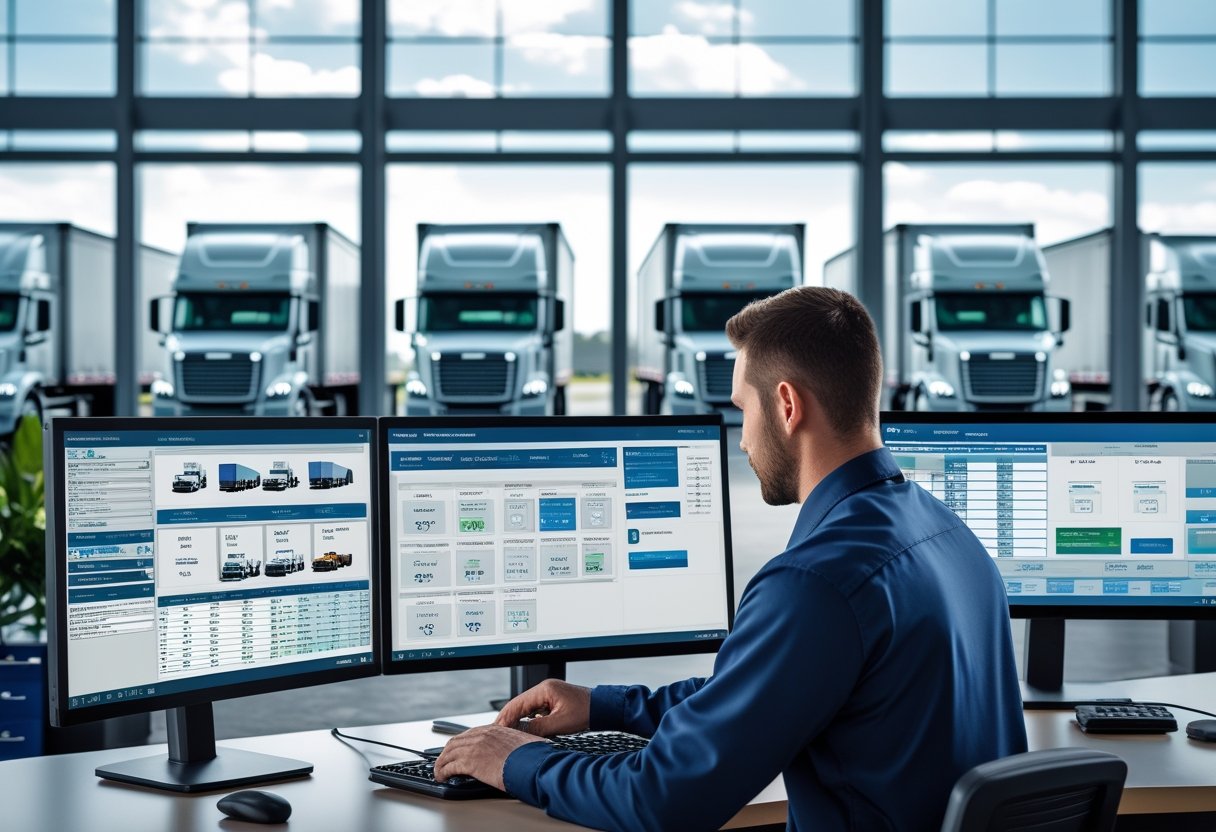
This technology helps maintenance teams by simplifying daily inspections, preventive upkeep, and documentation. It keeps vehicles compliant with safety and DOT standards while reducing time spent on paperwork.
Clean, accessible records support data-driven decisions that improve equipment life and operational efficiency. Maintenance software connects preventive management, cost control, real-time data tracking, and reporting into one system.
Core Functions of Semi Truck Fleet Maintenance Software
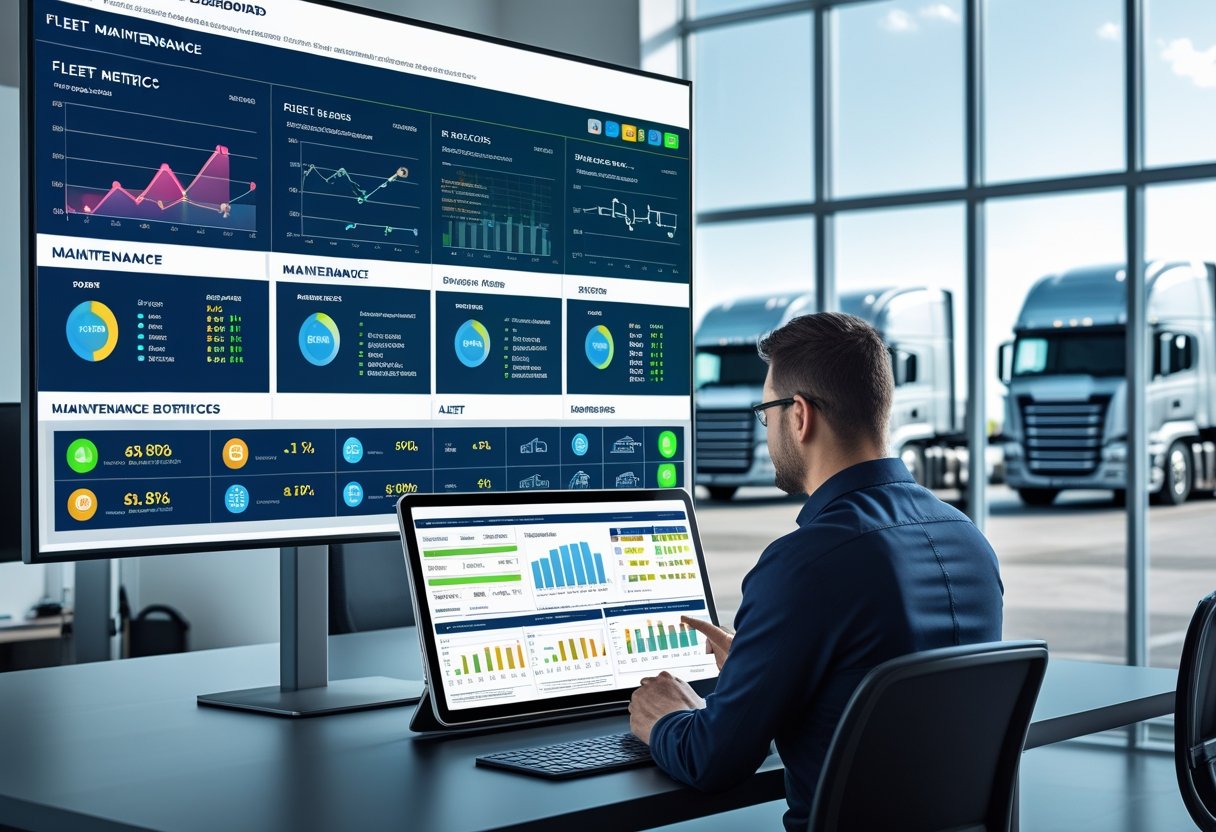
Semi truck fleet maintenance software uses digital tools to streamline daily maintenance, reduce downtime, and keep fleets compliant. It manages everything from service scheduling to repair histories and parts inventory, helping every truck stay in good condition.
Maintenance Scheduling and Alerts
A strong maintenance scheduling feature is central to any fleet maintenance system. Fleet managers can set service calendars based on mileage, engine hours, or time.
Automated alerts notify technicians when a vehicle is due for inspection or preventive maintenance. This helps avoid missed services.
With real-time vehicle data, managers can plan oil changes, tire rotations, and brake checks before problems occur. Predictive alerts use past maintenance records to forecast potential issues.
Service reminders can be sent by email or in-app notifications. A dashboard often shows upcoming and overdue tasks, helping teams stay organized.
Work Order Management
Work order management turns maintenance plans into clear, actionable tasks. Digital work orders outline job details like required parts, labor hours, and assigned technicians.
Technicians can access work orders on mobile devices and update them in real time. When repairs are finished, they can add notes, upload photos, or log test results directly into the system.
This creates consistent and traceable maintenance records that improve accountability. Managers can track work order status and spot recurring tasks.
The process reduces paperwork while maintaining a clear record of every action taken on a truck.
Repair and Service Tracking
Accurate repair and service tracking helps organizations monitor every incident a vehicle experiences. Each repair entry records problem descriptions, service provider details, replaced parts, and costs.
A centralized log helps managers spot patterns, such as repeated mechanical faults or frequent part failures. These insights guide changes to maintenance schedules.
Modern fleet maintenance software often integrates diagnostic data from telematics devices. This helps automatically record fault codes and service actions.
Storing records digitally allows managers to analyze expenses and downtime trends for better long-term planning.
Parts and Inventory Management
Parts and inventory management tracks critical assets like filters, tires, lubricants, and replacement parts. Each item is logged with supplier details, quantities, and reorder thresholds.
The software alerts managers when stock levels are low. It links parts directly to work orders, ensuring every component is accounted for and costed accurately.
Some platforms use barcode or RFID scanning to update inventory as parts are issued or received. This real-time visibility streamlines warehouse operations and speeds up repairs.
Accurate parts inventory data helps with budgeting, reduces idle time, and improves fleet reliability.
Preventive Maintenance and Inspection Management
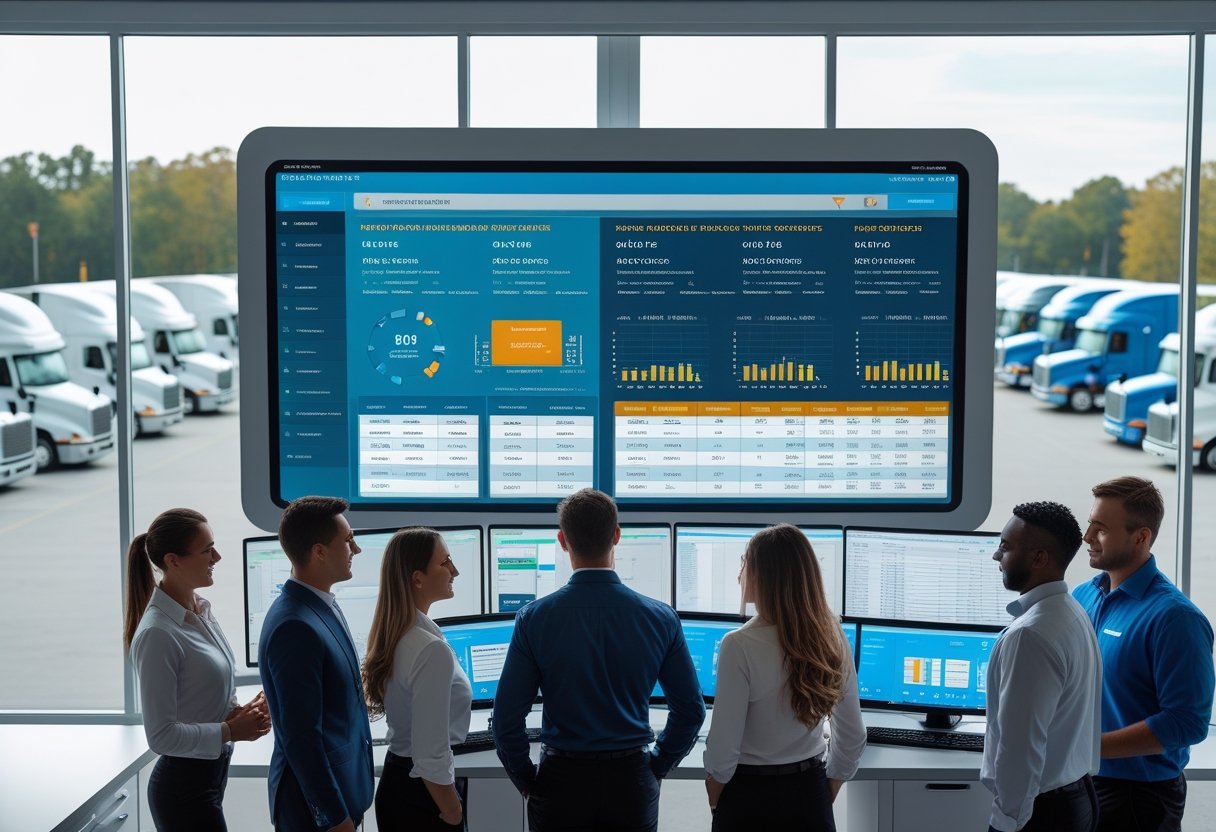
Fleet maintenance software keeps vehicles roadworthy and compliant by automating service schedules, recording inspection data, and tracking maintenance history. It helps prevent costly breakdowns and supports DOT audit requirements.
Preventive Maintenance Schedules
Preventive maintenance scheduling is essential for reliable fleet operations. Fleet maintenance software lets managers set digital service intervals by mileage, engine hours, or time.
When a vehicle nears a threshold, the system sends alerts to ensure no task is missed. Automated scheduling catches small issues early and reduces repair costs.
It keeps a clear record of maintenance history for every vehicle, making it easy to review completed work and upcoming services. Many systems use telematics data to adjust intervals for trucks operating in tough conditions.
A standardized schedule improves asset reliability and helps with compliance during regulatory audits.
Maintenance TriggerCommon IntervalExample TaskMileageEvery 15,000 miEngine oil replacementEngine HoursEvery 500 hrsHydraulic filter inspectionTime-basedEvery 6 monthsTire rotation
Inspections and Compliance
Routine inspections help fleets meet industry regulations and reduce safety risks. Maintenance platforms use digital inspection forms that follow DOT and FMCSA standards.
Technicians can complete checklists on mobile devices, attach photos, and flag issues quickly. Automated recordkeeping means inspection histories are always available for review.
During a DOT audit, managers can retrieve records to show compliance. The software can assign corrective tasks right after an inspection, ensuring repairs are scheduled before the vehicle returns to service.
Driver Vehicle Inspection Reports (DVIR)
DVIR management connects driver feedback with shop operations. Digital DVIR tools let drivers record pre-trip and post-trip checks through a mobile app or tablet.
Drivers can log inspections, note defects, and sign reports electronically. When a defect is reported, the system alerts maintenance teams immediately.
This speeds up repairs and helps prioritize urgent issues. Completed DVIRs are stored in the system for compliance reviews.
Drivers find reporting easier, and managers get a clear view of daily vehicle conditions. DVIR data supports better preventive maintenance planning and boosts driver safety.
Operational Efficiency and Cost Control
Semi truck fleet maintenance software improves operational efficiency by organizing service schedules and tracking expenses. It helps managers address issues early, control spending, and analyze performance metrics for profitability.
Downtime Reduction Strategies
Reducing downtime is key to fleet productivity. Maintenance software enables predictive maintenance by using service histories and diagnostic data to flag problems before breakdowns.
Automated alerts for oil changes, part replacements, and inspections help keep trucks on the road longer. Real-time vehicle tracking and maintenance scheduling let managers allocate resources more effectively.
They can see which trucks are in service and which are available for dispatch. Integrated communication features also speed up coordination between maintenance teams and drivers.
Digital repair orders give technicians instant access to parts inventories. This results in faster repairs and fewer delays.
Maintenance Cost Tracking
Effective cost tracking keeps financial records accurate and helps spot high expenses. Fleet software records all service activities, parts costs, labor hours, and warranties in one place.
Managers can use cost analysis tools to view expenses by vehicle, service type, or time period. Many systems connect with accounting software to automate invoicing and expense reports.
This provides real-time visibility into maintenance budgets and vendor payments. It also reduces manual data entry.
A summary table supports decision-making:
CategoryExample MetricBenefitLaborAverage repair timeDetect efficiency issuesPartsReplacement cost per mileIdentify high-cost componentsScheduleService frequencyAdjust preventive maintenance plans
Accurate tracking helps reduce costs while maintaining safety and performance.
Fuel and Expense Management
Fuel is one of the largest ongoing costs in trucking. Fleet maintenance platforms often include fuel management modules to record consumption, route efficiency, and refueling times.
By linking with telematics, managers can spot idling or inefficient routes that increase fuel use. Dashboards display fuel efficiency per vehicle for easy comparison.
If a truck’s fuel rate is higher than expected, managers can check maintenance logs for issues like faulty sensors or underinflated tires. Expense modules also track other costs, such as tolls or permits, for a complete view of spending.
Automated reporting supports better cost control and financial planning.
Data Integration, Telematics, and Real-Time Insights
Accurate data integration helps fleet operators detect issues quickly and manage routes efficiently. Telematics and diagnostics let managers monitor performance and make informed maintenance decisions using live data.
Vehicle Diagnostics and Monitoring
Modern semi-truck fleet management systems use real-time vehicle diagnostics to track engine performance, sensor readings, and fault codes. These systems connect to electronic control units (ECUs) and send data to the cloud.
Dashboards from platforms like Samsara, Motive, or Geotab show live metrics such as fuel efficiency, idle time, and temperature. Automated alerts flag problems like engine misfires or transmission faults early.
A well-integrated diagnostic workflow supports predictive maintenance. Technicians can schedule repairs based on data trends, improving uptime and reducing emergency costs.
Diagnostic MetricFunctionBenefitEngine LoadMeasures power outputDetects performance issues earlyFault CodesIdentifies system errorsEnables quicker troubleshootingFuel Burn RateTracks fuel efficiencyHelps reduce operating costs
GPS and Real-Time Tracking
Precise GPS tracking gives dispatchers continuous visibility across the fleet. It records truck locations, route progress, and dwell times.
When fleet management software includes real-time tracking, it becomes easier to spot route deviations and delays. Systems like Geotab and Samsara show live maps with vehicle icons that update every few seconds.
This lets managers optimize driving routes and reduce unauthorized vehicle use. It also helps ensure compliance with service-level agreements.
Combining vehicle tracking data with diagnostic insights helps companies assess driver efficiency and asset utilization. This steady flow of information improves scheduling accuracy and on-time performance.
Telematics Integration
Telematics integration brings together data from trucks, sensors, and cloud applications into one system. It merges vehicle diagnostics, location data, and driver behavior metrics into a single view.
A good fleet management system supports integrations through APIs and data frameworks. This ensures compatibility with third-party platforms like Motive and Samsara.
Telematics data helps fleet operators analyze trip history, speed events, and engine analytics for cost-saving opportunities. Integrated telematics is at the core of proactive fleet management software by providing reliable, real-time insights.
Reporting, Analytics, and Compliance
Accurate reporting tools and structured compliance management help fleets operate efficiently and meet regulatory standards. Maintenance managers can track performance metrics, spot repair trends, and keep documentation ready for audits.
Advanced Analytics and Performance Reporting
Modern maintenance management software provides data-driven insights into truck and trailer performance. Managers can see repair frequency, downtime, and parts usage in clear dashboards.
Comparative analytics highlight recurring maintenance issues across vehicles or routes. Many systems have automated reporting tools that generate scheduled summaries or send alerts when performance drops.
Reports often cover metrics like cost per mile, service interval compliance, and fuel efficiency. GPS and telematics data can connect maintenance behavior to driving patterns or load conditions.
The software enables technicians and supervisors to spot potential failures early. This visibility extends equipment life and increases fleet utilization.
Metric TypeExample Data PointsPurposeRepair PerformanceDowntime hours, part replacementsDetect recurring maintenance issuesFinancial MetricsLabor costs, service spend per truckOptimize budgeting and resource allocationOperational EfficiencyUptime ratio, route runtime impactImprove scheduling and dispatch accuracy
Regulatory Document Management
Compliance management needs careful organization of records like vehicle registrations, inspection reports, and driver certifications. Fleet maintenance software stores these documents securely for quick access during audits or inspections.
The system tracks expiration dates for registrations, insurance, and permits. It sends reminders before deadlines and logs updates after renewals.
For fleets under DOT or FMCSA regulations, digital records make reporting and verification easier. Electronic documentation meets regulatory standards and removes the need for paper logbooks.
Audit-ready formats and time-stamped entries keep data organized and traceable. Reliable document management protects the fleet from penalties and delays.
It also ensures every vehicle and driver meets legal standards before going on the road.
User Experience and Software Integration Considerations
Efficient semi-truck fleet maintenance software must be easy to use and connect with other systems. Good user interfaces, smooth integration, and accessible customer support help drivers and managers keep vehicles running and data up to date.
Mobile Access and Cloud Solutions
Cloud-based platforms give managers and drivers real-time access to maintenance records, schedules, and repair logs. A web or mobile dashboard lets teams enter service updates, view diagnostics, and upload documents from the road or shop.
This reduces delays and eliminates manual data entry. Many systems offer offline functionality, so users can capture data without connectivity.
Once reconnected, updates sync to the cloud automatically. This supports fleet operations in remote areas with limited network coverage.
Responsive mobile design helps drivers quickly access inspection checklists and alerts. Fleet managers can track vehicles and maintenance statuses without extra apps or spreadsheets.
Strong security, like multi-factor authentication and role-based permissions, protects sensitive data in the cloud.
Customer Support and Service
Effective customer support keeps systems running smoothly. Fleet software vendors usually offer help through live chat, phone support, and knowledge bases.
Quick technical support minimizes downtime, which is important for trucking operations and delivery schedules. Clear user guidance helps when training new staff.
Good providers offer onboarding sessions and step-by-step tutorials. Some even have online communities where users share tips for maintenance scheduling, fuel tracking, and inventory management.
A vendor’s responsiveness and service-level agreements (SLAs) are important for reliability. Fast responses and dedicated account representatives help build trust in the system.
Consistent helpdesk availability across time zones supports large fleets that operate around the clock.
Integration with Other Enterprise Software
Semi-truck fleet maintenance tools often connect with accounting, route optimization, telematics, and human resource systems. Integration eliminates redundant data entry and aligns maintenance records with business information.
Standardized APIs let fleet software exchange data on parts usage, service costs, and fuel consumption. This helps with accurate reporting and cost analysis.
Finance teams can link maintenance expenses directly to accounting records. They no longer need to export spreadsheets.
Integrated systems improve communication between departments. Fleet managers and dispatchers can coordinate maintenance schedules with delivery planning systems to avoid conflicts.
When maintenance activities feed into enterprise resource planning (ERP) tools, management gains clearer visibility into asset performance and lifecycle costs.