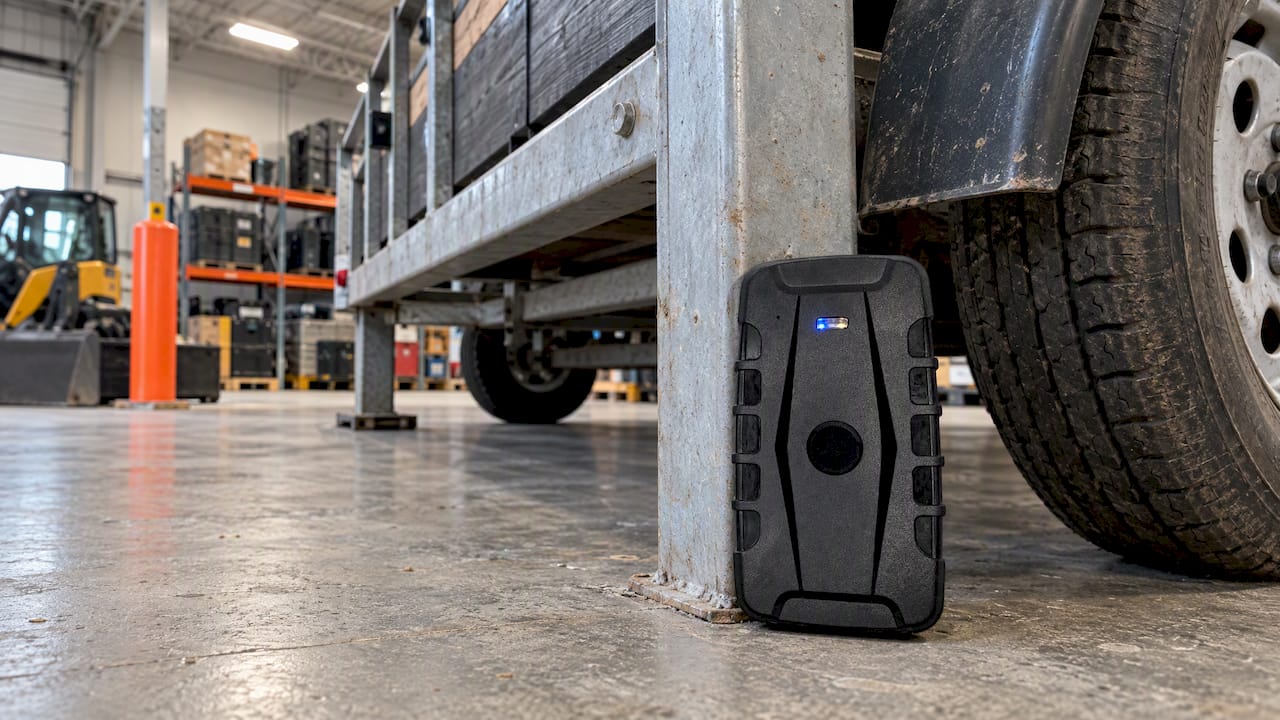
Fleet Telematics Analytics Trends Shaping Commercial Vehicle Management in 2026
How to start saving money
Lorem ipsum dolor sit amet, consectetur adipiscing elit lobortis arcu enim urna adipiscing praesent velit viverra sit semper lorem eu cursus vel hendrerit elementum morbi curabitur etiam nibh justo, lorem aliquet donec sed sit mi dignissim at ante massa mattis.
- Neque sodales ut etiam sit amet nisl purus non tellus orci ac auctor
- Adipiscing elit ut aliquam purus sit amet viverra suspendisse potent
- Mauris commodo quis imperdiet massa tincidunt nunc pulvinar
- Excepteur sint occaecat cupidatat non proident sunt in culpa qui officia
Why it is important to start saving
Vitae congue eu consequat ac felis placerat vestibulum lectus mauris ultrices cursus sit amet dictum sit amet justo donec enim diam porttitor lacus luctus accumsan tortor posuere praesent tristique magna sit amet purus gravida quis blandit turpis.

How much money should I save?
At risus viverra adipiscing at in tellus integer feugiat nisl pretium fusce id velit ut tortor sagittis orci a scelerisque purus semper eget at lectus urna duis convallis. porta nibh venenatis cras sed felis eget neque laoreet suspendisse interdum consectetur libero id faucibus nisl donec pretium vulputate sapien nec sagittis aliquam nunc lobortis mattis aliquam faucibus purus in.
- Neque sodales ut etiam sit amet nisl purus non tellus orci ac auctor
- Adipiscing elit ut aliquam purus sit amet viverra suspendisse potenti
- Mauris commodo quis imperdiet massa tincidunt nunc pulvinar
- Adipiscing elit ut aliquam purus sit amet viverra suspendisse potenti
What percentege of my income should go to savings?
Nisi quis eleifend quam adipiscing vitae aliquet bibendum enim facilisis gravida neque. Velit euismod in pellentesque massa placerat volutpat lacus laoreet non curabitur gravida odio aenean sed adipiscing diam donec adipiscing tristique risus. amet est placerat in egestas erat imperdiet sed euismod nisi.
“Nisi quis eleifend quam adipiscing vitae aliquet bibendum enim facilisis gravida neque velit euismod in pellentesque”
Do you have any comments? Share them with us on social media
Eget lorem dolor sed viverra ipsum nunc aliquet bibendum felis donec et odio pellentesque diam volutpat commodo sed egestas aliquam sem fringilla ut morbi tincidunt augue interdum velit euismod eu tincidunt tortor aliquam nulla facilisi aenean sed adipiscing diam donec adipiscing ut lectus arcu bibendum at varius vel pharetra nibh venenatis cras sed felis eget.
Fleet telematics analytics has evolved far beyond basic GPS tracking. It is now a sophisticated intelligence system that transforms how organizations manage vehicles and drivers.
Modern telematics platforms combine artificial intelligence, predictive algorithms, and real-time data processing. These tools help fleet operators reduce costs, improve safety, and make faster decisions using actionable insights.
The technology shift in 2026 marks a move from reactive monitoring to proactive fleet management.
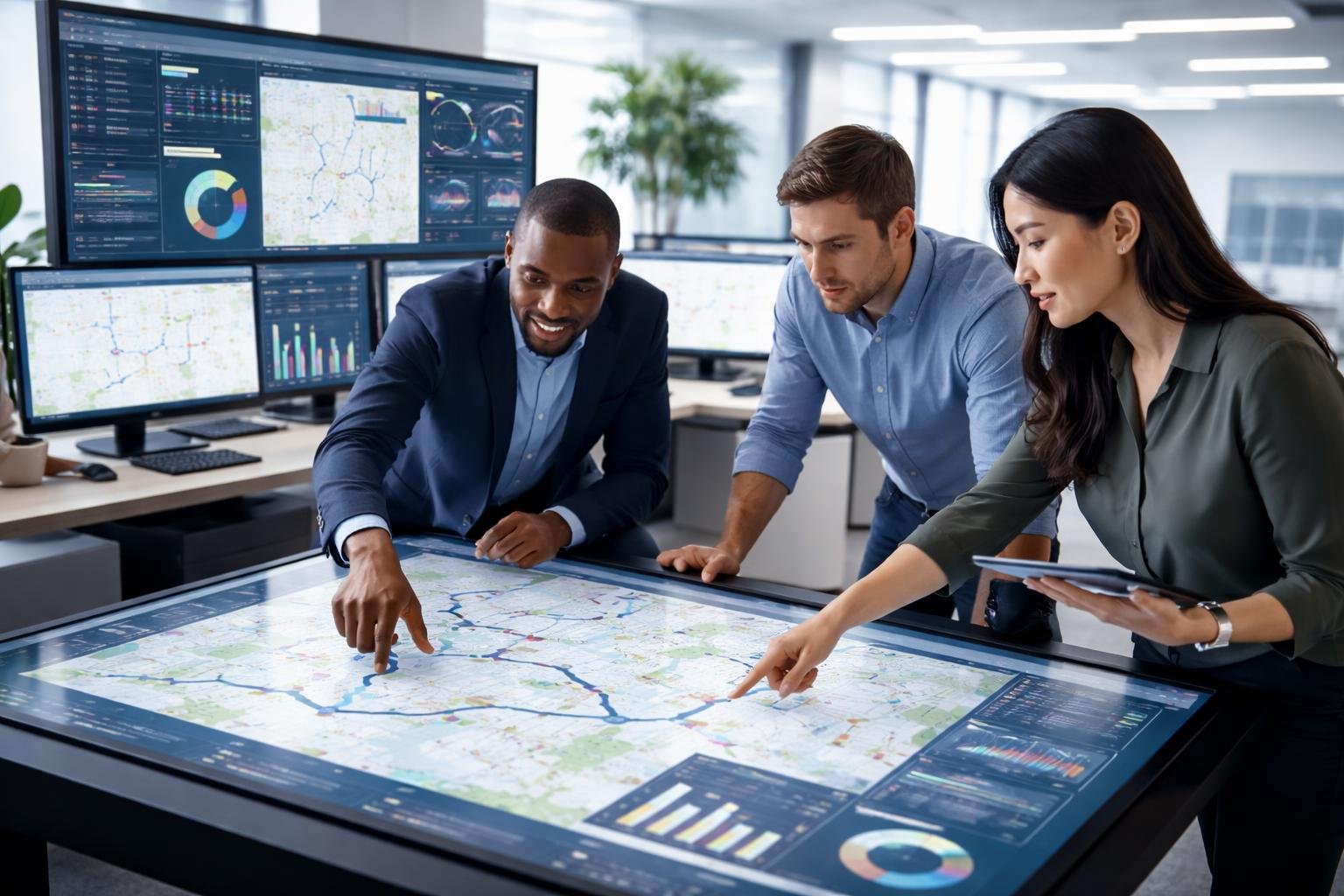
Fleets that use advanced analytics are seeing clear improvements. Data-driven approaches to maintenance, routing, and driver behavior are making operations more efficient.
Integration challenges, compliance requirements, and new vehicle technologies are also creating new considerations for fleet managers.
This article explores the main analytics trends shaping fleet operations in 2026. It looks at how AI and predictive technologies are changing decision-making, new safety and monitoring capabilities, and how fleets can prepare for connected vehicles and electrification while maintaining data security and compliance.
Understanding Fleet Telematics Analytics
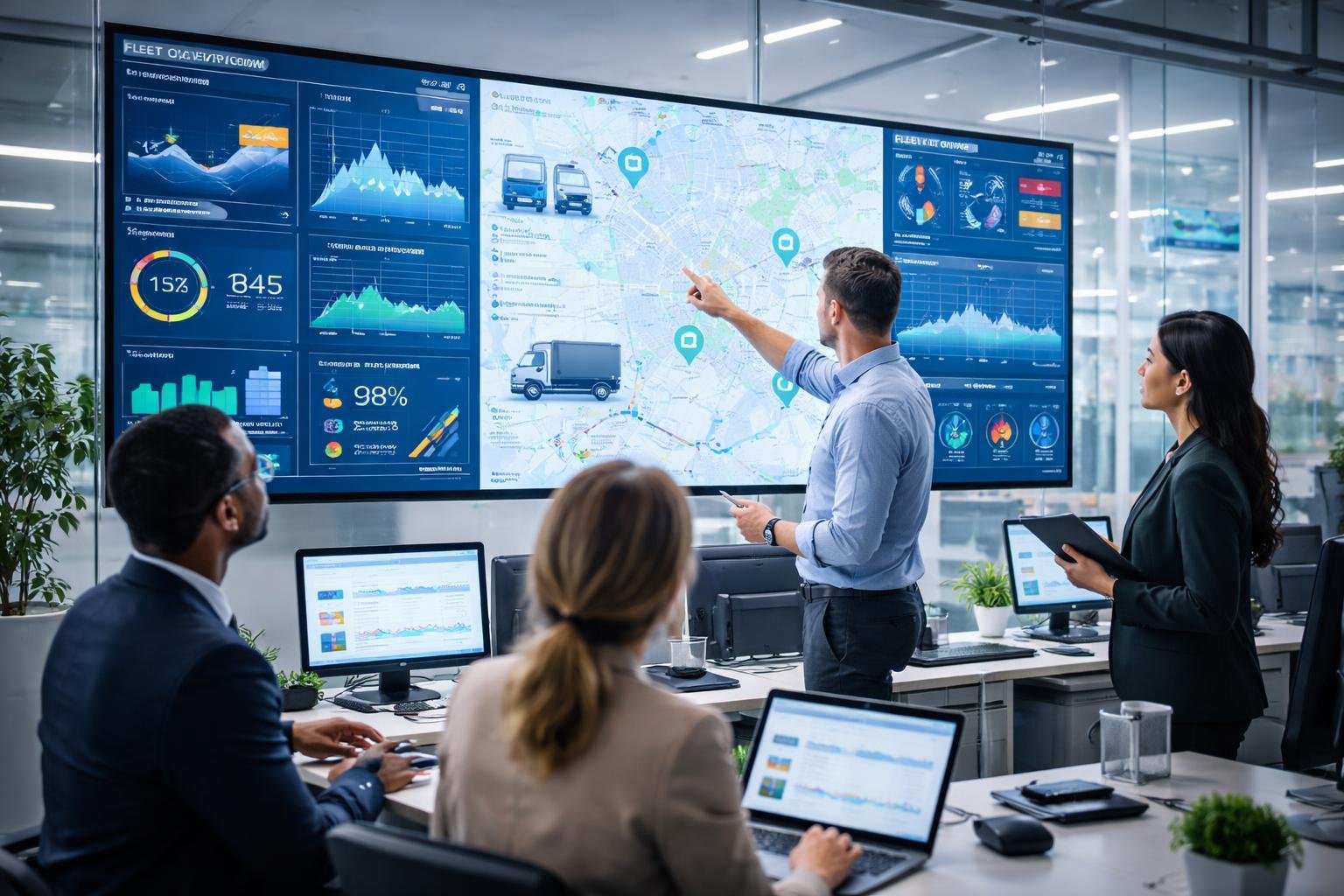
Fleet telematics analytics turns raw vehicle data into actionable intelligence. It does this through GPS tracking, onboard diagnostics, and cloud-based platforms.
This technology merges telecommunications with informatics. It delivers real-time insights into vehicle performance, driver behavior, and operational efficiency.
What Is Fleet Telematics Analytics?
Fleet telematics analytics is the process of collecting and interpreting data from connected vehicles to optimize fleet operations. Telematics devices in vehicles send information wirelessly to centralized fleet management software.
These platforms gather data from sources like GPS, engine diagnostics, fuel use, and driver actions. Fleet managers view this information through dashboards with charts, graphs, and maps.
Analytics set modern telematics apart from basic GPS tracking. Instead of just showing locations, telematics platforms use algorithms to find patterns, predict maintenance needs, and suggest improvements. This helps managers make decisions based on evidence, not guesswork.
Core Components of Telematics Data
Telematics systems collect several types of data at once. Vehicle diagnostics include engine performance, fuel efficiency, battery voltage, and trouble codes.
Location and movement data track GPS position, speed, idle time, and stops. Driver behavior metrics monitor braking, acceleration, cornering, and seatbelt use. Environmental data covers temperature for cargo and weather conditions.
Telematics devices connect to the vehicle's diagnostic port or integrate directly with vehicle systems. They use cellular, satellite, or WiFi to send data to cloud servers, where management platforms process and store it.
The frequency of data transmission can be real-time or in batches, depending on connectivity and system setup.
The Evolution of Telematics Technology
Telematics began in the 1990s as a basic GPS tracking solution for fleets. Early systems offered simple location monitoring and geofencing with limited data features.
In the 2000s, systems added onboard diagnostics and wireless communication. Telematics expanded to engine monitoring and basic reports, but data stayed isolated in separate systems.
Today, telematics platforms use cloud computing, big data analytics, and machine learning. The market now offers predictive maintenance alerts, driver coaching, and integration with business systems. Connected vehicle technology enables two-way communication, allowing remote diagnostics and software updates.
Key Fleet Telematics Analytics Trends in 2026
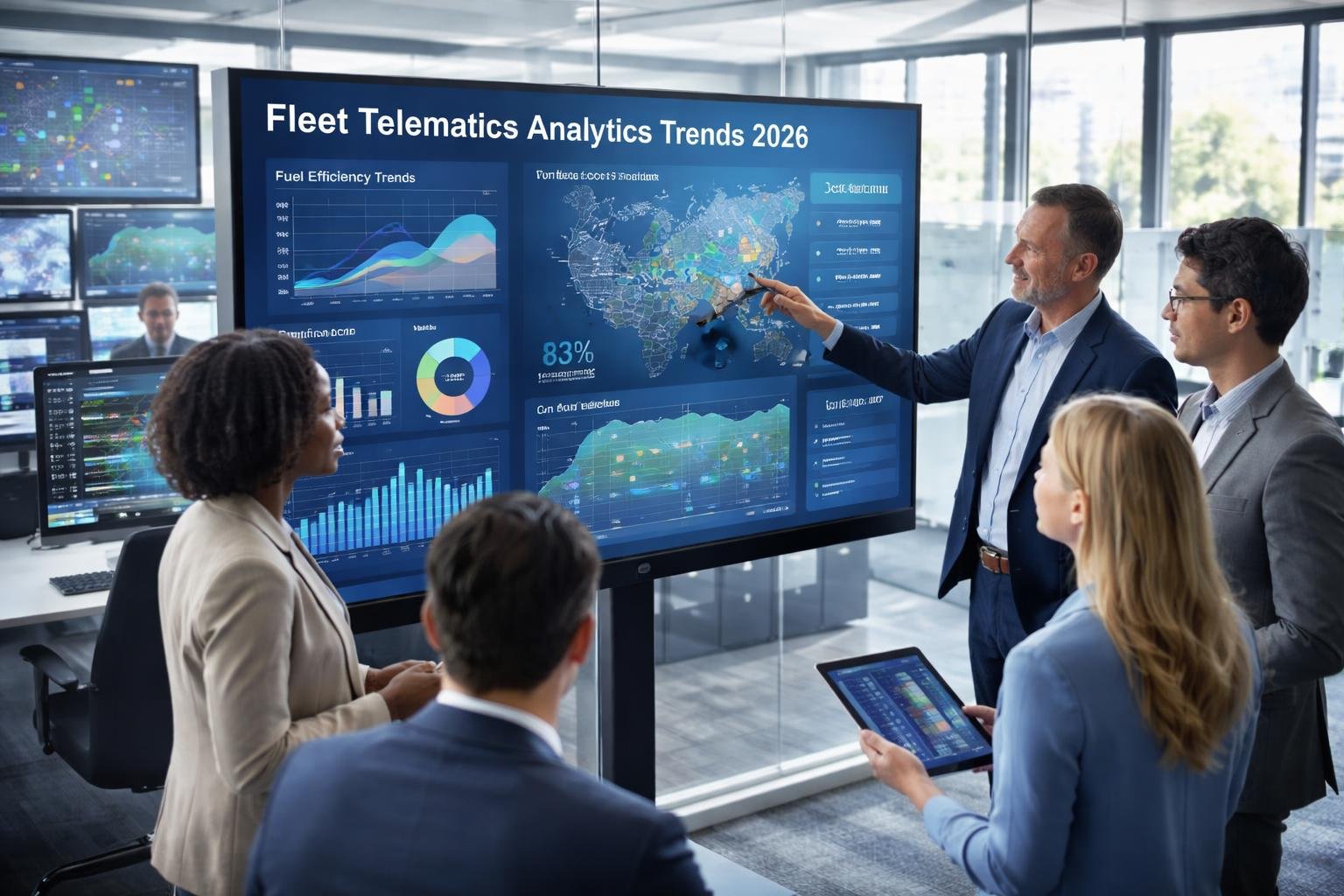
Fleet telematics trends in 2026 focus on turning raw data into actionable insights using AI-powered predictive analytics and real-time visibility platforms. These advances help fleets move from reactive tracking to proactive, data-driven decisions.
Predictive Analytics and AI Integration
AI analytics are changing how fleets use telematics data. Machine learning analyzes past performance to predict maintenance needs, helping reduce breakdowns and extend vehicle life.
Fleet analytics platforms now use AI to spot driver behavior trends and predict safety risks. Advanced systems can identify fatigue, distraction, and harsh braking before they become incidents.
These predictive insights let managers coach drivers before accidents happen.
Key AI-powered capabilities include:
- Automated risk scoring based on driving patterns
- Predictive maintenance scheduling using sensor data
- Route optimization that adapts to traffic and weather
- Fuel consumption forecasting for budgeting
AI systems now provide specific recommendations, not just alerts. They can suggest driver-vehicle pairings, spot underused assets, and recommend changes to cut costs.
Real-Time Fleet Visibility and Analysis
Real-time data access is now standard in telematics platforms. It enables quick decisions across fleet operations.
Real-time fleet visibility gives managers current location data, vehicle status, driver behavior, and environmental conditions. Connected fleet technologies combine insights from GPS, diagnostics, fuel sensors, and other systems.
This comprehensive view lets dispatchers respond quickly to delays, reroute vehicles, and optimize schedules.
Advanced connectivity allows two-way communication between vehicles and central systems. Managers can send alerts to drivers, update routes instantly, and get immediate notifications about route deviations or critical issues.
Real-time visibility also helps with compliance. It tracks hours of service, speed limits, and regulations as they happen, reducing violation risks and making audits easier.
Integrated Safety and Performance Ecosystems
Telematics platforms are becoming unified ecosystems that combine safety monitoring, performance analytics, and operational tools. These systems connect video telematics, driver coaching, maintenance, and fuel management tools.
AI-powered video telematics track coaching sessions and measure driver improvement. The technology detects unsafe behaviors and gives in-cab alerts for instant correction.
Performance analytics measure efficiency and safety together. Managers can link driving behaviors with fuel use, maintenance costs, and delivery times to find ways to improve.
Integration with other business systems boosts value. Telematics data feeds into resource planning, customer management, and billing tools to streamline work and cut manual entry.
AI-Driven Analytics and Decision Support
Fleet telematics has grown from basic tracking to advanced AI platforms. These platforms predict maintenance needs, optimize routes in real time, and respond automatically to exceptions.
Machine learning now processes telematics data to find patterns that humans might miss. AI-powered cameras add visual context for driver behavior and road conditions.
From Descriptive to Predictive and Prescriptive Analytics
Traditional fleet analytics reported what happened in the past. Predictive analytics now use machine learning to forecast breakdowns, spot drivers at risk, and predict fuel use based on routes and driving.
Prescriptive analytics goes further by recommending actions. These systems analyze real-time data from diagnostics, GPS, and sensors to suggest optimal maintenance windows.
Some platforms even schedule service when they spot early signs of wear.
This shift requires strong data infrastructure. Telematics devices must capture detailed metrics—like engine temperature and brake pressure—every second.
AI models trained on this data can reduce unplanned downtime by up to 30% compared to traditional schedules.
Agentic AI in Fleet Operations
Agentic AI systems can operate with more independence. They make decisions and take actions without constant human input.
In fleet management, these systems handle exceptions by rerouting vehicles, reassigning deliveries, or flagging safety issues for review.
New platforms in 2026 focus on automation that achieves results. For example, instead of just alerting managers to excessive idling, the system finds the cause and takes corrective action.
These systems use data from telematics, weather, and traffic networks. They learn from outcomes and adjust their actions to improve performance.
Machine Learning for Actionable Insights
Machine learning turns raw telematics data into practical recommendations. Algorithms trained on large datasets can spot behaviors that waste fuel, raise accident risk, or cause extra wear.
AI-powered cameras add visual intelligence. They detect distracted driving, following distance issues, and road hazards in real time.
When combined with diagnostics and GPS data, they provide a full picture of safety incidents.
Effective systems focus on important alerts, not just data volume. They highlight issues that need urgent attention, like a brake problem that could cause a breakdown soon, and filter out minor sensor errors.
This targeted approach helps managers act where it matters most.
Predictive Maintenance and Vehicle Health Monitoring
Fleet telematics now lets organizations monitor component wear in real time. Maintenance can be scheduled based on actual vehicle conditions instead of set intervals.
This shift reduces breakdowns and optimizes maintenance spending.
Sensor Data for Vehicle Health
Modern telematics devices collect continuous data from onboard diagnostics. This includes engine temperature, oil pressure, fuel use, vibration, and transmission performance.
These sensors send information to central platforms that build a performance profile for each vehicle.
Diagnostics systems detect problems like unusual temperatures or vibrations. This data reveals issues that standard inspections may miss, such as gradual bearing wear.
Telematics platforms process sensor inputs from many systems at once:
- Powertrain monitoring: Engine RPM, fuel efficiency, torque
- Brake system tracking: Pad thickness, fluid pressure, temperature
- Electrical system analysis: Battery voltage, alternator output, electrical load
- Tire pressure monitoring: PSI, temperature, pressure loss
This detailed vehicle health monitoring gives a clear view of component condition across the fleet.
Cost Reduction Through Maintenance Analytics
Predictive maintenance cuts costs by preventing major failures and reducing emergency repairs. Analytics platforms spot parts close to failure, letting managers schedule repairs during planned downtime.
Operators can reduce inventory costs by ordering parts as needed, not keeping large emergency stockpiles. Analytics also help extend part life by fixing small issues before they get worse.
Data analysis shows which vehicles or conditions lead to higher maintenance costs. Managers can use these insights to adjust routes, change driver habits, or guide future vehicle purchases based on total cost of ownership.
Lifecycle Management and Replacement Strategies
Telematics data helps fleet managers decide when to replace vehicles by tracking maintenance costs, repair frequency, and performance declines. Managers look for the point where maintenance expenses become higher than the value of keeping the vehicle.
Analytics platforms calculate per-mile operating costs, factoring in fuel use, repairs, and downtime. This helps organizations decide when to move older vehicles to reserve status or retire them.
Proactive maintenance records boost resale values by showing documented service histories and consistent care.
Video Telematics and Safety Technologies
Video telematics systems now use AI-powered cameras and real-time analytics to monitor driver behavior and safety events. These technologies offer visual context that traditional telematics cannot, enabling automated risk detection and targeted responses.
Real-Time Event Detection and Risk Scoring
AI cameras continuously analyze road and driver actions to spot safety events as they happen. They detect harsh braking, lane departures, distraction, and following distance violations within seconds.
Video telematics platforms assign risk scores to each event based on severity and context. For example, a hard brake in traffic gets a different score than on an empty road.
Fleet managers receive prioritized alerts, focusing attention on the most critical incidents first. Automated scoring removes the need for manual video review of routine events.
Safety teams can set thresholds for instant notifications on high-risk behaviors while logging less severe incidents for analysis. This reduces alert fatigue and ensures serious issues are addressed quickly.
Driver Coaching and Exoneration
Video evidence is useful for fleet safety programs. Dashcam footage gives clear examples for driver coaching, showing exactly what happened during incidents.
The same footage can protect drivers from false claims. When accidents occur, video telematics systems provide objective evidence that can clear drivers of fault and lower insurance costs.
Effective coaching workflows include:
- Automated video clip creation for flagged events
- Scheduled review sessions with visual evidence
- Progressive training paths based on behavior patterns
- Positive reinforcement clips showing safe maneuvers
ADAS and Advanced Camera Systems
Advanced driver assistance systems (ADAS) work with safety cameras to prevent collisions. These systems use forward-facing cameras and sensors for features like emergency braking and lane departure warnings.
Driver-facing cameras monitor attention and alert distracted operators. Road-facing cameras detect vehicles, pedestrians, and obstacles. Some systems add side and rear cameras for full coverage.
Sharing ADAS data with management platforms helps identify vehicles or routes with frequent alerts. This shows where extra training or route changes may reduce risk.
Operational Efficiency and Route Optimization
Fleet telematics analytics helps managers cut costs and improve delivery performance. Real-time vehicle tracking, smart route planning, and fuel monitoring turn raw GPS and sensor data into useful insights.
Dynamic Route Optimization and Dispatching
Dynamic route optimization uses real-time traffic data, vehicle telematics, and predictive analytics to adjust routes during the day. The system considers road conditions, weather, and delivery priorities to avoid congestion and delays.
Modern dispatching platforms combine GPS tracking with customer demand to assign vehicles based on location, capacity, and driver availability. This reduces idle time and increases the number of stops per shift.
Fleet managers can quickly reroute nearby vehicles for urgent requests. The software finds the most efficient path by considering delivery windows, vehicle specs, and driver hours. Some systems report up to 40% efficiency gains over manual planning.
Fleet Tracking and Asset Management
GPS tracking gives continuous visibility into vehicle locations, movement, and use across the fleet. Managers use dashboards to see each asset’s status, route, and estimated arrival time.
Asset management systems combine location data with maintenance and usage records to optimize fleet size. These platforms can identify underused vehicles for reassignment or removal to cut costs.
Key asset tracking features include:
- Real-time location monitoring and geofencing alerts
- Historical route playback and activity reports
- Utilization analysis showing active versus idle time
- Integration with maintenance scheduling
Fleet tracking data helps managers decide on fleet size, replacement cycles, and resource allocation.
Reducing Fuel and Operational Costs
Telematics analytics spot driver behaviors that waste fuel, such as excessive idling, harsh acceleration, and unnecessary detours. Managers use this data to coach drivers and save fuel.
Route optimization cuts fuel costs by reducing miles driven and time in traffic. The technology finds the most efficient paths based on distance, elevation, and fuel use patterns.
Fuel management systems track fleet-wide consumption and flag anomalies that may signal mechanical issues or theft. Predictive analytics compare actual and expected fuel use to set benchmarks.
Operational costs drop through less overtime, lower maintenance from reduced wear, and better asset use, which delays buying new vehicles.
Data Integration, Compliance, and Security
Fleet managers must combine data from different sources, meet regulatory rules, and protect sensitive information. Telematics analytics work best when data silos are removed, compliance is maintained, and security is strong.
Overcoming Data Silos and System Integration
Data spread across different platforms makes it hard to form clear operational strategies. When telematics data is separate from maintenance, fuel, and financial systems, managers lack a full view.
Modern integration connects vehicle data with fleet management systems using standard APIs and data protocols. This allows real-time syncing, so managers can link driver data with vehicle performance and maintenance schedules.
Cloud-based systems help by serving as central data hubs. Unified dashboards then combine operational, financial, and predictive analytics into actionable intelligence.
Regulatory Compliance and ELD Solutions
Electronic logging devices (ELDs) are required for commercial fleets to track driver hours and duty status. ELDs must meet technical standards, including automatic recording of driving time and engine hours.
Compliance also means keeping data, allowing driver access to records, and providing documents during audits. Modern telematics platforms integrate ELDs with other fleet tools to streamline compliance reporting.
Drivers must be able to review, annotate, and certify their logs while preventing unauthorized changes.
Data Security and Privacy Challenges
Fleet telematics systems produce sensitive data like vehicle locations and driver patterns. This information must be protected from unauthorized access.
Identity Access Management systems use role-based controls to restrict data access. Encryption protects data during transmission and storage.
Organizations must balance monitoring with privacy, especially with driver tracking. Clear policies on data collection, retention, and access help maintain trust. Security analytics tools monitor for signs of breaches or vulnerabilities.
Connected Vehicles, Electrification, and Emerging Technologies
Fleet telematics is evolving as connected vehicles integrate with electric powertrains, V2X communications, and new insurance models. Autonomous systems are also starting to impact operations.
EV Telematics and Battery Management
Fleet electrification needs advanced telematics for battery management. These systems track charge levels, battery health, temperature, and wear to extend lifespan and performance.
Telematics platforms give insights into charging station use and energy consumption. Managers can find the best charging times, monitor efficiency, and predict range limits. This data supports emissions compliance and cost control.
Real-time battery analytics allow predictive maintenance by spotting cell issues and thermal problems early. Charging data integration with route planning ensures vehicles have enough range and minimal downtime. Advanced platforms calculate true EV operating costs by combining electricity prices, charging habits, and battery wear.
Vehicle-to-Everything (V2X) Connectivity
V2X technology lets vehicles communicate with infrastructure, other vehicles, and network systems in real time. They share data on traffic, hazards, and road conditions to boost safety and efficiency.
Fleet telematics use V2X to optimize routes based on live traffic signals and infrastructure status. Vehicles get alerts for construction, emergency vehicles, or collision risks from other connected vehicles.
Integrating V2X data with telematics allows fleets to make routing decisions based on real-time infrastructure, not just historical data. Operators gain insight into how vehicles interact with smart city systems.
Usage-Based Insurance and Blockchain Innovations
Usage-based insurance uses telematics data to set premiums based on actual driving, not just demographics. Insurers review acceleration, braking, cornering, speed, and time of use to assess risk.
Blockchain is being used for secure, transparent telematics data sharing between fleets and insurers. Distributed ledgers create tamper-proof records of vehicle use, maintenance, and incidents that all parties can verify.
Fleet managers save on insurance when telematics data shows safe driving and proper maintenance. The combination of usage-based insurance and blockchain creates reliable audit trails and streamlines claims.
Future Directions: Autonomous Trucks and Automation
Autonomous trucks are a major trend in fleet technology. Telematics is the foundation for self-driving operations.
Current systems support features like adaptive cruise control and lane keeping. Automated braking also generates large amounts of data.
Future telematics will use data from cameras, radar, and lidar. This sensor fusion will help create detailed operational profiles.
Fleet platforms will process vehicle perception data with traditional metrics. This will help optimize route planning and monitor system performance.
Integration with traffic management systems and V2X networks is expected. These connections will allow coordinated movements for autonomous fleets.
Telematics analytics will assess the reliability of autonomous systems. They will track how often humans override automation and highlight situations where machine learning needs improvement.