Fleet Route Monitoring Analytics: How Real-Time Data Improves Delivery Efficiency
How to start saving money
Lorem ipsum dolor sit amet, consectetur adipiscing elit lobortis arcu enim urna adipiscing praesent velit viverra sit semper lorem eu cursus vel hendrerit elementum morbi curabitur etiam nibh justo, lorem aliquet donec sed sit mi dignissim at ante massa mattis.
- Neque sodales ut etiam sit amet nisl purus non tellus orci ac auctor
- Adipiscing elit ut aliquam purus sit amet viverra suspendisse potent
- Mauris commodo quis imperdiet massa tincidunt nunc pulvinar
- Excepteur sint occaecat cupidatat non proident sunt in culpa qui officia
Why it is important to start saving
Vitae congue eu consequat ac felis placerat vestibulum lectus mauris ultrices cursus sit amet dictum sit amet justo donec enim diam porttitor lacus luctus accumsan tortor posuere praesent tristique magna sit amet purus gravida quis blandit turpis.

How much money should I save?
At risus viverra adipiscing at in tellus integer feugiat nisl pretium fusce id velit ut tortor sagittis orci a scelerisque purus semper eget at lectus urna duis convallis. porta nibh venenatis cras sed felis eget neque laoreet suspendisse interdum consectetur libero id faucibus nisl donec pretium vulputate sapien nec sagittis aliquam nunc lobortis mattis aliquam faucibus purus in.
- Neque sodales ut etiam sit amet nisl purus non tellus orci ac auctor
- Adipiscing elit ut aliquam purus sit amet viverra suspendisse potenti
- Mauris commodo quis imperdiet massa tincidunt nunc pulvinar
- Adipiscing elit ut aliquam purus sit amet viverra suspendisse potenti
What percentege of my income should go to savings?
Nisi quis eleifend quam adipiscing vitae aliquet bibendum enim facilisis gravida neque. Velit euismod in pellentesque massa placerat volutpat lacus laoreet non curabitur gravida odio aenean sed adipiscing diam donec adipiscing tristique risus. amet est placerat in egestas erat imperdiet sed euismod nisi.
“Nisi quis eleifend quam adipiscing vitae aliquet bibendum enim facilisis gravida neque velit euismod in pellentesque”
Do you have any comments? Share them with us on social media
Eget lorem dolor sed viverra ipsum nunc aliquet bibendum felis donec et odio pellentesque diam volutpat commodo sed egestas aliquam sem fringilla ut morbi tincidunt augue interdum velit euismod eu tincidunt tortor aliquam nulla facilisi aenean sed adipiscing diam donec adipiscing ut lectus arcu bibendum at varius vel pharetra nibh venenatis cras sed felis eget.
Fleet route monitoring analytics turns raw vehicle data into useful information that boosts operational efficiency in transportation and logistics. Fleet managers use these systems to track vehicle locations, analyze routes, and monitor driver behavior to cut costs and improve service.
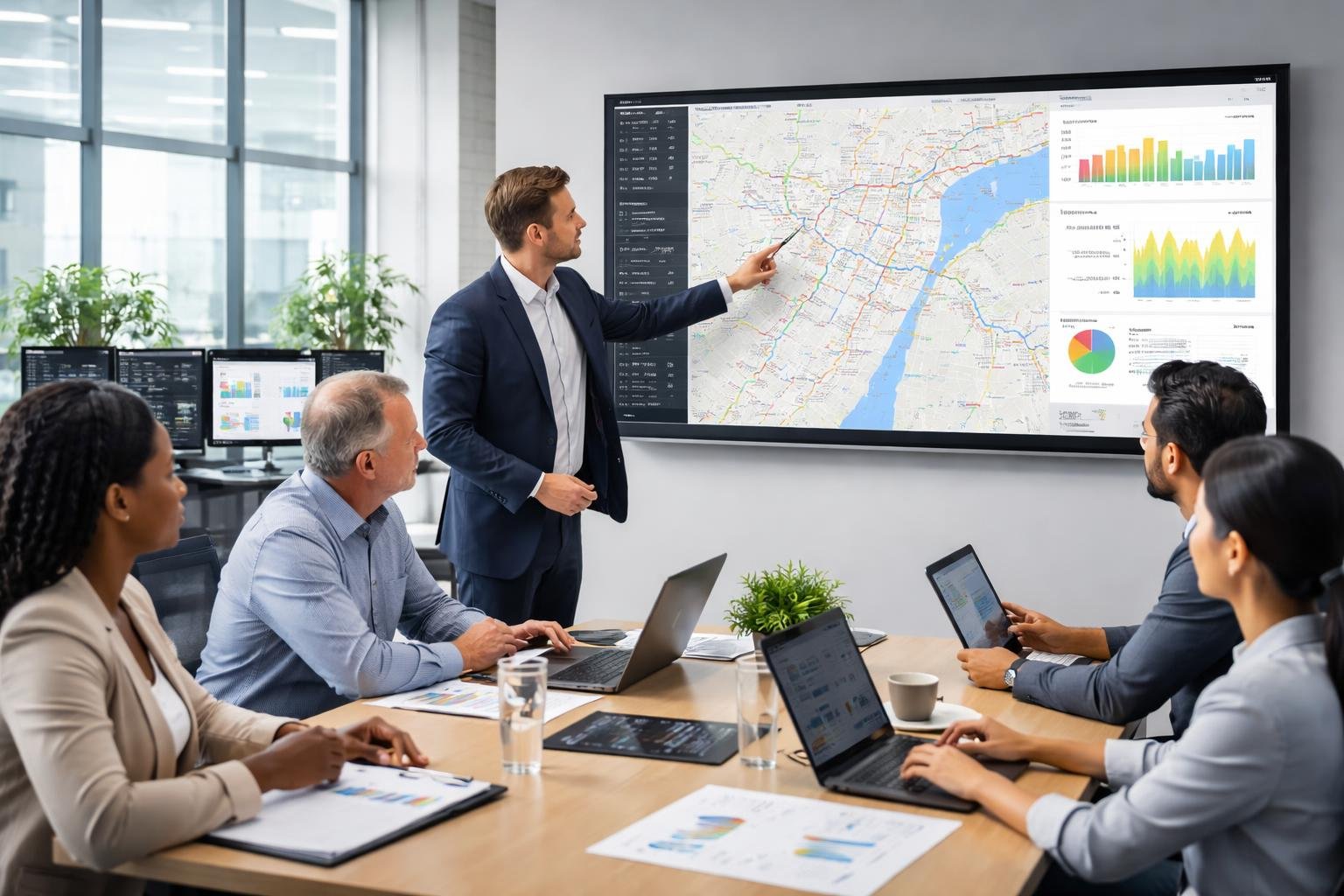
Fleet route monitoring analytics combines GPS tracking with data processing to give real-time visibility and historical insights into vehicle movements, fuel use, maintenance needs, and driver performance. The technology now includes predictive analytics, automated alerts, and integration with other fleet management tools.
Leveraging route monitoring data helps fleet operators make better decisions about route planning and resource use. This guide covers the main parts of fleet analytics systems, the data they collect, and practical strategies for using these tools to reach business goals.
The Fundamentals of Fleet Route Monitoring Analytics
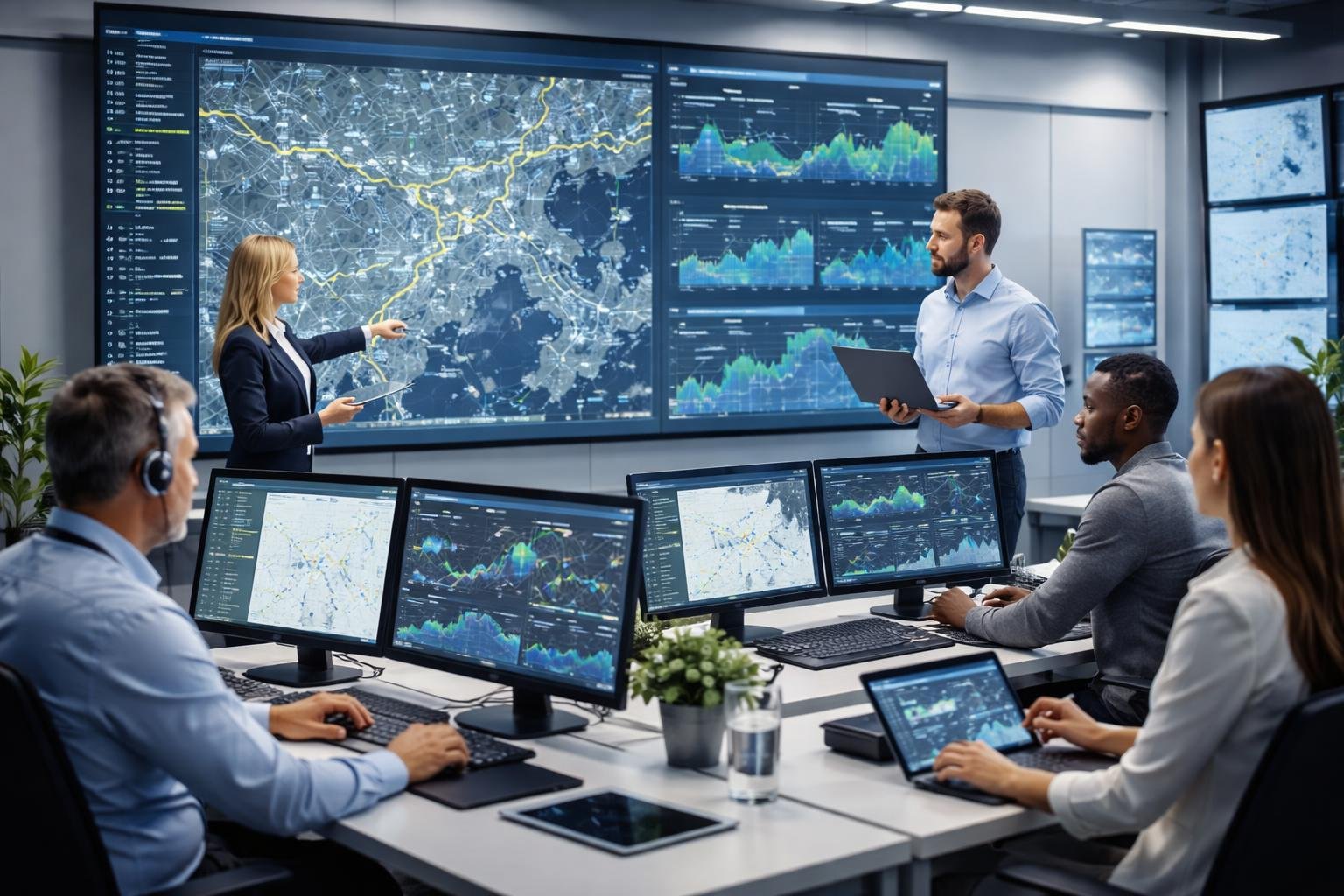
Fleet route monitoring analytics uses real-time tracking and data analysis to measure and improve how vehicles move through their routes. This approach turns raw location and operational data into insights that help reduce costs and increase efficiency.
Defining Fleet Route Monitoring Analytics
Fleet route monitoring analytics means collecting and analyzing vehicle movement data to improve route performance. It processes information from GPS, telematics, and traffic data to show how well routes work.
This practice looks at more than just location tracking. It also measures route adherence, delivery timing, traffic impacts, and fuel use.
Fleet managers use analytics to see which routes work best and where problems happen. Modern systems combine data from vehicle positions, traffic, weather, driver behavior, and delivery schedules.
This creates a full picture of route performance. Combining different data sources helps spot patterns that one source alone might miss.
Key Components and Technologies
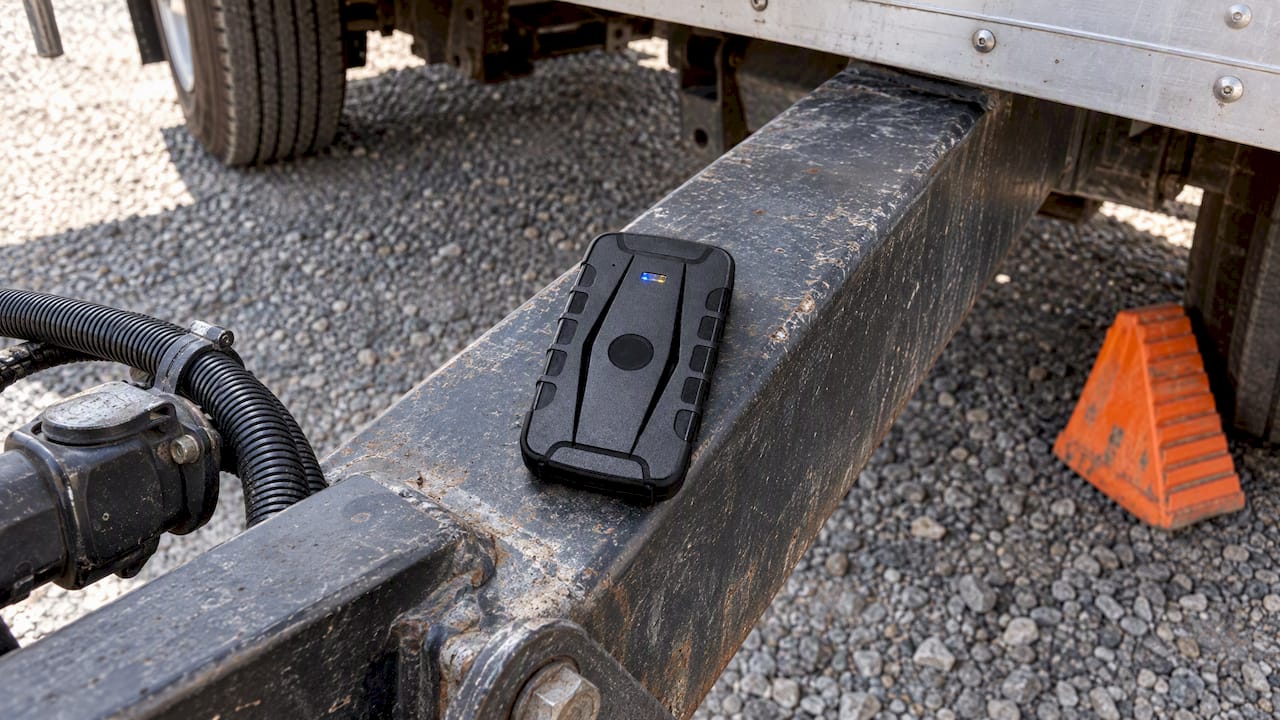
GPS and Telematics Systems collect data on location, speed, idle time, and engine health during trips.
Data Processing Platforms gather information from many sources and use algorithms to find patterns. Machine learning models review past route data to suggest better paths and highlight common issues.
Core components include:
- Real-time tracking devices
- Cellular or satellite networks
- Cloud data storage and processing
- Analytics engines with optimization algorithms
- Dashboard interfaces for monitoring
- Mobile apps for driver communication
Integration Capabilities connect route analytics with other fleet management systems. Data from maintenance, fuel management, and delivery systems is shared for a complete view.
Core Benefits for Fleet Operations
Route analytics help cut fuel costs by finding inefficient routes, long idling, and extra mileage. Fleets often save 10-20% on fuel through data-driven route changes.
Better delivery performance comes from improved planning and real-time adjustments. Analytics let dispatchers reroute vehicles quickly to handle delays or urgent requests.
Analytics also improve driver safety and accountability. Data shows risky driving, speeding, and route compliance so managers can address issues early.
Operational capacity increases as fleets do more deliveries without adding vehicles. Analytics help spot underused vehicles and ways to combine routes.
Customer satisfaction goes up with accurate arrival time predictions. Analytics give reliable ETAs based on current traffic and past data, making communication easier.
Data Sources and Integration in Fleet Route Analytics
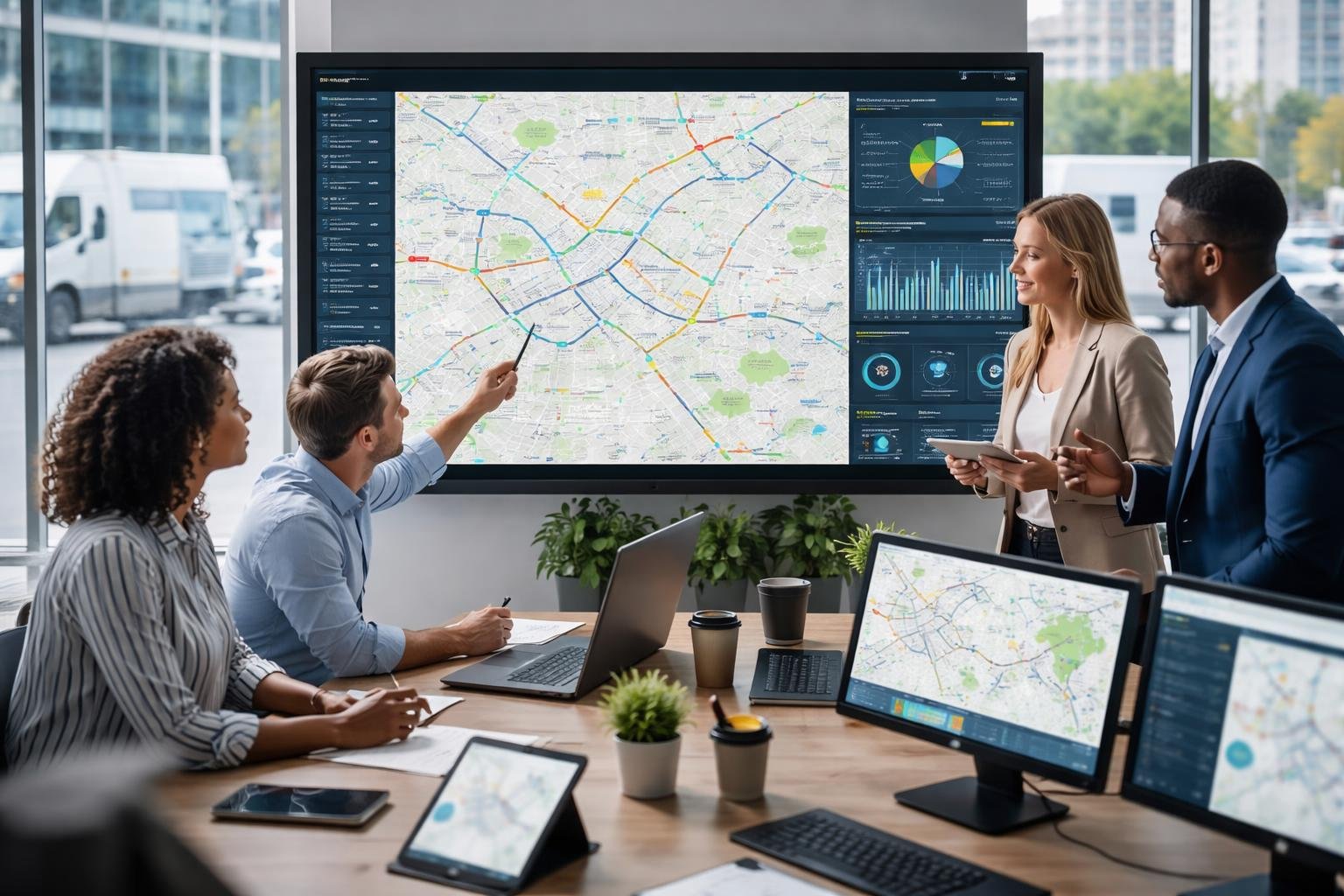
Fleet route analytics uses several data streams to create useful insights. Telematics, GPS tracking, and API connections enable real-time monitoring and better decision-making.
Telematics and IoT Sensors
Telematics systems use onboard sensors to track engine health, fuel use, tire pressure, and diagnostics. This data is sent wirelessly to platforms where managers review vehicle performance.
IoT sensors collect extra data like cargo temperature, door status, and driver habits. These sensors provide a steady flow of information to analytics platforms.
Modern telematics integration links vehicle data with maintenance, fuel transactions, and driver schedules. This helps managers connect vehicle performance with route efficiency.
Key telematics data points:
- Engine diagnostics and fault codes
- Fuel use and idle time
- Acceleration, braking, and turning
- Speed and RPM
Real-Time GPS and Vehicle Tracking
GPS tracking gives constant location updates to verify routes and set up geofencing. Managers monitor vehicle positions and speeds to ensure they follow planned routes.
Real-time tracking systems combine traffic and weather data for quick route changes. Alerts let dispatchers know about delays or unauthorized stops.
GPS data and speed monitoring hold drivers accountable for their routes. Geofencing sends alerts when vehicles enter or leave certain areas.
API Integration and Platform Connectivity
APIs connect fleet management systems with dispatch, fuel management, and resource planning tools. This removes data silos and cuts down on manual work.
Platform connectivity ensures data from different sources is formatted consistently for reliable analytics. Operators link telematics with route planning, maintenance, and customer management through APIs.
Secure API frameworks keep fleet data safe while allowing third-party connections. Integration with industry tools allows for customization to fit specific needs.
Core Functionalities of Fleet Route Monitoring Systems
Fleet route monitoring systems offer three main features: continuous GPS tracking, historical route analysis, and automated boundary-based notifications. These tools give managers full visibility into vehicle and driver activity.
Real-Time Location and Route Tracking
Real-time GPS tracking is the base of modern fleet monitoring. The system collects live vehicle location data every few seconds or minutes.
Managers see current positions on maps along with speed and stop times. This helps dispatch teams respond quickly to changes and customer requests.
The data also feeds into optimization tools to find the closest available vehicle for urgent jobs. Live tracking is useful for multi-stop deliveries where timing matters.
Most systems show traffic, weather, and customer locations on the same map. Managers can filter by vehicle, driver, or service area.
Route Adherence and Playback
Route adherence monitoring checks if vehicles follow planned routes. The system flags deviations beyond set limits, such as distance or time.
Trip history stores journey records for later review. Managers can use playback tools to see any completed trip with detailed position data.
Historical data shows trends in driver habits and route efficiency. Operators use this to refine routes and spot training needs.
Trip history also supports mileage verification for billing and tax purposes.
Geofencing and Alert Mechanisms
Geofencing sets virtual boundaries around areas like customer sites or depots. The system sends geofencing alerts when vehicles enter or leave these zones.
Common uses include verifying arrivals, preventing unauthorized access, and tracking depot movements. Alerts can go out by email, SMS, or in-app notifications.
Advanced geofencing allows rules based on time and overlapping zones. For example, a depot geofence might only allow exits during business hours.
Route Optimization and Efficiency Analytics
Advanced algorithms and real-time data help fleet managers cut fuel consumption by up to 20% and improve delivery times. Route efficiency metrics turn raw GPS and vehicle data into actionable improvements.
Route Planning and Optimization Algorithms
Route planning software uses algorithms to find the most efficient paths. These systems look at traffic, delivery times, vehicle capacity, road conditions, and distance.
Machine learning improves these algorithms by learning from past delivery data. The software spots patterns in delivery times and traffic to give better route suggestions.
Modern tools can quickly process thousands of route options to find those that use the least time and distance.
Key factors for algorithms:
- Distance minimization - Cutting total miles driven
- Time window compliance - Meeting delivery deadlines
- Load balancing - Spreading work across vehicles
- Vehicle specs - Considering cargo limits and restrictions
Advanced tools also consider driver preferences, customer needs, and vehicle fuel efficiency.
Dynamic Routing and Real-Time Adjustments
Dynamic routing systems update routes as conditions change. Real-time GPS tracking shows current locations, so the system can quickly recalculate routes if there are delays or new orders.
Traffic and weather data help the software reroute vehicles around problems. These updates help avoid idle time and keep deliveries on schedule.
Fleet managers can also make manual changes or add urgent stops. The system updates routes and sends new instructions to drivers.
Route Efficiency Metrics
Route efficiency analytics compare actual performance to planned routes to find areas for improvement. Key metrics include miles per delivery, on-time arrivals, fuel use per route, and stop times.
Important metrics:
MetricPurposePlanned vs. Actual MilesFinds route deviations and unauthorized stopsFuel Cost Per RouteMeasures efficiency and wasteStops Per HourChecks driver productivityFirst-Time Delivery RateTracks successful first attempts
Variance analysis shows where drivers often go off-route, pointing to possible route or training issues. Comparing different routes and drivers helps identify best practices for the fleet.
Fuel Management and Cost Reduction Strategies
Fleet operators can reduce fuel expenses by 15-22% with systematic monitoring and targeted improvements. Modern fuel management uses real-time tracking and driver behavior analysis to find cost-saving opportunities.
Fuel Consumption Analytics
Fuel consumption analytics turn vehicle data into useful insights for fleet managers. These systems collect information from vehicle sensors, fuel cards, and telematics devices to monitor consumption patterns.
They analyze metrics like miles per gallon, idle time, fuel spend per route, and differences between drivers. Managers can spot vehicles using too much fuel due to mechanical issues or detect signs of fuel theft.
The data highlights inefficiencies such as long idling, aggressive driving, or poor route choices. Analytics software compares actual fuel use to expected benchmarks based on vehicle type, load, and route.
This helps managers decide which vehicles need maintenance and which drivers need coaching.
Fuel Savings and Efficiency
Real-time fuel monitoring helps operators make targeted improvements. Driver coaching addresses habits like excessive idling, rapid acceleration, and speeding, which waste fuel.
Route optimization tools use traffic data and delivery schedules to cut unnecessary mileage and avoid congested areas. Fleet systems can suggest better routes that save fuel.
Maintenance scheduling based on fuel trends catches small issues before they become big problems. Regular checks of air filters, tire pressure, and engines keep fuel efficiency high.
Fuel Cost Reduction Techniques
Fuel cards with tracking give detailed data to spot pricing issues and unauthorized purchases. These systems flag unusual spending and help ensure drivers use preferred vendors.
Predictive maintenance uses fuel data and other metrics to schedule service before efficiency drops. This prevents fuel economy from declining due to worn parts.
Key reduction strategies include:
- Setting idle time limits and using automatic engine shutoff
- Training drivers on efficient acceleration and braking
- Combining deliveries to reduce total miles
- Choosing vehicles with the right capacity
- Tracking fuel efficiency by vehicle age to guide replacements
AI-powered telematics platforms combine data sources to give specific recommendations, helping managers focus on the biggest inefficiencies.
Advanced Analytics and Predictive Insights
Advanced analytics turn fleet data into intelligence that helps prevent problems and improve driver performance. These systems analyze patterns in vehicle diagnostics, driver behavior, and compliance metrics to deliver maintenance alerts, safety recommendations, and regulatory insights.
Predictive Maintenance and Scheduling
Predictive maintenance uses vehicle diagnostics to forecast failures before breakdowns happen. Engine systems monitor things like oil pressure and temperature to spot early signs of trouble.
When anomalies are found, the platform sends alerts with details on what needs attention and when. Maintenance scheduling is more efficient with data-driven recommendations instead of just mileage intervals.
The system prioritizes repairs based on severity, usage, and upcoming routes. This approach reduces unplanned downtime compared to reactive maintenance.
Diagnostics integration lets technicians see fault codes and trends before vehicles arrive. This cuts diagnostic time and ensures needed parts are available.
Driver Behavior Monitoring and Performance
Driver monitoring systems track acceleration, braking, cornering, and idling to assess performance. Scoring algorithms give drivers ratings based on these actions, making it easy to find coaching opportunities.
Driver coaching uses specific data to give targeted feedback. Managers can address incidents like harsh braking or speeding with exact details.
Key driver monitoring metrics include:
- Hard acceleration and braking events per 100 miles
- Speeding incidents over the limit
- Seatbelt usage rates
- Distracted driving behaviors
- Hours of service compliance
Analytics platforms track changes in driver behavior over time. Managers can measure how coaching affects performance metrics.
Regulatory Compliance and Safety Analytics
Compliance analytics automate tracking of hours of service, inspections, and driver qualifications. The system monitors electronic logs to flag possible violations, letting dispatchers adjust schedules in advance.
Safety analytics combine driver data with incident reports and maintenance records to find risk factors. Fleets can see which routes, times, or driver experience levels link to higher accident rates.
Compliance reporting creates audit-ready documents for inspections, including driver files, maintenance logs, and service records. Automated alerts notify managers about license expirations, medical renewals, or inspection needs.
Platform Selection and Implementation Best Practices
Choosing the right fleet analytics platform means looking at technical features, leading solutions, and planning for user adoption.
Evaluation Criteria for Fleet Analytics Tools
Analytics depth separates basic trackers from advanced platforms. Organizations should choose systems with real-time GPS, predictive maintenance, and driver behavior monitoring in one place.
Data integration is key for long-term value. The system should link telematics, maintenance, compliance, and route tools without silos.
Cloud-based processing supports growth as fleets expand. Platform evaluation should include tracking fuel analytics, vehicle efficiency, event alerts, and dashboards that highlight issues fast.
Features like defensible safety reports help reduce compliance risks. API support and third-party integrations are important for organizations with existing systems.
Platforms that allow cross-system data flow prevent vendor lock-in and support custom analytics.
Popular Platforms and Key Features
Samsara offers full telematics integration with real-time visibility and driver safety features. It includes AI dashcams, compliance tracking, and sustainability reporting.
Geotab focuses on open architecture with many third-party integrations. It offers raw data access and customizable analytics for enterprises with development teams.
Verizon Connect provides route planning and strong mobile workforce management. It excels at dispatch efficiency and field service optimization.
Each platform handles route optimization differently. Organizations should test how systems process real-time traffic, driver patterns, and vehicle constraints during trials.
Driver Adoption and Change Management
Successful implementation works best with phased deployment. Avoid immediate full-scale rollout for better results.
Start by stabilizing core infrastructure, such as basic GPS tracking and user interfaces. Add advanced analytics only after these basics are reliable.
Driver adoption depends on addressing privacy concerns. Show clear, tangible benefits to encourage participation.
Dispatchers need training on new dashboards and alert systems. This helps them use monitoring tools effectively.
Clear communication about safety improvements is important. Highlight operational efficiency gains to reduce resistance.
Change management should include feedback loops for drivers and dispatchers. They can report system issues or suggest improvements.
Involving end users in system refinement helps increase adoption rates. It also improves data quality.