How to start saving money
Lorem ipsum dolor sit amet, consectetur adipiscing elit lobortis arcu enim urna adipiscing praesent velit viverra sit semper lorem eu cursus vel hendrerit elementum morbi curabitur etiam nibh justo, lorem aliquet donec sed sit mi dignissim at ante massa mattis.
- Neque sodales ut etiam sit amet nisl purus non tellus orci ac auctor
- Adipiscing elit ut aliquam purus sit amet viverra suspendisse potent
- Mauris commodo quis imperdiet massa tincidunt nunc pulvinar
- Excepteur sint occaecat cupidatat non proident sunt in culpa qui officia
Why it is important to start saving
Vitae congue eu consequat ac felis placerat vestibulum lectus mauris ultrices cursus sit amet dictum sit amet justo donec enim diam porttitor lacus luctus accumsan tortor posuere praesent tristique magna sit amet purus gravida quis blandit turpis.

How much money should I save?
At risus viverra adipiscing at in tellus integer feugiat nisl pretium fusce id velit ut tortor sagittis orci a scelerisque purus semper eget at lectus urna duis convallis. porta nibh venenatis cras sed felis eget neque laoreet suspendisse interdum consectetur libero id faucibus nisl donec pretium vulputate sapien nec sagittis aliquam nunc lobortis mattis aliquam faucibus purus in.
- Neque sodales ut etiam sit amet nisl purus non tellus orci ac auctor
- Adipiscing elit ut aliquam purus sit amet viverra suspendisse potenti
- Mauris commodo quis imperdiet massa tincidunt nunc pulvinar
- Adipiscing elit ut aliquam purus sit amet viverra suspendisse potenti
What percentege of my income should go to savings?
Nisi quis eleifend quam adipiscing vitae aliquet bibendum enim facilisis gravida neque. Velit euismod in pellentesque massa placerat volutpat lacus laoreet non curabitur gravida odio aenean sed adipiscing diam donec adipiscing tristique risus. amet est placerat in egestas erat imperdiet sed euismod nisi.
“Nisi quis eleifend quam adipiscing vitae aliquet bibendum enim facilisis gravida neque velit euismod in pellentesque”
Do you have any comments? Share them with us on social media
Eget lorem dolor sed viverra ipsum nunc aliquet bibendum felis donec et odio pellentesque diam volutpat commodo sed egestas aliquam sem fringilla ut morbi tincidunt augue interdum velit euismod eu tincidunt tortor aliquam nulla facilisi aenean sed adipiscing diam donec adipiscing ut lectus arcu bibendum at varius vel pharetra nibh venenatis cras sed felis eget.
Fleet maintenance keeps vehicles reliable and safe for daily operations. It uses scheduled inspections, timely repairs, and planning to prevent breakdowns and control costs.
Effective fleet maintenance ensures maximum uptime and extends vehicle life. It also supports compliance with safety and environmental standards.
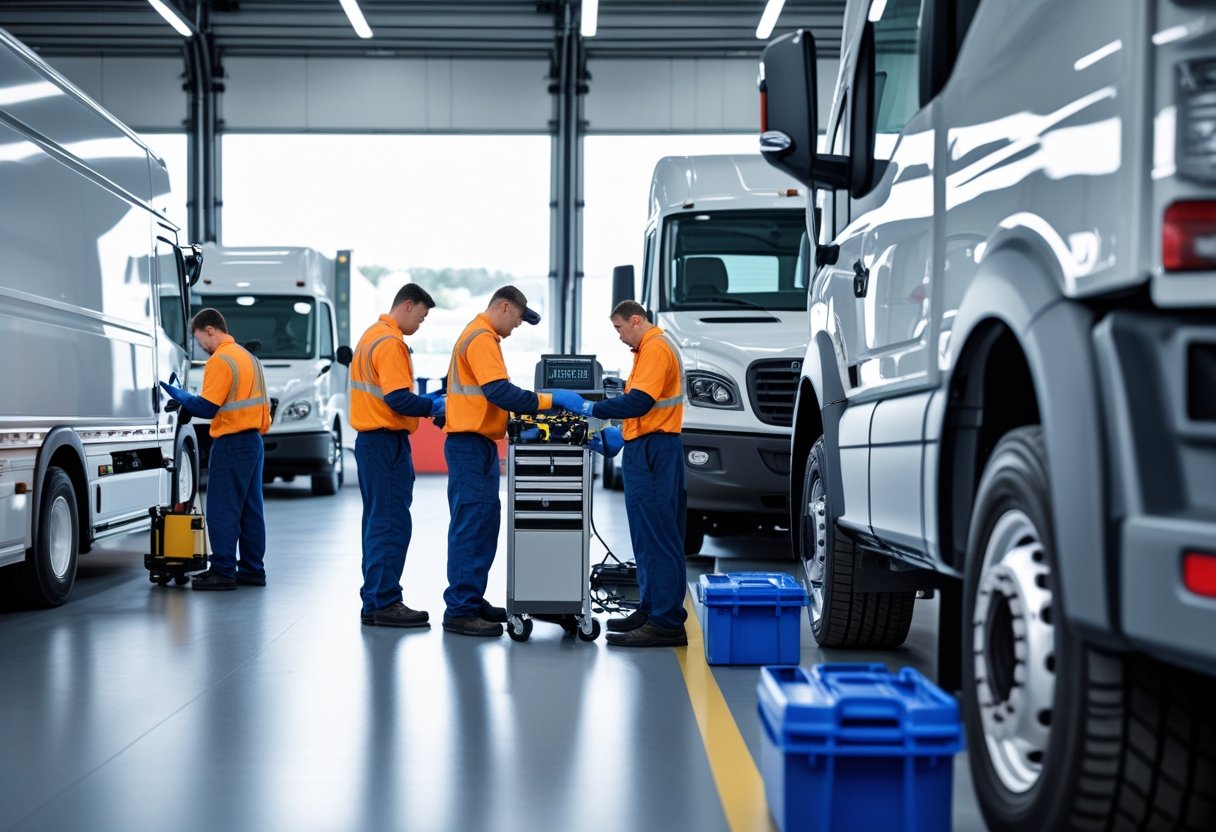
An organized maintenance program gives companies a clear way to manage vehicles efficiently. By setting maintenance schedules, tracking performance, and working with skilled service providers, organizations gain better control over expenses and productivity.
As new technologies and connected systems shape the industry, fleet managers use digital tools and analytics to improve decision-making. Understanding these basics builds a foundation for a smarter, more efficient fleet strategy.
Fundamentals of Fleet Maintenance
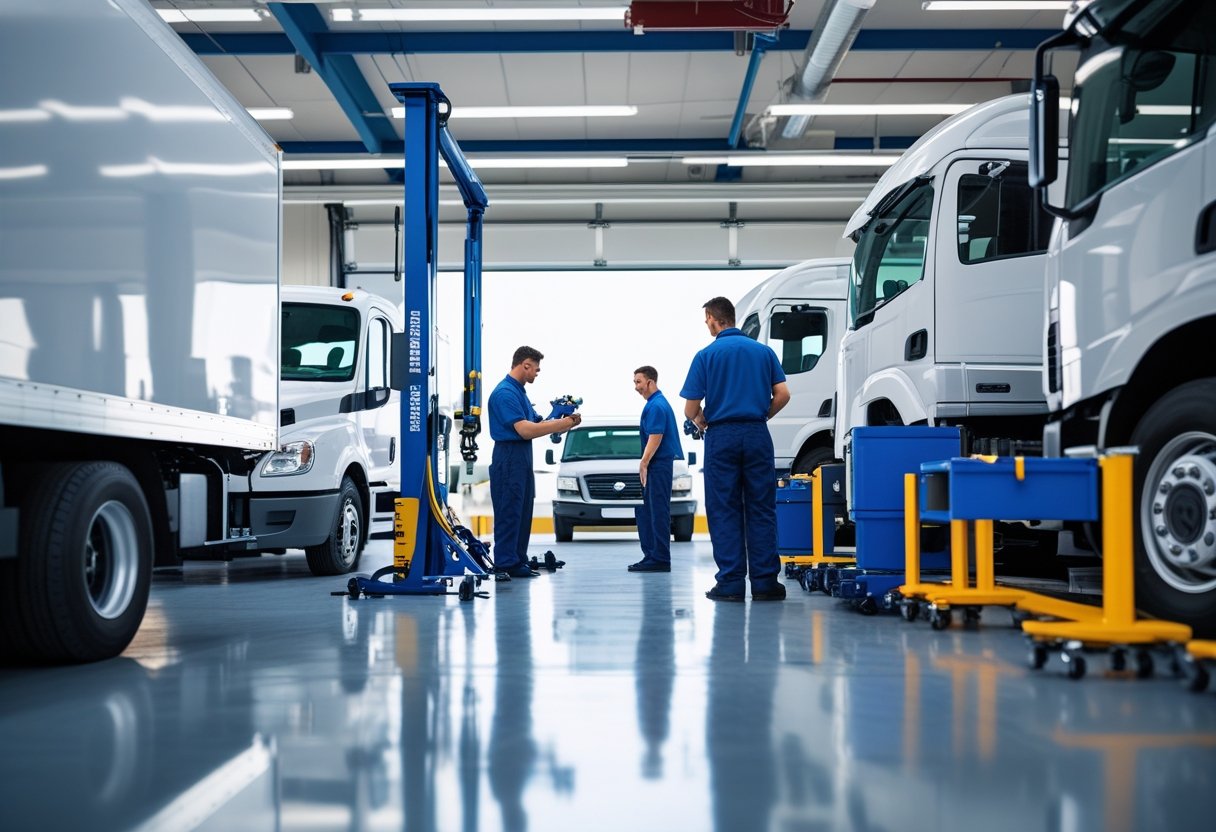
Fleet maintenance keeps commercial vehicles in safe and reliable condition through planned inspections, timely repairs, and documentation. It balances performance, cost control, and compliance across different vehicle types and usage.
What Is Fleet Maintenance
Fleet maintenance is the structured management of inspections, servicing, and repairs for a group of vehicles owned or operated by an organization. It uses systematic processes to keep vehicles in operational condition and reduce unexpected breakdowns.
A proper program includes preventive maintenance such as oil changes, brake checks, and tire inspections. Corrective maintenance addresses issues found during inspections or through alerts.
Documenting all maintenance supports compliance and performance tracking. Modern fleets use software to schedule service, log work orders, and monitor vehicle health with telematics.
These tools provide data for better planning and help managers extend equipment life. Consistent records also support warranty claims and resale value.
Fleet Maintenance vs. Vehicle Maintenance
Fleet maintenance and vehicle maintenance share similar goals but differ in scope. Vehicle maintenance focuses on a single vehicle, while fleet maintenance manages many vehicles with different needs and schedules.
Key distinctions:
AspectVehicle MaintenanceFleet MaintenanceScaleOne vehicleMultiple vehiclesManagementIndividual care by owner/operatorCentralized process by fleet managerData TrackingManual or limitedAutomated through softwareCompliance FocusLocal inspectionsRegulatory and business‑wide standards
Because fleets operate continuously, maintenance must consider operational downtime, inventory control, and regulatory deadlines across all units. Managers use data tools to monitor performance trends and prevent service gaps or overlaps.
Key Goals and Benefits
The main goals of fleet maintenance are safety, efficiency, reliability, and cost control. Proper servicing reduces accident risks and ensures compliance with regulations.
Effective maintenance programs find wear or faults early, reducing unscheduled downtime. This helps meet delivery schedules and supports workforce productivity.
Preventive strategies often lower long-term costs. Well-maintained vehicles use less fuel, have fewer breakdowns, and keep higher resale values. Data-driven planning helps predict parts usage and optimize labor resources.
Core Elements of a Fleet Maintenance Program
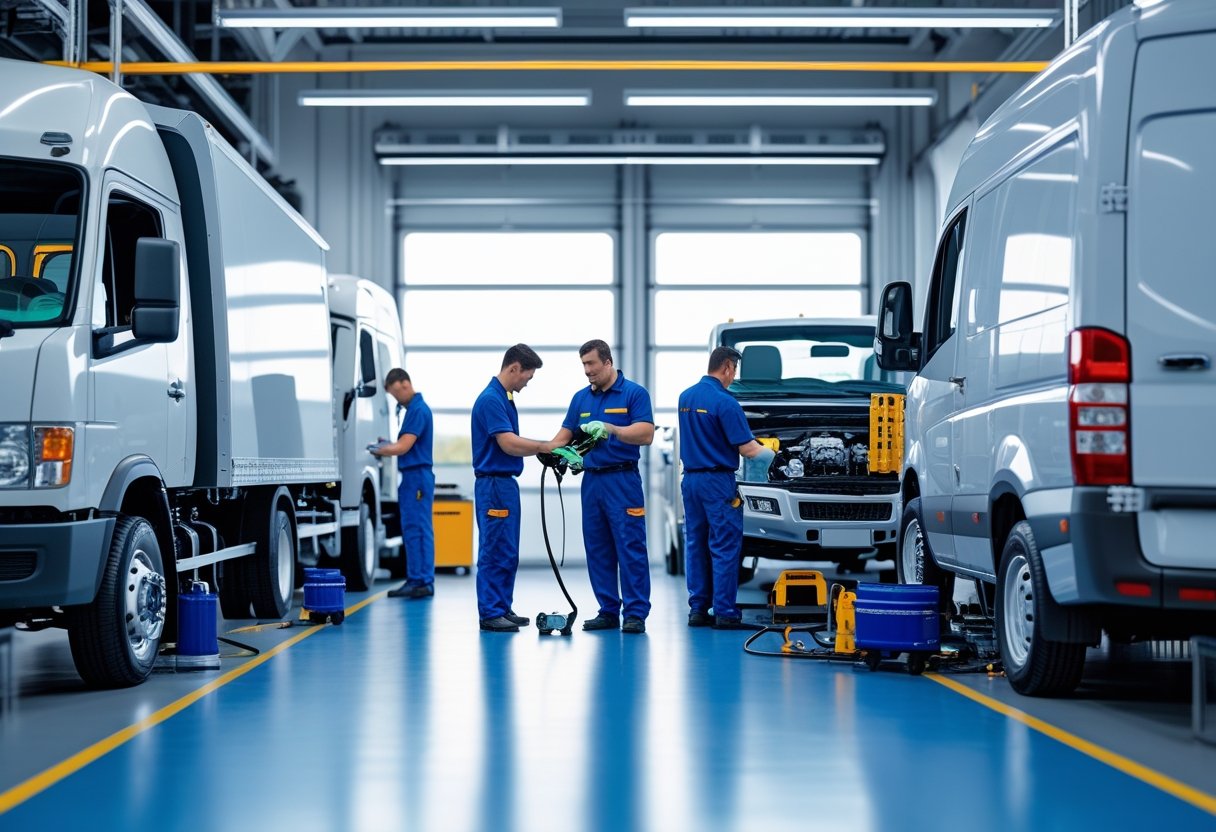
A well-structured fleet maintenance program relies on consistent service routines, accurate scheduling, and preventive strategies that reduce downtime. Good planning improves reliability, extends asset life, and supports compliance.
Preventive Maintenance Strategies
Preventive maintenance is the foundation of a reliable fleet program. It includes routine inspections, servicing, and replacing parts before failures happen.
This proactive approach keeps vehicles running and lowers repair costs. It also reduces unplanned downtime.
Typical tasks include oil and filter changes, brake inspections, tire rotations, and fluid checks. Many fleets use telematics and diagnostics to monitor engine health and spot early wear.
These systems flag vehicles due for service so teams can respond quickly. Standardized checklists and service records help show compliance and improve accountability.
The focus is on preventing issues rather than reacting to breakdowns.
Maintenance Schedules and Planning
Maintenance schedules organize service tasks by mileage, engine hours, or time intervals. A set schedule ensures every vehicle gets needed inspections at the right time.
This reduces mechanical failures and helps keep vehicles available. Fleet managers often use maintenance management software to plan work orders, track dates, and monitor parts.
Automation cuts down on errors and improves coordination among team members.
Key scheduling methods include:
Schedule TypeBasisExample IntervalTime-basedCalendar daysEvery 6 monthsUsage-basedMileage / hoursEvery 10,000 miles or 500 hoursCondition-basedSensor data or diagnosticsWhen performance thresholds are reached
Mixing these approaches allows flexibility based on vehicle performance and conditions.
Routine Maintenance Processes
Routine maintenance covers daily tasks that keep vehicles safe and efficient. These include refueling, cleaning, fluid top-offs, and basic safety checks.
They help spot and fix small issues early. Technicians use a routine maintenance checklist and document each step for consistency.
Regular checks of brakes, lights, mirrors, and tire tread help with compliance and reduce accident risks.
Communication between drivers and maintenance staff is important. Drivers report unusual noises, dashboard warnings, or handling problems so repairs can be scheduled quickly.
Good reporting reduces delays and increases fleet availability. Routine maintenance is the first line of defense for keeping a program reliable and cost-efficient.
Fleet Maintenance Management
Effective fleet maintenance management keeps vehicles reliable, safe, and compliant. It relies on organized planning, accurate data, and technology for real-time decisions.
Strong leadership and clear communication keep operations consistent and cost-effective.
Roles and Responsibilities
Fleet maintenance management assigns clear roles to different departments. Fleet managers create schedules, oversee inspections, and track vehicle performance.
Technicians perform routine service, handle repairs, and record completed tasks. Administrative staff manage parts inventory, documentation, and budgets.
They update logs and ensure compliance with requirements like Department of Transportation (DOT) standards.
Drivers also play a key role. They submit inspection reports, note early signs of wear, and follow preventive care rules.
Clear communication between all team members prevents delays and keeps maintenance activities on track.
Maintenance Management Technology
Maintenance management uses digital tools that centralize scheduling, asset tracking, and service documentation. Computerized Maintenance Management Systems (CMMS) and fleet management software automate reminders, track schedules, and record service history.
These platforms help managers plan preventive maintenance using mileage, engine hours, or performance data. Predictive analytics can detect possible failures with sensor data.
A typical maintenance management system includes:
FunctionExample UseSchedulingAutomates oil changes and inspectionsWork OrdersAssigns service tasks and monitors progressParts ManagementTracks quantities and reorder pointsReportingDisplays cost, downtime, and efficiency data
By bringing data and tasks together, technology increases accountability and reduces paperwork.
Data Tracking and Reporting
Accurate data tracking helps managers make informed decisions. Telemetry systems and onboard diagnostics send repair records, fuel use, and fault codes to central dashboards.
Managers use this data to track trends and check compliance with maintenance schedules.
Regular reports help with budget planning and performance measurement. Important reports include cost-per-mile, downtime hours, and maintenance completion rate.
Reviewing this data shows patterns in wear and helps plan replacements.
Effective data use improves transparency. Shared records help technicians, contractors, and managers stay accountable and keep fleets reliable.
Service Provider Networks and Technician Expertise
Reliable fleet maintenance depends on access to dependable service provider networks and skilled technicians. These factors influence vehicle uptime, service quality, and cost control.
Selecting Service Providers
A strong service provider network ensures consistent maintenance anywhere. Large providers like FleetNet America and Enterprise Fleet Management have many service centers for quick access to qualified professionals.
This helps fleets reduce downtime and control repair costs.
Decision-makers consider these criteria when choosing providers:
Key CriteriaImportanceCoverage areaEnsures maintenance is available everywhere neededResponse timeReduces driver downtime and delaysService quality standardsMaintains consistent performanceData integrationImproves tracking of repairs and costs
Regular audits help fleets maintain service quality. Flexible contracts and transparent pricing align provider abilities with fleet needs.
ASE-Certified Technicians
Technician skills affect maintenance results. ASE-certified technicians, certified by the National Institute for Automotive Service Excellence, show proven skills in brakes, electronics, transmissions, and diesel engines.
Certification requires experience and regular testing to keep knowledge current.
Providers like Merchants Fleet, Ryder, and Cox Automotive work with many ASE-certified professionals. This expertise helps fleets handle both preventive maintenance and complex repairs.
Choosing certified technicians improves repair quality and reduces repeat problems. Fleets benefit from standard practices and better documentation.
Ensuring Automotive Service Excellence
Maintaining automotive service excellence for large fleets needs a structured approach. This includes training, oversight, and consistent procedures.
Providers use digital platforms to track technician performance, part usage, and service times. This helps fleets check that quality standards are met.
Regular technician training and certification renewal keep skills up to date. Many organizations partner with industry groups to stay current with new regulations and technology.
By using these standards every day, fleets improve reliability and maintain accountability.
Driver Support and Operational Efficiency
Fleet maintenance depends on a well-supported driver network and efficient communication systems. Good coordination and accessible roadside assistance reduce delays and help control costs related to downtime and repairs.
Driver Compliance and Communication
Consistent driver compliance is essential for safe and efficient fleet operations. When drivers follow scheduled maintenance checks, managers can prevent minor faults from becoming major repairs.
Prompt reporting of vehicle issues helps address problems early. Clear reporting protocols also allow for data collection on performance trends, fuel use, and driver behavior.
Fleet managers now rely on digital communication platforms and telematics systems to maintain two-way communication. These tools provide real-time vehicle status updates and send alerts for overdue maintenance or unsafe driving.
Regular feedback sessions and reminders through mobile apps help drivers understand equipment expectations. Ongoing training in vehicle handling, inspection routines, and safety regulations keeps drivers informed and reduces non-compliance risks.
Minimizing Downtime and Operational Costs
Reducing downtime requires careful scheduling and proactive decisions. Fleets using predictive maintenance—supported by telematics and diagnostic data—can find problems before they cause breakdowns.
This approach keeps vehicles in use and extends component life. A structured maintenance calendar ensures no vehicle exceeds its service intervals.
Managers track metrics like mean time between failures (MTBF) and idle hours to spot underused or overworked assets. Shorter repair lead times help control operational costs.
Integrating maintenance data with financial systems allows for cost-per-mile analysis. Standardized service procedures and strong supplier networks lead to faster repairs and consistent quality.
Roadside Assistance Solutions
Even with preventive measures, breakdowns can still happen. Comprehensive roadside assistance plans make sure drivers get help quickly wherever they are.
Immediate access to towing, tire replacement, or mobile repair reduces lost time and keeps deliveries on schedule. Modern assistance programs connect with telematics dashboards.
Dispatchers can locate vehicles, check problem codes, and coordinate the nearest service provider. Mobile access to emergency resources and clear escalation steps improves driver safety during breakdowns.
Fleets that monitor service response times and resolution rates can improve vendor partnerships and driver support during emergencies.
Emerging Trends in Fleet Maintenance
Technology, sustainability goals, and workforce changes are shaping how organizations maintain vehicle fleets. Data-driven maintenance, electric vehicles, and mobile service solutions are improving efficiency and asset management in transportation.
Mobile Maintenance Services
Mobile maintenance services let fleets perform inspections, preventive care, and repairs at the vehicle’s location. This method reduces downtime and removes the need to move vehicles to service centers.
Many fleets equip mobile units with diagnostic tools, tire service equipment, and spare parts for common issues. These services improve scheduling flexibility and help control labor costs.
Mobile technicians use telematics data and digital work orders to meet compliance standards. This model works well for mixed or spread-out fleets, especially in delivery, waste management, and utilities.
Key advantages:
- Reduced vehicle idle time
- Lower towing and transport costs
- Faster response for unscheduled repairs
As connectivity improves, mobile maintenance will grow. Predictive analytics will help identify vehicles that need attention before breakdowns occur.
Fleet Electrification and Electric Vehicles
Fleet electrification is a priority as organizations aim to cut emissions and fuel costs. In 2025, electric vehicle (EV) adoption is rising due to better batteries, lower charging costs, and U.S. federal incentives.
Fleet operators look at life cycle costs for acquisition, energy, and maintenance savings. EVs need fewer oil changes and brake replacements, but they require specialized technician training and charging management.
Companies track performance with fleet management platforms that integrate EV telematics, energy tracking, and range analytics.
Fleet MetricConventional VehiclesElectric VehiclesMaintenance FrequencyHighLowerFuel/Energy CostVariableStable (per kWh)Technician SkillStandardSpecialized
As battery recycling increases and charging networks improve, electric fleets will make up a larger share of U.S. commercial operations.
Future of Fleet Operations in the USA
Fleet operations in the United States face new regulatory, economic, and workforce pressures. Technological advancements like predictive maintenance and automation help managers plan repairs more effectively.
Supply chain disruptions and technician shortages are ongoing challenges. Fleet organizations adjust procurement cycles and use remote diagnostics to respond. They also partner with national service providers for parts and data support.
Environmental regulations at both federal and state levels affect fleet renewal strategies. Compliance now requires reporting on emissions, fuel efficiency, and sustainability metrics.
The use of digital maintenance records and connected fleet systems increases transparency. This improves uptime and accountability across large, multi-state operations.