How to start saving money
Lorem ipsum dolor sit amet, consectetur adipiscing elit lobortis arcu enim urna adipiscing praesent velit viverra sit semper lorem eu cursus vel hendrerit elementum morbi curabitur etiam nibh justo, lorem aliquet donec sed sit mi dignissim at ante massa mattis.
- Neque sodales ut etiam sit amet nisl purus non tellus orci ac auctor
- Adipiscing elit ut aliquam purus sit amet viverra suspendisse potent
- Mauris commodo quis imperdiet massa tincidunt nunc pulvinar
- Excepteur sint occaecat cupidatat non proident sunt in culpa qui officia
Why it is important to start saving
Vitae congue eu consequat ac felis placerat vestibulum lectus mauris ultrices cursus sit amet dictum sit amet justo donec enim diam porttitor lacus luctus accumsan tortor posuere praesent tristique magna sit amet purus gravida quis blandit turpis.

How much money should I save?
At risus viverra adipiscing at in tellus integer feugiat nisl pretium fusce id velit ut tortor sagittis orci a scelerisque purus semper eget at lectus urna duis convallis. porta nibh venenatis cras sed felis eget neque laoreet suspendisse interdum consectetur libero id faucibus nisl donec pretium vulputate sapien nec sagittis aliquam nunc lobortis mattis aliquam faucibus purus in.
- Neque sodales ut etiam sit amet nisl purus non tellus orci ac auctor
- Adipiscing elit ut aliquam purus sit amet viverra suspendisse potenti
- Mauris commodo quis imperdiet massa tincidunt nunc pulvinar
- Adipiscing elit ut aliquam purus sit amet viverra suspendisse potenti
What percentege of my income should go to savings?
Nisi quis eleifend quam adipiscing vitae aliquet bibendum enim facilisis gravida neque. Velit euismod in pellentesque massa placerat volutpat lacus laoreet non curabitur gravida odio aenean sed adipiscing diam donec adipiscing tristique risus. amet est placerat in egestas erat imperdiet sed euismod nisi.
“Nisi quis eleifend quam adipiscing vitae aliquet bibendum enim facilisis gravida neque velit euismod in pellentesque”
Do you have any comments? Share them with us on social media
Eget lorem dolor sed viverra ipsum nunc aliquet bibendum felis donec et odio pellentesque diam volutpat commodo sed egestas aliquam sem fringilla ut morbi tincidunt augue interdum velit euismod eu tincidunt tortor aliquam nulla facilisi aenean sed adipiscing diam donec adipiscing ut lectus arcu bibendum at varius vel pharetra nibh venenatis cras sed felis eget.
Managing a fleet involves more than just keeping vehicles on the road. It also requires controlling costs that can quickly increase without oversight.
Fuel, maintenance, depreciation, and insurance all influence operating expenses. Understanding these factors determines whether a fleet runs efficiently or becomes a financial burden.
Fleet cost management focuses on monitoring, analyzing, and reducing these expenses to improve operational performance and profitability.
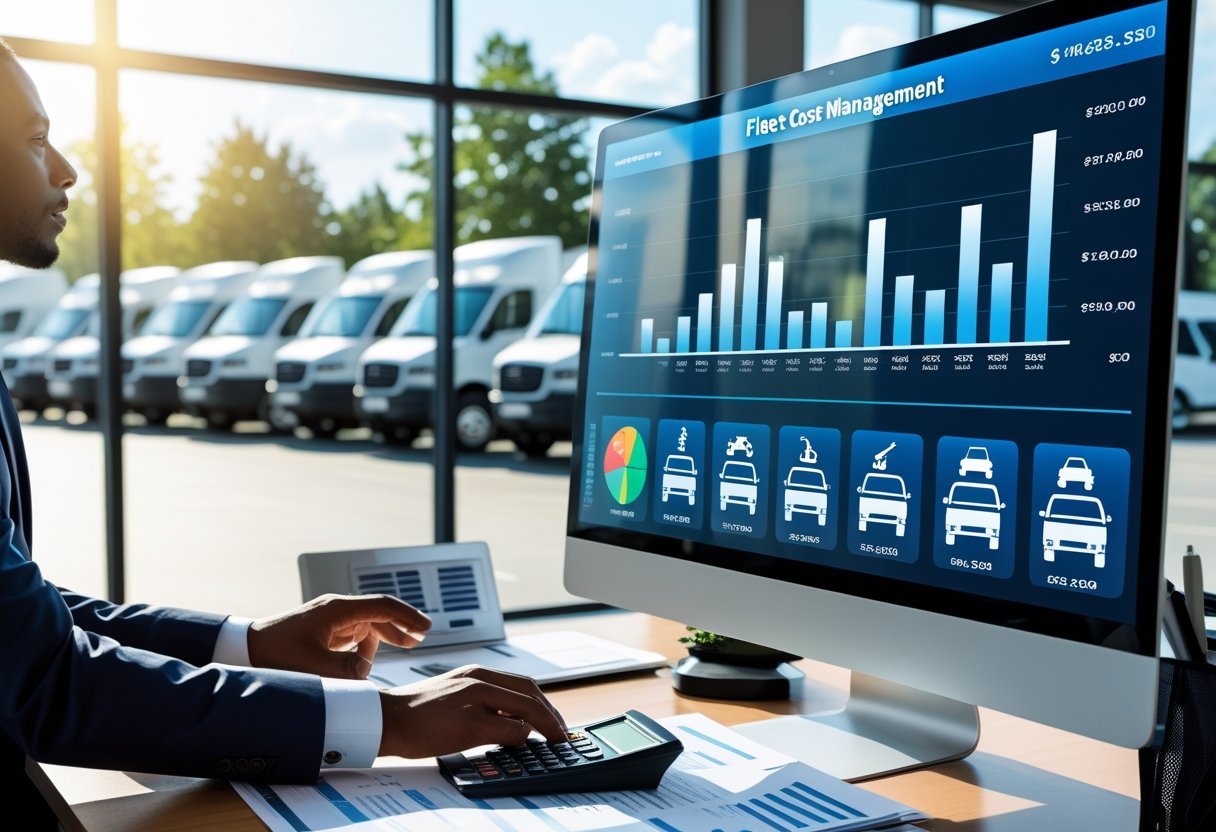
An effective cost management strategy uses data-driven decisions to balance fixed and variable costs. It also helps optimize routing and extend asset life cycles.
Consistent cost analysis uncovers savings opportunities that may go unnoticed in daily operations. Advanced fleet management systems provide transparency and turn data into actionable insights.
Understanding Fleet Cost Management
Effective fleet cost management helps businesses control vehicle-related expenses. It also improves operational efficiency and extends asset lifespan.
It focuses on analyzing real-world data to manage costs like fuel, maintenance, depreciation, and compliance. These tasks require measurable precision.
Definition and Importance
Fleet cost management is the systematic process of tracking, controlling, and optimizing expenses related to operating a fleet. These expenses include fuel, maintenance, insurance, licensing, depreciation, and labor.
Managing these costs helps organizations remain profitable and maintain predictable budgets. A structured cost management program lets decision-makers find inefficiencies, such as excessive idling or underutilized vehicles.
It also helps decide when to repair, replace, or retire assets. By monitoring cost metrics per vehicle or mile, managers can set benchmarks and improve accountability.
Fleet cost management also supports sustainability by minimizing fuel consumption and reducing emissions. It keeps vehicles in compliance with safety regulations.
The Role of Fleet Management in Cost Control
Fleet management combines operational oversight with financial analysis. GPS tracking, telematics, and automated reporting tools give managers visibility into daily activities that affect expenses.
Strong cost control starts with data-driven decision-making. For example, analyzing telematics data can reveal trends in fuel inefficiency or excessive idling.
Fleet managers can develop targeted driver training or maintenance schedules to lower those costs. Regular vehicle maintenance reduces downtime and extends asset life.
Centralized procurement of fuel, tires, and parts improves cost predictability. It also helps with supplier negotiations.
Key Challenges Facing Fleets Today
Rising fuel prices, unpredictable maintenance costs, and stricter regulatory compliance create challenges for fleets. Economic changes can quickly increase operating expenses.
Vehicle shortages or supply chain issues make replacement planning harder. Technological complexity adds another layer of difficulty.
Integrating telematics, data systems, and electric vehicle infrastructure requires upfront expense and training. Fleet managers also face personnel challenges.
Recruiting and keeping skilled drivers and technicians affects cost stability. Turnover can lead to extra training expenses and lower productivity.
Accurate forecasting, automation, and flexible vendor partnerships help fleets handle these pressures.
Types of Fleet Costs
Fleet cost management starts with understanding where money is spent. Expenses may come from vehicle ownership, daily operations, or administrative needs.
Identifying these cost categories helps managers control budgets and improve efficiency.
Fixed Costs in Fleet Management
Fixed costs stay the same regardless of how much vehicles are used. These include loan or lease payments, insurance premiums, and depreciation.
They are predictable and usually contractual, allowing companies to plan budgets more accurately. Depreciation is often the largest fixed expense.
Vehicles lose value over time, which affects replacement schedules and asset lifecycle costs. Insurance costs also remain steady and cover liability, collision, and comprehensive policies.
Some fleets also have licensing, registration, and compliance fees that recur annually. These costs are necessary to keep the fleet operational and compliant.
Tracking them separately gives visibility into long-term financial commitments.
Variable Costs and Operating Expenses
Variable costs change with vehicle usage and are often called operating expenses. The main contributors are fuel, maintenance, and repairs.
These costs depend on how efficiently vehicles are driven and maintained. Fuel is a major part of operating costs.
Monitoring consumption with telematics or route optimization software can reveal waste. Maintenance and repairs depend on mileage and driving behavior.
Preventive maintenance reduces downtime and avoids unexpected repair expenses. Other variable expenses include tires, driver wages for hourly personnel, and tolls or parking fees.
Because these fluctuate monthly, monitoring them helps spot inefficiencies. Managing variable costs requires active data tracking and regular performance reviews.
Indirect and Hidden Costs
Indirect costs are less visible but still affect total fleet costs. These include administrative expenses, time spent on compliance tasks, and productivity losses from vehicle downtime.
Poor scheduling or inefficient routing can also lead to hidden costs. Training expenses, safety programs, and accident management belong to this category.
They do not appear as direct line items but have financial effects over time. Downtime is another hidden expense.
Each idle vehicle means lost revenue potential and possible delays. Tracking indirect costs through digital systems helps managers find areas for improvement and savings.
Breaking Down Major Fleet Expenses
Fleet cost management relies on monitoring primary spending categories. The largest impacts come from acquiring and replacing vehicles, managing fuel use, maintaining equipment, and meeting insurance and regulatory requirements.
Vehicle Acquisition and Replacement
Vehicle acquisition and replacement create major upfront and long-term expenses. The purchase or lease price, financing terms, and expected resale value define the total cost of ownership.
Fleet managers often evaluate total lifecycle cost rather than just the sticker price. Selecting vehicles suited to operational needs reduces premature wear and unscheduled replacements.
Data on mileage, maintenance records, and downtime help set replacement cycles. Extending a vehicle’s service life too far may seem cost-effective but can increase total expenses through rising maintenance and fuel inefficiencies.
Table: Key Cost Factors in Vehicle Acquisition
Cost ElementConsiderationsAcquisition CostsPurchase/lease price, financing rate, taxesDepreciationImpacted by mileage, condition, and market valueResale ValueHigher retention lowers lifecycle costReplacement TimingOptimal when operating costs exceed ownership savings
Fleet managers use benchmarking and cost tracking to keep acquisition and replacement plans balanced.
Fuel Costs and Fuel Management
Fuel expenses are usually the largest variable cost in a fleet budget. Monitoring fuel use and pricing trends enables tighter control.
Organizations often use fuel cards and telematics to track purchases, detect misuse, and spot inefficient driving. Evaluating fuel prices by location and vendor helps fleets negotiate better rates.
Implementing fuel-efficient driving practices—like reducing idling and maintaining tire pressure—cuts average consumption. Effective fuel management systems integrate with dispatch and maintenance platforms to forecast fuel needs.
This data-driven visibility reduces waste and helps verify supplier invoices. In volatile fuel markets, these controls stabilize spending and improve forecasting.
Maintenance and Repairs
Proper maintenance and repairs prevent costly breakdowns and unplanned downtime. Fleets typically use two types of maintenance: preventive maintenance, which follows a set schedule, and corrective maintenance, which fixes unexpected issues.
Preventive tasks include oil changes, brake inspections, tire rotations, and fluid checks. A detailed maintenance schedule keeps vehicles safe and efficient.
Systems that link mileage and usage data to scheduling reduce missed service intervals. Under-maintenance raises the risk of breakdowns, while over-servicing can create extra costs.
Standardizing procedures and using certified repair vendors improve cost control. Tracking maintenance costs per vehicle helps identify high-cost units for replacement.
Insurance Premiums and Compliance
Insurance premiums and compliance costs are significant expenses. Annual premiums depend on driving records, claim history, vehicle class, and insured value.
Fleets can manage these costs by keeping incident rates low and using driver safety programs. Regulatory compliance also affects expenses.
Licensing, permits, emissions testing, and safety inspections all carry costs. Failure to maintain documentation or meet standards can result in fines or downtime.
Organized compliance records and coordinated renewal dates help avoid lapses. Many fleets use compliance management software to centralize documentation and reminders.
Fleet Management Cost Analysis
Fleet management cost analysis helps organizations see where resources go. Tracking ownership, usage, and performance data supports accurate planning and keeps fleets efficient.
Total Cost of Ownership (TCO) Methodology
The Total Cost of Ownership (TCO) method measures the full financial impact of operating fleet vehicles. It includes direct costs, such as acquisition and fuel, and indirect expenses, like maintenance, downtime, and depreciation.
Fleet managers use TCO to compare vehicle models, financing, or replacement schedules. A structured TCO analysis often includes these categories:
Cost CategoryExamplesMeasurement BasisFixed CostsLease payments, insuranceMonthly or annual totalsVariable CostsFuel, maintenance, tiresPer mile or per usage hourResidual ValueResale or trade-in valueMarket appraisalOverheadLicensing, telematics, admin feesAllocated per vehicle
This data shows how long vehicles should stay in service before replacement is more cost-effective. Regularly updating TCO figures keeps budget planning accurate.
Cost Per Mile Calculation
Cost per mile (CPM) gives a clear view of operating efficiency. It divides total fleet expenses by total miles driven.
A simple CPM formula is:
CPM = (Total Operating Costs ÷ Total Miles Driven)
Operating costs include fuel, maintenance, tires, and repairs. Fleets often track CPM by vehicle class to spot high-cost units or inefficient routes.
Monitoring CPM changes monthly or quarterly helps organizations quickly investigate expense changes. This metric supports proactive analysis and helps decide when to retire or reassign vehicles for better returns.
Data-Driven Decision Making for Fleets
Fleet management software and telematics systems enable data-driven decisions by collecting accurate real-time data. Managers use this information to find trends in fuel usage, driver behavior, and maintenance needs.
Combining these datasets creates a clearer fleet cost analysis and supports better financial forecasts. Predictive analytics tools can spot cost changes early, allowing faster action.
When these insights are part of the fleet budget, asset use improves and spending matches real needs. Regular data review leads to strategies that help control costs and keep operations reliable.
Technology Solutions for Fleet Cost Optimization
Technology helps fleets manage expenses with automation, real-time visibility, and accurate data. These systems reduce maintenance costs, make driver management easier, and support decisions that lower fuel and repair expenses.
Benefits of Fleet Management Software
Fleet management software gives managers control over vehicles, drivers, and costs in one place. It replaces manual tracking with digital tools for scheduling maintenance, monitoring compliance, and reporting.
Platforms like Fleetio, Samsara, Motive, and Verizon Connect offer dashboards that show fleet performance metrics together. Automated maintenance reminders and vehicle diagnostics help reduce downtime and extend vehicle life.
Integration with electronic logging devices (ELDs) ensures compliance and captures valuable usage data.
These systems usually use a software subscription model, with pricing based on fleet size and features. Savings from fewer violations, better maintenance, and improved use often outweigh subscription fees.
Common FeaturesCost ImpactMaintenance schedulingFewer breakdownsRoute and fuel trackingLower fuel wasteCompliance automationReduced penalties
Leveraging Telematics and GPS Tracking
Telematics and GPS tracking provide real-time data on vehicle location, performance, and driver behavior. Modern telematics connect to diagnostics to monitor idle time, speed, and fuel use.
Systems like Samsara and Verizon Connect use real-time tracking to find route problems and improve dispatch. This cuts mileage and fuel costs.
Managers get alerts for harsh braking, idling, or speeding, so they can address risky driving early. Some fleets use GPS tracking with electronic logging devices or cameras for better compliance and accountability.
Telematics insights also support predictive maintenance by finding mechanical issues before they cause expensive failures. This improves safety and cost control.
Expense Tracking and Data Analytics
Accurate expense tracking helps operators spot trends and focus on saving money. Fleet management software can combine fuel card data, repair bills, and driver reimbursements to make detailed cost-per-mile reports.
Data analytics turns this information into useful insights. Comparing vehicle performance across regions reveals problems like high fuel use or too much downtime.
Predictive analytics and AI tools analyze thousands of data points from telematics and sensors. This helps forecast maintenance needs, improve budgeting, and guide asset use.
With clear data, companies can improve fleet strategies and make smart investment decisions for long-term savings.
Fleet Cost Management Strategies and Best Practices
Effective fleet cost management uses practical steps to control expenses, extend vehicle life, and boost efficiency. Organizations that monitor vehicles, train drivers, and use technology can achieve real cost reductions and better resource use.
Optimizing Fuel Efficiency
Fuel is often one of the biggest costs for fleets. Companies use fuel monitoring systems to track use by vehicle and route. This helps spot problems and fix them quickly.
Driver behavior affects fuel use. Aggressive acceleration, idling, and speeding waste fuel. Driver training programs and telematics feedback help drivers improve, leading to better fuel efficiency.
Route planning software saves fuel by reducing distance and avoiding traffic. Choosing vehicles with better fuel economy or switching to hybrids can also cut costs. Simple steps, like keeping tires inflated and changing filters on time, add up to better operational efficiency.
Proactive Maintenance Strategy
Unexpected repairs and breakdowns raise costs fast. A proactive maintenance strategy fixes issues before they become failures.
Fleets using predictive maintenance tools based on mileage, time, or sensors can plan service and reduce vehicle downtime. Maintenance records reveal recurring problems or vehicles that need upgrades.
Tracking cost per mile, parts replacement, and technician hours shows where to invest.
Table: Key Predictive Maintenance Benefits
BenefitDescriptionReduced DowntimeSchedule repairs before failuresCost OptimizationAvoid expensive emergency repairsExtended Vehicle LifeKeep vehicles running longer
Combining data insights with regular maintenance keeps vehicles reliable and costs stable.
Controlling Accidents, Fines, and Downtime
Accidents and violations lead to repair costs and lost productivity from downtime. Strong safety programs that focus on compliance and defensive driving lower these risks.
Analyzing incident data reveals patterns like frequent speeding or harsh braking, so managers can take action. Routine driver training refreshes best practices, and digital coaching gives real-time feedback to correct unsafe actions.
Monitoring systems that connect with insurance and compliance reporting help avoid fines and lower liability. This supports safer, more efficient operation.
Asset Utilization and Vehicle Selection
Matching the right vehicle to business needs affects cost optimization. Underused assets tie up capital. Overused vehicles lead to higher repair costs and faster depreciation.
Measuring asset utilization is important. Tracking mileage, idle time, and job assignments helps determine when to rotate or retire vehicles.
Choosing new vehicles means balancing purchase price, maintenance costs, fuel efficiency, and expected usage. Looking at the total cost of ownership gives a better view of long-term value.
Fleet management software provides data for right-sizing decisions. Aligning vehicle capabilities with operational needs improves fleet efficiency and financial results.