Construction Service Vehicle Tracking: Essential Technology for Fleet Management and Job Site Efficiency
How to start saving money
Lorem ipsum dolor sit amet, consectetur adipiscing elit lobortis arcu enim urna adipiscing praesent velit viverra sit semper lorem eu cursus vel hendrerit elementum morbi curabitur etiam nibh justo, lorem aliquet donec sed sit mi dignissim at ante massa mattis.
- Neque sodales ut etiam sit amet nisl purus non tellus orci ac auctor
- Adipiscing elit ut aliquam purus sit amet viverra suspendisse potent
- Mauris commodo quis imperdiet massa tincidunt nunc pulvinar
- Excepteur sint occaecat cupidatat non proident sunt in culpa qui officia
Why it is important to start saving
Vitae congue eu consequat ac felis placerat vestibulum lectus mauris ultrices cursus sit amet dictum sit amet justo donec enim diam porttitor lacus luctus accumsan tortor posuere praesent tristique magna sit amet purus gravida quis blandit turpis.

How much money should I save?
At risus viverra adipiscing at in tellus integer feugiat nisl pretium fusce id velit ut tortor sagittis orci a scelerisque purus semper eget at lectus urna duis convallis. porta nibh venenatis cras sed felis eget neque laoreet suspendisse interdum consectetur libero id faucibus nisl donec pretium vulputate sapien nec sagittis aliquam nunc lobortis mattis aliquam faucibus purus in.
- Neque sodales ut etiam sit amet nisl purus non tellus orci ac auctor
- Adipiscing elit ut aliquam purus sit amet viverra suspendisse potenti
- Mauris commodo quis imperdiet massa tincidunt nunc pulvinar
- Adipiscing elit ut aliquam purus sit amet viverra suspendisse potenti
What percentege of my income should go to savings?
Nisi quis eleifend quam adipiscing vitae aliquet bibendum enim facilisis gravida neque. Velit euismod in pellentesque massa placerat volutpat lacus laoreet non curabitur gravida odio aenean sed adipiscing diam donec adipiscing tristique risus. amet est placerat in egestas erat imperdiet sed euismod nisi.
“Nisi quis eleifend quam adipiscing vitae aliquet bibendum enim facilisis gravida neque velit euismod in pellentesque”
Do you have any comments? Share them with us on social media
Eget lorem dolor sed viverra ipsum nunc aliquet bibendum felis donec et odio pellentesque diam volutpat commodo sed egestas aliquam sem fringilla ut morbi tincidunt augue interdum velit euismod eu tincidunt tortor aliquam nulla facilisi aenean sed adipiscing diam donec adipiscing ut lectus arcu bibendum at varius vel pharetra nibh venenatis cras sed felis eget.
Managing a construction fleet means coordinating many vehicles and equipment across different job sites. This makes it hard to keep track of valuable assets.
Construction service vehicle tracking uses GPS and software to monitor the real-time location, use, and condition of trucks, machinery, and other vehicles. This technology helps construction companies lower fuel costs, prevent theft, improve worker safety, and get the most out of their equipment.
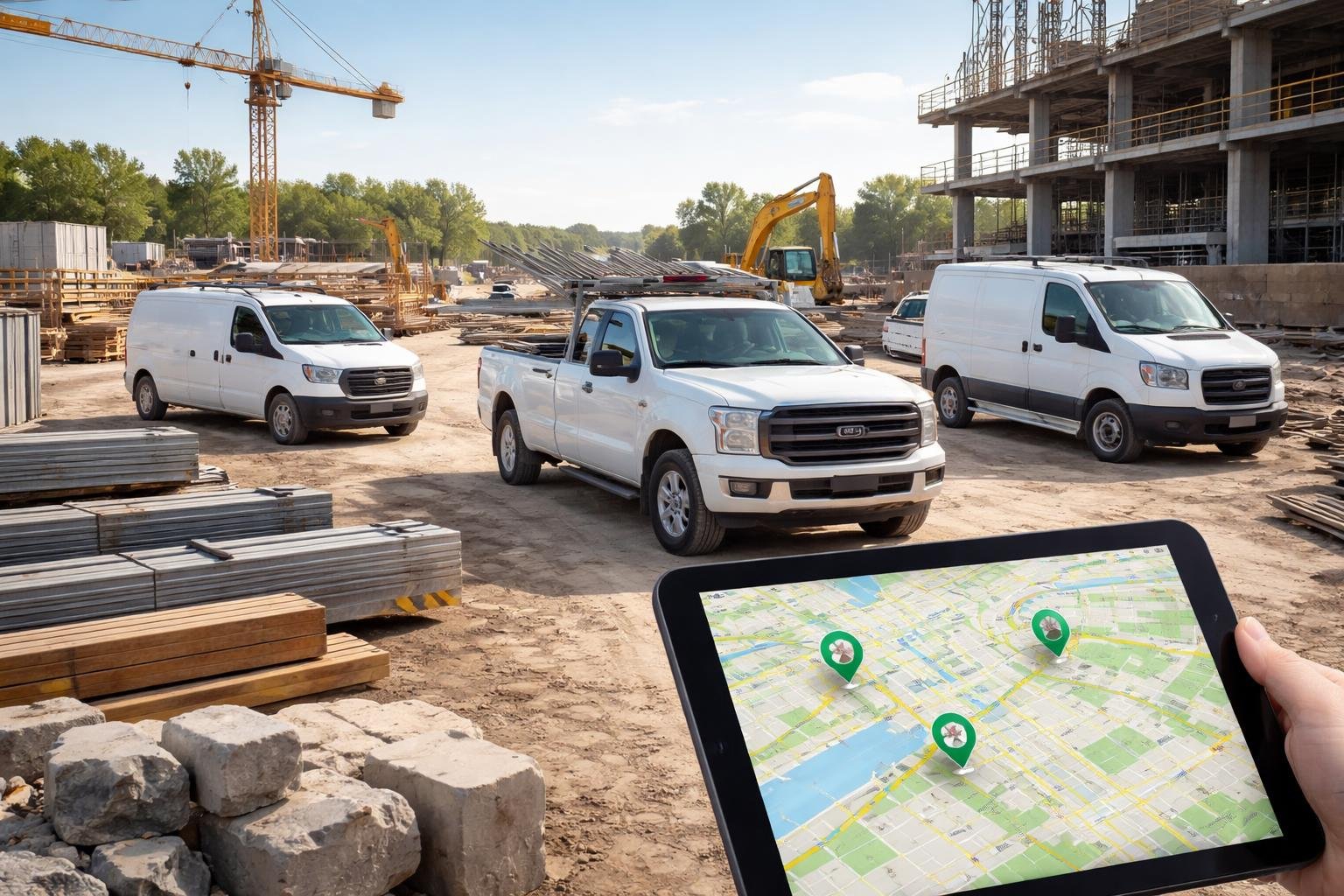
The construction industry has unique challenges that standard fleet tracking does not always solve. Heavy equipment works in tough environments, vehicles move between sites, and companies must follow regulations while maintaining expensive machinery.
Modern tracking systems use GPS hardware and management platforms to provide insights into driver behavior, equipment status, and efficiency. Knowing the available technologies and features helps companies choose solutions that fit their needs and deliver real results.
The Importance of Construction Service Vehicle Tracking
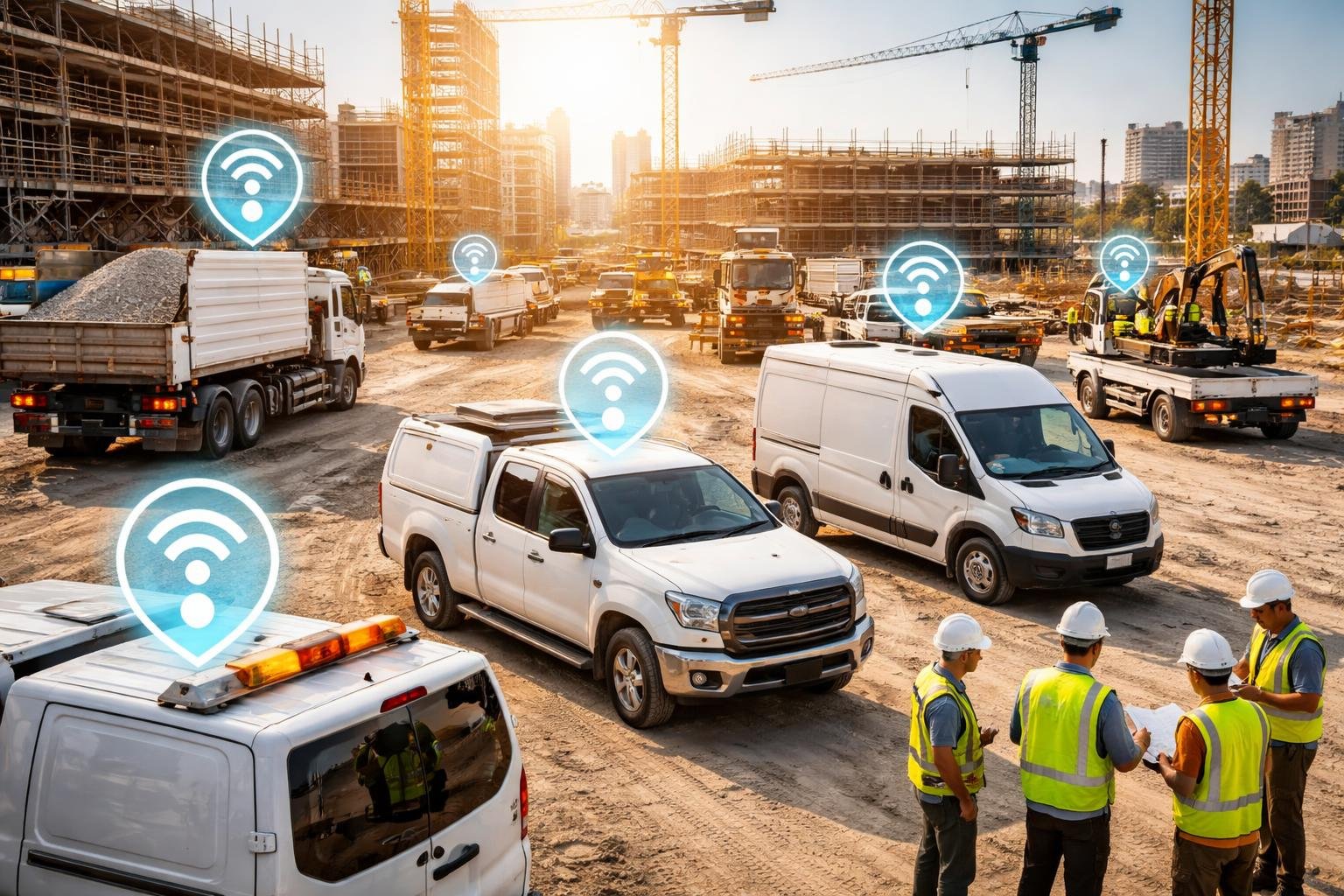
Construction companies face challenges that require precise oversight of vehicles, equipment, and workers across many job sites. Modern tracking solutions help manage these complexities and improve efficiency, cost control, and safety.
Challenges in Managing Construction Fleets
Construction fleets often work in conditions where traditional management does not work well. Job sites change often, so vehicles and equipment move between locations regularly.
This movement makes it hard to know where assets are, who is using them, and if they are used efficiently. Theft is a big risk because equipment is sometimes left at remote or unsecured sites overnight.
Without real-time location data, it is hard to recover stolen assets. Fuel costs and unauthorized vehicle use can hurt profits.
Without visibility, managers cannot spot excessive idling, unauthorized trips, or poor routing. Driver behavior also affects safety and maintenance costs, but companies often lack the data to spot problems early.
Benefits of Advanced Vehicle Tracking
Vehicle tracking systems give real-time visibility into fleet operations. Managers can instantly locate any vehicle or equipment.
This saves time searching for assets and helps coordinate between job sites. Other benefits include reduced fuel use through better routes and idle monitoring.
Job costing becomes more accurate by tracking actual time spent at each site. Theft prevention improves with geofencing alerts and location history.
Maintenance scheduling is better when based on real usage hours. Fleet tracking also increases accountability.
Managers can check arrival and departure times, monitor driver behavior, and ensure vehicles stay in work zones. This data helps with coaching and resolving client disputes.
Key Industry Statistics
Construction fleet tracking brings measurable improvements. Companies using these systems often see fuel cost reductions of 15-25% by reducing idle time and improving routes.
Vehicle maintenance costs can drop by 10-15% when schedules match actual equipment use. This reduces unexpected breakdowns.
Theft recovery rates improve with GPS tracking. Companies recover stolen equipment 80-90% of the time with these systems, compared to less than 20% without them.
Insurance premiums can go down by 5-10% when companies show active theft prevention. Driver safety also improves, with 20-30% fewer incidents related to unsafe driving in the first year.
Core Technologies Behind Vehicle Tracking
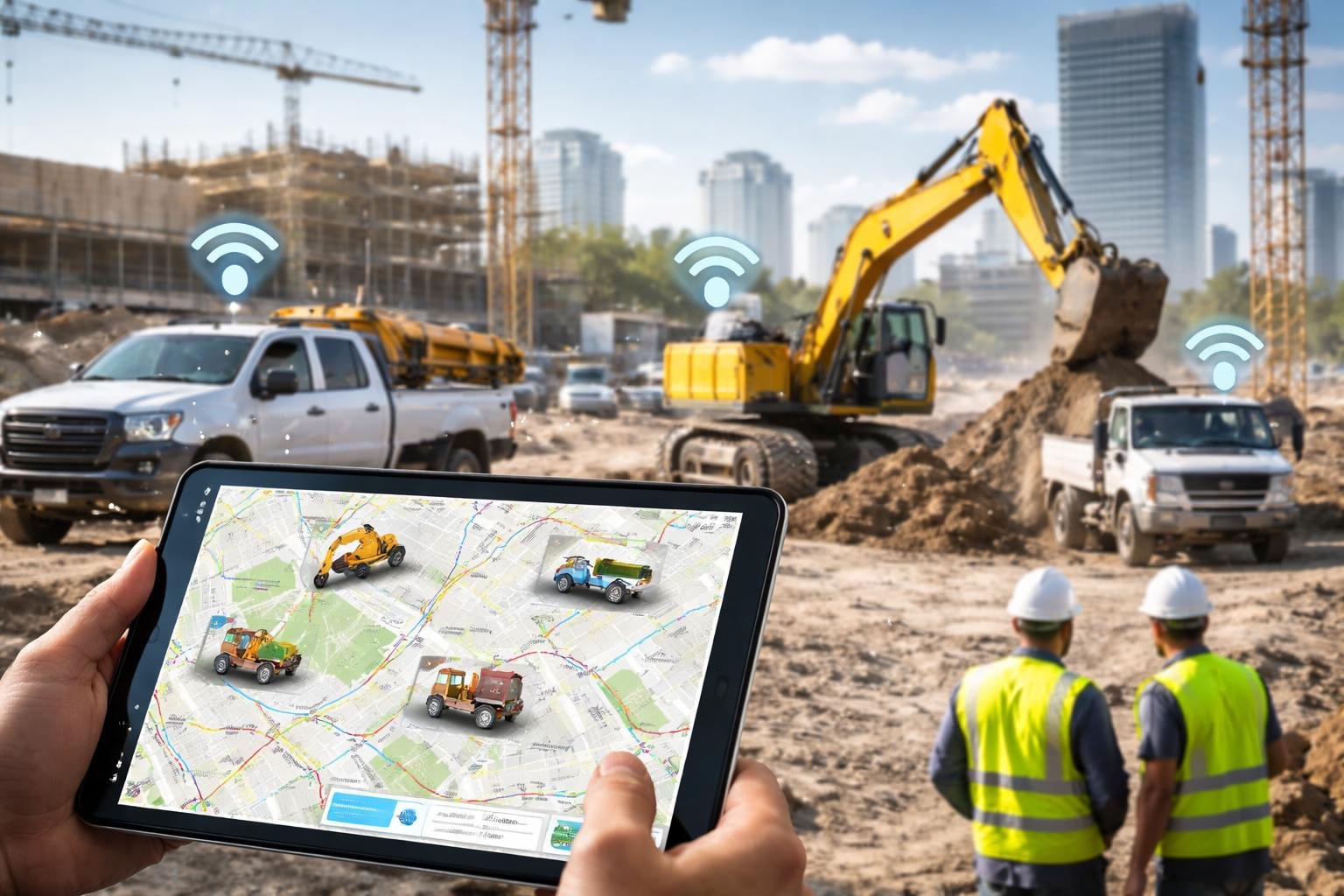
Construction vehicle tracking systems use GPS, telematics platforms, and special hardware to monitor location, usage, and equipment performance in real time.
GPS Tracking Devices for Construction Fleets
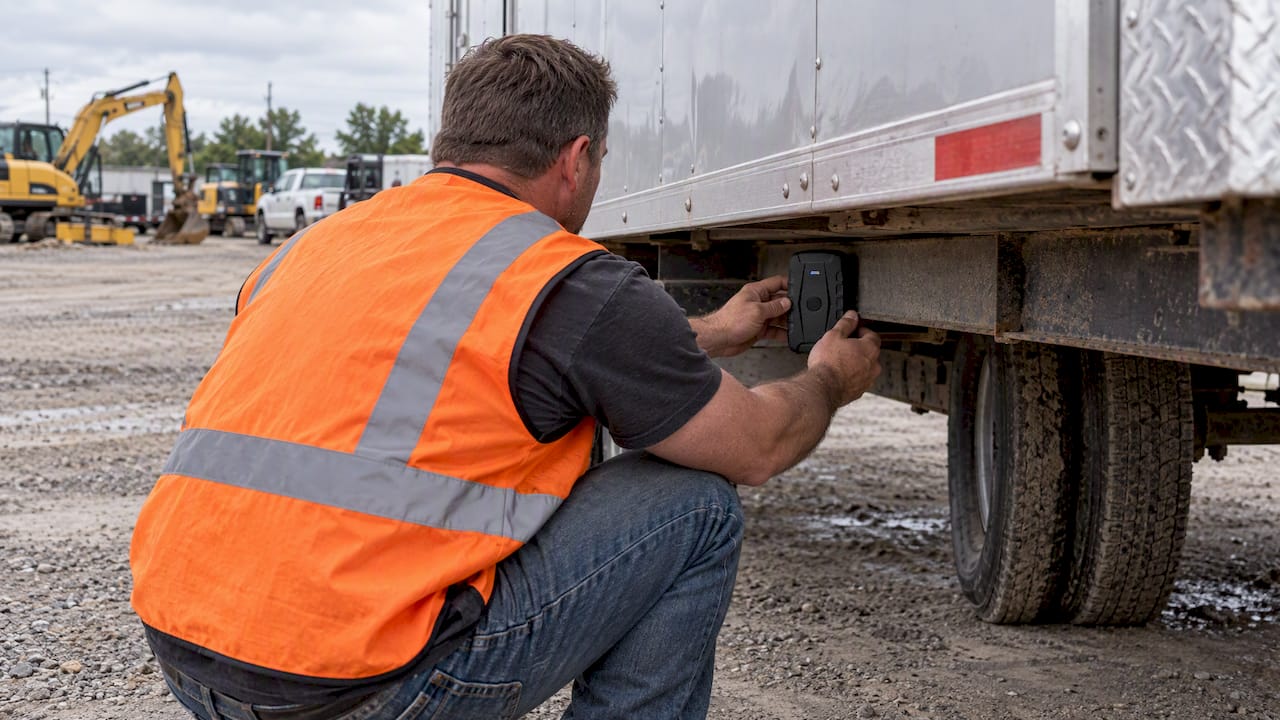
GPS tracking devices are the core of modern fleet monitoring. They receive satellite signals to find the exact location of vehicles and equipment, usually within 10-15 feet.
Companies install these units in service vehicles, which then send location data to cloud management platforms. Devices use cellular networks or satellites to send information, even from remote sites.
Most systems update position every 30 seconds to several minutes. Battery-powered units are used for equipment without a power source, while hardwired devices connect to the vehicle’s electrical system.
Advanced GPS tracking includes geofencing, which sends alerts when vehicles enter or leave certain areas. This helps managers confirm equipment is at the right site and prevents after-hours use.
Telematics and Sensor Integration
Telematics systems combine GPS tracking with onboard diagnostics and sensors to provide fleet intelligence. They collect data on engine hours, fuel use, idle time, speed, and mechanical diagnostics.
Sensors check oil pressure, coolant temperature, battery voltage, and hydraulic fluid levels. The system processes this data and identifies maintenance needs early.
Fleet managers get automated alerts about problems, which helps with preventive maintenance.
Key telematics data points include:
- Engine diagnostics and fault codes
- Fuel usage and efficiency
- Driver behavior
- Equipment utilization
- Maintenance schedule tracking
IoT connectivity lets these systems work in construction and other industries where equipment faces harsh conditions.
Types of Asset Trackers
Asset trackers come in different types for various equipment and vehicles. Hardwired trackers connect to a vehicle’s battery, providing steady power and no need for battery changes.
Battery-powered GPS trackers are flexible for equipment that moves between sites or lacks electrical systems. They last 1-5 years, depending on usage.
Solar-powered trackers use solar panels to extend battery life, making them ideal for outdoor equipment. OBD-II port trackers plug into diagnostic ports on newer vehicles, making installation easy.
Rugged units are built to handle dust, moisture, vibration, and extreme temperatures found on construction sites.
Real-Time Location and Monitoring Features
Modern construction vehicle tracking systems give managers continuous visibility through GPS-enabled monitoring and smart alerts. These platforms offer live location data, boundary notifications, visual documentation, and movement history.
Real-Time GPS Tracking and Location Updates
Real-time GPS tracking lets companies see the exact location of every vehicle and piece of equipment at any time. The technology sends location data at intervals from a few seconds to a minute.
Managers access this real-time data through dashboards or mobile apps that show vehicles on maps. These platforms display position, movement status, speed, and direction.
Live tracking helps dispatchers follow vehicles and see arrival times and possible delays. This is especially useful for operations spread across many job sites.
Supervisors can confirm equipment is at the right place and check for route changes. Fast location updates support quick decisions for dispatch and emergencies.
Geofencing and Geofence Alerts
Geofencing lets managers set virtual boundaries around job sites, yards, or restricted zones. The system sends instant alerts if vehicles enter or leave these areas.
Companies use geofence alerts to prevent unauthorized equipment movement, especially after hours. Managers get notified if a vehicle leaves a secured yard or enters an unapproved location.
Geofencing also helps track time spent at job sites for billing and payroll. The technology supports circular or custom-shaped boundaries, and alert settings can be adjusted to avoid too many notifications.
Live Dashcams and Video Telematics
Video telematics systems use dashcams with GPS tracking to give visual context for vehicle monitoring. Cameras record both inside and outside the cab, capturing driver actions and road conditions.
Live dashcams let managers view real-time video from vehicles. The system monitors for unsafe driving and sends alerts for harsh braking, rapid acceleration, or distractions.
Some systems provide feedback to drivers and recognize safe practices. Video records are useful for accident investigations and insurance claims.
Route Replay and Historical Analysis
Route replay allows managers to see the full movement history of any vehicle over time. The system shows past trips on maps, including routes, stops, and speeds.
This helps spot routing problems and confirm completed work. Companies use route replay to check timesheets, confirm service calls, and analyze fuel use.
Managers can compare planned routes with actual ones to check driver compliance and find training needs. Historical data stays available for months or years for analysis and compliance.
Fleet Management Solutions and Software Integration
Modern fleet management platforms combine telematics hardware with software for real-time visibility into locations, equipment status, and metrics. These systems handle dispatch, compliance, and financial tracking in one place.
Fleet Management Software Capabilities
Fleet management software processes data from GPS and telematics devices on vehicles and equipment. Platforms offer live location tracking, geofencing alerts, and route playback for each asset.
Most solutions include preventive maintenance scheduling based on engine hours, mileage, or time. The software sends automated service reminders and tracks repairs to cut breakdowns.
Digital vehicle inspection reports replace paper checklists, letting drivers document inspections with mobile apps. Equipment utilization reports highlight underused assets and show where machinery can be redeployed.
Construction companies often see cost reductions of 15-25% after using full fleet management solutions.
Dispatching and Crew Accountability
Dispatch modules display available vehicles and operators, their locations, and estimated arrival times. Managers assign work orders digitally and track completion without phone calls.
Driver monitoring features record harsh braking, acceleration, and idling. Some platforms have in-cab cameras that capture footage during sudden movements.
Mobile apps let field crews clock in at job sites, submit timesheets, and update task progress. The software links labor hours to projects for accurate costing and payroll.
Expense and Fuel Tracking
Fuel tracking systems connect with fleet cards or vehicle telematics. The software records each fuel purchase, including volume, cost, location, and which vehicle was filled.
Managers can spot fuel theft, unauthorized purchases, and inefficient routes that raise fuel use.
Expense tracking brings together costs for maintenance, repairs, tolls, and permits in one dashboard. Spending is categorized by vehicle, operator, or project code.
Detailed reports help companies allocate overhead and find vehicles with high operating costs.
Compliance and Regulation Support
ELD compliance features automatically record hours of service for vehicles subject to federal rules. The systems create logs that meet Department of Transportation requirements and make roadside inspections easier.
IFTA reporting tools track miles in each state and fuel purchases. Fleet management software prepares IFTA reports for tax authorities.
The platforms store driver qualification files, registration documents, and inspection certificates in digital form. Automated alerts warn managers before credentials expire or safety certifications lapse.
Maintenance Optimization and Equipment Utilization
Tracking systems help companies move from reactive to proactive maintenance. These platforms collect real-time data on engine hours, mileage, and performance.
Maintenance is scheduled based on actual needs, and underused assets are easy to spot.
Preventative and Predictive Maintenance Scheduling
Preventative maintenance follows set intervals based on hours, mileage, or dates. Fleet tracking systems use real usage data to calculate when vehicles need oil changes, tire rotations, or brake checks.
This removes guesswork and avoids unnecessary maintenance.
Predictive maintenance uses telematics to find issues before breakdowns happen. Sensors check engine diagnostics, fluid levels, battery health, and wear patterns.
The system looks for warning signs and sends maintenance alerts when problems are likely.
Companies can schedule repairs during planned downtime. This reduces emergency service calls and keeps equipment running longer.
Maintenance Reminders and Alerts
Automated maintenance reminders replace manual logs and spreadsheets. Fleet managers get notifications by app, email, or dashboard when service is due.
Alerts can be set for specific thresholds, such as 100 hours before maintenance.
Common alert triggers include:
- Engine hour milestones
- Odometer readings
- Calendar intervals
- Diagnostic codes
- Fluid level warnings
- Battery voltage drops
The platform keeps a full maintenance history for each vehicle. Some systems link with parts inventory to make sure needed parts are available.
Asset Utilization and Reduce Downtime
Utilization tracking shows which vehicles are used most and which sit idle. Platforms calculate utilization rates by comparing active hours to available hours.
Real-time location data shows where each vehicle is during the day. Managers can spot vehicles parked for long periods and reassign them or remove them from the fleet.
Proper maintenance scheduling reduces downtime. Tracking systems can cut equipment downtime by up to 35% with planned service.
Utilization monitoring and maintenance optimization help companies get the most from their fleet and keep vehicles ready for work.
Safety, Security, and Compliance Enhancements
Vehicle tracking systems help construction companies monitor driver performance, protect assets, and stay compliant with safety standards.
These tools reduce risks and create accountability across fleet operations.
Driver Safety Monitoring and Coaching
Modern tracking systems monitor driver behavior in real time using GPS and dash cameras. Metrics include harsh braking, speeding, rapid acceleration, and unsafe turns.
Fleet managers get instant alerts for risky driving.
Key monitoring features:
- Real-time speed tracking
- Cornering and braking measurements
- Seatbelt usage checks
- Idle time and distraction indicators
Driver coaching programs use this data for feedback. Managers can review incidents with drivers, using video and data to show unsafe actions.
This turns data into training that improves safety over time.
Theft Prevention and Asset Recovery
Construction equipment and vehicles are valuable and need protection. GPS tracking lets companies monitor assets 24/7 and set virtual boundaries around job sites.
Geofencing alerts managers if vehicles move outside set areas after hours. If theft happens, real-time location data helps recover assets quickly.
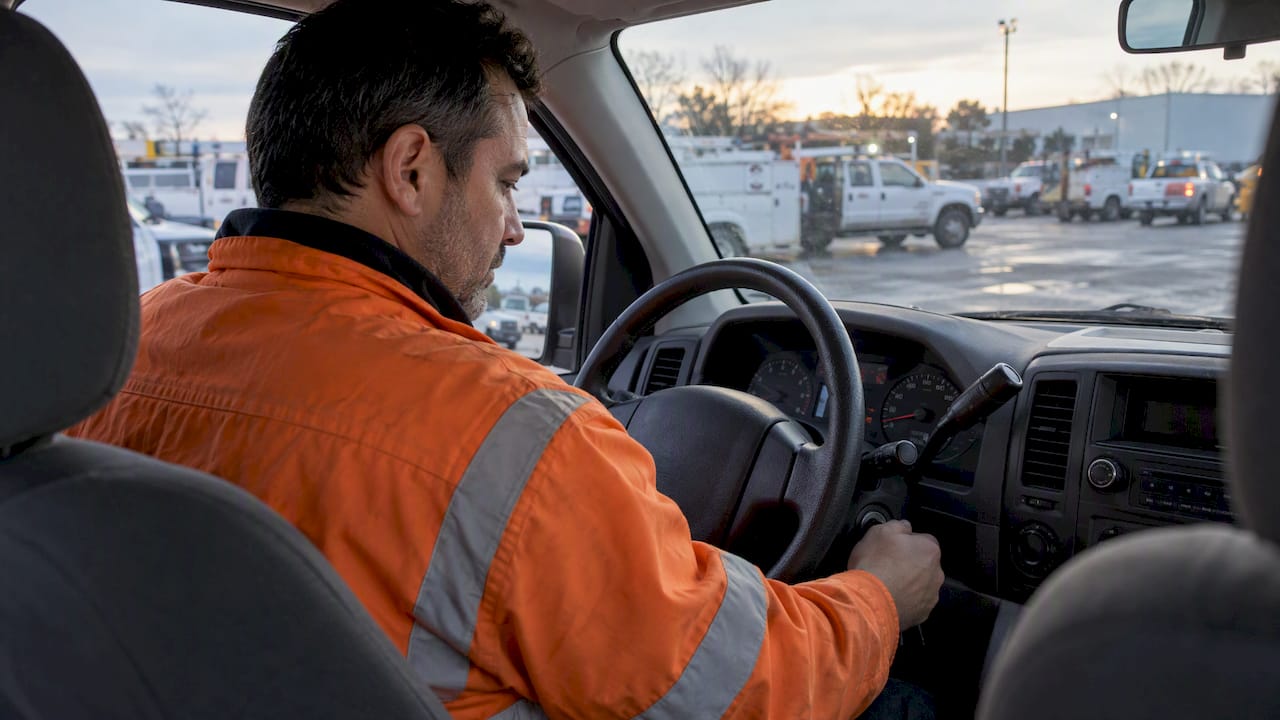
Some systems send tamper alerts if someone tries to disable the tracker. Ignition disable features can stop unauthorized starts remotely.
Driver Behavior Monitoring and Scorecards
Driver scorecards turn performance data into simple ratings. Operators are scored on safety, efficiency, and policy compliance.
Metrics include safety events per mile, fuel efficiency, inspection completion, and hours-of-service compliance.
Managers can rank drivers to find top performers and those needing training.
Scorecards make performance evaluations transparent. Companies use them for recognition, bonuses, and coaching.
Regular reviews help drivers see their trends and improve.
Choosing the Right Construction Vehicle Tracking Solution
Choosing a tracking platform means looking at provider reputation, pricing, installation needs, and contract flexibility. The solution should fit your operations and budget.
Top Providers and Transparent Pricing
Samsara offers real-time GPS, maintenance scheduling, and driver safety features. Verizon Connect provides enterprise-level tracking and strong reporting with nationwide coverage.
Motive combines GPS, electronic logging, and dash cams for full fleet visibility. Azuga offers cost-effective solutions with insurance programs and fuel management. Linxup focuses on simple tracking, and Track Your Truck provides basic GPS for small fleets.
Transparent pricing is important. Some vendors list monthly rates of $20-$40 per vehicle, while others give custom quotes. Ask for detailed pricing, including hardware, activation, monthly fees, and extra charges.
Installation, Support, and Flexibility
Installation options include plug-and-play OBD-II devices and hardwired units. OBD-II trackers are quick to install and suit light vehicles. Hardwired systems are better for heavy equipment.
Most providers offer self-install kits with tutorials and phone support. Professional installation costs $50-$150 per vehicle and ensures proper setup. Mobile tracking apps use driver smartphones but depend on user compliance.
Support varies by provider. Top platforms offer 24/7 phone and chat support, dedicated account managers, and online guides.
Companies with operations in different time zones or night shifts should pick providers with around-the-clock help.
Volume Discounts and Contract Options
Volume discounts start at different fleet sizes. Fleets of 10-25 vehicles often get 10-15% off, while those with 50+ units may see 20-30% savings. Large contracts for 100+ vehicles can include custom pricing and extra support.
No long-term contracts are common, letting companies adjust tracking as projects change. Month-to-month agreements offer flexibility.
Some vendors still require contracts of 12-36 months but may lower rates or waive fees.
Check cancellation policies, equipment return rules, and early termination fees before signing. Providers confident in their service often offer 30-day money-back guarantees or trial periods.
Request a Demo and Future-Ready Options
Construction managers should request a demo from 3-5 shortlisted providers. This helps evaluate interface usability, reporting features, and mobile app functionality using real company data.
Live demonstrations show how systems manage multiple job sites and equipment transfers. They also reveal how the system handles after-hours usage.
Trial periods of 14-30 days allow field testing with a few vehicles. This helps identify integration issues with dispatch, accounting, or payroll systems.
Future-ready platforms support API integrations and regular feature updates. Scalability is important for business growth.
Systems that use telematics standards and open architectures help avoid vendor lock-in. Cloud-based solutions provide automatic updates across all devices.