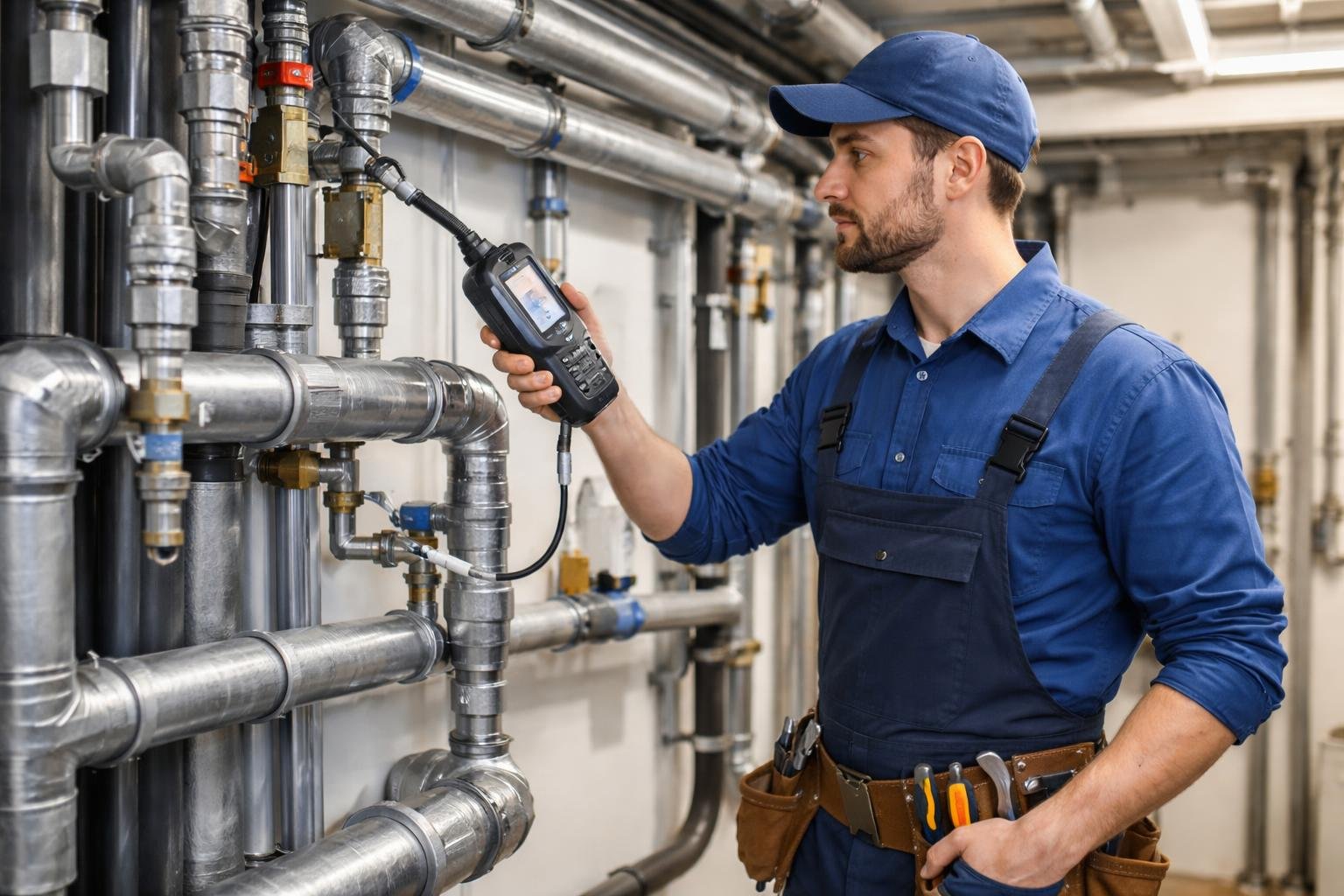
HVAC Fleet Maintenance Tracking: Essential Strategies for Service Companies in 2026
How to start saving money
Lorem ipsum dolor sit amet, consectetur adipiscing elit lobortis arcu enim urna adipiscing praesent velit viverra sit semper lorem eu cursus vel hendrerit elementum morbi curabitur etiam nibh justo, lorem aliquet donec sed sit mi dignissim at ante massa mattis.
- Neque sodales ut etiam sit amet nisl purus non tellus orci ac auctor
- Adipiscing elit ut aliquam purus sit amet viverra suspendisse potent
- Mauris commodo quis imperdiet massa tincidunt nunc pulvinar
- Excepteur sint occaecat cupidatat non proident sunt in culpa qui officia
Why it is important to start saving
Vitae congue eu consequat ac felis placerat vestibulum lectus mauris ultrices cursus sit amet dictum sit amet justo donec enim diam porttitor lacus luctus accumsan tortor posuere praesent tristique magna sit amet purus gravida quis blandit turpis.

How much money should I save?
At risus viverra adipiscing at in tellus integer feugiat nisl pretium fusce id velit ut tortor sagittis orci a scelerisque purus semper eget at lectus urna duis convallis. porta nibh venenatis cras sed felis eget neque laoreet suspendisse interdum consectetur libero id faucibus nisl donec pretium vulputate sapien nec sagittis aliquam nunc lobortis mattis aliquam faucibus purus in.
- Neque sodales ut etiam sit amet nisl purus non tellus orci ac auctor
- Adipiscing elit ut aliquam purus sit amet viverra suspendisse potenti
- Mauris commodo quis imperdiet massa tincidunt nunc pulvinar
- Adipiscing elit ut aliquam purus sit amet viverra suspendisse potenti
What percentege of my income should go to savings?
Nisi quis eleifend quam adipiscing vitae aliquet bibendum enim facilisis gravida neque. Velit euismod in pellentesque massa placerat volutpat lacus laoreet non curabitur gravida odio aenean sed adipiscing diam donec adipiscing tristique risus. amet est placerat in egestas erat imperdiet sed euismod nisi.
“Nisi quis eleifend quam adipiscing vitae aliquet bibendum enim facilisis gravida neque velit euismod in pellentesque”
Do you have any comments? Share them with us on social media
Eget lorem dolor sed viverra ipsum nunc aliquet bibendum felis donec et odio pellentesque diam volutpat commodo sed egestas aliquam sem fringilla ut morbi tincidunt augue interdum velit euismod eu tincidunt tortor aliquam nulla facilisi aenean sed adipiscing diam donec adipiscing ut lectus arcu bibendum at varius vel pharetra nibh venenatis cras sed felis eget.
HVAC service businesses rely on their vehicle fleets to reach customers quickly and complete jobs efficiently. When service vans break down or miss routine maintenance, technicians can't reach job sites and customers experience delays.
These disruptions increase repair costs and impact revenue and customer satisfaction.
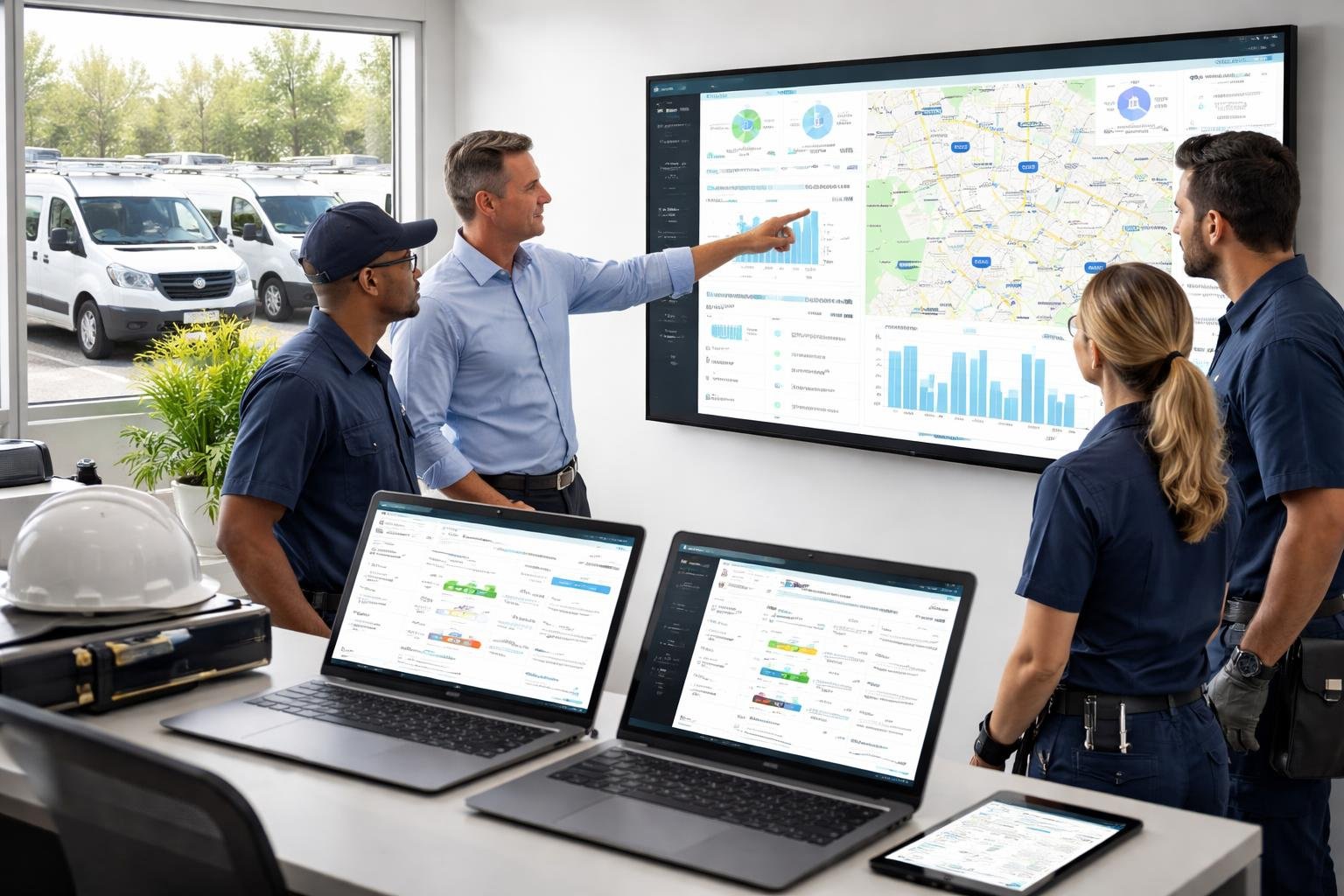
Fleet maintenance tracking systems help HVAC companies monitor service schedules, vehicle conditions, and maintenance history in one platform. Modern solutions combine GPS tracking, automated maintenance alerts, and digital records to give fleet managers full visibility into their operations.
This technology enables businesses to shift from reactive repairs to proactive maintenance.
The right tracking system helps HVAC contractors manage multiple vehicles, coordinate technician schedules, and control costs. Knowing how these systems work and which features matter most helps businesses choose the best solution for their needs.
Understanding HVAC Fleet Maintenance Tracking
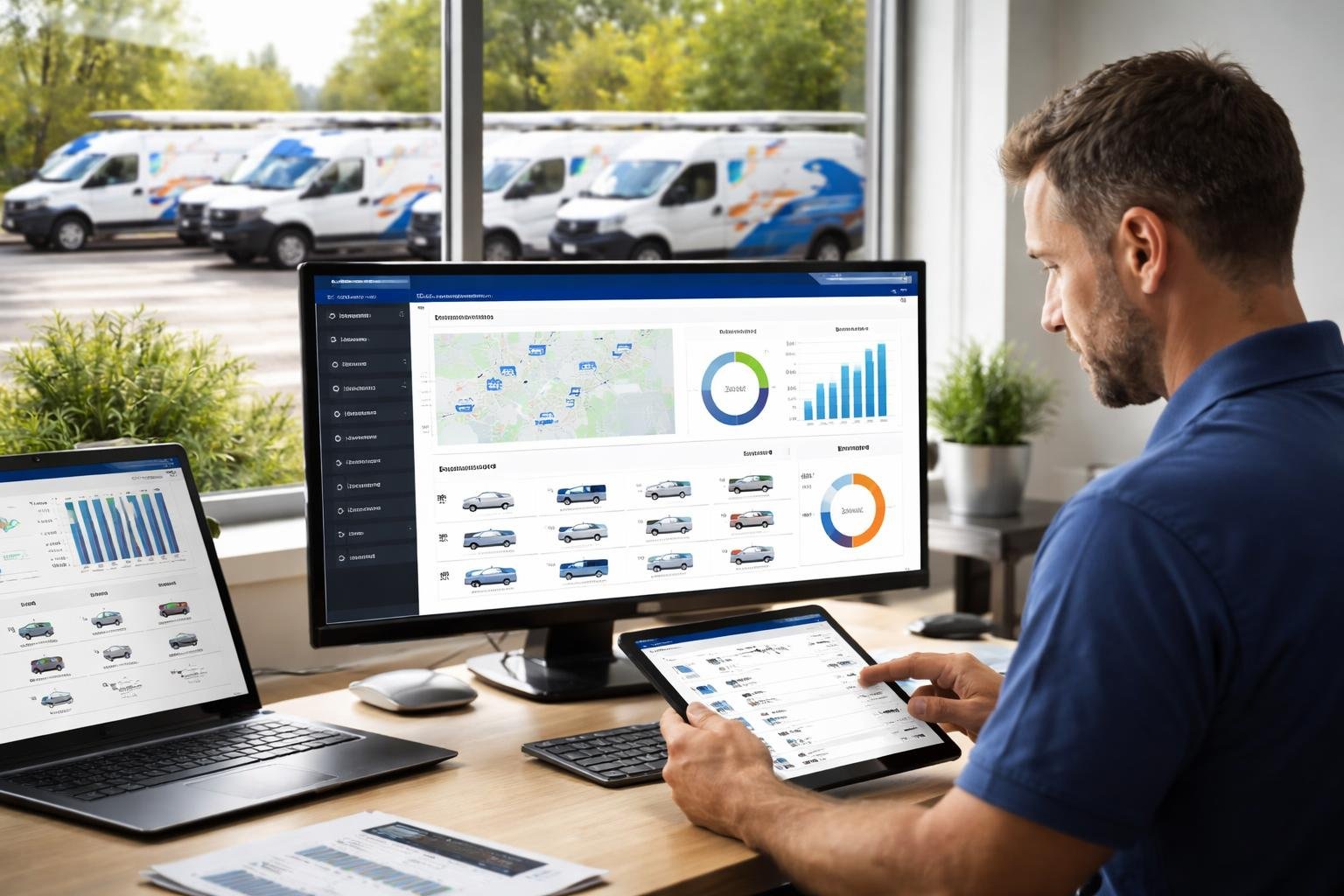
HVAC fleet maintenance tracking uses vehicle monitoring technology and scheduled maintenance to keep service vehicles running reliably. This helps businesses prevent breakdowns, manage costs, and deliver consistent service.
What Is HVAC Fleet Maintenance Tracking
HVAC fleet maintenance tracking is a system that monitors and manages all maintenance for service vehicles and equipment. The system records maintenance history, schedules preventive service, and tracks vehicle health in real time.
These platforms often integrate GPS tracking with maintenance management software. Fleet managers monitor engine diagnostics, odometer readings, and service intervals from a central dashboard.
The system sends automatic alerts when vehicles reach certain mileage or time-based service intervals. This covers oil changes, tire rotations, brake inspections, and other routine tasks.
Modern solutions keep digital records of all repairs, part replacements, and inspection reports. This creates a complete maintenance history for every vehicle.
Key Benefits for HVAC Businesses
Cost reduction is a major benefit of fleet maintenance tracking. Preventive maintenance costs less than emergency repairs or replacing neglected vehicles.
Properly maintained vehicles use less fuel. Clean air filters, correct tire pressure, and regular tune-ups boost fuel efficiency.
Vehicle uptime increases with planned maintenance schedules. Technicians spend more time serving customers and less time dealing with breakdowns.
The system extends vehicle lifespan by catching problems early. Fleet managers can spot patterns that show developing issues.
Compliance management is easier with automated records. The software keeps documentation for regulatory inspections and warranty claims.
Benefit CategoryImpactMaintenance Costs15-20% reduction in annual expensesVehicle DowntimeUp to 30% decrease in unplanned repairsFuel Efficiency5-10% improvement through proper maintenance
Impact on Service Quality and Customer Satisfaction
Well-maintained HVAC vehicles arrive on time and complete jobs without delays. Technicians have the tools and equipment they need in reliable vehicles.
Vehicle breakdowns cause service delays that frustrate customers. Maintenance tracking helps avoid these disruptions.
Clean, well-maintained vehicles look professional and build trust with customers.
Accurate arrival time estimates are possible when dispatchers know vehicles are reliable. Tracking systems provide real-time location data for better scheduling.
Customer satisfaction improves when HVAC businesses deliver consistent, on-time service.
Core Features of HVAC Fleet Maintenance Tracking Systems
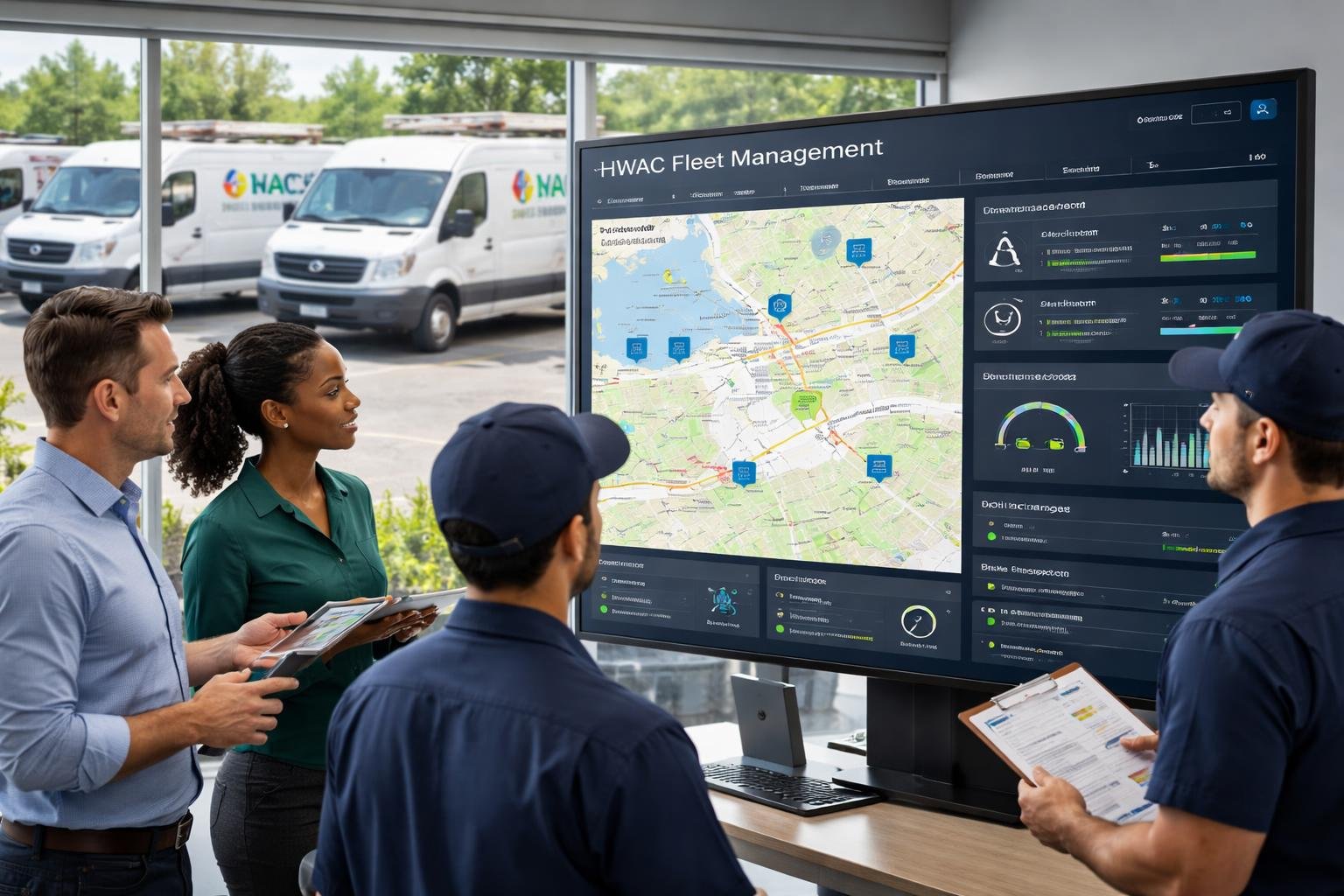
Modern tracking systems combine GPS technology with automated scheduling and diagnostics to help HVAC companies reduce downtime and control costs. These platforms centralize vehicle data, maintenance records, and performance metrics in one place.
Real-Time GPS and Asset Tracking
Real-time GPS tracking shows vehicle locations throughout the workday. Fleet managers can monitor routes, verify job site arrivals, and optimize dispatch based on actual positions.
Asset tracking monitors all vehicles and trailers in the fleet. The system records usage patterns, tracks mileage, and calculates total cost of ownership for each asset.
Fleet managers can spot underused vehicles and make informed decisions about fleet size.
GPS tracking software works with dispatch systems to give customers accurate arrival times. This improves communication and reduces status update calls.
Maintenance Scheduling and Alerts
Preventive maintenance scheduling automates service intervals based on mileage, engine hours, or dates. Fleet software creates work orders when vehicles approach scheduled maintenance thresholds.
Maintenance alerts notify managers by email, text, or dashboard when service is due. The system tracks multiple maintenance types, including manufacturer services, DOT inspections, and registration renewals.
Fleet tracking software keeps complete maintenance histories for each vehicle. This helps identify recurring problems and guides decisions about vehicle replacement.
Managers can also track warranty coverage and ensure authorized repairs.
Vehicle Health Monitoring
Telematics devices provide real-time data on engine performance, fault codes, and system malfunctions. These devices connect to vehicles to monitor coolant temperature, battery voltage, and transmission health.
Early detection of issues allows repairs before failures occur.
Maintenance systems also track idle time, harsh braking, and rapid acceleration. This data helps identify drivers who need training and highlights fuel-wasting habits.
Fleet efficiency improves when managers address these issues.
Comprehensive Reporting and Analytics
Fleet software generates detailed reports on fuel use, maintenance expenses, and vehicle utilization. Reports break down costs by vehicle or time period to reveal spending trends.
Managers can export data for further analysis.
Performance dashboards show key metrics like repair costs, downtime, and compliance rates. Visual tools turn data into charts and graphs for quick insights.
Custom reports can be sent automatically to stakeholders.
GPS Tracking and Vehicle Location Technologies
GPS tracking systems give HVAC fleet managers continuous visibility into vehicle locations and driving patterns. Modern telematics platforms collect data every 30 seconds, allowing precise monitoring and route optimization that can cut fuel costs by 20-30%.
How GPS Fleet Tracking Works
GPS tracking uses satellite positioning and wireless networks to transmit location data. Each fleet vehicle gets a GPS device that captures coordinates, speed, direction, and time stamps.
The device communicates with GPS satellites to determine position. This information is sent to central servers through cellular networks, where software displays it on maps.
Most systems update location data every 30 to 60 seconds.
Desktop and mobile apps compile data from all vehicles into one dashboard. Fleet managers can view positions, review routes, and access reports on driving behavior, idle time, and mileage.
Real-Time Location Data and Geofencing
Real-time tracking helps dispatchers find the nearest technician for emergency calls. This reduces response times and boosts efficiency.
Geo-fencing creates virtual boundaries around areas like customer sites or company facilities. The system sends alerts when vehicles enter or exit these zones.
HVAC businesses use these notifications to verify arrival times, monitor unauthorized use, and confirm technicians stay within service areas.
Advantages of Telematics in HVAC Fleets
Telematics systems go beyond GPS tracking to capture vehicle and driver performance data. They monitor engine diagnostics, fuel use, harsh braking, rapid acceleration, and maintenance needs.
Key telematics benefits for HVAC operations:
- Maintenance alerts for oil changes, tire rotations, or scheduled service based on mileage or engine hours
- Fuel monitoring to spot excessive idling and inefficient driving
- Driver behavior analysis for speeding and safety concerns
- Route optimization to reduce miles driven and improve schedules
Fleet managers use this data to identify trends, compare driver performance, and make informed decisions about vehicle replacement and fleet size.
Optimizing Maintenance Operations
Effective maintenance relies on strategic scheduling and data-driven approaches that minimize downtime and control costs. Modern tracking systems help HVAC fleet managers move from reactive to proactive maintenance.
Preventive and Predictive Maintenance
Preventive maintenance follows schedules based on time or mileage to service vehicles before problems occur. This reduces unexpected breakdowns and extends vehicle life.
Predictive maintenance uses real-time data to monitor actual vehicle conditions. Fleet managers track engine hours, diagnostic codes, and performance metrics to spot issues early.
Condition-based monitoring checks fluid levels, tire pressure, and battery health. Maintenance alerts are triggered only when needed, avoiding unnecessary servicing.
Automated Scheduling and Service Reminders
Automated systems generate maintenance alerts based on vehicle usage. This removes manual tracking and reduces paperwork.
Digital scheduling tools coordinate maintenance with vehicle availability and technician workloads. The system can schedule non-urgent maintenance during slower periods.
Key automation features:
- Automatic work order generation
- Vendor coordination and appointment booking
- Parts inventory tracking and ordering
- Maintenance history documentation
- Compliance deadline tracking
These tools help ensure no vehicle misses service while optimizing shop schedules.
Downtime Reduction Strategies
Reducing downtime requires planning that balances maintenance and operations. Fleet managers schedule preventive services during off-peak hours or rotate vehicles through maintenance.
Downtime costs include lost revenue and customer service impacts. A single van out of service can delay appointments and reduce revenue.
Mobile maintenance services bring repairs to vehicles when possible. Emergency repair protocols prioritize critical vehicles for fast turnaround.
Parts inventory management keeps common components in stock to avoid delays.
Real-time tracking identifies underused vehicles that can fill in for those under maintenance, maintaining service coverage.
Improving Fleet Safety and Compliance
Fleet safety management protects HVAC technicians and reduces liability and insurance costs. Modern tracking systems monitor driving behaviors and provide automated compliance reporting to meet regulatory requirements.
Driver Safety Assessment and Reports
Driver safety scores measure individual performance based on behaviors like harsh braking, rapid acceleration, speeding, and cornering. Scores usually range from 0-100, with algorithms weighing different infractions by severity and frequency.
Automated safety reports summarize this data weekly or monthly for fleet managers. These reports highlight drivers who need additional training and recognize top performers.
Driver behavior reports track more than just safety scores. They include idling time, seatbelt usage, after-hours vehicle use, and speed limit adherence.
This detailed data helps managers understand each driver's habits. It also creates accountability through objective measurement.
Monitoring and Coaching Driving Behavior
Real-time monitoring captures driving events as they happen using telematics sensors and GPS data. The system flags harsh braking, rapid acceleration, sharp turns, and speeding incidents immediately.
AI-powered dashcams record video footage when sudden movements or unsafe behaviors occur. These cameras provide visual evidence and context for each incident.
Some systems include both forward-facing and driver-facing cameras. This setup captures both road conditions and in-cab distractions.
Coaching programs use collected data to give targeted feedback to drivers. Managers can review specific incidents with technicians and explain the safety risks.
Regular coaching based on objective data helps drivers improve their skills. It also reduces defensive reactions during feedback sessions.
Safety Integrations and Real-Time Alerts
Integration with asset management systems links driver behavior to vehicle maintenance and compliance tracking. This ensures that safety inspections stay current and equipment is properly maintained.
Real-time alerts notify managers immediately when safety thresholds are exceeded. For example, managers receive instant notifications for speeding, entering restricted areas, or multiple harsh braking events.
Compliance automation generates required documentation for regulatory bodies. The system tracks hours of service, vehicle inspections, and maintenance schedules, then produces reports that meet industry standards.
Cost Control and Fleet Productivity
Fleet tracking systems help HVAC companies reduce operational expenses and improve technician output. These systems address cost centers like fuel use, vehicle overhead, and daily workflow efficiency.
Fuel Management and Route Optimization
Fuel is one of the largest ongoing expenses for HVAC fleets. GPS tracking systems identify wasteful behaviors like excessive idling, speeding, and unauthorized vehicle use.
Companies often see immediate fuel savings when drivers know their habits are monitored. Route optimization features calculate the most efficient paths between service calls.
This technology considers traffic, appointment windows, and technician locations to reduce unnecessary mileage. Fewer miles driven means lower fuel costs and less vehicle wear.
Real-time data helps dispatchers assign jobs based on proximity. When a new urgent call comes in, the system identifies the closest available technician.
This prevents vehicles from crisscrossing service areas or backtracking unnecessarily.
Managing Fleet Operational Expenses
Fleet maintenance tracking systems help control various operational costs.
Direct Vehicle Expenses
- Scheduled maintenance alerts prevent costly emergency repairs.
- Tire rotation and oil change reminders extend component lifespan.
- Registration and insurance tracking avoid penalties.
Asset Management
- Asset trackers monitor equipment location and help prevent tool theft.
- Inventory management reduces duplicate purchases.
- Utilization reports identify underused assets.
Operational visibility into these expenses allows managers to make informed decisions. They can compare costs across vehicle models, track frequent repairs, and plan optimal replacement timing.
This process helps avoid both early vehicle retirement and excessive spending on aging units.
Increasing Productivity with Fleet Tracking
Fleet tracking systems boost productivity by eliminating time-wasting activities. Automated time tracking records technician arrivals and job durations, providing accurate billing and performance data.
Managers can verify that teams start on time and take proper breaks. The system confirms that vehicles travel directly between appointments without unauthorized stops.
This accountability encourages efficient work habits. Dispatchers can update technicians about schedule changes or urgent calls without lengthy phone conversations.
They can also provide customers with accurate arrival estimates. When technicians finish jobs early, dispatchers can assign additional calls to increase billed hours per day.
Choosing and Implementing an HVAC Fleet Maintenance Tracking Solution
Selecting the right fleet management software requires careful evaluation of features, compatibility, and costs. Strategic implementation helps minimize disruption and maximize adoption.
Success depends on thorough vendor assessment and structured deployment planning.
Evaluating Fleet Management Software Options
HVAC companies should choose platforms that combine GPS tracking with maintenance scheduling, work order management, and inventory control. The software should handle automatic service reminders, track repair histories, and integrate with existing business systems.
Core features to look for include real-time location tracking, customizable maintenance schedules, mobile access for technicians, and detailed reporting. The platform should allow alerts for preventive maintenance, oil changes, tire rotations, and inspection deadlines.
Pricing varies between providers. Some charge per vehicle monthly, while others offer tiered packages based on fleet size and features.
Companies should request demonstrations using their fleet data to assess usability and spot limitations.
Key evaluation criteria:
- Vehicle tracking accuracy and update frequency
- Maintenance workflow automation
- Mobile app functionality for field technicians
- Integration with accounting and dispatch systems
- Customer support availability
- Scalability for future fleet growth
Best Practices for Integration and Rollout
Start with a pilot program involving 10-20% of the fleet to identify issues before full deployment. This approach refines processes and allows incremental staff training.
Data migration involves transferring maintenance records, vehicle specifications, and service histories into the new system. Companies should verify data accuracy and set standardized naming conventions.
Training should target three groups: managers, dispatchers, and technicians. Each group needs instruction focused on their daily tasks.
Implementation timeline:
- Week 1-2: Install GPS devices and configure software.
- Week 3-4: Migrate data and train staff.
- Week 5-6: Run pilot program with selected vehicles.
- Week 7-8: Address issues and expand to the full fleet.
Measuring Return on Investment
HVAC fleet management delivers measurable returns. These include reduced fuel consumption, lower maintenance costs, and improved technician productivity.
Companies should track specific metrics each month. This helps quantify the financial impact.
Maintenance costs typically drop by 10-15% when preventive schedules replace reactive repairs. Fuel savings average 8-12% with better routing and less idling.
Vehicle lifespan often extends by 20-30% with consistent maintenance. Labor efficiency improves when dispatchers use real-time technician locations.
Service completion rates usually rise by one or two jobs per technician daily. Emergency breakdown costs decrease because the system flags vehicles needing attention before failures happen.
Track these metrics to calculate ROI: total maintenance expenses per vehicle, average fuel costs per mile, unplanned downtime hours, customer appointment accuracy, and technician utilization percentages. Most HVAC companies recover their investment within 8-14 months of full implementation.