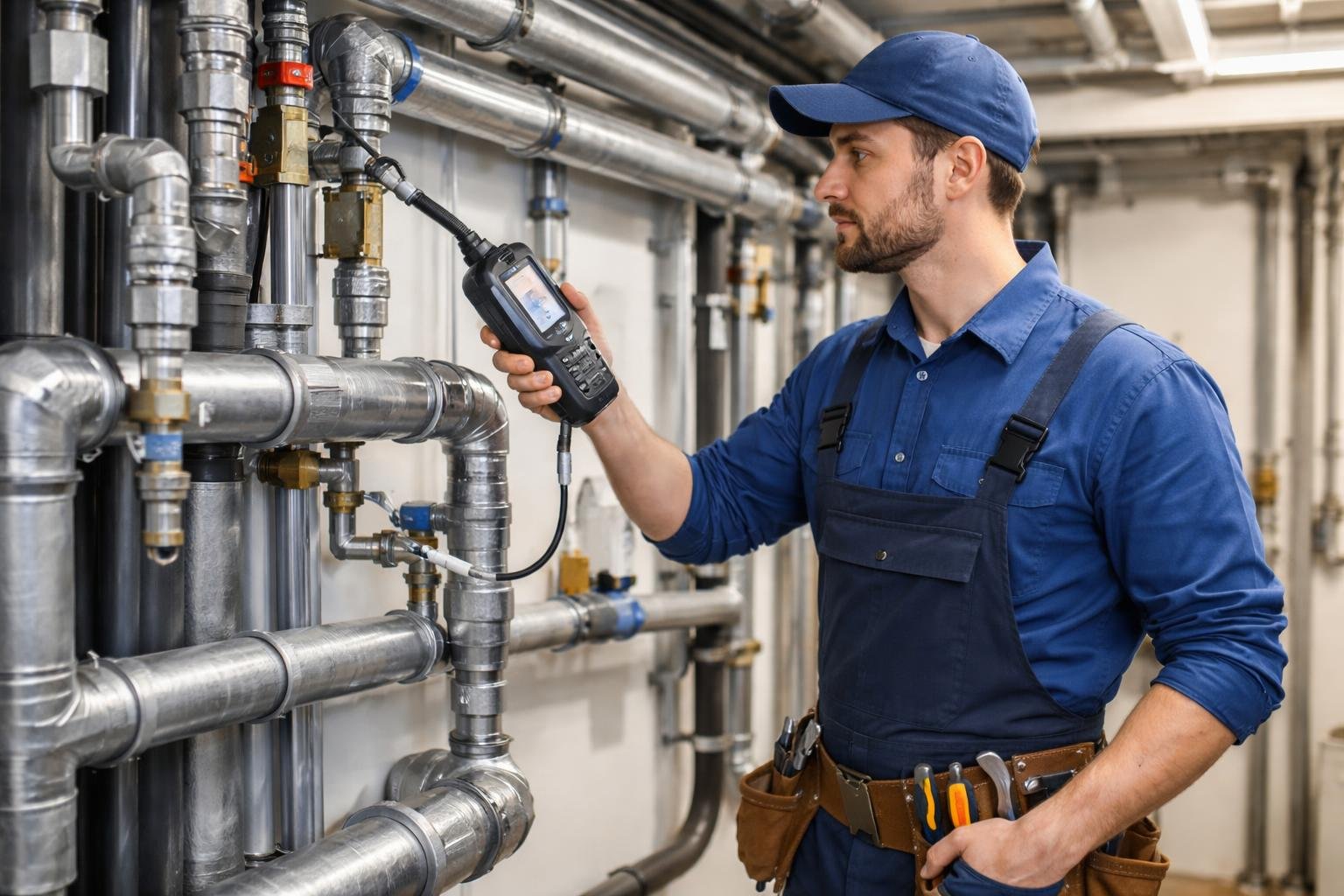
HVAC Fleet Analytics: Optimizing Performance and Reducing Operational Costs
How to start saving money
Lorem ipsum dolor sit amet, consectetur adipiscing elit lobortis arcu enim urna adipiscing praesent velit viverra sit semper lorem eu cursus vel hendrerit elementum morbi curabitur etiam nibh justo, lorem aliquet donec sed sit mi dignissim at ante massa mattis.
- Neque sodales ut etiam sit amet nisl purus non tellus orci ac auctor
- Adipiscing elit ut aliquam purus sit amet viverra suspendisse potent
- Mauris commodo quis imperdiet massa tincidunt nunc pulvinar
- Excepteur sint occaecat cupidatat non proident sunt in culpa qui officia
Why it is important to start saving
Vitae congue eu consequat ac felis placerat vestibulum lectus mauris ultrices cursus sit amet dictum sit amet justo donec enim diam porttitor lacus luctus accumsan tortor posuere praesent tristique magna sit amet purus gravida quis blandit turpis.

How much money should I save?
At risus viverra adipiscing at in tellus integer feugiat nisl pretium fusce id velit ut tortor sagittis orci a scelerisque purus semper eget at lectus urna duis convallis. porta nibh venenatis cras sed felis eget neque laoreet suspendisse interdum consectetur libero id faucibus nisl donec pretium vulputate sapien nec sagittis aliquam nunc lobortis mattis aliquam faucibus purus in.
- Neque sodales ut etiam sit amet nisl purus non tellus orci ac auctor
- Adipiscing elit ut aliquam purus sit amet viverra suspendisse potenti
- Mauris commodo quis imperdiet massa tincidunt nunc pulvinar
- Adipiscing elit ut aliquam purus sit amet viverra suspendisse potenti
What percentege of my income should go to savings?
Nisi quis eleifend quam adipiscing vitae aliquet bibendum enim facilisis gravida neque. Velit euismod in pellentesque massa placerat volutpat lacus laoreet non curabitur gravida odio aenean sed adipiscing diam donec adipiscing tristique risus. amet est placerat in egestas erat imperdiet sed euismod nisi.
“Nisi quis eleifend quam adipiscing vitae aliquet bibendum enim facilisis gravida neque velit euismod in pellentesque”
Do you have any comments? Share them with us on social media
Eget lorem dolor sed viverra ipsum nunc aliquet bibendum felis donec et odio pellentesque diam volutpat commodo sed egestas aliquam sem fringilla ut morbi tincidunt augue interdum velit euismod eu tincidunt tortor aliquam nulla facilisi aenean sed adipiscing diam donec adipiscing ut lectus arcu bibendum at varius vel pharetra nibh venenatis cras sed felis eget.
HVAC companies managing service fleets face pressure to reduce costs and improve response times. They also strive to maximize vehicle utilization.
Traditional fleet management often relies on manual tracking and reactive maintenance. This can lead to inefficiencies and unexpected expenses.
HVAC fleet analytics changes this by collecting and interpreting real-time data on vehicle performance, maintenance needs, technician productivity, and route efficiency.

Fleet analytics systems gather information from various sources and present it on centralized dashboards. These platforms track metrics like fuel use, idle time, maintenance schedules, and service completion rates.
Managers use this information to spot trends and eliminate waste. They can make informed decisions about fleet investments.
Data-driven fleet management has become essential for HVAC contractors. By using analytics, service businesses can improve operations and raise customer satisfaction.
Understanding HVAC Fleet Analytics
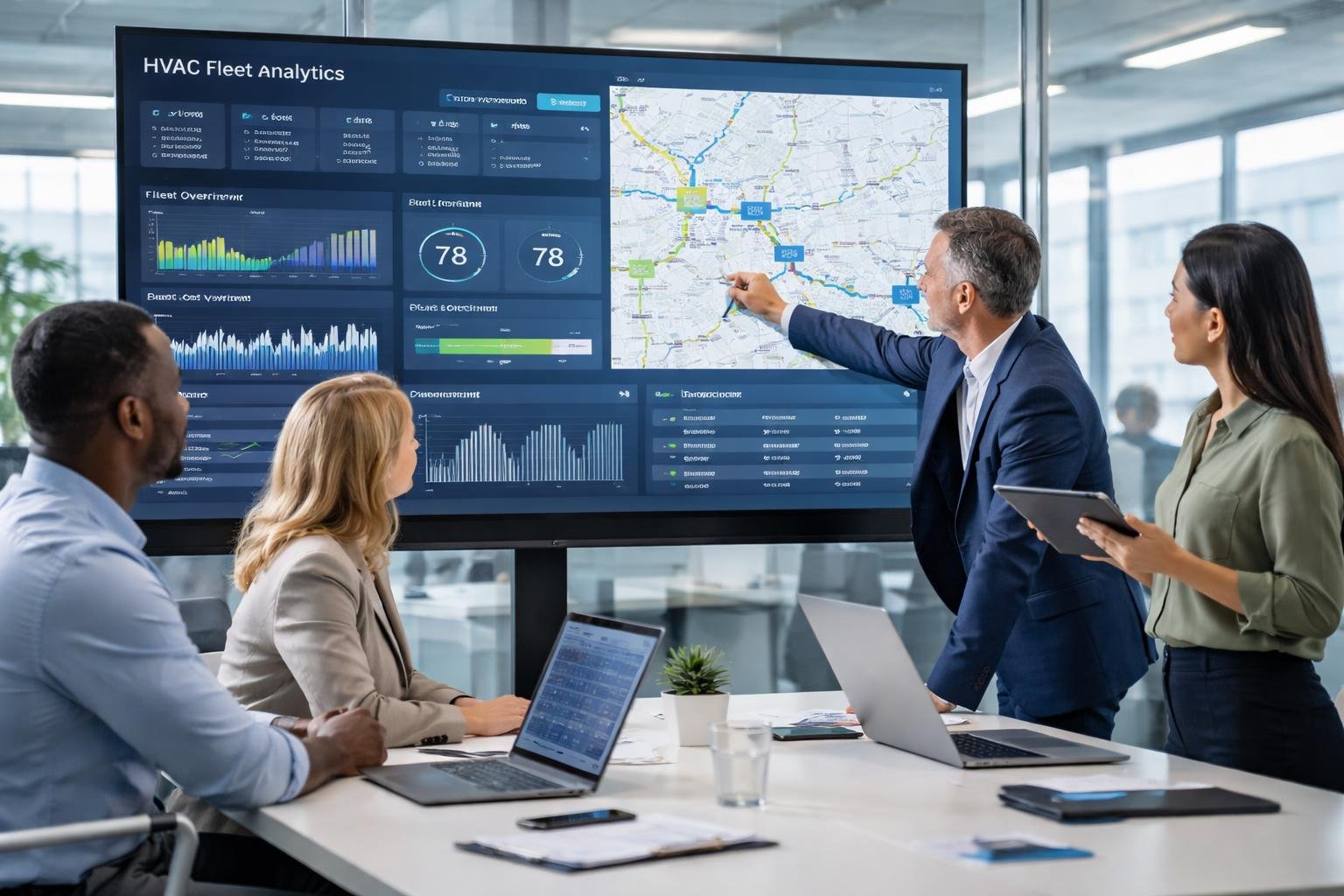
HVAC fleet analytics turns raw operational data into actionable insights. These insights help companies boost efficiency, cut costs, and improve service delivery.
Companies use analytics to monitor vehicle performance, track technician productivity, and optimize routes in real time.
What Is HVAC Fleet Analytics
HVAC fleet analytics is a tool that combines fleet performance data into one platform. The system gathers information from GPS trackers, telematics, maintenance records, and fuel consumption logs.
Managers see dashboards showing vehicle locations, idle time, route efficiency, and technician activities. This removes the need to check multiple reports or disconnected data sources.
The software provides real-time updates and historical trends. It also uses predictive analytics to spot issues before breakdowns happen.
These systems analyze vehicle health data to forecast maintenance needs and avoid unexpected downtime.
The Importance of Data-Driven Decision Making
Data-driven decision making uses measurable evidence instead of guesswork. Service managers can identify cost trends and route efficiency.
They also allocate resources based on real performance metrics. Analytics show which vehicles use too much fuel, which routes are busiest, and which technicians are most productive.
Companies use these insights to standardize vehicle upgrades, adjust dispatch strategies, and plan maintenance. Fleet analytics help reduce fuel costs, cut downtime, and extend equipment life.
Core Metrics and KPIs for Fleet Performance
Important KPIs for HVAC fleet management include:
- Vehicle utilization rate: Time vehicles spend on revenue-generating activities
- Fuel consumption per mile: Measures efficiency and flags vehicles needing attention
- Maintenance cost per vehicle: Tracks repair expenses and replacement timing
- Average response time: How quickly technicians reach service calls
- Idle time percentage: Shows wasted fuel and unproductive hours
Other metrics include equipment uptime, service completion rates, and route optimization effectiveness. Maintenance costs are especially important since they affect profits and operations.
Automated reporting systems track these metrics and alert managers when performance drops. Regular review helps improve fleet operations.
Key Components of Effective HVAC Fleet Analytics

Effective HVAC fleet analytics depend on three main elements. Vehicle tracking, centralized performance dashboards, and operational trend reporting work together to monitor and optimize fleet operations.
Vehicle Tracking and GPS Fleet Tracking
GPS fleet tracking gives real-time visibility into vehicle locations and routes. Managers can monitor technician arrivals and job completion times.
Vehicle tracking systems record data like mileage, idle time, speed, and route efficiency. This information helps reduce fuel use and improve scheduling.
Modern GPS tracking can connect with dispatch systems to assign the nearest technician to service calls. This reduces travel time and increases completed jobs per day.
The system also creates an audit trail for billing accuracy and customer service.
Fleet Performance Dashboards
Fleet performance dashboards combine data from different sources into one view. They show key metrics like vehicle health, technician productivity, and costs.
Managers can customize dashboards to focus on specific goals. Color-coded alerts highlight urgent issues such as overdue maintenance or high idle time.
Real-time updates give managers the latest information for daily decisions. Comparing current and past data helps with long-term planning.
Operational Trend Reporting
Operational trend reporting looks at historical data to find patterns in fleet performance. It can reveal seasonal changes in service demand or recurring maintenance issues.
Trend reports help managers set benchmarks and track progress. Comparing current metrics to past averages shows the effects of policy changes or new equipment.
Predictive analytics in these reports can forecast future maintenance needs. This lets managers schedule preventive maintenance during slow periods and avoid service disruptions.
Optimizing Fleet Operations Through Analytics
Analytics help HVAC fleets find inefficiencies in routing, scheduling, and vehicle use. This reduces costs and improves customer satisfaction.
Data-driven insights let managers make changes that cut fuel use, speed up response times, and boost technician productivity.
Route Optimization for Service Calls
Route optimization algorithms use service data, traffic patterns, and job locations to find the best paths between sites. These systems minimize drive time by considering appointment windows, technician skills, and parts availability.
Real-time traffic data allows for dynamic rerouting if delays occur. The system also considers vehicle capacity and service priorities when planning routes.
Optimized routing can save fleets 10-20% on fuel. Analytics also help with territory assignments and warehouse placement.
Scheduling and Dispatch Enhancements
Analytics platforms look at technician availability, certifications, and proximity to jobs when making dispatch assignments. This matches jobs to the best available technician and balances workloads.
Predictive models estimate service demand based on seasonal trends and equipment age. Managers can then staff for busy times and schedule maintenance during slower periods.
Key scheduling metrics include:
- First-time fix rates
- Average response times
- Technician utilization rates
- Emergency vs. planned service ratios
Automated scheduling saves time and helps meet customer appointment windows.
Idle Time and Utilization Analysis
Fleet analytics monitor engine idle time to spot inefficiencies and wasted fuel. High idle times can mean poor route planning or inefficient work habits.
Utilization metrics show how much time vehicles spend on productive work. Low utilization may suggest the fleet is too large or that capacity can be increased without adding vehicles.
Analytics highlight vehicles with poor utilization, helping managers reassign assets or adjust territories. The data also shows peak usage times, guiding decisions about vehicle purchases and maintenance scheduling.
Maintenance Strategies Driven by Analytics
Analytics help HVAC fleet managers move from traditional maintenance to data-informed strategies. This approach reduces costs and improves equipment reliability.
Insights from analytics let organizations optimize scheduling and use resources more efficiently.
Maintenance Scheduling
Analytics platforms use real-time data from sensors and monitors to create optimized maintenance schedules. Schedules are based on actual performance, not just time intervals.
Fleet managers track operating hours, temperatures, filter conditions, and component wear. Data shows when equipment needs attention, preventing unnecessary service calls.
Modern systems send automated alerts when metrics go outside normal ranges. Technicians get notifications prioritized by severity, so they can fix urgent issues first.
Preventive Versus Reactive Maintenance
Preventive maintenance follows set schedules, while reactive maintenance happens after failures. Analytics-driven strategies add predictive capabilities to prevent problems before they start.
Maintenance approaches:
- Reactive: Fixes after failure, highest cost, most downtime
- Preventive: Fixed schedules, moderate cost, some unnecessary work
- Predictive: Data-driven, lowest cost, least unplanned downtime
Analytics help decide which parts need preventive schedules and which benefit from predictive monitoring. For example, belts and filters may be replaced on a schedule, while compressors are monitored for condition.
Cost Reduction Through Predictive Analytics
Predictive analytics lower HVAC fleet costs by stopping major failures before they happen. Organizations can save 20-30% on maintenance after switching to data-driven methods.
The technology catches small problems, like refrigerant leaks, before they cause major damage. Early repairs are cheaper than replacing entire systems.
Fleet managers use analytics to manage parts inventory based on real failure rates and equipment age. This keeps costs down and ensures critical parts are available when needed.
Advanced Technologies in HVAC Fleet Analytics
Artificial intelligence and automation are changing how HVAC companies manage service fleets. These technologies support data-driven decisions by analyzing vehicle performance, driver behavior, and operations.
AI and Machine Learning for Fleet Management
Machine learning algorithms review historical fleet data to find patterns. They process information from GPS tracking, engine diagnostics, and maintenance records to predict service needs.
Key applications:
- Predictive maintenance scheduling to cut unexpected downtime
- Driver behavior analysis for better safety and fuel use
- Route optimization based on real-world conditions
AI-powered systems learn from new data and improve over time. They can spot unusual vehicle behavior, inefficient routes, and recommend actions to improve operations.
The use of IoT devices with machine learning provides real-time monitoring for every vehicle in the fleet.
Automated Reporting and Real-Time Alerts
Automated reporting systems compile fleet data into customized dashboards. These dashboards display vehicle activity, technician productivity, fuel consumption, and compliance metrics.
These platforms eliminate manual data entry. They generate reports on demand or at scheduled intervals.
Real-time alerts notify managers immediately when critical events occur, such as harsh braking, speeding violations, or reaching maintenance thresholds. Fleet management software brings information from multiple sources onto a single interface.
This allows dispatchers to make decisions quickly. The technology tracks engine diagnostics and monitors driver compliance.
It provides instant notifications for safety violations. This immediate feedback helps HVAC companies keep equipment reliable and reduce operational costs.
Enhancing Service Quality and Business Outcomes
HVAC fleet analytics affects how companies deliver services and maintain standards. Data-driven insights help dispatchers and managers make better decisions for customer satisfaction and regulatory adherence.
Customer Experience Improvements
Fleet analytics tools give HVAC companies real-time visibility into technician locations, arrival times, and service completion rates. This transparency lets dispatchers provide accurate time windows to customers and communicate delays before they become complaints.
Data from service vehicles shows patterns in response times and first-time fix rates. Managers can see which technicians meet service level agreements and which routes have frequent delays.
This information supports targeted training and route optimization.
Key metrics that improve customer experience include:
- Average response time from service request to arrival
- First-time fix rate percentages
- Customer callback frequency
- Appointment adherence rates
When technicians have the right parts and information before arriving at a job site, customers get faster resolutions and fewer return visits.
Accountability and Compliance Through Analytics
Fleet tracking systems create detailed records of vehicle movements and service times. They also log maintenance activities.
These digital logs help verify compliance during audits. They can resolve customer disputes about service timing or technician presence.
HVAC companies must follow regulations about technician certifications and equipment handling. Service documentation is also required.
Analytics platforms flag vehicles that need inspections. They also alert managers when technicians need certification renewals.
The data from GPS tracking and digital reports builds accountability. Managers can check if technicians followed protocols and completed safety checks.
This documentation helps protect companies from liability claims. It also supports consistent service standards for all customer interactions.