How to start saving money
Lorem ipsum dolor sit amet, consectetur adipiscing elit lobortis arcu enim urna adipiscing praesent velit viverra sit semper lorem eu cursus vel hendrerit elementum morbi curabitur etiam nibh justo, lorem aliquet donec sed sit mi dignissim at ante massa mattis.
- Neque sodales ut etiam sit amet nisl purus non tellus orci ac auctor
- Adipiscing elit ut aliquam purus sit amet viverra suspendisse potent
- Mauris commodo quis imperdiet massa tincidunt nunc pulvinar
- Excepteur sint occaecat cupidatat non proident sunt in culpa qui officia
Why it is important to start saving
Vitae congue eu consequat ac felis placerat vestibulum lectus mauris ultrices cursus sit amet dictum sit amet justo donec enim diam porttitor lacus luctus accumsan tortor posuere praesent tristique magna sit amet purus gravida quis blandit turpis.

How much money should I save?
At risus viverra adipiscing at in tellus integer feugiat nisl pretium fusce id velit ut tortor sagittis orci a scelerisque purus semper eget at lectus urna duis convallis. porta nibh venenatis cras sed felis eget neque laoreet suspendisse interdum consectetur libero id faucibus nisl donec pretium vulputate sapien nec sagittis aliquam nunc lobortis mattis aliquam faucibus purus in.
- Neque sodales ut etiam sit amet nisl purus non tellus orci ac auctor
- Adipiscing elit ut aliquam purus sit amet viverra suspendisse potenti
- Mauris commodo quis imperdiet massa tincidunt nunc pulvinar
- Adipiscing elit ut aliquam purus sit amet viverra suspendisse potenti
What percentege of my income should go to savings?
Nisi quis eleifend quam adipiscing vitae aliquet bibendum enim facilisis gravida neque. Velit euismod in pellentesque massa placerat volutpat lacus laoreet non curabitur gravida odio aenean sed adipiscing diam donec adipiscing tristique risus. amet est placerat in egestas erat imperdiet sed euismod nisi.
“Nisi quis eleifend quam adipiscing vitae aliquet bibendum enim facilisis gravida neque velit euismod in pellentesque”
Do you have any comments? Share them with us on social media
Eget lorem dolor sed viverra ipsum nunc aliquet bibendum felis donec et odio pellentesque diam volutpat commodo sed egestas aliquam sem fringilla ut morbi tincidunt augue interdum velit euismod eu tincidunt tortor aliquam nulla facilisi aenean sed adipiscing diam donec adipiscing ut lectus arcu bibendum at varius vel pharetra nibh venenatis cras sed felis eget.
Fuel data systems help businesses in fuel distribution, transportation, and energy management track and control fuel operations. These platforms use software and hardware to simplify logistics and financial processes.
They help companies reduce operational waste and maintain accurate fuel records. By analyzing data, businesses can improve efficiency and profitability.
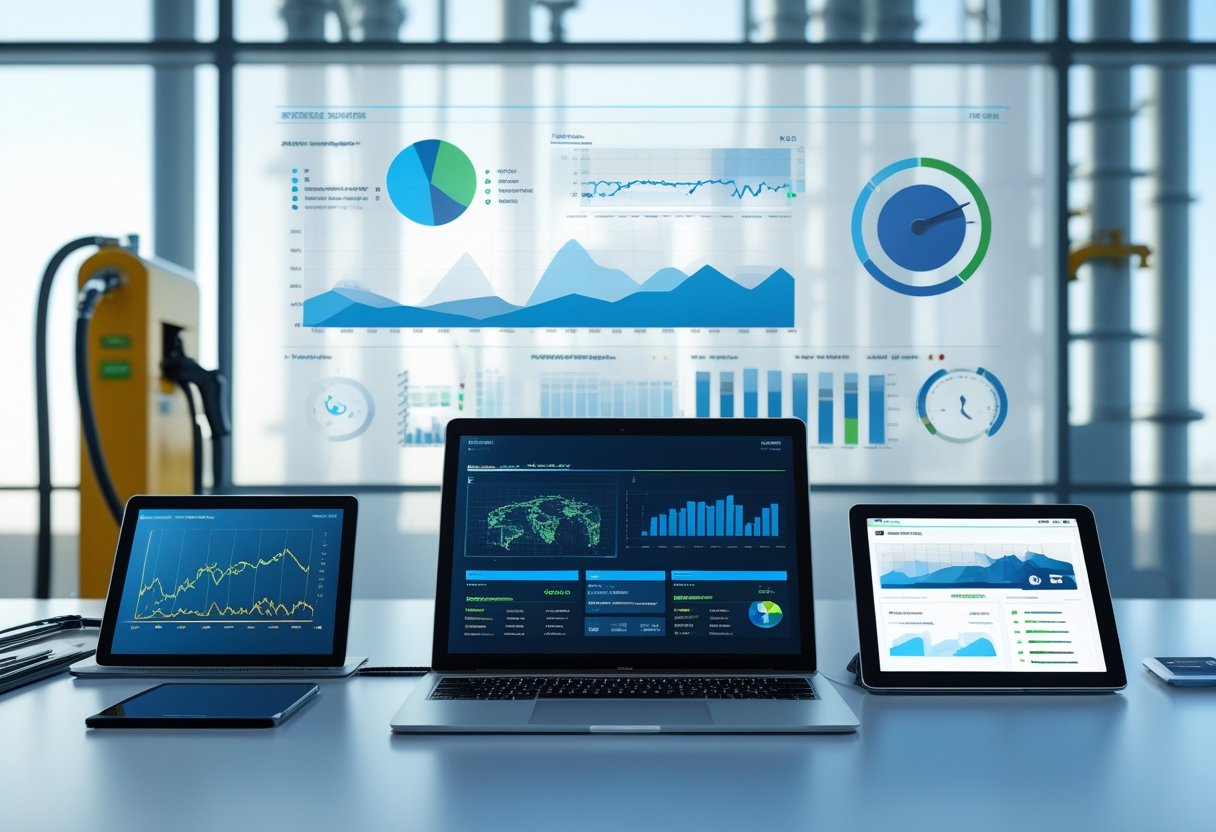
Modern fuel management systems centralize information from delivery routes, customer billing, and inventory tracking. By sharing data between drivers, dispatchers, and administrators, operations remain transparent and accountable.
Web-based platforms like FDSWeb.net now offer real-time access from any device. These tools have replaced older software and improved how companies manage fuel operations.
Understanding Fuel Data Systems
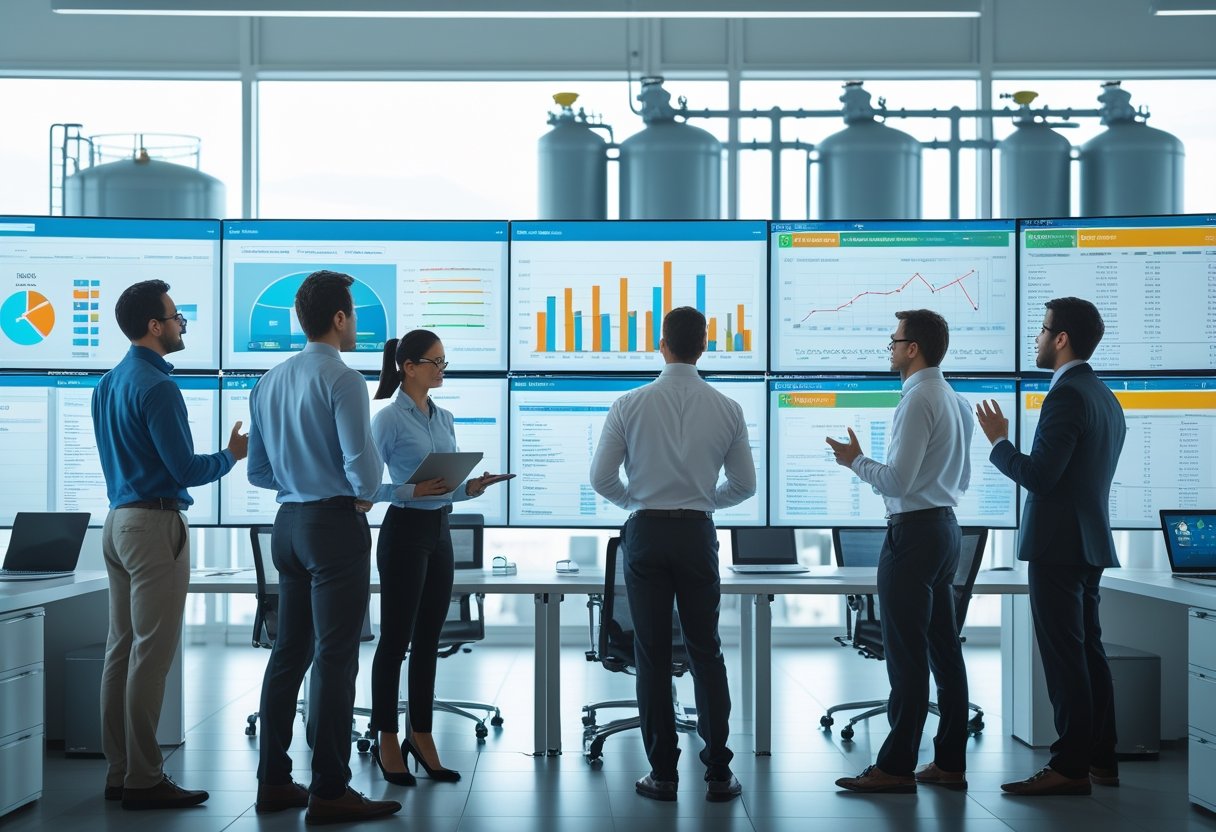
Fuel data systems collect and analyze metrics about fuel usage and inventory control. They provide businesses with real-time information on consumption patterns, delivery accuracy, and operational efficiency.
Definition and Purpose
A fuel data system combines hardware and software to monitor and manage fuel activity. It connects sensors, pumps, and dispensing units to a digital platform that organizes data for easy use.
These systems track tank volumes, log transactions, and link fuel usage to vehicles or drivers. They reduce manual recordkeeping and help users spot discrepancies early.
Modern fuel management systems often work with telematics and GPS to match fuel use with location and engine performance. This supports automation and accurate fuel tracking.
Many distributors use APIs to share data with invoicing or compliance software. This ensures consistent reporting across all operations.
Benefits for Fuel Distributors
Fuel distributors benefit from digital management tools in several ways. These systems automatically track deliveries, consumption, and driver fueling behavior for better accuracy.
Key benefits include:
- Reduced administrative work: Automated data entry replaces manual fuel log management.
- Improved transparency: Real-time tracking provides clear records for billing and compliance.
- Enhanced planning: Data trends help with inventory forecasting and route optimization.
Fuel data systems can reveal inefficiencies like idling, unauthorized fueling, or inaccurate meter readings. Addressing these issues improves accountability across fleets and storage sites.
Key Challenges Addressed
Fuel data systems solve problems like fraud, inventory errors, and cost control. Manual records can cause data loss or mistakes, but automation reduces errors and helps prevent fuel theft.
These systems also close communication gaps between field operations and central offices. Managers get instant access to data from remote sites, supporting faster decisions.
Alerts for tank level changes help prevent overfills or shortages. Integration with older hardware or ERP systems can be a challenge, but modular software now allows gradual upgrades without disrupting service.
Core Components and Architecture

A fuel data system uses hardware, software, and networks to collect and report fuel metrics. These components ensure data accuracy, secure access, and compatibility with modern logistics platforms.
System Hardware Requirements
The hardware includes fuel sensors, data loggers, and communication modules. These devices send readings from tanks, dispensers, and pumps.
Industrial controllers and gateways manage data transfer to servers or the cloud. Many setups use wireless technologies like Wi-Fi, LTE, or LoRaWAN for continuous updates.
Facilities often have backup power and storage to prevent data loss. Embedded controllers support local data caching, so operations can continue during network outages.
ComponentPurposeExampleLevel SensorMeasures tank fuel volumeUltrasonic or pressure-basedGateway ControllerAggregates device dataIndustrial IoT hubWireless ModuleSends telemetryLTE modem or LoRaWAN node
Modular hardware design makes it easy to add monitoring points or connect new sensors.
Software Platforms and Interfaces
Modern fuel software platforms use databases, analytics, and dashboards. They manage data collection and present information in real time.
A typical interface, like the one from fdsweb.net, supports secure login, audit tracking, and API integration with ERP or maintenance systems. Most programs run on web-based environments with encrypted protocols for security.
Data visualization lets users filter by site, time, or asset. The system syncs automatically with on-site devices to reduce manual reporting.
Customizable reports, alerts, and mobile access improve usability. Standard communication ensures the software works with different hardware and telemetry networks.
Cloud-Based vs On-Premise Solutions
Cloud platforms store data and apps on remote servers, reducing the need for local maintenance. They allow remote monitoring and easy scaling.
Updates and security patches are handled by the vendor. On-premise setups run on company infrastructure and offer full control but require IT support.
FactorCloud-BasedOn-PremiseDeployment SpeedRapidModerate to slowMaintenanceVendor-managedCustomer-managedData ControlOff-siteLocalIntegrationBroad API supportRequires customization
Some providers, like fdsweb, offer hybrid setups that sync some data to the cloud while keeping local control for critical functions.
Essential Features of Modern Fuel Data Systems
Modern fuel data systems use hardware and software to control fuel use and reduce waste. They collect data from vehicles, sensors, and pumps to help fleets verify transactions and find efficiency opportunities.
Fuel Tracking and Monitoring
Accurate fuel tracking is central to fleet fuel management. It uses sensors, telematics, and GPS to measure consumption in real time.
This data helps managers track usage per vehicle, spot fuel theft, and identify inefficient driving. Platforms like Geotab and Verizon Connect combine fuel data with location and engine information.
Fleet operators can monitor refueling, idle time, and route efficiency with a single dashboard.
A typical setup records:
Data TypeExample MetricPurposeFuel VolumeLiters or gallons usedDetermines consumption rateEngine HoursTime spent idlingIdentifies fuel wasteLocation DataGPS coordinatesVerifies fueling and trip routes
Consistent monitoring helps with compliance and makes it easier to compare performance across vehicles or regions.
Reporting and Customizable Analytics
Modern systems provide advanced reporting and analytics. Reports show trends like average fuel cost per mile or differences between projected and actual use.
Users can create custom views by vehicle, driver, or time frame. Dashboards display KPIs such as cost per trip or total idle hours.
Fuel data systems generate alerts or scheduled reports automatically. For example, if fuel use is higher than normal, the software flags it for review.
This saves managers time and helps them focus on improving fuel policies.
Integration with Fleet Management
Integration with fleet management platforms increases system value. Linking fuel data with telematics or maintenance systems puts all key information in one place.
Tools like Verizon Connect or Geotab let fuel metrics appear alongside vehicle health and route data. This helps managers connect fuel use with maintenance or driving behavior.
APIs enable smooth data transfer with accounting software and ERP solutions. This reduces duplicate entries and ensures accurate financial records.
Combined visibility helps companies control costs and make better decisions.
Fuel Delivery and Routing Optimization
Efficient fuel delivery depends on accurate scheduling and optimized routing. Integrated data systems help companies lower costs, reduce fuel use, and ensure timely service.
Delivery Scheduling and Dispatch
Scheduling and dispatch allocate resources across the delivery network. Automated boards show active deliveries, truck availability, and route progress.
Live delivery tracking lets planners adjust schedules for delays or changing demand. Fuel data systems often connect with inventory and order management software.
This alignment ensures deliveries match customer needs and supply levels. Predictive tools use historical data to forecast demand and prevent shortages.
A clear dispatch process supports communication between dispatchers and drivers. Many systems include two-way messaging for updates on loading times, route changes, and delivery confirmations.
Coordinating these data points gives organizations visibility across fleet activity and service performance.
Route Optimization Tools
Route optimization platforms use GPS data, traffic reports, and historical travel times to find the most efficient delivery paths. This reduces travel distance, fuel use, and idle time.
AI-based systems consider variables like vehicle load, delivery time windows, and road restrictions. These recommendations help drivers follow practical and safe routes.
Many fuel distributors use specialized fuel routing software designed for compartment configurations and multi-drop deliveries. These tools help minimize routing errors and ensure compliance with fuel segregation and safety rules.
FunctionPurposeKey BenefitReal-time Re-routingAdjusts for delays or road closuresPrevents missed deliveriesTraffic Predictive ModelingAnticipates congestionReduces idle and waiting timeFuel Usage AnalyticsTracks energy efficiencySupports cost control
Driver and Vehicle Coordination
Coordinating drivers and vehicles ensures that schedules and routes meet both safety and efficiency goals. Systems that link driver apps and onboard computers allow instant route updates and delivery confirmations.
Fuel data systems track driver performance, such as average delivery time and route adherence. Managers use these records to spot trends and identify training needs.
Planning also includes tracking vehicle maintenance intervals to keep fuel tankers compliant. When routes change, communication tools notify drivers right away.
Integration between dispatch, route optimization, and vehicle telematics creates a continuous feedback loop for workflow improvement. Clear coordination supports reliable and safe fuel delivery while controlling costs.
Financial Management and Customer Operations
Efficient financial and customer management ensures accurate billing, reliable records, and transparent client interactions. Aligning invoicing, account tracking, and documentation in one platform gives operators better control over revenue, costs, and service quality.
Invoicing and Payment Processing
A fuel data system streamlines billing and payment tracking. It automatically generates invoices from completed transactions, including fuel deliveries, card charges, and meter readings.
Automation reduces manual entry and billing errors. Integration with payment gateways and fuel card programs speeds up cash flow.
Customers can pay electronically through secure online tools, which reduces delays from manual processing. Most systems support multiple payment options, such as credit cards, ACH, or fleet billing.
Real-time validation helps finance teams monitor outstanding balances and spot overdue accounts quickly. Connecting data directly to accounting software offers a clear view of revenue and receivables.
FunctionBenefitAutomated invoicingReduces manual entry errorsIntegrated paymentsAccelerates cash collectionReconciliation toolsSimplifies financial reporting
Customer Account Management
Fuel distributors use account modules to store client profiles, delivery schedules, fuel price tiers, and purchase history. Centralized data supports accurate pricing for bulk fuel and service sales.
A customer portal allows clients to review invoices, check delivery status, and manage payment preferences. This self-service feature lowers administrative work and improves transparency.
Accounts can be grouped by industry, fleet size, or purchase volume. Categorization helps teams identify top revenue sources and offer targeted pricing or incentives.
Statements and Service Work Orders
Monthly or weekly statements give customers a full view of their purchases, credits, and payments. Accurate statements depend on consistent data from fuel meters, deliveries, and card activity.
Digital delivery through a customer portal makes statements easy to access and speeds up reviews. Service work orders record installations, maintenance, and repairs linked to customer accounts.
Linking work orders with invoices ensures proper allocation of labor, materials, and dispatch costs. Each order includes status updates and technician notes for clear communication.
Good documentation supports accountability. Finance teams can verify that all services are billed, and operations teams track resource use and response times.
Advanced Integrations and Emerging Technologies
Fuel data systems now connect with digital tools to improve accuracy and operational control. Integration with telematics and mobile apps allows companies to monitor usage, verify transactions, and automate reporting with minimal effort.
Fuel Card Integration
Modern fuel card systems link directly to fleet management software for detailed transaction visibility. These integrations help businesses audit purchases, catch anomalies, and spot inefficiencies quickly.
Systems like Verizon Connect and Geotab support direct data sharing between card networks and vehicle activity logs.
Key features include:
- Automated reconciliation of fuel spend against trip data
- User-level permissions to prevent unauthorized card use
- API-based reporting for fast analytics
Fuel card integration also links spending with telematics records and route data. This combined platform eliminates manual entry and helps managers track cost per mile more accurately.
Telematics and Real-Time Data
Telematics turns fuel data systems into active intelligence networks. Vehicle sensors send speed, idling, and fuel use data via cellular or satellite channels.
Platforms like Geotab and Verizon Connect combine these data points with fuel card analytics to reveal patterns missed by manual reports.
Dashboards show live data to spot engine issues and driver behaviors that waste fuel. Managers set alerts for excessive idling or irregular refueling.
Real-time feedback allows faster decisions and reduces delays. Telematics data also improves forecasting and helps plan maintenance, optimize routes, and align purchasing with actual use.
Mobile and Wireless Capabilities
Mobile and wireless connections give field staff access to fuel management data from anywhere. Drivers verify refueling events through mobile apps that sync instantly with central databases.
Wireless links between pumps, vehicles, and cloud servers keep records updated and traceable.
Common mobile functions include:
- Digital receipts and signature capture
- GPS validation of fueling locations
- Push notifications for updates
Wireless fuel systems also support unattended or after-hours fueling with real-time authorization. Managers can monitor these sessions remotely. As mobile technology advances, administrative work decreases and data integrity improves.
Enhancing Fuel Efficiency and Operational Performance
Accurate fuel data helps fleets find inefficiencies, manage consumption, and boost vehicle performance. Data-driven systems turn fuel management into a continuous process of tracking costs, driver habits, and equipment health.
Fuel Economy Metrics
Key metrics give managers insight into vehicle performance. These include average fuel use, idle time, fuel cost per mile, and differences from manufacturer ratings.
Comparing these numbers across vehicles highlights abnormal patterns, such as poor maintenance or bad routes.
MetricDescriptionBenefitFuel Cost per MileTotal cost divided by distanceIdentifies high-cost tripsIdle TimeEngine-on without movementDetects unnecessary fuel burnRoute EfficiencyActual vs. optimal distanceGuides route improvements
With telematics integration, automated reports reveal trends in real time. Managers can adjust routing, scheduling, or service intervals before problems grow costly.
Driver Coaching and Behavior Analysis
Driving habits directly affect fuel use. Systems analyze data like acceleration, braking, and idle time to measure driver performance.
Scorecards or alerts highlight behaviors that lower fuel economy, such as aggressive driving. Coaching programs use these insights to encourage efficient techniques, like steady speeds and avoiding high RPMs.
A structured coaching process includes:
- Data collection with onboard sensors
- Individual feedback
- Progress tracking against goals
Consistent coaching leads to safer driving patterns and measurable fuel savings.
Fleet Fuel Management Best Practices
Effective fleet fuel management uses software, sensors, and clear procedures to control costs. GPS monitoring and fuel card integration let managers verify transactions and spot unauthorized fueling or excess idling.
Best practices include setting KPIs, auditing data regularly, and scheduling preventive maintenance based on fuel trends. Real-time analytics help fleets benchmark performance and maintain consistent standards.
Tying fuel efficiency metrics to decisions, like route assignments or vehicle replacements, further improves results. This approach builds accountability and aligns teams toward better fuel economy.
Maintenance, Security, and Upgrades
Fuel data systems need regular upkeep, reliable software, and strong security. These steps ensure accurate tracking, protect data, and keep operations compliant with regulations.
System Maintenance and Support
Regular maintenance keeps sensors, controllers, and communication modules working correctly. Technicians check fuel level sensors, flow meters, and network connections for problems.
Routine diagnostics help prevent incorrect readings and compliance issues. Facilities use preventive maintenance plans with scheduled inspections and testing.
This approach reduces downtime and extends equipment life. Maintenance teams document all service actions to support audits and track trends.
Centralized platforms can manage service schedules and alert operators when maintenance is needed, keeping the system reliable.
Software Upgrades and Updates
Fuel data systems rely on software to collect and analyze sensor data. Software upgrades improve performance, add compatibility, and fix bugs.
Staying current ensures accurate data and smooth integration with other management tools. Updates may include API enhancements, better analytics, and new automation features.
Upgraded software can also improve user interfaces, making monitoring easier and reducing training time.
Organizations schedule upgrades to avoid disruption. Administrators test updates in a staging environment before full rollout to prevent data loss or conflicts.
Security and Data Protection
Fuel data systems store operational data that must remain private and tamper-free. Security measures such as encrypted communication, multi-factor authentication, and role-based access control protect this information from unauthorized access.
Systems that handle financial or regulatory data often use encrypted links between dispensers and control servers. Security management also extends to physical components.
Surveillance, intrusion detection, and controlled server access protect infrastructure from manipulation or theft. Many organizations use real-time monitoring to detect irregular fuel activity or network anomalies.
Administrators ensure compliance with standards like PCI DSS when handling payment data or customer information. Regular security audits and penetration testing help verify that encryption methods and firewall configurations remain effective against threats.