How to start saving money
Lorem ipsum dolor sit amet, consectetur adipiscing elit lobortis arcu enim urna adipiscing praesent velit viverra sit semper lorem eu cursus vel hendrerit elementum morbi curabitur etiam nibh justo, lorem aliquet donec sed sit mi dignissim at ante massa mattis.
- Neque sodales ut etiam sit amet nisl purus non tellus orci ac auctor
- Adipiscing elit ut aliquam purus sit amet viverra suspendisse potent
- Mauris commodo quis imperdiet massa tincidunt nunc pulvinar
- Excepteur sint occaecat cupidatat non proident sunt in culpa qui officia
Why it is important to start saving
Vitae congue eu consequat ac felis placerat vestibulum lectus mauris ultrices cursus sit amet dictum sit amet justo donec enim diam porttitor lacus luctus accumsan tortor posuere praesent tristique magna sit amet purus gravida quis blandit turpis.

How much money should I save?
At risus viverra adipiscing at in tellus integer feugiat nisl pretium fusce id velit ut tortor sagittis orci a scelerisque purus semper eget at lectus urna duis convallis. porta nibh venenatis cras sed felis eget neque laoreet suspendisse interdum consectetur libero id faucibus nisl donec pretium vulputate sapien nec sagittis aliquam nunc lobortis mattis aliquam faucibus purus in.
- Neque sodales ut etiam sit amet nisl purus non tellus orci ac auctor
- Adipiscing elit ut aliquam purus sit amet viverra suspendisse potenti
- Mauris commodo quis imperdiet massa tincidunt nunc pulvinar
- Adipiscing elit ut aliquam purus sit amet viverra suspendisse potenti
What percentege of my income should go to savings?
Nisi quis eleifend quam adipiscing vitae aliquet bibendum enim facilisis gravida neque. Velit euismod in pellentesque massa placerat volutpat lacus laoreet non curabitur gravida odio aenean sed adipiscing diam donec adipiscing tristique risus. amet est placerat in egestas erat imperdiet sed euismod nisi.
“Nisi quis eleifend quam adipiscing vitae aliquet bibendum enim facilisis gravida neque velit euismod in pellentesque”
Do you have any comments? Share them with us on social media
Eget lorem dolor sed viverra ipsum nunc aliquet bibendum felis donec et odio pellentesque diam volutpat commodo sed egestas aliquam sem fringilla ut morbi tincidunt augue interdum velit euismod eu tincidunt tortor aliquam nulla facilisi aenean sed adipiscing diam donec adipiscing ut lectus arcu bibendum at varius vel pharetra nibh venenatis cras sed felis eget.
Electric vehicle (EV) fleet management is changing how organizations operate their transportation assets. Businesses are moving beyond traditional fuel-based systems to manage charging schedules, battery health, and energy use more precisely.
Effective EV fleet management helps companies reduce operating costs, improve sustainability, and keep vehicles ready for use without disrupting daily operations.
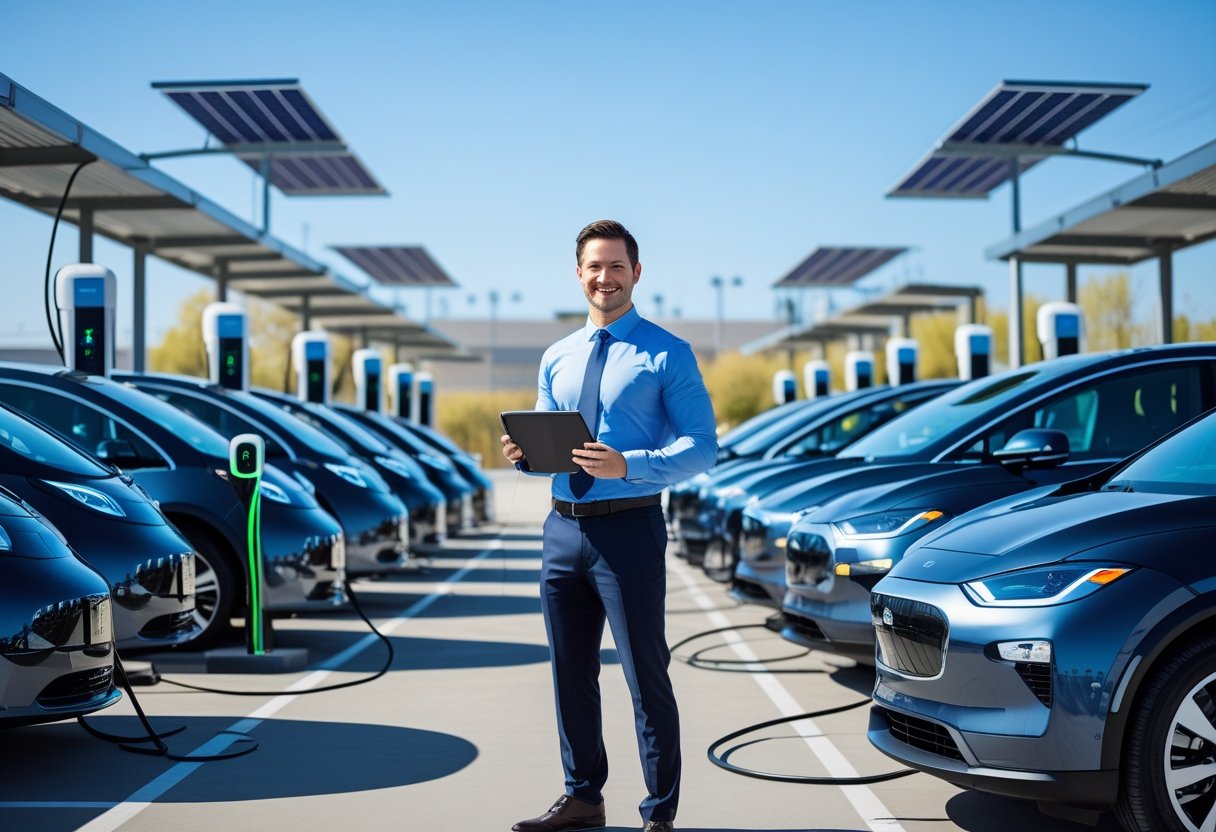
Fleet electrification requires careful planning. Managers need to choose the right electric models, design charging infrastructure, and use tools for vehicle tracking, performance analysis, and maintenance scheduling.
Technology and data-driven insights help teams optimize routes and extend battery life. They also support compliance with regulatory standards.
As electric fleets grow, managing energy use and balancing costs with environmental goals becomes more important. Software and automated systems streamline charging and monitor performance.
Core Concepts of Fleet Management for Electric Vehicles
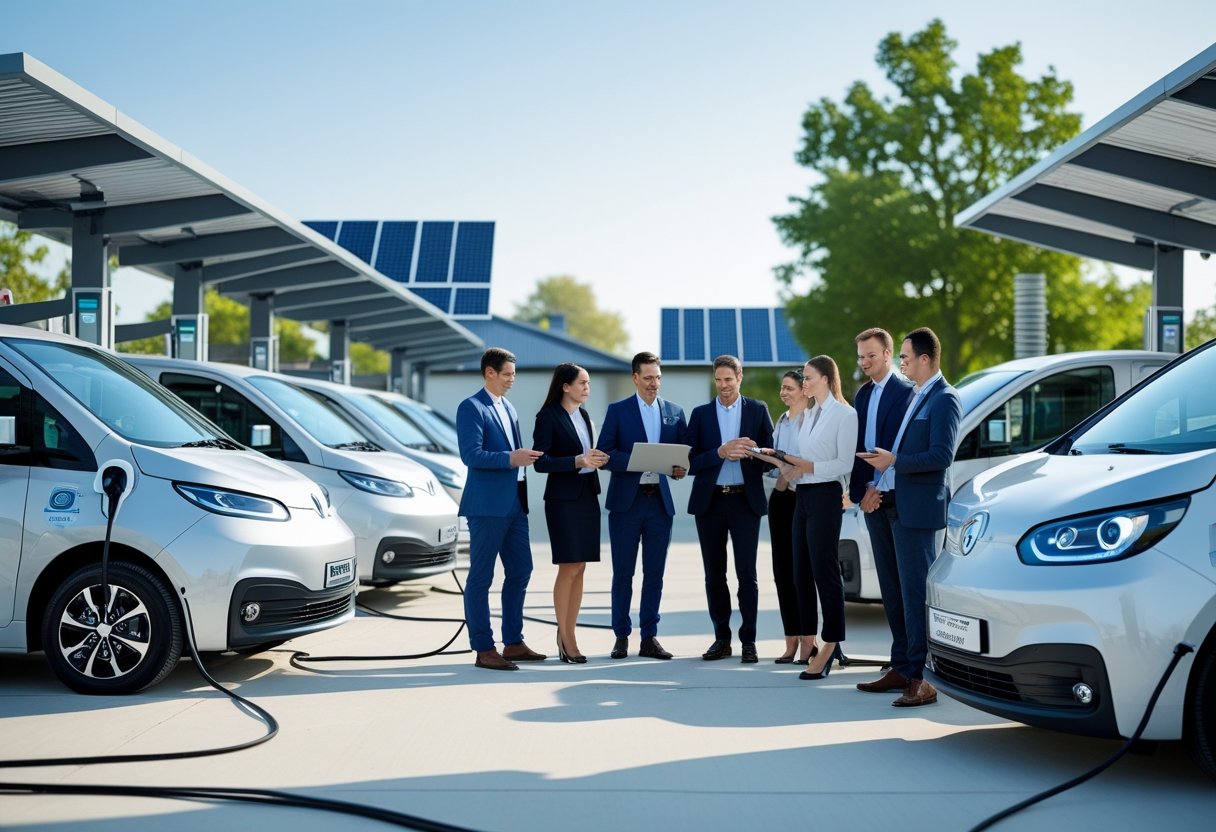
Managing electric vehicle fleets means balancing operational efficiency, battery performance, and charging logistics. Accurate data tracking and energy management help ensure reliable and cost-effective service.
Coordination between teams is important to keep the fleet running smoothly.
What Is EV Fleet Management?
EV fleet management is the organized process of operating and maintaining multiple electric vehicles (EVs) within an organization. It covers route planning, monitoring charging status, maintaining vehicles, and optimizing energy use to reduce downtime.
Fleet managers use telematics and specialized software to track battery health, charging cycles, and vehicle use. This data helps improve energy efficiency and guides decisions about replacing or expanding the fleet.
A well-managed electric vehicle fleet focuses on the total cost of ownership, not just the purchase price. Managers consider electricity rates, charging infrastructure costs, and maintenance schedules to predict long-term expenses.
How Fleet Management Differs for EVs vs ICE
EV fleet management is different from managing internal combustion engine (ICE) fleets in several ways. Unlike fuel-based fleets, EVs depend on charging networks with varying power and availability.
Managers must coordinate charging to avoid overloading the infrastructure or causing delays.
Key AreaICE FleetEV FleetEnergy SourceGasoline/DieselElectricityRefueling TimeMinutesTypically 30 min – several hoursMaintenance FocusEngine, oil, emissionsBattery system, software updatesCost TrackingFuel and serviceElectricity rates, battery lifecycle
EV fleets need real-time monitoring of charging sessions and grid load. Charging during off-peak hours can lower electricity costs.
Integration with renewable energy sources supports sustainability and helps with planning.
Regulatory compliance and incentives differ for EVs and ICE fleets. Many regions offer rebates or credits for EV adoption, while ICE fleets may face stricter emissions rules.
Key Stakeholders in Electric Vehicle Fleets
Several stakeholders work together to manage an electric vehicle fleet. Each has a role that affects performance, cost, and sustainability.
- Fleet Managers: Oversee daily operations, charging schedules, and performance metrics.
- Drivers: Follow charging protocols and report technical issues.
- Maintenance Teams: Handle battery diagnostics and software updates.
- Energy Providers: Manage grid connections and supply electricity under cost-efficient contracts.
- Technology Vendors: Provide telematics, route optimization, and fleet management software.
Teamwork among these groups keeps the fleet running and energy use in line with company goals. Without coordination, issues like downtime or charger overuse can occur.
Fleet Electrification Planning and Suitability

Effective fleet electrification planning starts with assessing vehicle needs, financial modeling, and checking operational compatibility. Managers evaluate which vehicles can switch to electric power, choose suitable EV models, and consider if hybrid fleet setups can maintain reliable service while controlling costs.
Evaluating EV Suitability Assessments
Fleet managers analyze duty cycles, trip lengths, payload needs, and charging opportunities. An EV suitability assessment identifies where electric vehicles can replace combustion units without losing productivity.
Telematics data helps measure mileage patterns, idle time, and locations suitable for charging.
Key factors include:
- Daily range demand compared to EV battery capacity
- Charging dwell time versus shift schedules
- Vehicle utilization rate and acceptable downtime
Assessments also check if sites are ready for infrastructure upgrades and if the grid can handle extra demand. Working with utilities helps managers understand electricity costs and available incentives.
The results show which vehicles and depots can electrify first and where more adjustments are needed.
Choosing EV Models and Vehicle Selection
Choosing EV models means balancing operational needs with total cost of ownership. Fleet managers compare energy efficiency, maintenance needs, and purchase costs to see the long-term impact.
Battery size, payload capacity, and range affect if a model fits certain routes.
A comparison table helps clarify choices:
CriteriaImportanceExample ConsiderationRangeHighMust cover average daily mileage with reserveCharging SpeedMediumFaster charging improves utilizationPayloadHighVehicle must meet cargo or passenger capacityMaintenance CostMediumEVs generally need less servicing
Procurement teams also look at service support, warranty coverage, and software integration. These details help decide if an EV model can work across different parts of the fleet.
Hybrid Fleet Considerations
A hybrid fleet mixes electric and traditional vehicles for a gradual transition. This helps balance routes that are not yet suitable for EVs with those that are.
Hybrid fleets allow for steady infrastructure growth and help staff adapt to new processes.
Managers can use real-world data to improve charging schedules and track costs. Comparing expenses across vehicle types helps refine the total cost of ownership model.
Incentives for partial electrification can make hybrid fleets more affordable during the transition. Aligning investments with operational readiness builds a stable base for future electric fleet adoption.
Charging Infrastructure and Management
Reliable charging systems are key to efficient and scalable EV fleet operations. Good planning keeps vehicles ready while controlling electricity demand and equipment costs through smart scheduling and infrastructure design.
Types of Charging Stations
Electric fleets use different types of charging stations for different needs. Level 2 AC chargers are common for overnight charging because they are affordable and provide moderate power.
DC fast chargers offer quick charging for high-use fleets but need stronger grid connections.
Some fleets use Vehicle-to-Grid (V2G) or Vehicle-to-Vehicle (V2V) technologies to balance energy flow and reduce utility costs. Advanced networks use platforms like Driivz to monitor charger status and optimize energy use.
When choosing chargers, operators consider charging speed, battery size, duty cycles, and total ownership cost.
Designing Charging Infrastructure
Designing charging infrastructure starts with a power assessment. Operators check grid capacity, peak demand charges, and facility layout for the best charger locations.
Short cable runs and safe vehicle access reduce wear and save time.
A mix of charger speeds helps maximize use. Slow chargers can handle overnight charging, while fast chargers serve high-use vehicles.
Load management tools help avoid high energy peaks. Fleet managers should use systems that can expand as the fleet grows.
Software-based energy management coordinates chargers and facility energy loads. Good site design reduces downtime and makes maintenance easier.
Managing Charging Schedules and Queues
Smart charging ensures vehicles charge when electricity is cheapest and the grid is less busy. Automated tools balance arrival times, battery levels, and route needs.
Operators can set priorities so important vehicles charge first. Platforms like Driivz analyze data to predict charging demand and allocate energy efficiently.
Connecting hardware and software with driver terminals helps drivers see charging status and queue order.
Managing queues well reduces idle time and prevents charger congestion. Coordinated schedules keep productivity high and control costs.
Public vs Private Charging
Fleets must choose between private depot charging and public charging networks. Private charging offers control and cost predictability but requires higher upfront investment.
It works best for fleets with fixed routes and regular schedules.
Public charging adds flexibility for longer routes or unexpected detours. However, it comes with challenges like charger availability and different payment systems.
Many fleets use a mix of private depots and public charging. Digital management platforms track energy use across both systems for consistent reporting.
Monitoring and Maintaining EV Fleet Operations
Consistent monitoring and proactive maintenance are essential for effective EV fleet management. Tracking battery health, system diagnostics, and performance data helps operators keep vehicles running and control costs.
Battery Health and Degradation Monitoring
Battery performance affects the efficiency and range of an electric fleet. Operators track state of charge (SOC), state of health (SOH), and cycle count to monitor battery condition.
Temperature, charging habits, and driving style can speed up battery wear. Monitoring these factors helps prevent early capacity loss.
Real-time telematics systems collect battery data and alert managers to unusual trends. Automated dashboards compare vehicle metrics and help schedule maintenance only when needed.
Regular sensor calibration and consistent charging routines—like avoiding very high or low SOC—help extend battery lifespan.
Operators keep logs of temperature, charging cycles, and energy efficiency to spot patterns and improve energy management.
Key MetricTypical Monitoring ToolPurposeState of Charge (SOC)Telematics dashboardTracks available driving rangeState of Health (SOH)Battery management systemDetects long-term degradationTemperature profileOnboard sensorsPrevents thermal stress
Predictive and Preventive Maintenance
Predictive maintenance uses data-driven analytics to detect early signs of component wear. These systems rely on sensor data that monitor braking efficiency, power electronics, and tire condition.
By comparing live data to historical baselines, managers can schedule service at the best times. This prevents breakdowns and extends component life.
Preventive maintenance follows manufacturer schedules for software updates, filter replacements, and regular inspections. This time-based approach ensures vehicles receive routine care.
Combining predictive and preventive strategies improves vehicle reliability and reduces unplanned downtime.
Maintenance alerts can connect with fleet management software to generate work orders or notify technicians automatically. This integration shortens repair times and limits disruptions to daily operations.
Continuous monitoring refines predictive models and lowers servicing expenses over time.
Fleet Performance Analytics
Fleet performance analytics turn sensor and telematics data into useful insights. Key indicators include energy consumption per mile, charging efficiency, and driver behavior metrics.
These metrics help reveal inefficiencies, highlight training needs, and support energy-saving initiatives. Managers use data analytics tools to visualize trends across the fleet.
Dashboards summarize important ratios like cost per kilometer or utilization rates. Automated anomaly detection spots underperforming vehicles or drivers for targeted action.
Advanced analytics platforms factor in weather and traffic conditions. This context helps explain unusual consumption patterns and supports better planning.
Aggregated performance data guides procurement decisions and charging infrastructure design.
Ensuring Vehicle Uptime
Maximizing fleet uptime means identifying issues before they disrupt service. Continuous diagnostics spot early faults in powertrains, sensors, or control software.
Automatic alerts and cloud-based maintenance logs help teams respond quickly. Redundant vehicles or flexible dispatch systems keep deliveries on schedule during maintenance.
Operators use usage data to rotate vehicles, balancing wear across the fleet. Efficient charging coordination is also essential.
With smart charging software, managers align charging sessions with grid availability and vehicle schedules. This ensures vehicles are charged and ready when needed, boosting productivity and reliability.
Energy Efficiency, Cost Management, and Sustainability
Electric vehicle fleet management relies on accurate data, strict cost control, and clear sustainability goals. Effective strategies focus on tracking electricity use, managing energy prices, keeping maintenance costs low, and meeting environmental targets.
Energy Consumption Tracking
Fleet operators improve efficiency by monitoring how and when vehicles use electricity. Advanced telematics and energy management systems record charging times, battery performance, and mileage per kilowatt-hour.
These metrics reveal usage patterns that help managers plan charging, improve range, and spot underperforming units. Daily consumption data also makes electricity demand more predictable.
By integrating real-time monitoring with fleet management software, operators can see total energy use across all vehicles. Dashboards and automated alerts highlight irregular usage or charging losses for quick action.
Standardized tracking leads to measurable cost and energy savings. Keeping a log of energy use per route helps with better route planning and reduces wasted power.
Managing Electricity Prices
Electricity costs are a major part of an EV fleet’s operating expenses. Price changes and regional differences require careful planning.
Time-of-use tariffs often make it cheaper to charge vehicles at night. Fleet managers can use smart charging infrastructure to schedule charging during low-rate periods.
Pairing charging with renewable energy, like on-site solar, can reduce grid reliance and limit price fluctuations. Some fleets use load balancing to spread energy demand across stations, lowering peak demand charges.
Monitoring utility pricing trends helps organizations negotiate better energy contracts.
Reducing Maintenance and Operational Costs
Electric vehicles have fewer moving parts than traditional cars. This eliminates oil changes and reduces brake wear thanks to regenerative braking.
Routine servicing focuses on battery health checks, software updates, and tire inspections. Predictive maintenance tools analyze real-time performance data to spot component wear early.
Early detection helps fleet managers avoid unexpected downtime and high repair costs. Regular diagnostics also extend vehicle lifespans and cut operational expenses.
Automating tasks like charging, scheduling, and vendor coordination lowers costs further. Centralized management systems streamline communication, keeping vehicles available when needed.
Achieving Sustainability Goals
Switching to an electric fleet supports sustainability goals by reducing greenhouse gas emissions and fossil fuel use. These actions align with environmental policies and corporate social responsibility objectives.
Accurate tracking of emissions reductions and energy efficiency shows compliance with sustainability standards and local regulations. Data from fleet operations can be used in annual environmental reports.
Fleet managers may add renewable electricity sources, recycling protocols, and end-of-life vehicle plans. Combining efficiency and sustainability practices allows organizations to show real progress through measurable data.
Software and Technology for Electric Fleet Management
Electric fleet management uses digital systems to monitor, analyze, and optimize vehicle operations. These tools combine data from telematics, GPS tracking, and charging infrastructure to help managers make real-time decisions.
Fleet Management Software Overview
Fleet management software gives organizations precise control over their electric vehicle assets. It brings together data like vehicle location, battery charge, and maintenance schedules in one dashboard.
Managers can quickly spot inefficiencies and plan maintenance before problems grow. Modern electric fleet management systems work with platforms like Geotab, Webfleet, and Verizon Connect.
Geotab provides energy usage insights, while Webfleet offers advanced diagnostics for mixed fleets. Common features include:
- Battery health monitoring
- Vehicle utilization reports
- Charging event tracking
- Predictive maintenance alerts
These systems cut down on manual tasks and improve fleet visibility. Cloud-based platforms scale easily for fleets of any size, offering tools for cost tracking and compliance reporting.
Telematics and Real-Time Data
Telematics systems are central to electric fleet management. They send real-time data to software platforms, including vehicle speed, energy use, charging habits, and driver behavior.
This information supports decisions that improve efficiency and vehicle life. Samsara and Verizon Connect offer EV-compatible telematics solutions.
Their systems connect with charging stations and provide updates on energy use and downtime. Telematics data helps adjust driving habits and assign vehicles to suitable routes.
A typical telematics system includes:
FunctionExample Data CollectedBenefitGPS TrackingLocation, route deviationEnsures route accuracyEnergy MonitoringBattery charge, power drawImproves range planningMaintenance AlertsFault codes, sensor dataReduces unexpected repairs
Reliable connectivity and secure cloud storage keep data accessible and confidential. Managers can act on near real-time information.
Route Planning and Optimization
Efficient route planning maximizes the range and utility of electric vehicles. EVs must consider charging station locations, terrain, and traffic.
Integrated software lets dispatchers plan routes that minimize energy use while meeting delivery deadlines. Route optimization tools use telematics and GPS data to calculate energy-efficient routes.
These systems analyze elevation changes and braking data to optimize battery performance. Managers can view route options on live maps and adjust as needed.
Some platforms provide driver feedback on how speed and acceleration affect consumption. Over time, these insights help balance workloads, reduce mileage, and extend battery life.
Integrating Fleet Management Systems
Integrating fleet management systems connects vehicle data, telematics, and charging information into one operational view. This ensures maintenance, charging, and route decisions are based on accurate data.
APIs and cloud platforms allow systems like Samsara, Geotab, and Webfleet to work together. For example, charging management software can share energy cost data with scheduling tools to find the best charging times.
Integration can include:
- Telematics and GPS tracking tools for location data
- Maintenance records for automated scheduling
- Energy management data with route history for performance forecasting
Unified systems reduce repetitive tasks and improve uptime. This creates a coordinated environment for better transparency and sustainability.
Driver Training, Safety, and Regulatory Compliance
Electric vehicle (EV) fleets need structured training, data-driven safety programs, and compliance with changing regulations. Combining proper driver preparation with compliance management and financial planning leads to safer, more efficient operations.
Driver Training for EV Operations
Training helps drivers understand how EVs differ from gasoline vehicles. Programs cover battery management, charging procedures, and emergency response to electrical hazards.
Drivers learn to read vehicle telemetry and follow charging station protocols to avoid downtime. Practical modules let operators try regenerative braking and torque control in safe settings.
Fleets often use certified courses from the Department of Energy or industry groups for consistency. Managers should track completion with a learning management system (LMS) and refresh training every year.
Keeping certification records shows due diligence in safety and compliance.
Training TopicFrequencyResponsible PartyEV Safety and ChargingAnnualFleet ManagerEmergency ResponseBiennialSafety OfficerMaintenance AwarenessAnnualMaintenance Lead
Driver Behavior and Safety Monitoring
Fleet safety depends on real-world driver behavior. Sensors and telematics provide ongoing data on driver behavior, such as acceleration, braking, and idle time.
Monitoring systems identify trends that affect energy use and wear. Dashboards and alerts help supervisors coach drivers quickly.
Integrating fuel card or charging data gives managers insight into energy costs and fair performance comparisons. Automated alerts for harsh driving or unsafe charging prompt targeted feedback.
Combining these insights with recognition programs or safe-driving bonuses can reduce accidents. Data-backed decisions improve safety without extra administrative work.
Regulatory Requirements and Compliance
Fleet operators must meet local, state, and federal EV rules. This includes reporting through tools like the Federal Automotive Statistical Tool (FAST) and meeting emissions and safety standards.
Documentation supports audits and keeps fleets eligible for funding. Regular reviews should check that training, data reporting, and charging infrastructure meet OSHA, EPA, and regional requirements.
Managers should stay updated on EV-specific standards for battery disposal and high-voltage maintenance. An internal checklist for audits—covering deadlines, inspections, and renewals—helps maintain accountability.
Digital platforms that combine compliance tracking with fleet monitoring streamline oversight.
Leveraging Tax Credits and Incentives
Well-managed EV adoption brings financial benefits through federal and state incentives. The Inflation Reduction Act (IRA) extended tax credits for eligible EV purchases and charging installations.
Some states offer rebates or grants to lower capital costs. Fleet managers should document vehicle eligibility, purchase records, and operational data to claim credits.
Coordinating with finance teams ensures accurate filings and maximizes savings. Incentive programs change regularly, so reviewing IRS and Department of Energy updates is important.
Aligning purchases with incentive windows helps fleets reduce ownership costs and meet sustainability targets. Tracking credit use in financial reports provides transparency for stakeholders.
Challenges and Solutions in Electric Vehicle Fleet Management
Fleet managers face technical, financial, and operational challenges as they transition from internal combustion engine (ICE) fleets to electric vehicle (EV) fleets. Success depends on building charging infrastructure, managing charging schedules, and keeping costs competitive while delivering reliable service.
Overcoming Charging Infrastructure Limitations
Limited charging infrastructure is a major barrier to EV fleet deployment. Many depots do not have enough grid capacity or fast-charging stations to support multiple electric trucks at once.
Installation often requires coordination with utilities for load balancing and off-peak energy use. This can help reduce demand charges and prevent grid overloads.
Fleet management companies use smart charging systems to prioritize which vehicles charge first based on route schedules and battery levels. Some operators add on-site renewable energy sources like solar arrays and battery storage to stabilize energy supply.
Businesses may plan tiered charging networks that include depot chargers for overnight charging and public chargers for longer routes. This approach helps reduce downtime and control costs for EV fleets.
Addressing Range Anxiety and Charging Times
Range limits and long charging times can reduce route efficiency if not managed well. Fleet operators use route optimization software to plan trips that fit within vehicle range and available charging options.
Real-time telematics data predicts remaining charge and considers terrain, payload, and driving patterns. Improvements in battery technology and more ultra-fast charging stations are helping to reduce range concerns.
Operators balance energy availability with cost and time. Scheduling shorter and more frequent charging intervals can help keep vehicles on the road without long idle periods.
Training drivers is also important. Efficient driving techniques—steady acceleration, regenerative braking, and planned stops—can extend daily range and reduce vehicle wear.
Managing Mixed or Transitional Fleets
Most fleet transitions to electric vehicles happen gradually, creating mixed fleets that include both ICE and EV models. This requires management tools that track energy use, fuel consumption, and maintenance schedules for both types.
Fleet management platforms now offer dual-fuel monitoring systems that combine data into a single dashboard. These systems help identify which vehicles are best suited for electrification based on mileage, load size, and route length.
Setting key performance indicators (KPIs) such as cost per mile, uptime rate, and emissions reduction helps managers make informed decisions about expanding electric truck adoption while keeping operations running smoothly.
Maintaining Competitive Advantage
Transitioning to EV fleets can strengthen a company’s market position. This is most effective when managed with operational discipline.
Lower fuel and maintenance costs provide long-term savings. However, the initial investment in electric vehicle infrastructure and training can be high.
To keep a competitive advantage, fleet operators use advanced analytics for predictive maintenance. These systems help schedule repairs early and reduce downtime.
Efficient resource use builds customer trust. Reliable performance is key for fleet operators.
Regulatory compliance also affects competitiveness. Early adopters of EV technology often get government incentives and reduced emission fees.
They may also have better access to urban delivery zones. Integrating sustainability with operations helps companies adapt to new regulations and market needs.