How to start saving money
Lorem ipsum dolor sit amet, consectetur adipiscing elit lobortis arcu enim urna adipiscing praesent velit viverra sit semper lorem eu cursus vel hendrerit elementum morbi curabitur etiam nibh justo, lorem aliquet donec sed sit mi dignissim at ante massa mattis.
- Neque sodales ut etiam sit amet nisl purus non tellus orci ac auctor
- Adipiscing elit ut aliquam purus sit amet viverra suspendisse potent
- Mauris commodo quis imperdiet massa tincidunt nunc pulvinar
- Excepteur sint occaecat cupidatat non proident sunt in culpa qui officia
Why it is important to start saving
Vitae congue eu consequat ac felis placerat vestibulum lectus mauris ultrices cursus sit amet dictum sit amet justo donec enim diam porttitor lacus luctus accumsan tortor posuere praesent tristique magna sit amet purus gravida quis blandit turpis.

How much money should I save?
At risus viverra adipiscing at in tellus integer feugiat nisl pretium fusce id velit ut tortor sagittis orci a scelerisque purus semper eget at lectus urna duis convallis. porta nibh venenatis cras sed felis eget neque laoreet suspendisse interdum consectetur libero id faucibus nisl donec pretium vulputate sapien nec sagittis aliquam nunc lobortis mattis aliquam faucibus purus in.
- Neque sodales ut etiam sit amet nisl purus non tellus orci ac auctor
- Adipiscing elit ut aliquam purus sit amet viverra suspendisse potenti
- Mauris commodo quis imperdiet massa tincidunt nunc pulvinar
- Adipiscing elit ut aliquam purus sit amet viverra suspendisse potenti
What percentege of my income should go to savings?
Nisi quis eleifend quam adipiscing vitae aliquet bibendum enim facilisis gravida neque. Velit euismod in pellentesque massa placerat volutpat lacus laoreet non curabitur gravida odio aenean sed adipiscing diam donec adipiscing tristique risus. amet est placerat in egestas erat imperdiet sed euismod nisi.
“Nisi quis eleifend quam adipiscing vitae aliquet bibendum enim facilisis gravida neque velit euismod in pellentesque”
Do you have any comments? Share them with us on social media
Eget lorem dolor sed viverra ipsum nunc aliquet bibendum felis donec et odio pellentesque diam volutpat commodo sed egestas aliquam sem fringilla ut morbi tincidunt augue interdum velit euismod eu tincidunt tortor aliquam nulla facilisi aenean sed adipiscing diam donec adipiscing ut lectus arcu bibendum at varius vel pharetra nibh venenatis cras sed felis eget.
Vehicle diagnostics tracking is defined as the integration of GPS location tracking with onboard diagnostic monitoring to deliver real-time data on a vehicle’s location, engine status, and mechanical health. The industry term for this combined technology is telematics. Fleet managers and vehicle owners use telematics to move from reactive repairs to data-driven maintenance decisions. The GPS tracking market is valued at over $2.5 billion as of 2026, with a compound annual growth rate above 13%, projected to reach $4.76 billion by 2027. That growth reflects how central vehicle health monitoring has become to commercial operations and personal vehicle ownership alike.
What is vehicle diagnostics tracking and how does it work?
Vehicle diagnostics tracking combines three core data sources: GPS sensors for precise location, the OBD-II port for engine and system status, and additional vehicle sensors for temperature, fuel level, and battery voltage. These sources feed into a telematics control unit, which acts as the central hub for data collection and transmission. The telematics control unit integrates GPS and onboard diagnostics functions, then sends that data to software platforms via cellular modems or satellite networks. Fleet managers and vehicle owners view this data through web dashboards or mobile apps that display location history, fault codes, and performance metrics.
Data reporting frequency matters more than most buyers realize. Real-time vehicle data often updates every 1 to 15 minutes depending on device configuration and network availability. That interval affects how quickly a manager can respond to a critical engine fault or a driver straying off route. Systems configured for continuous reporting cost more in data transmission but catch problems faster. Interval-based reporting suits lower-risk monitoring needs like mileage logging or geofence alerts.

Pro Tip: Ask any vendor to specify the exact update interval for their device before purchasing. “Real-time” is a marketing term. The actual refresh rate determines how useful the data is during an emergency.
What types of vehicle diagnostics tracking devices are available?
Three main hardware categories cover the majority of use cases for vehicle owners and fleet managers.
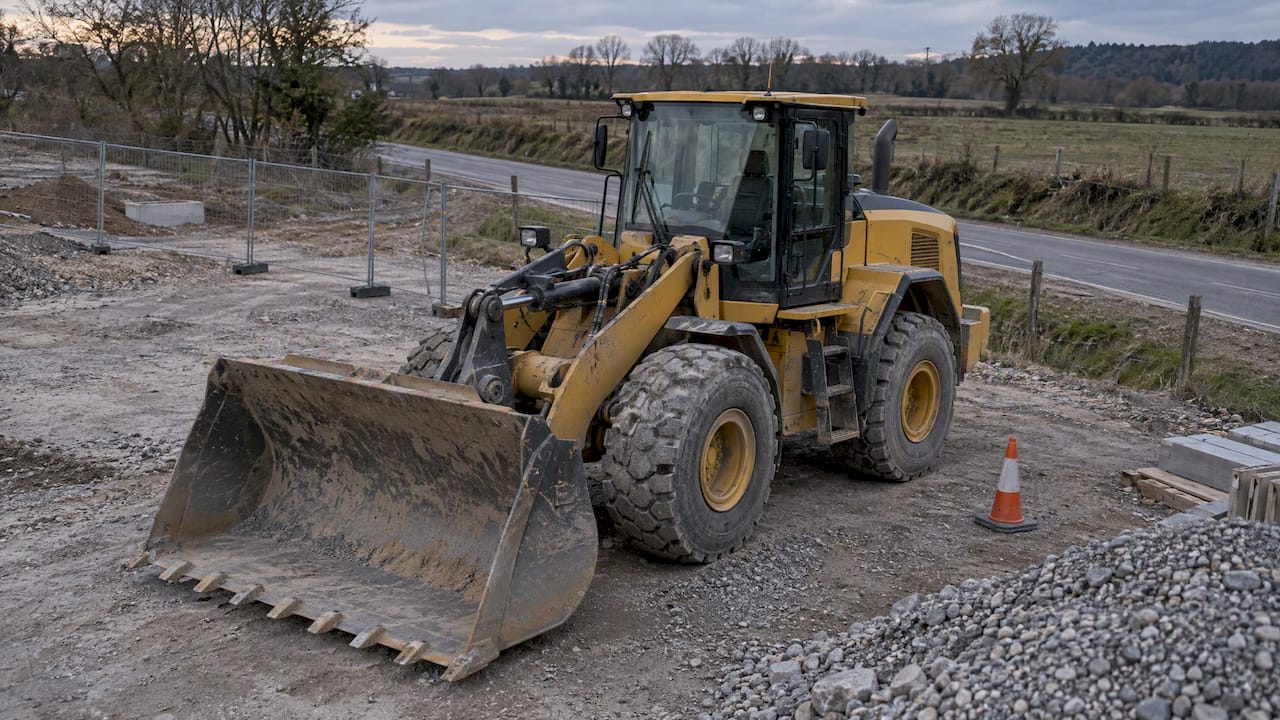
Hardwired trackers connect directly to the vehicle’s electrical system and CAN bus. Hardwired GPS trackers access vehicle control signals, enabling features like ignition detection, starter interrupt, and deep sensor monitoring that plug-in devices cannot support. They require professional installation but deliver the most complete data picture available. For fleets running heavy equipment or high-value vehicles, hardwired trackers are the standard choice.
Plug-and-play OBD-II trackers connect directly to the vehicle’s diagnostic port, which every passenger vehicle sold in the United States after 1996 is required to have. OBD-II trackers read engine RPM, fuel level, diagnostic trouble codes, and location data without any professional installation. A fleet manager can deploy dozens of these devices in a single afternoon. The trade-off is that they lack access to the deeper CAN bus signals available to hardwired units.
Portable or battery-powered trackers serve specific use cases like tracking trailers, equipment, or assets that have no permanent power source. They do not access OBD-II data but provide location tracking with long battery life.
| Device type | Installation | Power source | Data depth | Best use case |
|---|---|---|---|---|
| Hardwired tracker | Professional | Vehicle electrical system | Full CAN bus and OBD-II | Fleet vehicles, high-value assets |
| OBD-II plug-in tracker | Self-install | OBD-II port | Standardized diagnostics | Light-duty fleets, personal vehicles |
| Portable battery tracker | Self-install | Internal battery | Location only | Trailers, equipment, assets |

Pro Tip: If you manage a mixed fleet of trucks and trailers, combine hardwired trackers on powered vehicles with portable units on unpowered assets. One platform can then monitor both.
What are the main benefits of vehicle diagnostics tracking?
The primary benefit of automotive diagnostics tracking is early fault detection. Diagnostic Trouble Codes, commonly called DTCs, appear in the system before a check-engine light ever reaches the driver. Remote diagnostic insights reduce technician troubleshooting time significantly by giving workshops a clear picture of vehicle conditions before the vehicle even arrives. That means faster repairs, lower labor costs, and less time with vehicles sitting idle.
The operational benefits extend well beyond the repair shop:
- Proactive maintenance scheduling. Alerts triggered by mileage thresholds or fault codes let managers schedule service before a breakdown occurs, protecting vehicle uptime.
- Driver behavior monitoring. Telematics platforms flag hard braking, rapid acceleration, and excessive idling. Correcting these behaviors reduces wear on brakes, tires, and engines.
- Fuel efficiency gains. Engine monitoring combined with route tracking identifies inefficient driving patterns. Fleets that address these patterns consistently reduce fuel consumption.
- Theft recovery. Real-time location data combined with geofence alerts notifies owners the moment a vehicle leaves a defined area, accelerating recovery response.
- Compliance tracking. Hours-of-service data and mileage logs generated automatically satisfy regulatory reporting requirements without manual entry.
“Diagnostics tracking gives fleet managers the ability to act on vehicle health data before a problem becomes a breakdown. The shift from reactive repair to scheduled maintenance is where the real cost savings appear.”
The GPS safety benefits for fleets extend to driver accountability as well. When drivers know their behavior is monitored, risky events like speeding and hard cornering decrease measurably. Safer driving reduces accident rates, insurance claims, and liability exposure for fleet operators.
How does vehicle diagnostics tracking support fleet management?
Fleet management systems integrate diagnostics and GPS data to optimize route planning, maintenance schedules, and fuel consumption, producing measurable cost efficiency gains. The combination of location and health data gives dispatchers a complete picture of every vehicle at any moment. A dispatcher can see that Vehicle 14 is three miles from a job site and has no active fault codes, while Vehicle 22 has a pending DTC and is due for an oil change. That information drives smarter dispatch decisions.
Practical fleet management applications include:
- Optimized dispatch. Assign the nearest available vehicle with a clean health status, reducing travel time and avoiding sending a vehicle with a pending fault.
- Maintenance cost reduction. Scheduled service based on actual vehicle data costs less than emergency repairs triggered by breakdowns.
- Fuel consumption reporting. Aggregate fuel data across the fleet identifies which vehicles or drivers consume the most, enabling targeted coaching.
- Compliance documentation. Automated mileage and location logs satisfy tax reporting, insurance audits, and regulatory requirements with no manual effort.
- Integration with existing software. Most enterprise telematics platforms connect to fleet management software via API, centralizing data without replacing existing workflows.
Fleet managers selecting a system should match device type to vehicle category and fleet size. Small fleets of five to fifteen vehicles often find OBD-II plug-in trackers sufficient. Larger fleets running heavy-duty trucks or specialized equipment benefit from hardwired systems with full CAN bus access. Vehicle owners researching used vehicles before purchase can also use platforms like DealFlipAI to cross-reference vehicle history data before adding a diagnostics tracker to a new acquisition.
| Fleet size | Recommended device | Key data priority | Integration need |
|---|---|---|---|
| 1–15 vehicles | OBD-II plug-in | DTCs, location, mileage | Basic dashboard |
| 16–50 vehicles | Hardwired or OBD-II | Full diagnostics, driver behavior | API integration |
| 50+ vehicles | Hardwired | CAN bus, compliance, fuel | Enterprise platform |
Key takeaways
Vehicle diagnostics tracking delivers the most value when hardware choice, data reporting frequency, and software integration are matched to the specific needs of the fleet or vehicle owner.
| Point | Details |
|---|---|
| Core definition | Vehicle diagnostics tracking combines GPS location data with OBD-II engine monitoring through telematics hardware. |
| Device selection matters | Match device type to fleet size: OBD-II plug-ins for small fleets, hardwired units for heavy-duty or large fleets. |
| Data interval affects response | “Real-time” reporting varies from 1 to 15 minutes; faster intervals catch critical faults sooner. |
| Maintenance savings are measurable | Early DTC detection reduces breakdown frequency and lowers repair costs through scheduled service. |
| Fleet efficiency compounds | Combining location and health data improves dispatch, fuel use, compliance, and driver behavior simultaneously. |
Why most fleet managers underestimate the data interval problem
The most common mistake I see fleet managers make is treating all telematics systems as equivalent because they all claim “real-time” monitoring. The data reporting interval is the detail that separates a system that catches a critical engine fault within two minutes from one that notifies you fifteen minutes later, after the driver has already pulled over on the highway.
Diagnostics tracking complements mechanical expertise. It does not replace it. A DTC alert tells a technician where to look, not what caused the fault. I have seen fleets invest in high-end telematics platforms and then ignore the alerts because no one trained the maintenance team to act on them. The technology is only as useful as the process built around it.
The other underappreciated factor is device placement. An OBD-II tracker left plugged into a port under the dashboard of a heavy truck picks up vibration and heat that shortens its lifespan. Hardwired units installed by a qualified technician, following a proper fleet hardwiring guide, last longer and produce cleaner data. Cutting corners on installation costs you more in data gaps and device replacements over time.
The technology in this space is advancing fast. Advanced diagnostic tools now use network topology mapping and live data fusion to analyze vehicle ECUs at near dealer-level accuracy. That capability is moving from workshop scanners into telematics hardware. Fleet managers who build data-driven maintenance processes now will be positioned to use those advances without rebuilding their workflows from scratch.
— Louis
Motowatchdog: subscription-free GPS tracking with diagnostics support
Vehicle owners and fleet managers who want the benefits of diagnostics tracking without paying monthly subscription fees have a direct option.
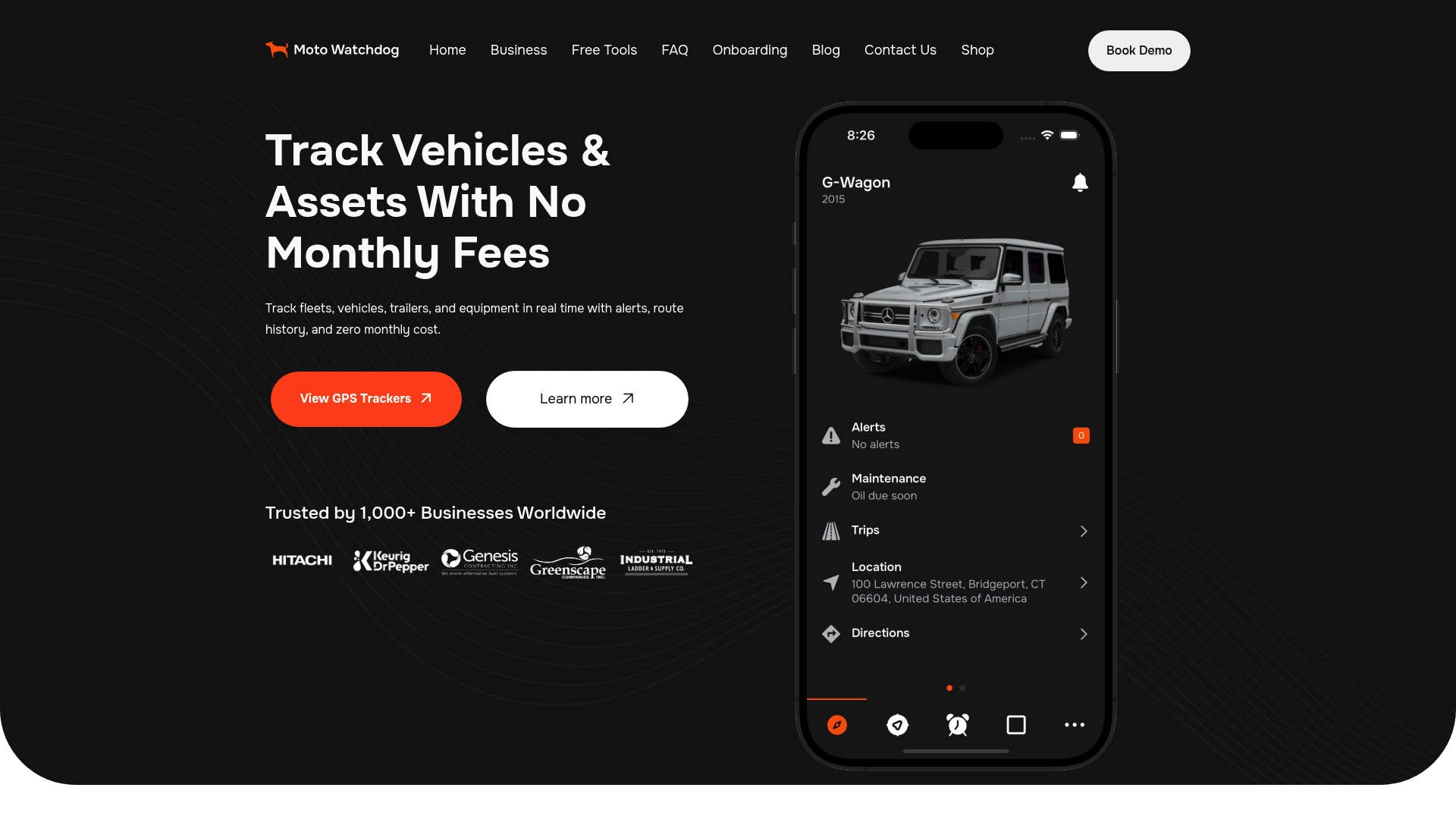
Motowatchdog provides subscription-free 4G GPS tracking hardware built for both individual vehicles and commercial fleets. Over 1,000 businesses rely on Motowatchdog for real-time location monitoring, geofence alerts, and mileage reporting. The devices install without professional help for OBD-II configurations, and the platform delivers the vehicle health monitoring data fleet managers need without the recurring cost that makes most telematics subscriptions hard to justify at scale. If you are evaluating your first tracking system or replacing a subscription-heavy solution, Motowatchdog is worth a direct look.
FAQ
What is vehicle diagnostics tracking?
Vehicle diagnostics tracking is the combination of GPS location monitoring with OBD-II onboard diagnostic data, transmitted through telematics hardware to a software platform. It gives vehicle owners and fleet managers real-time visibility into both where a vehicle is and how it is performing mechanically.
What does OBD-II stand for and why does it matter?
OBD-II stands for On-Board Diagnostics, second generation, and it is the standardized diagnostic port required on all passenger vehicles sold in the United States after 1996. It provides access to engine RPM, fuel level, diagnostic trouble codes, and other vehicle data that telematics devices use for remote health monitoring.
How often does a vehicle diagnostics tracker update its data?
Most devices report data every 1 to 15 minutes depending on configuration and network conditions. Faster update intervals improve the ability to detect critical faults quickly, while slower intervals reduce data transmission costs.
What is the difference between a hardwired and an OBD-II tracker?
Hardwired trackers connect to the vehicle’s electrical system and CAN bus, enabling advanced features like starter interrupt and ignition detection. OBD-II plug-in trackers install without tools and access standardized diagnostic data, but cannot reach the deeper vehicle control signals available to hardwired units.
Can vehicle diagnostics tracking reduce fleet operating costs?
Fleet management systems that integrate GPS and diagnostic data reduce costs by enabling proactive maintenance scheduling, improving fuel efficiency through driver behavior monitoring, and automating compliance documentation that would otherwise require manual record-keeping.