How to start saving money
Lorem ipsum dolor sit amet, consectetur adipiscing elit lobortis arcu enim urna adipiscing praesent velit viverra sit semper lorem eu cursus vel hendrerit elementum morbi curabitur etiam nibh justo, lorem aliquet donec sed sit mi dignissim at ante massa mattis.
- Neque sodales ut etiam sit amet nisl purus non tellus orci ac auctor
- Adipiscing elit ut aliquam purus sit amet viverra suspendisse potent
- Mauris commodo quis imperdiet massa tincidunt nunc pulvinar
- Excepteur sint occaecat cupidatat non proident sunt in culpa qui officia
Why it is important to start saving
Vitae congue eu consequat ac felis placerat vestibulum lectus mauris ultrices cursus sit amet dictum sit amet justo donec enim diam porttitor lacus luctus accumsan tortor posuere praesent tristique magna sit amet purus gravida quis blandit turpis.

How much money should I save?
At risus viverra adipiscing at in tellus integer feugiat nisl pretium fusce id velit ut tortor sagittis orci a scelerisque purus semper eget at lectus urna duis convallis. porta nibh venenatis cras sed felis eget neque laoreet suspendisse interdum consectetur libero id faucibus nisl donec pretium vulputate sapien nec sagittis aliquam nunc lobortis mattis aliquam faucibus purus in.
- Neque sodales ut etiam sit amet nisl purus non tellus orci ac auctor
- Adipiscing elit ut aliquam purus sit amet viverra suspendisse potenti
- Mauris commodo quis imperdiet massa tincidunt nunc pulvinar
- Adipiscing elit ut aliquam purus sit amet viverra suspendisse potenti
What percentege of my income should go to savings?
Nisi quis eleifend quam adipiscing vitae aliquet bibendum enim facilisis gravida neque. Velit euismod in pellentesque massa placerat volutpat lacus laoreet non curabitur gravida odio aenean sed adipiscing diam donec adipiscing tristique risus. amet est placerat in egestas erat imperdiet sed euismod nisi.
“Nisi quis eleifend quam adipiscing vitae aliquet bibendum enim facilisis gravida neque velit euismod in pellentesque”
Do you have any comments? Share them with us on social media
Eget lorem dolor sed viverra ipsum nunc aliquet bibendum felis donec et odio pellentesque diam volutpat commodo sed egestas aliquam sem fringilla ut morbi tincidunt augue interdum velit euismod eu tincidunt tortor aliquam nulla facilisi aenean sed adipiscing diam donec adipiscing ut lectus arcu bibendum at varius vel pharetra nibh venenatis cras sed felis eget.
Fleet GPS systems are tracking devices categorized primarily by how they connect to vehicles and the extent of data they provide. The five main types of fleet GPS systems are OBD-II plug-in trackers, hardwired trackers, battery-powered asset trackers, satellite trackers, and Electronic Logging Devices (ELDs). Each type serves a distinct operational need, and choosing the wrong one costs you money, visibility, or compliance standing. Platforms like Samsara, Motive, and Azuga all build their products around these core hardware categories. Understanding the differences lets you match the right device to each vehicle or asset in your fleet.
1. obd-ii plug-in fleet GPS trackers
OBD-II plug-in trackers are the fastest GPS vehicle tracking type to deploy. They connect directly to the vehicle’s OBD-II diagnostic port, which sits under the dashboard on virtually every vehicle built after 1996. Installation takes under one minute, and no tools or technicians are required.
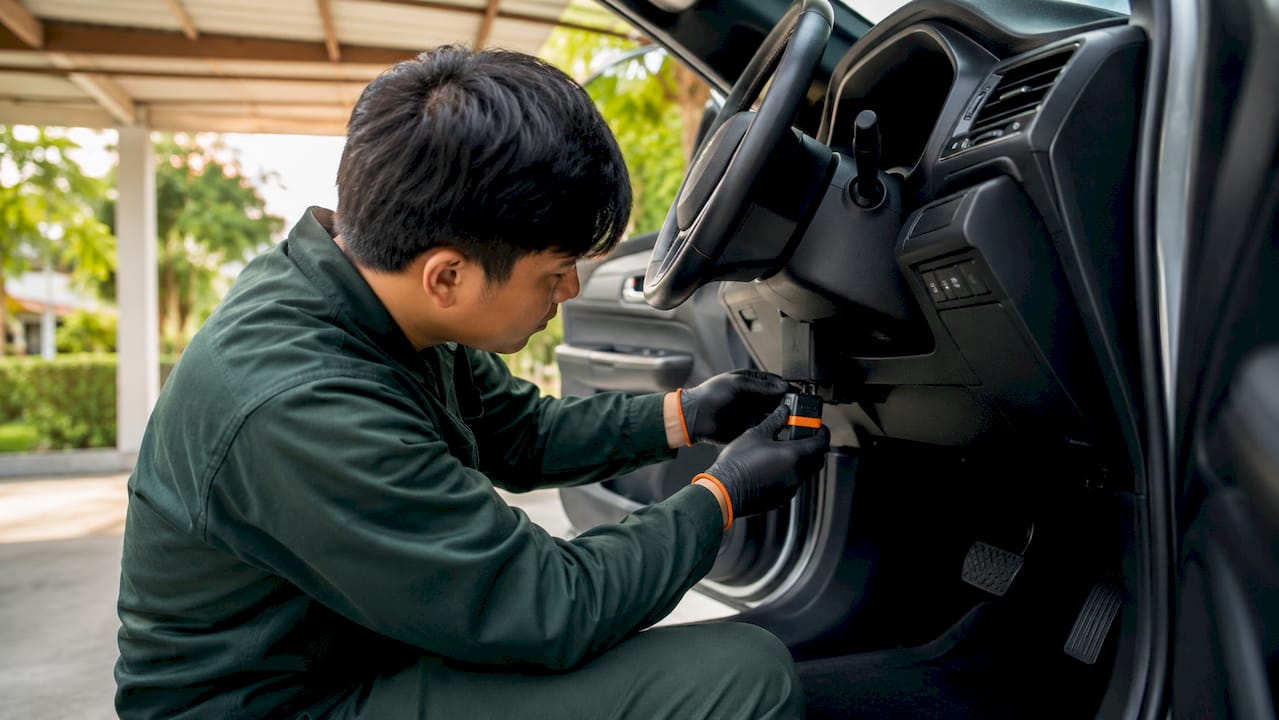
These devices deliver real-time location, speed, idle time, and engine diagnostic codes. Many also support telematics data including fuel consumption and driver behavior scoring. That combination makes them a practical starting point for small fleets moving from paper logs to digital tracking.
Cost breakdown:
- Hardware: $100–$200 per device
- Monthly fees: $20–$40 per vehicle for cellular data and platform access
- Installation labor: $0 (self-install)
The main limitation is tamper risk. A driver can unplug the device in seconds. For fleets where accountability matters, that vulnerability is a real concern. Devices like the Samsara AG24 and Vyncs address this partially through alert notifications when a device disconnects, but the physical risk remains.
Pro Tip: For small fleets on a tight budget, pair OBD-II trackers on powered vehicles with battery-powered asset trackers on trailers. This combined approach balances cost and coverage without overcomplicating your setup.
OBD-II trackers are the best fit for fleets under 20 vehicles, seasonal operations, or any deployment where speed of installation matters more than tamper resistance.
2. hardwired GPS trackers for fleet vehicles
Hardwired GPS trackers connect directly to a vehicle’s electrical system. They draw constant power from the vehicle and cannot be removed without tools and deliberate effort. That permanence is their defining advantage.
Installation takes 30–60 minutes and typically requires a trained technician. Hardware costs run $50–$150 per unit, plus professional installation fees. The total upfront cost is higher than OBD-II, but the data depth and tamper resistance justify that investment for most mid-size and large fleets.
Hardwired devices support a broader sensor set:
- PTO (power take-off) monitoring for equipment like dump trucks or utility vehicles
- Door open/close status
- Temperature sensors for refrigerated cargo
- Panic buttons and driver ID inputs
- Ignition and engine-on/off events
For regulated industries like construction, utilities, or transportation, that sensor data is not optional. It feeds compliance reports, maintenance schedules, and insurance documentation. You can learn more about the technology behind these devices in this hardwired GPS tracker guide.
Pro Tip: Always have hardwired trackers installed by a certified automotive technician. Improper wiring can void manufacturer warranties and create electrical faults that are expensive to diagnose.
3. battery-powered asset trackers
Battery-powered asset trackers are GPS devices designed for trailers, containers, generators, and heavy equipment that have no constant power source. They attach magnetically or with mounting hardware and require zero wiring.
Location updates occur every 5 minutes to several hours depending on the reporting interval you configure. Longer intervals preserve battery life. Most devices last 3–5 years on a single charge or solar panel, making them genuinely low-maintenance over their operational life.
These trackers solve a specific problem: knowing where your non-powered assets are. A trailer sitting at a customer site for three days, a generator left at a job site, or a container in a rail yard all become visible in your fleet management GPS system without any vehicle connection required.
Key use cases:
- Trailer pool management for trucking companies
- Construction equipment left at remote job sites
- Rental asset recovery and utilization tracking
- Intermodal containers and shipping assets
Tampering risk is moderate. The devices are small and can be hidden, but a determined thief with a scanner can locate them. Solar-assisted models from providers like Optimus GPS extend battery life significantly in outdoor environments.
4. satellite GPS fleet tracking systems
Satellite GPS trackers transmit location data through satellite networks rather than cellular towers. Networks like Iridium, Globalstar, and Orbcomm provide coverage in areas where no cell signal exists. That capability is the entire reason these devices exist.
| Feature | Cellular GPS Tracker | Satellite GPS Tracker |
|---|---|---|
| Coverage | Urban and suburban areas | Global, including remote regions |
| Monthly cost | $20–$40 | $50–$150+ |
| Update frequency | Real-time (every 30–60 seconds) | Every 10–30 minutes |
| Best use case | Standard fleet operations | Mining, forestry, agriculture |
Satellite trackers are ideal for fleets operating in remote areas like mining operations, offshore support, agricultural equipment in rural regions, and forestry crews working in mountain terrain. In those environments, cellular GPS trackers simply go dark.
The cost premium is real. Satellite data plans run two to four times the price of cellular plans. Battery consumption is also higher because satellite transmission requires more power. For most urban or suburban fleets, cellular trackers are the practical choice. For fleets that operate beyond cell coverage even occasionally, satellite capability is worth the expense.
Pro Tip: Some hybrid devices switch between cellular and satellite automatically. If your fleet occasionally ventures into low-coverage zones, a hybrid unit avoids paying full satellite rates for every vehicle.
5. electronic logging devices (elds) vs. standard fleet GPS
Electronic Logging Devices are a distinct category of fleet management GPS systems. The Federal Motor Carrier Safety Administration (FMCSA) mandates ELDs under 49 CFR Part 395 for commercial motor vehicles (CMVs) subject to Hours of Service (HOS) rules. They are not interchangeable with standard GPS trackers.
The core difference is the data connection. ELDs must connect to the vehicle’s engine control module (ECM), not just the OBD-II port. ELD rules specify GPS coordinate accuracy of approximately 1 mile during duty status changes and approximately 10 miles when the vehicle is parked. Standard GPS trackers have no such regulatory accuracy requirement.
ELDs record a specific set of data elements:
- Driver duty status (on-duty, off-duty, sleeper berth, driving)
- Driver identification and co-driver information
- Vehicle identification number and engine hours
- Location coordinates at each duty status change
- Certified log edits and annotations
Fleets that misclassify a standard GPS tracker as an ELD face enforcement action during roadside inspections and audits. ELD compliance requires tamper-resistant ECM connection, certified device registration with FMCSA, and driver-facing display capability. A location-only tracker meets none of those requirements.
If your fleet operates CMVs with drivers subject to HOS rules, ELD compliance is non-negotiable. Providers like Samsara, Motive, and KeepTruckin offer FMCSA-registered ELD solutions that also include standard GPS fleet tracking features. For fleets needing to track mileage and compliance data together, pairing an ELD with a mileage tracking solution can simplify reporting significantly.
Key takeaways
The right fleet GPS system depends on your vehicle types, operational environment, regulatory requirements, and budget, not on which device has the most features.
| Point | Details |
|---|---|
| OBD-II trackers suit small fleets | Quick install and low cost make them ideal for fleets under 20 vehicles needing basic visibility. |
| Hardwired trackers offer the most data | Permanent connection supports PTO, door sensors, and tamper resistance for regulated fleets. |
| Asset trackers cover non-powered equipment | Battery life of 3–5 years makes them practical for trailers, containers, and job site equipment. |
| ELDs are legally distinct from GPS trackers | FMCSA-mandated devices must connect to the ECM and meet specific accuracy and data standards. |
| Satellite trackers serve remote operations | Use satellite GPS only when cellular coverage is genuinely unavailable; the cost premium is significant. |
What i’ve learned choosing fleet GPS systems
After working through GPS deployments across fleets of every size, the most common mistake I see is over-buying on features before understanding the actual operational gap. A 10-truck landscaping company does not need the same system as a 200-truck long-haul carrier. The hardware categories exist for a reason, and matching device type to use case is the real skill.
The second mistake is underestimating installation complexity. Hardwired trackers deliver better data, but if your shop does not have a reliable installer, devices get wired incorrectly and create electrical problems that cost more to fix than the tracker itself. OBD-II devices are genuinely underrated for fleets that prioritize speed of deployment over sensor depth.
The ELD classification issue is the one that keeps me up at night on behalf of fleet managers. I have seen carriers run standard GPS trackers for years believing they were ELD-compliant. A single roadside inspection corrects that belief fast, and the penalties are not small. If your drivers are subject to HOS rules, verify your device is on the FMCSA’s registered ELD list before your next inspection.
For small fleets specifically, the budget-conscious tracking guide approach works well: OBD-II on powered vehicles, battery asset trackers on trailers, and no satellite costs unless you genuinely operate off the cellular grid. That combination covers 90% of small fleet tracking needs at a fraction of enterprise pricing.
— Louis
Track your fleet without monthly subscription fees
Motowatchdog offers subscription-free 4G GPS tracking built for fleet managers who want real-time vehicle visibility without recurring platform costs eating into margins. The devices support geofencing alerts, detailed mileage reporting, and long battery life across vehicle and asset tracking scenarios.
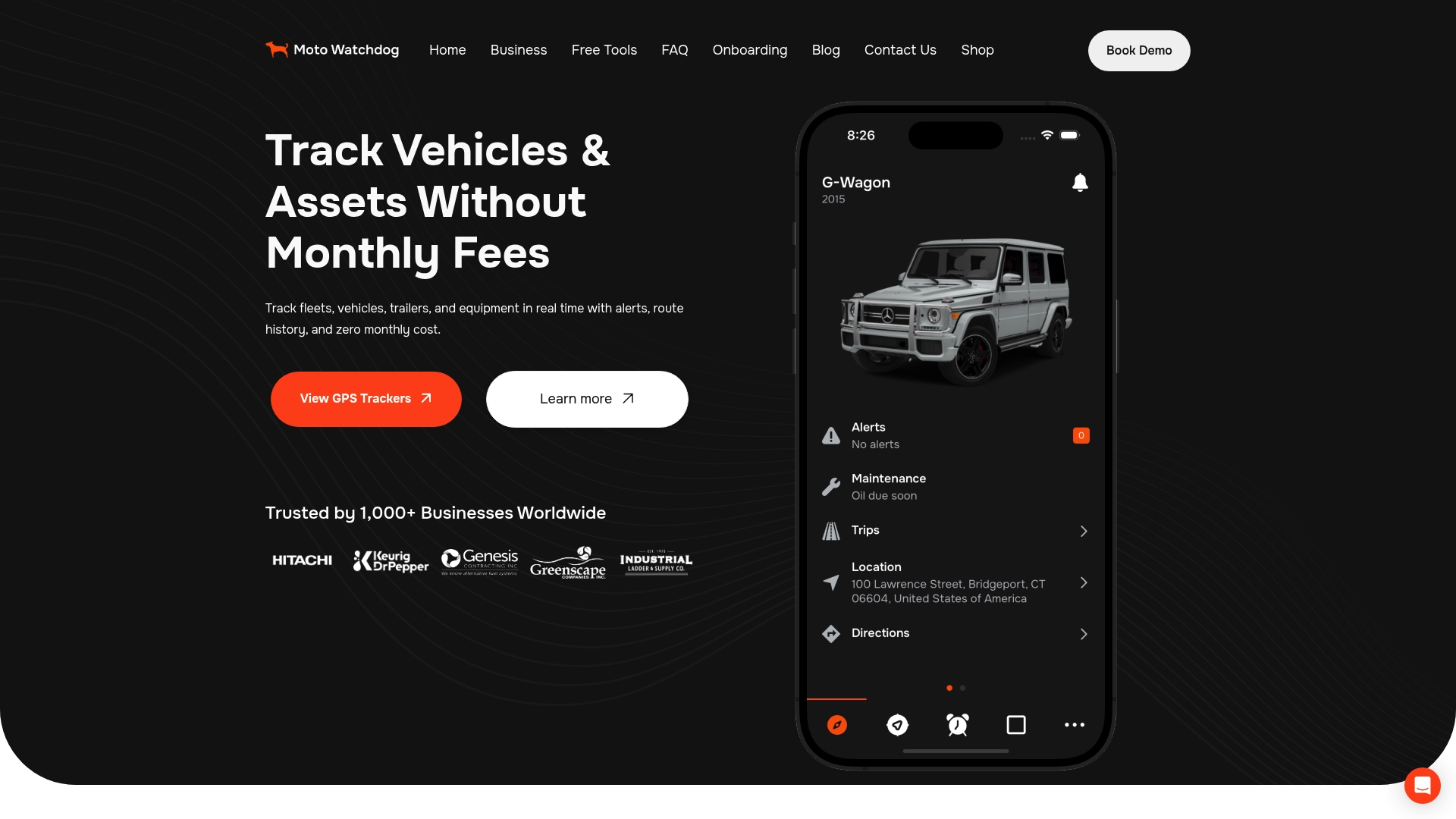
Over 1,000 businesses rely on Motowatchdog for accurate, dependable tracking that works out of the box. Whether you manage five vehicles or fifty, the subscription-free model means your tracking costs stay fixed as your fleet grows. Explore the full fleet tracking solution and see how Motowatchdog fits your operational needs.
FAQ
What are the main types of fleet GPS systems?
The five main GPS vehicle tracking types are OBD-II plug-in trackers, hardwired trackers, battery-powered asset trackers, satellite trackers, and Electronic Logging Devices. Each differs in installation method, data capability, and best-fit use case.
How do small fleets use GPS tracking cost-effectively?
Small fleets benefit most from combining OBD-II plug-in trackers on vehicles with battery-powered asset trackers on trailers. This approach delivers broad coverage at the lowest hardware and monthly cost.
Is an ELD the same as a fleet GPS tracker?
No. An ELD must connect to the vehicle’s ECM and meet FMCSA accuracy and data recording standards under 49 CFR Part 395. A standard GPS tracker records location only and does not satisfy Hours of Service compliance requirements.
When does a fleet need satellite GPS instead of cellular?
Satellite GPS is necessary when vehicles operate in areas without cellular network coverage, such as mining sites, remote agricultural land, or offshore support operations. For standard urban or highway fleets, cellular GPS trackers are sufficient and significantly less expensive.
What data do hardwired GPS trackers provide that obd-ii devices do not?
Hardwired trackers support additional sensors including PTO monitoring, door status, temperature inputs, and panic buttons. OBD-II devices are limited to data available through the vehicle’s diagnostic port, which excludes most external sensor inputs.