Plumbing Job Site Verification: Essential Steps for Accurate Project Assessment
How to start saving money
Lorem ipsum dolor sit amet, consectetur adipiscing elit lobortis arcu enim urna adipiscing praesent velit viverra sit semper lorem eu cursus vel hendrerit elementum morbi curabitur etiam nibh justo, lorem aliquet donec sed sit mi dignissim at ante massa mattis.
- Neque sodales ut etiam sit amet nisl purus non tellus orci ac auctor
- Adipiscing elit ut aliquam purus sit amet viverra suspendisse potent
- Mauris commodo quis imperdiet massa tincidunt nunc pulvinar
- Excepteur sint occaecat cupidatat non proident sunt in culpa qui officia
Why it is important to start saving
Vitae congue eu consequat ac felis placerat vestibulum lectus mauris ultrices cursus sit amet dictum sit amet justo donec enim diam porttitor lacus luctus accumsan tortor posuere praesent tristique magna sit amet purus gravida quis blandit turpis.

How much money should I save?
At risus viverra adipiscing at in tellus integer feugiat nisl pretium fusce id velit ut tortor sagittis orci a scelerisque purus semper eget at lectus urna duis convallis. porta nibh venenatis cras sed felis eget neque laoreet suspendisse interdum consectetur libero id faucibus nisl donec pretium vulputate sapien nec sagittis aliquam nunc lobortis mattis aliquam faucibus purus in.
- Neque sodales ut etiam sit amet nisl purus non tellus orci ac auctor
- Adipiscing elit ut aliquam purus sit amet viverra suspendisse potenti
- Mauris commodo quis imperdiet massa tincidunt nunc pulvinar
- Adipiscing elit ut aliquam purus sit amet viverra suspendisse potenti
What percentege of my income should go to savings?
Nisi quis eleifend quam adipiscing vitae aliquet bibendum enim facilisis gravida neque. Velit euismod in pellentesque massa placerat volutpat lacus laoreet non curabitur gravida odio aenean sed adipiscing diam donec adipiscing tristique risus. amet est placerat in egestas erat imperdiet sed euismod nisi.
“Nisi quis eleifend quam adipiscing vitae aliquet bibendum enim facilisis gravida neque velit euismod in pellentesque”
Do you have any comments? Share them with us on social media
Eget lorem dolor sed viverra ipsum nunc aliquet bibendum felis donec et odio pellentesque diam volutpat commodo sed egestas aliquam sem fringilla ut morbi tincidunt augue interdum velit euismod eu tincidunt tortor aliquam nulla facilisi aenean sed adipiscing diam donec adipiscing ut lectus arcu bibendum at varius vel pharetra nibh venenatis cras sed felis eget.
Plumbing job site verification confirms that contractors, employees, and service providers have the proper credentials, licenses, and qualifications before they begin work on a project. This process protects property owners, general contractors, and plumbing businesses from liability risks and ensures compliance with local regulations.

A structured verification system checks contractor licenses, registration status, insurance coverage, and employee background clearances. This reduces risk across residential and commercial job sites.
The plumbing industry requires workers to enter homes, businesses, and construction sites. Thorough verification is essential for safety and quality assurance.
Understanding available tools, legal requirements, and practical methods for verification helps stakeholders make informed hiring decisions. Online verification platforms and license database searches support a reliable vetting process for plumbing projects.
Understanding Plumbing Job Site Verification

Plumbing job site verification ensures that installations meet code requirements and match approved plans. This process protects both property owners and contractors through documented compliance checks.
Definition and Purpose
Plumbing job site verification is a planned inspection process. It confirms plumbing installations comply with local codes, manufacturer specifications, and project drawings.
The verification examines pipe routing, fixture placement, material quality, system connections, and safety protocols. It identifies installation errors before they become costly problems.
Verification confirms that materials meet specified grades and standards. The inspection validates that work matches approved permits and engineering plans.
It also ensures proper installation of backflow preventers, pressure regulators, and other code-mandated safety devices. Site verification creates documented proof of compliance for building inspectors and future reference.
Key Steps in the Verification Process
The verification process begins with comparing installed work against approved drawings. Inspectors measure pipe sizes and verify slope requirements for drainage lines.
They confirm fixture locations match plans. Material verification includes checking pipe materials, fitting types, and valve specifications.
Inspectors examine manufacturer labels and certifications to confirm products meet standards. Testing procedures vary by system type:
- Potable water systems require pressure testing and disinfection.
- Drain, waste, and vent systems undergo air or water testing.
- Gas piping receives pressure and leak detection tests.
Documentation captures test results, material certifications, and photographic evidence of concealed work. Inspectors verify clearances around equipment and proper support spacing.
The final step involves coordinating with building officials for required inspections at rough-in, underground, and final stages.
Benefits for Homeowners and Contractors
Homeowners gain assurance that their plumbing systems meet safety standards and will function reliably. Verified installations reduce the risk of water damage, contamination, or system failures.
Documentation provides valuable records for insurance claims and property resales. When hiring a contractor, homeowners can request verification records as proof of quality workmanship.
These records demonstrate the contractor's commitment to professional standards. Contractors benefit through reduced liability exposure and fewer callbacks for defective work.
Systematic verification catches errors during construction when corrections cost less. Documented compliance streamlines building inspections and accelerates project closeout.
The process also protects contractors from disputes by providing clear evidence of proper installation methods and materials.
Verifying Contractor Licenses and Registration
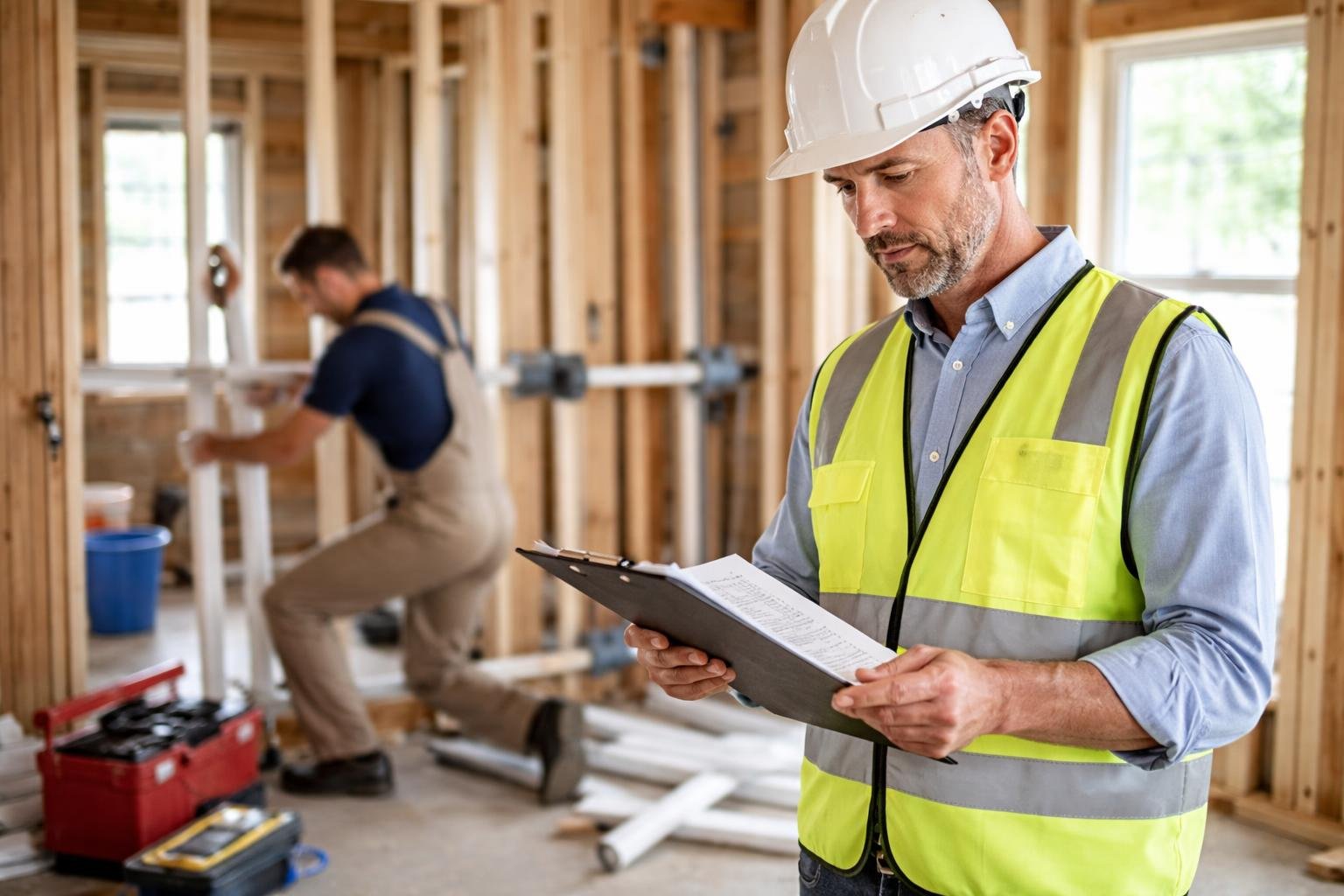
Verifying a plumbing contractor's credentials protects property owners from fraud, poor work, and legal complications. State licensing systems provide public databases to confirm active licenses, check registration status, and review disciplinary actions.
How to Check Contractor License Status
Most states maintain online systems where users can search for contractors by name, business name, or license number. These databases show if a license is active, expired, or suspended, along with issue and expiration dates.
State-specific portals like Washington's Department of Labor & Industries and California's Contractors State License Board offer comprehensive verification tools. These systems show license status, workers' compensation coverage, safety violations, and surety bond claims.
Users can access this information without creating an account in most jurisdictions. Property owners should confirm the contractor's license is current before signing contracts.
An expired or inactive license means the contractor cannot legally perform work. Hiring them may void insurance coverage or violate local building codes.
Understanding Contractor License Numbers
Each licensed contractor receives a unique identification number from their state's licensing authority. This number is the main way to track credentials and enforcement actions.
Property owners should request the contractor license number before hiring. They should verify it matches the information in state databases.
Some contractors display their license numbers on business cards, websites, and work vehicles as required by law. Cross-referencing the number with the contractor's business name and address helps confirm legitimacy.
Role of Home Improvement Salesperson Registration
A home improvement salesperson represents a licensed contractor when negotiating contracts but cannot perform construction work. Several states require these individuals to register separately from the contractor's license.
Home improvement salesperson registration often requires passing an exam and maintaining current status through the employing contractor's license. When someone solicits plumbing work, property owners should verify both the salesperson's registration and the contractor's license.
This dual verification prevents unlicensed entities from using registered salespeople to appear legitimate.
Leveraging Verification Tools and Resources
Digital verification tools and state licensing resources give plumbers immediate access to contractor credentials and compliance information. These systems help ensure all workers meet legal requirements before starting work.
Overview of Online Verify Tools
Online verify tools let contractors authenticate credentials, licenses, and certifications through digital platforms. Users input license numbers or names to access real-time verification data.
Many platforms connect directly with state databases for up-to-date information. The tools often include mobile interfaces for on-site verification.
Key features include:
- Real-time database connections for license status
- Historical records of violations or complaints
- Multi-state verification for contractors working in several areas
- Document storage for compliance records
Some platforms offer automated alerts when licenses are about to expire. This helps project managers maintain compliance during long projects.
Using the CSLB and State Resources
The Contractors State License Board (CSLB) operates California's license verification system for all construction trades, including plumbing. The CSLB database provides information about license classifications, bond status, insurance, and complaint history.
Users can search the CSLB tool by license number, business name, or individual name. The system displays active licenses, suspended credentials, and revoked permits with details about enforcement actions.
Other states have similar licensing boards with comparable verification systems. Each state resource includes information about local plumbing codes, permit requirements, and continuing education obligations.
Project managers should bookmark their state licensing authority's verification portal for quick reference during contractor onboarding.
Important Legal and Regulatory Considerations
Plumbing work operates under strict legal frameworks that require proper licensing and verification. Failing to meet these requirements exposes contractors and property owners to penalties and project delays.
State and Local Licensing Requirements
Every state has specific licensing standards for plumbing contractors. Most states require plumbers to obtain a license by passing exams on plumbing codes and safety standards.
A licensed contractor must display their license number on permits, contracts, and often on vehicles. Some areas require separate licenses for different types of plumbing work.
Local building departments verify licensing status before issuing permits. They check that the contractor license is active and that the individual pulling the permit holds proper credentials.
Many states also require proof of insurance and bonding as part of maintaining a license. Contractors working in multiple areas need to research each area's requirements.
What qualifies as acceptable licensing in one county may not meet standards in another, even within the same state.
Consequences of Skipping Verification
Operating without proper verification can cause serious legal and financial problems. Building departments can issue stop-work orders that halt all construction until compliance is achieved.
These delays cost contractors money in idle labor and extended equipment rentals. Unlicensed work can void permits and may require complete demolition and reinstallation.
Property owners cannot get occupancy certificates if inspectors find unpermitted or improperly verified plumbing work. Insurance claims may be denied if work was performed by someone without a valid license.
This leaves property owners personally liable for damages. Regulatory agencies can impose fines ranging from hundreds to thousands of dollars per violation.
Repeat offenders face license suspension or revocation.
Best Practices for Plumbing Job Site Verification
Effective job site verification requires systematic documentation and clear communication with contractors. These practices protect both property owners and plumbing professionals and ensure code compliance.
Documenting Your Due Diligence
Documentation should start before work begins and continue through project completion. Property owners should photograph existing conditions, including water lines, drain locations, and fixture placements.
These images serve as references if disputes arise. During active work, keep a daily log noting which crew members were present and what tasks were completed.
Request copies of material receipts and manufacturer specifications for all installed components. This paper trail is useful during warranty claims or future maintenance.
Essential documentation items include:
- Permit applications and approval documents
- Before and after photographs with timestamps
- Material invoices and product specifications
- Pressure test results and system flush records
- Final inspection reports from authorities
Digital tools allow real-time uploads and cloud storage. Many contractors provide access to shared folders where clients can view progress photos and updated timelines.
Communicating with Contractors
Verify the contractor's license status before hiring. State licensing boards maintain online databases showing current credentials and insurance coverage.
Establish communication protocols at the project kickoff meeting. Decide who is the main point of contact and how quickly responses are expected.
Regular check-ins prevent small issues from becoming major problems. Document all conversations in writing, whether through email or text messages.
Request written confirmation of verbal agreements about materials, timelines, or budget adjustments. This creates accountability and reduces misunderstandings.
Common Challenges and How to Overcome Them
Job site verification often faces obstacles related to documentation quality and worker credentials. These issues can delay projects and create liability concerns.
Addressing Incomplete or Inaccurate Records
Incomplete permit documentation is a frequent verification challenge. Contractors may submit paperwork with missing signatures, incorrect addresses, or outdated license numbers.
These gaps force verifiers to track down information manually or reject submissions. The solution is to use a standardized checklist before work begins.
Verifiers should confirm that contractor license numbers are current and valid through state databases. They must check that permit applications include complete scope descriptions, accurate property details, and proper signatures.
Digital documentation systems help reduce errors by flagging incomplete fields automatically. Photos of existing conditions, work in progress, and completed installations create visual proof that supplements written records.
When discrepancies arise, verifiers should contact the issuing authority directly.
Handling Unlicensed Work Scenarios
Unlicensed plumbers or unregistered home improvement salesperson representatives sometimes appear on job sites. This can cause legal and insurance problems for property owners and general contractors.
When unlicensed work is found, immediate documentation is important. Verifiers should take photos of the people present and note their claimed affiliations.
They should also record what work was performed. In most places, the property owner and licensing board must be notified within 24 hours.
All workers should have their credentials checked before starting work. License verification should include subcontractors and their employees.
Workers should display visible credentials on-site. This helps prevent unlicensed individuals from entering work areas.
If unlicensed work has already been done, a licensed professional must inspect the installation. The professional may need to redo the work to meet code requirements.