Plumbing Dispatch Optimization: How to Reduce Response Times and Improve Service Efficiency
How to start saving money
Lorem ipsum dolor sit amet, consectetur adipiscing elit lobortis arcu enim urna adipiscing praesent velit viverra sit semper lorem eu cursus vel hendrerit elementum morbi curabitur etiam nibh justo, lorem aliquet donec sed sit mi dignissim at ante massa mattis.
- Neque sodales ut etiam sit amet nisl purus non tellus orci ac auctor
- Adipiscing elit ut aliquam purus sit amet viverra suspendisse potent
- Mauris commodo quis imperdiet massa tincidunt nunc pulvinar
- Excepteur sint occaecat cupidatat non proident sunt in culpa qui officia
Why it is important to start saving
Vitae congue eu consequat ac felis placerat vestibulum lectus mauris ultrices cursus sit amet dictum sit amet justo donec enim diam porttitor lacus luctus accumsan tortor posuere praesent tristique magna sit amet purus gravida quis blandit turpis.

How much money should I save?
At risus viverra adipiscing at in tellus integer feugiat nisl pretium fusce id velit ut tortor sagittis orci a scelerisque purus semper eget at lectus urna duis convallis. porta nibh venenatis cras sed felis eget neque laoreet suspendisse interdum consectetur libero id faucibus nisl donec pretium vulputate sapien nec sagittis aliquam nunc lobortis mattis aliquam faucibus purus in.
- Neque sodales ut etiam sit amet nisl purus non tellus orci ac auctor
- Adipiscing elit ut aliquam purus sit amet viverra suspendisse potenti
- Mauris commodo quis imperdiet massa tincidunt nunc pulvinar
- Adipiscing elit ut aliquam purus sit amet viverra suspendisse potenti
What percentege of my income should go to savings?
Nisi quis eleifend quam adipiscing vitae aliquet bibendum enim facilisis gravida neque. Velit euismod in pellentesque massa placerat volutpat lacus laoreet non curabitur gravida odio aenean sed adipiscing diam donec adipiscing tristique risus. amet est placerat in egestas erat imperdiet sed euismod nisi.
“Nisi quis eleifend quam adipiscing vitae aliquet bibendum enim facilisis gravida neque velit euismod in pellentesque”
Do you have any comments? Share them with us on social media
Eget lorem dolor sed viverra ipsum nunc aliquet bibendum felis donec et odio pellentesque diam volutpat commodo sed egestas aliquam sem fringilla ut morbi tincidunt augue interdum velit euismod eu tincidunt tortor aliquam nulla facilisi aenean sed adipiscing diam donec adipiscing ut lectus arcu bibendum at varius vel pharetra nibh venenatis cras sed felis eget.
Plumbing businesses face a persistent challenge: getting the right technician to the right location at the right time while minimizing costs and maximizing customer satisfaction.
Plumbing dispatch optimization is the process of efficiently allocating technicians and scheduling service calls to reduce travel time, improve response rates, and increase the number of jobs completed per day.
Modern dispatch systems can reduce emergency response times by 40-60% through intelligent routing and automated job assignments.

The difference between a well-optimized dispatch operation and a poorly managed one is quickly seen in the bottom line.
Companies that use smart dispatch strategies have fewer missed appointments, lower fuel costs, and higher technician productivity.
These improvements lead to better customer experiences and increased revenue.
Understanding the basics of dispatch optimization, choosing the right software, and using best practices for technician allocation are important for any plumbing business that wants to grow.
This guide explains the main parts of modern dispatch systems and gives practical tips on using technology to make plumbing operations more efficient.
Foundations of Plumbing Dispatch Optimization
Successful plumbing dispatch starts with understanding the key principles that drive efficiency and customer satisfaction.
Clear operational definitions, structured workflows, and measurable performance indicators help guide ongoing improvement.
Defining Plumbing Dispatch Optimization
Plumbing dispatch optimization means allocating technicians and resources to service calls in the most efficient way possible.
It involves scheduling jobs to minimize travel time between appointments and increase the number of completed calls each day.
The process considers technician location, skill level, job priority, and customer availability.
Dispatchers must balance emergency calls with scheduled maintenance.
Effective optimization lowers fuel costs and increases the number of customers served daily.
It also improves technician productivity by cutting down on downtime and avoiding inefficient routes.
Role of Dispatch Operations in Plumbing Companies
Dispatch operations are the central hub of plumbing services.
Dispatchers receive incoming calls, assess urgency, and assign the best technician to each job.
The dispatch process affects customer satisfaction through response times and service quality.
Poor dispatch decisions can cause delays, unhappy customers, and lost revenue.
Modern dispatch operations provide real-time updates between customers, technicians, and office staff.
They manage schedule changes, handle emergency callbacks, and make sure resources are used efficiently.
Strong dispatch operations help plumbing companies handle more calls without increasing overhead costs.
Key Metrics for Measuring Dispatch Performance
Average response time measures how long it takes from the first customer contact to technician arrival.
Emergency calls usually need response times under two hours, while scheduled appointments can be more flexible.
First-time fix rate tracks the percentage of jobs completed on the first visit.
Higher rates show good technician assignment and proper parts management.
Other important metrics include:
- Technician utilization rate – percent of working hours spent on billable jobs
- Average jobs per technician per day – a measure of route efficiency
- Customer wait time – time from call to scheduled appointment
- Route efficiency – comparing actual travel time to optimal routes
These metrics help identify operational problems and measure improvements.
Tracking them allows plumbing companies to benchmark performance and adjust dispatch strategies.
The Importance of Route Optimization

Route optimization changes plumbing dispatch from a reactive process to a strategic one.
Efficient route planning affects fuel costs, service capacity, and technician morale.
It also helps manage the challenges of coordinating mobile teams across service areas.
Challenges of Traditional Routing
Traditional routing uses manual dispatch decisions and does not consider real-time traffic or grouping appointments by location.
Dispatchers often assign jobs based only on technician availability, leading to inefficient travel throughout the day.
These old methods cause several problems:
- Longer drive times between service calls
- Wasted fuel from unnecessary mileage
- Missed appointments due to poor time estimates
- Dispatcher stress from constant manual changes
Manual planning cannot adjust quickly when emergencies happen or jobs take longer than expected.
Technicians may drive past optimal locations, raising costs and reducing the number of jobs finished each day.
Static routing also ignores historical data like typical service times or traffic patterns.
This leads to unreliable arrival estimates and strains technician schedules.
Impact on Technician Productivity
Technician productivity drops when poor planning forces them to spend too much time driving instead of working.
Every extra hour on the road is lost revenue and reduces service capacity.
Inefficient routes cause fatigue and frustration among technicians.
When technicians spend more time in traffic than fixing plumbing issues, job satisfaction falls and turnover rises.
Optimized routes help technicians complete more jobs during regular hours.
This increases daily revenue per technician without needing overtime or more hires.
Dynamic scheduling lets dispatchers add urgent jobs to routes without disrupting the whole day.
This keeps productivity high even when emergencies come up.
Benefits of Reducing Travel Time
Reducing travel time with route optimization brings clear financial benefits.
Companies often cut fuel costs by 15-30% and increase the number of daily appointments per technician.
Lower mileage reduces vehicle maintenance costs and extends fleet life.
Savings add up over time as brake and tire replacements happen less often.
Customers get better service with more accurate arrival windows and faster response.
Reliable ETAs reduce calls to dispatch and improve first-visit completion rates.
Optimized routes also help the environment by lowering emissions.
This improves company reputation and saves money through better fuel efficiency.
Core Features of Plumbing Dispatch Optimization Software
Good plumbing dispatch software has three main features: automated job assignments, location-based tracking, and inventory systems that link field operations with stock management.
Automated Scheduling and Technician Assignment
Automated scheduling removes manual coordination by analyzing job needs, technician skills, and availability to create the best assignments.
The software matches technicians to jobs based on service type, certifications, and workload.
Key features include:
- Priority-based job queuing for emergencies
- Skill-matching for complex jobs
- Balancing workloads to avoid overbooking
- Same-day scheduling changes for cancellations or new requests
Technician assignment systems cut dispatch time from minutes to seconds.
The software considers technician locations, scheduled breaks, and shift patterns when making assignments.
For urgent jobs, the system finds the nearest available qualified technician and updates their schedule automatically.
Real-Time GPS Tracking and Live Visibility
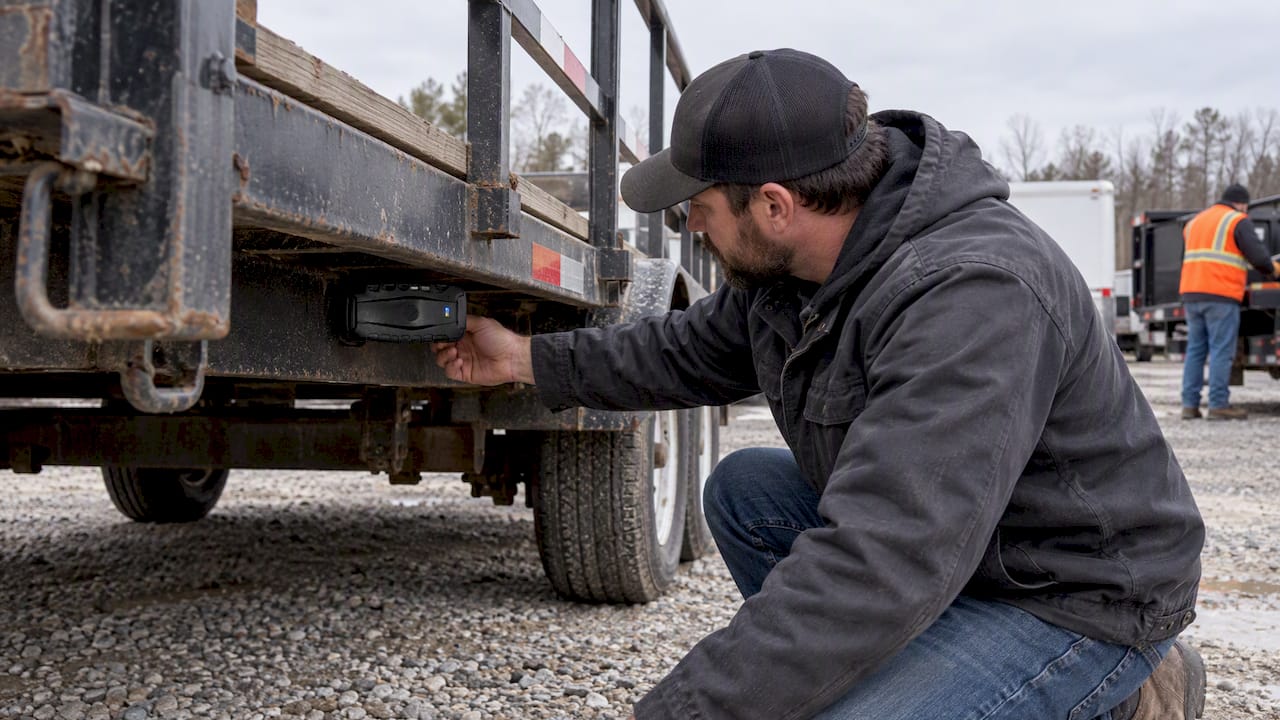
Real-time GPS tracking gives continuous location data for all field technicians.
Dispatchers see technician positions on map interfaces that update every 30-60 seconds.
This enables accurate arrival estimates and quick responses to changes.
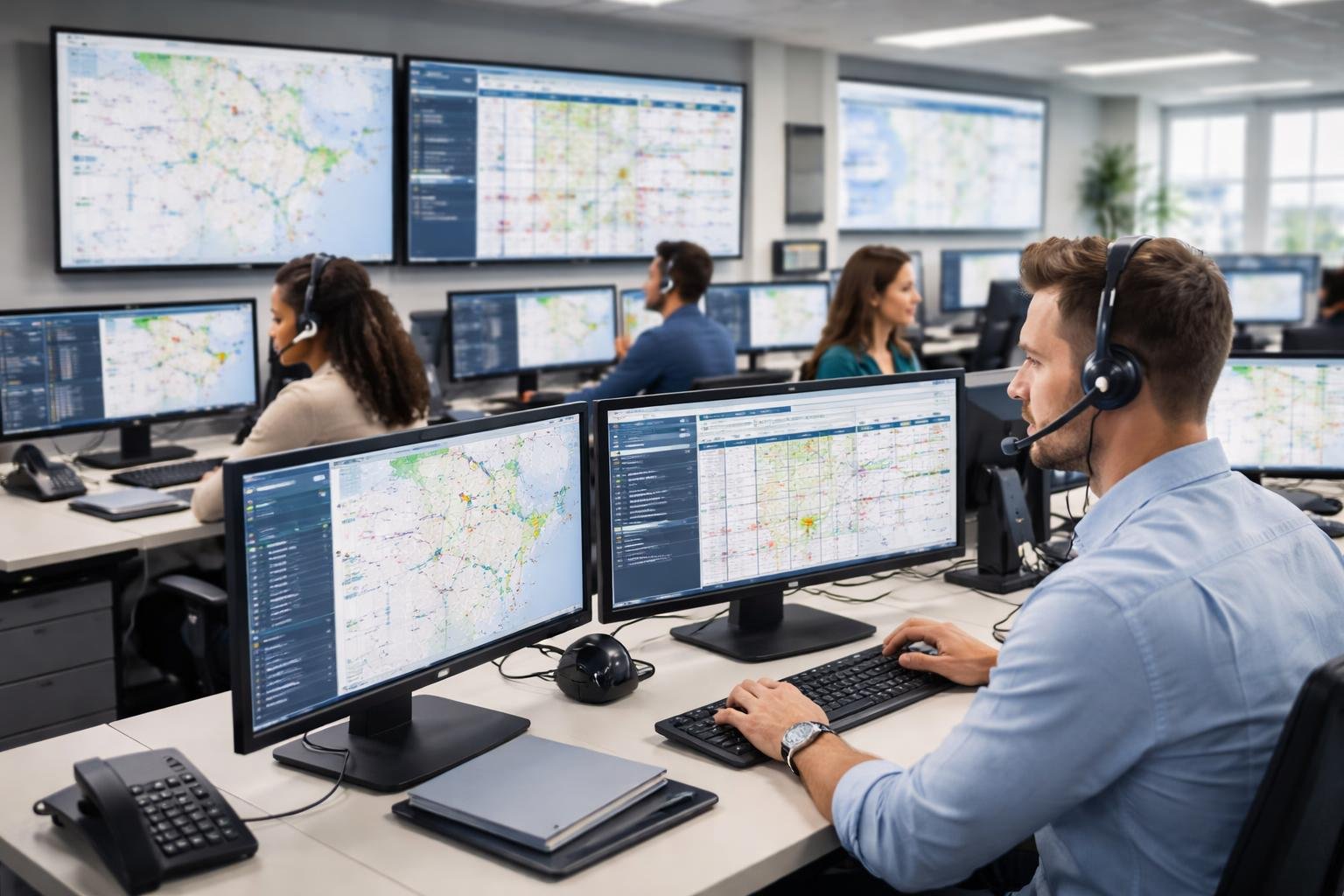
Live visibility also shows job status, travel routes, and estimated completion times in one dashboard.
Dispatchers can spot delays, reroute nearby workers to urgent calls, and give accurate ETAs to customers.
GPS tracking offers:
- Quick identification of the closest technician to emergencies
- Alerts when technicians leave planned routes
- Historical data for mileage and payroll verification
- Geofencing for automatic status updates at job sites
Inventory Management Integration
Inventory management links dispatch with parts tracking and stock levels.
When technicians get assignments, they see required materials and current inventory in warehouses and vehicles.
The system flags parts shortages before technicians arrive at job sites.
Real-time dispatch changes can send jobs to technicians with the right parts or schedule warehouse stops.
This prevents return trips and incomplete jobs caused by missing materials.
Technicians update inventory from mobile devices as they use parts.
These updates sync with central databases, trigger reorder alerts, and help track job costs.
Leading Plumbing Dispatch Software Solutions
Modern plumbing businesses need platforms that combine scheduling, routing, and customer management.
The market offers tools from basic dispatching to full field service management systems with advanced features.
Overview of Top Platforms
ServiceTitan is an enterprise-grade plumbing service software for growing businesses.
It provides integrated dispatching, customer management, and business intelligence tools.
The platform supports multi-location companies with centralized control over technician assignments.
Housecall Pro is for small to mid-sized plumbing companies needing streamlined operations.
It combines job scheduling, customer communication, and payment processing in a mobile-friendly interface.
Service Fusion offers centralized management with real-time scheduling and route optimization.
It integrates job tracking and invoicing for plumbing contractors with multiple technicians.
FieldEdge provides dispatch coordination with flat-rate pricing and equipment tracking.
It is suited for businesses needing detailed job costing and inventory management.
Jobber offers plumbing CRM and scheduling for smaller operations.
Upper Route Planner focuses on route optimization for service calls.
WorkWave and Kickserv also provide varying levels of features.
Comparing Features and Suitability for Different Businesses
Basic dispatching software handles job assignment and scheduling for teams under five people.
Jobber and Kickserv fit this need with simple interfaces and essential tracking.
Mid-tier platforms like Housecall Pro and Service Fusion add route optimization, customer portals, and payment processing.
These options support businesses with 5-20 technicians.
Enterprise solutions like ServiceTitan and FieldEdge offer territory management, analytics, and multi-location coordination.
They handle complex dispatching with automated technician allocation based on skills, location, and availability.
Key differences include pricing, mobile app features, and integration with accounting systems.
Businesses reporting up to 45% faster response times often use platforms with AI-driven route optimization and predictive scheduling.
Optimizing Technician Dispatch and Job Allocation
Good technician dispatch balances job priority, technician skills, location, and schedule.
Modern dispatch systems use automated rules and real-time data to match the right technician to each job.
This helps minimize travel time and maximize daily productivity.
Dynamic Scheduling and Prioritization
Dynamic scheduling adjusts to changes during the day instead of sticking to a fixed morning plan.
When emergencies come up or jobs run long, dispatch systems with drag-and-drop scheduling allow quick technician reassignment.
Priority-based assignment makes sure urgent repairs get immediate attention while routine maintenance fits into the schedule at the best times.
The system considers customer wait time, job complexity, and service agreements when setting dispatch order.
Real-time updates keep technicians informed of changes through mobile notifications.
This flexibility prevents wasted drive time when appointments cancel or new high-priority jobs appear.
Dispatchers can see technician status, estimated completion times, and upcoming availability in one dashboard to make better decisions.
Using Predictive Analytics for Better Assignment
Predictive analytics uses historical data to improve technician assignment. The system reviews past job durations, skill ratings, and completion rates to estimate time needs for new service calls.
Machine learning finds patterns in job types, required parts, and technician expertise. It matches jobs with technicians most likely to resolve issues on the first visit.
This process reduces callbacks and boosts customer satisfaction. Performance metrics track technician productivity, travel efficiency, and customer ratings for better dispatch decisions.
The software predicts peak demand periods using seasonal trends and past call volumes. Managers can then adjust staffing levels in advance.
These insights reveal which technicians excel at certain job types. Specialized assignment strategies help improve team performance.
Managing Service Territories and Calendar
Service territories split coverage areas into zones for specific technicians or crews. This reduces travel time and helps technicians become familiar with local sites.
Territory-based dispatch sends jobs to the assigned technician in each zone. Overflow jobs go to nearby territories when needed.
Calendar tools show technician availability for daily and weekly planning. The system tracks planned time off, training, and recurring appointments to avoid double-booking.
Dispatchers can add buffer times between jobs for travel and delays. This helps create schedules technicians can realistically meet.
Enhancing Communication for Improved Dispatch Efficiency
Strong communication between dispatchers, technicians, and customers reduces delays. Clear information flow keeps everyone updated on job status and schedule changes.
Real-Time Customer Updates and Communication Tools
Modern dispatch systems send automated notifications to customers. Text messages and emails alert customers when technicians are assigned or on the way.
Customer communication tools reduce the need for manual phone calls. Automated updates share technician names, photos, and arrival times that customers can track through mobile apps or web portals.
This transparency builds trust and helps customers plan their day. Two-way communication lets customers message dispatchers or technicians with questions or concerns.
These tools also handle appointment confirmations and rescheduling. Digital communication creates a record of all customer interactions for better accountability.
Internal Coordination Between Office and Field Technicians
Dispatchers need real-time updates on technician locations and job progress. Mobile apps let technicians update job status as they arrive, start, and finish tasks.
Digital work orders provide customer histories, site notes, and required parts before arrival. Technicians can photograph completed work, collect digital signatures, and submit invoices from the job site.
This immediate data transfer keeps office staff and field teams aligned. Group messaging allows dispatchers to send urgent updates to multiple technicians at once.
Technicians can request support or report issues without phone calls. Streamlined coordination reduces response times during emergencies or schedule changes.
Addressing Dispatch Challenges Through Effective Communication
Communication breakdowns can cause missed appointments and duplicate service calls. Clear protocols help dispatchers relay priority levels and special instructions to field teams.
Standard procedures ensure technicians get critical information before arriving on site. Dispatchers must share customer preferences, access codes, and hazardous conditions.
Regular check-ins help spot bottlenecks before they grow.
Common dispatch communication challenges include:
- Technicians not updating job status
- Customers calling repeatedly for updates
- Emergency calls disrupting schedules
- Incomplete information during shift changes
Dedicated communication platforms for field service teams address these issues better than phone calls or texts. These systems centralize conversations and make past communication searchable.
Continuous Improvement and Future Trends in Dispatch Optimization
Plumbing dispatch systems need constant improvement through data analysis and new technology. Companies that track performance metrics and focus on scalability can handle growth while keeping service quality high.
Integrating Feedback and Performance Reporting
Performance metrics support continuous improvement in dispatch. Companies should track indicators like average response time, first-time fix rates, technician utilization, and customer satisfaction.
Regular reviews of these metrics reveal patterns for operational changes. For example, managers may find certain routes cause delays or some time slots improve customer satisfaction.
Technician feedback highlights real-world challenges that data may miss. Field workers can point out issues with assignments, equipment, or communication.
Holding review sessions ensures this feedback reaches managers. Dashboard tools display daily performance, flag issues, and generate trend reports for planning.
Adapting to Advanced Technologies
Artificial intelligence can manage after-hours calls and initial customer triage. AI systems qualify emergency requests, schedule routine appointments, and provide estimated arrival times.
Predictive analytics helps companies prepare for demand changes using past data, weather, and seasonal trends. Dispatchers can position technicians in high-demand areas or adjust staffing before call spikes.
Mobile integration improves real-time communication between dispatchers and field teams. Technicians can update job status, access customer histories, and get new assignments on smartphones or tablets.
Internet of Things (IoT) sensors in plumbing systems may soon trigger automatic service requests when problems are detected. This shift to proactive service needs dispatch systems that can handle automated job creation and prioritization.
Preparing for Scalability and Growth
Field service management platforms must support expanding service territories without losing performance. Companies should check if their dispatch software can handle more jobs, extra technicians, and multiple locations.
Cloud-based dispatch solutions are more flexible than on-premise systems. They automatically scale computing resources and offer access from any place with internet.
As teams grow, standardized processes are essential. Clear documentation of dispatch protocols and job classifications helps maintain consistency across dispatchers.
Escalation procedures should also be documented to prevent knowledge loss during staff changes. This ensures smooth transitions when team members leave or join.
Integration features show how well dispatch systems fit into larger business operations. The platform should connect with accounting, inventory management, and customer relationship management tools to reduce duplicate data entry and improve accuracy.