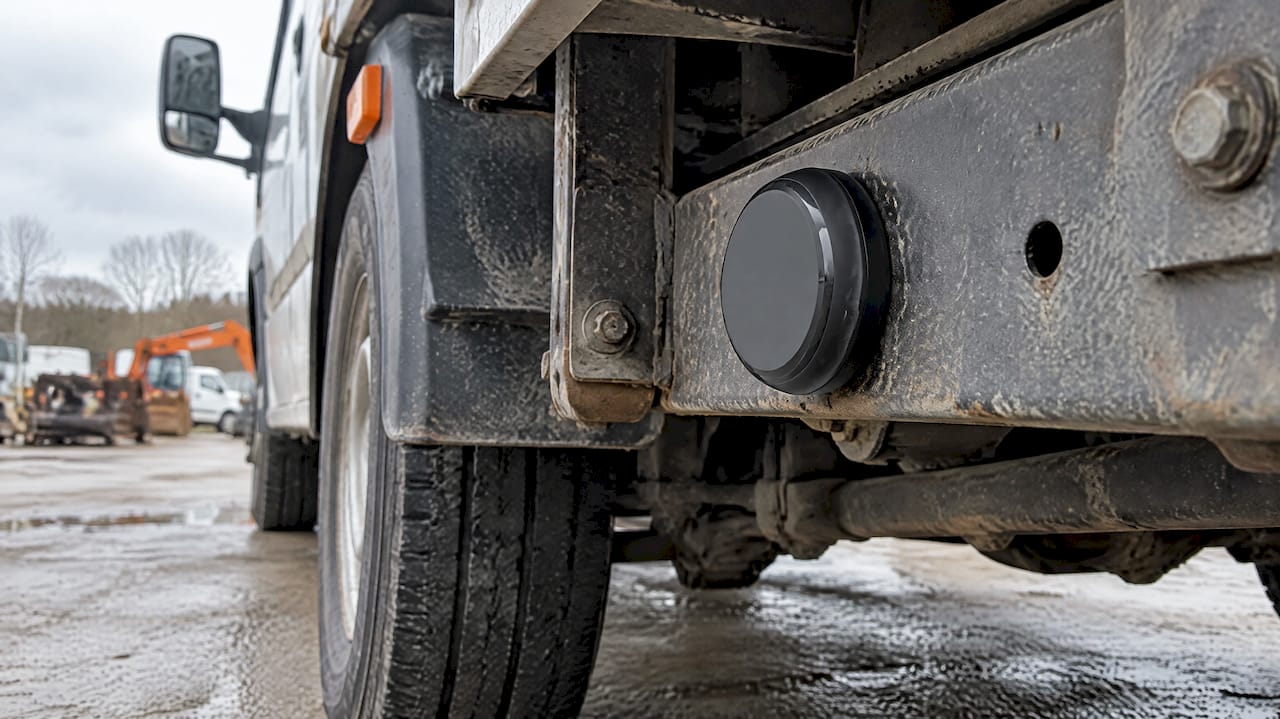
How to start saving money
Lorem ipsum dolor sit amet, consectetur adipiscing elit lobortis arcu enim urna adipiscing praesent velit viverra sit semper lorem eu cursus vel hendrerit elementum morbi curabitur etiam nibh justo, lorem aliquet donec sed sit mi dignissim at ante massa mattis.
- Neque sodales ut etiam sit amet nisl purus non tellus orci ac auctor
- Adipiscing elit ut aliquam purus sit amet viverra suspendisse potent
- Mauris commodo quis imperdiet massa tincidunt nunc pulvinar
- Excepteur sint occaecat cupidatat non proident sunt in culpa qui officia
Why it is important to start saving
Vitae congue eu consequat ac felis placerat vestibulum lectus mauris ultrices cursus sit amet dictum sit amet justo donec enim diam porttitor lacus luctus accumsan tortor posuere praesent tristique magna sit amet purus gravida quis blandit turpis.

How much money should I save?
At risus viverra adipiscing at in tellus integer feugiat nisl pretium fusce id velit ut tortor sagittis orci a scelerisque purus semper eget at lectus urna duis convallis. porta nibh venenatis cras sed felis eget neque laoreet suspendisse interdum consectetur libero id faucibus nisl donec pretium vulputate sapien nec sagittis aliquam nunc lobortis mattis aliquam faucibus purus in.
- Neque sodales ut etiam sit amet nisl purus non tellus orci ac auctor
- Adipiscing elit ut aliquam purus sit amet viverra suspendisse potenti
- Mauris commodo quis imperdiet massa tincidunt nunc pulvinar
- Adipiscing elit ut aliquam purus sit amet viverra suspendisse potenti
What percentege of my income should go to savings?
Nisi quis eleifend quam adipiscing vitae aliquet bibendum enim facilisis gravida neque. Velit euismod in pellentesque massa placerat volutpat lacus laoreet non curabitur gravida odio aenean sed adipiscing diam donec adipiscing tristique risus. amet est placerat in egestas erat imperdiet sed euismod nisi.
“Nisi quis eleifend quam adipiscing vitae aliquet bibendum enim facilisis gravida neque velit euismod in pellentesque”
Do you have any comments? Share them with us on social media
Eget lorem dolor sed viverra ipsum nunc aliquet bibendum felis donec et odio pellentesque diam volutpat commodo sed egestas aliquam sem fringilla ut morbi tincidunt augue interdum velit euismod eu tincidunt tortor aliquam nulla facilisi aenean sed adipiscing diam donec adipiscing ut lectus arcu bibendum at varius vel pharetra nibh venenatis cras sed felis eget.
GPS tracking is the most direct method businesses use to prevent equipment theft, combining real-time location monitoring with automated alerts that stop losses before they escalate. Fleet managers and business owners who deploy GPS asset tracking, the industry term for continuous location monitoring of mobile equipment and vehicles, gain visibility that passive security measures simply cannot match. AJG Canada identifies GPS tracking as a powerful theft deterrent because it enables 24/7 monitoring and immediate response to unauthorized movement. The financial stakes are real: stolen equipment triggers replacement costs, project delays, and insurance complications that compound quickly. Understanding how GPS technology works in theft protection gives you a clear path from reactive loss to proactive defense.
How GPS prevents equipment theft: core mechanisms
GPS asset tracking works through three core mechanisms: real-time location monitoring, geofencing, and tamper detection. Each one addresses a different stage of a theft attempt, and together they create a layered alert system that gives fleet managers time to respond.
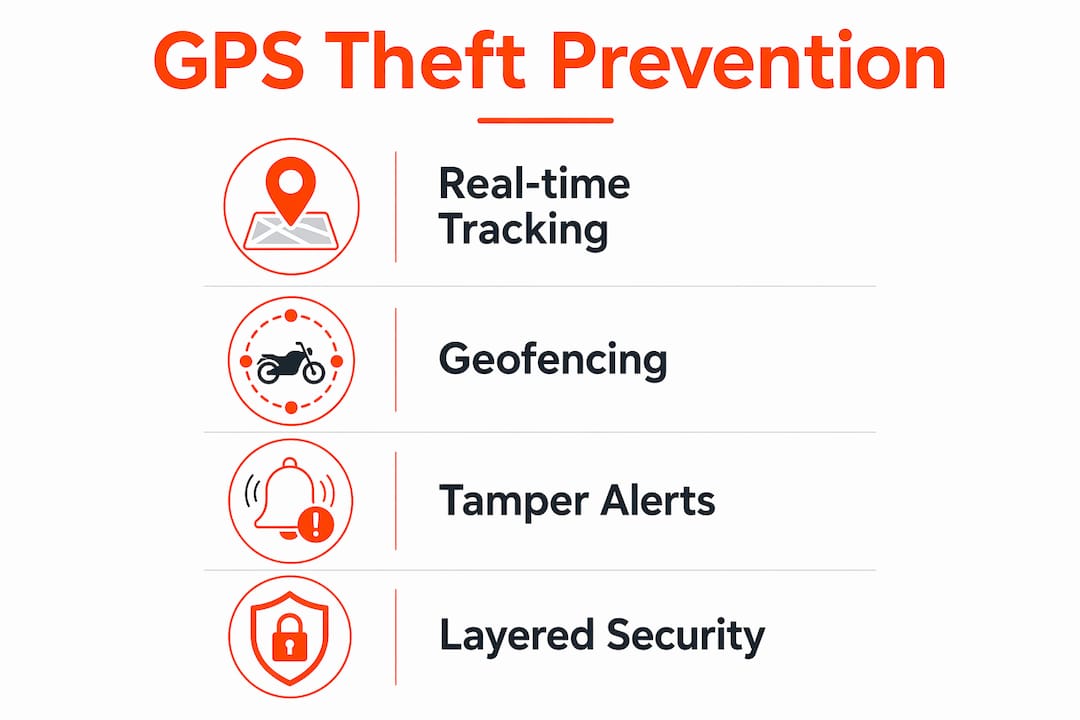
Real-time monitoring lets managers track every asset on a live map, 24 hours a day. The moment a piece of equipment moves outside its expected location or operating hours, the system flags it. That immediate visibility is what separates GPS tracking from traditional security measures like locks or cameras, which only record what already happened.
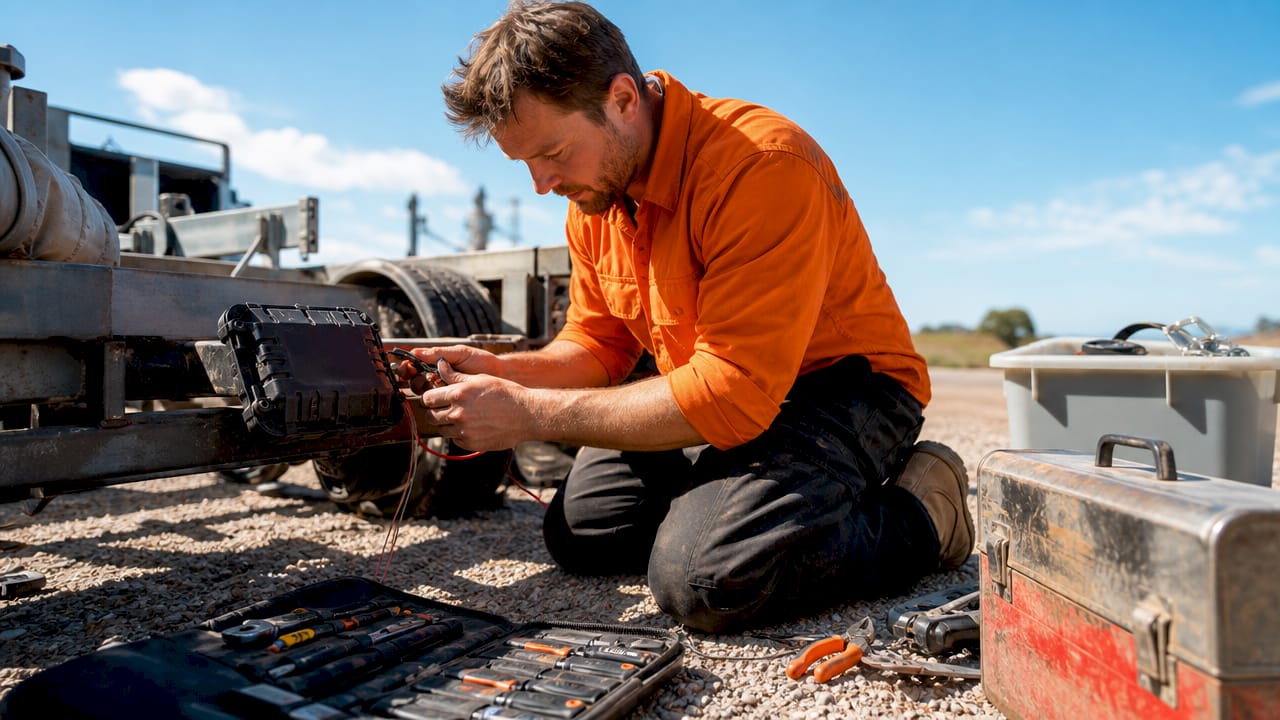
Geofencing technology creates virtual perimeters around job sites, storage yards, or any defined area. When equipment crosses that boundary without authorization, the system sends an instant alert by SMS, email, or app notification. Proactive intervention becomes possible before the asset leaves the region entirely.
Tamper alerts add another layer by detecting attempts to disable the tracker itself. Advanced GPS units notify managers the moment someone tries to cut power or physically remove the device. That notification window, even if it lasts only minutes, is often enough to contact law enforcement with a live location.
Key GPS features that deter theft
Not every GPS device offers the same level of protection. The features below separate basic tracking from genuine theft prevention:
- Real-time location updates: Continuous position reporting, typically every 10–60 seconds, gives law enforcement a live target rather than a last-known location.
- Geofence alerts: Customizable virtual boundaries that trigger notifications the moment equipment moves outside approved zones.
- Tamper detection: Sensors that detect physical interference with the device and send immediate alerts.
- Backup battery: Keeps the tracker active even when a thief cuts the main power supply.
- Anti-jamming capability: Devices that detect signal interference and log the event, preserving evidence even when live tracking is blocked.
Pro Tip: When selecting a GPS tracker for high-value equipment, prioritize devices with both a backup battery and anti-jamming detection. A thief who cuts power or uses a jammer will still trigger an alert on a well-specified device.
How does GPS tracking reduce downtime after theft?
The chief value of GPS for businesses is not only recovering stolen equipment but also minimizing project downtime and replacement costs through faster recovery. A stolen excavator or generator does not just cost its replacement value. It halts a job site, triggers rental fees, and delays client deliverables.
GPS-enabled recovery compresses the time between theft and retrieval from days to hours. Law enforcement can act on a precise, live location rather than a general description and a serial number. That speed directly reduces the window in which a thief can move equipment across state lines or strip it for parts.
GPS tracking also simplifies insurance claims. When a theft occurs, the system provides a timestamped location history, alert logs, and movement records. Insurers receive documented evidence rather than a verbal account, which accelerates claim processing and reduces disputes over coverage.
Integrating GPS data with fleet management software extends these benefits further. Managers can set automated workflows that notify supervisors, security teams, and insurers simultaneously when a theft alert fires. That coordination cuts response time and keeps every stakeholder informed without manual phone calls.
Pro Tip: Connect your GPS alert system to your fleet management platform so that a geofence breach automatically generates an incident report. That report becomes your first document in an insurance claim.
What are the limitations of GPS tracking in theft prevention?
GPS tracking is not a complete theft prevention solution on its own. Understanding its vulnerabilities helps fleet managers build a more effective overall security program.
Signal jamming is the most common attack against GPS trackers. Low-cost jamming devices, which are widely available, block satellite and cellular connections simultaneously. A jammer carried by a thief can render a standard GPS tracker invisible within seconds of the theft beginning.
Radio frequency scanners allow sophisticated thieves to detect hidden GPS units within minutes. Even a well-concealed tracker can be found and removed if a thief uses an RF detector before driving away. This is why device placement and stealth installation matter as much as the device itself.
Layered security is the industry-accepted response to these vulnerabilities. Effective theft prevention combines GPS with immobilizers, relay blockers, physical locks, and site surveillance. GPS tells you where your equipment is. Immobilizers stop it from moving. Surveillance captures the theft in progress. No single technology covers all three functions.
Practical steps to reduce GPS vulnerabilities include:
- Install trackers in concealed, non-obvious locations that require disassembly to access.
- Choose devices with anti-jamming detection that log interference events even when live tracking is blocked.
- Use hardwired trackers on high-value assets, since cutting a hardwired connection triggers an immediate alert.
- Combine GPS with a secondary security layer such as an immobilizer or a physical cable lock.
- Rotate tracker placement periodically on assets that face repeated theft attempts.
What steps should fleet managers take to implement GPS anti-theft systems?
Implementing GPS tracking for theft prevention follows a clear sequence. Starting with the right installation type makes every subsequent step more effective.
-
Choose the right installation type. Hardwired GPS trackers connect directly to a vehicle or equipment power system. They are harder to detect and disable than plug-and-play or magnetic battery units. For high-value assets, hardwired installation is the preferred method because cutting the power connection triggers an alert rather than silencing the device.
-
Evaluate subscription vs. subscription-free models. Subscription-free GPS devices reduce total cost and administrative overhead while providing reliable theft alerts and continuous monitoring. Business owners benefit from ownership models that carry no recurring fees or contracts, which matters when tracking dozens of assets across a fleet.
-
Configure geofences for every asset. Set boundaries around job sites, storage facilities, and transit routes. Tighten boundaries for high-theft-risk assets and review them whenever a job site changes location.
-
Train staff on alert response protocols. A GPS alert has no value if no one acts on it. Assign a primary and backup contact for each asset category, define the response steps clearly, and run a test alert drill at least once per quarter.
-
Maintain devices and audit coverage regularly. Check battery levels on battery-powered units monthly. Inspect hardwired connections during scheduled maintenance. Review your fleet hardwiring setup annually to confirm every asset is covered and no tracker has gone offline undetected.
-
Document every alert and recovery event. Build a log of incidents, response times, and outcomes. That data strengthens insurance negotiations and helps identify which assets or job sites carry the highest theft risk.
Key Takeaways
GPS tracking prevents equipment theft most effectively when real-time monitoring, geofencing, tamper detection, and layered physical security work together rather than in isolation.
| Point | Details |
|---|---|
| Real-time monitoring deters theft | Continuous location updates let managers spot unauthorized movement immediately and direct law enforcement to a live position. |
| Geofencing triggers proactive alerts | Virtual boundaries notify managers the moment equipment leaves an approved zone, enabling intervention before assets disappear. |
| GPS alone has known vulnerabilities | Jammers and RF scanners can defeat standard trackers; combine GPS with immobilizers and physical locks for full coverage. |
| Hardwired installation improves stealth | Hardwired trackers are harder to detect and disable, and cutting the power connection triggers an alert rather than silencing the device. |
| Subscription-free models cut long-term costs | Ownership-based GPS devices eliminate recurring fees, reducing total cost for fleets tracking multiple assets. |
GPS technology is a tool, not a guarantee
I have watched fleet managers install GPS trackers and immediately feel their theft problem is solved. That confidence is understandable, but it is also the most dangerous assumption in equipment security.
The reality I have seen repeatedly is that GPS tracking changes the odds significantly in your favor. It does not eliminate theft. A determined, professional thief with a jammer and an RF scanner can defeat a single GPS device in under five minutes. What GPS does is compress the recovery window and raise the cost of theft for the criminal. Most opportunistic thieves, who represent the majority of equipment theft cases, will move to an easier target the moment they see a visible tracker or receive a warning sticker.
Where GPS genuinely shines is in the aftermath. The businesses I have seen recover equipment fastest are the ones with live tracking data, a pre-assigned response contact, and an insurance relationship built on documented incident logs. They do not scramble. They execute a process.
My honest recommendation is to treat GPS as the foundation of your security program, not the ceiling. Pair it with hardwired installation, a geofence review every time a job site changes, and at least one physical deterrent on every high-value asset. The lifetime GPS tracker model is worth understanding for fleet managers who want to eliminate subscription costs while maintaining full coverage. The technology is mature enough that there is no reason to accept a recurring fee as the price of protection.
The fleet managers who get the best results are the ones who treat GPS data as operational intelligence, not just a theft recovery tool. They use location history to verify equipment utilization, catch unauthorized use before it becomes theft, and build a case for insurers before a claim is ever filed.
— Louis
Motowatchdog GPS tracking for equipment protection
Business owners who need reliable, continuous asset monitoring without the burden of monthly fees have a direct option worth considering.
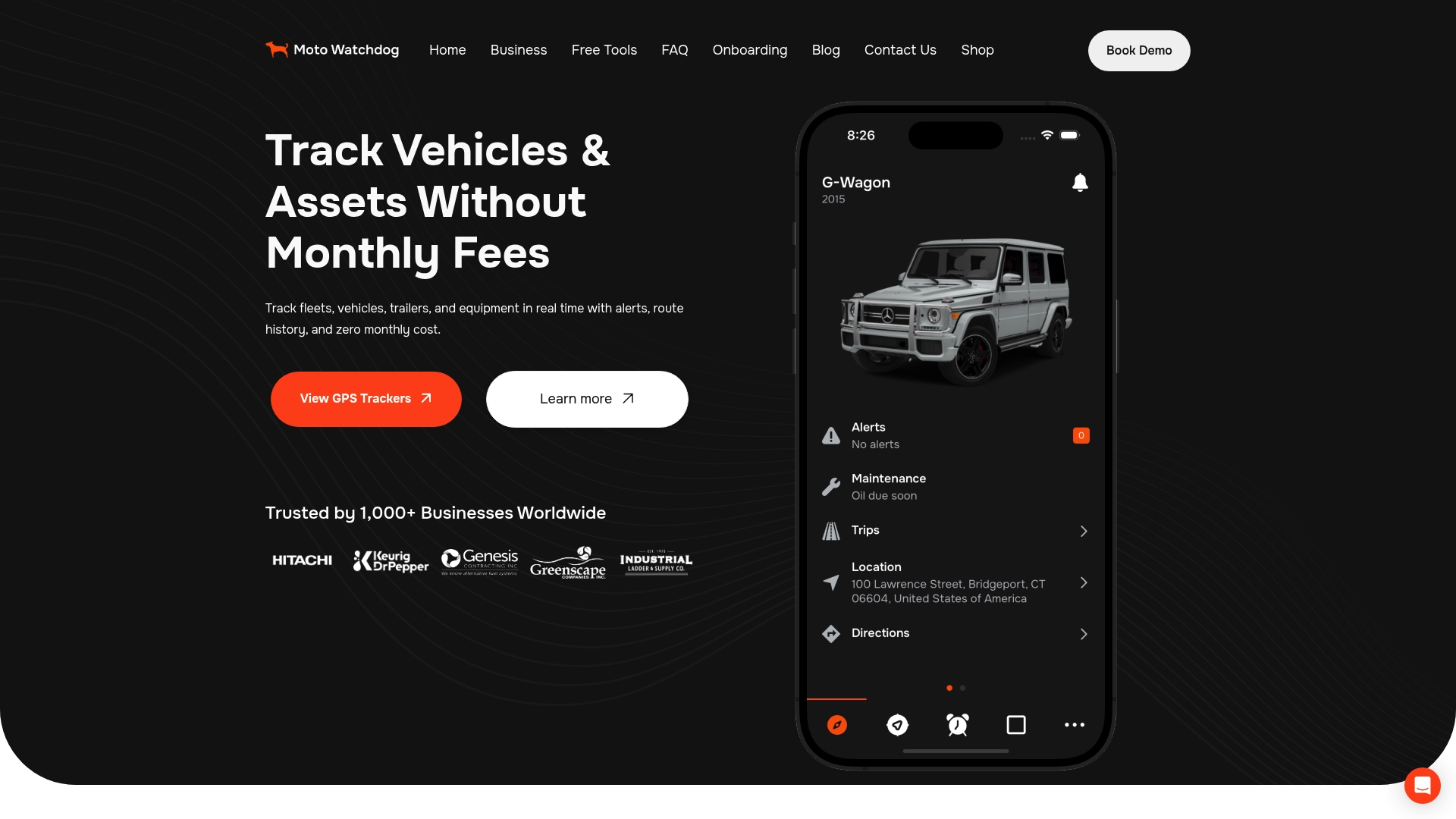
Motowatchdog provides subscription-free 4G GPS tracking built for fleet managers and business owners who track vehicles and equipment across multiple job sites. Over 1,000 businesses rely on Motowatchdog for real-time monitoring, customizable geofencing alerts, and tamper notifications, all without recurring contracts. The devices are designed for straightforward setup, and the monitoring dashboard gives managers a clear view of every asset at any time. For fleet managers ready to move from reactive loss to data-driven asset protection, Motowatchdog offers a practical starting point with no ongoing fee commitment.
FAQ
How does GPS tracking prevent equipment theft?
GPS tracking prevents equipment theft by providing real-time location monitoring, geofence alerts that trigger when equipment leaves approved zones, and tamper notifications that fire when someone attempts to disable the device. Together, these features enable rapid law enforcement response and deter opportunistic thieves.
Can thieves defeat GPS trackers?
Yes. Thieves use low-cost signal jammers to block GPS and cellular connections, and RF scanners to locate and remove hidden devices. Combining GPS with hardwired installation, anti-jamming detection, and physical immobilizers significantly reduces this risk.
What is the best GPS installation type for theft prevention?
Hardwired GPS trackers are the most effective installation type for theft prevention because they are harder to detect and disable, and cutting the power connection triggers an immediate alert rather than silencing the device.
Do I need a subscription for GPS theft protection?
No. Subscription-free GPS devices provide reliable theft alerts and continuous monitoring without recurring fees, reducing total cost for businesses tracking multiple assets across a fleet.
How does GPS tracking help with insurance claims after theft?
GPS systems generate timestamped location histories, alert logs, and movement records that serve as documented evidence for insurers. That documentation accelerates claim processing and reduces disputes over coverage.