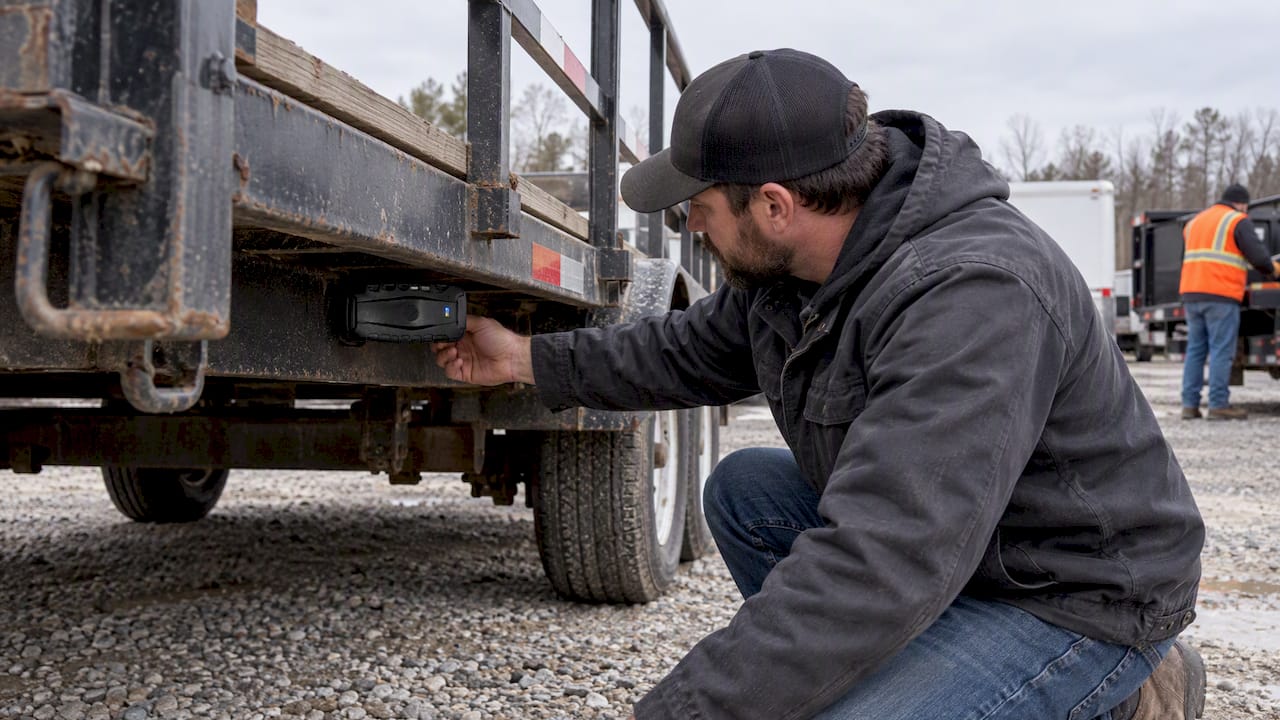
Fleet Telematics Monitoring Metrics: Essential KPIs for Optimizing Vehicle Performance and Reducing Costs
How to start saving money
Lorem ipsum dolor sit amet, consectetur adipiscing elit lobortis arcu enim urna adipiscing praesent velit viverra sit semper lorem eu cursus vel hendrerit elementum morbi curabitur etiam nibh justo, lorem aliquet donec sed sit mi dignissim at ante massa mattis.
- Neque sodales ut etiam sit amet nisl purus non tellus orci ac auctor
- Adipiscing elit ut aliquam purus sit amet viverra suspendisse potent
- Mauris commodo quis imperdiet massa tincidunt nunc pulvinar
- Excepteur sint occaecat cupidatat non proident sunt in culpa qui officia
Why it is important to start saving
Vitae congue eu consequat ac felis placerat vestibulum lectus mauris ultrices cursus sit amet dictum sit amet justo donec enim diam porttitor lacus luctus accumsan tortor posuere praesent tristique magna sit amet purus gravida quis blandit turpis.

How much money should I save?
At risus viverra adipiscing at in tellus integer feugiat nisl pretium fusce id velit ut tortor sagittis orci a scelerisque purus semper eget at lectus urna duis convallis. porta nibh venenatis cras sed felis eget neque laoreet suspendisse interdum consectetur libero id faucibus nisl donec pretium vulputate sapien nec sagittis aliquam nunc lobortis mattis aliquam faucibus purus in.
- Neque sodales ut etiam sit amet nisl purus non tellus orci ac auctor
- Adipiscing elit ut aliquam purus sit amet viverra suspendisse potenti
- Mauris commodo quis imperdiet massa tincidunt nunc pulvinar
- Adipiscing elit ut aliquam purus sit amet viverra suspendisse potenti
What percentege of my income should go to savings?
Nisi quis eleifend quam adipiscing vitae aliquet bibendum enim facilisis gravida neque. Velit euismod in pellentesque massa placerat volutpat lacus laoreet non curabitur gravida odio aenean sed adipiscing diam donec adipiscing tristique risus. amet est placerat in egestas erat imperdiet sed euismod nisi.
“Nisi quis eleifend quam adipiscing vitae aliquet bibendum enim facilisis gravida neque velit euismod in pellentesque”
Do you have any comments? Share them with us on social media
Eget lorem dolor sed viverra ipsum nunc aliquet bibendum felis donec et odio pellentesque diam volutpat commodo sed egestas aliquam sem fringilla ut morbi tincidunt augue interdum velit euismod eu tincidunt tortor aliquam nulla facilisi aenean sed adipiscing diam donec adipiscing ut lectus arcu bibendum at varius vel pharetra nibh venenatis cras sed felis eget.
Fleet managers face a constant challenge: turning large amounts of vehicle data into decisions that reduce costs and improve operations.
Telematics systems collect data from GPS devices and onboard sensors, tracking fuel consumption and driver behavior.
The key to effective fleet management lies in knowing which metrics to monitor and how to use them for actionable improvements.
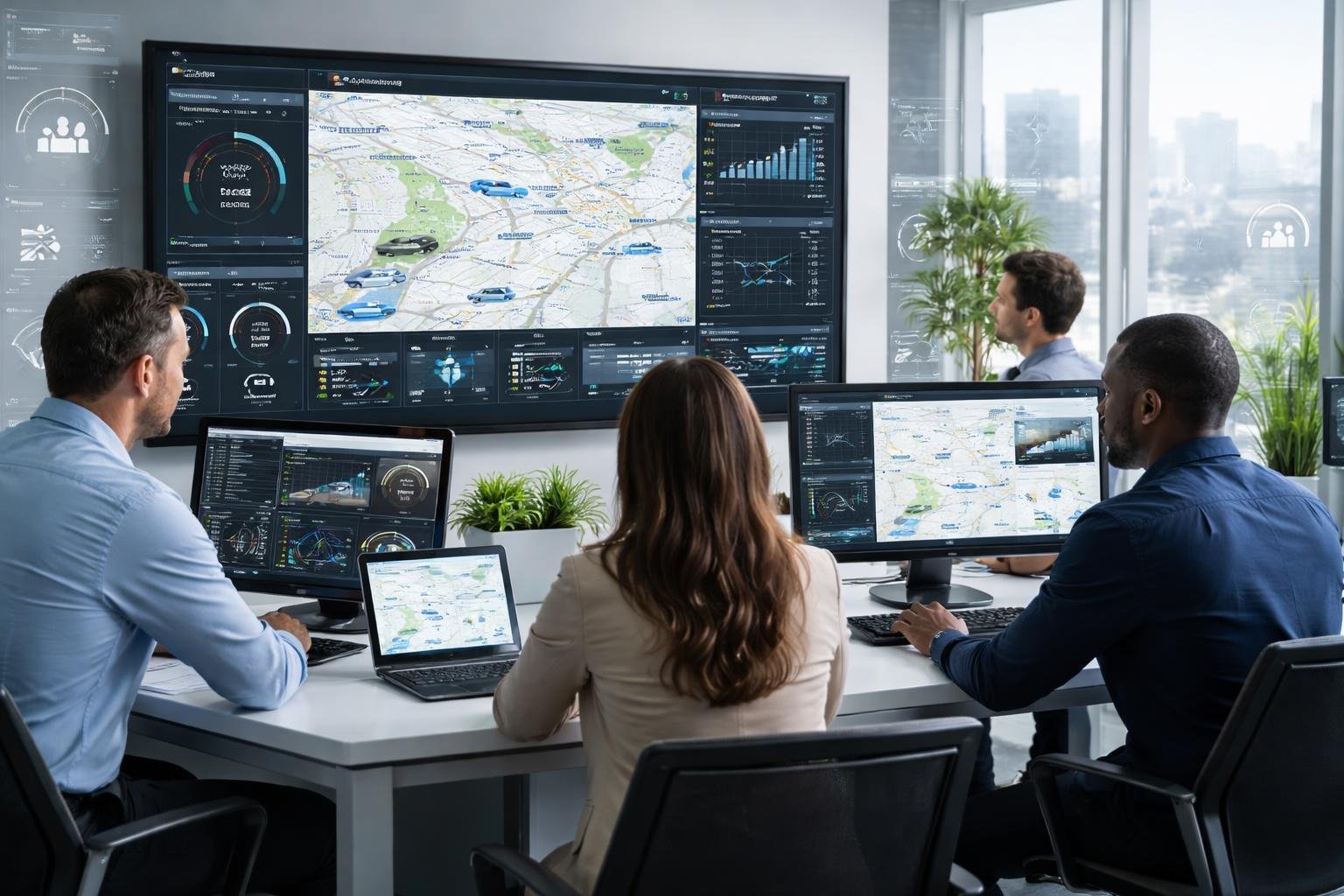
Most fleet operations generate hundreds of data points daily.
Not all metrics are equally important.
Successful fleet managers focus on measurements that directly impact safety, efficiency, and profitability.
These range from basic tracking like vehicle location and mileage to complex indicators such as total cost of ownership and maintenance schedules.
The right combination of telematics metrics gives visibility into fleet performance and highlights areas for improvement.
This article covers the essential monitoring metrics for performance tracking, cost management, maintenance planning, driver safety, and operational efficiency.
Understanding Fleet Telematics Monitoring Metrics
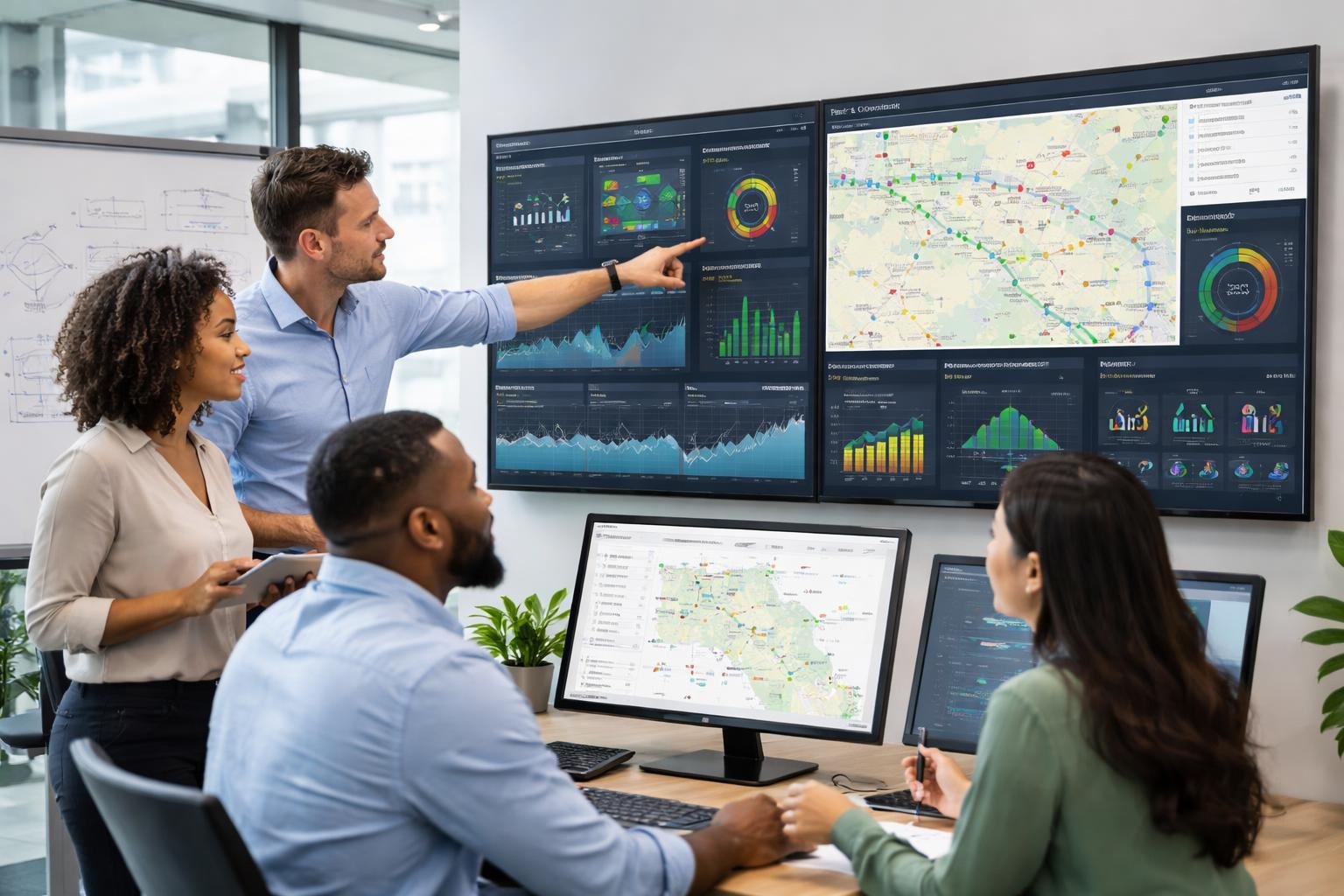
Fleet telematics monitoring metrics are measurable data points that help organizations track vehicle performance, driver behavior, and operational efficiency.
These metrics turn raw telematics data into actionable insights that support decisions about safety, compliance, and cost management.
What Are Fleet Telematics Metrics?
Fleet telematics metrics are specific data points collected through GPS tracking devices and onboard vehicle systems.
These measurements include idling time, speed, speeding events, fuel consumption, location tracking, mileage, and driver behavior patterns.
Telematics systems capture this information automatically and send it to fleet management software.
The data comes from sensors and accelerometers that monitor vehicle operations in real-time.
Common metrics tracked include:
- Vehicle location and route data
- Fuel usage and miles per gallon
- Engine diagnostics and maintenance alerts
- Driver acceleration, braking, and cornering patterns
- Idle time and utilization rates
- Hours of service and compliance data
Fleet managers use these metrics to monitor many data points at once.
The challenge is to identify which metrics matter most for their goals.
Importance of Monitoring Metrics in Fleet Operations
Monitoring telematics metrics helps fleet managers make informed decisions about resource allocation, maintenance scheduling, and safety improvements.
Without consistent tracking, organizations lack visibility into important performance issues.
Telematics data reveals patterns in vehicle downtime, repair needs, and driver performance.
Fleet managers use these insights to solve problems before they become costly repairs or safety incidents.
Metrics also help with regulatory compliance by documenting driver hours, vehicle inspections, and maintenance completion rates.
This documentation supports organizations during audits and helps avoid penalties.
Tracking metrics over time allows managers to compare vehicles, drivers, or routes against fleet averages.
This helps identify areas for improvement.
Key Benefits of Telematics Data for Fleets
Telematics data improves safety by identifying risky driving behaviors such as harsh braking, rapid acceleration, and speeding.
Fleet managers can use this information to provide targeted driver training.
Operational efficiency increases when organizations optimize routes, reduce idle time, and improve vehicle utilization.
Fuel consumption tracking helps fleets find wasteful practices and use fuel-saving strategies to lower costs.
Maintenance costs go down when telematics provides predictive alerts based on engine diagnostics.
Scheduled maintenance completion improves, and unexpected breakdowns decrease.
Fleet data supports total cost of ownership calculations by tracking cost per mile, parts inventory, and vehicle lifespan.
These financial metrics help organizations decide when to replace vehicles and how to size their fleets.
Telematics monitoring creates accountability by providing objective performance measurements.
This transparency helps organizations align driver behavior, maintenance practices, and operational decisions with business goals.
Core Performance Metrics Tracked by Telematics
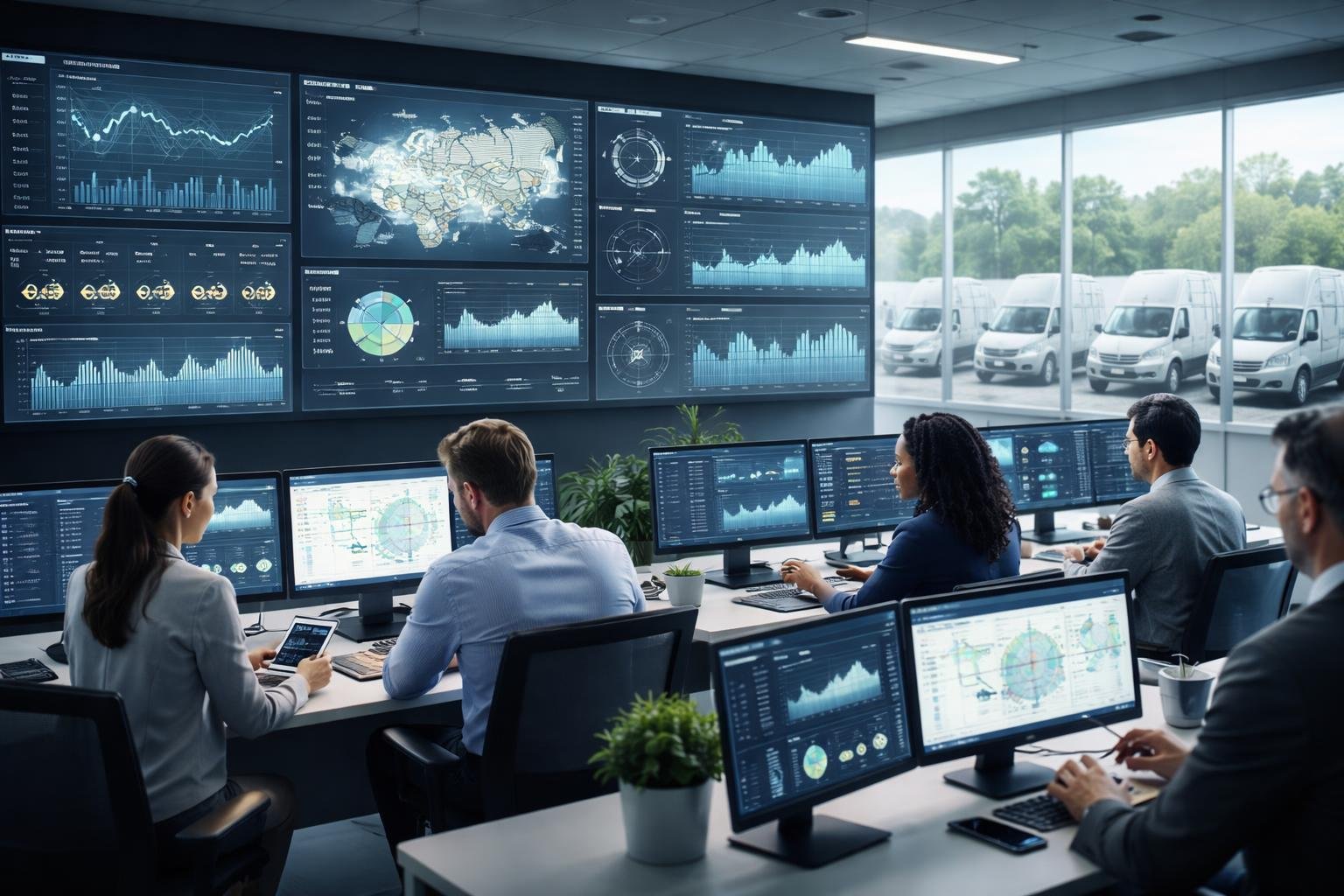
Telematics systems capture real-time data that allows fleet managers to measure how vehicles are used and when assets should be retired or replaced.
These metrics directly affect operation costs and return on investment.
Fleet Utilization Rate
Fleet utilization measures the percentage of time vehicles spend doing productive work compared to sitting idle.
Telematics platforms calculate this by tracking engine hours, GPS movement, and trip time against total available hours.
A utilization rate between 70-85% usually indicates efficient fleet sizing.
Rates below 60% suggest excess capacity and unnecessary costs from underused assets.
Higher rates may mean the fleet can grow without buying more vehicles.
Utilization data helps managers see which assets contribute to operations and which drain resources.
Telematics dashboards show utilization by vehicle, driver, route, or time period.
This visibility allows managers to reassign underperforming vehicles or remove assets that no longer add value.
Downtime and Uptime
Uptime is the total time vehicles are operational and available.
Downtime includes all periods when vehicles cannot perform their intended function, whether scheduled or unplanned.
Telematics systems distinguish between planned maintenance downtime and unplanned downtime from breakdowns or accidents.
Unplanned downtime is more expensive due to service disruptions and emergency repairs.
Industry benchmarks target uptime rates above 95% for most fleets.
Real-time monitoring tracks maintenance schedules and sends alerts based on mileage or engine hours.
By analyzing downtime patterns, fleet managers can identify recurring issues or vehicles that need excessive servicing.
Vehicle Replacement and Operational Life
Vehicle operational life is the period an asset remains cost-effective before replacement is needed.
Telematics data helps with replacement decisions by tracking total cost of ownership, vehicle age, mileage, and maintenance frequency.
As vehicles age, depreciation and repair costs increase.
Telematics systems monitor metrics like maintenance expenses per mile and breakdown frequency to signal the best time for replacement.
Most commercial vehicles reach replacement thresholds between 150,000-300,000 miles, depending on use and maintenance.
Fleet managers use telematics lifecycle reports to create replacement schedules.
This helps avoid keeping aging vehicles too long or disposing of useful assets too soon.
Fuel and Cost Management Metrics
Fuel expenses are the largest operational cost for most fleets.
Accurate tracking of consumption patterns, efficiency rates, and ownership costs is essential for profitability.
Modern telematics systems let fleet managers monitor these metrics in real-time and find cost-saving opportunities.
Fuel Consumption and Fuel Costs
Fuel consumption tracking measures the total fuel each vehicle uses over specific time periods.
Fleet managers monitor this at both the vehicle and fleet level to find inefficiencies.
Telematics systems capture fuel data automatically and validate it against vehicle activity.
These platforms combine fuel usage with mileage and route information to provide context.
Managers can spot vehicles that use more fuel than similar units.
Key fuel consumption metrics include:
- Gallons or liters consumed per vehicle per day, week, or month
- Fuel costs per vehicle and total fleet spend
- Fuel transaction validation against actual vehicle usage
- Idle time fuel waste measurements
Fuel cards integrated with telematics platforms make data collection easier and improve expense tracking.
Managers can cross-reference fuel purchases with GPS data to prevent fraud and verify transactions.
Fuel Efficiency and Economy
Fuel efficiency measures how well vehicles convert fuel into miles, usually as miles per gallon (MPG) or liters per 100 kilometers.
This metric shows which vehicles, routes, or drivers deliver the best fuel economy.
Fleet telematics calculates MPG by comparing fuel consumption with distance traveled.
Managers can compare vehicle performance against manufacturer specs or fleet averages.
Vehicles with poor efficiency may need maintenance, replacement, or driver coaching.
Driver behavior affects fuel economy.
Telematics tracks harsh acceleration, excessive idling, speeding, and aggressive braking that waste fuel.
Fleets using telematics often report fuel cost reductions of 15-20% through better driving and route planning.
Factors affecting fuel efficiency:
- Vehicle maintenance and condition
- Route selection and traffic
- Driver behavior and techniques
- Vehicle load and cargo distribution
Cost Per Mile and Total Cost of Ownership
Cost per mile (CPM) divides total operating expenses by miles driven.
This metric includes fuel, maintenance, insurance, depreciation, and other costs.
CPM allows accurate comparisons between different vehicles.
Total cost of ownership (TCO) is the complete lifetime expense of owning and operating a vehicle.
TCO includes purchase price, fuel expenses, maintenance, insurance, registration, depreciation, and disposal costs.
Fleet managers use TCO to decide on vehicle purchases and replacement timing.
Telematics platforms automatically calculate CPM and TCO by collecting data from multiple sources.
These systems track maintenance, fuel transactions, mileage, and alerts for a full view of costs.
Managers can see which vehicle models have the lowest TCO and adjust their buying strategies.
Critical cost metrics for fleet efficiency:
MetricWhat It MeasuresWhy It MattersCost Per MileTotal expenses divided by miles drivenEnables vehicle-to-vehicle cost comparisonsTotal Cost of OwnershipLifetime ownership and operating costsGuides purchase and replacement decisionsFuel Cost Per MileFuel expenses divided by distance traveledIsolates fuel efficiency from other costs
Maintenance Monitoring and Scheduling Metrics
Effective maintenance tracking means monitoring completion rates for planned services, response times for repairs, workforce efficiency, and inventory levels to support quick turnaround.
Preventive Maintenance and Scheduled Maintenance
PM on-time completion measures the percentage of preventive maintenance tasks finished by their due dates.
This metric affects vehicle reliability and helps prevent breakdowns.
Fleet maintenance software tracks when services are due based on mileage, engine hours, or time.
Maintenance schedules should follow manufacturer recommendations and real-world conditions.
Telematics systems monitor odometer readings and engine hours to trigger work orders.
A completion rate above 95% shows strong maintenance discipline.
Tracking scheduled versus unscheduled service ratios shows if preventive maintenance is working.
A good fleet does 70-80% scheduled maintenance and only 20-30% unscheduled repairs.
If unscheduled maintenance is higher, it may mean preventive care is lacking or operating conditions are tough.
Unscheduled Maintenance and Repairs
Unscheduled maintenance includes repairs that happen between planned service intervals.
These repairs cost more due to emergency parts ordering, overtime labor, and possible secondary damage.
Tracking the frequency and cost of unscheduled repairs helps identify problem vehicles or components.
Diagnostic trouble codes (DTC) from telematics provide early warnings of issues before breakdowns occur.
Fleet maintenance software logs these codes and links them to repair history to spot recurring problems.
Engine hours at failure help determine if parts are failing too soon.
The ratio between maintenance and repair spending indicates fleet health.
Fleets that spend more on repairs than maintenance usually have higher costs and more downtime than those focused on preventive care.
Technician Productivity and Time to Repair
Time to repair (MTTR) measures the average duration from when a vehicle enters the shop until it returns to service. Lower MTTR values mean less downtime and better fleet availability.
This metric includes diagnostic time, parts procurement, actual repair work, and quality checks. Wrench time tracks the percentage of a technician's shift spent actively working on vehicles versus administrative tasks or waiting for parts.
Top-performing shops achieve 65-75% wrench time through efficient work order management and parts staging. Technician productivity metrics should account for repair complexity.
Comparing MTTR across different repair types provides more accurate performance insights than simple averages. Fleet maintenance software timestamps each work order stage to help identify bottlenecks in the repair process.
Parts and Inventory Value Tracking
Parts inventory value is the total dollar amount of spare parts on hand. Maintaining adequate stock prevents repair delays, but excess inventory ties up capital and risks obsolescence.
Most fleets target 30-60 days of parts inventory based on historical consumption patterns. Parts and inventory tracking through fleet maintenance software enables just-in-time ordering for routine items while keeping critical spares available.
Telematics data helps forecast parts demand by analyzing failure patterns and maintenance schedules. Inventory turnover ratio measures how quickly parts move from stock to installed status.
A ratio of 6-12 turns per year indicates healthy inventory management without excessive stockpiling or frequent shortages.
Driver Behavior and Safety Monitoring
Driver behavior monitoring systems track and analyze how drivers operate fleet vehicles using telematics data, GPS sensors, and AI-powered dashcams. These systems identify risky driving habits like harsh braking, rapid acceleration, and speeding while supporting targeted training and compliance.
Driver Behavior Analysis and Monitoring
Driver behavior analysis uses continuous data collection from telematics devices and onboard diagnostics to evaluate driving habits in real time. Fleet managers receive detailed insights into how each driver handles their vehicle, including acceleration, cornering, idling, and adherence to traffic laws.
Modern driver behavior monitoring systems automatically log events and send data to centralized dashboards. Managers can review performance trends and identify areas needing intervention.
The technology combines GPS tracking with sensor data to create comprehensive driver profiles. These profiles reflect safety practices and operational efficiency.
Systems typically assign driver scores based on multiple factors, allowing managers to benchmark performance across the fleet. Real-time alerts notify supervisors when risky behaviors occur, enabling immediate coaching opportunities.
The data collected helps fleet operators understand which drivers consistently demonstrate safe practices and which need additional support.
Harsh Driving Events: Braking, Acceleration, Speeding
Harsh braking occurs when drivers apply excessive force to the brake pedal, often indicating distracted driving, following too closely, or failure to anticipate traffic conditions. Telematics systems measure G-force during braking events and flag instances that exceed set thresholds.
Rapid acceleration events signal aggressive driving behavior that increases fuel use and vehicle wear. These incidents often correlate with other risky behaviors and are key indicators of driver performance issues.
Monitoring acceleration patterns helps identify drivers who need coaching on smoother vehicle operation. Speeding violations are tracked by comparing GPS speed data against posted limits and company policies.
Systems can distinguish between minor and serious violations, helping managers prioritize interventions. Excessive speed increases accident severity and fuel costs, making it a critical safety metric.
AI-powered dashcams provide video evidence of harsh driving events, offering context that telematics data alone cannot provide. This combination allows managers to review actual circumstances surrounding flagged incidents.
Driver Safety and Training Programs
Data from driver behavior monitoring feeds into targeted training programs to address specific performance gaps. Fleet managers use telematics scorecards to identify which drivers need coaching on particular behaviors, enabling personalized safety interventions.
Effective training programs combine data insights with structured coaching sessions that review video footage and telematics reports. This approach helps drivers understand how their actions affect safety and vehicle costs.
Regular feedback sessions based on objective data create accountability and encourage behavior change. Many fleets implement reward systems for drivers who consistently demonstrate safe driving habits, using telematics scores to identify top performers.
Recognition programs reinforce positive behaviors and build a culture of safety. Driver assignments can be optimized based on safety records, placing the most skilled drivers on challenging routes or with high-value cargo.
Progressive coaching models escalate interventions based on the frequency and severity of risky behaviors. They start with automated alerts and advance to one-on-one sessions when patterns persist.
Compliance and Hours of Service
Hours of service (HOS) regulations require commercial drivers to follow strict limits on driving time to prevent fatigue-related accidents. Telematics systems automate HOS tracking through electronic logging devices (ELDs) that record duty status, eliminating manual logbooks and reducing compliance violations.
Real-time HOS monitoring alerts drivers and dispatchers when they approach regulatory limits, preventing violations before they occur. The systems track available driving hours, mandatory rest periods, and cycle resets, streamlining compliance management across the fleet.
Automated record-keeping simplifies audits and roadside inspections by maintaining accurate, tamper-proof logs accessible to enforcement officials. This reduces administrative burden while ensuring fleets meet federal and state requirements.
Integration with dispatch systems allows planners to create driver assignments that respect HOS constraints, optimizing productivity without compromising compliance. Telematics platforms generate compliance reports that identify patterns of violations or near-violations, helping fleet managers address issues through policy changes or additional driver training.
Fleet Tracking, Visibility, and Route Optimization
GPS tracking systems provide fleet managers with real-time location data and analytics for immediate operational adjustments and long-term planning. These systems combine positioning technology with route analysis, asset monitoring, and compliance tracking.
Real-Time GPS Tracking and Location Data
Real-time tracking delivers continuous vehicle position updates, allowing managers to monitor asset locations during operating hours. GPS tracking systems transmit coordinates at intervals ranging from 10 seconds to several minutes, depending on configuration.
Location tracking enables dispatchers to identify the nearest available vehicle for urgent calls and estimate accurate arrival times. Fleet managers can set up geofences around specific zones to receive automated alerts when vehicles enter or exit designated areas.
Collected data includes timestamps, speed readings, idle duration, and stop locations. This information helps identify unauthorized vehicle use, unexpected route deviations, and excessive idle time that increases fuel consumption.
Modern GPS fleet tracking platforms display vehicle positions on interactive maps with filtering options for status, driver, or vehicle type.
Route Optimization and Traffic Pattern Analysis
Route optimization software analyzes distance, traffic conditions, delivery windows, and vehicle capacity to generate efficient travel paths. These systems reduce unnecessary mileage by calculating the best sequence of stops and avoiding congested roads.
Fleet managers can compare planned routes against actual GPS tracking data to assess route efficiency. Traffic pattern analysis uses historical and real-time data to predict congestion and suggest alternative paths that minimize delays.
Key optimization benefits include:
- Reduced fuel consumption through shorter travel distances
- Increased daily service capacity by minimizing transit time
- Lower vehicle wear from decreased mileage
- Improved on-time performance for deliveries
Route planning integrations allow dispatchers to assign optimized routes directly to driver mobile devices. The system recalculates routes automatically when delays occur or new stops are added during the workday.
Fleet Visibility and Asset Security
Fleet visibility platforms consolidate GPS tracking data with vehicle diagnostics and driver information into unified dashboards. Managers can monitor entire fleets from a single interface that displays real-time status, utilization rates, and key metrics.
Asset security features include theft alerts triggered by unauthorized movement outside scheduled hours or beyond permitted geographic boundaries. Location tracking enables rapid recovery of stolen vehicles by providing law enforcement with precise coordinates and movement history.
Visibility tools show vehicle availability for scheduling and help balance workload distribution. Managers can track asset utilization to identify underused vehicles that could be reassigned or removed to reduce costs.
Vehicle Inspections and Compliance Reporting
Daily vehicle inspection reports (DVIR) document pre-trip and post-trip vehicle condition checks required by regulations. Digital inspection systems allow drivers to complete inspection forms on mobile devices with timestamps and GPS coordinates automatically recorded.
Vehicle inspection reports capture defects, maintenance needs, and safety concerns identified during daily operations. Fleet managers review submitted DVIRs to verify inspection completion rates and schedule repairs for reported issues.
Electronic DVIR systems provide:
FeatureBenefitAutomated submission trackingEnsures compliance with inspection requirementsPhoto attachment capabilityDocuments damage or defects with visual evidenceImmediate defect notificationsAlerts maintenance teams to safety issuesHistorical inspection recordsSupports audits and regulatory reviews
Inspection completion rate tracking identifies drivers who consistently skip required safety checks. Integration with fleet tracking data verifies that inspections occur at appropriate times and locations.
Key Performance Indicators and Strategic Insight
Effective fleet telematics monitoring relies on selecting relevant KPIs that align with business objectives. The right metrics provide managers with actionable data to improve safety, reduce costs, and enhance operational efficiency.
Selecting the Right KPIs for Fleet Operations
Fleet managers face hundreds of potential metrics to track, making strategic selection essential. The most valuable KPIs align directly with business goals rather than tracking every available data point.
Core KPI categories include:
- Cost metrics - fuel consumption, maintenance expenses, total cost of ownership
- Safety indicators - harsh braking events, speeding incidents, seatbelt usage
- Efficiency measures - vehicle utilization rates, idle time, route optimization
- Compliance tracking - hours of service violations, inspection completion rates
Priority should focus on metrics that reveal actionable insights. A fleet prioritizing safety might emphasize driver behavior KPIs, while a delivery operation may focus on route efficiency and on-time performance.
Organizations managing 10 vehicles require different measurement approaches than those overseeing 10,000 units. Performance metrics must be measurable, relevant to operational goals, and consistently trackable over time.
Fleet managers should limit their primary KPI dashboard to 6-10 critical indicators to avoid data overload and maintain focus on metrics that drive meaningful improvements.
Fleet Management Software and Data Integration
Modern fleet management software consolidates data from telematics devices, GPS systems, and IoT sensors into unified platforms. This integration eliminates fragmented data and provides comprehensive visibility across all operations.
Effective software solutions offer both high-level fleet overviews and detailed vehicle-specific insights. Fleet managers can monitor real-time data alongside historical trends to identify patterns in fuel usage, maintenance needs, and driver performance.
Automated data collection reduces manual reporting and improves accuracy. Telematics systems continuously capture metrics like location, speed, engine diagnostics, and driver behaviors without manual input.
Integration with maintenance management systems ensures service schedules align with actual vehicle usage patterns. The software should provide customizable dashboards so different stakeholders can access relevant KPIs.
Operations managers might focus on utilization rates, while safety directors prioritize incident tracking and compliance metrics.
Using KPIs to Drive Operational Improvements
Key performance indicators help fleet managers turn data into decisions. Tracking metrics without acting on them limits the value of telematics systems.
Fleet managers should set baseline measurements for each KPI before starting improvement efforts. Comparing current results with past data shows if changes are working.
A 15% drop in harsh braking after driver training shows the program is effective.
Data-driven improvement strategies include:
- Replacing high-cost vehicles
- Coaching drivers to improve specific behaviors
- Adjusting routes based on travel time and fuel use
- Scheduling maintenance based on how much vehicles are used
Real-time alerts allow managers to respond quickly to issues. If a vehicle idles too long or a driver acts unsafely, managers can step in right away.
Performance metrics also guide long-term planning. Utilization data helps decide fleet size, and fuel trends inform future vehicle purchases.