How to start saving money
Lorem ipsum dolor sit amet, consectetur adipiscing elit lobortis arcu enim urna adipiscing praesent velit viverra sit semper lorem eu cursus vel hendrerit elementum morbi curabitur etiam nibh justo, lorem aliquet donec sed sit mi dignissim at ante massa mattis.
- Neque sodales ut etiam sit amet nisl purus non tellus orci ac auctor
- Adipiscing elit ut aliquam purus sit amet viverra suspendisse potent
- Mauris commodo quis imperdiet massa tincidunt nunc pulvinar
- Excepteur sint occaecat cupidatat non proident sunt in culpa qui officia
Why it is important to start saving
Vitae congue eu consequat ac felis placerat vestibulum lectus mauris ultrices cursus sit amet dictum sit amet justo donec enim diam porttitor lacus luctus accumsan tortor posuere praesent tristique magna sit amet purus gravida quis blandit turpis.

How much money should I save?
At risus viverra adipiscing at in tellus integer feugiat nisl pretium fusce id velit ut tortor sagittis orci a scelerisque purus semper eget at lectus urna duis convallis. porta nibh venenatis cras sed felis eget neque laoreet suspendisse interdum consectetur libero id faucibus nisl donec pretium vulputate sapien nec sagittis aliquam nunc lobortis mattis aliquam faucibus purus in.
- Neque sodales ut etiam sit amet nisl purus non tellus orci ac auctor
- Adipiscing elit ut aliquam purus sit amet viverra suspendisse potenti
- Mauris commodo quis imperdiet massa tincidunt nunc pulvinar
- Adipiscing elit ut aliquam purus sit amet viverra suspendisse potenti
What percentege of my income should go to savings?
Nisi quis eleifend quam adipiscing vitae aliquet bibendum enim facilisis gravida neque. Velit euismod in pellentesque massa placerat volutpat lacus laoreet non curabitur gravida odio aenean sed adipiscing diam donec adipiscing tristique risus. amet est placerat in egestas erat imperdiet sed euismod nisi.
“Nisi quis eleifend quam adipiscing vitae aliquet bibendum enim facilisis gravida neque velit euismod in pellentesque”
Do you have any comments? Share them with us on social media
Eget lorem dolor sed viverra ipsum nunc aliquet bibendum felis donec et odio pellentesque diam volutpat commodo sed egestas aliquam sem fringilla ut morbi tincidunt augue interdum velit euismod eu tincidunt tortor aliquam nulla facilisi aenean sed adipiscing diam donec adipiscing ut lectus arcu bibendum at varius vel pharetra nibh venenatis cras sed felis eget.
Auto parts businesses depend on accurate inventory tracking to avoid costly errors and delays.
Free auto parts inventory software offers a way to manage stock, monitor sales, and organize daily operations without upfront costs.
It helps businesses streamline inventory management by combining tracking features with real-time insights.
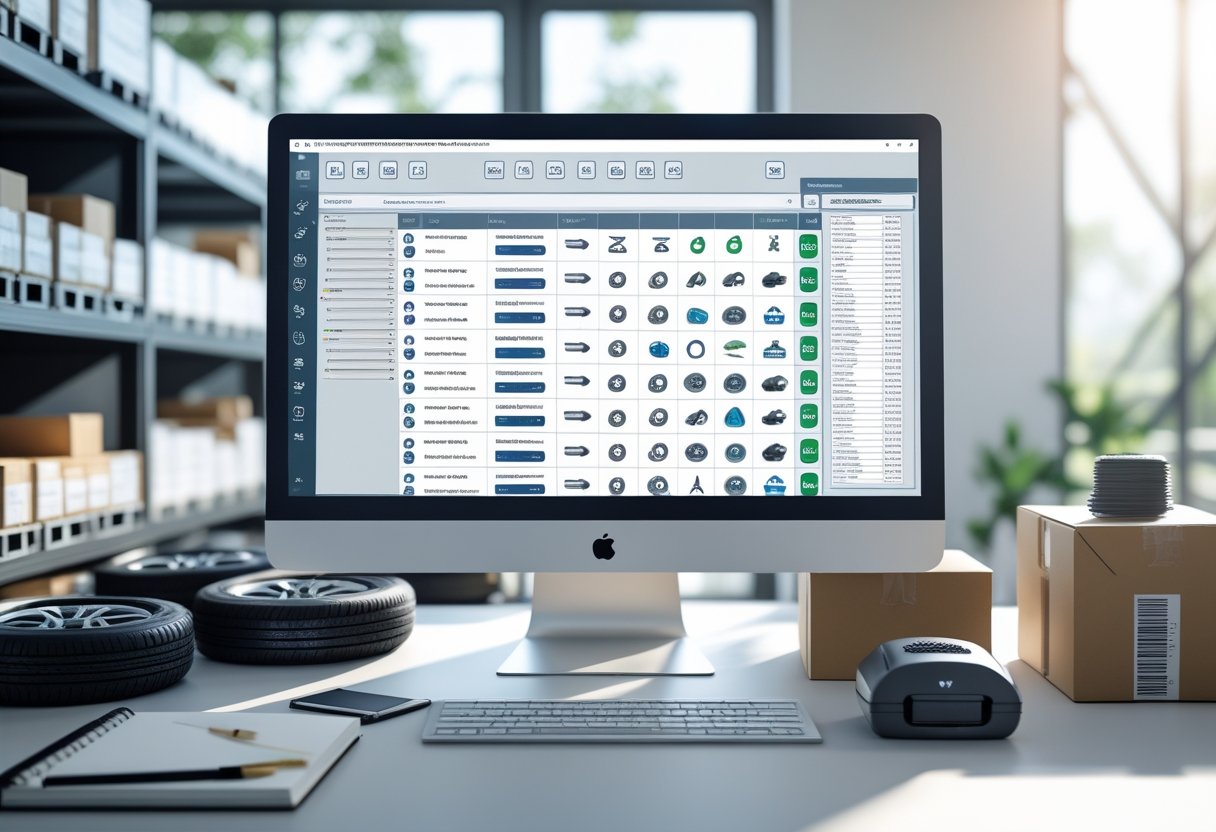
With the right free solution, automotive shops can track every part, update quantities automatically, and access data from multiple devices.
These systems often include barcode scanning, part categorization, and integration with sales platforms, making them practical for both small garages and growing retailers.
This article explains how free auto parts inventory software works, important features, and ways it improves efficiency across the supply chain.
It also covers integration options, customer service benefits, and steps to choose and set up the right system for your business.
What Is Free Auto Parts Inventory Software?

Free auto parts inventory software provides digital tools to manage stock levels, part details, and vendor information without paid licenses.
It lets businesses organize components, track movement, and spot reorder needs using built-in automation and reporting.
Definition and Core Functions
Free auto parts inventory software is a type of inventory management system designed to control and organize automotive components.
It enables businesses to record part numbers, categories, pricing, and supplier data in one platform.
Most solutions support barcode scanning, stock valuation, purchase tracking, and location-based part identification.
Basic versions often store data in the cloud, allowing multiple users to access inventory information at the same time.
They typically integrate with accounting or point-of-sale tools, which helps keep transactions and stock counts accurate.
Some platforms, such as open-source or limited-feature options, offer customization for small to mid-size workshops.
These systems give teams visibility into real-time inventory changes and can alert users when parts run low.
They focus on maintaining essential operational control.
Common Use Cases for Auto Parts Stores
Auto parts stores use free inventory software to simplify daily stock control.
The system tracks incoming shipments, organizes shelves or bins, and helps spot slow-moving items to adjust purchasing.
It reduces the manual work involved in checking part availability.
Repair shops often connect these systems with order management or quoting tools.
For example, a technician can check stock levels while preparing a repair estimate to ensure the right components are available before scheduling service.
Integration supports faster order fulfillment and fewer stockouts.
Small distributors use these platforms to manage multiple product lines across different storage locations.
Centralized tracking assures accuracy across branches.
Even in startup operations, these systems provide a structured foundation for parts inventory management.
Advantages Compared to Manual or Spreadsheet Tracking
Free inventory management software is more accurate and faster than paper logs or spreadsheets.
Automated updates remove repetitive data entry and reduce errors during part checking or order reconciliation.
Stock levels stay consistent when the system updates counts after every sale or delivery.
These tools also offer searchable databases and filtering options, making it easier to locate parts by code, brand, or vehicle model.
Filtering saves time during busy periods and simplifies reporting.
Some solutions generate reorder reports that highlight stock below minimum quantity thresholds.
Manual tracking often leads to miscounts, delays, or inconsistent documentation.
Free software solutions bring structure and visibility without extra costs, helping smaller businesses keep reliable inventory control as they grow.
Key Features of Free Auto Parts Inventory Software
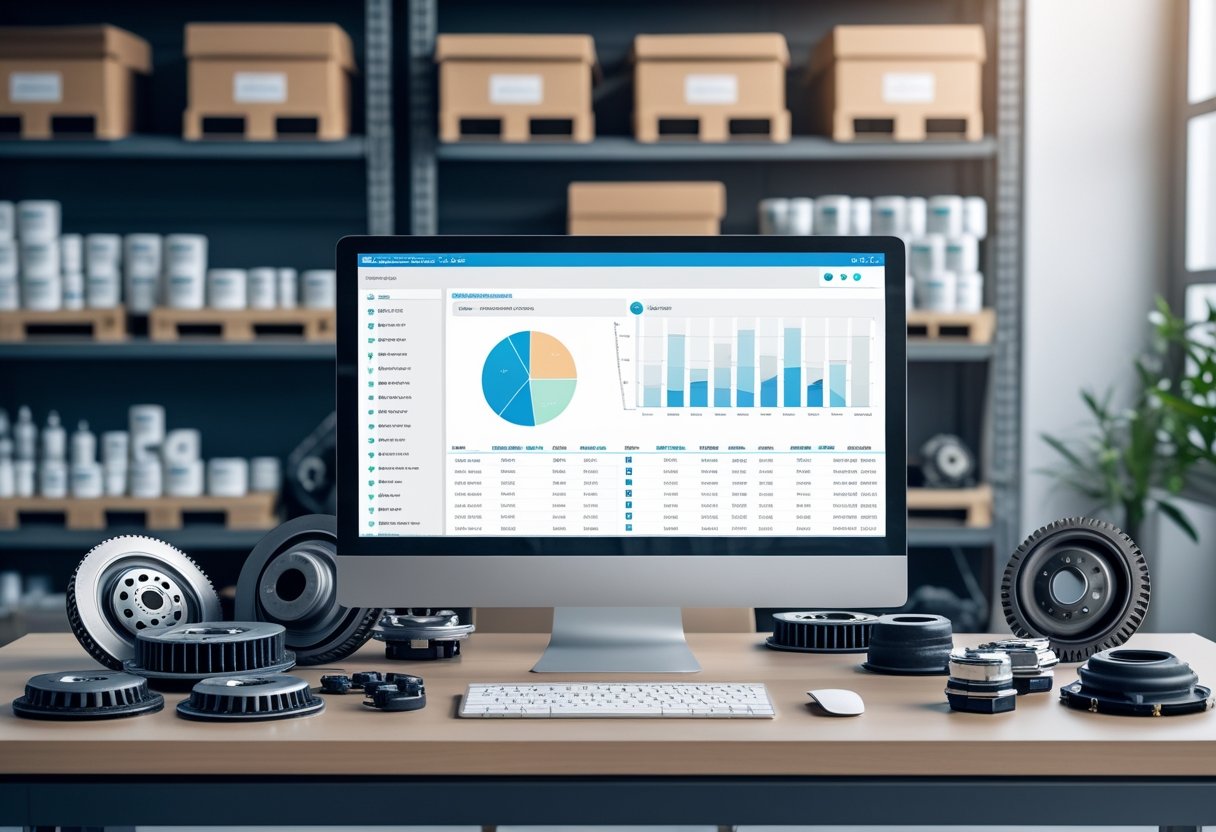
Free auto parts inventory software includes functions that help manage inventory, improve data accuracy, and streamline daily operations.
It supports better tracking of parts, faster order processing, and fewer manual errors in automotive retail or repair.
Inventory Tracking and Control Features
Inventory tracking lets users monitor stock levels, part locations, and movement within a warehouse or store.
A good system provides real-time visibility into available parts and alerts staff when quantities drop below set thresholds.
This helps avoid stockouts and keeps the supply chain steady.
Many free tools include dashboards that summarize total stock value, high-demand parts, and reorder needs.
Users can filter data by vendor, vehicle type, or category for quick analysis.
Adjustments can be logged with reasons such as damaged goods or customer returns.
Basic reporting functions often come standard.
These reports help identify fast-moving items and slow sellers, supporting better purchasing and sales decisions.
Even without upgrades, these systems enable small businesses to set up structured inventory control without custom coding.
Serial Number Tracking and Barcoding System
Free inventory systems often include serial number tracking to manage parts with unique IDs, such as electrical components or engine assemblies.
This ensures traceability from purchase to sale, which is important for warranty claims and quality control.
A built-in barcoding system improves speed and accuracy in check-in, picking, and counting tasks.
Staff can use handheld scanners or mobile apps to record each part’s movement automatically.
This reduces data entry errors and makes it easier to find items within shelves or bins.
Barcode tools often support formats like Code 39 or QR, letting users print custom labels directly from the software.
Together, these features create a base for automated inventory tracking and keep data consistent.
Order Processing, Billing, and Automated Tasks
Order processing functions manage requests from customers or service departments.
Users can create and update purchase orders, track order status, and mark items as shipped or received.
Integration with inventory control ensures part counts adjust automatically after a sale or purchase.
Some free systems include a basic billing solution that generates invoices, applies taxes, and records transactions.
This removes the need for separate accounting tools in smaller businesses.
Automation options, such as scheduled reordering or low-stock alerts, further reduce manual work.
Automated features help standardize repetitive activities like restocking or reconciling purchase data.
With these workflows, teams spend less time fixing mistakes and more time serving customers.
Managing Auto Parts Inventory Efficiently
Efficient control of auto parts inventory depends on precise organization, synchronized warehouse operations, and timely stock replenishment.
Businesses need structured systems to keep visibility across locations and avoid costly shortages.
Organizing Parts with Bin Locations and Categories
Using bin locations and clear part categories helps teams find items quickly and reduce picking errors.
Each part gets a defined spot in storage, labeled by identifiers that match entries in the inventory management system.
Categories should reflect part types, such as filters, brakes, or electrical systems.
Software tools let users sort or search by SKU, supplier, or compatibility.
This setup helps new employees learn faster and reduces time spent finding parts.
Modern systems also link bin data with barcode or QR code scanning.
This keeps counts accurate after every sale or receipt.
A simple inventory table might look like:
Bin LocationCategoryPart NameQuantityStatusA2-14FiltersOil Filter – 5W25In StockC3-02BrakesFront Brake Pads10Low StockD1-07LightingHeadlamp Bulb H440In Stock
Multi-Location Store and Warehouse Management
When a company has several sites, synchronization across every store and warehouse is important.
A shared warehouse management solution gives real-time visibility into part availability, movement, and demand trends.
Centralized dashboards show inventory for each location and alert staff when one site has extra stock while another is low.
Managers can plan redistribution before shortages affect repair schedules.
Cloud-based platforms allow access from desktops or mobile devices, enabling coordination between sales counters, workshops, and warehouses.
Consistent part naming and coding across branches reduce discrepancies and simplify reporting.
Stock Transfers and Replenishment Automation
Effective stock transfers ensure that high-demand stores get needed parts without overstocking others.
The system records each transfer, keeping counts updated for both sending and receiving locations.
Automated replenishment settings can trigger purchase orders when quantities drop below a set level.
This reduces manual checking and helps keep stock balanced.
Many inventory tools connect with supplier catalogs, allowing parts to be ordered directly from the platform.
Automatic updates after every transfer or purchase guarantee accurate, real-time data for confident decisions.
Integrations and Advanced Functionalities
Modern auto parts inventory systems link with other business tools to increase efficiency and accuracy.
These integrations provide synchronized financial tracking, improved customer management, and deeper insight into parts and sales activity.
CRM and Customer Communication Tools
Customer Relationship Management (CRM) integrations connect inventory data with customer profiles and communication logs.
They allow automotive retailers and workshops to track purchase history, preferred brands, and service frequency.
Teams can use this data to tailor marketing campaigns or notify clients about restock alerts and special offers.
Many free and open-source inventory platforms support plug-ins for CRM systems like HubSpot or Zoho CRM.
These integrations synchronize contact data, invoices, and quotes across applications.
The result is fewer duplicate entries and more consistent customer records.
A CRM integration also improves communication.
Businesses can send order confirmations, shipment updates, and service reminders directly through email or SMS.
This reduces manual processes and keeps service clear and documented.
Integrated Accounting and Financial Features
Auto parts systems often include integrated accounting modules or connect to tools such as QuickBooks, Xero, or Wave.
This link simplifies bookkeeping by updating financial data based on inventory and sales transactions.
In many solutions, daily transactions generate entries for cost of goods sold (COGS), revenue, and taxes.
This maintains accurate ledgers without duplicate input.
The integration also helps with financial reporting and cost tracking, improving transparency for repair shops and distributors.
Some platforms provide multi-location cost analysis so managers can view profitability by branch.
Built-in purchase order management links to supplier invoices, ensuring payments match deliveries.
This reduces reconciliation errors and supports audit readiness.
Sales Analytics and Assortment Analysis Reports
Sales analytics tools in inventory software evaluate turnover rates, seasonal demand, and top product categories.
With assortment analysis reports, managers can balance stock levels, discontinue slow items, and keep high-demand parts available.
Dashboards present key indicators such as stock aging, reorder frequency, and margin by item group.
Data visualization makes it easier to spot inefficiencies, such as overstocking or stockouts.
These insights help managers plan pricing or supplier negotiations.
Over time, sales analytics integration helps align purchasing with real demand, ensuring inventory matches customer needs and market trends.
Improving Customer Service and Online Sales
Auto parts retailers use inventory software to give customers faster service, accurate parts information, and more buying options.
Integrated systems connect inventory data with service histories and online platforms so businesses can serve customers efficiently both in-store and online.
Enhancing Customer Experience and Satisfaction
Accurate inventory data lets staff confirm part availability without delay. Customers value real-time updates on stock, compatible parts, and delivery times.
This reliability increases customer satisfaction and reduces canceled orders. Free auto parts inventory tools also support categorization by brand, model, or part number, making searches easier for employees and clients.
Many systems offer barcode scanning or mobile access. These features allow quick updates and reduce manual errors.
Automation improves customer experience by handling billing, returns, and purchases in one interface. Faster service counters and fewer mistakes make the operation appear professional.
Some solutions integrate with CRM features. This lets retailers store customer preferences and purchase history to personalize future service.
Managing Work Orders and Vehicle Repair History
Organized records of work orders and vehicle repair history help retailers streamline communication between service staff and parts departments. Technicians can see prior service notes to track replaced components and spot recurring issues.
Inventory systems with repair tracking reduce duplicate parts orders. Users can link part numbers to specific repair tasks, which simplifies billing and ensures correct parts allocation.
This approach makes it easier to estimate costs and provide clear invoices to customers. Shops benefit from searchable records that speed up warranty checks.
With every job recorded digitally, staff can quickly verify what work has been done and when. This transparency supports better after-sales service.
Expanding Into Online Sales Channels
Modern auto parts retailers rely on online sales to reach more customers. Inventory software manages web catalog listings and syncs them with in-store stock.
This prevents overselling and keeps availability updates accurate. Integrating e-commerce platforms with free inventory systems lets customers view part details, compatibility, and shipping options.
This reduces the need for phone support and increases self-service. Retailers can also use analytics in inventory tools to track buying trends and adjust prices or promotions.
Accurate product data across marketplaces improves listing visibility and order fulfillment. Reliable system integration allows even small shops to compete online.
Choosing and Setting Up Free Auto Parts Inventory Solutions
Selecting and setting up free auto parts inventory software means balancing features, integration, and scalability. Companies should choose tools that fit their daily operations and ensure proper setup for tracking, reordering, and reporting.
Popular Free and Open Source Options
Free and open-source auto parts inventory management software works well for small to medium shops or new retailers. These tools usually offer basic inventory tracking, barcode scanning, and reporting.
Examples include Odoo, PartKeepr, and open-source ERP systems. They allow customization without high costs.
Many auto parts POS systems have free starter versions for small businesses needing sales and inventory features. These help manage parts data, stock locations, and invoices in one platform.
Free tiers may limit users, records, or integrations. The key is to check if the software supports real-time tracking, easy data import/export, and barcode or mobile device compatibility.
Shops wanting flexibility often pick open-source tools hosted locally. Others prefer cloud-based systems for automated backups and basic analytics.
TypeExample ToolsKey AdvantagesOpen Source ERPOdoo, ERPNextCustomizable, no licensing costCloud-Based FreemiumZoho Inventory (free tier), SortlyQuick setup, multiple device access
Implementation Tips and Workflow Automation
Setting up an automotive parts inventory system starts with organizing data. Businesses should catalog all parts with clear names, supplier codes, and minimum stock levels.
Accurate initial data entry helps prevent errors and supports good reporting. Automation is helpful even in free software.
Most parts inventory management software includes auto-reorder alerts, purchase order templates, and low-stock notifications. Barcode scanners and label printing can further reduce manual work.
For workflow efficiency, syncing sales and purchases through a connected auto parts POS system keeps quantities updated in real time. Small teams benefit from clear roles for stock updates, returns, and loss tracking.
Regular backups protect against data loss in both local and online systems.
Scaling Up: When to Upgrade or Integrate Paid Solutions
As a business grows, tracking inventory becomes more complex. Free solutions may struggle with multi-location stock or advanced reporting.
Integrations with accounting tools can be limited in free versions. When databases exceed limits or need role-based access, upgrading is often necessary.
A paid auto parts store software solution adds features like advanced purchasing analytics and supplier tracking. It also supports multi-warehouse coordination.
Some companies add premium modules to open-source platforms instead of switching systems. This approach keeps flexibility while adding more control.
Before upgrading, managers should check usage metrics like transaction volume. Comparing the cost of inefficiencies in a free system with the price of a paid plan helps with decision-making.
Paid upgrades usually include support. This support can reduce downtime and improve accuracy.