Landscaping Technician Tracking: Essential Tools for Managing Your Crew Efficiently
How to start saving money
Lorem ipsum dolor sit amet, consectetur adipiscing elit lobortis arcu enim urna adipiscing praesent velit viverra sit semper lorem eu cursus vel hendrerit elementum morbi curabitur etiam nibh justo, lorem aliquet donec sed sit mi dignissim at ante massa mattis.
- Neque sodales ut etiam sit amet nisl purus non tellus orci ac auctor
- Adipiscing elit ut aliquam purus sit amet viverra suspendisse potent
- Mauris commodo quis imperdiet massa tincidunt nunc pulvinar
- Excepteur sint occaecat cupidatat non proident sunt in culpa qui officia
Why it is important to start saving
Vitae congue eu consequat ac felis placerat vestibulum lectus mauris ultrices cursus sit amet dictum sit amet justo donec enim diam porttitor lacus luctus accumsan tortor posuere praesent tristique magna sit amet purus gravida quis blandit turpis.

How much money should I save?
At risus viverra adipiscing at in tellus integer feugiat nisl pretium fusce id velit ut tortor sagittis orci a scelerisque purus semper eget at lectus urna duis convallis. porta nibh venenatis cras sed felis eget neque laoreet suspendisse interdum consectetur libero id faucibus nisl donec pretium vulputate sapien nec sagittis aliquam nunc lobortis mattis aliquam faucibus purus in.
- Neque sodales ut etiam sit amet nisl purus non tellus orci ac auctor
- Adipiscing elit ut aliquam purus sit amet viverra suspendisse potenti
- Mauris commodo quis imperdiet massa tincidunt nunc pulvinar
- Adipiscing elit ut aliquam purus sit amet viverra suspendisse potenti
What percentege of my income should go to savings?
Nisi quis eleifend quam adipiscing vitae aliquet bibendum enim facilisis gravida neque. Velit euismod in pellentesque massa placerat volutpat lacus laoreet non curabitur gravida odio aenean sed adipiscing diam donec adipiscing tristique risus. amet est placerat in egestas erat imperdiet sed euismod nisi.
“Nisi quis eleifend quam adipiscing vitae aliquet bibendum enim facilisis gravida neque velit euismod in pellentesque”
Do you have any comments? Share them with us on social media
Eget lorem dolor sed viverra ipsum nunc aliquet bibendum felis donec et odio pellentesque diam volutpat commodo sed egestas aliquam sem fringilla ut morbi tincidunt augue interdum velit euismod eu tincidunt tortor aliquam nulla facilisi aenean sed adipiscing diam donec adipiscing ut lectus arcu bibendum at varius vel pharetra nibh venenatis cras sed felis eget.
Landscaping businesses face unique challenges in managing mobile crews and equipment spread across multiple job sites. Tight scheduling demands add to these challenges.
Real-time tracking systems allow landscaping companies to monitor technician locations, verify arrival and departure times at customer properties, and protect valuable equipment from theft or unauthorized use. These solutions are now standard tools for lawn care and landscape operations aiming to reduce costs and improve accountability.
The technology offers more than simple location monitoring. Modern tracking platforms help dispatchers assign jobs efficiently, enable accurate time reporting, and provide maintenance alerts for vehicles and equipment.
As customer expectations rise, landscaping businesses need reliable ways to coordinate field operations. Tracking systems help solve issues like unverified service completion and excessive fuel use from inefficient routing.
They also reduce the risk of equipment loss and support better communication between office staff and field technicians.
What Is Landscaping Technician Tracking?
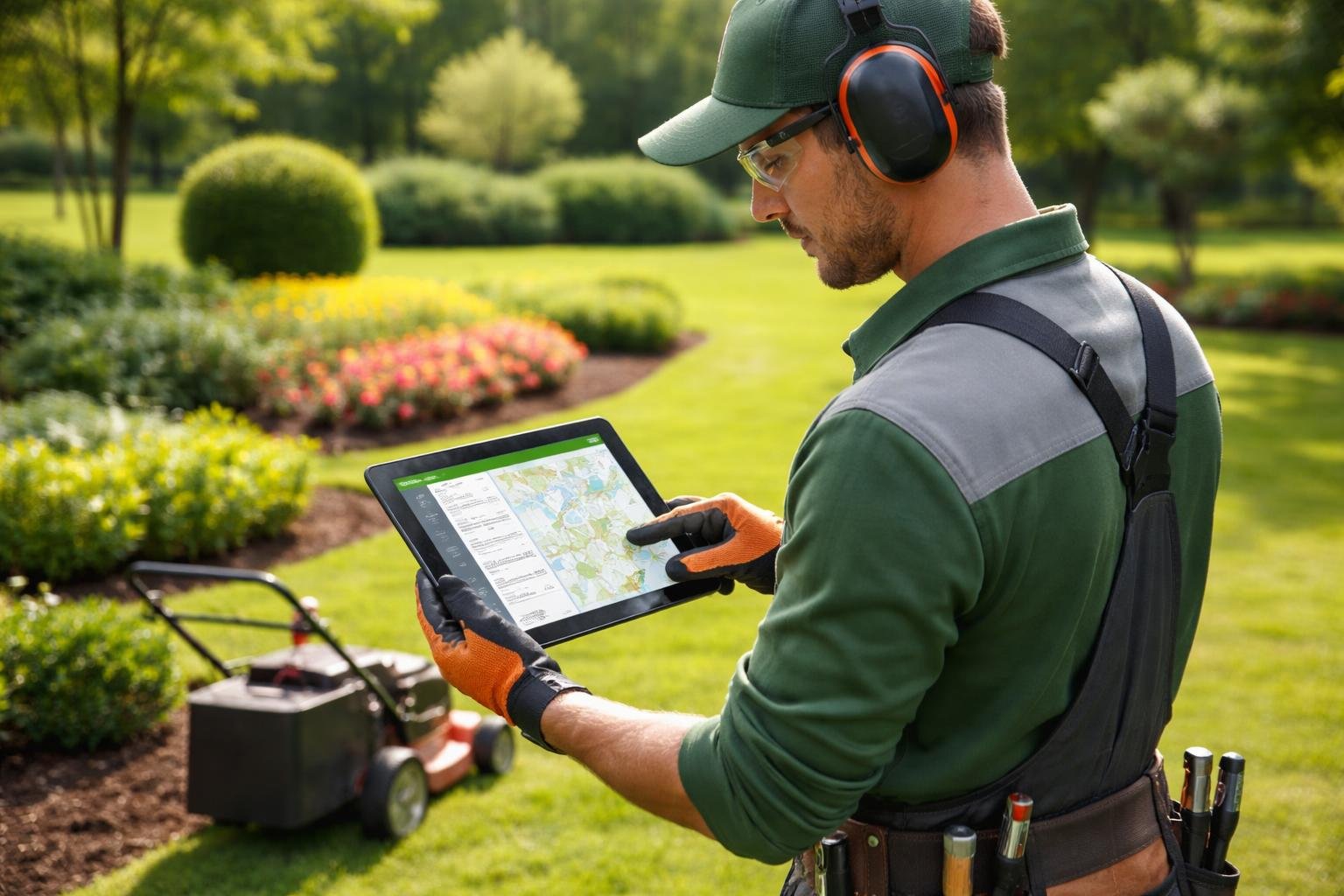
Landscaping technician tracking is the digital monitoring of field workers and their activities. These tools capture location, time, and job site data.
This practice gives landscaping businesses visibility over their teams. It helps optimize operations and improve accountability.
Core Concepts of Technician Tracking
Technician tracking combines several data points to provide insight into field operations. The core of the system is real-time location tracking using GPS technology installed in vehicles or on mobile devices.
Time tracking records when technicians clock in and out at job sites. Many systems use photo verification at clock-in to confirm crew presence and prevent buddy punching.
This creates accurate records of labor hours for each project. Systems also record vehicle speed, stop duration, and route patterns.
This data helps managers verify that crews arrive at scheduled sites and stay productive.
Key tracking components include:
- Real-time GPS location monitoring
- Time clock functionality with geofencing
- Route history and travel patterns
- Job site verification and attendance confirmation
- Mobile accessibility for field workers
The Role of Tracking Systems in Landscaping
Tracking systems help manage distributed landscaping operations. Managers can see where multiple teams are working without constant phone calls.
Landscaping fleet management combines vehicle and equipment monitoring with crew oversight. Managers can dispatch the nearest technician to urgent calls and optimize routes.
The systems generate data for accurate job costing and client communication. Businesses can provide customers with accurate arrival estimates and verify how long work took.
Fleet tracking protects assets through theft alerts and notifications for unauthorized use. Combining vehicle monitoring and crew accountability gives managers a full picture of operations.
Key Features of Landscaping Technician Tracking Solutions
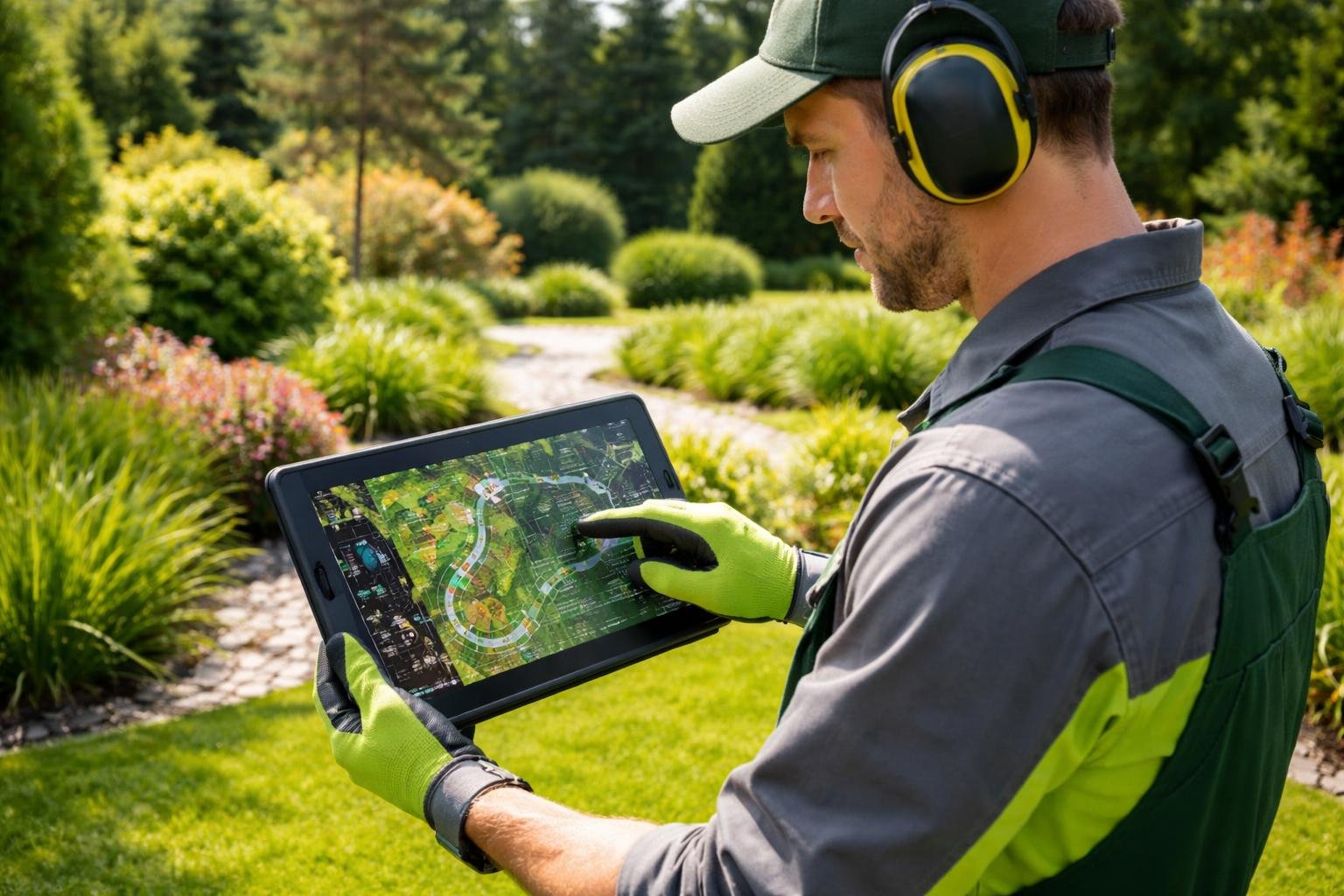
Modern tracking solutions combine location monitoring, work verification, and asset management. These features help managers optimize routes, verify job completion, and protect equipment.
GPS Tracking and Real-Time Visibility
GPS tracking pinpoints the exact location of field workers and vehicles throughout the day. Managers can view technician positions on digital maps.
This allows them to identify the closest crew member for emergency jobs or customer requests. Real-time visibility eliminates guesswork about crew locations and enables faster dispatch.
The system updates location data every 30 to 60 seconds. This provides an accurate picture of field operations.
When customers ask about arrival times, office staff can give specific ETAs based on actual locations. Route optimization features suggest efficient travel paths, helping reduce fuel costs and increase daily job numbers.
Time Tracking and Labor Verification
Automated time tracking records when technicians arrive and leave job sites. The system uses GPS to verify that workers are present during clock-in and clock-out.
Digital time records integrate with payroll systems and reduce errors from manual data entry. Managers can review logs to find differences between scheduled and actual job times.
Labor verification protects against time theft and provides documentation for billing. Detailed timestamps show how long crews spent at each property, supporting accurate invoicing.
Geofencing and Location-Based Alerts
Geofencing creates virtual boundaries around specific locations like customer properties or equipment yards. The system sends notifications when technicians enter or exit these zones.
These alerts confirm job site arrivals without phone calls. Managers receive instant updates when crews reach customer locations.
Common geofencing applications include:
- Verifying arrival at job sites
- Alerting when vehicles leave equipment yards after hours
- Tracking unauthorized use of company vehicles
- Monitoring entry into restricted areas
Custom alerts can be set for excessive idling, speeding, or route deviations.
Equipment and Asset Tracking
Equipment tracking covers trailers, mowers, blowers, and other valuable assets. GPS devices attached to equipment provide location data to help prevent theft.
Tracking systems monitor equipment usage and engine hours to schedule maintenance. Automated reminders based on usage prevent missed service appointments.
Asset visibility shows which equipment is available, in use, or needs maintenance. This helps managers allocate resources and avoid scheduling conflicts.
Maintenance tracking based on mileage or engine hours ensures machinery gets serviced on time. This extends equipment lifespan and reduces repair costs.
Fleet and Crew Management Optimization
GPS-enabled fleet tracking systems give landscaping companies real-time visibility into vehicle locations, crew activities, and job completion verification. These technologies help lower costs and improve accountability.
Vehicle Tracking for Landscaping Fleets
GPS fleet tracking lets businesses monitor trucks, trailers, and equipment in real time. Vehicle locations appear on dashboards, helping managers optimize routes and reduce fuel use.
Fleet tracking automatically logs mileage, idle time, and maintenance schedules. Route optimization analyzes traffic and job site locations to find the best paths.
This reduces drive time and allows crews to complete more jobs. Managers can verify arrival and departure times without manual check-ins.
Equipment theft protection is another benefit. Geofencing alerts managers when vehicles or trailers move outside set areas after hours.
The systems keep historical location data to help recover stolen equipment.
Crew Monitoring and Proof of Service
Crew tracking software records when technicians arrive, complete work, and leave each job. Time-stamped data creates proof of service and helps resolve billing disputes.
Photo documentation allows crews to capture before-and-after images linked to addresses and timestamps. Mobile apps let technicians update job status and report issues without phone calls.
The systems track which crew members worked at each property and for how long. This data helps managers spot productivity patterns and allocate resources better.
Driver Monitoring and Safety Management
Driver monitoring tracks speed, harsh braking, and rapid acceleration. The technology creates safety scores and alerts managers to risky behaviors.
Dashcam integration captures video evidence and helps coach safer driving. Automated driver logs ensure compliance with regulations and reduce paperwork.
The systems flag violations before they happen, preventing penalties. Insurance providers may offer discounts for fleets using driver monitoring.
Job Management and Scheduling Enhancements
Modern tracking systems change how landscaping businesses handle work orders and coordinate field operations. These platforms combine job scheduling and route optimization to reduce completion times and increase crew efficiency.
Work Orders and Job Completion Tracking
Work orders contain details about client properties, required services, and instructions. Digital tracking systems deliver work orders to technicians’ mobile devices, eliminating paper and delays.
Real-time job tracking lets managers monitor progress across multiple crews. Technicians can update job status, log materials, and capture photos as work progresses.
Time tracking records actual hours spent per property, providing data for billing and estimates. Many systems include timestamps for job start, completion, and drive time.
This detailed data helps businesses find ways to improve efficiency.
Job Scheduling and Automated Planning
Job scheduling tools let managers assign tasks based on crew availability, skills, and location. Automated features suggest optimal assignments using performance data and workload.
The software notifies crews instantly about new jobs or schedule changes. Seasonal workers can be onboarded quickly with simple interfaces.
Managers can view schedules by day, week, or month to balance workloads. Automated planning handles recurring appointments and sends service reminders.
Integration with customer management systems keeps job details synchronized.
Route Planning and Optimization
Route optimization calculates the most efficient paths between job sites. The software considers traffic, service windows, and crew locations.
GPS tracking provides real-time data for dynamic route adjustments. If emergencies or cancellations occur, the system recalculates routes to minimize disruption.
Route planning also considers equipment and crew skills when sequencing jobs. Reduced drive time allows technicians to spend more hours on billable work.
Increasing Efficiency and Customer Satisfaction
Technician tracking systems help landscaping businesses respond faster to service requests. They also monitor workforce performance in real time and keep communication transparent with clients.
Improving Response Times
Real-time GPS tracking helps dispatchers find the nearest available technician for any request. This reduces travel time and removes guesswork from scheduling.
When a customer calls with an urgent request, dispatchers can view technician locations on a dashboard. They can assign the job to the closest team member quickly.
Automated routing systems find efficient paths between appointments. These systems factor in traffic, job locations, and break times to reduce delays.
Businesses using technician tracking often reduce response times by 20-30%. Faster response times lead to more completed jobs and increased revenue.
Boosting Productivity Through Tracking
Tracking software captures exact time stamps for job starts, completions, and travel intervals. Managers use this data to spot workflow bottlenecks and address productivity gaps with specific team members.
Performance metrics show which technicians finish similar tasks most efficiently. Companies can use these insights to set realistic benchmarks and develop best practices.
Mobile workforce apps remove administrative tasks that used to take up technician time. Digital work orders, automated time tracking, and instant job updates save technicians 30-45 minutes per day.
Route optimization reduces unnecessary mileage and fuel use. Technicians spend less time driving and more time delivering revenue-generating services.
Customer Communication and Satisfaction
Automated notifications keep customers updated about technician arrival times with real-time alerts. These systems send text messages or emails when a technician is on the way, usually 15-30 minutes before arrival.
Digital service records provide transparency about completed work. Customers get detailed reports with time stamps, photos, and itemized service notes right after the job is finished.
Quick invoicing through mobile apps speeds up the payment process. Technicians can generate and send invoices on-site, reducing billing cycles from days to hours.
Project tracking features let customers monitor ongoing work through client portals. This visibility builds trust and reduces the number of status inquiry calls.
Integrating Fleet Management Software and Mobile Tracking Apps
Fleet management software and mobile tracking apps create a complete system for monitoring landscaping technicians, equipment, and vehicles during the workday. These solutions offer real-time visibility into field operations while automating scheduling, maintenance tracking, and reporting.
Benefits of Fleet Management Solutions
Fleet management solutions improve operational efficiency and cost control for landscaping businesses. Real-time GPS tracking lets managers monitor vehicle locations, optimize routes, and reduce fuel use by finding the most efficient paths between job sites.
These systems track engine hours and mileage automatically, sending maintenance reminders to prevent equipment breakdowns. The software also provides insights into technician productivity by recording work start times, completion times, and duration.
Managers can access this data from smartphones, tablets, or computers to make quick decisions. Asset protection features include theft alerts and geofencing, which notify supervisors when equipment leaves set areas.
Time tracking automation removes the need for manual timesheets and reduces payroll errors. The systems generate daily reports on overtime, idle time, and route compliance without extra administrative work.
Tracking App Selection and Implementation
Choosing the right tracking app means matching business needs with available features. Important factors include the number of vehicles and equipment to track, integration with existing software, and mobile device compatibility.
GPS tracking solutions should be user-friendly for both field technicians and office staff. Implementation starts with installing GPS hardware in vehicles and setting up the software to fit company workflows.
Training sessions help technicians learn how to use mobile apps for clocking in, updating job status, and communicating with dispatchers. Most providers offer trial periods or free versions so businesses can test features before committing.
Successful implementation depends on setting clear expectations about tracking and addressing privacy concerns with crew members.
Field Service Management Integration
Field service management integration connects tracking data with scheduling, dispatching, and customer management systems. This creates a unified platform where job assignments automatically sync with GPS locations and technician availability.
Dispatchers can assign the nearest available crew to urgent requests using real-time positioning data. Integrated systems link maintenance records for vehicles and landscaping equipment like mowers and trimmers.
Managers schedule service intervals based on actual usage metrics. The integration enables automated invoicing by connecting completed job data with billing systems, which reduces administrative work.
Maintenance and Compliance Monitoring
Effective maintenance programs prevent equipment failures and reduce costs. Proper compliance documentation protects businesses from regulatory penalties and liability.
Maintenance Scheduling and Alerts
Modern tracking software automates maintenance scheduling by monitoring equipment hours, service intervals, and usage patterns for each piece of landscaping equipment. The system sends alerts when vehicles or tools are due for service, so technicians never miss important maintenance tasks.
Automated tracking usually monitors:
- Engine hours and mileage thresholds
- Seasonal service needs
- Blade sharpening intervals
- Oil change schedules
- Filter replacement dates
Fleet maintenance systems keep complete service histories for all equipment. Digital records replace manual logbooks and spreadsheets.
This approach extends equipment life by ensuring timely preventive maintenance. Managers can assign maintenance tasks to technicians and track completion rates across the fleet.
Real-time notifications alert supervisors when equipment needs attention, preventing crews from using machines that are overdue for service.
Ensuring Compliance and Documentation
Compliance tracking systems monitor safety protocols, environmental regulations, and industry certifications during field operations. These platforms document pre-start inspections, safety checks, and regulatory steps that technicians must complete before starting work.
Digital recordkeeping creates audit trails to prove compliance with OSHA standards, local pesticide rules, and customer-specific safety requirements. Time-stamped records show when inspections happened and which technician performed each check.
The software stores expiration dates for licenses, equipment permits, and operator qualifications. Automated reminders alert managers when renewals are due, preventing crews from working with expired credentials.
This documentation protects landscaping businesses during audits and liability claims by providing proof of regulatory compliance.
Future Trends in Landscaping Technician Tracking
Artificial intelligence and advanced analytics are changing how landscaping companies monitor workforce performance and optimize operations. These technologies provide real-time visibility into technician locations, task completion rates, and resource allocation.
AI and Automation in Technician Tracking
AI-powered tracking systems help companies monitor employee performance more effectively. These platforms use machine learning to automatically log technician movements, job start and completion times, and service patterns.
Automated tracking removes the need for paper timesheets and manual route planning. The systems can spot inefficiencies such as extra travel time between job sites or delays in task completion.
GPS integration and AI analysis give supervisors predictive insights about possible scheduling conflicts. Real-time tracking also improves communication between field technicians and office staff.
Managers get instant notifications when technicians arrive at job sites, finish tasks, or encounter issues that need attention. This immediate feedback helps managers make faster decisions and provide better customer service.
Scalability and Advanced Analytics
Advanced analytics platforms help landscaping businesses scale operations and maintain oversight as teams grow. These systems collect data from multiple technicians in different regions.
The data is displayed through customizable dashboards. This makes it easier to track performance metrics.
Key analytics features include:
- Labor cost analysis per job type
- Equipment utilization rates
- Productivity benchmarking across teams
- Seasonal workload forecasting
- Revenue per technician metrics
Companies can spot high-performing technicians and use their methods to improve other teams. The data shows patterns in service delivery that guide training and operations.
Analytics help with year-round planning by highlighting historical demand trends. They also provide insights for the best crew sizes during different seasons.