How to start saving money
Lorem ipsum dolor sit amet, consectetur adipiscing elit lobortis arcu enim urna adipiscing praesent velit viverra sit semper lorem eu cursus vel hendrerit elementum morbi curabitur etiam nibh justo, lorem aliquet donec sed sit mi dignissim at ante massa mattis.
- Neque sodales ut etiam sit amet nisl purus non tellus orci ac auctor
- Adipiscing elit ut aliquam purus sit amet viverra suspendisse potent
- Mauris commodo quis imperdiet massa tincidunt nunc pulvinar
- Excepteur sint occaecat cupidatat non proident sunt in culpa qui officia
Why it is important to start saving
Vitae congue eu consequat ac felis placerat vestibulum lectus mauris ultrices cursus sit amet dictum sit amet justo donec enim diam porttitor lacus luctus accumsan tortor posuere praesent tristique magna sit amet purus gravida quis blandit turpis.

How much money should I save?
At risus viverra adipiscing at in tellus integer feugiat nisl pretium fusce id velit ut tortor sagittis orci a scelerisque purus semper eget at lectus urna duis convallis. porta nibh venenatis cras sed felis eget neque laoreet suspendisse interdum consectetur libero id faucibus nisl donec pretium vulputate sapien nec sagittis aliquam nunc lobortis mattis aliquam faucibus purus in.
- Neque sodales ut etiam sit amet nisl purus non tellus orci ac auctor
- Adipiscing elit ut aliquam purus sit amet viverra suspendisse potenti
- Mauris commodo quis imperdiet massa tincidunt nunc pulvinar
- Adipiscing elit ut aliquam purus sit amet viverra suspendisse potenti
What percentege of my income should go to savings?
Nisi quis eleifend quam adipiscing vitae aliquet bibendum enim facilisis gravida neque. Velit euismod in pellentesque massa placerat volutpat lacus laoreet non curabitur gravida odio aenean sed adipiscing diam donec adipiscing tristique risus. amet est placerat in egestas erat imperdiet sed euismod nisi.
“Nisi quis eleifend quam adipiscing vitae aliquet bibendum enim facilisis gravida neque velit euismod in pellentesque”
Do you have any comments? Share them with us on social media
Eget lorem dolor sed viverra ipsum nunc aliquet bibendum felis donec et odio pellentesque diam volutpat commodo sed egestas aliquam sem fringilla ut morbi tincidunt augue interdum velit euismod eu tincidunt tortor aliquam nulla facilisi aenean sed adipiscing diam donec adipiscing ut lectus arcu bibendum at varius vel pharetra nibh venenatis cras sed felis eget.
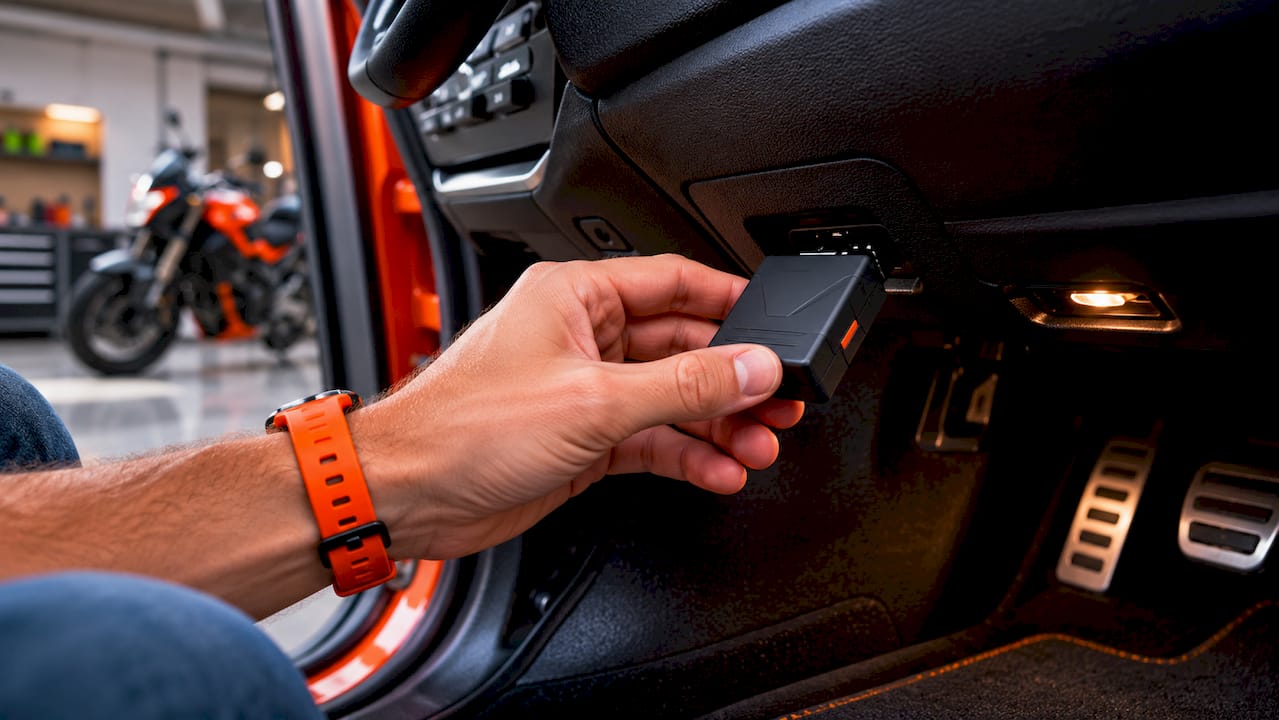
An OBD GPS tracker is a compact plug-and-play device that connects to your vehicle’s OBD-II diagnostic port to deliver real-time GPS location updates and vehicle health data without any tools or wiring. The OBD-II port, a standardized interface found on most vehicles made after 1996 (gasoline) or 2008 (diesel) in the U.S., serves as both the power source and the data gateway for the tracker. These devices combine GPS satellite positioning, cellular data transmission, and onboard diagnostics into a single unit that installs in under 60 seconds. For fleet managers, small business owners, and individuals alike, an OBD GPS tracking device removes the cost and complexity that typically come with vehicle monitoring systems.
What is an OBD GPS tracker and how does it work?
An OBD GPS tracker works by pulling power and vehicle data directly from the OBD-II port while simultaneously receiving GPS signals from satellites overhead. The device contains two core components: a GPS receiver that calculates the vehicle’s precise latitude, longitude, and speed, and a cellular modem with a SIM card that transmits that data to a remote cloud server. Once the data reaches the server, the tracking platform processes raw coordinates and diagnostic codes into a readable format you can access through a web dashboard or mobile app.
The OBD-II port does more than supply power. It exposes a live data stream from the vehicle’s engine control unit, which includes parameters like fuel level, engine RPM, cooldown temperature, and diagnostic trouble codes. Advanced models like the Teltonika FMC003 can read up to 32 OEM data points, giving fleet managers a detailed picture of each vehicle’s condition in real time.
Vehicle technology expert Jordan Reeves explains that the real power of OBD trackers lies in the backend software platform, not the hardware itself. The device collects raw data; the cloud platform turns it into something useful. This means the quality of the tracking provider’s software matters just as much as the device’s specifications.
Here is what happens from the moment you plug in the device:
- Port connection: The tracker draws power from the OBD-II port and begins reading vehicle data immediately.
- GPS acquisition: The GPS receiver locks onto satellite signals to calculate position, speed, and heading.
- Cellular transmission: The built-in modem sends location and diagnostic data to the cloud server at regular intervals.
- Data processing: The server software organizes raw data into trip history, alerts, and diagnostic reports.
- User access: You view everything through a web portal or smartphone app in near real time.
Pro Tip: After plugging in your OBD tracker, drive the vehicle for at least five minutes before checking the app. The GPS receiver needs time to acquire a strong satellite lock, especially in areas with tall buildings or tree cover.
What are the advantages of using an OBD GPS tracker?
OBD GPS trackers offer a distinct combination of ease, data depth, and cost efficiency that other tracker types rarely match. The plug-and-play installation takes under 60 seconds and requires no professional help, no drilling, and no wire splicing. That alone makes them the preferred choice for individuals and small fleet operators who need to get up and running fast.
Here are the core advantages that make OBD GPS trackers stand out:
- No battery management. The OBD-II port supplies continuous power from the vehicle’s electrical system, so the tracker never needs charging. You get uninterrupted data streaming for as long as the vehicle exists.
- Rich vehicle diagnostics. Beyond location, you get access to engine trouble codes, fuel consumption, odometer readings, and driver behavior data. This moves vehicle management from reactive to data-driven.
- Geofencing and real-time alerts. Geofencing capabilities notify you the moment a vehicle enters or exits a defined zone, which is critical for fleet security and unauthorized use detection.
- Driver behavior monitoring. Trackers flag idling, hard braking, overspeeding, and crash events. Fleet managers use this data to reduce fuel waste and lower insurance risk.
- Cost-effective for fleets and individuals. Subscription-free options like Motowatchdog eliminate ongoing monthly fees while maintaining 4G connectivity, making the total cost of ownership significantly lower over time.
Pro Tip: If you manage a small fleet, pair your OBD tracker data with a mileage log. The combined record simplifies IRS reporting and can support deductions that manual logs often miss.
One security consideration is worth noting directly. The tracker’s location under the dashboard makes it physically accessible to anyone who enters the vehicle. For high-security applications, pairing an OBD device with a secondary hidden tracker adds a meaningful layer of protection.
How does an OBD GPS tracker compare to other vehicle tracking options?
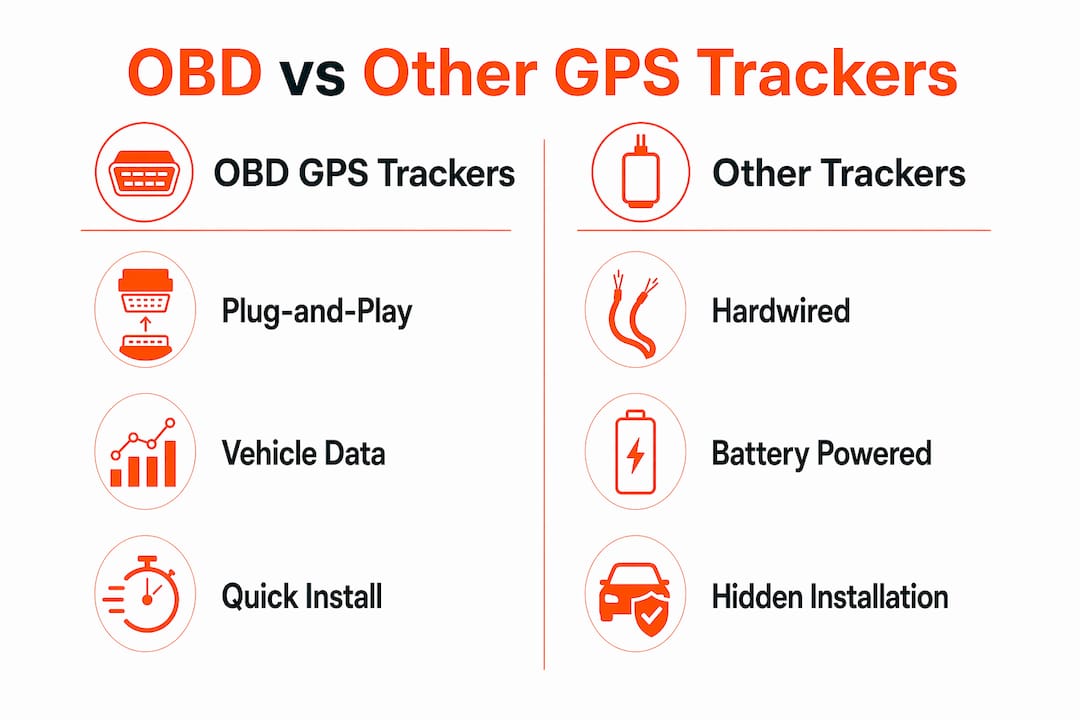
Not every GPS tracker fits every situation. The table below compares OBD GPS trackers against wired hardwired trackers and battery-powered portable trackers across the factors that matter most to buyers.
| Feature | OBD GPS tracker | Hardwired GPS tracker | Portable battery tracker |
|---|---|---|---|
| Installation | Plug-and-play, under 60 seconds | Requires professional wiring | No installation needed |
| Power source | Vehicle OBD-II port (continuous) | Vehicle electrical system (continuous) | Internal battery (limited life) |
| Diagnostic data access | Full OBD-II data stream | Limited or none | None |
| Physical visibility | Visible under dashboard | Hidden inside vehicle | Portable, can be hidden anywhere |
| Tampering risk | Higher (easily unplugged) | Lower (concealed wiring) | Variable |
| Best use case | Fleet monitoring, individual tracking | Long-term covert tracking | Asset tracking, non-vehicle use |
| Cost | Low to moderate | Moderate to high | Low to moderate |
Wired GPS trackers are typically hidden inside the vehicle and harder to tamper with than plug-in OBD devices. That makes hardwired systems the better choice when covert, long-term installation is the priority. However, hardwired trackers require professional installation and provide little to no access to vehicle diagnostic data.
OBD GPS trackers win on speed, data richness, and flexibility. For businesses managing small fleet tracking on a budget, the combination of instant setup and real-time diagnostics is hard to beat. Portable battery trackers fill a different role entirely, covering assets like trailers, equipment, or rental vehicles where no OBD port is available.
How to choose the best OBD GPS tracker for your needs
Selecting the right OBD GPS tracker comes down to matching device capabilities to your specific use case. The wrong choice often means paying for features you never use or missing the ones you actually need.
Start with these key criteria:
- Vehicle compatibility. Confirm your vehicle has an OBD-II port. In the U.S., all gasoline vehicles from 1996 onward and diesel vehicles from 2008 onward are OBD-II compliant. Older vehicles require a different solution.
- Cellular network support. Look for 4G LTE Cat 1 connectivity with a 2G fallback. The Teltonika FMC003, for example, supports 4G LTE with 2G fallback to maintain coverage in rural areas where 4G signals are weak.
- Diagnostic data depth. If you need fuel level, odometer data, and engine trouble codes, verify the tracker reads OEM parameters rather than generic OBD-II codes only. Generic codes cover basic engine faults; OEM data covers the full range of manufacturer-specific parameters.
- Subscription model. Monthly fees add up fast across a fleet. Subscription-free providers like Motowatchdog reduce the total cost of ownership without sacrificing 4G performance.
- Software platform quality. The tracking dashboard determines how useful your data actually is. Request a demo or trial period before committing. A device that reads 32 data points is only valuable if the platform presents those points clearly.
- Security features. Prioritize trackers with tamper alerts, geofencing, and crash detection. These features protect both the vehicle and the investment in the device itself.
- Warranty and support. A one-year minimum warranty and accessible customer support are non-negotiable for business use. Device failure without a replacement path creates gaps in your tracking record.
For a broader view of how OBD trackers fit within a larger fleet technology strategy, the types of fleet GPS systems guide covers the full range of options available to fleet managers in 2026.
Key Takeaways
An OBD GPS tracker is the most practical entry point into vehicle monitoring because it combines instant installation, continuous power, and real-time diagnostics in a single plug-and-play device.
| Point | Details |
|---|---|
| Plug-and-play setup | Installation takes under 60 seconds with no tools, wiring, or professional help required. |
| Continuous power supply | The OBD-II port powers the tracker constantly, removing any need for battery charging. |
| Diagnostic data access | Advanced models read up to 32 OEM parameters including fuel level, odometer, and trouble codes. |
| Software drives value | The cloud platform that processes raw GPS and diagnostic data determines how useful the tracker actually is. |
| Subscription costs matter | Subscription-free options like Motowatchdog lower the total cost of ownership for fleets and individuals. |
Why I think most buyers underestimate the software side
Most buyers focus entirely on the hardware when shopping for an OBD GPS tracker. They compare antenna specs, cellular bands, and port compatibility. That research matters, but it misses the factor that determines day-to-day value: the software platform behind the device.
I have seen fleet managers invest in capable hardware only to end up with a dashboard that buries the data they need three menus deep. The device reads fuel level and engine codes perfectly. The platform just never makes that information easy to act on. That gap between raw data and useful insight is where most tracking solutions fall short.
The other thing buyers consistently overlook is physical security. Because the OBD port sits in plain view under the dashboard, unplugging the tracker takes about two seconds. For personal vehicles or low-risk fleets, that is a minor concern. For businesses tracking high-value assets or monitoring employee vehicles, it is a real vulnerability worth planning around.
My honest recommendation: treat the software demo as the most important step in your evaluation. Ask the provider to show you how a geofence alert gets created, how trip history is exported, and how diagnostic trouble codes are displayed. If those three tasks take more than a few clicks each, keep looking. The best OBD GPS tracking device is the one paired with a platform you will actually use every day.
— Louis
Track smarter with Motowatchdog’s subscription-free OBD GPS tracker
Motowatchdog delivers real-time vehicle tracking and diagnostics through a plug-and-play OBD GPS tracking device that requires no subscription fees. Over 1,000 businesses rely on Motowatchdog for accurate 4G connectivity, geofencing alerts, and detailed mileage reporting that simplifies fleet management and tax documentation. Setup takes under a minute, and the platform is built for both individual vehicle owners and growing fleets who need reliable monitoring without the burden of monthly costs.
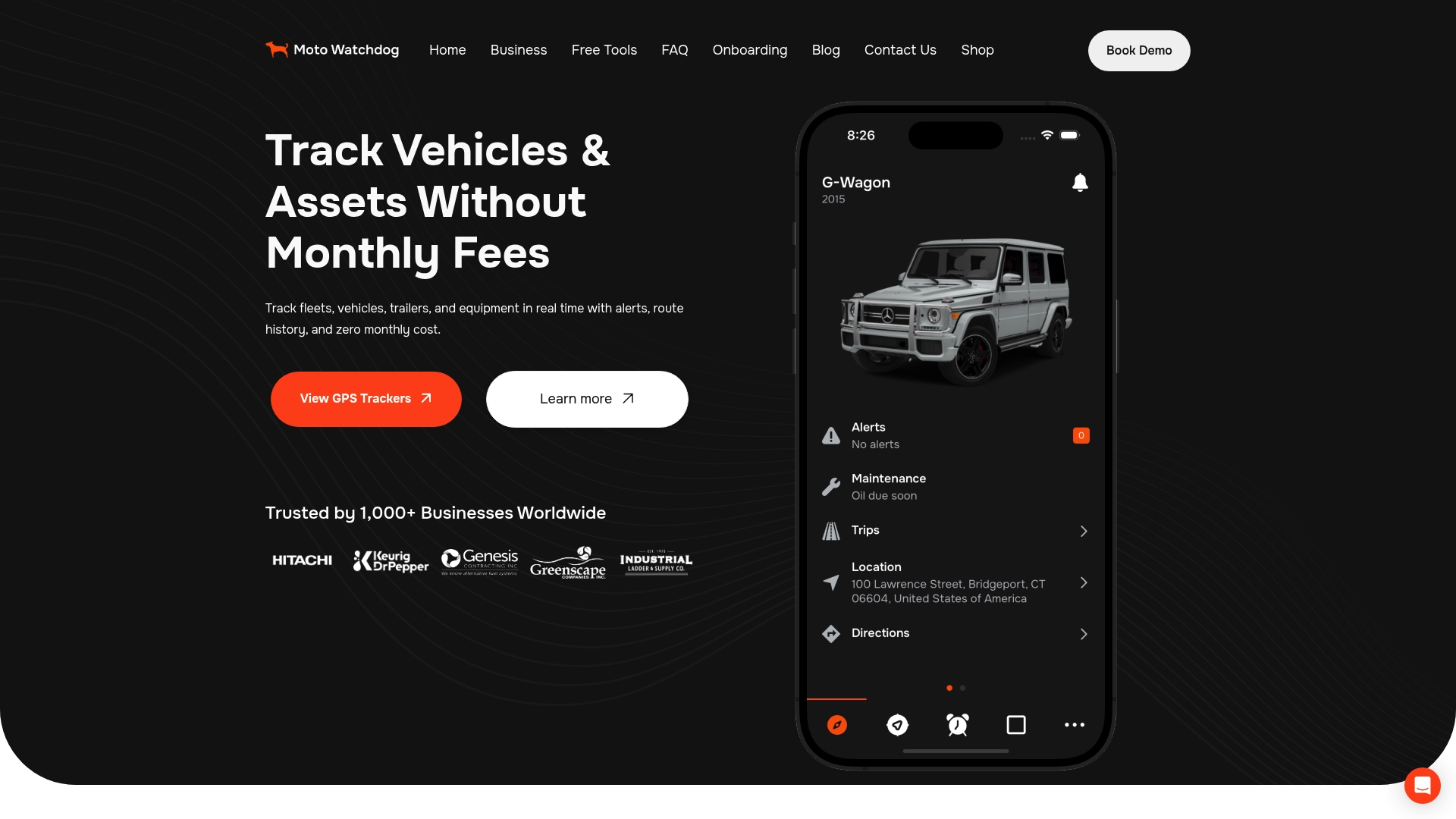
If you are ready to move from guesswork to data-driven vehicle management, explore Motowatchdog’s tracker and see how subscription-free 4G OBD tracking works in practice.
FAQ
What does OBD stand for in GPS tracking?
OBD stands for On-Board Diagnostics. In GPS tracking, the OBD-II port serves as both the power source and the vehicle data interface for the tracker.
Can an OBD GPS tracker be removed easily?
Yes. Because the device plugs into the OBD-II port under the dashboard, it can be unplugged in seconds. Some models include internal batteries that continue transmitting briefly after removal.
Do OBD GPS trackers work on all vehicles?
OBD GPS trackers work on all U.S. gasoline vehicles manufactured from 1996 onward and diesel vehicles from 2008 onward. Vehicles older than these cutoffs typically lack a compatible OBD-II port.
What data does an OBD GPS tracker collect?
An OBD GPS tracker collects GPS location, speed, trip history, and vehicle diagnostics including fuel level, engine trouble codes, and odometer readings. Advanced models like the Teltonika FMC003 read up to 32 OEM-specific parameters.
Is a subscription required for OBD GPS tracking?
Not always. Providers like Motowatchdog offer subscription-free 4G tracking that eliminates monthly fees while maintaining full real-time connectivity and geofencing features.