
How to start saving money
Lorem ipsum dolor sit amet, consectetur adipiscing elit lobortis arcu enim urna adipiscing praesent velit viverra sit semper lorem eu cursus vel hendrerit elementum morbi curabitur etiam nibh justo, lorem aliquet donec sed sit mi dignissim at ante massa mattis.
- Neque sodales ut etiam sit amet nisl purus non tellus orci ac auctor
- Adipiscing elit ut aliquam purus sit amet viverra suspendisse potent
- Mauris commodo quis imperdiet massa tincidunt nunc pulvinar
- Excepteur sint occaecat cupidatat non proident sunt in culpa qui officia
Why it is important to start saving
Vitae congue eu consequat ac felis placerat vestibulum lectus mauris ultrices cursus sit amet dictum sit amet justo donec enim diam porttitor lacus luctus accumsan tortor posuere praesent tristique magna sit amet purus gravida quis blandit turpis.

How much money should I save?
At risus viverra adipiscing at in tellus integer feugiat nisl pretium fusce id velit ut tortor sagittis orci a scelerisque purus semper eget at lectus urna duis convallis. porta nibh venenatis cras sed felis eget neque laoreet suspendisse interdum consectetur libero id faucibus nisl donec pretium vulputate sapien nec sagittis aliquam nunc lobortis mattis aliquam faucibus purus in.
- Neque sodales ut etiam sit amet nisl purus non tellus orci ac auctor
- Adipiscing elit ut aliquam purus sit amet viverra suspendisse potenti
- Mauris commodo quis imperdiet massa tincidunt nunc pulvinar
- Adipiscing elit ut aliquam purus sit amet viverra suspendisse potenti
What percentege of my income should go to savings?
Nisi quis eleifend quam adipiscing vitae aliquet bibendum enim facilisis gravida neque. Velit euismod in pellentesque massa placerat volutpat lacus laoreet non curabitur gravida odio aenean sed adipiscing diam donec adipiscing tristique risus. amet est placerat in egestas erat imperdiet sed euismod nisi.
“Nisi quis eleifend quam adipiscing vitae aliquet bibendum enim facilisis gravida neque velit euismod in pellentesque”
Do you have any comments? Share them with us on social media
Eget lorem dolor sed viverra ipsum nunc aliquet bibendum felis donec et odio pellentesque diam volutpat commodo sed egestas aliquam sem fringilla ut morbi tincidunt augue interdum velit euismod eu tincidunt tortor aliquam nulla facilisi aenean sed adipiscing diam donec adipiscing ut lectus arcu bibendum at varius vel pharetra nibh venenatis cras sed felis eget.
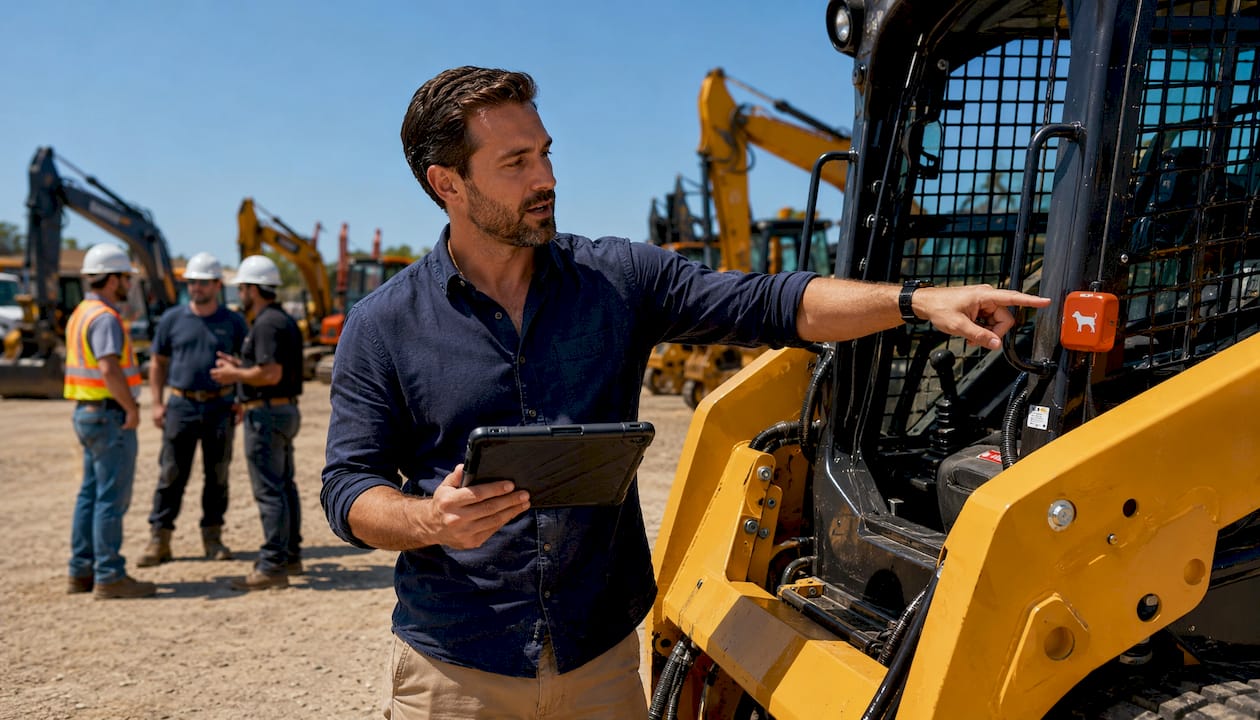
GPS in equipment logistics is defined as the use of satellite-based positioning systems to track, manage, and secure heavy equipment assets across job sites, transport routes, and rental fleets in real time. The role of GPS in equipment logistics goes far beyond simple location tracking. It covers theft prevention, fleet utilization, predictive maintenance, and operational reporting, all from a single data stream. Construction equipment theft alone causes nearly $1 billion in annual losses, and GPS is the primary technology that logistics managers and rental companies use to fight back. The industry term for this integrated approach is “telematics,” which combines GPS positioning with engine data, sensor feeds, and communication networks to give fleet managers a complete picture of every asset.
How does GPS improve asset security and theft prevention?
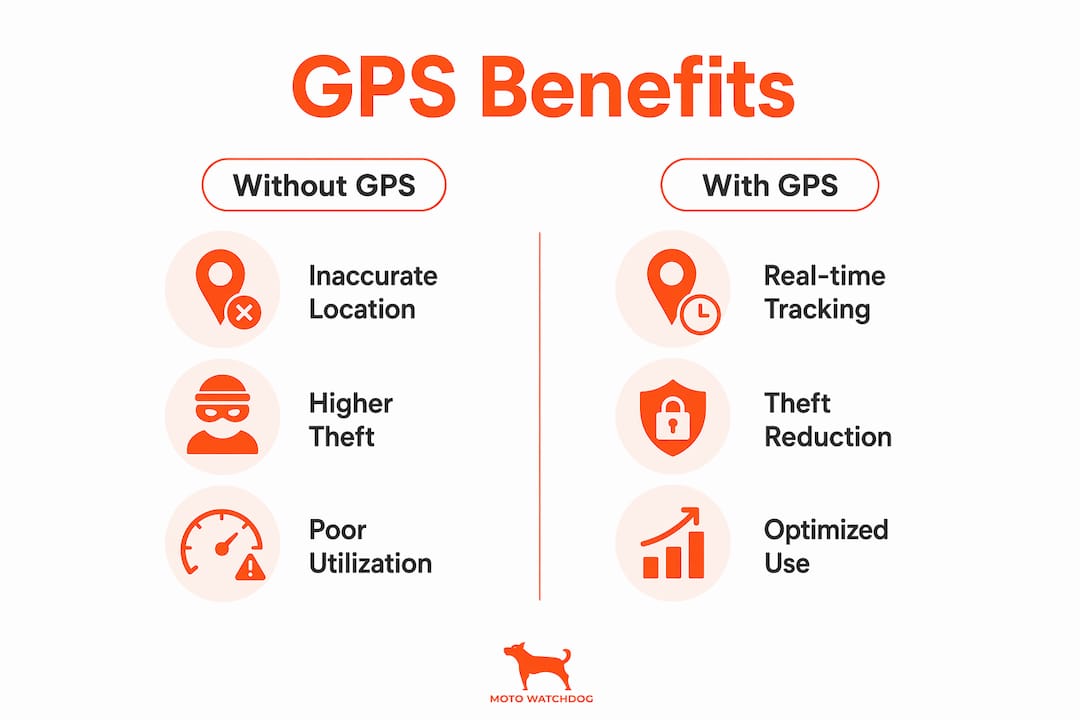
GPS tracking is the most direct defense against equipment theft. When a machine leaves a job site without authorization, a GPS alert fires within seconds. That speed matters because GPS reduces equipment theft rates by 86% and cuts fuel costs by over 12% through route optimization. Those two numbers alone justify the investment for most rental operations.

Geofencing is the specific technique that makes this work. A logistics manager draws a virtual boundary around a job site or storage yard. When a tracked asset crosses that boundary outside of approved hours, the system sends an alert by text or email. Time-based geofencing adds another layer. A bulldozer that moves at 2:00 AM on a Sunday triggers an alert automatically, regardless of whether it crossed a geographic boundary.
Rugged GPS devices built for heavy equipment environments are a separate hardware category from standard vehicle trackers. They withstand vibration, dust, moisture, and temperature extremes that would disable consumer-grade units. Mounting options include hardwired connections to the machine’s power supply and covert battery-powered units hidden inside the frame. Covert placement is critical because a thief who cannot find the tracker cannot disable it.
- Geofencing alerts: Notify managers the moment a machine leaves an approved zone
- Time-based triggers: Flag movement outside scheduled operating hours
- Covert mounting: Hidden placement prevents tracker removal by thieves
- Remote immobilization: Some systems allow disabling the starter circuit after theft is confirmed
Pro Tip: Place a secondary covert tracker on high-value machines in addition to the primary visible unit. Thieves who find and remove the visible device will not know a second unit is still reporting.
What GPS data does to fleet utilization and maintenance costs
GPS data transforms how logistics managers dispatch equipment and schedule maintenance. Fleet utilization improves 15–25% when managers use GPS-enabled tracking to match the right machine to the right job at the right time. That improvement comes from eliminating guesswork about where assets are and whether they are available.
The operational workflow changes in four measurable ways:
- Real-time dispatch decisions: Managers see every machine’s location and status on a live map. They assign the nearest available unit instead of calling operators to ask where equipment is sitting.
- Engine hour tracking: GPS systems log actual operating hours, not calendar time. Maintenance intervals trigger based on real use, which prevents both over-servicing and breakdowns from neglect.
- Fault code monitoring: GPS enables predictive maintenance by capturing engine fault codes alongside location data. A manager sees a diagnostic alert on a crane in the field and schedules a repair before the machine fails on site.
- Project management integration: GPS systems integrate with project management tools to consolidate usage, maintenance history, and dispatch records in one platform. That integration eliminates duplicate data entry and gives project managers accurate cost-per-machine reporting.
Pro Tip: Set engine-hour maintenance alerts at 90% of the recommended interval, not 100%. That buffer gives your shop time to order parts and schedule the work before the machine hits its limit.
The table below shows how GPS data affects three core operational metrics:
| Metric | Without GPS | With GPS tracking |
|---|---|---|
| Fleet utilization rate | Estimated, often inaccurate | Measured, 15–25% higher |
| Maintenance scheduling | Calendar-based intervals | Engine-hour and fault-code triggered |
| Theft recovery time | Days to weeks | Hours with real-time alerts |
For rental companies managing small fleet tracking on a budget, the utilization gains alone typically cover the cost of the tracking system within the first operating season.
Standard GPS vs. RTK GPS: which technology fits your operation?
Not all GPS technology delivers the same accuracy, and choosing the wrong type costs money. Standard GPS provides 2–5 meter accuracy, which is sufficient for location tracking, geofencing, and theft prevention. RTK GPS, which stands for Real-Time Kinematic, delivers sub-centimeter accuracy by using a fixed base station to correct satellite signal errors in real time.
RTK GPS is the standard for machine control applications. An excavator using RTK guidance can dig to a precise grade without a surveyor standing in the trench. A motor grader using RTK can match a road design file to within a fraction of an inch. These are not location-tracking use cases. They are precision construction operations where GPS replaces manual grade checking and reduces rework.
For most logistics managers and rental companies, standard GPS covers every operational need. RTK becomes relevant when a rental customer requests machine-control-ready equipment or when the operation involves precision grading, excavation, or paving. Understanding that distinction prevents overspending on RTK hardware for assets that only need fleet visibility.
AI and machine learning are now layering on top of both GPS types. AI-powered GPS predicts ETAs and optimizes routes to prevent congestion rather than just reporting where a truck is. For heavy equipment logistics, that means the system can flag that a haul route will be blocked during a specific time window and suggest an alternate path before the driver leaves the yard.
Store-and-forward technology addresses the dead-zone problem that affects remote job sites. When a GPS device loses cellular signal in a tunnel, quarry, or rural area, it logs all position and engine data internally. The moment the device reconnects, it uploads the complete record. No data gaps appear in the utilization report.
What challenges come with GPS implementation in equipment fleets?
Signal obstruction is the most common implementation problem. Dense urban canyons, underground parking structures, and remote mountain sites all degrade GPS accuracy. The practical fix is a combination of cellular triangulation and store-and-forward logging, which together cover most real-world dead zones.
Device durability is the second challenge. A tracker rated for passenger vehicles will fail on a vibratory compactor or a rock crusher within weeks. Selecting devices rated to IP67 or higher for dust and water resistance, and specced for the vibration levels of the target machine type, prevents premature failure.
- Power supply selection: Hardwired devices draw from the machine’s battery and never need recharging. Battery-powered units offer covert placement but require periodic maintenance.
- Form factor matching: Compact plug-and-play units work for equipment with OBD ports. Hardwired units suit machines without standard diagnostic connectors.
- Data integration planning: Define which software platforms the GPS data needs to feed before purchasing hardware. Retrofitting integrations after deployment is expensive.
- Driver and operator buy-in: Inform operators about tracking before deployment. Transparency reduces resistance and improves data quality because operators report anomalies rather than hiding them.
Pro Tip: Run a 30-day pilot on five to ten machines before fleet-wide deployment. Pilots surface integration issues, device placement problems, and alert-threshold misconfigurations before they affect your entire operation.
For teams working through the hardware decision, a GPS fleet hardwiring guide covers installation options and power configurations in detail. Construction IT teams managing the broader technology stack can also find relevant guidance from managed IT services for construction operations that integrate GPS with field reporting and project management systems.
Future trends shaping GPS in equipment logistics
GPS is evolving from a location tool into a predictive operations platform. The next wave of capabilities is already in deployment at leading rental companies and construction fleets.
- IoT sensor integration: GPS units now pair with temperature, load, and vibration sensors to monitor machine health beyond engine hours and fault codes.
- Automated compliance reporting: Systems generate FMCSA-compliant hours-of-service logs and state DOT reports automatically from GPS data, removing manual paperwork.
- Remote immobilization advances: Geofenced operational controls allow managers to restrict a machine’s operating zone to a specific area of a job site, not just the site boundary.
- AI-driven anomaly detection: Machine learning models flag unusual engine behavior, unexpected idle patterns, or route deviations without requiring a manager to review raw data.
- Geofenced clock-in systems: GPS boundaries restrict employee check-ins to verified job site locations, eliminating payroll fraud from remote clock-ins.
The direction is clear. GPS in equipment logistics is moving from reactive tracking to proactive, intelligence-driven management. Rental companies and logistics managers who build that capability now will have a measurable cost and efficiency advantage over those who treat GPS as a simple location tool.
Key Takeaways
GPS tracking is the single most cost-effective technology for reducing equipment theft, improving fleet utilization by 15–25%, and enabling predictive maintenance in heavy equipment logistics.
| Point | Details |
|---|---|
| Theft prevention impact | GPS reduces equipment theft rates by 86%, making it the primary security tool for rental fleets. |
| Fleet utilization gains | GPS-enabled tracking improves fleet utilization by 15–25% through real-time dispatch and asset visibility. |
| Maintenance shift | Engine-hour and fault-code tracking moves maintenance from calendar-based to condition-based scheduling. |
| Technology selection | Standard GPS covers most logistics needs; RTK GPS is required only for machine control and precision grading. |
| Implementation priority | Ruggedized hardware, store-and-forward capability, and software integration are the three non-negotiable deployment requirements. |
What I’ve learned after years of watching GPS deployments succeed and fail
The companies that get the most from GPS tracking are not the ones with the most sophisticated hardware. They are the ones that connect GPS data to actual decisions. I have seen rental operations install trackers on every machine and then check the dashboard once a week. That is not GPS tracking. That is GPS storage.
The real operational shift happens when alert thresholds are tuned to the specific operation, when maintenance triggers are tied to engine hours rather than the calendar, and when dispatch decisions reference the live map before anyone picks up the phone. Those behaviors are habits, not technology features. The technology just makes the habits possible.
The other thing I have seen consistently: companies underestimate the value of geofencing for operational control beyond theft. Restricting a machine to a specific work zone on a large site prevents operators from taking equipment to unauthorized areas, reduces wear from off-task use, and creates an automatic record of where work was performed. That record has real value in contract disputes.
Motowatchdog’s subscription-free model matters here because the ongoing cost of GPS tracking is the reason many smaller rental companies delay adoption. Removing the monthly fee removes the most common objection. The data is worth having from day one, and the cost structure should not be the reason you wait.
— Louis
Motowatchdog’s GPS tracking for equipment fleets
Logistics managers and rental companies that want real-time fleet visibility without monthly subscription fees have a direct path forward with Motowatchdog.
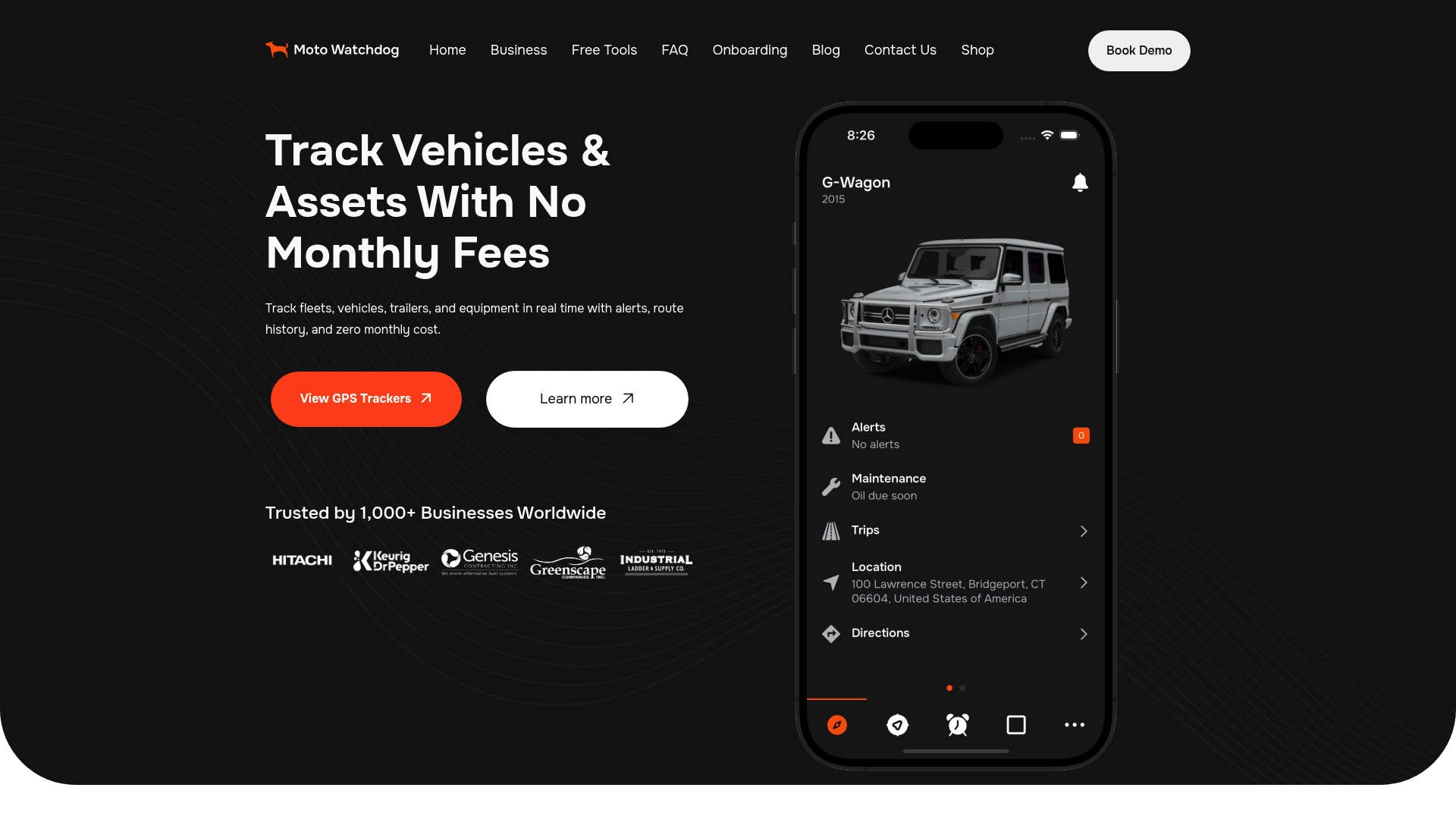
Motowatchdog’s subscription-free 4G GPS tracking covers the full range of equipment logistics needs: real-time location, geofencing alerts, theft prevention, and engine-hour reporting. Over 1,000 businesses rely on Motowatchdog for accurate, continuous asset monitoring. The platform integrates with existing fleet workflows without requiring a long-term service contract. For managers evaluating subscription-free GPS for their business, Motowatchdog offers a practical starting point with no ongoing fee commitment.
FAQ
What is the role of GPS in equipment logistics?
GPS in equipment logistics provides real-time location tracking, theft prevention through geofencing, fleet utilization data, and predictive maintenance triggers. It is the core technology that moves equipment management from reactive to data-driven.
How much does GPS reduce equipment theft?
GPS tracking reduces equipment theft rates by 86% and enables rapid recovery when theft does occur through real-time location alerts and geofenced boundary monitoring.
What is the difference between standard GPS and RTK GPS for equipment?
Standard GPS delivers 2–5 meter accuracy, which covers fleet tracking and geofencing. RTK GPS delivers sub-centimeter accuracy and is required for machine control applications like precision grading and excavation.
How does GPS enable predictive maintenance?
GPS systems track engine hours and capture fault codes in real time. That data triggers maintenance alerts based on actual machine use rather than calendar intervals, reducing both unplanned downtime and unnecessary servicing.
What is store-and-forward GPS technology?
Store-and-forward GPS logs position and engine data locally when cellular signal is unavailable and uploads the complete record when connectivity returns. It prevents data gaps in remote job sites and underground environments.

