
How to start saving money
Lorem ipsum dolor sit amet, consectetur adipiscing elit lobortis arcu enim urna adipiscing praesent velit viverra sit semper lorem eu cursus vel hendrerit elementum morbi curabitur etiam nibh justo, lorem aliquet donec sed sit mi dignissim at ante massa mattis.
- Neque sodales ut etiam sit amet nisl purus non tellus orci ac auctor
- Adipiscing elit ut aliquam purus sit amet viverra suspendisse potent
- Mauris commodo quis imperdiet massa tincidunt nunc pulvinar
- Excepteur sint occaecat cupidatat non proident sunt in culpa qui officia
Why it is important to start saving
Vitae congue eu consequat ac felis placerat vestibulum lectus mauris ultrices cursus sit amet dictum sit amet justo donec enim diam porttitor lacus luctus accumsan tortor posuere praesent tristique magna sit amet purus gravida quis blandit turpis.

How much money should I save?
At risus viverra adipiscing at in tellus integer feugiat nisl pretium fusce id velit ut tortor sagittis orci a scelerisque purus semper eget at lectus urna duis convallis. porta nibh venenatis cras sed felis eget neque laoreet suspendisse interdum consectetur libero id faucibus nisl donec pretium vulputate sapien nec sagittis aliquam nunc lobortis mattis aliquam faucibus purus in.
- Neque sodales ut etiam sit amet nisl purus non tellus orci ac auctor
- Adipiscing elit ut aliquam purus sit amet viverra suspendisse potenti
- Mauris commodo quis imperdiet massa tincidunt nunc pulvinar
- Adipiscing elit ut aliquam purus sit amet viverra suspendisse potenti
What percentege of my income should go to savings?
Nisi quis eleifend quam adipiscing vitae aliquet bibendum enim facilisis gravida neque. Velit euismod in pellentesque massa placerat volutpat lacus laoreet non curabitur gravida odio aenean sed adipiscing diam donec adipiscing tristique risus. amet est placerat in egestas erat imperdiet sed euismod nisi.
“Nisi quis eleifend quam adipiscing vitae aliquet bibendum enim facilisis gravida neque velit euismod in pellentesque”
Do you have any comments? Share them with us on social media
Eget lorem dolor sed viverra ipsum nunc aliquet bibendum felis donec et odio pellentesque diam volutpat commodo sed egestas aliquam sem fringilla ut morbi tincidunt augue interdum velit euismod eu tincidunt tortor aliquam nulla facilisi aenean sed adipiscing diam donec adipiscing ut lectus arcu bibendum at varius vel pharetra nibh venenatis cras sed felis eget.
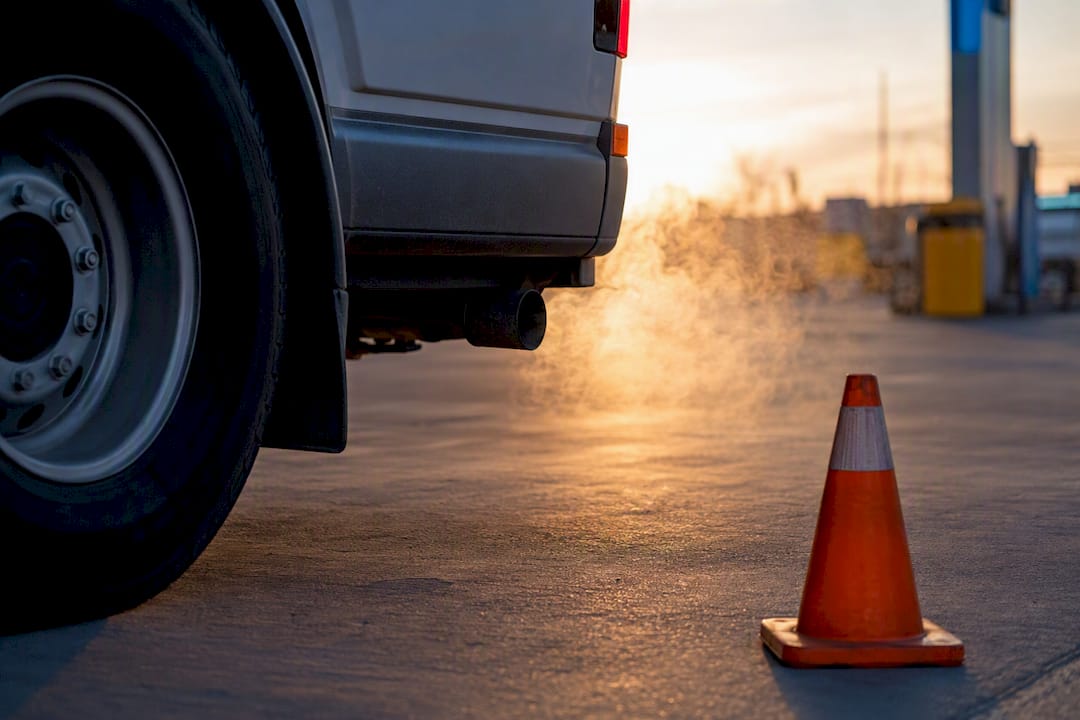
Shutting off engines for stops longer than about 10 seconds when it’s safe delivers the fastest fuel savings, followed by using telematics to measure and coach idle behavior. Layer targeted technology, like APUs or battery HVAC, only where your duty cycle genuinely demands overnight comfort or power. Together, these three moves cut idling fuel waste without slowing operations down.
TL;DR:
- Cutting engine idling for stops over 10 seconds can significantly reduce fuel waste and engine wear, especially when combined with telematics-based coaching.
- Installing hardware like batteries or APUs is necessary for overnight comfort, but avoiding unnecessary idling through behavior changes delivers the fastest savings.
- Telematics tools and geofencing can track, measure, and reduce idle time by 10 to 15 percent without needing recurring software costs.
- Focusing improvements on the highest-idle trucks and worst-performing yards offers most savings, with a goal of achieving 10 to 25 percent reduction in the first year.
- Starting with subscription-free GPS tracking enables fleets to measure baseline idle patterns and demonstrate ROI before scaling hardware investments.
Table of Contents
- Why Idling Wastes Measurable Fuel, Money, and Component Life
- Quick Behavioral Fixes Fleets and Drivers Can Use Today
- Technology Options: What Works, When to Use It, and Trade-Offs
- How Telematics and Idle-Time Tracking Turn Data into Results
- Calculating ROI and Setting Realistic Idle-Reduction Targets
- Implementing a Fair, Effective Idle-Reduction Program
- What I’ve Learned Watching Fleets Try to Fix This
- A Low-Friction Way to Start Measuring Idle Time
- Sources
Why Idling Wastes Measurable Fuel, Money, and Component Life
Idling burns fuel while producing zero miles. That trade shows up fast in the numbers: Argonne National Laboratory’s AFDC estimates put annual U.S. losses at more than 6 billion gallons of gasoline and diesel, worth over $11 billion even at low fuel prices.
For trucking fleets specifically, the math gets personal. A typical Class 8 truck idles 6 to 8 hours per day, burning roughly 0.8 gallons of diesel per hour. That’s 1,000 to 1,800 wasted gallons per truck, per year, depending on the route.
The Idling Tax: A single long-haul truck idling 7 hours daily at 0.8 gallons per hour burns through nearly 5.6 gallons before it ever moves. Multiply that across a 50-truck fleet running 300 days a year, and you’re looking at over 84,000 gallons lost to a parked engine.
Fuel isn’t the only casualty. AFDC data links idling to accelerated engine wear and added strain on aftertreatment systems, which often pushes maintenance intervals earlier than they’d otherwise fall. For many fleets, those secondary repair costs rival the fuel bill itself.
Quick Behavioral Fixes Fleets and Drivers Can Use Today
You don’t need new hardware to start cutting idling fuel consumption this week. Behavior change is free, and it’s often where the biggest early gains come from.
- Apply the 10-second rule. Clean Cities and DOE guidance recommends shutting off the engine for any stop expected to run longer than about 10 seconds when it’s safe to do so. Restarting burns less fuel than idling past that mark.
- Build exceptions into policy, not habit. Traffic queues, active loading, and safety-sensitive stops need documented carve-outs so drivers aren’t guessing.
- Tighten scheduling. Shorter appointment windows, drop-and-hook loads, and less staging time at docks all reduce the hours a truck sits running.
- Coach with fair benchmarks. Compare drivers against peers running similar routes and duty cycles, not a flat fleet average that ignores real-world differences.
Fleets that pair this kind of coaching with consistent measurement commonly see idle-time drop by 10 to 15%, according to the North American Council for Freight Efficiency.
Pro Tip: Run your first coaching cycle on data alone, no penalties. Drivers trust the numbers more when they see them before they see consequences.
Technology Options: What Works, When to Use It, and Trade-Offs
Behavioral fixes handle avoidable idling. Comfort idling, the kind that happens when a driver needs heat, air conditioning, or power overnight, usually calls for hardware. The EPA’s SmartWay verified list of idling-reduction technologies tracks several proven categories, and picking the right one depends on your duty cycle:
- Diesel APUs run a small auxiliary engine to power HVAC and electronics. They’re built for long-haul drivers who need overnight comfort in extreme climates, but they add weight and their own maintenance schedule.
- Electric APUs and battery HVAC draw from onboard batteries instead of a second engine. NACFE and EPA both note that battery HVAC has matured enough to handle many overnight duty cycles silently, with lower upkeep than diesel APUs, though range depends on outside temperature and battery health.
- Fuel-operated heaters (FOH) burn a small amount of fuel to heat the cab without running the main engine. They’re efficient for cold-climate routes but don’t address cooling needs.
- Thermal storage systems pre-cool a reservoir during driving hours, then release that cooling overnight. They work well for moderate climates with predictable rest stops.
- Truck stop electrification (EPS) lets drivers plug into shore power at equipped stops, eliminating idling entirely during the connection, though it only helps where infrastructure exists.
- Stop-start systems, common in newer passenger vehicles, automatically cut the engine at brief stops and restart on demand.
Overnight comfort favors APUs, battery HVAC, or EPS. Frequent short stops favor stop-start systems or plain driver discipline. Match the tool to the actual idling pattern, not the other way around.
How Telematics and Idle-Time Tracking Turn Data into Results
You can’t coach what you don’t measure. Idle time tracking fleet-wide starts with a handful of metrics that actually predict where fuel is leaking:
- Total idle hours per vehicle, per week
- Number of distinct idle events, since a few long ones behave differently than many short ones
- Location context for each event (yard, dock, highway shoulder)
- PTO status, so power-takeoff work isn’t mistaken for wasted idle
- Cabin temperature correlation, which flags comfort idling versus avoidable idling
Geofencing turns those metrics into action. Set exception zones around yards and receiver docks where idling is expected, then configure vehicle idle tracking alerts that fire only when an engine runs long outside those zones. Fleets running this kind of alert-plus-coaching combination report idle reductions of 10 to 15%, matching the gains seen from behavioral coaching alone but sustained longer.
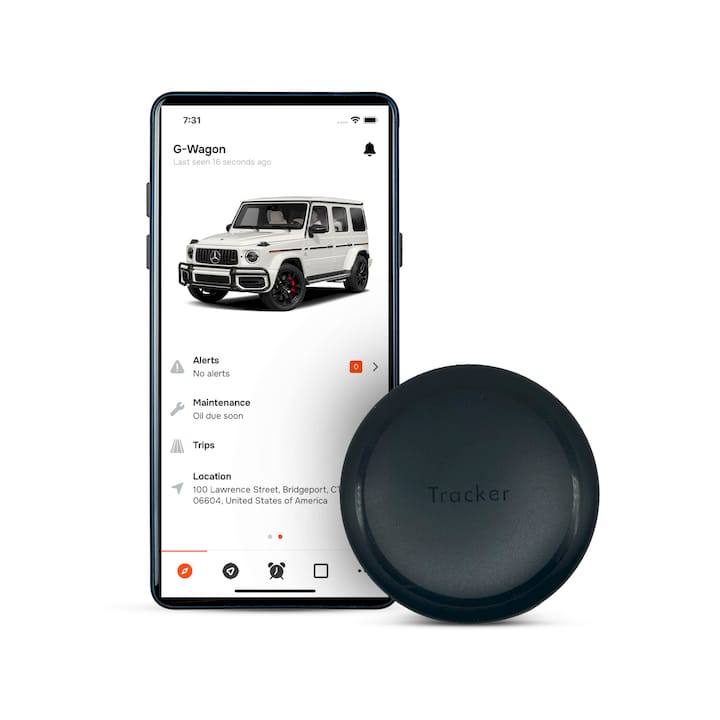
One practical barrier disappears with subscription-free GPS trackers: a pilot program doesn’t need a recurring software bill to prove its case.
Calculating ROI and Setting Realistic Idle-Reduction Targets
A rough ROI estimate takes three inputs: hours of idle reduced, fuel burned per hour, and your local diesel price. Multiply those together, then subtract hardware and installation costs.
- Example: Cutting 2 idle hours daily across a 20-truck fleet, at 0.8 gallons per hour and $4 per gallon, saves roughly $128 a day, or about $32,000 across a 250-day work year, before any tech spend.
- Target your highest-idle trucks and worst-performing yards first. Fixing the worst 20% often yields most of the available savings.
- Aim for a 10 to 25% avoidable-idle reduction in year one, tracked weekly against baseline.
Argonne’s idle-reduction savings worksheet gives you a structured way to run these numbers against your own fleet data before committing to hardware.
Implementing a Fair, Effective Idle-Reduction Program
A rollout works better in sequence than all at once. Try this order:
- Baseline first. Measure two to four weeks of idle behavior before changing anything.
- Define exceptions. Document traffic, safety, and PTO carve-outs so coaching targets real waste, not normal operations.
- Pilot small. Test alert settings and coaching on one route or terminal before scaling fleet-wide.
- Involve drivers. Fleets that let drivers weigh in on hardware choices see fewer bypass attempts.
- Measure weekly, scale monthly. Weekly scorecards catch drift before it becomes habit.
Fair coaching means comparing drivers against peers on similar routes, and crediting detention time at receivers to the location, not the driver.
Pro Tip: Assign a maintenance owner to any idle-reduction hardware from day one. APUs and battery systems that don’t get serviced on schedule quietly stop delivering the savings you paid for.
What I’ve Learned Watching Fleets Try to Fix This
Most idle-reduction failures aren’t technology failures. They’re measurement failures. A fleet installs an APU or sets a policy, sees no change in the fuel bill, and concludes the fix doesn’t work, when the real problem is that nobody tracked idle hours before or after. Motowatchdog exists partly because of that gap: subscription-free GPS tracking gives fleets a way to see idle patterns without adding a monthly line item to justify.
The bigger mistake I see is treating every idling minute the same. Comfort idling at a truck stop and avoidable idling at a congested dock have different causes and different fixes, and lumping them together produces vague policies nobody follows. Fleets that separate the two, and measure each with tools like geofencing alerts, consistently outperform fleets that just tell drivers to “idle less.”
— Louis
A Low-Friction Way to Start Measuring Idle Time
Subscription-free GPS tracking skips the subscription fee that turns most telematics pilots into a budget fight before they even start. Idle events get recorded, geofencing alerts flag long stops outside approved zones, and data exports cleanly into a weekly scorecard that teams can use for coaching.
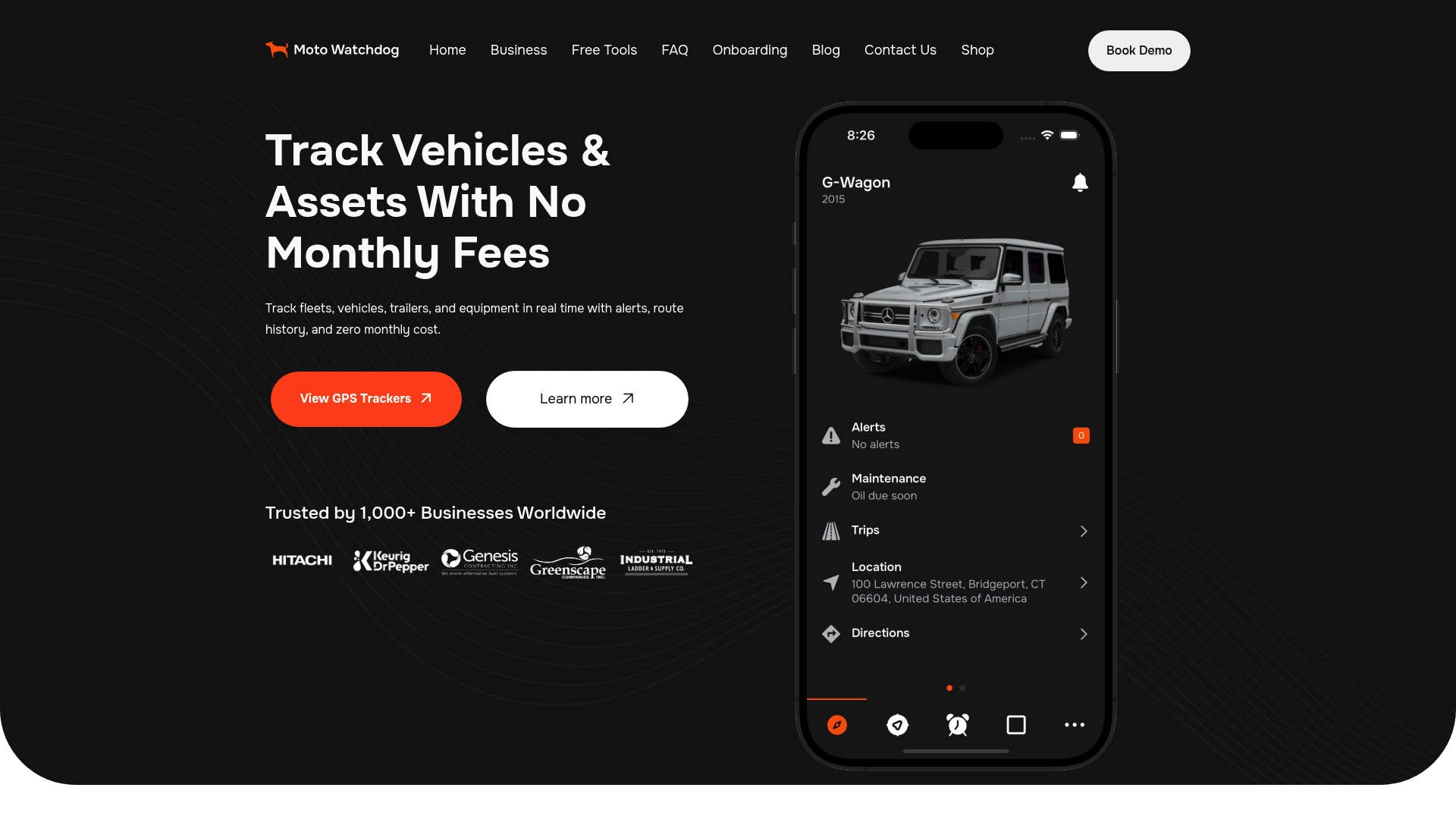
That matters most in the pilot phase, when you’re trying to prove ROI before committing fleet-wide. A contractor-focused tracking setup lets you test idle alert settings on a handful of vehicles first, see the fuel savings in real numbers, then scale without renegotiating a service contract. If you’re ready to see what your own idle hours actually cost, start with Motowatchdog’s GPS tracking devices and run your baseline this month.

