How to start saving money
Lorem ipsum dolor sit amet, consectetur adipiscing elit lobortis arcu enim urna adipiscing praesent velit viverra sit semper lorem eu cursus vel hendrerit elementum morbi curabitur etiam nibh justo, lorem aliquet donec sed sit mi dignissim at ante massa mattis.
- Neque sodales ut etiam sit amet nisl purus non tellus orci ac auctor
- Adipiscing elit ut aliquam purus sit amet viverra suspendisse potent
- Mauris commodo quis imperdiet massa tincidunt nunc pulvinar
- Excepteur sint occaecat cupidatat non proident sunt in culpa qui officia
Why it is important to start saving
Vitae congue eu consequat ac felis placerat vestibulum lectus mauris ultrices cursus sit amet dictum sit amet justo donec enim diam porttitor lacus luctus accumsan tortor posuere praesent tristique magna sit amet purus gravida quis blandit turpis.

How much money should I save?
At risus viverra adipiscing at in tellus integer feugiat nisl pretium fusce id velit ut tortor sagittis orci a scelerisque purus semper eget at lectus urna duis convallis. porta nibh venenatis cras sed felis eget neque laoreet suspendisse interdum consectetur libero id faucibus nisl donec pretium vulputate sapien nec sagittis aliquam nunc lobortis mattis aliquam faucibus purus in.
- Neque sodales ut etiam sit amet nisl purus non tellus orci ac auctor
- Adipiscing elit ut aliquam purus sit amet viverra suspendisse potenti
- Mauris commodo quis imperdiet massa tincidunt nunc pulvinar
- Adipiscing elit ut aliquam purus sit amet viverra suspendisse potenti
What percentege of my income should go to savings?
Nisi quis eleifend quam adipiscing vitae aliquet bibendum enim facilisis gravida neque. Velit euismod in pellentesque massa placerat volutpat lacus laoreet non curabitur gravida odio aenean sed adipiscing diam donec adipiscing tristique risus. amet est placerat in egestas erat imperdiet sed euismod nisi.
“Nisi quis eleifend quam adipiscing vitae aliquet bibendum enim facilisis gravida neque velit euismod in pellentesque”
Do you have any comments? Share them with us on social media
Eget lorem dolor sed viverra ipsum nunc aliquet bibendum felis donec et odio pellentesque diam volutpat commodo sed egestas aliquam sem fringilla ut morbi tincidunt augue interdum velit euismod eu tincidunt tortor aliquam nulla facilisi aenean sed adipiscing diam donec adipiscing ut lectus arcu bibendum at varius vel pharetra nibh venenatis cras sed felis eget.
Contractor fleet tracking combines GPS hardware and telematics software to show where vehicles and equipment are at all times, how long they run, and when they need service. The main payoff is visibility: fewer idle hours, faster theft recovery, and better equipment utilization across job sites. We offer a subscription-free option for contractors who want this visibility without a recurring bill.
TL;DR:
- Real-time GPS and location history improve dispatch accuracy, prove service times, and help recover stolen equipment faster.
- Geofencing alerts, engine-hour tracking, and mileage reports enable better utilization, maintenance forecasting, and billing accuracy.
- Battery-powered tags suit movable, non-powered assets, while hardwired units are preferable for daily-use vehicles, with tamper detection enhancing security.
- A phased rollout on one site or asset class helps validate system effectiveness before broader deployment and integration with existing business systems.
- Subscription-free models require a one-time hardware payment, eliminating long-term costs, and are ideal for small or seasonal fleets.
Table of Contents
- Telematics and tracking features contractors need
- Business benefits and ROI: what to expect and measure
- Safety and compliance: using telematics responsibly
- Asset tracking and theft-prevention tactics for job sites
- Deployment and integrations: rollouts that minimize disruption
- Costs and pricing shapes: subscription vs subscription-free
- How to choose: a short evaluation checklist for contractor fleets
- How Moto Watchdog meets contractor needs
- Where to start your pilot and how to scale it
- Get started with subscription-free tracking for your fleet
- FAQ
- Sources
Telematics and tracking features contractors need
Real-time GPS location and detailed history let dispatchers see where every truck, trailer, or skid steer sits right now, and where it has been over the past week. That history matters when a client disputes a service window or when equipment goes missing overnight.
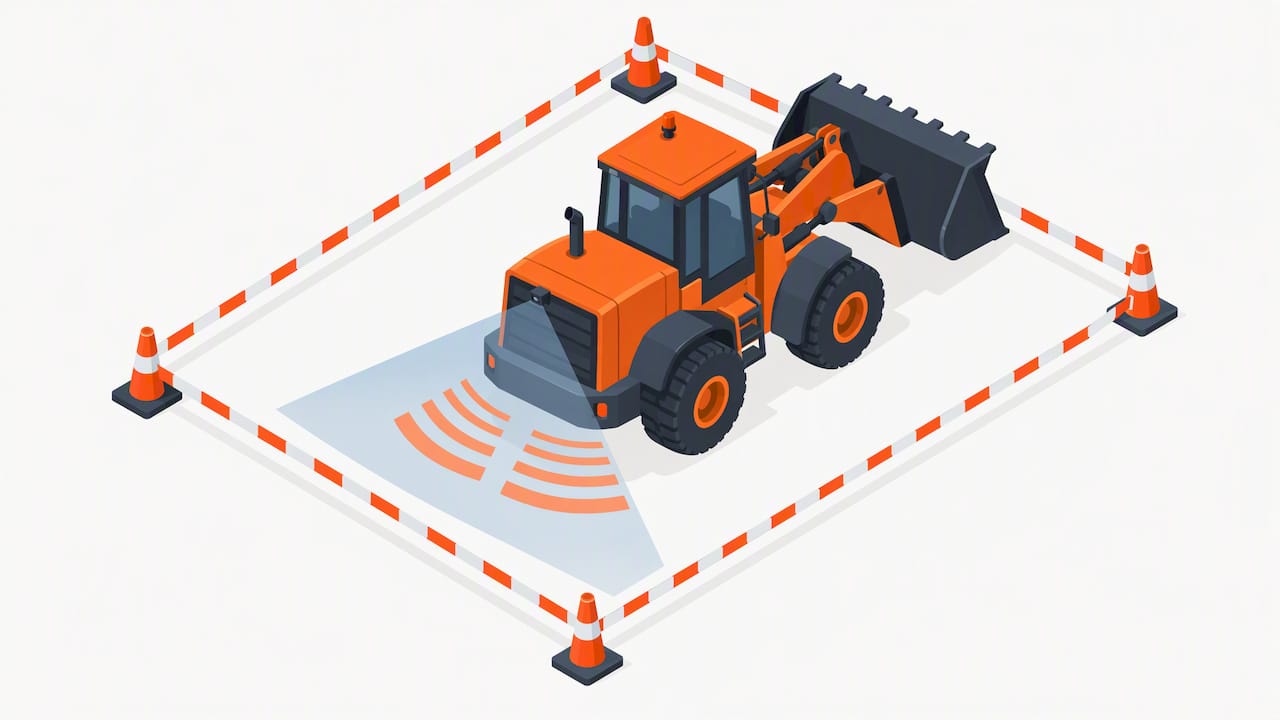
Geofencing adds a layer of control: managers draw a virtual boundary around a job site and get an alert the moment a vehicle or asset crosses it after hours. Engine-hour tracking, idle-time reports, and mileage logs turn raw location data into numbers you can use for billing, utilization reviews, and fuel budgeting.
Day-to-day, contractor fleets typically rely on:
- Real-time GPS and location history for dispatch decisions and dispute resolution
- Geofencing with custom alerts for unauthorized movement outside site boundaries
- Engine hours, idle time, and mileage reports for utilization and accurate billing
- Asset tags for powered and non-powered equipment, from generators to trailers
- Add-ons like dash cams, PTO sensors, and CANbus/OBD telemetry for deeper diagnostics
Business benefits and ROI: what to expect and measure
Visibility is the foundation of every other gain. A majority of fleets report improved equipment utilization after adopting asset tracking tools, according to ABI Research, which ties that gain directly to the ability to reallocate idle machines across sites instead of renting duplicates.
Beyond utilization, tracking supports:
- Faster theft recovery using geofence alerts and last-known-location data
- Better uptime from engine-hour alerts that flag maintenance before a breakdown
- Tighter dispatch and routing, improving customer-facing ETAs
- Clear KPIs to monitor: utilization rate, idle hours, unauthorized moves, and maintenance intervals
Tracking these metrics monthly turns a tracking system from a cost into a management tool.
Safety and compliance: using telematics responsibly
Cameras and proximity sensors reduce backover incidents, but OSHA’s guidance on backing safety is clear that technology alone creates a false sense of security. Sensors and cameras work best as part of a broader Internal Traffic Control Plan, not a replacement for one.
On the compliance side, the FMCSA’s ELD fact sheet confirms that carriers subject to the hours-of-service rule need a certified, registered ELD, but real-time GPS tracking itself is not mandated. ELDs and telematics solve different problems: one governs driver hours, the other governs asset visibility.
Privacy matters too. Limit location sharing to what operations require, and avoid using tracking data to monitor personal time or off-duty movement.
- Pair cameras and sensors with a written ITCP, not just hardware
- Keep ELD compliance and telematics reporting as separate workflows
- Share location data only with roles that need it for dispatch or safety
Pro Tip: Review your geofence alert list monthly, stale boundaries from completed projects generate noise, which trains managers to ignore real alerts.
Asset tracking and theft-prevention tactics for job sites
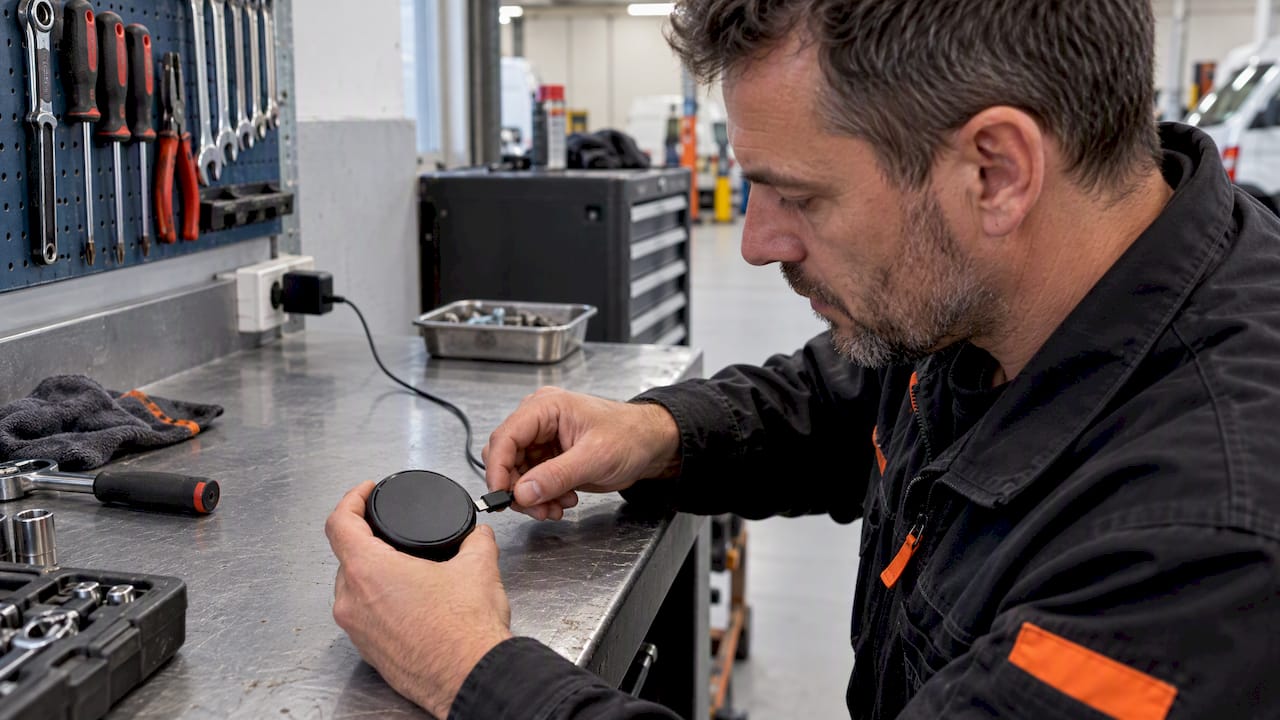
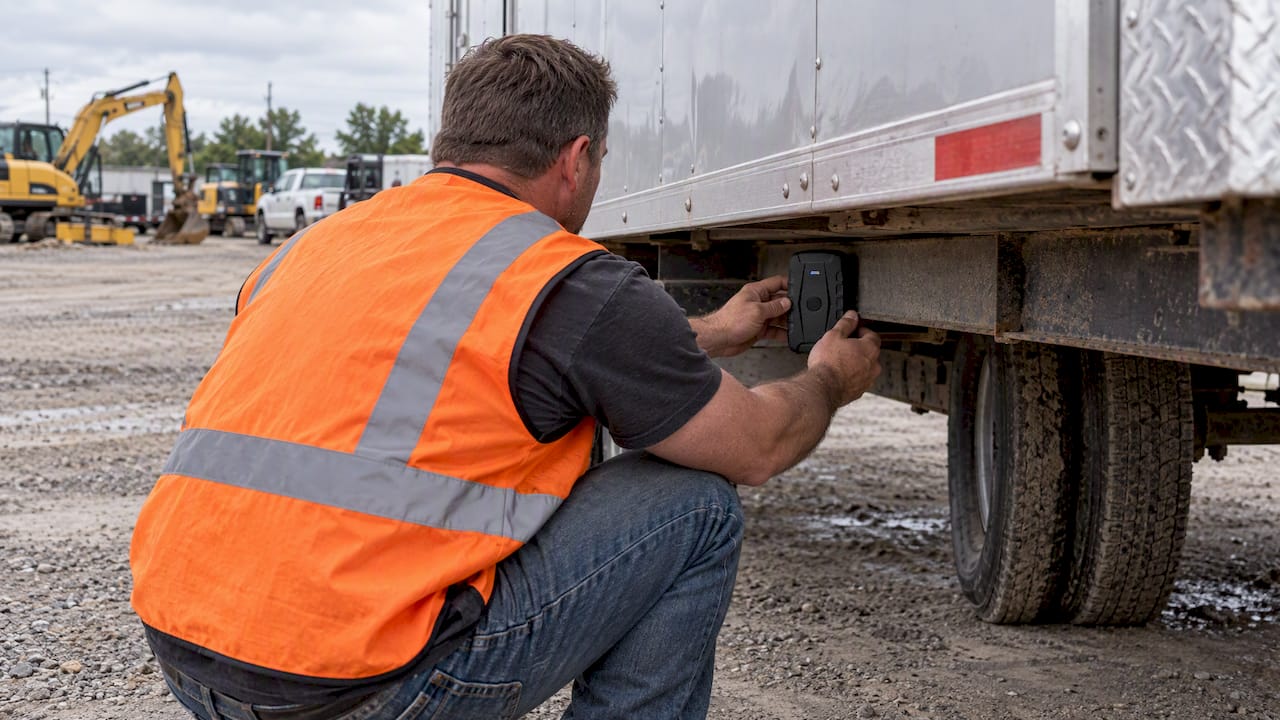
Placement and power source decide how reliable a tracker is in the field. A battery-powered tag suits a generator or trailer that moves between sites, while a hardwired unit suits a vehicle that runs daily and benefits from ignition-based reporting.
- Match the tracker to the asset: rugged, battery-powered tags for non-powered equipment; hardwired units for daily-use vehicles
- Use temporary tags for rentals and seasonal tools, so tracking costs scale with actual need
- Enable tamper detection and low-battery alerts to catch problems before a device goes dark
- Document tracking data for insurance claims and police reports, since timestamped location history speeds up recovery
A tracker that survives weather and vibration is worth more than one with extra features but a fragile case.
Deployment and integrations: rollouts that minimize disruption
A phased rollout, starting with one site or one asset class, lets a team learn the reporting dashboard before scaling to the full fleet. Installation choices range from plug-and-play OBD units that take minutes to hardwired installs for permanent vehicle fleets, with battery tags filling the gap for trailers and equipment.
Once data is flowing, the real value comes from connecting it to other systems. Exporting mileage and engine-hour data into payroll or billing software removes manual entry, and APIs let maintenance platforms pull diagnostic alerts automatically. Our guide to fleet tracking data exports walks through common integration patterns, and our hardwiring guide covers installation specifics for fleet vehicles.
- Pilot on one site or asset class before a full rollout
- Choose installation type based on asset use: OBD, hardwired, or battery tag
- Connect tracking data to payroll, billing, or maintenance systems through APIs
- Train crews on device handling and set a clear device-upkeep policy
Costs and pricing shapes: subscription vs subscription-free
Most fleet tracking platforms charge a monthly or annual fee per vehicle, with higher tiers unlocking dash cams, driver scoring, or advanced reporting. Over several years, those recurring fees often exceed the original hardware cost, especially for fleets tracking more than a handful of units.
A subscription-free model shifts that cost structure: you pay once for the hardware and data plan up front, with no recurring bill afterward. Our guide to lifetime GPS tracking explains how lifetime-data devices work and where they reduce total cost of ownership compared to subscription plans.
- Subscription tiers typically scale with features like cameras or advanced analytics
- Subscription-free devices front-load cost but remove ongoing fees
- Installation, cameras, and integrations add to either model’s total cost
- Model your break-even point by comparing one-time hardware cost against years of subscription fees
How to choose: a short evaluation checklist for contractor fleets
Accuracy, battery life, ruggedness, and ease of installation matter more than a long feature list once a system is in daily use on a job site. Before signing with any vendor, confirm how they handle data ownership and export, since locked-in reporting formats limit future integrations.
- Ask for sample reports and API documentation before committing
- Request contractor references, not just general case studies
- Confirm update frequency for GPS pings and geofence alerts
- Check battery life and ruggedness ratings against your typical job conditions
- Clarify installation complexity: plug-and-play versus professional install
- Ask directly who owns the location data and how long it’s retained
Pro Tip: Run the demo on your worst-condition asset, a trailer stored outdoors or a generator with a weak signal location, not the easiest vehicle in the yard.
How Moto Watchdog meets contractor needs
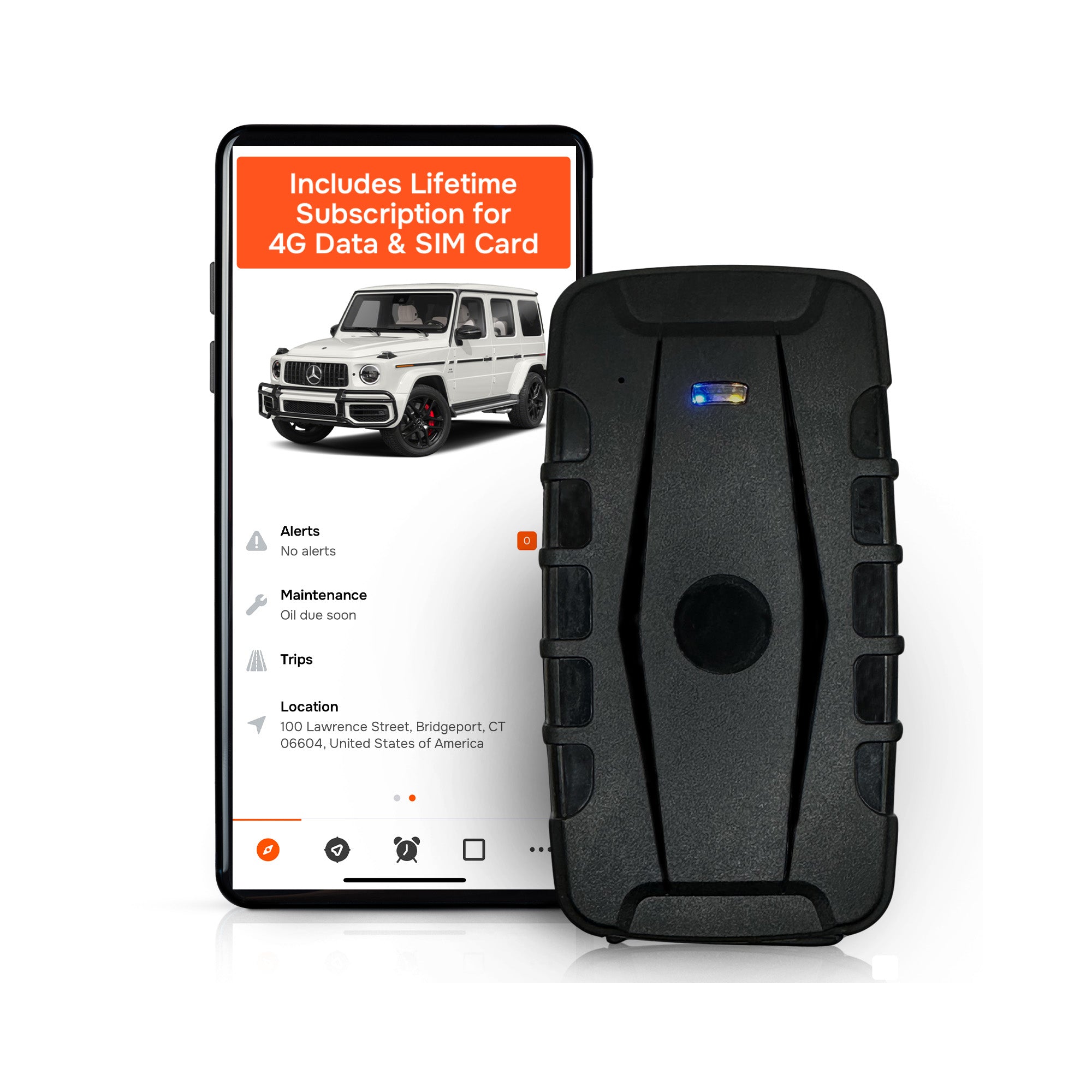
We offer tracking devices with a subscription-free model: a one-time hardware cost and no recurring bills. Many businesses rely on our tracking accuracy, including contractors managing mixed fleets of vehicles, trailers, and equipment.
For a contractor with a small fleet or seasonal rental equipment, this model fits naturally: a short-term rental doesn’t need a monthly contract, and mileage reporting simplifies tax and billing documentation without extra software. Teams that need deeper integration can review our API access options for connecting tracking data to existing systems, and our Trackers lineup covers the hardware details for vehicles, trailers, and standalone assets.
Where to start your pilot and how to scale it
Start small. Pick one site or one asset class, whether that’s your trailer fleet or your highest-theft-risk equipment, and run tracking there for a full billing cycle before expanding further.
During that pilot, track utilization rate, idle hours, and unauthorized moves outside geo-fenced boundaries. Those three numbers make the business case for a wider rollout more convincingly than any vendor pitch, and they tell you exactly which alerts and integrations are worth configuring before you scale.
— Louis
Get started with subscription-free tracking for your fleet
Budget-conscious contractors often rule out tracking because of the monthly fee stacking up across a growing fleet. We remove that calculation entirely: one upfront purchase, lifetime 4G data, and full access to geofencing, mileage reporting, and multi-device management on a single dashboard.
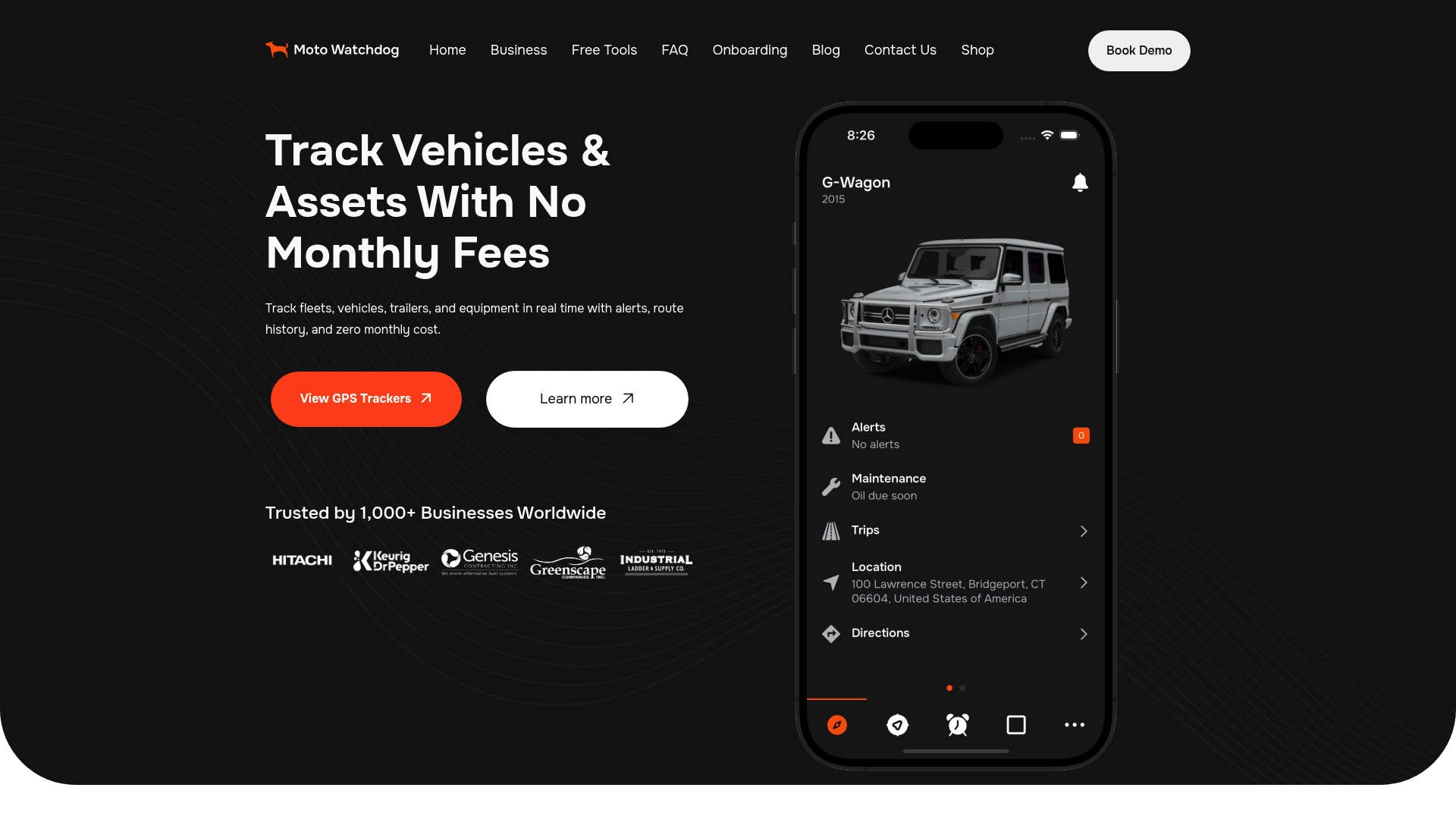
Whether you’re outfitting a single pickup truck or a mixed fleet of vehicles and equipment, our Trackers page covers device options and pricing details. Fleets that need integration with payroll, billing, or maintenance software can explore API access for technical details, and contractor-specific use cases are covered on our contractor vehicle tracking page.
- Buy a starter device and test it on one vehicle or asset
- Request API details if you need integration with existing systems
- Contact our support team with questions before you commit to a fleet-wide order
FAQ
What is the best fleet tracking system?
The best system depends on fleet size and budget: subscription-based platforms often suit large fleets needing advanced analytics, while subscription-free devices suit small-to-mid contractor fleets that want to avoid recurring fees. Look for accuracy, battery life, and reporting that matches your billing and utilization needs.
How much does fleet tracking cost?
Subscription platforms typically charge a recurring monthly fee per vehicle, which adds up over several years of use. Subscription-free trackers, like those in our Trackers lineup, start at a one-time purchase price with no recurring bill afterward.
Is fleet tracking legal?
Tracking company-owned vehicles for business purposes is generally permitted, but geolocation data raises privacy considerations around sharing and retention that contractors should address in a written policy, as outlined in a CRS report on vehicle geolocation data. Rules vary by situation, so confirm your specific use case with a legal professional if employee tracking is involved.
What is the best fleet maintenance tracking system?
A strong maintenance tracking system combines engine-hour data, automated alerts, and integration with your existing maintenance schedule. The FMCSA’s guidance confirms that ELDs and maintenance telematics serve separate functions, so choose a platform that reports engine hours and diagnostic codes rather than relying on ELD data alone.
Sources
- Fleet Management Software And Telematics Data For Construction
- Preventing backovers - Backing safety solutions | Occupational Safety and Health Administration
- ELD fact sheet - English version | FMCSA