How to start saving money
Lorem ipsum dolor sit amet, consectetur adipiscing elit lobortis arcu enim urna adipiscing praesent velit viverra sit semper lorem eu cursus vel hendrerit elementum morbi curabitur etiam nibh justo, lorem aliquet donec sed sit mi dignissim at ante massa mattis.
- Neque sodales ut etiam sit amet nisl purus non tellus orci ac auctor
- Adipiscing elit ut aliquam purus sit amet viverra suspendisse potent
- Mauris commodo quis imperdiet massa tincidunt nunc pulvinar
- Excepteur sint occaecat cupidatat non proident sunt in culpa qui officia
Why it is important to start saving
Vitae congue eu consequat ac felis placerat vestibulum lectus mauris ultrices cursus sit amet dictum sit amet justo donec enim diam porttitor lacus luctus accumsan tortor posuere praesent tristique magna sit amet purus gravida quis blandit turpis.

How much money should I save?
At risus viverra adipiscing at in tellus integer feugiat nisl pretium fusce id velit ut tortor sagittis orci a scelerisque purus semper eget at lectus urna duis convallis. porta nibh venenatis cras sed felis eget neque laoreet suspendisse interdum consectetur libero id faucibus nisl donec pretium vulputate sapien nec sagittis aliquam nunc lobortis mattis aliquam faucibus purus in.
- Neque sodales ut etiam sit amet nisl purus non tellus orci ac auctor
- Adipiscing elit ut aliquam purus sit amet viverra suspendisse potenti
- Mauris commodo quis imperdiet massa tincidunt nunc pulvinar
- Adipiscing elit ut aliquam purus sit amet viverra suspendisse potenti
What percentege of my income should go to savings?
Nisi quis eleifend quam adipiscing vitae aliquet bibendum enim facilisis gravida neque. Velit euismod in pellentesque massa placerat volutpat lacus laoreet non curabitur gravida odio aenean sed adipiscing diam donec adipiscing tristique risus. amet est placerat in egestas erat imperdiet sed euismod nisi.
“Nisi quis eleifend quam adipiscing vitae aliquet bibendum enim facilisis gravida neque velit euismod in pellentesque”
Do you have any comments? Share them with us on social media
Eget lorem dolor sed viverra ipsum nunc aliquet bibendum felis donec et odio pellentesque diam volutpat commodo sed egestas aliquam sem fringilla ut morbi tincidunt augue interdum velit euismod eu tincidunt tortor aliquam nulla facilisi aenean sed adipiscing diam donec adipiscing ut lectus arcu bibendum at varius vel pharetra nibh venenatis cras sed felis eget.
Fleet optimisation helps organisations operate more efficiently by using data, technology, and strategic management to reduce costs and improve performance. It means managing vehicles, drivers, and routes to maximise productivity while minimising downtime and expenses.
Companies that adopt fleet optimisation often see improvements in fuel economy, safety, and operational control.
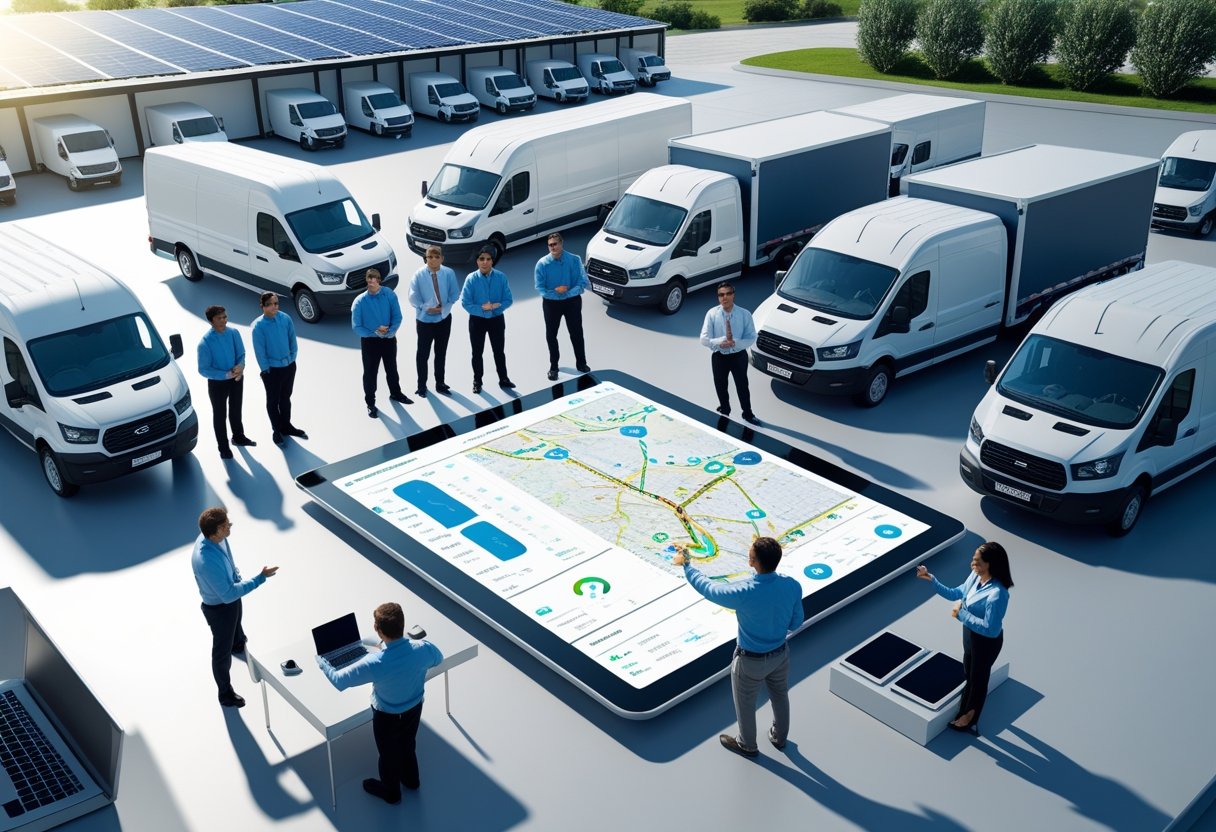
As fleets become more complex and costs rise, balancing efficiency, safety, and sustainability is essential. Smart route planning, proactive maintenance, and data-driven decisions are key to effective fleet management.
Organisations can strengthen their operations through cost management, route optimisation, maintenance planning, technology integration, and driver performance. Each element supports a reliable and efficient fleet strategy.
Understanding Fleet Optimisation
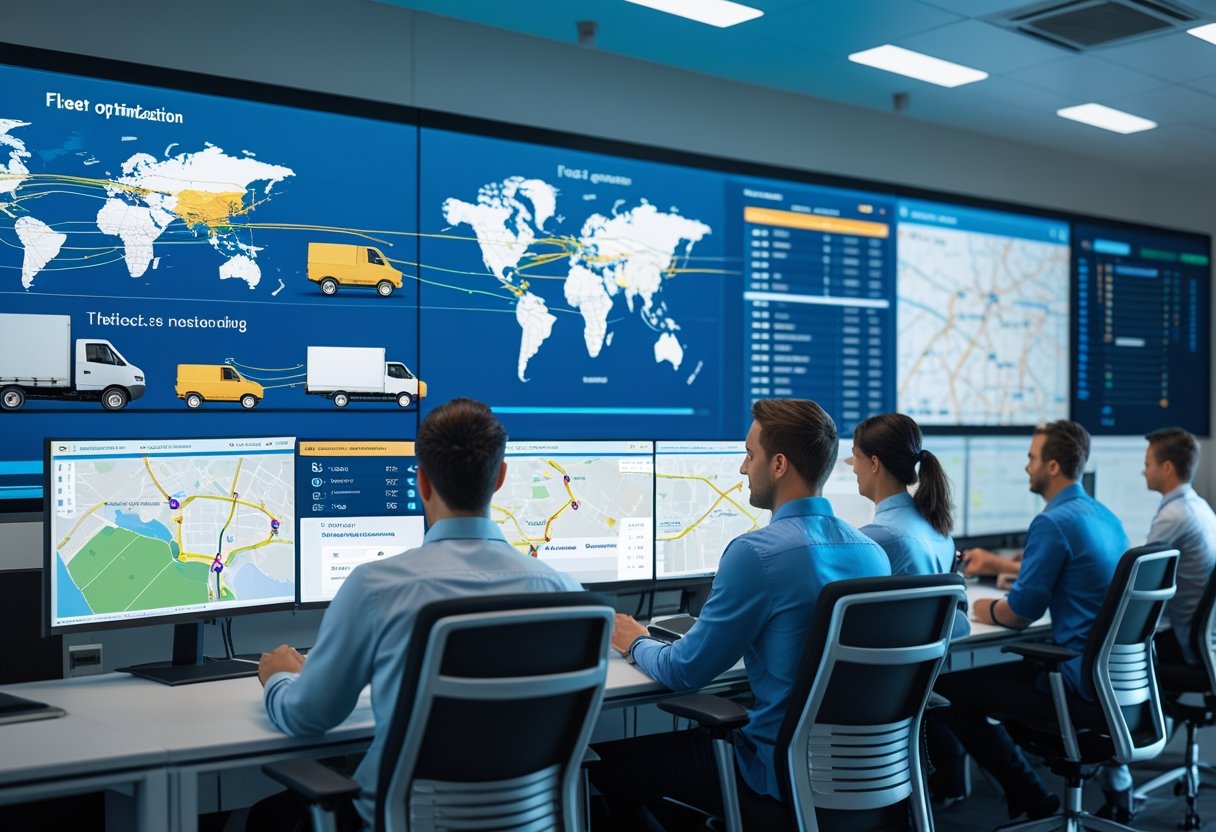
Fleet optimisation improves the efficiency, cost-effectiveness, and reliability of vehicle operations. It uses data, technology, and performance measures to support decisions that reduce waste and extend asset life.
Definition and Core Concepts
Fleet optimisation aligns vehicle operations with performance, cost, and safety goals. It uses analytics, telematics, and maintenance data to find ways to improve asset use and reduce downtime.
The goal is to keep each vehicle operating efficiently in both performance and cost.
Key elements include vehicle utilisation rates, fuel efficiency, and maintenance scheduling. These factors work together to create a balanced fleet that meets business needs without wasting resources.
Decision-making relies on real-time data, predictive analytics, and automated reporting. This helps fleet managers address issues before they become costly.
Some organisations track metrics like cost per mile, fuel consumption per vehicle, and downtime percentage. By monitoring these, they can spot inefficiencies early and adjust routes, schedules, or resources.
Fleet Management Versus Fleet Optimisation
Fleet management handles the daily operation and administration of vehicle fleets. This includes maintenance, compliance, and recordkeeping.
Fleet optimisation focuses on improving these processes over time using data-driven insights.
A fleet manager might track maintenance schedules, but fleet optimisation looks for patterns and recommends more efficient timing. Optimisation turns operational data into strategies that reduce costs and improve productivity.
AspectFleet ManagementFleet OptimisationPrimary GoalMaintain fleet operationsImprove efficiency and performanceApproachAdministrative and operationalAnalytical and strategicToolsScheduling, compliance systemsTelematics, data analytics, automation
Both ensure that a fleet functions reliably and cost-effectively.
Key Stakeholders and Roles
Fleet optimisation requires teamwork. Fleet managers interpret data and make operational changes.
Drivers provide feedback on vehicle handling, fuel use, and routing challenges. Maintenance teams use diagnostic data to plan services.
Executives and financial officers set budgets and review investments in optimisation tools. IT specialists maintain the systems that collect and analyse data.
Good communication between these roles supports better decisions and asset use.
When managers understand both challenges and data, they can focus on initiatives that enhance performance and lower costs.
Fundamentals of Fleet Efficiency

Fleet efficiency depends on how well vehicles, drivers, and systems work together. The goal is to minimise waste and increase output using measurable objectives and accurate data.
Fleet Utilisation and Performance Metrics
Efficient fleets keep vehicles active without overuse. Utilisation measures how often vehicles operate on planned schedules and routes.
Metrics like vehicle availability rate, miles per vehicle per day, and downtime percentage show how well assets are used.
Performance metrics also include fuel efficiency, on-time delivery rate, and maintenance compliance. Fleet managers compare these figures to find gaps and guide resources.
Below are examples of key metrics:
MetricPurposeExample TargetVehicle UtilizationMeasure how often vehicles are active85–90% utilizationFuel EfficiencyGauge cost and environmental impact< 8 L/100 kmPreventive Maintenance ComplianceMaintain reliability≥ 95% compliance
Tracking these measures helps predict trends and prevent costly downtime.
Operational Efficiency Drivers
Several factors drive operational efficiency. Route optimisation software cuts unnecessary mileage and fuel use.
Preventive maintenance keeps vehicles running longer and at lower cost. Driver coaching with telematics feedback improves safety and fuel efficiency.
Processes also matter. Coordinating schedules, standardising replacement cycles, and using automated reporting reduce delays.
Teams that align planning with real-time data can respond quickly to changes.
Key efficiency drivers include:
- Timely maintenance and inspections
- Optimal route and load planning
- Driver performance monitoring
- Integration of telematics systems
When these elements work together, fleets have fewer stoppages and better performance.
Data-Driven Decision Making
Data analytics improves every part of fleet management. Modern telematics and platforms collect information on fuel use, engine status, driver behaviour, and cost.
With proper analysis, managers can shift from reactive to predictive decisions.
Analytics tools turn raw data into insights. For example, rising fuel use may signal maintenance needs or training opportunities.
Combining route and idle time data helps with better planning and less energy waste.
Effective decisions depend on accuracy, timeliness, and integration. When organisations bring together data from GPS, maintenance logs, and dispatch systems, they can refine operations and sustain efficiency.
Cost Management and Optimisation Strategies
Cost management relies on accurate financial tracking, fuel control, and practical asset use. By cutting unnecessary expenses, fleet operators increase profitability while keeping operations reliable.
Total Cost of Ownership Analysis
Total Cost of Ownership (TCO) includes all direct and indirect costs over a vehicle’s life. This covers purchase price, financing, maintenance, fuel, insurance, taxes, and depreciation.
Understanding TCO helps companies find where long-term savings outweigh upfront costs.
Fleet managers use telematics and expense software to track each vehicle’s costs. This lets them compare fuel rates, repairs, and downtime.
Vehicles with high costs are flagged for replacement or reassignment.
A sample TCO breakdown:
Cost CategoryExample MetricFrequencyAcquisitionPurchase/Lease priceOne-timeFuelLitres per 100 kmOngoingMaintenance & RepairsService costs per kmPeriodicInsurance & LicensingPolicy and registration feesAnnualDepreciation% value lost per yearAnnual
Tracking these helps match investments to real performance.
Fuel Management and Cost Reduction
Fuel is one of the largest variable fleet costs. Operators use monitoring systems to track consumption and spot inefficiencies.
Fuel cards and telematics help track purchases in real time.
Good fuel management includes route optimisation, reducing idle time, and regular calibration. Analysing driver behaviour helps train staff to drive more efficiently.
Other saving methods include:
- Planning routes to avoid congestion
- Preventive maintenance for engine efficiency
- Data-driven refuelling schedules for cost-effective routes
These actions cut costs without affecting service.
Asset Utilisation and Cost Savings
Optimising asset use ensures vehicles are active, not sitting idle. Unused vehicles still create costs through insurance, depreciation, and storage.
Telematics helps track asset activity for better planning.
Companies review mileage, trip frequency, and downtime to spot underused vehicles. They can rebalance workloads, retire old units, or right-size the fleet.
Better asset use reduces investment and maximises returns.
Route Planning and Optimisation
Fleet operations depend on efficient routing to lower costs, meet deadlines, and use resources well. Technology-driven planning ensures vehicles take the best routes while staying flexible.
Route Optimisation Techniques
Route optimisation uses algorithms and data to find the best delivery paths. It considers traffic, distance, delivery times, vehicle capacity, and fuel use.
Modern software uses AI and predictive analytics to adjust routes automatically. Systems calculate new paths when delays happen, using current and past data.
Key techniques include:
- Dynamic routing that updates for road and weather changes
- Cluster optimisation, grouping deliveries by area
- Capacity-based scheduling to match vehicles to loads
These strategies help fleets make more stops with fewer miles while meeting requirements.
Technology for Real-Time Tracking
Real-time tracking is central to fleet management. GPS tracking gives up-to-the-minute data on vehicle location, progress, and speed.
Integrating GPS with route systems lets managers monitor performance at all times.
Tracking tools alert managers to delays, idling, or route changes. This quick visibility supports fast decisions and corrections.
Data from tracking devices also helps refine future plans by showing route and driving inefficiencies.
Examples of tracking metrics:
MetricPurposeBenefitVehicle locationIdentify exact positionsImproves dispatch decisionsTravel timeEvaluate efficiencyReduces idle timeRoute deviationsDetect unauthorized changesEnhances compliance
These tools help maintain consistent service quality across delivery networks.
Delivery Route Strategies
Effective delivery route strategies use both software and operational insight. Fleet managers study demand, traffic, and delivery frequency to plan daily routes.
These strategies aim to shorten transit time and balance workloads among drivers. Route optimisation software assigns jobs automatically based on driver availability, location, and delivery priority.
This software reduces planning errors and adjusts for live variables like weather or congestion. Managers also consider time windows, vehicle restrictions, and customer preferences to improve punctuality.
Using GPS tracking data, these strategies help make deliveries more efficient and cost-effective.
Proactive Maintenance and Downtime Prevention
Fleet optimization relies on structured maintenance, accurate issue prediction, and targeted actions to prevent breakdowns. A well-managed maintenance program increases uptime, lowers repair costs, and extends vehicle life.
Vehicle Maintenance Planning
A clear maintenance schedule helps fleets control service intervals and track wear patterns. Managers use maintenance tracking systems to record inspections, part replacements, and service dates.
This approach allows adjustments based on vehicle use, load, and manufacturer guidelines. Regular planning ensures vehicles are serviced before minor issues become major failures.
Many operators set alerts for mileage or hours to prompt maintenance automatically.
Maintenance Planning ToolsPrimary FunctionDigital maintenance logsTrack service historyFleet management softwareAutomate reminders and reportingTelematics integrationMonitor performance and diagnostics
Predictive and Preventive Maintenance
Predictive maintenance uses sensor and telematics data to spot wear or inefficiency early. Real-time diagnostics signal when parts like brake pads or filters need attention.
This reduces unnecessary part replacements and targets maintenance where needed. Preventive maintenance focuses on routine servicing at set intervals.
Oil changes, fluid checks, and safety inspections are core preventive tasks. Combining predictive and preventive methods balances maintenance needs and avoids surprises.
Reducing Breakdowns and Downtime
Preventing breakdowns requires proactive monitoring and skilled technicians. Proactive maintenance shifts the focus from repairs to continuous performance.
Key practices include scheduling repairs before failures, training drivers to report issues, and using telematics alerts for warnings.
Reducing downtime lowers operational costs and improves customer satisfaction. Tracking downtime causes helps fleets fix recurring issues and keep vehicles available.
Leveraging Technology in Fleet Optimisation
Digital tools now shape fleet operations, from real-time vehicle monitoring to automating dispatch and maintenance. Reliable data and analytics help operators cut costs, reduce downtime, and make better decisions.
Telematics and Real-Time Visibility
Telematics systems collect and send data on location, speed, fuel use, and driver behavior. This gives managers real-time visibility into fleet activity.
With live tracking, managers can spot inefficiencies, respond to delays, and update customers quickly. Many telematics platforms combine GPS with engine diagnostics and driver alerts.
This helps identify issues before breakdowns and supports safety compliance. Data analytics turn telematics data into useful insights.
Dashboards highlight trends in idling or harsh braking. Operators use these insights to coach drivers and save fuel.
Fleet Management Software Solutions
Fleet management software (FMS) centralizes vehicle, maintenance, and operations data. These platforms automate scheduling, service reminders, and predictive maintenance.
An FMS includes modules for dispatching, compliance, and cost tracking. By combining data from telematics and other tools, managers get a real-time view of fleet performance.
Automated alerts and reports support quick, data-driven decisions. Cloud-based FMS can grow with the fleet and integrate with mobile apps for driver communication.
Workflow Automation and Integration
Workflow automation connects tasks across fleet operations. It reduces manual entry in areas like maintenance scheduling, route planning, and payroll.
Automated dispatch assigns vehicles based on location and capacity. Integrated communication tools keep instructions clear and reduce delays.
When paired with analytics dashboards, automation improves responses to events and minimizes downtime.
Enhancing Driver Performance and Safety
Fleet efficiency depends on driver performance and safety compliance. Good management, data, and training lower accidents, control costs, and keep service quality high.
Driver Training Programs
A structured driver training program builds skill, awareness, and compliance. It covers defensive driving, fuel-saving habits, and proper vehicle handling.
Training often includes classroom sessions, simulations, and on-road evaluations. Companies use telematics data to identify skill gaps and schedule targeted training.
Ongoing education builds discipline and confidence. Continuous learning reduces collisions, vehicle wear, and improves on-time performance.
Documented progress helps meet regulatory and insurance requirements.
Driver Monitoring and Performance Analytics
Driver monitoring systems use AI dashcams, sensors, and telematics to track fatigue, distraction, and unsafe driving. These tools record metrics like harsh braking, speeding, and idling.
A sample set of monitored metrics might include:
MetricPurposeOutcomeHarsh AccelerationDetects aggressive drivingLower fuel wasteIdling DurationMeasures engine use at restReduced emissionsSeatbelt UsageConfirms complianceImproved safety
Analytics turn this data into feedback for drivers. Regular reviews based on data improve accountability and safety.
Consistent feedback helps drivers improve and adopt safer habits.
Retention and Safety Best Practices
Driver retention is linked to a strong safety culture. Fleets that value respect and fair evaluation keep experienced drivers longer.
Recognition programs reward safe or fuel-efficient driving. Practical safety initiatives such as fatigue management and ergonomic vehicles reduce injury risk.
Open communication about incidents encourages shared responsibility. A supportive environment with good technology reduces turnover and stabilizes operations.
When drivers feel valued and well-equipped, both performance and safety improve.
Sustainability and Future Trends in Fleet Optimisation
Fleet optimisation is shifting toward cleaner energy, efficient operations, and meeting emissions standards. Companies invest in technology to cut fuel costs, lower carbon output, and meet sustainability goals.
Fleet Electrification and EV Adoption
Fleet electrification is a major shift in transport. Electric vehicles (EVs) have lower running costs, fewer mechanical issues, and no tailpipe emissions.
Many fleets now include EVs to meet sustainability targets and reduce fuel price risks. Charging infrastructure is important, so operators use smart charging systems to manage electricity demand.
Some fleets use data-driven routing to plan around EV range and charging locations.
Table: Key Benefits of Fleet Electrification
BenefitDescriptionLower operational costsElectricity costs less per mile than diesel or petrolReduced maintenanceEVs have fewer moving parts and less wearEmission reductionEliminates exhaust emissions at point of use
EV adoption also helps fleets access government incentives. Over time, total ownership costs can match or beat traditional vehicles.
Reducing Carbon Footprint
Reducing a fleet’s carbon footprint involves both technology and driver behavior. Managers use telematics and fuel cards to track and improve fuel use.
Fuel-efficient driving—steady acceleration, controlled speed, and less idling—cuts emissions. Switching to electric or hybrid vehicles adds further benefits.
Optimizing routes to shorten travel distance also helps. Even small changes make a difference across large fleets.
Some organizations audit CO₂ per kilometer for routes or vehicles. Transparent reporting shows progress to clients and regulators.
Data-driven approaches keep sustainability goals practical and measurable.
Regulatory Compliance and Industry Standards
Regulatory compliance continues to shape fleet strategy. Governments are tightening emissions limits and expanding low-emission zones in major cities.
Fleets must adapt to avoid penalties and maintain access to these areas. Monitoring and documentation are essential for compliance.
Many fleets use management systems to store engine data and trip logs. Maintenance records are also kept in these systems.
Automated reporting tools help with emission declarations. These tools support compliance with frameworks like the EU’s CO₂ standards and regional policies.
Industry bodies encourage uniform standards to improve transparency. Adopting these standards supports audit readiness.
Following industry standards can also strengthen relationships with corporate clients. Clients often value environmental responsibility.