How to start saving money
Lorem ipsum dolor sit amet, consectetur adipiscing elit lobortis arcu enim urna adipiscing praesent velit viverra sit semper lorem eu cursus vel hendrerit elementum morbi curabitur etiam nibh justo, lorem aliquet donec sed sit mi dignissim at ante massa mattis.
- Neque sodales ut etiam sit amet nisl purus non tellus orci ac auctor
- Adipiscing elit ut aliquam purus sit amet viverra suspendisse potent
- Mauris commodo quis imperdiet massa tincidunt nunc pulvinar
- Excepteur sint occaecat cupidatat non proident sunt in culpa qui officia
Why it is important to start saving
Vitae congue eu consequat ac felis placerat vestibulum lectus mauris ultrices cursus sit amet dictum sit amet justo donec enim diam porttitor lacus luctus accumsan tortor posuere praesent tristique magna sit amet purus gravida quis blandit turpis.

How much money should I save?
At risus viverra adipiscing at in tellus integer feugiat nisl pretium fusce id velit ut tortor sagittis orci a scelerisque purus semper eget at lectus urna duis convallis. porta nibh venenatis cras sed felis eget neque laoreet suspendisse interdum consectetur libero id faucibus nisl donec pretium vulputate sapien nec sagittis aliquam nunc lobortis mattis aliquam faucibus purus in.
- Neque sodales ut etiam sit amet nisl purus non tellus orci ac auctor
- Adipiscing elit ut aliquam purus sit amet viverra suspendisse potenti
- Mauris commodo quis imperdiet massa tincidunt nunc pulvinar
- Adipiscing elit ut aliquam purus sit amet viverra suspendisse potenti
What percentege of my income should go to savings?
Nisi quis eleifend quam adipiscing vitae aliquet bibendum enim facilisis gravida neque. Velit euismod in pellentesque massa placerat volutpat lacus laoreet non curabitur gravida odio aenean sed adipiscing diam donec adipiscing tristique risus. amet est placerat in egestas erat imperdiet sed euismod nisi.
“Nisi quis eleifend quam adipiscing vitae aliquet bibendum enim facilisis gravida neque velit euismod in pellentesque”
Do you have any comments? Share them with us on social media
Eget lorem dolor sed viverra ipsum nunc aliquet bibendum felis donec et odio pellentesque diam volutpat commodo sed egestas aliquam sem fringilla ut morbi tincidunt augue interdum velit euismod eu tincidunt tortor aliquam nulla facilisi aenean sed adipiscing diam donec adipiscing ut lectus arcu bibendum at varius vel pharetra nibh venenatis cras sed felis eget.
Fleet automation is changing how organizations manage vehicles, assets, and operations. It uses digital technologies like telematics, IoT, and artificial intelligence to improve routing, maintenance, reporting, and compliance.
Automation reduces routine administrative tasks and helps companies make data-driven decisions. This leads to greater efficiency and better cost control.
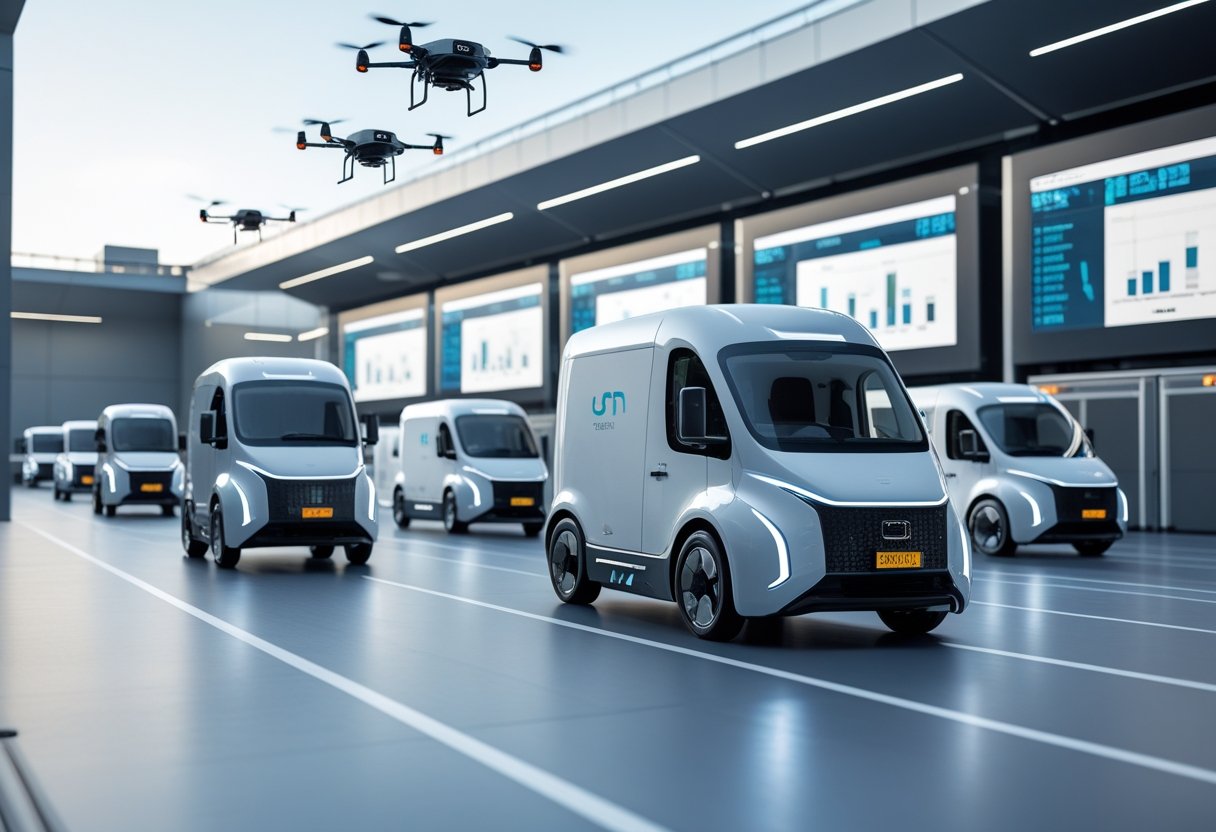
As vehicles, devices, and platforms become more connected, smart automated fleet systems are becoming standard. Companies expect real-time insights, predictive maintenance alerts, and optimized routes from integrated software instead of manual oversight.
This shift moves fleet management from reactive coordination to proactive, technology-driven operations.
Understanding Fleet Automation
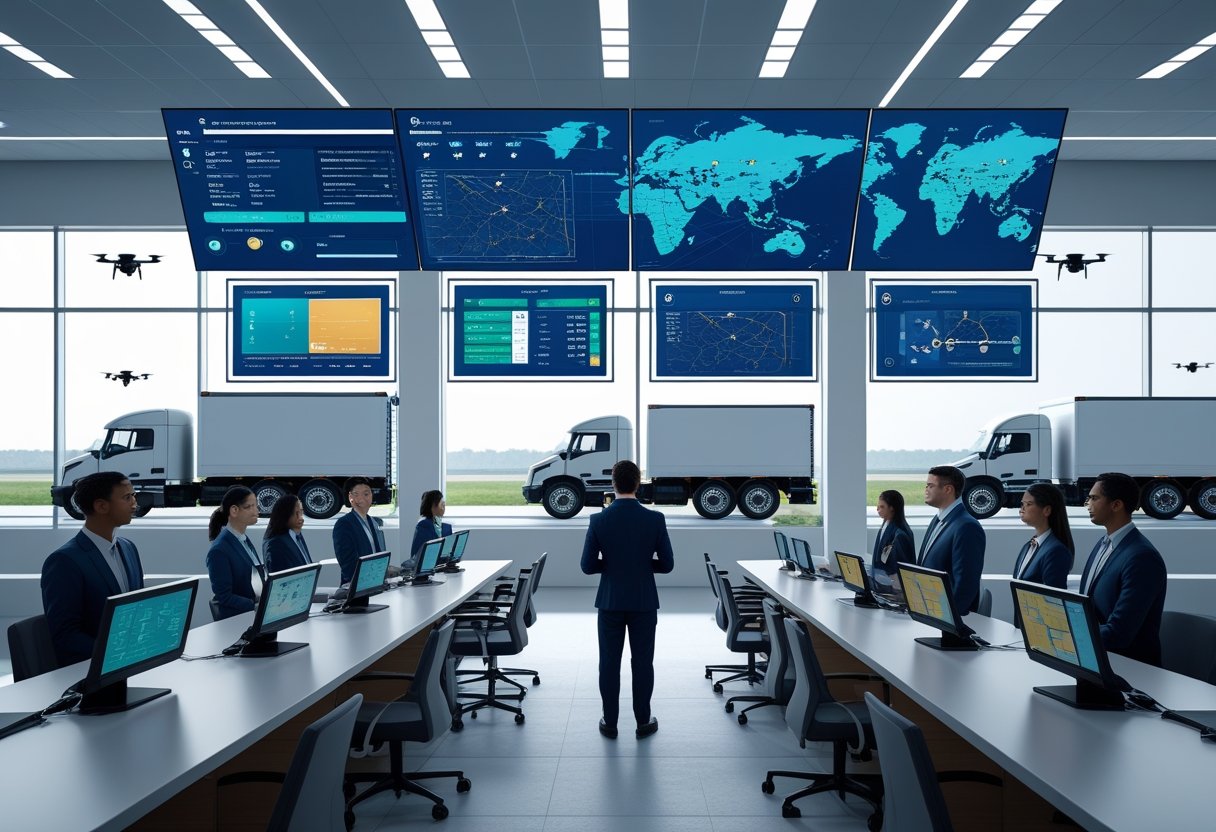
Fleet automation uses technology such as artificial intelligence, GPS tracking, and data analytics to simplify vehicle operations and decision-making. It helps companies boost efficiency, reduce errors, and gain real-time visibility across their fleets.
Definition and Core Concepts
Fleet automation means using software and digital tools to manage vehicles, drivers, routes, and maintenance with minimal manual work. It combines telematics, IoT sensors, and automation algorithms to create connected, data-driven operations.
Automated systems track vehicle performance, schedule maintenance, and monitor driver behavior. Using AI and predictive analytics, they spot patterns that help reduce downtime and fuel costs.
Automation platforms often include:
- Route optimization
- Driver safety monitoring
- Fuel and emissions tracking
- Maintenance scheduling
Automated fleet management reduces human error and enables proactive decisions. Data integration allows managers to oversee entire fleets from one platform instead of using manual spreadsheets or separate systems.
Evolution of Fleet Automation
Early fleet management relied on manual record-keeping and radio communication. Tracking devices and GPS systems later added some automation, giving more visibility into operations.
Advances in wireless connectivity and cloud computing have turned fleet automation into an intelligent network of data-driven tools. Modern platforms use machine learning to optimize routes, forecast maintenance, and even predict driver fatigue.
Integration with ERP and logistics systems gives companies a unified view of performance. New technologies like autonomous vehicles and AI-enabled cameras now allow real-time operational decisions.
Differences Between Automated and Manual Fleet Management
Manual fleet management depends on people for scheduling, tracking, and reporting. Decisions are often based on limited or delayed information, leading to inefficiencies and higher costs.
Automated fleet management streamlines repetitive tasks, letting managers focus on analysis instead of administration. Systems capture driving data, send maintenance alerts, and suggest optimal routes automatically.
AspectManual ManagementAutomated ManagementData CollectionPaper or spreadsheetsReal-time sensors and telematicsMaintenanceReactivePredictive and scheduledRoute PlanningManual inputAI-based optimizationDecision-makingExperience-basedData-driven insights
Integrated automation brings higher accuracy, lower costs, and consistent compliance across fleet activities.
Key Technologies Driving Fleet Automation
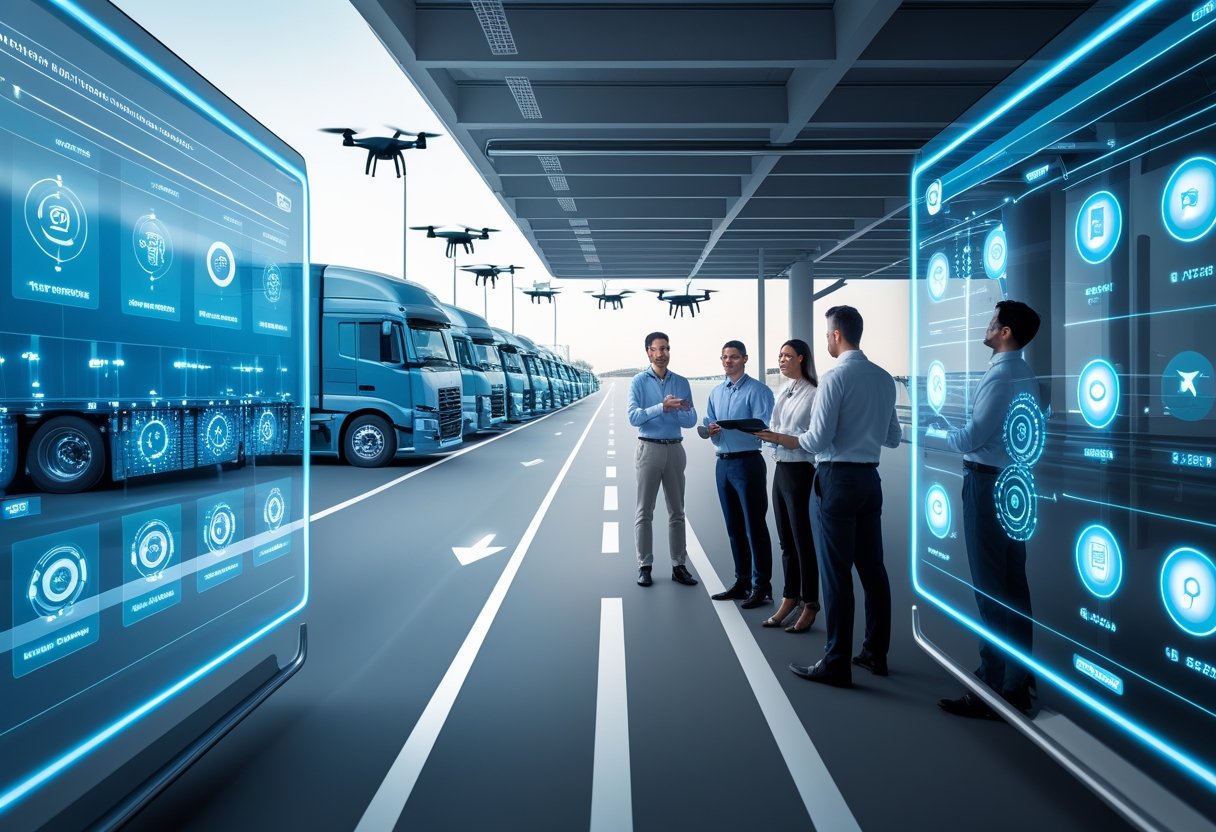
Modern fleet automation uses intelligent software, connected hardware, and real-time data systems. These tools help managers monitor vehicles, predict maintenance needs, and make decisions based on accurate performance data.
Artificial Intelligence and Machine Learning in Fleet Automation
Artificial intelligence (AI) and machine learning (ML) power data-driven fleet operations. They analyze telematics and sensor data to predict maintenance needs, optimize routes, and improve driver performance.
ML algorithms find patterns in fuel use, idle time, or braking that show inefficiencies. AI-powered systems automate scheduling and dispatching by balancing routes, assigning tasks, and adapting to traffic or delivery delays.
Predictive analytics spot early warning signs of failures, reducing downtime and costs.
Example Use Cases:
- Maintenance forecasting: Predict part wear and plan service before breakdowns.
- Route optimization: Adjust routes using live traffic and delivery data.
- Driver behavior analysis: Score and retrain drivers based on risk.
AI and ML turn raw data into clear insights that support fleet efficiency.
Telematics and IoT Devices
Telematics and Internet of Things (IoT) devices give real-time visibility for automated fleet management. These devices collect data on vehicle performance, speed, location, fuel use, and engine diagnostics.
Sensors in each vehicle send information to a central platform for precise monitoring. Telematics combines onboard hardware, cellular networks, and cloud analytics.
IoT integration allows automatic data exchange between vehicles and management software.
Common Telematics Metrics:
MetricFunctionBenefitFuel usageTracks consumption trendsCuts unnecessary idlingEngine diagnosticsDetects fault codes in real timeReduces downtimeLocation dataMonitors route adherenceImproves delivery accuracy
This leads to higher transparency and faster responses to issues.
GPS Tracking Systems
GPS tracking systems give managers real-time visibility into fleet location, status, and route progress. By using satellite data and digital maps, GPS tools show the exact position of each asset and report route deviations.
These systems improve scheduling and customer service by estimating arrival times based on live traffic. They also help prevent theft and enable asset recovery with instant alerts.
Many GPS platforms connect with telematics and AI analytics tools. This allows GPS to support route efficiency, delivery coordination, and driver accountability.
Fleet Management Software
Fleet management software brings all automation technologies into one interface. It collects data from telematics, GPS, and AI models, giving decision-makers a central dashboard.
Users can schedule maintenance, dispatch vehicles, and monitor compliance from this platform. Most solutions include features like digital work orders, fuel reports, and maintenance alerts.
Software analytics show cost trends and performance benchmarks. Comparing route efficiency helps managers spot underperforming vehicles or drivers.
Modern platforms often use cloud storage and APIs, making it easy to share data securely. This level of software control helps fleets scale automation across all assets.
Critical Components of Fleet Automation Solutions
Fleet automation systems use technology to improve scheduling, maintenance, driver performance, and compliance. They rely on connected data, telematics, and analytics to boost efficiency and reduce downtime.
Route Planning and Optimization
Route planning and optimization tools automate dispatch and scheduling. Fleets can pick the best paths using live traffic, weather, and delivery priorities.
GPS tracking and real-time telematics provide continuous updates on vehicle location and performance. Modern systems use algorithms to compare routes and adjust as needed.
This reduces idle time and fuel use while keeping deliveries accurate. Automated updates help reroute vehicles during delays.
Many platforms include cost modeling to estimate expenses or spot weak routes. Managers can set rules for driver hours, load weights, and geographic limits.
Key CapabilityPrimary BenefitDynamic re-routingReduces delays and improves delivery timesTraffic and weather data integrationEnhances safety and reliabilityMulti-stop optimizationIncreases asset utilization
Automated route management shortens delivery times and builds consistent performance.
Predictive and Preventive Maintenance
Predictive and preventive maintenance use vehicle telematics and sensor analytics to spot problems before breakdowns. Data on engine temperature, brake wear, and oil levels alert managers to needed service.
Predictive systems use data trends to forecast part replacements. Maintenance intervals can be set by mileage, engine hours, or conditions.
This approach lowers unplanned downtime and supports warranty compliance. Maintenance modules often connect with inventory and service records, letting teams track costs and repairs.
Automated reports support consistent asset performance and better budgeting.
Driver Performance Monitoring
Driver performance monitoring uses telematics and Advanced Driver Assistance Systems (ADAS) to track speed, braking, and cornering. Automated alerts flag risky behaviors for targeted coaching.
Systems create driver scorecards based on safety, fuel use, and route adherence. Video monitoring adds accountability by providing clear records of events.
Analytics dashboards show trends and compare drivers. Regular feedback helps reduce accidents, improve insurance ratings, and encourage safe, efficient driving.
Automated monitoring links driver performance directly to cost savings.
Compliance and Regulatory Tools
Fleet automation includes compliance tools that track legal rules such as hours-of-service (HOS), electronic logging devices (ELDs), and reporting. These tools automatically record driving hours, rest periods, and mileage.
Systems alert drivers and managers before violations happen. Automated reporting keeps data secure and ready for audits.
Compliance dashboards show all vehicles at a glance, helping managers respond to rule changes quickly. They can match driver logs with inspection results to check accuracy.
Digital records make it easier for fleets to follow laws, avoid penalties, and protect their reputation.
Benefits of Implementing Fleet Automation
Fleet automation helps organizations manage vehicles and drivers more accurately. By using data-driven tools and connected systems, companies see improvements in operational control, cost efficiency, and safety.
Increased Productivity and Efficiency
Fleet automation reduces delays from manual scheduling, data entry, and paperwork. Automated systems handle tasks like work order generation and driver dispatch, allowing managers to focus on important decisions.
With analytics and real-time monitoring, fleets can quickly spot route problems or vehicle downtime. Automated route optimization suggests faster paths based on traffic, weather, and delivery needs.
This reduces idle time, saves fuel, and increases completed tasks per shift. Automated alerts and dashboards give constant updates on vehicle status and maintenance needs.
These features provide time savings and better coordination between departments. Productivity increases across the fleet.
Cost Reduction and Fuel Savings
Automation lowers operational costs by improving fuel efficiency, maintenance scheduling, and resource use. Telematics systems track engine idling and driving habits, helping managers reduce wasteful behaviors that increase fuel consumption.
Predictive maintenance tools find faults early, cutting expensive breakdowns and reducing downtime. Real-time vehicle tracking helps plan efficient routes that save time and fuel.
Cost FactorAutomation BenefitFuel UsageRoute optimization and driver behavior insightsMaintenancePredictive alerts prevent unexpected failuresLaborFewer manual processes and administrative hours
Enhanced Fleet Safety
Automated platforms improve fleet safety through constant monitoring and feedback. Telematics data tracks speed, braking, and driving patterns.
Managers use this information to coach drivers, enforce rules, and spot unsafe practices. Dashcams and AI systems record incidents and generate reports for review.
This creates a reliable audit trail for insurance and regulatory needs. Automated safety alerts and driver training help reduce collisions, equipment damage, and liability costs.
Asset Utilization and Visibility
Automation gives managers a clear view of vehicle performance and route productivity. Real-time tracking shows the exact location and status of each vehicle.
Automated reports help balance workloads and rotate assets more effectively. This improves asset use, extends vehicle lifespan, and ensures equipment is used efficiently.
Managers get instant access to fuel, maintenance, and driver data in one system. With these metrics, they can make quick adjustments for better efficiency and long-term planning.
Integration, Workflow Automation, and Change Management
Modern fleet automation uses connected systems, automated workflows, and structured change processes. Strong integration, reliable automation tools, and human oversight make operations safer and more efficient.
System Integration and Data Flow
Fleet automation solutions depend on system integration to connect telematics, maintenance, and routing platforms. These connections keep data flowing between systems, reducing manual input and duplication.
Accurate information sharing supports better decisions about performance, fuel use, and maintenance. IT teams use APIs and middleware to keep real-time links between different systems.
Integration also includes access control and encrypted data transfer to protect sensitive information. Audit trails give visibility into fleet activities, helping managers check data accuracy and meet regulations.
Integration ElementPurposeExampleTelematics DataTrack vehicle use and driver behaviorGPS, IoT sensorsMaintenance SystemsSchedule serviceAutomated work ordersCompliance ToolsMonitor fleet adherenceELD, inspection logs
Workflow Automation Tools
Workflow automation removes repetitive tasks like scheduling, dispatching, and report generation. Automating these steps cuts manual errors and lets teams focus on performance.
Many automation tools use machine learning to adjust task priorities based on data. They can assign vehicles, alert technicians about maintenance, or reroute drivers around delays.
Dashboards display live metrics, making it easy to track progress or spot issues. Automation also improves accountability with detailed logs showing what happened and who approved changes.
Human Oversight and Change Management
While automation handles routine tasks, human oversight is needed for judgment and strategy. Managers review automated results, check data, and make decisions that technology cannot.
Change management helps staff adapt to new systems. Training, clear communication, and documented procedures build confidence and reduce resistance.
Feedback loops support ongoing improvement, making sure automation meets organizational goals. Successful programs balance technology and people, extending human capability rather than replacing it.
Adoption Challenges and Best Practices
Fleet automation needs careful coordination between technology, people, and processes. Success depends on gradual rollout, solving integration and workforce challenges, and tracking performance with clear metrics.
Gradual Implementation Strategies
Fleet managers see better results when automation is introduced in phases. Many organizations start with pilot programs in specific regions or vehicle groups.
These small rollouts help test data integration, driver coaching tools, and AI scheduling without disrupting operations. A step-by-step approach keeps service running smoothly and controls costs.
Implementation StageKey Focus AreaOutcomePilot programData accuracy, system calibrationBaseline metricsRegional expansionWorkflow automationImproved efficiencyFull deploymentCross-system integrationScalable operations
Gradual scaling also helps drivers and technicians adjust to new dashboards, telematics, or routing software.
Overcoming Common Barriers
Common barriers include data fragmentation, resistance to change, and training gaps. Many fleets use multiple systems that do not communicate, making automation harder to set up.
Consolidating data sources and ensuring compatibility between systems reduces manual work. Resistance from drivers or technicians can slow things down.
Managers can address this with change management and driver coaching that explains the benefits. Training based on real data builds confidence in automation.
A clear governance framework supports compliance and accountability. Defining responsibilities for system updates, data privacy, and cybersecurity keeps technology reliable.
Measuring Success and ROI
Measuring results is key to success in automated fleet management. Fleets should track metrics like vehicle uptime, incident rates, fuel efficiency, and hours saved.
Analytics dashboards calculate performance trends in real time. Managers compare data before and after automation to see ROI and support future investments.
Regular audits and benchmarking against industry standards show progress. Clear metrics help leadership make data-based decisions on scaling automation.
Future Trends in Fleet Automation
New automation technologies are changing how fleets operate. Operators focus on safety, cost control, and environmental performance by unifying data, vehicles, and decisions.
Autonomous Vehicles and Self-Driving Trucks
Autonomous vehicles are becoming important in fleet automation. Advances in sensors, machine learning, and vehicle-to-everything (V2X) technology let trucks navigate with little human input.
These systems improve route accuracy, reduce idle time, and lower accident risk through constant monitoring. Autonomous trucks already operate in some logistics hubs, handling long-haul routes where safety and consistency matter.
Self-driving trucks can run longer hours without fatigue. Challenges remain, such as different regulations and the need for clear liability and cybersecurity standards.
Collaboration among manufacturers, regulators, and operators will decide how fast these systems are widely used.
Advanced Analytics and Predictive Capabilities
Advanced analytics help optimize fleet performance. Predictive tools analyze telematics data—like engine health and driver behavior—to find problems before they cause failures.
Fleets use both past and real-time data to plan maintenance and reduce unplanned downtime. This leads to better fuel management and lower repair costs.
Modern platforms combine predictive analytics with AI insights, producing reports and recommendations. This helps managers make faster, data-based decisions on resource use and costs.
Efficiency FocusAnalytic ApplicationOutcomePredictive MaintenanceSensor and engine dataReduced downtimeRoute OptimizationTraffic and usage dataLower fuel useDriver PerformanceBehavior metricsImproved safety
Sustainability and Environmental Impact
Automation aligns closely with sustainability goals. Many fleets are adopting electric and hybrid systems supported by automated energy management tools.
These tools calculate optimal charging times and monitor battery health. They also balance power distribution across routes.
Data-driven automation improves fuel management. It reduces unnecessary engine idling and helps increase mileage.
Fleet operators use analytics dashboards to track CO₂ output. These dashboards measure emissions for each route or vehicle.
Automated route planning helps reduce fuel waste. It also supports compliance with changing emissions regulations.
As governments introduce stricter environmental standards, automation helps fleets improve energy efficiency and vehicle performance. It also supports better lifecycle management.