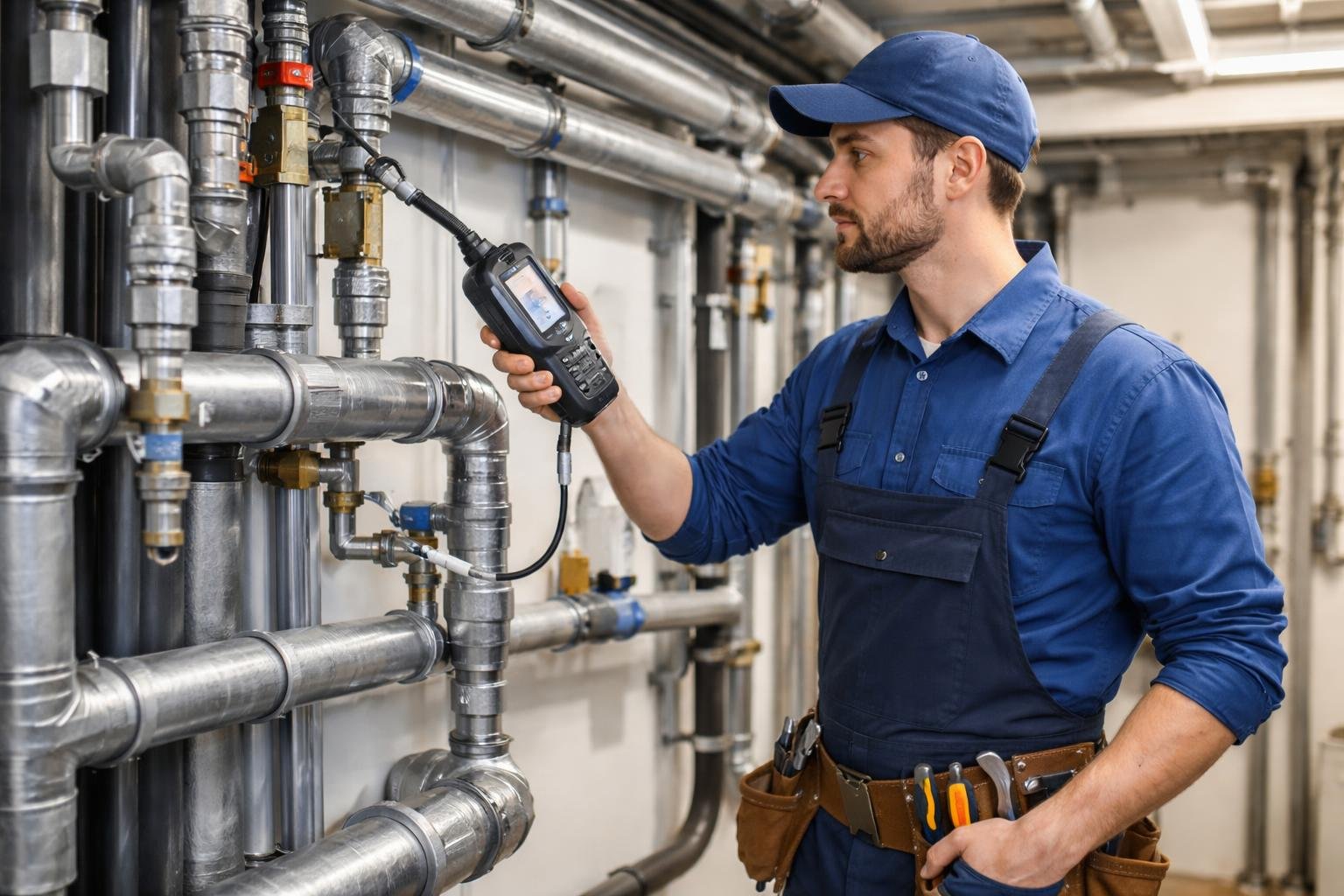
Plumbing Fleet Fuel Management: Strategies to Reduce Costs and Improve Efficiency
How to start saving money
Lorem ipsum dolor sit amet, consectetur adipiscing elit lobortis arcu enim urna adipiscing praesent velit viverra sit semper lorem eu cursus vel hendrerit elementum morbi curabitur etiam nibh justo, lorem aliquet donec sed sit mi dignissim at ante massa mattis.
- Neque sodales ut etiam sit amet nisl purus non tellus orci ac auctor
- Adipiscing elit ut aliquam purus sit amet viverra suspendisse potent
- Mauris commodo quis imperdiet massa tincidunt nunc pulvinar
- Excepteur sint occaecat cupidatat non proident sunt in culpa qui officia
Why it is important to start saving
Vitae congue eu consequat ac felis placerat vestibulum lectus mauris ultrices cursus sit amet dictum sit amet justo donec enim diam porttitor lacus luctus accumsan tortor posuere praesent tristique magna sit amet purus gravida quis blandit turpis.

How much money should I save?
At risus viverra adipiscing at in tellus integer feugiat nisl pretium fusce id velit ut tortor sagittis orci a scelerisque purus semper eget at lectus urna duis convallis. porta nibh venenatis cras sed felis eget neque laoreet suspendisse interdum consectetur libero id faucibus nisl donec pretium vulputate sapien nec sagittis aliquam nunc lobortis mattis aliquam faucibus purus in.
- Neque sodales ut etiam sit amet nisl purus non tellus orci ac auctor
- Adipiscing elit ut aliquam purus sit amet viverra suspendisse potenti
- Mauris commodo quis imperdiet massa tincidunt nunc pulvinar
- Adipiscing elit ut aliquam purus sit amet viverra suspendisse potenti
What percentege of my income should go to savings?
Nisi quis eleifend quam adipiscing vitae aliquet bibendum enim facilisis gravida neque. Velit euismod in pellentesque massa placerat volutpat lacus laoreet non curabitur gravida odio aenean sed adipiscing diam donec adipiscing tristique risus. amet est placerat in egestas erat imperdiet sed euismod nisi.
“Nisi quis eleifend quam adipiscing vitae aliquet bibendum enim facilisis gravida neque velit euismod in pellentesque”
Do you have any comments? Share them with us on social media
Eget lorem dolor sed viverra ipsum nunc aliquet bibendum felis donec et odio pellentesque diam volutpat commodo sed egestas aliquam sem fringilla ut morbi tincidunt augue interdum velit euismod eu tincidunt tortor aliquam nulla facilisi aenean sed adipiscing diam donec adipiscing ut lectus arcu bibendum at varius vel pharetra nibh venenatis cras sed felis eget.
Managing fuel costs can have a big impact on a plumbing business’s profits.
Fleet fuel management uses card programs, technology, and operational practices to reduce fuel expenses, prevent unauthorized spending, and improve efficiency.
Service vehicles travel often between job sites, making fuel one of the largest operating expenses after labor.
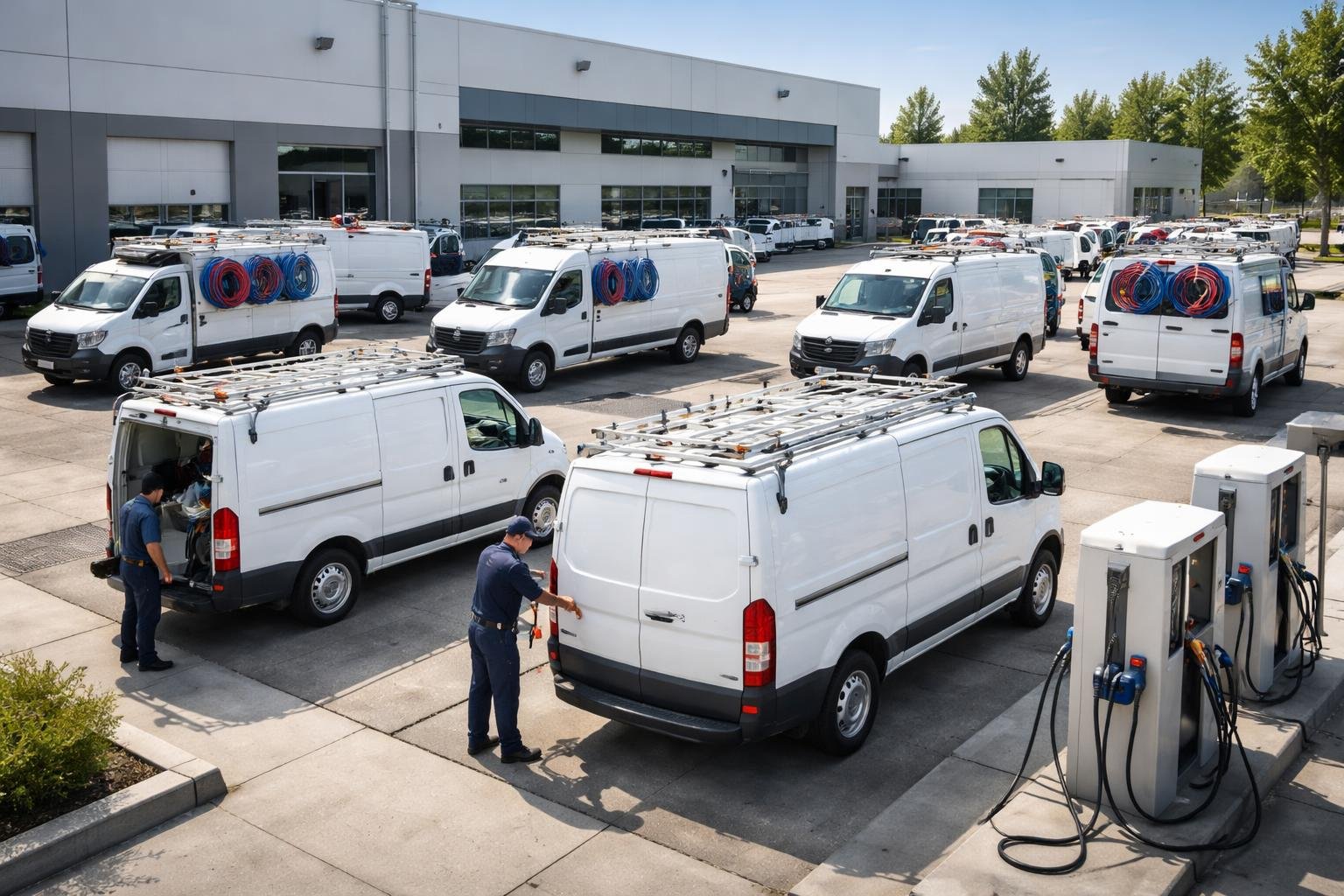
Plumbing businesses face challenges with their mobile workforce.
Drivers need access to fuel across wide areas, often at unpredictable times for emergency calls.
Without proper controls and tracking, fuel costs can quickly rise due to inefficient routing or unauthorized purchases.
A lack of visibility into spending patterns makes it difficult to control expenses.
This guide covers the main parts of effective fuel management for plumbing fleets.
Topics include choosing the right fuel card, using GPS tracking, and optimizing routes.
Each strategy works together to reduce waste and improve accountability.
These steps help plumbing companies operate more efficiently and profitably.
The Foundations of Plumbing Fleet Fuel Management
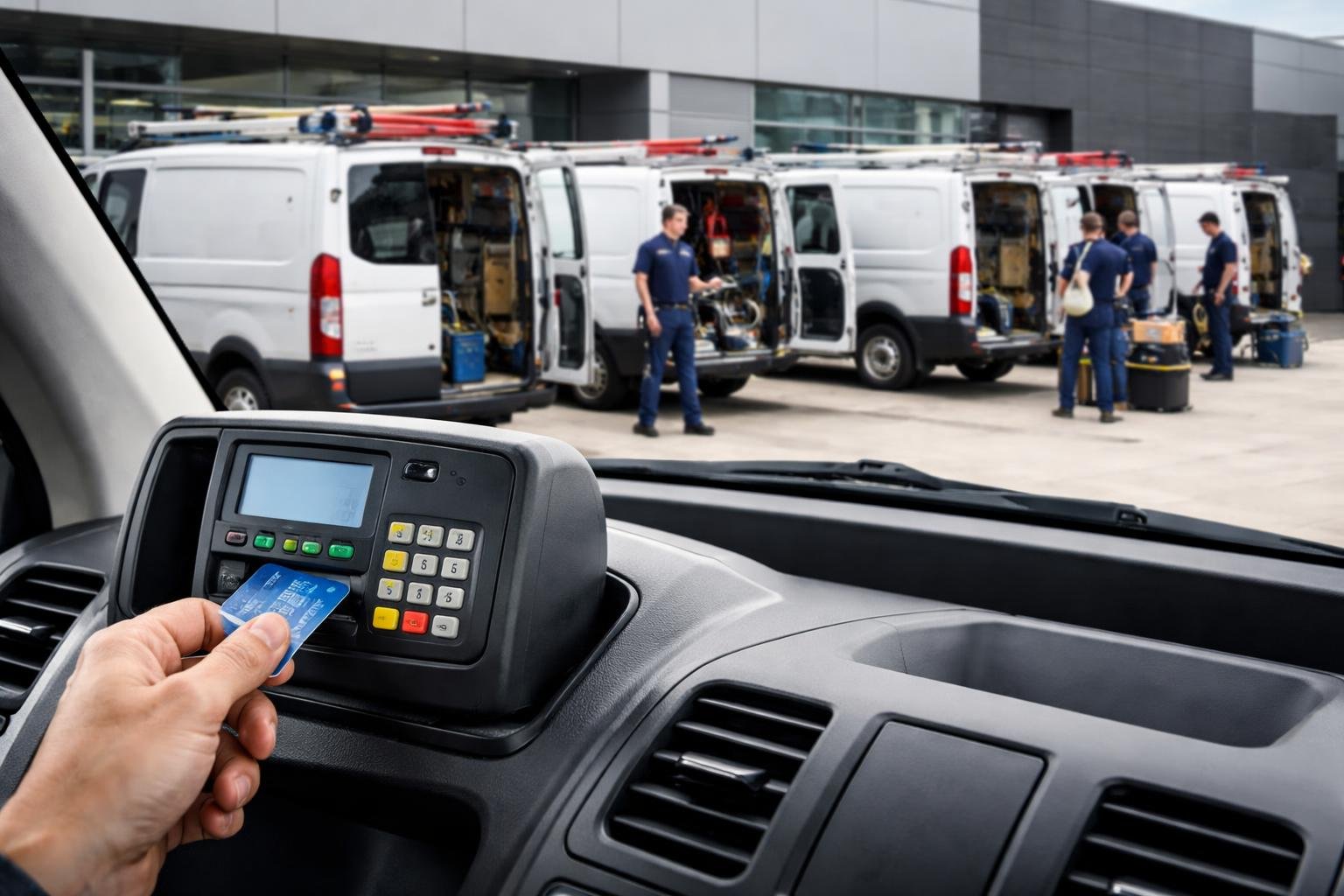
Plumbing businesses with multiple vehicles must control fuel costs and keep operations efficient.
Understanding fuel management principles helps companies lower expenses and improve fleet performance.
What Is Plumbing Fleet Fuel Management?
Plumbing fleet fuel management is a system for monitoring and controlling fuel use across all vehicles.
It involves tracking purchases, analyzing how much fuel is used, and finding ways to reduce waste.
The system combines technology, policies, and procedures to oversee fuel usage.
Fleet tracking devices and software provide real-time data on vehicle locations, fuel use, and driver behavior.
This helps managers make better decisions about routes, maintenance, and efficiency.
Modern fuel management includes fuel card programs that restrict purchases and prevent unauthorized transactions.
These tools give businesses clear visibility into where and when fuel is used.
Why Effective Fuel Management Matters in Plumbing Operations
Fuel is one of the largest costs in plumbing fleet operations.
Controlling these costs increases profits and allows for more competitive pricing.
Even small improvements in fuel efficiency can save a lot of money over time.
Good fuel management also improves service reliability.
Drivers spend less time searching for stations or making unauthorized stops, so they arrive at job sites on time.
This builds customer trust and supports business growth.
Fuel management can also reveal operational problems.
A sudden increase in fuel use can point to maintenance issues or inefficient driving.
Finding these issues early helps prevent expensive repairs and reduces vehicle downtime.
Key Components of a Fuel Management System
A good fuel management system has several key parts.
Telematics and GPS tracking monitor fleet performance.
These devices collect data on location, routes, idle time, and fuel use.
Managers use this information to optimize service calls and reduce unnecessary travel.
Fuel cards are payment tools that restrict purchases and prevent unauthorized spending.
They also generate automated expense reports.
Many cards are accepted at many locations, so drivers can refuel anywhere.
Fleet management software brings together data from multiple sources.
It tracks costs per vehicle, spots trends, and highlights vehicles needing maintenance.
This helps managers make targeted improvements across the fleet.
Fleet Fuel Cards: Selection, Usage, and Controls
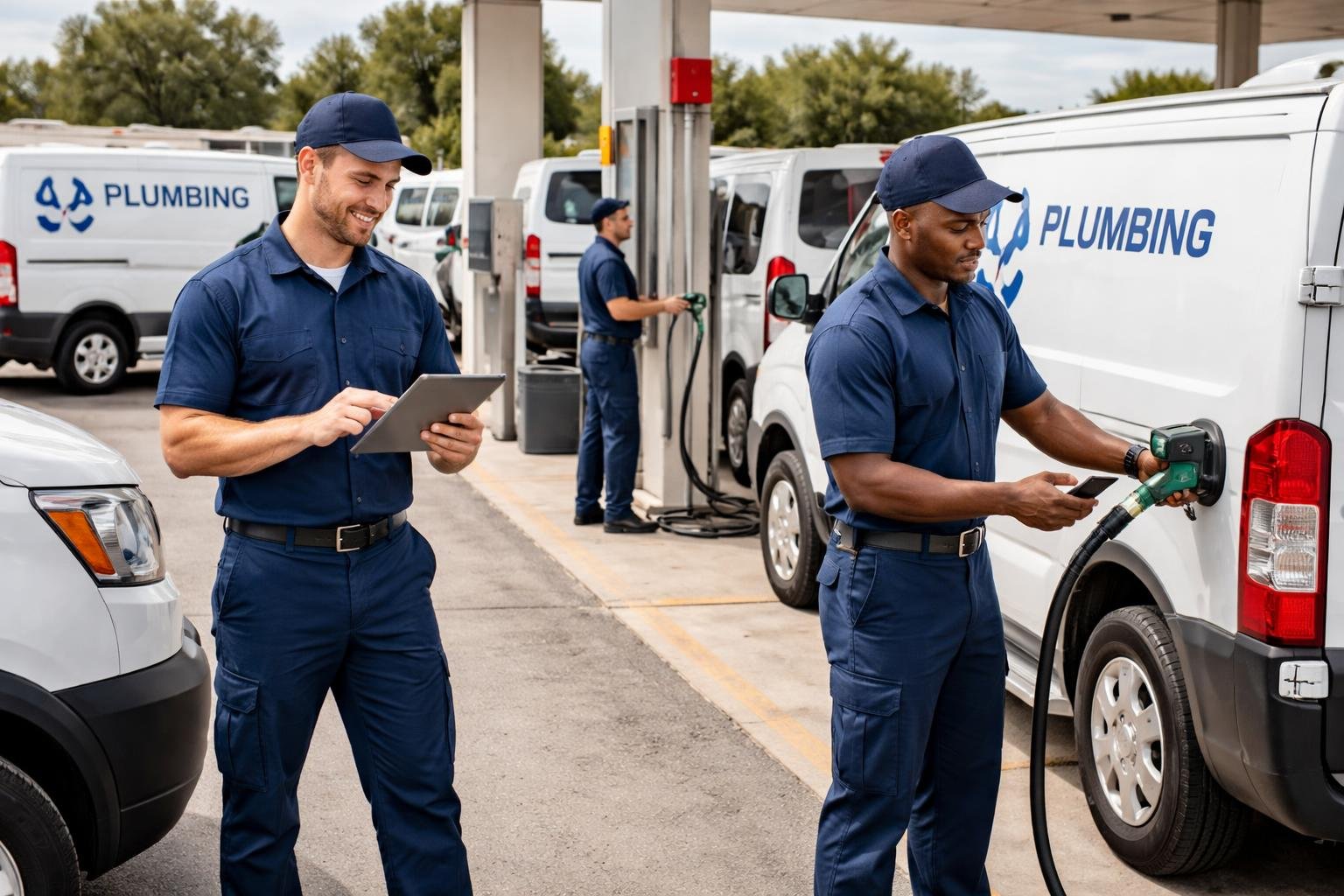
Fleet fuel cards give plumbing businesses dedicated payment tools for fuel.
They track purchases, limit unauthorized spending, and generate detailed expense reports.
These cards offer purchase restrictions and real-time monitoring designed for fleets.
How Fleet Fuel Cards Work
Fleet fuel cards are special payment cards accepted at participating fuel stations.
Each transaction records driver ID, vehicle number, purchase amount, fuel quantity, and location.
When a driver uses the card, the system usually requires a PIN or vehicle ID before authorizing the purchase.
This links the transaction to a specific driver and vehicle.
The card provider processes the payment and sends transaction data to the business, often in real time.
This data helps track fuel patterns, spot unusual purchases, and monitor the fuel budget.
Selecting the Right Fuel Card for Plumbing Fleets
Coverage area is important for card acceptance and driver convenience.
Cards accepted at most stations let drivers fuel up anywhere, while regional cards may offer better discounts but fewer locations.
Fee structures vary.
Some cards charge fees per transaction or monthly, while others have no fees but smaller discounts.
Reporting features differ between cards.
Businesses should look for cards that provide detailed reports, accounting software integration, alerts for unusual purchases, and mobile app access.
Discount programs and rebates affect the real cost per gallon.
Some cards offer fixed discounts or rebates, while others have volume-based pricing.
Implementing Card Controls and Security Features
Purchase restrictions help prevent unauthorized spending.
Most fleet cards let businesses limit purchases to fuel only and block non-fuel items.
Transaction limits set boundaries for each card.
You can set daily dollar limits, maximum gallons per transaction, and spending caps.
Time and location controls add security.
Cards can be set to work only during business hours or in certain regions.
Driver accountability improves with PIN requirements and transaction logs.
Each driver has a unique PIN, creating a clear record of who purchased fuel and when.
Leveraging Technology for Enhanced Fuel Oversight
Modern technology gives plumbing fleet managers better tools to monitor fuel use and prevent theft.
Digital systems replace manual tracking with automated data collection for daily decision-making.
Telematics and Its Role in Fuel Management
Telematics systems use onboard devices to collect vehicle data.
They monitor fuel levels, engine performance, and driving behavior.
These systems track fuel use for each vehicle and can spot problems like theft, mechanical issues, or inefficient driving.
Fleet managers get alerts when fuel levels drop unexpectedly or when refueling happens outside approved times or locations.
The data shows which vehicles use too much fuel, so managers can address maintenance or training needs.
Telematics platforms generate reports comparing fuel efficiency across the fleet.
Integration with fuel management systems removes the need for manual record-keeping.
Managers get a complete digital record of every transaction.
Integrating GPS Tracking with Fuel Card Data
GPS tracking combined with fuel card data verifies refueling events.
It matches fuel purchases with vehicle locations and times.
This helps confirm that purchases happened at approved stations during work hours.
The data can reveal unauthorized transactions by comparing GPS and purchase locations.
Managers can spot when a card is used at a location where the vehicle was not present.
Geofenced zones around approved stations send alerts when drivers fuel up elsewhere.
This reduces fuel card fraud and ensures drivers use stations with negotiated pricing.
The system also tracks fuel economy by comparing fuel use to miles driven.
This gives accurate cost-per-mile numbers for job estimates and budgeting.
Using Real-Time Insights for Efficient Monitoring
Real-time fuel monitoring gives immediate visibility into fuel use, tank levels, and refueling events.
Cloud-based platforms show current fuel data for all vehicles on one dashboard.
Managers can respond quickly to issues.
Instant alerts warn of sudden fuel drops, which may mean leaks or theft.
The system tracks idle time and calculates fuel wasted, helping reduce unnecessary engine use.
Real-time data helps with route planning by showing which vehicles have enough fuel for their schedules.
Fleet managers can also track fuel inventory at on-site tanks to prevent running out or overbuying.
Immediate data helps forecast expenses and find ways to save money through better scheduling and vehicle use.
Optimizing Routes and Dispatch for Fuel Efficiency
Strategic route planning and smart dispatching can reduce fuel use by 15-22%.
This also cuts idle time and unnecessary mileage.
These improvements lower fuel costs and let plumbing fleets complete more jobs each day.
Route Planning Techniques
Good route planning starts by analyzing service areas and customer locations.
Plumbing companies can assign technicians to specific zones to reduce travel distances and avoid backtracking.
Time-based planning considers traffic patterns.
Scheduling morning appointments in residential areas avoids rush hour, while commercial jobs during off-peak hours reduce idling.
This cuts fuel wasted from stop-and-go driving.
Key planning points:
- Customer appointment windows and priority levels
- Vehicle capacity for needed parts and equipment
- Technician skill levels matched to jobs
- Historical traffic data for different times
Dynamic planning lets dispatchers adjust routes in real time for emergency calls.
Urgent jobs can be added based on proximity, preventing extra trips and saving fuel.
Route Optimization Software Benefits
Route optimization software finds the most fuel-efficient paths between job sites.
It considers distance, traffic, and appointment times to plan the best sequence.
The software assigns the closest technician to each call, cutting response times and fuel use.
Managers can see actual versus planned routes to spot inefficiencies.
Main software benefits:
BenefitImpactAutomated route calculationsSaves 2-3 hours of planning dailyReal-time traffic integrationReduces fuel waste by 8-12%Mobile technician accessAllows on-the-go route changesHistorical route analysisFinds patterns for improvement
Advanced platforms can link fuel monitoring data to show actual fuel use per route.
This helps managers refine routing strategies based on real results.
Impact of Efficient Dispatching on Fuel Consumption
Dispatching decisions affect daily vehicle fuel consumption. Assigning the nearest qualified technician to each job reduces total miles driven, which is the largest fuel cost factor.
Batching jobs within the same geographic area avoids scattered assignments. This helps technicians complete more jobs in less time and with less fuel.
A well-dispatched plumber can finish 6-8 jobs in a concentrated area instead of 4-5 jobs spread out across town. This approach uses significantly less fuel.
Smart dispatchers handle emergency calls by rerouting the closest technician already in the field. This saves fuel by avoiding redundant trips from the office.
First-time fix rates improve when dispatchers check parts availability and technician expertise before assigning a job. This preparation prevents return trips, which double fuel use for the same job.
Fleet data shows that reducing repeat visits from 15% to 5% of jobs cuts fuel costs proportionally.
Maintenance and Safe Driving for Fuel Savings
Regular maintenance and driver behavior both impact fuel efficiency in plumbing fleets. Addressing mechanical upkeep and teaching good driving practices lowers fuel use and operating costs.
Maintenance Scheduling and Preventive Practices
Preventive maintenance keeps vehicles running efficiently. A structured maintenance schedule ensures plumbing trucks are serviced before minor issues become bigger problems.
Engine tune-ups, air filter replacements, and oil changes help maintain proper combustion. Dirty air filters can reduce fuel economy by up to 10% in older vehicles.
Tire pressure checks should happen weekly. Underinflated tires increase rolling resistance and fuel consumption by 3-5%.
Critical maintenance tasks for fuel savings:
- Engine oil and filter changes every 3,000-5,000 miles
- Air filter inspections every 15,000 miles
- Tire pressure checks weekly
- Spark plug replacements per manufacturer specifications
- Fuel injector cleaning annually
Fleet managers should use digital systems to track maintenance intervals. This approach helps catch problems like worn oxygen sensors or clogged fuel filters that quietly reduce fuel efficiency.
Vehicle Diagnostics and Service Reminders
Vehicle diagnostics find fuel efficiency problems early. Modern plumbing trucks with onboard diagnostics (OBD-II) provide real-time data on engine performance and fuel use.
Automated service reminders take the guesswork out of maintenance timing. Fleet management software sends alerts based on mileage, engine hours, or diagnostic trouble codes.
These systems notify managers when vehicles need attention. This prevents gradual fuel waste between scheduled services.
Diagnostic tools reveal specific issues affecting fuel economy. Check engine lights for faulty oxygen sensors, mass airflow sensors, or catalytic converters should be addressed right away.
A malfunctioning oxygen sensor can decrease fuel economy by up to 40%.
Promoting Safe Driving Habits
Driver behavior can account for 20-30% of fuel consumption differences between identical vehicles. Training plumbing technicians on fuel-efficient driving techniques provides immediate cost savings.
Fuel-wasting behaviors to eliminate:
- Excessive idling (uses 0.5-1 gallon per hour)
- Rapid acceleration and hard braking
- Speeding above 55 mph
- Carrying unnecessary weight in cargo areas
Drivers should turn off engines during service calls lasting more than one minute. Smooth acceleration and steady highway speeds can improve fuel economy by 15-30%.
GPS tracking systems monitor harsh braking, speeding, and idling. Managers can use this data to coach drivers on specific improvements.
Route optimization software plans efficient service call sequences. This, combined with driver training, maximizes fuel savings across the fleet.
Comprehensive Asset and Equipment Tracking
Fleet managers need visibility into every vehicle, tool, and piece of equipment. Asset tracking systems provide real-time locations and usage data to help plumbing businesses control costs and protect resources.
Asset Tracking Across Plumbing Fleets
Asset tracking solutions monitor the location and status of vehicles, tools, and equipment in real time. GPS technology and specialized sensors give fleet managers continuous visibility.
Plumbing companies can track high-value items like hydro-jetters, camera inspection systems, and diagnostic equipment across job sites. The software creates digital records of each asset, including maintenance history, usage patterns, and current location.
Fleet managers can quickly identify which vehicles carry specific tools or equipment. This reduces time spent searching for resources.
Mobile apps allow technicians to check equipment in and out. This creates accountability and reduces unauthorized use.
Data collected helps identify underutilized assets that could be reassigned or removed from inventory to save costs.
Equipment Tracking for Cost Management
Equipment tracking helps prevent loss and optimize utilization rates. The average plumbing business loses thousands of dollars each year to misplaced or stolen tools.
Tracking systems maintain accurate inventories and alert managers to unusual movement patterns. Fleet managers can analyze utilization data to see which equipment offers the best return on investment.
This information guides purchasing decisions and helps avoid buying redundant tools. The software also tracks maintenance schedules for expensive equipment, preventing breakdowns and extending asset lifespans.
Automated alerts notify managers when equipment leaves designated areas or operates outside normal hours. These features help reduce theft and unauthorized use of company assets.
Using Geofencing for Asset Security
Geofencing creates virtual boundaries around locations like company facilities or job sites. The system sends alerts when tracked assets enter or leave these zones.
Plumbing companies use geofencing to verify that equipment arrives at job sites and returns to secure storage. Managers can set up multiple geofences for different purposes, such as restricting equipment to certain areas.
The technology records all boundary crossings, creating an audit trail for asset movement. After-hours alerts help prevent theft by notifying managers when equipment moves outside business hours.
Some systems can even disable vehicle ignition or lock equipment when unauthorized movement is detected.
Fleet Management Software: Centralizing Fuel and Operations
Fleet management software brings together operational data in one platform. Plumbing businesses can monitor fuel consumption, track vehicle maintenance, and analyze performance metrics.
The right system reduces administrative overhead and provides real-time visibility into fleet costs and efficiency.
Essential Features for Plumbing Businesses
Plumbing fleets need specific capabilities to manage their operations. GPS tracking gives real-time vehicle location data, helping dispatchers route technicians efficiently.
Fuel card integration imports transaction data, including driver identification, odometer readings, fuel type, and purchase amounts from providers like WEX, Voyager, and Fleet One.
Critical software features include:
- Telematics integration for engine diagnostics and idle time monitoring
- Automated fuel reporting to eliminate manual data entry
- Driver behavior tracking to spot excessive idling or unauthorized fuel purchases
- Mobile accessibility for technicians to log vehicle issues in the field
Maintenance management features schedule preventive service based on mileage, engine hours, or time intervals. The software sends reminders for oil changes, tire rotations, and equipment inspections.
Integrating Fuel, Maintenance, and Performance Data
Fleet management software connects fuel consumption data with maintenance records and vehicle performance metrics. This integration reveals patterns that single data sources cannot show.
The platform captures Level III fuel transaction data and cross-references it with GPS locations. This helps detect anomalies like fueling at off-route stations.
Odometer readings from fuel purchases automatically update maintenance schedules. This ensures service intervals remain accurate without manual tracking.
Cloud-based analytics process this combined data to generate actionable insights. Fleet managers can identify which vehicles use more fuel, whether poor maintenance is increasing costs, and which routes or drivers are most efficient.
Selecting and Implementing Software Solutions
Plumbing businesses should evaluate software based on fleet size, operational complexity, and budget. Small fleets with 5-10 vehicles benefit from simple platforms that offer fuel tracking and maintenance scheduling.
Larger operations need advanced analytics, custom reporting, and tools for managing multiple locations. Implementation starts with moving data from existing fuel cards, maintenance logs, and vehicle records.
Training dispatch staff and technicians helps ensure consistent data entry. Most providers offer onboarding support to set up fuel card integrations and maintenance schedules.
They also help customize dashboards for plumbing-specific needs. Software deployment usually finishes within 2-4 weeks for basic systems.
Integration testing checks that fuel transactions import automatically and GPS data transmits correctly. Maintenance alerts are also tested before the software is fully used.