How to start saving money
Lorem ipsum dolor sit amet, consectetur adipiscing elit lobortis arcu enim urna adipiscing praesent velit viverra sit semper lorem eu cursus vel hendrerit elementum morbi curabitur etiam nibh justo, lorem aliquet donec sed sit mi dignissim at ante massa mattis.
- Neque sodales ut etiam sit amet nisl purus non tellus orci ac auctor
- Adipiscing elit ut aliquam purus sit amet viverra suspendisse potent
- Mauris commodo quis imperdiet massa tincidunt nunc pulvinar
- Excepteur sint occaecat cupidatat non proident sunt in culpa qui officia
Why it is important to start saving
Vitae congue eu consequat ac felis placerat vestibulum lectus mauris ultrices cursus sit amet dictum sit amet justo donec enim diam porttitor lacus luctus accumsan tortor posuere praesent tristique magna sit amet purus gravida quis blandit turpis.

How much money should I save?
At risus viverra adipiscing at in tellus integer feugiat nisl pretium fusce id velit ut tortor sagittis orci a scelerisque purus semper eget at lectus urna duis convallis. porta nibh venenatis cras sed felis eget neque laoreet suspendisse interdum consectetur libero id faucibus nisl donec pretium vulputate sapien nec sagittis aliquam nunc lobortis mattis aliquam faucibus purus in.
- Neque sodales ut etiam sit amet nisl purus non tellus orci ac auctor
- Adipiscing elit ut aliquam purus sit amet viverra suspendisse potenti
- Mauris commodo quis imperdiet massa tincidunt nunc pulvinar
- Adipiscing elit ut aliquam purus sit amet viverra suspendisse potenti
What percentege of my income should go to savings?
Nisi quis eleifend quam adipiscing vitae aliquet bibendum enim facilisis gravida neque. Velit euismod in pellentesque massa placerat volutpat lacus laoreet non curabitur gravida odio aenean sed adipiscing diam donec adipiscing tristique risus. amet est placerat in egestas erat imperdiet sed euismod nisi.
“Nisi quis eleifend quam adipiscing vitae aliquet bibendum enim facilisis gravida neque velit euismod in pellentesque”
Do you have any comments? Share them with us on social media
Eget lorem dolor sed viverra ipsum nunc aliquet bibendum felis donec et odio pellentesque diam volutpat commodo sed egestas aliquam sem fringilla ut morbi tincidunt augue interdum velit euismod eu tincidunt tortor aliquam nulla facilisi aenean sed adipiscing diam donec adipiscing ut lectus arcu bibendum at varius vel pharetra nibh venenatis cras sed felis eget.
Yes, teen driver tracking reliably reduces risky driving, but only when paired with structured parental feedback, not silent surveillance. Research consistently shows sensor-based telematics work nearly as well as video systems, without the privacy cost. Parents choosing a system should weigh three categories: OBD2 plug-ins, hardwired telematics, and smartphone apps, each suited to different goals and budgets.
TL;DR:
- Sensor-based telematics systems reduce risky driving behaviors in teens nearly as effectively as video systems, without privacy concerns.
- Choosing between OBD2 plug-ins, hardwired telematics, or smartphone apps depends on specific goals like behavior coaching or location tracking, with each suited to different budgets.
- Pairing tracking devices with parental feedback and communication training significantly enhances crash and speeding reduction.
- Monitoring teens openly and setting clear expectations maintains trust, while installations should be simple, compliant with privacy laws, and matched to operational needs.
- Subscription-free GPS devices like Motowatchdog offer long-term cost savings with comparable safety features and effective behavior coaching tools.
Table of Contents
- Types of Teen Driver Tracking Systems
- Does Teen Driver Monitoring Actually Reduce Crashes?
- How Do You Choose the Right Teen Driver Tracker?
- Should You Tell Your Teen You’re Tracking Them?
- What Does Installation and Ongoing Cost Actually Look Like?
- A Subscription-Free Option Worth Comparing
- Balancing Data With Coaching
- Get Started With Subscription-Free Teen Tracking
- Sources
- FAQ
Types of Teen Driver Tracking Systems
Every teen driver monitoring system falls into one of four categories, and picking the wrong one for your goal is the most common mistake parents make.
- OBD2 plug-ins: Insert into the vehicle’s diagnostic port and read real engine and speed data directly, giving strong accuracy with a five-minute install. They’re the most popular middle ground for families who want more than location pings.
- Hardwired telematics: Wired into the vehicle’s power system for continuous operation and stronger reliability over months or years, common in fleet-grade and long-term family setups.
- Smartphone apps: Use the phone’s GPS and motion sensors, so setup costs nothing extra, but they lose accuracy or stop reporting entirely if the teen leaves the phone at home or the battery dies.
- Bluetooth tags and simple GPS trackers: Built for location and recovery, not behavior coaching. They’re good for confirming a car arrived safely, not for catching hard braking or speeding patterns.
For actual behavior coaching, OBD2 and hardwired telematics do the heavier lifting. For simple location checks and lost-vehicle recovery, a smartphone app for teens or a basic tag usually covers it. If you want speed alerts specifically, that’s a feature to confirm before buying, since not every device flags it the same way.
Does Teen Driver Monitoring Actually Reduce Crashes?
The clearest signal comes from NHTSA’s Traffic Tech research, which found teens receiving in-vehicle feedback logged about 6.1 unsafe events per 1,000 miles, compared with 35.3 per 1,000 miles for teens with no feedback at all. That’s roughly a fivefold difference, and notably, non-video sensor feedback performed similarly to video-based systems in many of those tests.
The Numbers: Teens with in-vehicle feedback had fewer unsafe driving events per 1,000 miles than teens with no feedback, indicating a substantial reduction in risky driving behaviors.
The ProjectDRIVE randomized trial pushed this further, testing feedback alone against feedback combined with parent communication training. The combined approach cut risky driving events by an adjusted incidence rate ratio of 0.68 and reduced the share of miles driven while speeding by roughly half. Field tests of the University of Minnesota’s Teen Driver Support System echoed this, showing smartphone-based coaching plus parental notifications reduced speeding more than monitoring without parent involvement. The practical takeaway: feedback works, and you don’t need a camera pointed at your teen’s face to get the bulk of the benefit.
How Do You Choose the Right Teen Driver Tracker?
Match the device to your actual goal before comparing features, since a location-only tracker and a behavior-coaching system solve different problems.
- Define the goal first. Decide if you want location checks, behavior coaching, crash alerts, or all three, since that decision eliminates half the market immediately.
- Check data fidelity. Look for speed readings, hard-braking and rapid-acceleration detection, trip history, and configurable event thresholds, not just a moving dot on a map.
- Prioritize the alerts that matter. Surveyed parents rank crash alerts, speeding alerts, and safe-arrival notifications as the most valuable features, with about 48.5% of parents already using some form of monitoring app.
- Weigh operational reality. Consider install complexity, whether the device needs wired power or a battery, cellular coverage in your area, and whether the companion app is actually usable day to day.
- Run the cost math. Compare subscription-based services against one-time purchases, and ask your insurer about potential discounts tied to tracking use.
Pro Tip: If your teen is male, weigh monitoring intensity accordingly. Trial data has consistently shown higher rates of hard braking and rapid acceleration among male teen drivers, which makes a strong case for tighter alert thresholds early on.
Should You Tell Your Teen You’re Tracking Them?
Yes, always. Tracking a teen without their knowledge tends to erode trust and invites rule-breaking aimed at the device itself, not just the road. A short conversation upfront, covering trial length, what data you’ll see, and how long you’ll keep it, sets expectations both sides can live with.
- Start with a defined trial period (30 to 60 days) rather than an open-ended commitment.
- Favor geofences and event alerts over continuous live tracking, which respects privacy while still catching the moments that matter.
- Skip video where possible, since NHTSA guidance notes sensor feedback delivers similar safety gains with less friction.
- Pair the device with a written driving contract that spells out graduated restrictions as trust builds.
In the U.S., you’re generally within your rights to monitor a vehicle you own or insure. Extend the same courtesy conversation to anyone borrowing the car, since third parties have their own privacy expectations.
What Does Installation and Ongoing Cost Actually Look Like?
Price bands track directly with capability. Bluetooth tags and basic location trackers sit at the low end. OBD2 plug-ins occupy the midrange with stronger data. Hardwired telematics costs more upfront but holds up over years of use.
- Subscription-based services typically bundle cellular data, cloud trip history, and real-time alerts into a recurring fee.
- One-time-purchase devices skip the recurring fee and instead rely on local storage or a free companion app.
- Battery-powered units generally need a recharge or swap every few weeks to months, depending on trip frequency and reporting interval.
- Setup usually involves activating a SIM or cellular connection, configuring the app, drawing geofence boundaries, and running one test trip before trusting the data.
Reviewing GPS tracker coverage across the U.S. before buying avoids the frustration of a device that goes dark in rural stretches.
A Subscription-Free Option Worth Comparing
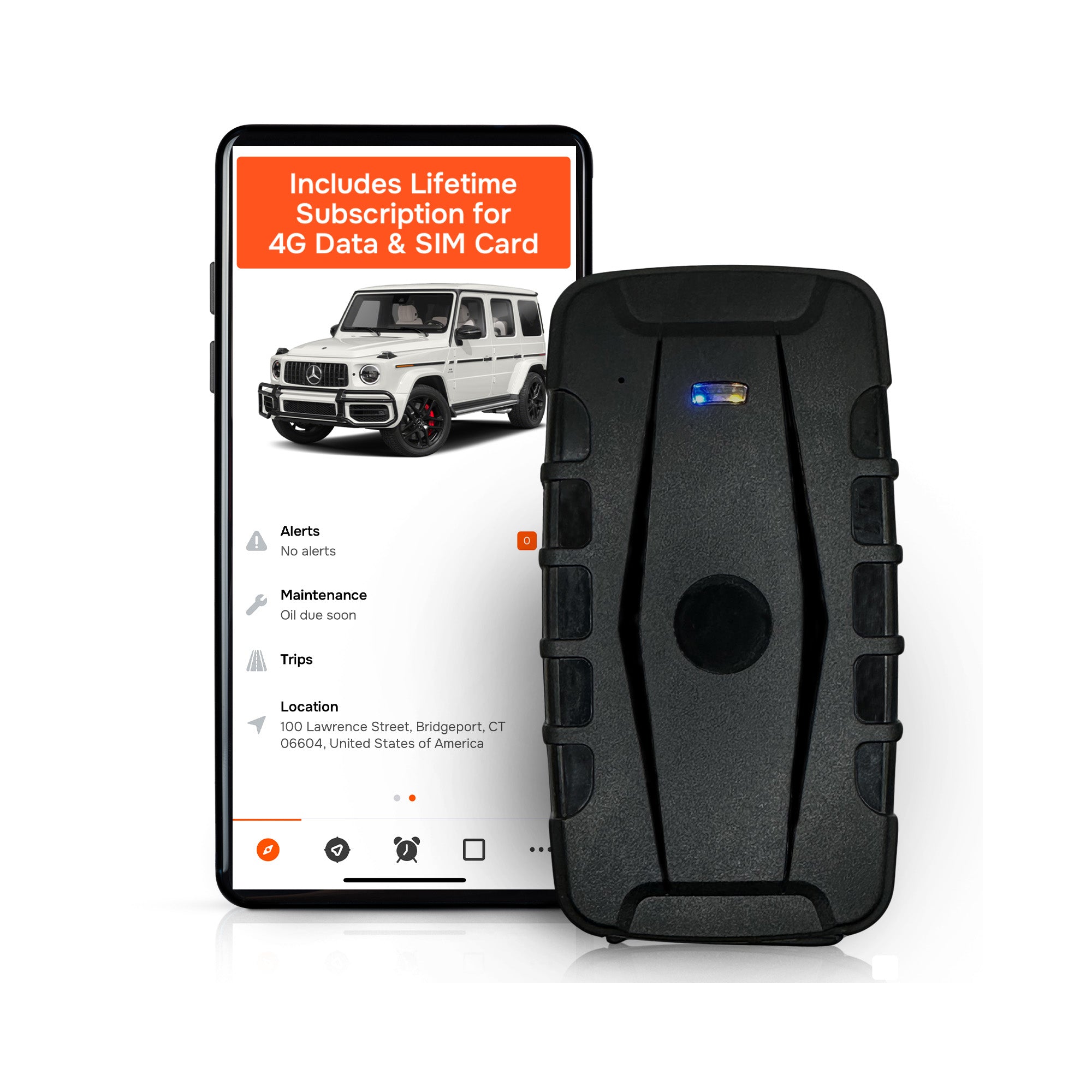
Motowatchdog builds its GPS tracking devices around a subscription-free model, so parents pay once instead of watching a monthly fee stack up over a teen’s driving years. The feature set lines up closely with what parents actually prioritize: customizable geofencing, long battery life, and detailed mileage and trip reporting that make reviewing a week’s driving simple rather than tedious. Over 1,000 businesses already rely on Motowatchdog’s accuracy for fleet and asset tracking, and the same hardware translates directly to family use. Before buying any device, confirm its real-time refresh rate and alert types match what you actually need.
Balancing Data With Coaching
Tracking is a tool for coaching, not punishment, and that distinction shapes whether it actually changes behavior. Set a measurable trial goal, like zero hard-braking events over four weeks, and review the data together rather than ambushing your teen with it. Combine the device with supervised practice and graduated restrictions. No dashboard eliminates risk entirely, but consistent feedback narrows it considerably.
— Louis
Get Started With Subscription-Free Teen Tracking
Compared to monthly-fee monitoring apps and subscription telematics plans, Motowatchdog’s model means one payment, no recurring bill, and no surprise renewal three years into your teen’s license. That matters most for families tracking a car for years, not months, since subscription costs compound while a one-time device doesn’t.
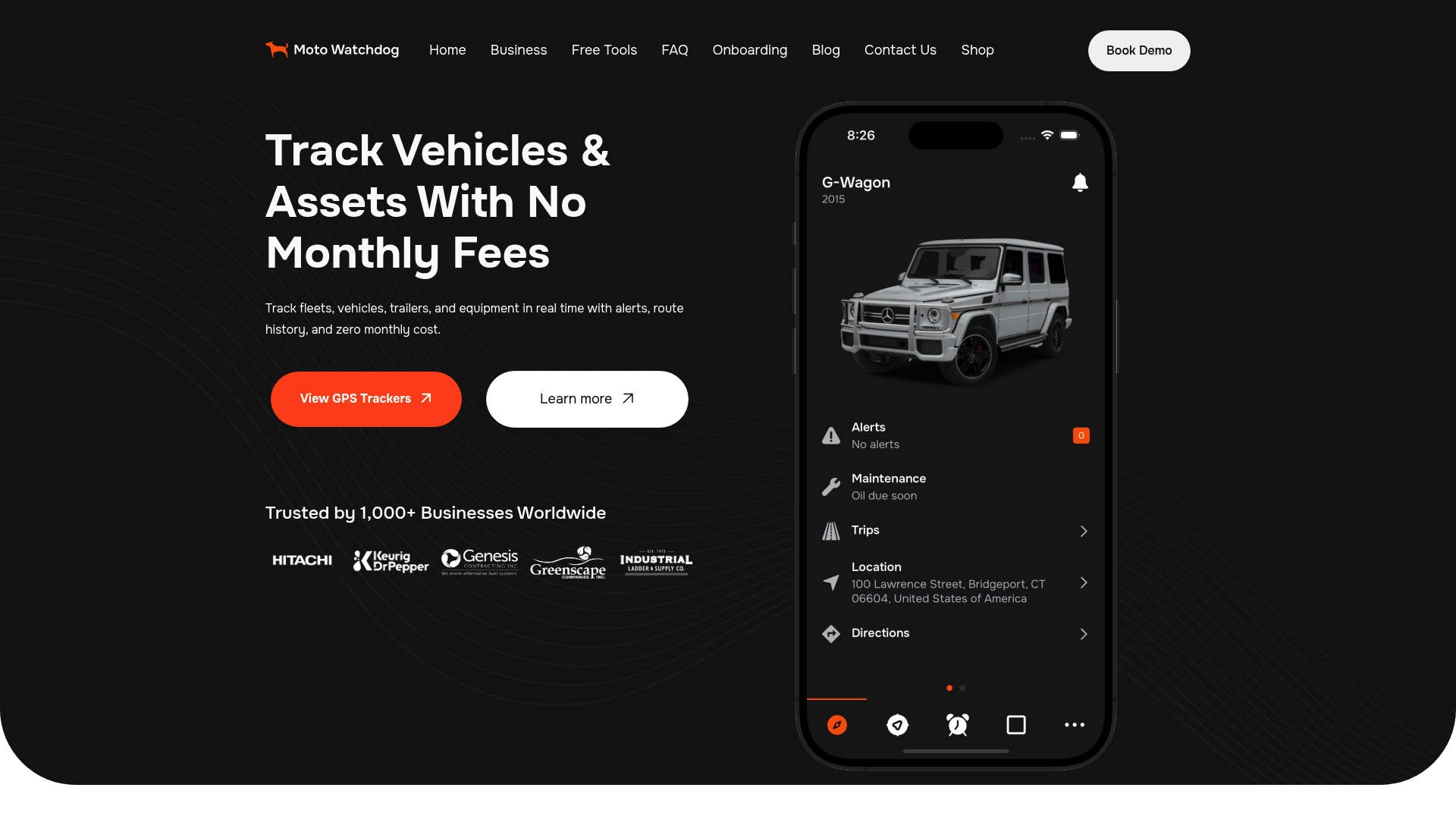
If your priority is behavior coaching over multiple driving years, start by comparing Motowatchdog’s geofencing and mileage-reporting features against your must-have list from the checklist above. Families managing more than one teen driver or vehicle can also review managing multiple GPS trackers under one account. Before you buy, check with your auto insurer about tracking-related discount programs, confirm coverage in your area, and visit Motowatchdog’s product page to see current device options and pricing.
Sources
- Teen driver monitoring technology — NHTSA Traffic Tech (Technology Transfer Series)
- In-vehicle feedback with or without parent communication training and teenage driving behaviors — JAMA Network Open (ProjectDRIVE)
- Teen Driver Support System (TDSS) field operational test — University of Minnesota
FAQ
Can I Put a Tracker on My Daughter’s Car?
Yes, if you own the vehicle or are a co-owner, you can legally install a tracker on it in the U.S. If she owns the car outright or it’s registered solely in her name, have the tracking conversation before installing anything.
What Is the Best Tracking Device for Teenagers?
The best choice depends on your goal: OBD2 plug-ins or hardwired telematics for behavior coaching, and simple GPS trackers or Bluetooth tags for basic location checks. Subscription-free devices like Motowatchdog suit families who want long-term monitoring without recurring fees.
What Is the Best App for Tracking a Teen Driver?
Smartphone-based systems similar to the Teen Driver Support System tested at the University of Minnesota showed reduced speeding when paired with parental notifications. Look for an app offering real-time alerts, trip summaries, and configurable speed thresholds.
How Can I Track My Kids’ Vehicle?
Install an OBD2 plug-in, hardwired telematics unit, or GPS tracker in the vehicle, then connect it to a companion app for real-time location, geofence alerts, and trip history. Confirm cellular coverage in your driving area before committing to a device.