
How to start saving money
Lorem ipsum dolor sit amet, consectetur adipiscing elit lobortis arcu enim urna adipiscing praesent velit viverra sit semper lorem eu cursus vel hendrerit elementum morbi curabitur etiam nibh justo, lorem aliquet donec sed sit mi dignissim at ante massa mattis.
- Neque sodales ut etiam sit amet nisl purus non tellus orci ac auctor
- Adipiscing elit ut aliquam purus sit amet viverra suspendisse potent
- Mauris commodo quis imperdiet massa tincidunt nunc pulvinar
- Excepteur sint occaecat cupidatat non proident sunt in culpa qui officia
Why it is important to start saving
Vitae congue eu consequat ac felis placerat vestibulum lectus mauris ultrices cursus sit amet dictum sit amet justo donec enim diam porttitor lacus luctus accumsan tortor posuere praesent tristique magna sit amet purus gravida quis blandit turpis.

How much money should I save?
At risus viverra adipiscing at in tellus integer feugiat nisl pretium fusce id velit ut tortor sagittis orci a scelerisque purus semper eget at lectus urna duis convallis. porta nibh venenatis cras sed felis eget neque laoreet suspendisse interdum consectetur libero id faucibus nisl donec pretium vulputate sapien nec sagittis aliquam nunc lobortis mattis aliquam faucibus purus in.
- Neque sodales ut etiam sit amet nisl purus non tellus orci ac auctor
- Adipiscing elit ut aliquam purus sit amet viverra suspendisse potenti
- Mauris commodo quis imperdiet massa tincidunt nunc pulvinar
- Adipiscing elit ut aliquam purus sit amet viverra suspendisse potenti
What percentege of my income should go to savings?
Nisi quis eleifend quam adipiscing vitae aliquet bibendum enim facilisis gravida neque. Velit euismod in pellentesque massa placerat volutpat lacus laoreet non curabitur gravida odio aenean sed adipiscing diam donec adipiscing tristique risus. amet est placerat in egestas erat imperdiet sed euismod nisi.
“Nisi quis eleifend quam adipiscing vitae aliquet bibendum enim facilisis gravida neque velit euismod in pellentesque”
Do you have any comments? Share them with us on social media
Eget lorem dolor sed viverra ipsum nunc aliquet bibendum felis donec et odio pellentesque diam volutpat commodo sed egestas aliquam sem fringilla ut morbi tincidunt augue interdum velit euismod eu tincidunt tortor aliquam nulla facilisi aenean sed adipiscing diam donec adipiscing ut lectus arcu bibendum at varius vel pharetra nibh venenatis cras sed felis eget.
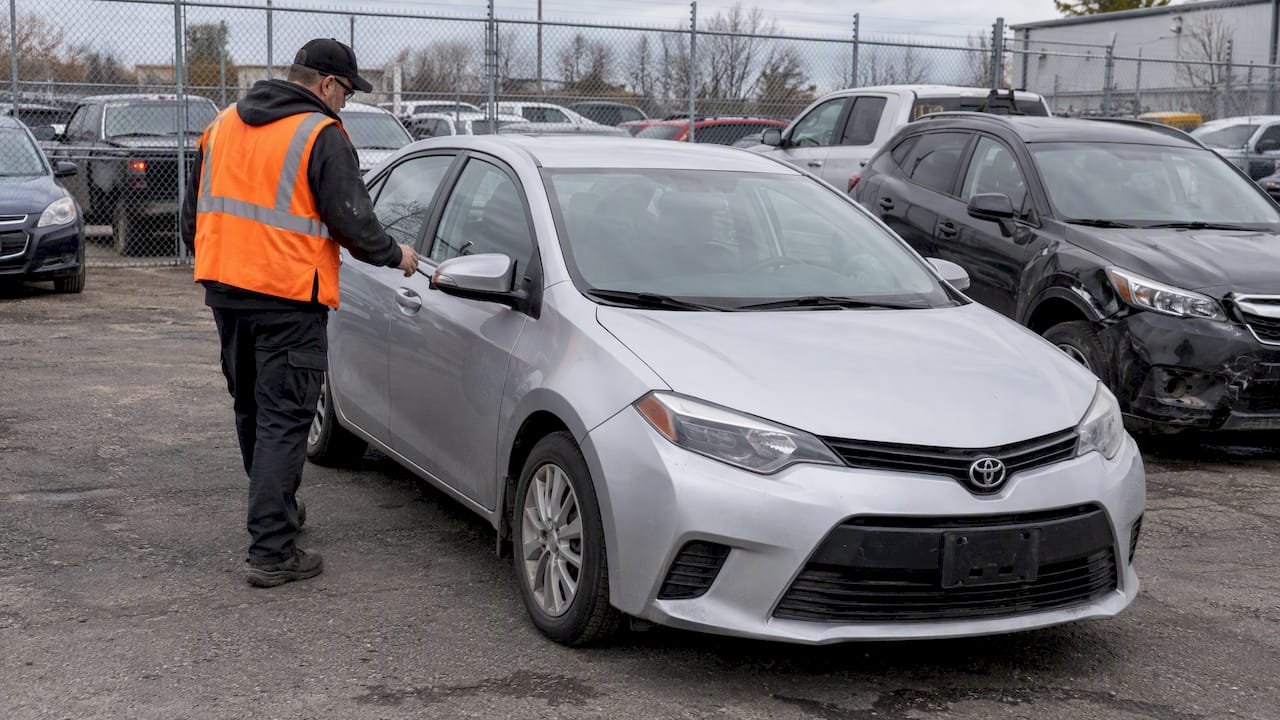
NICB data shows 35% of recovered stolen vehicles come back the same day and 45% within two days, so stolen vehicle recovery time is usually short when the theft is reported fast. Call the police now, get your report number, and contact your insurer. Trackers, nearby camera footage, and prompt reporting all help police find your car sooner.
TL;DR:
- A randomized Arizona experiment found license plate readers generated nearly three times as many stolen vehicle hits as manual checks and increased recoveries.
- Save nearby camera footage before it is overwritten, and give police any available live tracker location rather than approaching the vehicle yourself.
- A missed call can lead to towing and storage fees; some departments log contact attempts for 72 hours before sending notice.
- File a police report immediately, confirm the vehicle entered the relevant database, and ask your insurer which documents it needs for a theft claim.
Table of Contents
- How long does stolen vehicle recovery take?
- What speeds up or slows down a recovery?
- What do police do when they find your car?
- What should you do right now? A checklist
- What happens after your car is recovered?
- Why prompt reporting and live tracking matter most
- A subscription-free tracker can put your car’s location in police hands faster
- FAQ
- Sources
How long does stolen vehicle recovery take?
Most recoveries happen early.
35% of recovered stolen vehicles are found the same day, and 45% within two days. That means early reporting matters, and waiting to report can make recovery harder.
Here is what the pattern looks like in practice:
- Same day: Thieves often abandon vehicles after joyriding or after finding nothing worth taking.
- Early period: Recoveries can happen through patrol sightings, plate reader hits, or tips.
- Weeks later: Recovery is still possible, but it becomes less common, and the car may be stripped or damaged.
Annual figures can look even better. One state auto theft report noted that of 16,291 reported thefts in 2025, 80% were recovered that same year. Even so, many of those recoveries still bunch up soon after the theft.
What speeds up or slows down a recovery?
Several variables decide whether you get a call in hours or never. Some are out of your hands, but a few you control.
- Reporting speed: The sooner police enter your car into national databases such as NCIC, the sooner any officer who runs the plate gets a hit.
- License plate readers (LPR): A randomized experiment in Arizona found that LPR use produced nearly three times as many hits for stolen vehicles as manual checks, and increased recoveries.
- Camera footage: Home and business cameras can show which way the thief went, but only if the footage is saved before it records over itself.
- Thief behavior: Swapping plates, stripping parts, or crossing into another jurisdiction all slow the search.
- A GPS tracker: A tracker reports the car’s location directly, so police are not waiting for a lucky sighting. You can share that live location with the detective on your case.
Pro Tip: Ask nearby businesses about their cameras promptly, before footage is overwritten.
What do police do when they find your car?
Procedures differ by department, but municipal policies follow a similar shape. Orlando’s police recovery procedure is one example. Here is the typical sequence:
- Officers confirm the VIN to make sure the car matches the stolen report.
- They photograph and document the vehicle’s condition and process the scene.
- They decide whether to leave the car in place or tow it, often based on whether the owner can be reached.
- They try to contact you and document each attempt. Some departments log attempts for 72 hours and send certified notice if they cannot reach you.
- If you do not respond in time, the car is usually towed to an impound lot, where storage fees begin to build.
What this means for you: answer unknown calls and check voicemail while your car is missing. A missed call can turn a free pickup into a tow and a bill.
What should you do right now? A checklist
Work through these steps in order. Each one shortens the search or protects your claim.
- File a police report immediately. Confirm the car was entered into NCIC or your state system, and write down the report number and the officer’s contact details.
- Call your insurer. Ask what documents they need, and keep photos and receipts. NICB guidance notes that a police report is what insurers usually require to process a theft claim.
- Check impound and tow databases. Search local tow listings and call nearby tow yards if police advise it. Your car may already be sitting in a lot.
- Get footage preserved. Ask neighbors and nearby businesses to save video and note timestamps, then hand it to the investigating officer.
- Share tracking data with police. If your vehicle has a tracker, give the detective live location access. Do not go after the car yourself.
Pro Tip: Have your license plate, VIN, and a description of any unique marks ready when you call. Dispatchers may ask for them.
What happens after your car is recovered?
Recovery is not the end of the process. Expect paperwork and possibly costs.
- Towing and storage: Owners often pay these fees unless the department or insurer covers them. If police offer an election-of-tow form, read it before you sign, because your choice can affect where the car ends up and who pays.
- Insurance: Insurers may inspect the car and take time to decide between repair and total loss. NICB notes they may wait before declaring a total loss because the vehicle might still turn up.
- Title and registration: Some states require a recovered-theft or salvage brand plus inspections. PennDOT’s recovered-theft procedure explains damage assessment, safety inspection, and when a recovered-theft brand applies.
- Restitution: The Department of Justice explains that victims may be entitled to restitution, but collecting it can be unlikely if the defendant lacks financial means.
Why prompt reporting and live tracking matter most
Having worked through the evidence, my view is plain: the owners who get their cars back fastest are the ones who act in the first hours and hand police real data. A reported plate, a saved video clip, or a live location is worth more than any amount of driving around the neighborhood yourself. Let police make the recovery, and stay calm and reachable.
— Louis
A subscription-free tracker can put your car’s location in police hands faster
Waiting on a plate reader hit or a tip can take time. With a tracker in the car, you can give officers its live location when available. Our Trackers use 4G with no monthly fees, and they include geofencing alerts, long battery life, and management of multiple devices from one app. Pricing starts at $124.99 as a one-time purchase.
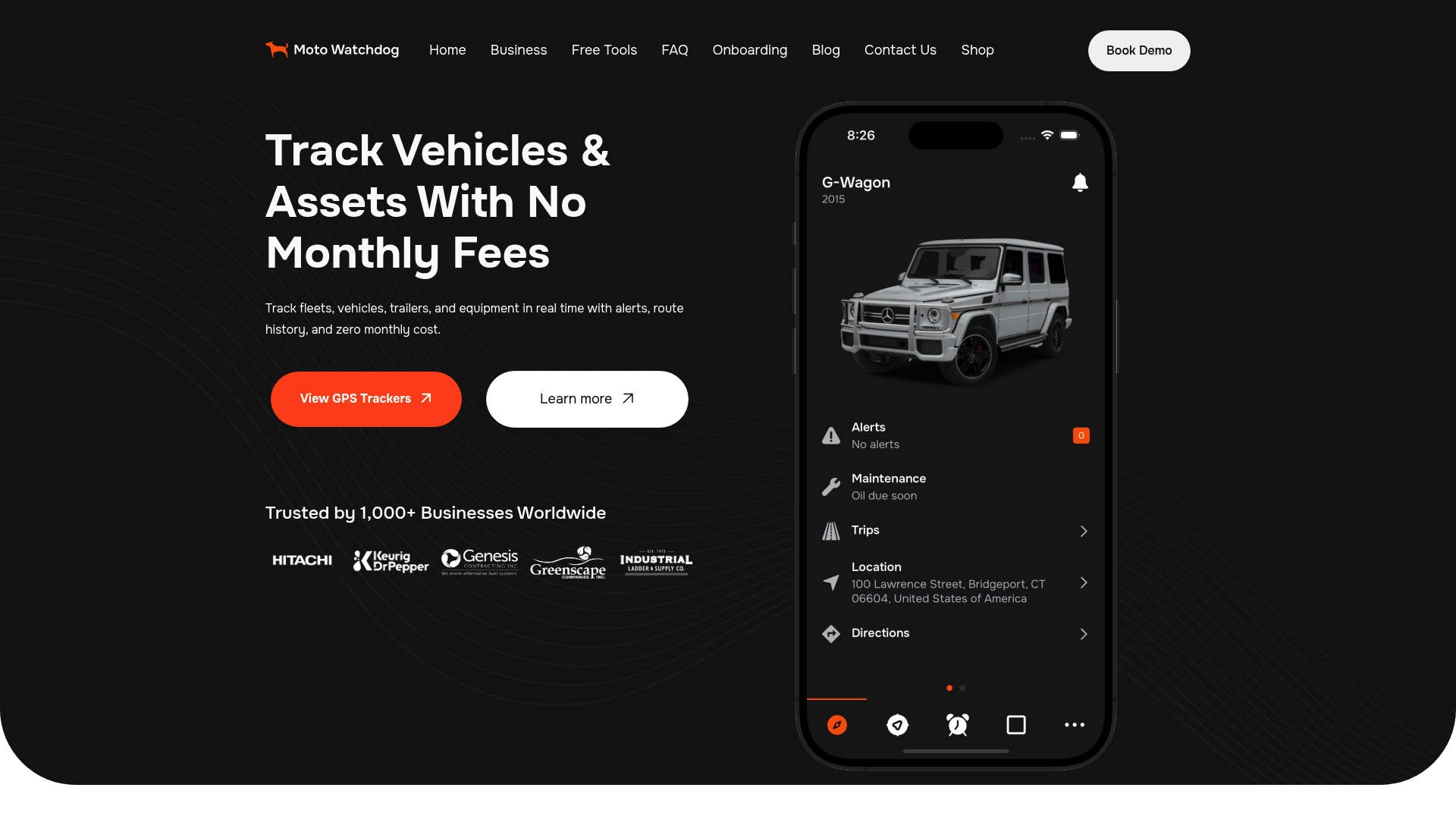
If you are comparing devices, our guide to the best anti-theft tracker covers the features that matter. If your car ever goes missing, send the location to police and let them handle the retrieval.
This article is general information, not a substitute for advice from a qualified lawyer. Consult a qualified legal professional about your own circumstances before acting on anything here.

FAQ
What are the odds of recovering a stolen car?
Reasonably good when you report fast. NICB reports that 35% of recovered vehicles are found the same day and 45% within two days. Odds drop as time passes, and they vary by area and vehicle.
Do thieves have to pay back what they stole?
Sometimes. Courts can order restitution, but the Department of Justice says collecting it depends on the defendant’s ability to pay. Your insurer is usually the faster route to compensation.
Do police actually investigate stolen cars?
Yes, but mostly through database entries, plate reader hits, and patrol sightings rather than long investigations. You improve the odds by giving them a report number, camera footage, and any live tracking data you have.
What happens when police recover a stolen vehicle?
Officers confirm the VIN, document the car’s condition, and try to reach you. If they cannot, the car may be towed to an impound lot at your expense. Answering calls quickly can prevent that.

