How to start saving money
Lorem ipsum dolor sit amet, consectetur adipiscing elit lobortis arcu enim urna adipiscing praesent velit viverra sit semper lorem eu cursus vel hendrerit elementum morbi curabitur etiam nibh justo, lorem aliquet donec sed sit mi dignissim at ante massa mattis.
- Neque sodales ut etiam sit amet nisl purus non tellus orci ac auctor
- Adipiscing elit ut aliquam purus sit amet viverra suspendisse potent
- Mauris commodo quis imperdiet massa tincidunt nunc pulvinar
- Excepteur sint occaecat cupidatat non proident sunt in culpa qui officia
Why it is important to start saving
Vitae congue eu consequat ac felis placerat vestibulum lectus mauris ultrices cursus sit amet dictum sit amet justo donec enim diam porttitor lacus luctus accumsan tortor posuere praesent tristique magna sit amet purus gravida quis blandit turpis.

How much money should I save?
At risus viverra adipiscing at in tellus integer feugiat nisl pretium fusce id velit ut tortor sagittis orci a scelerisque purus semper eget at lectus urna duis convallis. porta nibh venenatis cras sed felis eget neque laoreet suspendisse interdum consectetur libero id faucibus nisl donec pretium vulputate sapien nec sagittis aliquam nunc lobortis mattis aliquam faucibus purus in.
- Neque sodales ut etiam sit amet nisl purus non tellus orci ac auctor
- Adipiscing elit ut aliquam purus sit amet viverra suspendisse potenti
- Mauris commodo quis imperdiet massa tincidunt nunc pulvinar
- Adipiscing elit ut aliquam purus sit amet viverra suspendisse potenti
What percentege of my income should go to savings?
Nisi quis eleifend quam adipiscing vitae aliquet bibendum enim facilisis gravida neque. Velit euismod in pellentesque massa placerat volutpat lacus laoreet non curabitur gravida odio aenean sed adipiscing diam donec adipiscing tristique risus. amet est placerat in egestas erat imperdiet sed euismod nisi.
“Nisi quis eleifend quam adipiscing vitae aliquet bibendum enim facilisis gravida neque velit euismod in pellentesque”
Do you have any comments? Share them with us on social media
Eget lorem dolor sed viverra ipsum nunc aliquet bibendum felis donec et odio pellentesque diam volutpat commodo sed egestas aliquam sem fringilla ut morbi tincidunt augue interdum velit euismod eu tincidunt tortor aliquam nulla facilisi aenean sed adipiscing diam donec adipiscing ut lectus arcu bibendum at varius vel pharetra nibh venenatis cras sed felis eget.
Yes, a GPS tracker can give police the location they need to recover a stolen car, but it functions as an investigative lead, not a guarantee. A tracker’s real value depends on working hardware, signal strength, and how fast you hand coordinates to law enforcement. The first move is simple: call 911 or your local non-emergency line, get a case number, and preserve your tracker’s most recent coordinates and timestamped logs before you do anything else.
TL;DR:
- Hardwired GPS trackers with backup batteries provide the most reliable data during theft because they continue transmitting even if the main power is cut.
- Exported logs with timestamps, device ID, and metadata are crucial for police to act quickly rather than relying solely on live location links.
- Active recovery mode offers near real-time tracking, significantly improving police response speed if the device is configured correctly.
- Proper placement of antennas and choosing cellular coverage that remains reliable across areas can prevent signal loss and outdated location fixes.
- Pre-registering your device, setting up tamper alerts, and practicing log export procedures can increase the chances of a full vehicle recovery.
Table of Contents
- What To Do First When You Recover Stolen Car GPS Data
- How GPS Tracking Actually Works During a Theft
- Which Type of Tracker Recovers Vehicles Best?
- How Do Police Use Your GPS Tracker Data?
- Steps To Increase Your Odds of a Full Recovery
- Why a Layered Approach Beats Relying on One Device
- Get a Tracker Built for Recovery, Not Just Convenience
- Sources
- FAQ
What To Do First When You Recover Stolen Car GPS Data
The first hour after discovering a theft determines how useful your tracker data actually is. Move through these steps in order, not all at once.
- Call police immediately. Have your VIN, license plate, and a description ready. Ask for a case number before you hang up.
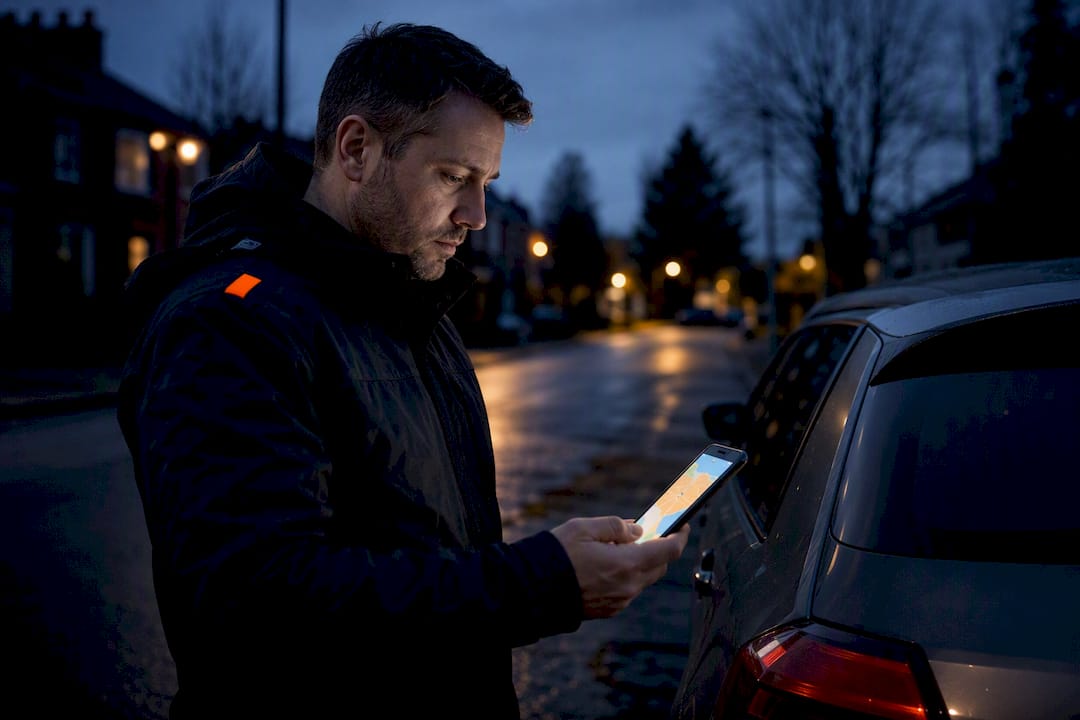
- Open your tracker app and export the recent location history. Screenshot the last known coordinates, the timestamp of the last ping, and the device ID.
- Note the metadata. Speed, heading, and address stamps matter more to a dispatcher than a raw map pin.
- Do not drive to the location yourself. Confronting a thief or an unfamiliar area alone puts you at risk and can compromise the case.
- Generate a secure, shareable live-tracking link if your platform supports one, and relay it directly to the responding officer or dispatch, not a general tip line.
Officers who receive a clean set of coordinates and a live link can act faster than officers working from a verbal description alone.
How GPS Tracking Actually Works During a Theft
A stolen vehicle recovery system runs on three connected pieces: a physical device, a cellular and satellite data path, and a monitoring platform that turns raw pings into a usable map. The Wikipedia entry on stolen vehicle recovery breaks this down as a GPS receiver, a cellular modem, a visualization platform, and, in many cases, a monitoring center that coordinates directly with police.
Two reporting modes matter here:
- Standard interval reporting pings every few minutes to save battery, which is fine for daily fleet tracking but too slow for a live theft in progress.
- Active recovery mode shifts the device to high-frequency streaming, sometimes near real time, specifically to help officers intercept a moving vehicle instead of chasing a stale marker.
Accuracy depends on satellite visibility, antenna placement, and cellular coverage in the area the vehicle passes through. A tracker buried under a metal dash panel or driven into a parking garage can lose signal entirely, and a lost signal produces a frozen, outdated marker that looks live but is not. Cellular coverage gaps compound this problem, which is why device placement and network choice both affect how reliable coverage stays across the country. A 24/7 monitoring center that hands off verified coordinates directly to police removes a step of friction that owners fumbling with a phone app under stress often can’t manage as quickly.
Which Type of Tracker Recovers Vehicles Best?
Not every tracker performs the same when a car actually disappears. The type you have installed changes what data survives the theft.
- Factory or OEM systems are convenient and already built into the car, but many are designed for driver convenience features, not certified theft recovery, and some automakers restrict live owner access for liability reasons. The BBC has reported that Kia’s connected car features prioritize convenience over security, a warning that applies broadly across OEM platforms.
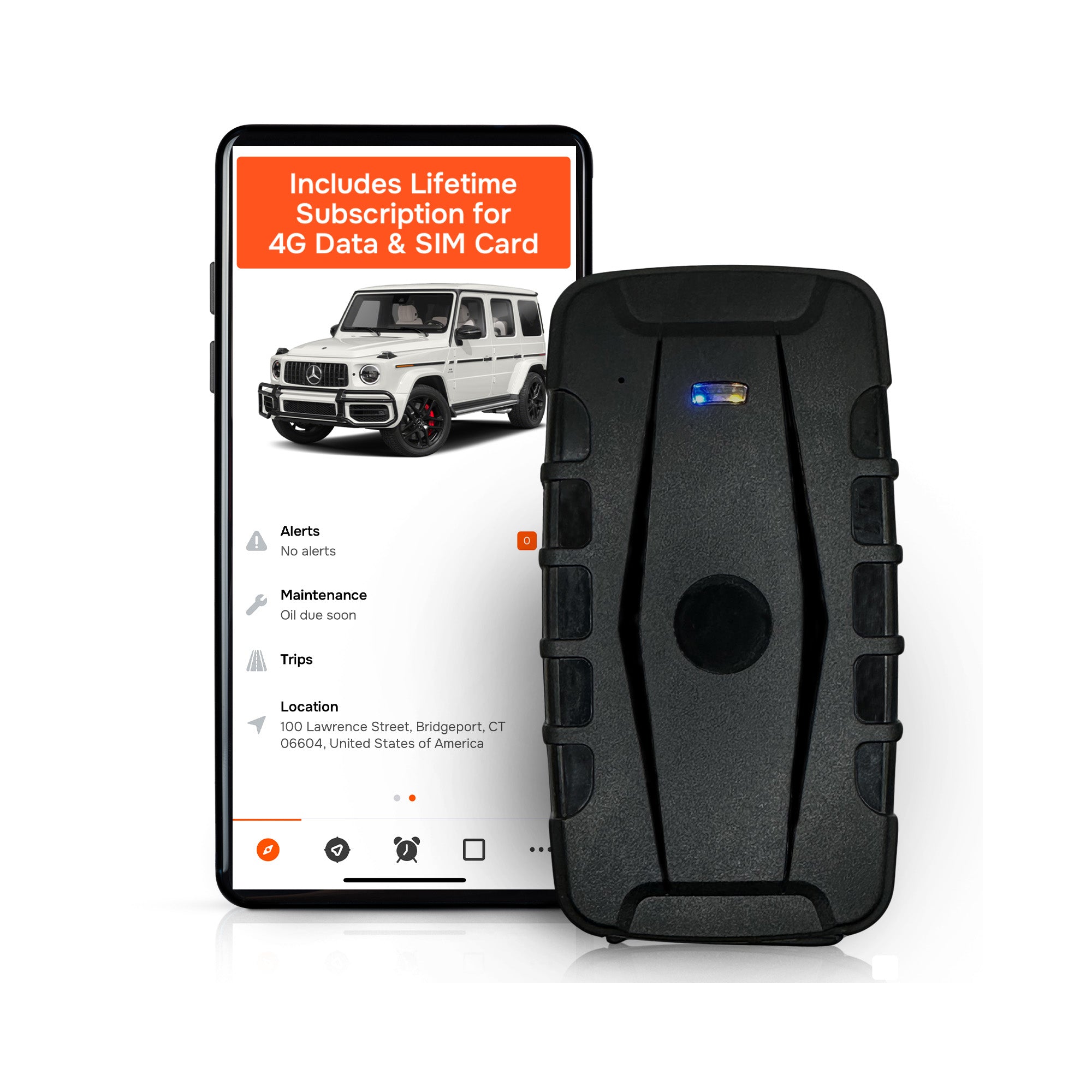
- Hardwired trackers with internal backup batteries keep transmitting even after a thief cuts the main power, which gives them the strongest continuity of any consumer option.
- Battery-only aftermarket units install in minutes and need no wiring, but they typically ping less often and sit exposed enough to be found and torn out.
Common failure modes across all three types include tampering, signal jamming, indoor concealment, and a vehicle crossing state lines mid-theft, which forces cooperation between two separate police jurisdictions.
Pro Tip: Independent, professionally monitored units with their own internal power tend to outperform factory systems for recovery specifically because they aren’t limited by an automaker’s convenience-first design or liability restrictions.
How Do Police Use Your GPS Tracker Data?
Police treat tracker coordinates as an investigative lead, not standing authorization to enter a property or seize a vehicle on sight. Officers weigh your case against everything else on their desk that day, and a stolen vehicle with a live location often gets prioritized higher than one with none.
A few legal realities are worth setting straight:
- Entering private property or acting on a location feed sometimes requires a warrant, though certain exigent-circumstance exceptions allow officers to move faster when a vehicle is actively moving or presents an immediate risk.
- Some tracking vendors restrict direct owner access to live data during an active recovery, routing it through a monitoring center instead, so know your device’s policy before you need it.
- Officers respond better to authenticated logs than screen recordings shot on a shaking phone. Export a timestamped CSV or PDF with device ID and coordinate history whenever your platform allows it.
Security researchers at the National Insurance Crime Bureau frame tracker data the same way: useful evidence that speeds an investigation, not a substitute for police authority to act.
Steps To Increase Your Odds of a Full Recovery
Recovery odds improve with preparation done before a theft, not scrambling after one. Layer your defenses instead of relying on a single device.
- Combine a visible deterrent with a hidden tracker. A steering wheel lock or window etching discourages casual theft, while a concealed device keeps working if the car is taken anyway.
- Pre-register your device and record its serial number somewhere accessible, along with the exact export steps for pulling logs under pressure.
- Designate one point of contact for police communication ahead of time, especially if multiple vehicles or drivers share an account, so officers get one consistent story instead of three conflicting ones.
- Turn on tamper alerts, geofence exit notifications, and tow detection so you find out about unauthorized movement in seconds, not hours. Understanding how tow alerts trigger helps you set thresholds that catch real theft without false alarms from routine towing or valet parking.
- Mount the antenna where reception stays reliable, and choose hardwired power or a strong backup battery whenever the vehicle allows it.
- Send police a secure live-tracking link and a one-paragraph summary, not a screen full of raw coordinates they have to decode themselves.
Pro Tip: Practice exporting your trip history and logs once, before you ever need to. The two minutes you save during a real theft can matter more than any single feature on the device.
Why a Layered Approach Beats Relying on One Device
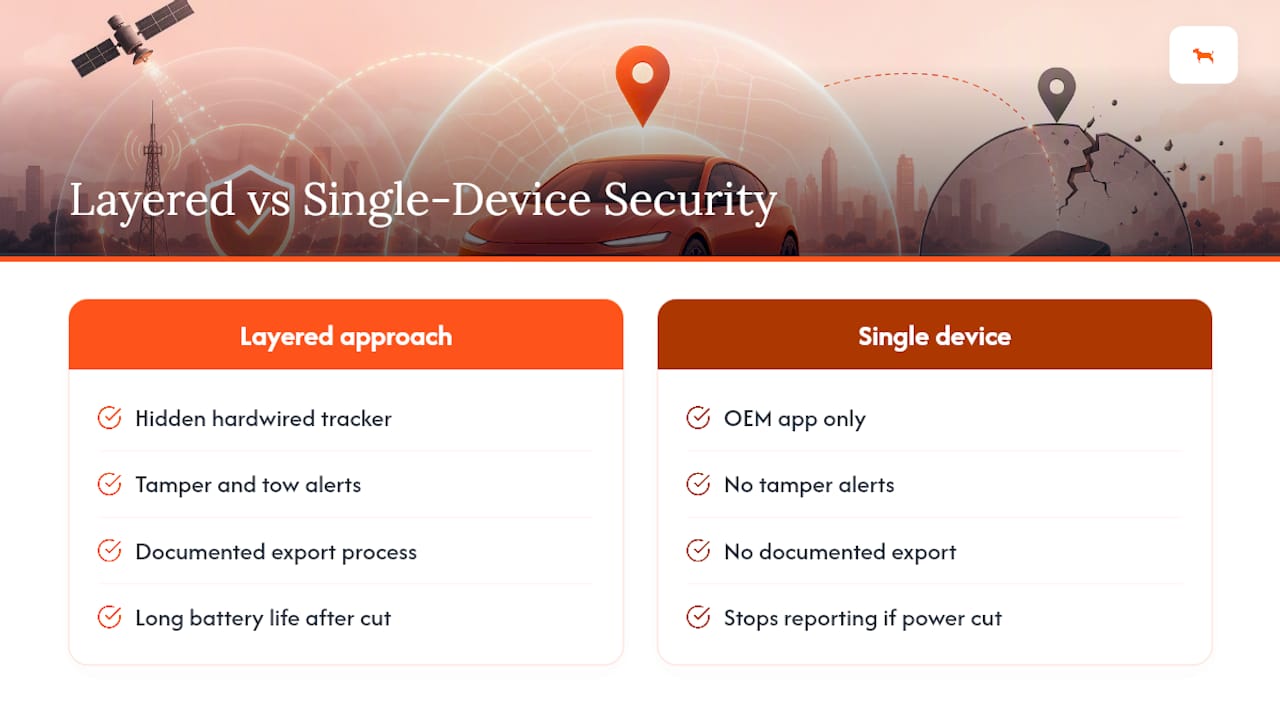
Fleet operators who treat GPS tracking as one layer in a broader security plan recover vehicles more consistently than those who treat the tracker as a silver bullet. That’s not opinion, it’s how the data behaves: a hidden, hardwired tracker with tamper alerts and a documented export process survives more real-world theft scenarios than a single OEM app ever will.
The recurring lesson from theft cases is procedural, not technical. Owners lose recovery time not because the GPS chip failed, but because nobody knew how to export a log, who to call first, or how to hand police a usable summary instead of a confusing app screen. Moto Watchdog’s subscription-free tracking model was built around that gap. It offers customizable geofencing, tamper and tow alerts, and long battery life so a device keeps reporting even after the main power is cut, features aimed squarely at the recovery scenarios described above rather than daily convenience alone.
— Louis
Get a Tracker Built for Recovery, Not Just Convenience
This tracker is an alternative to factory-installed systems and subscription trackers for anyone who wants a device built around recovery, not just daily convenience. There is no monthly fee, no waiting on a dealer app that restricts live access, and no recurring bill competing with other fleet costs.
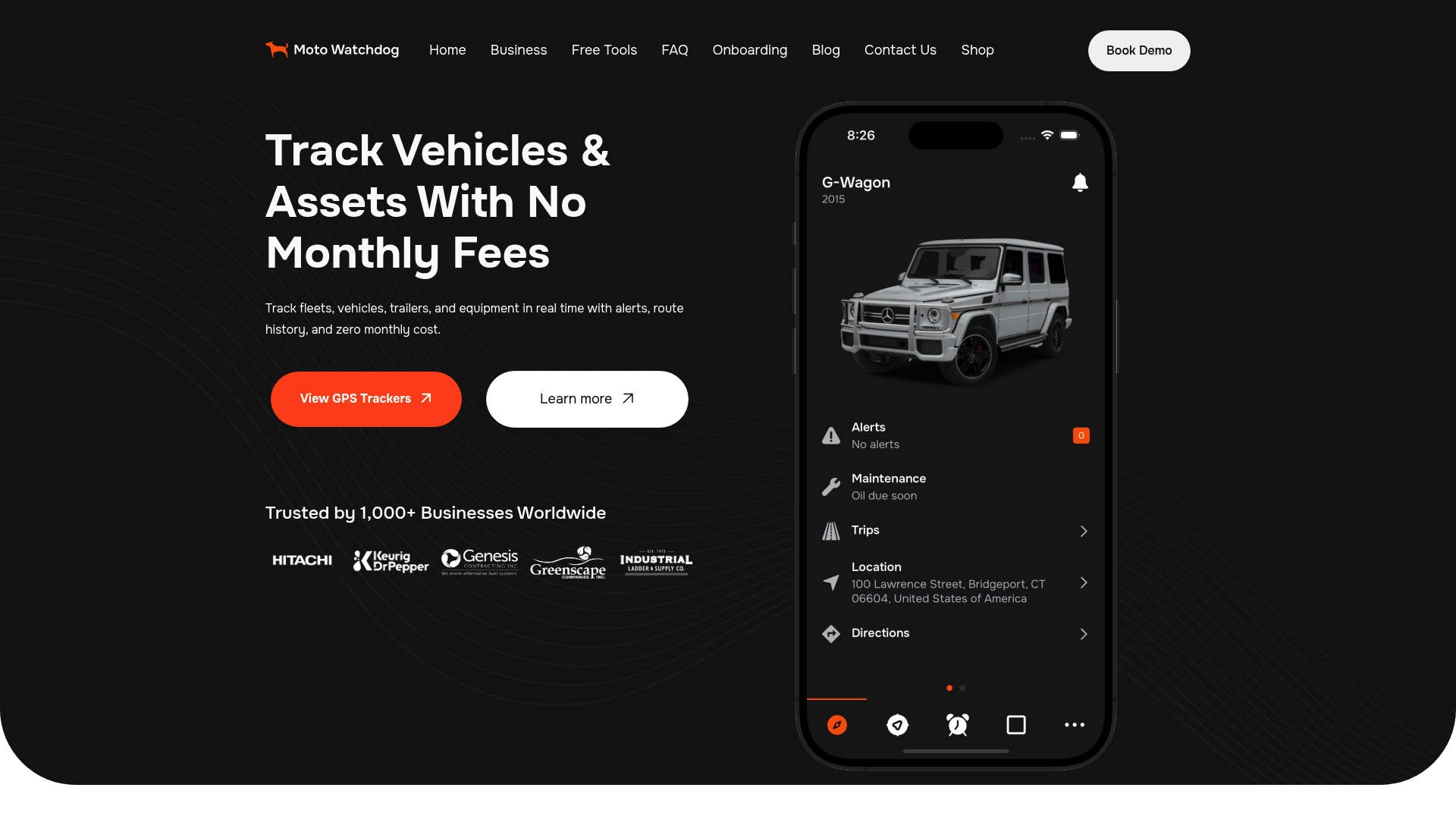
Every feature discussed above maps directly to capabilities offered by this GPS tracking platform. Tamper alerts and geofence exits catch unauthorized movement the moment it happens. Long battery life keeps a device transmitting after main power is cut. Exportable trip logs provide authenticated timestamps for police use, instead of relying on screenshots. Many businesses use the platform for accuracy, from contractors tracking work trucks to families monitoring personal vehicles.
If you’re ready to add a device that supports an active recovery plan instead of just logging mileage, check out Moto Watchdog’s subscription-free GPS trackers and see which model fits your vehicle or fleet.
Sources
- National Insurance Crime Bureau (NICB) guidance and materials
- BBC — Car tracking features for ‘convenience not security’ warns Kia
- PoliceMag — 3 exceptions to warrants for GPS tracking
- Wikipedia — Stolen vehicle recovery
FAQ
Can a Car With GPS Be Tracked If Stolen?
Yes, as long as the tracker has power, signal, and an active data connection, it can keep reporting its location to you and to police even after the car is taken.
What Is the Best GPS Tracker for Recovering a Stolen Car?
Hardwired trackers with internal backup batteries and tamper alerts generally hold up best in real theft scenarios because they keep transmitting even after main power is cut, a design Moto Watchdog builds its devices around.
How Can I Track My Car If Someone Steals It?
Open your tracker’s app, export the most recent coordinates and timestamps, and hand that data directly to the responding police officer rather than trying to follow the vehicle yourself.
Can a GPS Tracker Be Traced Back To Its Owner?
Most trackers are tied to a registered account and device ID, so authenticated logs exported from that account can help police confirm the vehicle and owner match during an investigation.