
How to start saving money
Lorem ipsum dolor sit amet, consectetur adipiscing elit lobortis arcu enim urna adipiscing praesent velit viverra sit semper lorem eu cursus vel hendrerit elementum morbi curabitur etiam nibh justo, lorem aliquet donec sed sit mi dignissim at ante massa mattis.
- Neque sodales ut etiam sit amet nisl purus non tellus orci ac auctor
- Adipiscing elit ut aliquam purus sit amet viverra suspendisse potent
- Mauris commodo quis imperdiet massa tincidunt nunc pulvinar
- Excepteur sint occaecat cupidatat non proident sunt in culpa qui officia
Why it is important to start saving
Vitae congue eu consequat ac felis placerat vestibulum lectus mauris ultrices cursus sit amet dictum sit amet justo donec enim diam porttitor lacus luctus accumsan tortor posuere praesent tristique magna sit amet purus gravida quis blandit turpis.

How much money should I save?
At risus viverra adipiscing at in tellus integer feugiat nisl pretium fusce id velit ut tortor sagittis orci a scelerisque purus semper eget at lectus urna duis convallis. porta nibh venenatis cras sed felis eget neque laoreet suspendisse interdum consectetur libero id faucibus nisl donec pretium vulputate sapien nec sagittis aliquam nunc lobortis mattis aliquam faucibus purus in.
- Neque sodales ut etiam sit amet nisl purus non tellus orci ac auctor
- Adipiscing elit ut aliquam purus sit amet viverra suspendisse potenti
- Mauris commodo quis imperdiet massa tincidunt nunc pulvinar
- Adipiscing elit ut aliquam purus sit amet viverra suspendisse potenti
What percentege of my income should go to savings?
Nisi quis eleifend quam adipiscing vitae aliquet bibendum enim facilisis gravida neque. Velit euismod in pellentesque massa placerat volutpat lacus laoreet non curabitur gravida odio aenean sed adipiscing diam donec adipiscing tristique risus. amet est placerat in egestas erat imperdiet sed euismod nisi.
“Nisi quis eleifend quam adipiscing vitae aliquet bibendum enim facilisis gravida neque velit euismod in pellentesque”
Do you have any comments? Share them with us on social media
Eget lorem dolor sed viverra ipsum nunc aliquet bibendum felis donec et odio pellentesque diam volutpat commodo sed egestas aliquam sem fringilla ut morbi tincidunt augue interdum velit euismod eu tincidunt tortor aliquam nulla facilisi aenean sed adipiscing diam donec adipiscing ut lectus arcu bibendum at varius vel pharetra nibh venenatis cras sed felis eget.
The one move that makes mileage reimbursement tracking audit-proof is keeping a contemporaneous log with exportable per-trip records: date, miles, destination, and business purpose, captured automatically or logged weekly by hand. The IRS raised the standard mileage rate mid-2026, making accuracy in your records particularly important. Which method you use depends on how often you drive and your employer’s reimbursement policy.
TL;DR:
- Using a contemporaneous log that captures date, miles, destination, and purpose is essential, especially after the 2026 mid-year mileage rate change.
- GPS tracking devices that operate independently of phones provide the most consistent and audit-proof trip data for fleet or multiple-vehicle management.
- Reconstructing mileage logs from memory or delays increases audit risk, so weekly or near-time entries are crucial for compliance.
- Employers should establish clear accountable plan policies, including submission deadlines, proper log formats, and the return of excess reimbursements.
- Exported reports should include every trip detail and be retained for at least three years to withstand IRS inquiries or audits.
Table of Contents
- What the IRS Requires for Mileage Reimbursement Tracking
- Methods to Track Mileage: Paper, Spreadsheets, Apps, and GPS
- How to Choose the Right Mileage Tracking Method
- Documenting and Exporting Reports for Reimbursements and Taxes
- Common Mileage Tracking Mistakes That Trigger Audit Risk
- How Motowatchdog Supports Audit-Ready Mileage Records
- An Editor’s Take on Accuracy, Privacy, and Cost
- A Subscription-Free Way to Keep Mileage Records Audit-Ready
- Sources
- FAQ
What the IRS Requires for Mileage Reimbursement Tracking
The IRS does not care whether your log lives on paper, in a spreadsheet, or inside a GPS app. It cares whether the log was created near the time you actually drove and whether it contains specific, verifiable details. Publication 463 makes that distinction explicit: format is flexible, but content is not negotiable.
2026 brought a mid-year rate change that catches a lot of drivers off guard. The optional standard business mileage rate changed mid-year 2026, increasing from an earlier rate to a higher rate for travel on or after July 1, 2026, according to the IRS. The Internal Revenue Bulletin confirms this adjustment responded to fuel cost shifts. Anyone using the standard mileage method has to split their mileage log at that boundary. Trips logged in March get valued differently than trips logged in September, and mixing them up on a reimbursement form or a Schedule C understates or overstates the deduction.
For employer reimbursements to stay tax-free, the payment has to flow through what the IRS calls an accountable plan. That term shows up constantly in payroll conversations, so it’s worth knowing exactly what it means. Publication 5137 lays out three requirements:
- Business connection: the expense must relate directly to the employer’s business, not a flat car allowance handed out regardless of actual driving.
- Substantiation: the employee has to report the expense with enough detail (amount, time, place, business purpose) within a reasonable period.
- Return of excess: any reimbursement above the substantiated amount has to come back to the employer.
Miss any one of those three, and the whole reimbursement becomes a nonaccountable plan payment. That reclassifies it as taxable wages, subject to withholding and reported on the employee’s W-2, according to IRS Chief Counsel guidance on accountable plan violations. A flat monthly car allowance is the classic example: convenient for payroll, disastrous for tax treatment.
Every compliant mileage entry needs four fields at minimum: date, miles driven, destination, and business purpose. Add odometer readings at the start and end of the year if you’re claiming actual expenses, since that establishes your total annual mileage baseline against business mileage claimed.
Methods to Track Mileage: Paper, Spreadsheets, Apps, and GPS
You have four realistic options for business mileage tracking, and each one fits a different driving pattern.
Paper logbooks remain legitimate and cheap. A small notebook kept in the glove box works fine if you’re driving to client sites once or twice a week. The catch is discipline: entries have to happen at or near the time of travel, and a weekly minimum is the loosest the IRS will accept. Reconstructing three months of trips from memory in December is where paper logs fall apart.
Spreadsheets give you more flexibility and instant exportability. A simple template with columns for date, start location, end location, miles, purpose, and rate applied covers everything Publication 463 asks for. The advantage over paper is that totals calculate themselves, and you can filter by month for that mid-year rate split.
Automatic tracking apps detect trips using your phone’s GPS and location services, then classify them as business or personal. The upside is consistency: you stop relying on memory. The downside runs in two directions. Auto-classification sometimes misclassifies a business trip as personal (or vice versa), and battery drain or background permission settings can create gaps in the record. Any app you use still needs to export the same four required fields per trip, according to guidance from Driversnote on IRS log requirements. A slick interface doesn’t help if the export drops the business purpose field.
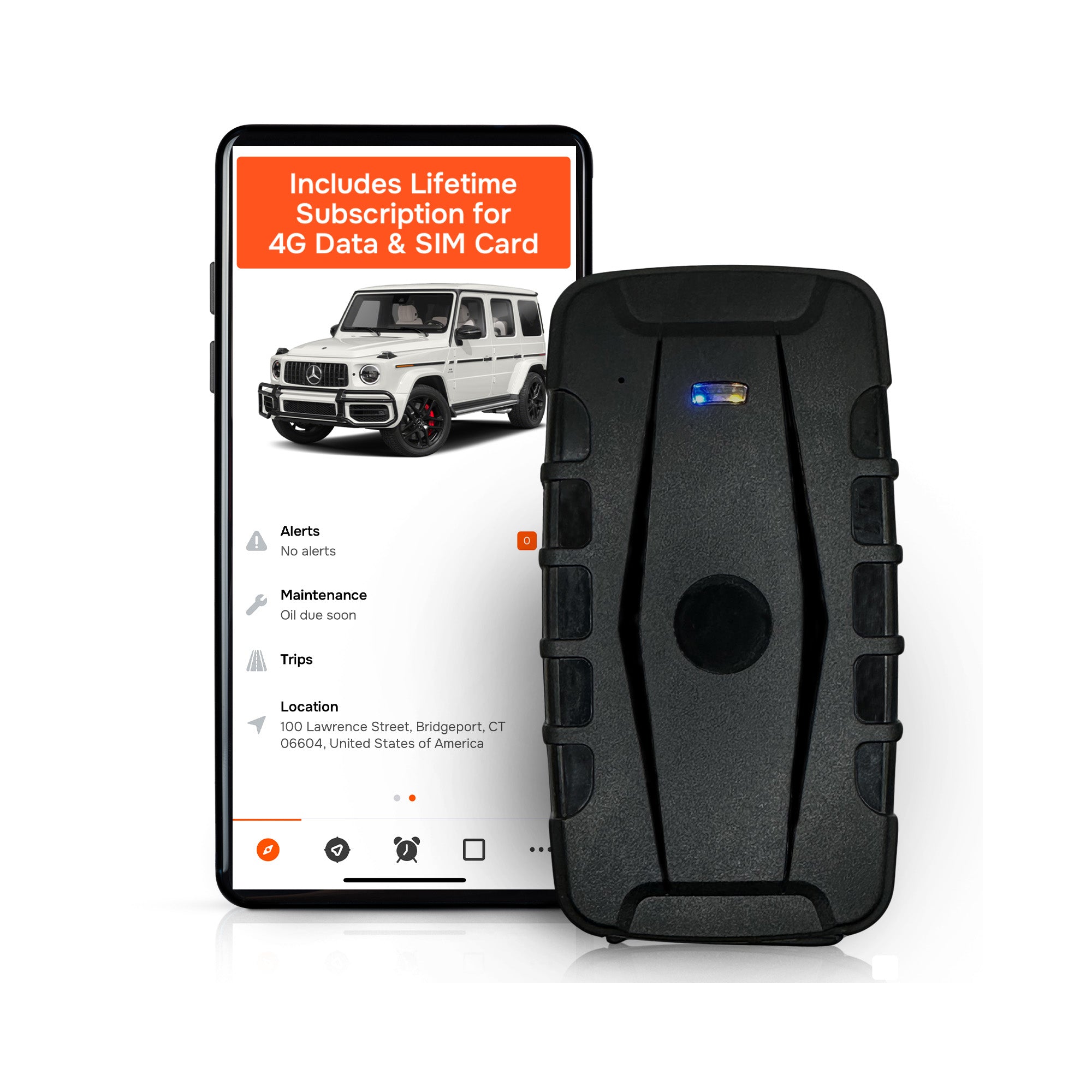
GPS tracking devices installed in the vehicle itself take a different approach: continuous, vehicle-level trip capture that doesn’t depend on a phone being charged, unlocked, or carried into the car. For fleet owners and contractors running multiple vehicles, that consistency turns into fewer gaps in the trip history and less month-end reconciliation.
Pro Tip: Whatever method you pick, run it for one full week before committing. If you’re not still using it by Friday, it’s the wrong method for your driving pattern, not the wrong tool.
How to Choose the Right Mileage Tracking Method
Match the method to your driving volume and your employer’s policy before you match it to price. Here’s the order to weigh the criteria:
- Audit exportability first. Can the tool produce a clean report with date, miles, destination, and purpose for every trip, or does it require manual cleanup before submission?
- Per-trip detail second. Aggregate mileage totals without individual trip records don’t satisfy Publication 463. Verify the export shows each trip, not just a monthly sum.
- Accuracy third. GPS-based methods generally outperform odometer estimates or app-based cell triangulation, especially on short urban trips where a few tenths of a mile matter across dozens of trips a month.
- Cost structure fourth. A one-time device purchase behaves very differently on a budget than a recurring app subscription that compounds across a fleet of ten vehicles.
- Integration last. Does the export format drop into your payroll or expense system, or does someone have to retype it?
Before adopting any tool company-wide, ask the vendor these questions directly:
- Does the export include business purpose as a separate field, or does it need to be added manually?
- How does the tool handle a personal errand taken during a business trip?
- What happens to trip data if the device or app is offline for a stretch?
- Is there a per-seat or per-vehicle cost that scales with fleet size?
Employers building a reimbursement policy should put the accountable plan requirements in writing: a submission deadline (typically 60 days), a required log format or approved tool list, and a clear statement that excess advances must be returned. A one-page policy prevents disputes later and gives your accountable plan documentation that regulators can actually review.
Documenting and Exporting Reports for Reimbursements and Taxes
A usable mileage report packages five things: date, origin and destination, miles driven, business purpose, and the mileage rate applied for that period (remembering the 2026 split between 72.5 cents and 76 cents). Package these into a single export, whether that’s a PDF summary or a CSV upload, before you hand it to payroll or attach it to a tax return.
You can choose at filing time between the standard mileage rate and the actual expense method (gas, maintenance, depreciation, insurance, prorated by business use percentage). Tax Topic No. 510 recommends calculating both methods to determine which yields a larger benefit depending on your vehicle and driving patterns.
Retention matters as much as the report itself. Keep your mileage logs, the reports generated from them, and any GPS trip history exports for at least three years after filing, longer if you’re claiming a loss. If the IRS ever asks a question, the original per-trip records, not the summary total, are what settle it.
Common report checklist:
- Date and time of each trip
- Starting and ending locations
- Total miles for that trip
- Business purpose stated specifically (not “meeting”)
- Rate applied and total dollar value
Common Mileage Tracking Mistakes That Trigger Audit Risk
Most mileage reimbursement problems trace back to timing, not fraud. Late reconstruction is the biggest one: rebuilding three months of trips from calendar entries or memory right before a tax deadline. The IRS treats reconstructed logs with far more skepticism than contemporaneous ones, because memory smooths over the messy trips that actually happened.
Missing or vague business purpose is a close second. Writing “client visit” with no name or reason doesn’t hold up the way “delivered proposal to Hendricks Construction, discussed Q3 contract” does.
Mixing personal and business mileage without allocation trips up rideshare drivers and contractors alike. If you drive to a job site and then swing by the grocery store on the way home, that detour needs to be split out, not absorbed into the business total.
- Fix incomplete weeks immediately, not at month’s end.
- If a log has gaps, note them honestly rather than filling them with estimates.
- Employers should spot-check submitted logs quarterly, not just at year-end.
Pro Tip: A weekly, five-minute contemporaneous entry habit beats a perfect app that you stop checking after two months. Consistency, not sophistication, is what an auditor actually credits.
How Motowatchdog Supports Audit-Ready Mileage Records
For fleet owners and contractors running multiple vehicles daily, phone-based tracking has a structural weakness: it depends on someone carrying a charged phone into every vehicle, every trip. Some GPS tracking systems take the vehicle-level approach, with devices that run independently of any phone and report trip data straight from the vehicle itself.
That matters most for businesses managing several vehicles at once. Some GPS tracking services run on a subscription-free model, meaning the device is purchased once with no recurring monthly fee layered on top. Reports often export in a format that includes trip-level detail, which lines up directly with what an accountable plan reimbursement submission needs.
Practical scenarios where this pays off:
- A contractor running to five job sites a day gets a continuous mileage record without touching a phone app between stops.
- A fleet manager overseeing a dozen vehicles pulls trip history exports for payroll instead of chasing down individual drivers’ logs.
- Long battery life on some GPS devices means gaps in the record from a dead phone battery can be reduced significantly.
Geofencing alerts and multi-device dashboards add operational value beyond tax reporting, which is worth knowing if you’re evaluating contractor vehicle tracking as a broader fleet tool.
An Editor’s Take on Accuracy, Privacy, and Cost
Audit defensibility should drive every decision here, not app ratings or brand loyalty. A method that exports clean per-trip data beats a flashier one that doesn’t. Employers deploying GPS tracking owe employees a transparent policy on what’s recorded and why. Review the legal boundaries around employee GPS tracking before rolling anything out company-wide. And even when your employer handles reimbursement, keep your own copy of every log. Records disappear; your personal backup is the one you can always produce.
— Louis
A Subscription-Free Way to Keep Mileage Records Audit-Ready
Phone apps and paper logs both depend on someone remembering to open them. Motowatchdog removes that dependency: a one-time device purchase, starting at $124.99, captures continuous vehicle-level trip data with no monthly fee eating into the savings a mileage deduction is supposed to deliver.
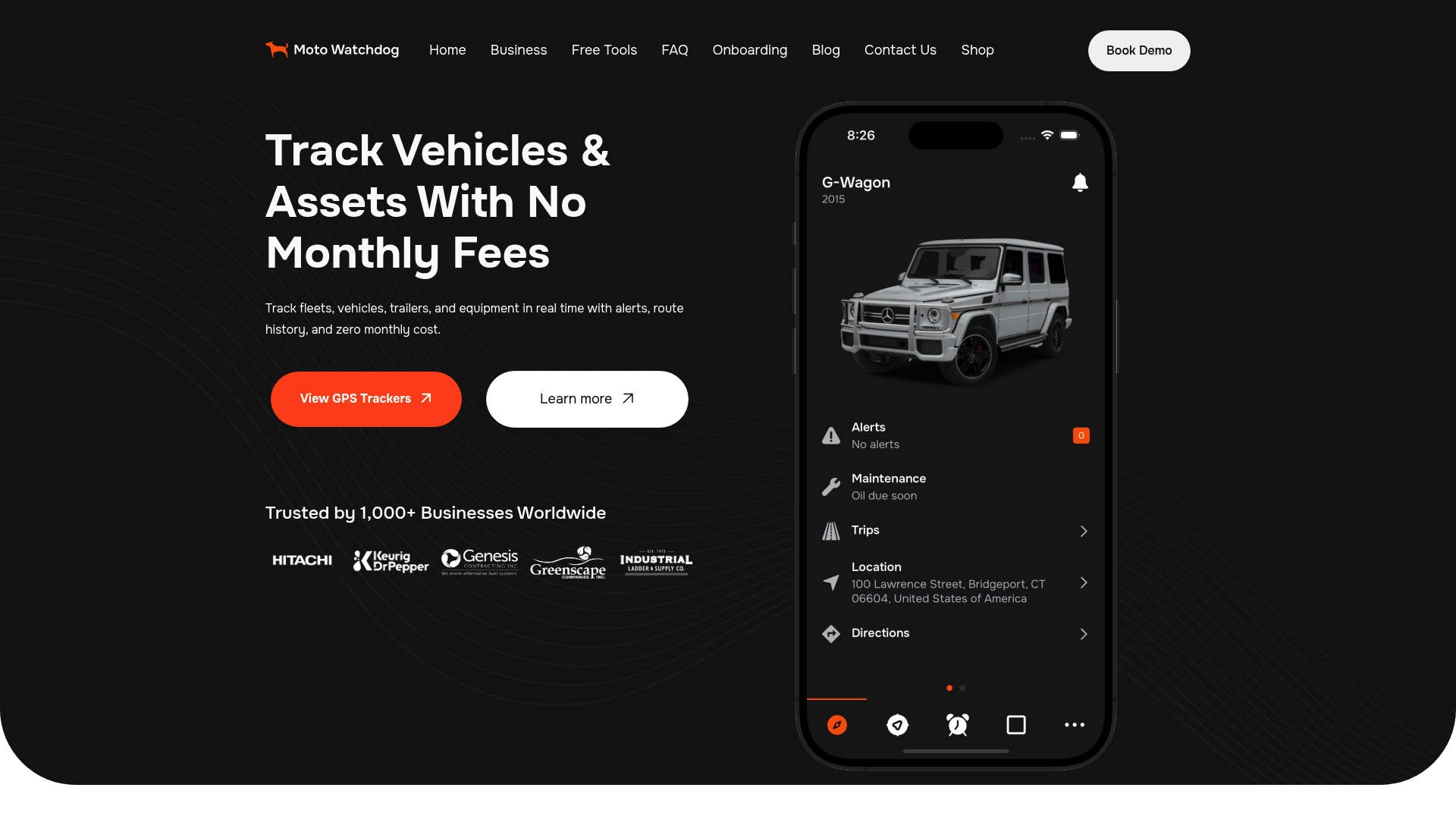
That matters most for contractors and fleet owners juggling multiple vehicles, where a single missed app session can mean a gap in the reimbursement record for an entire day. Businesses that need trip data flowing directly into payroll or expense systems can look at Motowatchdog’s API access for that integration. For everyone else, the simplest next step is checking device options on the Motowatchdog trackers page and seeing which fits your vehicle count and reporting needs.
This article is general information, not a substitute for advice from a qualified financial advisor. Consult a qualified financial professional about your own circumstances before acting on anything here.
FAQ
How do I keep track of mileage for reimbursement?
Log each trip’s date, miles, destination, and business purpose at or near the time you drive, using a notebook, spreadsheet, app, or GPS device. Weekly entries satisfy the IRS’s contemporaneous standard under Publication 463, so you don’t need to log every single trip the moment it happens.
What is a good free mileage tracker?
A basic spreadsheet template with columns for date, miles, destination, and purpose costs nothing and satisfies every IRS requirement. Free app tiers work too, but check that the export includes per-trip business purpose, not just a monthly total.
Can I deduct mileage if I didn’t track it?
Reconstructing a log from memory after the fact carries real audit risk, since the IRS favors records created near the time of travel. You can still attempt a deduction, but without contemporaneous documentation, expect more scrutiny if the return gets reviewed.
What is the best app or device for tracking mileage expenses?
The right choice depends on driving volume: occasional drivers do fine with a spreadsheet or app, while contractors and fleets running multiple vehicles benefit from a subscription-free GPS device like Motowatchdog that captures trip data without relying on a phone. Either way, verify the export includes date, miles, destination, and business purpose for every trip.