
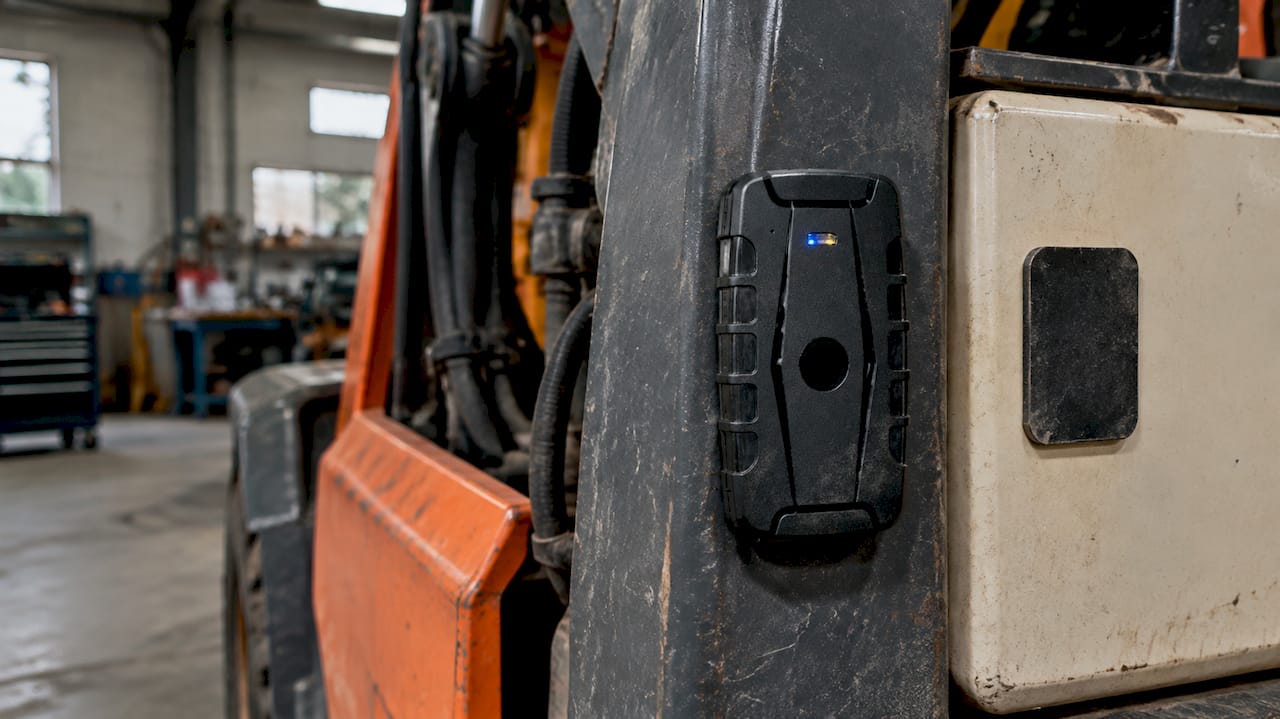
How to start saving money
Lorem ipsum dolor sit amet, consectetur adipiscing elit lobortis arcu enim urna adipiscing praesent velit viverra sit semper lorem eu cursus vel hendrerit elementum morbi curabitur etiam nibh justo, lorem aliquet donec sed sit mi dignissim at ante massa mattis.
- Neque sodales ut etiam sit amet nisl purus non tellus orci ac auctor
- Adipiscing elit ut aliquam purus sit amet viverra suspendisse potent
- Mauris commodo quis imperdiet massa tincidunt nunc pulvinar
- Excepteur sint occaecat cupidatat non proident sunt in culpa qui officia
Why it is important to start saving
Vitae congue eu consequat ac felis placerat vestibulum lectus mauris ultrices cursus sit amet dictum sit amet justo donec enim diam porttitor lacus luctus accumsan tortor posuere praesent tristique magna sit amet purus gravida quis blandit turpis.

How much money should I save?
At risus viverra adipiscing at in tellus integer feugiat nisl pretium fusce id velit ut tortor sagittis orci a scelerisque purus semper eget at lectus urna duis convallis. porta nibh venenatis cras sed felis eget neque laoreet suspendisse interdum consectetur libero id faucibus nisl donec pretium vulputate sapien nec sagittis aliquam nunc lobortis mattis aliquam faucibus purus in.
- Neque sodales ut etiam sit amet nisl purus non tellus orci ac auctor
- Adipiscing elit ut aliquam purus sit amet viverra suspendisse potenti
- Mauris commodo quis imperdiet massa tincidunt nunc pulvinar
- Adipiscing elit ut aliquam purus sit amet viverra suspendisse potenti
What percentege of my income should go to savings?
Nisi quis eleifend quam adipiscing vitae aliquet bibendum enim facilisis gravida neque. Velit euismod in pellentesque massa placerat volutpat lacus laoreet non curabitur gravida odio aenean sed adipiscing diam donec adipiscing tristique risus. amet est placerat in egestas erat imperdiet sed euismod nisi.
“Nisi quis eleifend quam adipiscing vitae aliquet bibendum enim facilisis gravida neque velit euismod in pellentesque”
Do you have any comments? Share them with us on social media
Eget lorem dolor sed viverra ipsum nunc aliquet bibendum felis donec et odio pellentesque diam volutpat commodo sed egestas aliquam sem fringilla ut morbi tincidunt augue interdum velit euismod eu tincidunt tortor aliquam nulla facilisi aenean sed adipiscing diam donec adipiscing ut lectus arcu bibendum at varius vel pharetra nibh venenatis cras sed felis eget.
Use a magnet when the surface is flat, bare steel and you need to move the device. Use adhesive when the surface is plastic, fiberglass, painted, curved or non-ferrous, and the device should stay put for years. For fleets and heavy equipment rental, the right answer usually depends on three things: what the surface is made of, how much vibration it sees, and whether the tracker has to survive theft attempts or only daily use.
This guide compares the two mounting methods on the factors that decide real-world results, then maps them to common assets: pickups, dump trucks, trailers, skid steers, excavators and rental equipment.
TL;DR
- Magnets win on bare, flat steel and on gear you move often. They lose to rust, paint, debris and side loads.
- Adhesive wins on plastic, fiberglass and curved surfaces, and under constant vibration, but only if the surface is cleaned and the bond is given time to cure.
- A magnet’s rated pull force is a straight-pull number. Side (shear) load can drop to 15-25% of it, so treat magnets on heavy equipment as support, not the primary hold.
- Metal blocks GPS signals. Wherever you mount, the device needs a clear view of the sky and distance from engine heat.
- For theft protection, combine methods: adhesive or fasteners for permanence, magnets only where you accept that a thief could pull the device off.
Table of Contents
- How each mount actually works
- Where magnets earn their place
- Where adhesive is the better choice
- Matching the mount to the asset
- The mistake that matters more than the mount: dead zones
- Windshield and dash mounting: know the rules
- A quick decision guide
- Our perspective
- Where our trackers fit
- FAQ
- Sources
How each mount actually works
A magnetic mount is usually a neodymium magnet set in a steel cup. The cup is not decoration: it closes the magnetic circuit on one side and channels the flux toward the contact face, so the same magnet without a housing holds noticeably less. The grip comes from flush contact with a ferrous surface. Anything that creates a gap, such as paint, rust scale, mud or a plastic panel, reduces it quickly.
An adhesive mount depends on a different mechanism. Bonding is not a stick-and-go process. It relies on “wet out,” where the adhesive flows into the microscopic texture of the surface and develops molecular attraction. That is why preparation and pressure matter more than the brand name on the tape.
The two methods fail in different ways:
| Factor | Magnetic mount | Adhesive mount |
|---|---|---|
| Works on | Flat, bare ferrous steel | Plastic, fiberglass, glass, painted and curved surfaces |
| Installation time | Seconds | Minutes of prep, then hours to days to full strength |
| Removal and relocation | Easy | Hard, may leave residue or damage trim |
| Vibration | Can micro-slide over time | Elastic bond absorbs vibration |
| Side (shear) load | Weak point | Strong when properly cured |
| Contamination | Debris, rust and paint reduce grip | Oil, dust and grease cause most failures |
| Theft resistance | Low, can be pulled off | Higher, hard to remove fast |
Where magnets earn their place
Magnets are the right tool when speed and flexibility matter more than a permanent hold.
- Moving a device between assets. Rental yards that rotate a small number of trackers across a larger inventory of equipment benefit from a mount that comes off in seconds.
- Steel frames and bumpers. A flat section of an uncoated steel trailer frame, truck frame rail or equipment counterweight gives a magnet what it needs.
- Surfaces you cannot stick to. Cold, textured, or oily steel can defeat tape, while a magnet is indifferent to surface energy.
- Temporary jobs. Tracking a one-week rental, a loaner or a seasonal unit does not justify permanent installation.
One caution applies across the board: magnets only work on ferrous metal. A tracker with a strong magnet will not grip an aluminum trailer frame, and many modern trailers, truck bodies and dump beds use aluminum.
The pull-force trap
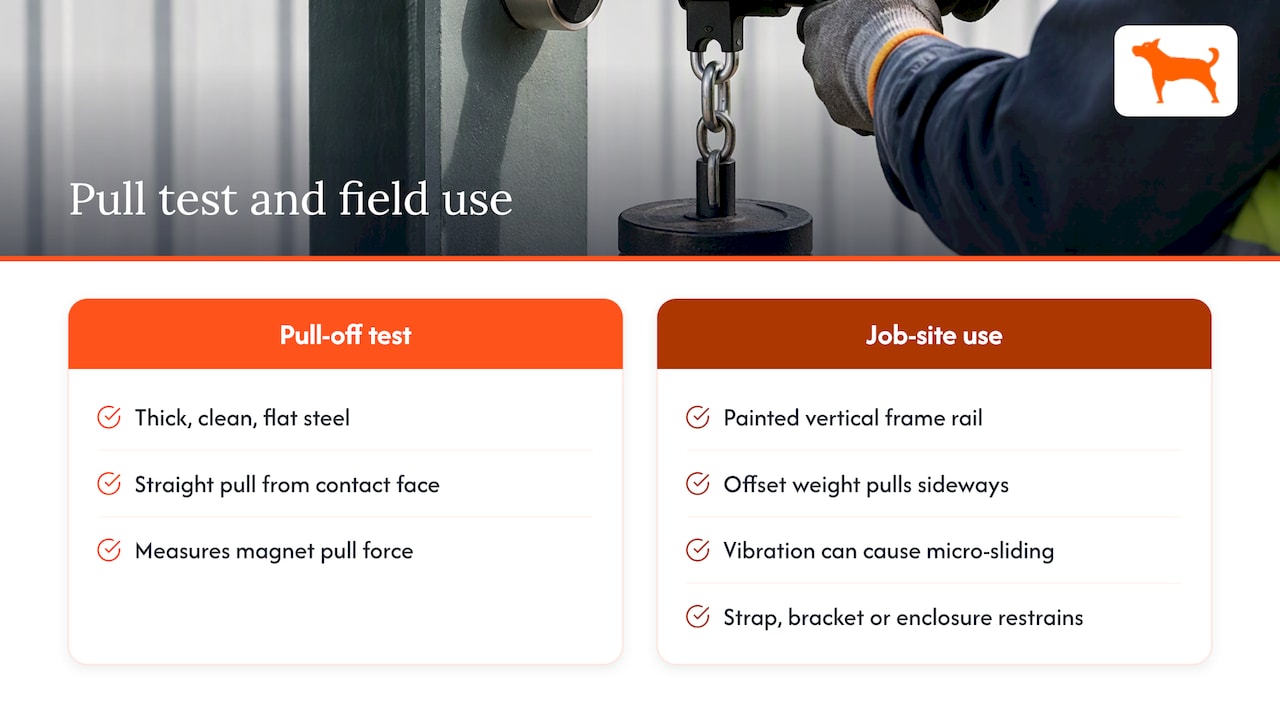
Spec sheets give a pull force, measured by pulling a magnet straight off a thick, clean, flat steel plate. A magnet that looks strong in that test can perform very differently on a painted vertical surface with vibration and a load offset from the contact face. Users often mix up pull force with operational holding force. On a vertical frame rail, the device’s weight pulls sideways across the magnet, and that is exactly where the rating collapses.
Vibration adds a second problem. A magnet can micro-slide, and over time that can polish the contact surfaces and reduce hold further. Engineers working on high-vibration machinery typically use a higher safety factor and mechanical anti-rotation features rather than rely on magnet pull alone. For a GPS tracker on an excavator or a compactor, that means a magnet should be a support method, with a strap, bracket or enclosure as the real restraint.
Where adhesive is the better choice
Adhesive gives you a uniform bond across the whole contact area. It does not care whether the substrate is steel, plastic or fiberglass, and its elasticity helps it ride out vibration. It is the better default when:
- the mounting surface is plastic, composite or fiberglass, such as a bumper cover, interior panel or fairing;
- the surface is curved, where a magnet’s flat face would rock;
- the device should stay for the life of the vehicle;
- you want to deter quick removal.
Adhesive is not one category, either. Structural tapes like VHB are engineered for rigid, static stability on dashboards and panels. Suction mounts on glass are for temporary use. Mixing these up is a common reason people say “adhesive failed.”
Prep and cure: where adhesive jobs succeed or fail

Surface preparation is the most critical factor in adhesive mounting. 3M’s guidance and its surface-prep sheet call for cleaning with a 50:50 mix of isopropyl alcohol and water to remove oil, grease and dust, with heavy oils needing a degreaser first. Firm pressure matters too: the target is around 15 psi to get the adhesive to make contact.
Then comes the cure. For VHB tape, bond strength reaches about 50% at 20 minutes, 90% at 24 hours and 100% at 72 hours. Practical takeaways for a service shop or yard:
- Clean the surface with the IPA and water mix and let it dry fully.
- Press the device down firmly and hold the pressure, rather than just placing it.
- Work in moderate temperatures when you can. Cold surfaces slow wet out.
- Do not put the asset into service immediately if the device is heavy or exposed to vibration. Give the bond a day, ideally three.
Skipping the cleaning step is the primary cause of field failures, not the tape itself.
Matching the mount to the asset
Pickups and service trucks
Inside the cab, adhesive on a flat plastic panel is usually cleaner and more durable than a magnet, because there is nothing ferrous to grab. Under the vehicle, a frame rail can take a magnet, though road salt, mud and rust build up fast. If you want a refresher on in-vehicle options, our guide to adding a tracker to a car covers placement choices.
Trailers
Steel trailers can accept a magnet on a flat frame section, but a trailer is a theft target, and a magnet that a thief can find by hand can also be pulled off by hand. Aluminum trailers need a different approach: adhesive on a non-metallic interior panel, or a bracketed install. See our notes on trailer tracking options for more.
Heavy equipment: excavators, loaders, skid steers, compactors
This is where magnets disappoint most often. Vibration, impact, mud and steel plating all work against them. Better practice:
- Use adhesive or fasteners on a non-metallic cover, a cab panel or a purpose-built compartment.
- If you use a magnet, add a secondary retention such as a strap or bracket.
- Avoid mounting near the engine or exhaust, since heat shortens battery life.
Rental fleets with fast turnaround
For rental companies, the real cost is the time between a return and the next dispatch. A hybrid works well: a permanent adhesive or fastened bracket location on each machine, with the tracker itself secured in a way you can still service on schedule. That gives you a consistent, known-good location per asset rather than improvising at each handoff.
The mistake that matters more than the mount: dead zones
Choosing magnet or adhesive is secondary if the tracker is in the wrong place. The most common error on heavy assets is “dead zone” mounting: placing the tracker inside a metal box or behind steel plating. Metal blocks signals, and engine heat shortens battery life, so the ideal spot is behind non-metallic panels such as plastic or fiberglass, away from engine heat, with a clear line to the sky.
This cuts against the magnetic option in an awkward way. The surfaces magnets love, thick steel, are often the ones that block signal. A magnet on the outside of a steel frame with the antenna facing the ground can leave the device with a weak fix. Orientation matters as much as attachment.
Windshield and dash mounting: know the rules
If the device goes on or near the windshield, regulation enters the picture. Federal rules in 49 CFR 393.60 restrict mounting devices where they obstruct the driver’s clear view. A California Highway Patrol bulletin describes the zones for safety technology devices on commercial vehicles: no more than 8.5 inches below the upper edge of the wiper sweep area or 7 inches above the lower edge, and outside the driver’s direct sightlines to signs and signals. California’s amended Vehicle Code Section 26708 took effect January 1, 2026. Other states differ, so check your state’s rules and your safety manager before putting any adhesive pad on glass.
One more safety point: strong magnets are hazardous if swallowed. Manufacturers such as Geotab warn in their quick start guide that magnets can cause serious injury or death if ingested, and that you should slide them apart rather than pull. Keep them out of reach of children and handle them carefully in the shop.
A quick decision guide
Ask these questions in order:
- Is the surface bare, flat ferrous steel? If no, choose adhesive or a bracket.
- Is there heavy vibration or side load? If yes, choose adhesive or fasteners, and use a magnet only as backup.
- Will the device move between assets? If yes, a magnet on a prepared steel spot is practical.
- Is theft the main concern? Choose a concealed, hard-to-remove mount. For more on this, read our piece on anti-theft GPS tracker features.
- Can the device see the sky? If not, move it before you worry about the mount.
Our perspective
We build our business on trackers with no monthly fees, so the question we hear from fleet managers is rarely “which gadget” but “where does it go, and will it still be there in a year?” The answer is almost always about placement and preparation rather than the product. A well-prepared adhesive mount on a plastic panel with sky access beats a strong magnet on a steel plate that blocks the signal.
Our view for contractors and rental operators: decide your standard mounting spot per asset type once, write it down, and train whoever installs. Consistency makes tracking data trustworthy, and trustworthy data is what makes mileage reports, idle time and geofence alerts worth acting on. Because there is no subscription attached, you can equip every machine that matters instead of choosing which ones justify a monthly bill.
— Louis
Where our trackers fit
If you are equipping a fleet or a rental yard, our GPS trackers start at $124.99, one-off, with no monthly fees. They give you real-time location, geofencing alerts, trip and mileage reporting, idle time tracking and multi-device management in a free app. For larger operations that want to connect tracking data to their own systems, we also offer API access. Pick your mounting method with the guidance above, then place the device where it has sky access and protection from heat.
FAQ
What are the disadvantages of a magnetic mount?
Magnets only grip ferrous metal, so they fail on aluminum, plastic and glass. Rust, paint and debris reduce contact, and side loads can cut holding force to a fraction of the rated pull. Under vibration they can slowly slide.
What does “adhesive mount” mean?
It is a mount that attaches with a bonding layer, usually double-sided tape or a pad, instead of a magnet, screws or suction. Structural tapes like VHB develop their strength over hours, so the surface must be cleaned and the device pressed firmly.
Is adhesive better than a suction cup?
For anything meant to stay in place, generally yes. Suction mounts are for temporary use on clean glass, while a properly cured adhesive bond is built for static stability and vibration. Check local rules before attaching anything to a windshield.
Can I combine a magnet and adhesive on one device?
Yes, and on heavy equipment it is often the sensible choice. Let the adhesive or a bracket carry the load, and treat the magnet as extra support or as a quick way to position the device during installation.
Sources
- Magnetic mount guide: choosing, mounting and upkeep
- How to calculate the required holding force for a magnetic mount
- 3M VHB tape technical data sheet
- 3M VHB tape bond strength and application guidance
- Surface preparation for 3M VHB tape applications
- How to mount BLE tags and GPS tags
- CHP bulletin on windshield-mounted commercial motor vehicle safety technology devices
- Geotab GO Anywhere quick start guide

