
How to start saving money
Lorem ipsum dolor sit amet, consectetur adipiscing elit lobortis arcu enim urna adipiscing praesent velit viverra sit semper lorem eu cursus vel hendrerit elementum morbi curabitur etiam nibh justo, lorem aliquet donec sed sit mi dignissim at ante massa mattis.
- Neque sodales ut etiam sit amet nisl purus non tellus orci ac auctor
- Adipiscing elit ut aliquam purus sit amet viverra suspendisse potent
- Mauris commodo quis imperdiet massa tincidunt nunc pulvinar
- Excepteur sint occaecat cupidatat non proident sunt in culpa qui officia
Why it is important to start saving
Vitae congue eu consequat ac felis placerat vestibulum lectus mauris ultrices cursus sit amet dictum sit amet justo donec enim diam porttitor lacus luctus accumsan tortor posuere praesent tristique magna sit amet purus gravida quis blandit turpis.

How much money should I save?
At risus viverra adipiscing at in tellus integer feugiat nisl pretium fusce id velit ut tortor sagittis orci a scelerisque purus semper eget at lectus urna duis convallis. porta nibh venenatis cras sed felis eget neque laoreet suspendisse interdum consectetur libero id faucibus nisl donec pretium vulputate sapien nec sagittis aliquam nunc lobortis mattis aliquam faucibus purus in.
- Neque sodales ut etiam sit amet nisl purus non tellus orci ac auctor
- Adipiscing elit ut aliquam purus sit amet viverra suspendisse potenti
- Mauris commodo quis imperdiet massa tincidunt nunc pulvinar
- Adipiscing elit ut aliquam purus sit amet viverra suspendisse potenti
What percentege of my income should go to savings?
Nisi quis eleifend quam adipiscing vitae aliquet bibendum enim facilisis gravida neque. Velit euismod in pellentesque massa placerat volutpat lacus laoreet non curabitur gravida odio aenean sed adipiscing diam donec adipiscing tristique risus. amet est placerat in egestas erat imperdiet sed euismod nisi.
“Nisi quis eleifend quam adipiscing vitae aliquet bibendum enim facilisis gravida neque velit euismod in pellentesque”
Do you have any comments? Share them with us on social media
Eget lorem dolor sed viverra ipsum nunc aliquet bibendum felis donec et odio pellentesque diam volutpat commodo sed egestas aliquam sem fringilla ut morbi tincidunt augue interdum velit euismod eu tincidunt tortor aliquam nulla facilisi aenean sed adipiscing diam donec adipiscing ut lectus arcu bibendum at varius vel pharetra nibh venenatis cras sed felis eget.
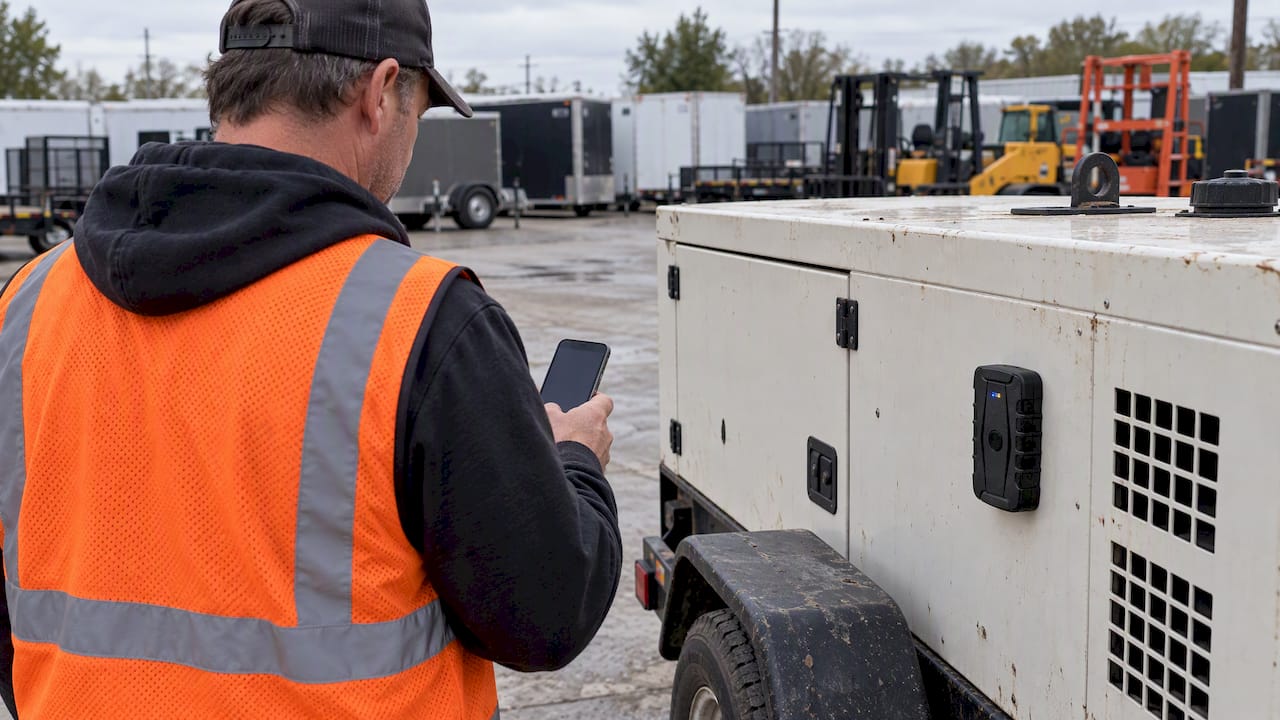
GPS can recover lost or stolen equipment, and the single most important action is to preserve the live location the moment you notice equipment is missing. Capture a screenshot or export of the tracker dashboard, then call police with exact coordinates and request a police report number. Law enforcement case studies from the Office of Justice Programs confirm that active GPS data, paired with prompt reporting through channels like the National Equipment Register, drives faster arrests and recoveries.
TL;DR:
- Save a screenshot or export of live coordinates and location history immediately, then provide police with exact coordinates and obtain a report number for NER.
- NER’s HELPtech theft report is free and requires no preregistration; submit the serial number or PIN, photos, owner contacts, and police report number.
- Prioritize on demand pings, hibernate mode, tamper alerts, and concealed mounting to maintain reporting during downtime and hinder removal by thieves.
- Do not approach a suspect; give officers live updates, proof of ownership, device identifiers, and a reachable contact while recovery timelines remain uncertain.
- Pilot trackers on high value mobile assets such as trailers or generators; use locked storage and visible decals for lower value or stationary equipment.
Table of Contents
- How GPS tracking enables recovery and why police rely on location data
- Key tracker features that increase the chance of recovery
- Immediate recovery checklist after equipment goes missing
- How to use NER and HELPtech reporting correctly
- What law enforcement needs to act on your GPS data
- How Moto Watchdog fits this recovery playbook
- Trackers versus operational controls: where to put your budget
- Get subscription-free tracking set up before you need it
- FAQ
- Sources
How GPS tracking enables recovery and why police rely on location data
A tracker’s value comes from two data types: real-time position and historical breadcrumb trails. Real-time data tells officers where equipment is right now; breadcrumb history shows where it traveled, which can reveal a suspect’s pattern or storage location. Geofence alerts and tamper notifications add another layer, flagging movement the moment equipment leaves an approved zone or gets disconnected.
Update rate matters more than most managers assume. A device pinging every 60 seconds in a dense urban area gives officers a far tighter search radius than one updating every 15 minutes, where equipment could change hands several times before the next fix. The Office of Justice Programs documents cases where GPS bait programs led to rapid arrests and property recoveries, supporting what departments call electronic stakeouts.
- Real-time location pinpoints current position; breadcrumb history reconstructs the route taken.
- Geofence and tamper alerts notify you the instant equipment moves outside permitted boundaries.
- Faster ping intervals shrink the search area and improve recovery odds in congested areas.
- Battery limits, indoor concealment, and GPS jammers can all delay or block a signal, which is worth planning around rather than ignoring.
Key tracker features that increase the chance of recovery
The right feature set turns a tracker from a passive record-keeper into an active recovery tool. Several specifications deserve priority when you are buying or deploying devices for high-value equipment.
- On-demand ping capability: lets you request an immediate location update rather than waiting for the next scheduled transmission.
- Hibernate or no-motion standby: extends battery life for weeks or months when equipment sits idle at a jobsite or in storage.
- Tamper and movement alerts: notify you the moment a device is disconnected, covered, or moved outside a geofence.
- Concealed or hidden mounting: keeps the tracker from being the first thing a thief removes.
- 4G connectivity: supports broader outdoor coverage, while Bluetooth or UWB options assist with short-range indoor location once officers are on scene.
- Visible decals as a deterrent: a lower-cost layer that can discourage opportunistic theft before it starts.
Pro Tip: Pair a hidden primary tracker with a visible decal on separate equipment. The decal deters casual theft while the hidden unit keeps working if a thief strips off anything obvious.
Cost structure matters too. Subscription-free, one-time-purchase devices avoid recurring fees that add up across a fleet of trailers, generators, or attachments, which is worth weighing against monthly-fee competitors when budgeting for a multi-unit deployment.
Immediate recovery checklist after equipment goes missing
Acting in the right order preserves evidence and keeps police focused on actionable leads instead of secondhand descriptions.
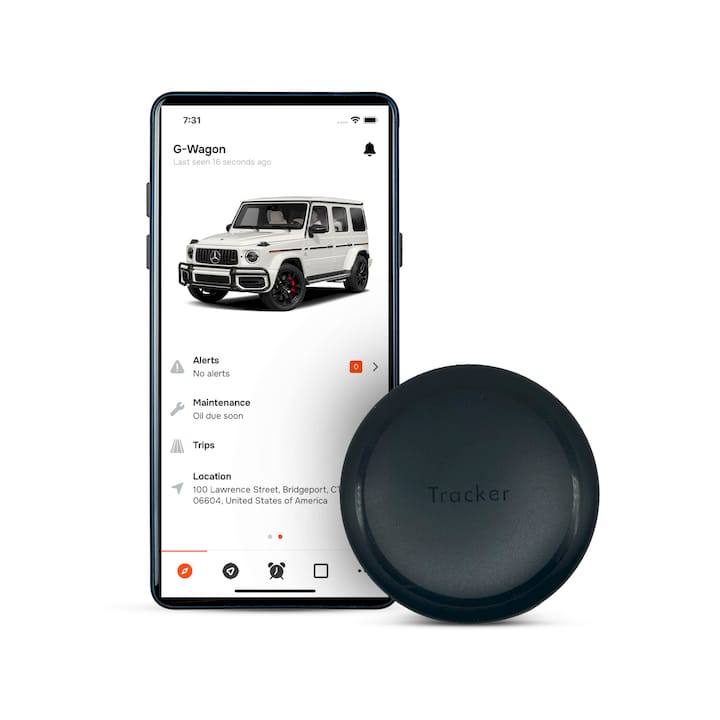
- Log into the tracker dashboard immediately and capture the live location, then export or screenshot the location history.
- Call local police, provide exact GPS coordinates, and request a police report number. This number is required for formal theft reporting through the National Equipment Register, since an incident without one can only be logged as ‘missing’ rather than ‘stolen,’ which limits how law enforcement prioritizes it.
- Do not attempt to recover the equipment yourself; provide continuous live updates to responding officers instead.
- Notify your insurance carrier and internal security team with serial numbers, photos, and the GPS record.
- Submit a theft report to NER’s HELPtech database and ask about broadcast alerts to regional law enforcement and rental networks.
- Preserve every communication, timestamp, and export in one file for insurance claims and potential prosecution.
A police report number is a prerequisite for NER to classify equipment as stolen rather than missing, which directly affects how quickly law enforcement treats the case as a priority.
How to use NER and HELPtech reporting correctly
The National Equipment Register maintains HELPtech, a database law enforcement nationwide uses to identify and recover stolen machinery. Reporting is free, and you do not need to have pre-registered equipment to file a theft report, though pre-registration speeds the process considerably.
- Submit make, model, serial number or PIN, and any owner-applied number at the time of reporting.
- Include photos, a police report number, and current owner contact details.
- File by phone or online for urgent cases rather than waiting on a standard form.
- An accurate, complete HELPtech report raises the case’s visibility to officers and rental networks searching for matching equipment, since NER’s reporting system is built around that nationwide search.
What law enforcement needs to act on your GPS data
Officers responding to a GPS lead need specific information before they can move efficiently. A police report number, proof of ownership, device identifiers, and precise coordinates are the baseline requirements most departments expect.
- Departments like the Sacramento Police Department formalize how dispatchers and officers handle GPS activations, including consent requirements when private property is involved.
- Features like hibernate mode, on-demand ping, and radio-frequency homing help officers locate concealed devices indoors once they arrive at a general area.
- Never approach or confront a suspect yourself; your role is to supply data and stay reachable for follow-up questions.
- Recovery timelines vary with officer workload and case priority, so treat a fast resolution as a possibility, not a guarantee.
Pro Tip: Keep proof of ownership and device IDs in a shared folder your whole team can access, so whoever answers the call can hand officers everything they need in minutes.
How Moto Watchdog fits this recovery playbook
Our trackers are designed to support key priorities: subscription-free 4G tracking with included data, long battery life, customizable geofencing and alerts, and trip and mileage reporting that organizes records ahead of need. Each feature maps directly to the steps above.
- Quick dashboard access allows pulling a live location and exporting history within seconds of noticing equipment is gone.
- Long standby battery life helps devices keep reporting through extended periods of jobsite downtime or storage between projects.
- Geofence and tamper alerts notify the moment equipment leaves an authorized zone, often before it would otherwise be noticed missing.
- Many businesses rely on this tracking for daily fleet and asset monitoring, with customers citing straightforward setup and consistent accuracy.
Whichever device you choose, the police report and NER reporting steps above remain the same. GPS data only becomes actionable once it reaches the right hands quickly.
Trackers versus operational controls: where to put your budget
Trackers earn their cost fastest on high-value, mobile assets that spend long stretches offsite: trailers, generators, skid steers, attachments. Lower-value or stationary items are often better served by locked storage, employee vetting, and visible decals as a deterrent layer. A practical approach is to pilot trackers on your most expensive or most frequently relocated equipment, confirm the workflow holds up during a real incident, then expand coverage once your team is comfortable with the dashboard and reporting steps.
— Louis
Get subscription-free tracking set up before you need it
Fast dashboard access and long standby battery life only help if the tracker is already installed and reporting when equipment disappears. Our subscription-free trackers include lifetime 4G data, customizable geofencing, and mileage reporting with no recurring fees, so you can equip an entire fleet of trailers or machines without a growing monthly bill.
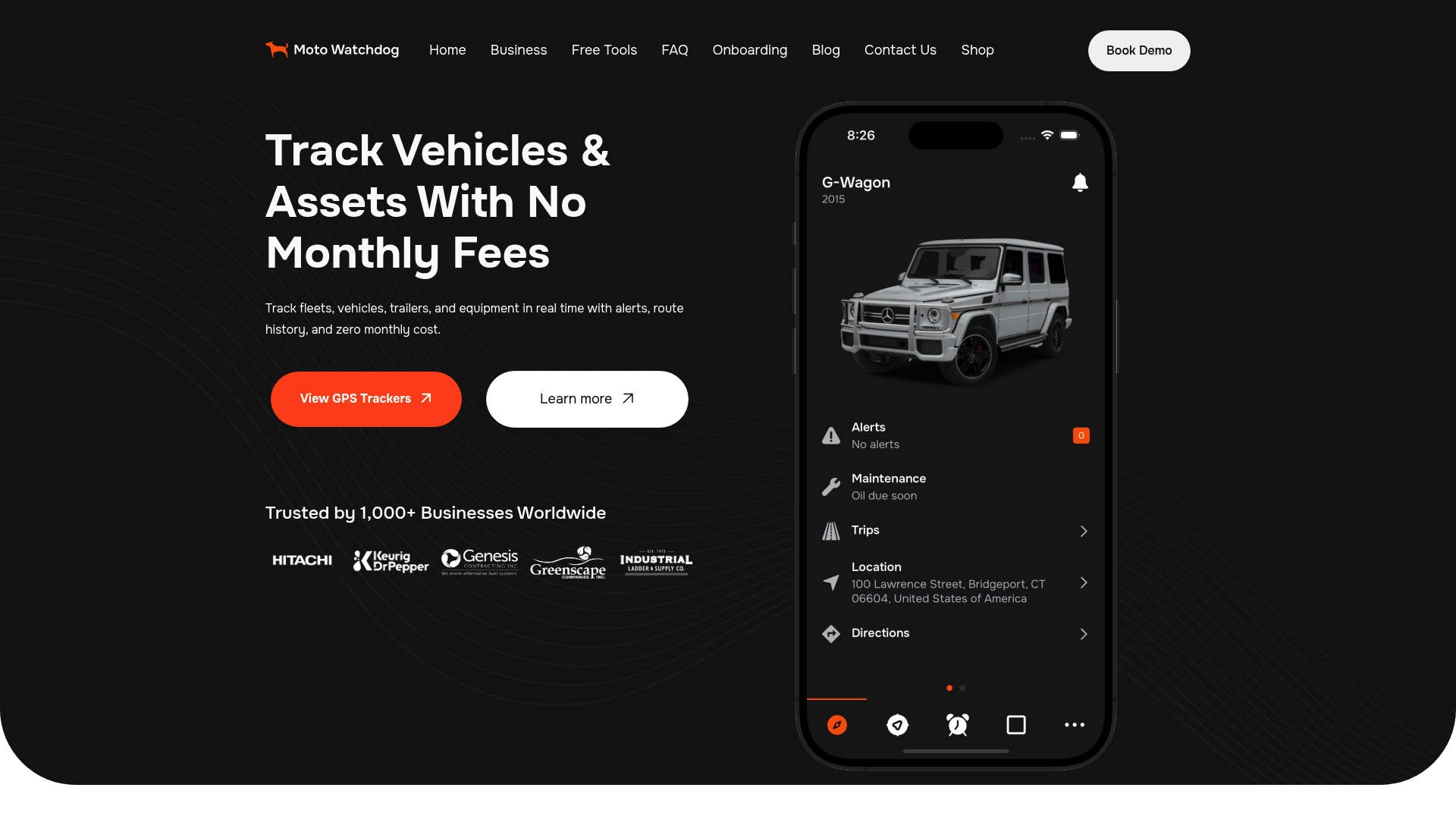
- Browse trackers built for fleets and equipment and compare device options for your assets.
- Visit our business page to ask about API access and fleet-scale deployments.
- Reach out to our sales team the same day you inquire, since we reply without a drawn-out sales sequence.
Get a tracker installed on your highest-value equipment this week, and have the NER and police reporting steps ready before you ever need them.
FAQ
Can GPS actually help recover stolen equipment?
GPS often leads to recovery when the device is active and its data is preserved and shared quickly with police. Case studies from the Office of Justice Programs document arrests and recoveries following GPS activations, though battery life and indoor concealment can limit results.
What should I do first if equipment goes missing?
Log into your tracker dashboard, capture the live location and history, then call police and provide exact coordinates. Request a police report number right away, since NER requires one to classify the case as a theft rather than a missing-item report.
What is NER and do I need to register equipment first?
NER (National Equipment Register) maintains HELPtech, a database law enforcement uses nationwide to identify stolen machinery, and reporting a theft is free whether or not the equipment was pre-registered beforehand. Pre-registration speeds the process but is not required to file a report.
How much do GPS trackers for equipment cost?
Our trackers start from $124.99 as a one-time purchase with no monthly subscription fees. That removes the recurring cost that typically adds up when outfitting multiple pieces of equipment across a fleet.
What features matter most for recovering stolen equipment?
Prioritize on-demand ping capability, hibernate mode for extended battery life, tamper alerts, and concealed mounting options. These features keep a device reporting through long idle periods and make it harder for a thief to disable before authorities arrive.
Sources
- REPORT a theft - National Equipment Register (NER)
- Using GPS technology to investigate crime trends | Office of Justice Programs
- GO 531.03 - GPS Equipped Property (Sacramento Police Department policy)

