How to start saving money
Lorem ipsum dolor sit amet, consectetur adipiscing elit lobortis arcu enim urna adipiscing praesent velit viverra sit semper lorem eu cursus vel hendrerit elementum morbi curabitur etiam nibh justo, lorem aliquet donec sed sit mi dignissim at ante massa mattis.
- Neque sodales ut etiam sit amet nisl purus non tellus orci ac auctor
- Adipiscing elit ut aliquam purus sit amet viverra suspendisse potent
- Mauris commodo quis imperdiet massa tincidunt nunc pulvinar
- Excepteur sint occaecat cupidatat non proident sunt in culpa qui officia
Why it is important to start saving
Vitae congue eu consequat ac felis placerat vestibulum lectus mauris ultrices cursus sit amet dictum sit amet justo donec enim diam porttitor lacus luctus accumsan tortor posuere praesent tristique magna sit amet purus gravida quis blandit turpis.

How much money should I save?
At risus viverra adipiscing at in tellus integer feugiat nisl pretium fusce id velit ut tortor sagittis orci a scelerisque purus semper eget at lectus urna duis convallis. porta nibh venenatis cras sed felis eget neque laoreet suspendisse interdum consectetur libero id faucibus nisl donec pretium vulputate sapien nec sagittis aliquam nunc lobortis mattis aliquam faucibus purus in.
- Neque sodales ut etiam sit amet nisl purus non tellus orci ac auctor
- Adipiscing elit ut aliquam purus sit amet viverra suspendisse potenti
- Mauris commodo quis imperdiet massa tincidunt nunc pulvinar
- Adipiscing elit ut aliquam purus sit amet viverra suspendisse potenti
What percentege of my income should go to savings?
Nisi quis eleifend quam adipiscing vitae aliquet bibendum enim facilisis gravida neque. Velit euismod in pellentesque massa placerat volutpat lacus laoreet non curabitur gravida odio aenean sed adipiscing diam donec adipiscing tristique risus. amet est placerat in egestas erat imperdiet sed euismod nisi.
“Nisi quis eleifend quam adipiscing vitae aliquet bibendum enim facilisis gravida neque velit euismod in pellentesque”
Do you have any comments? Share them with us on social media
Eget lorem dolor sed viverra ipsum nunc aliquet bibendum felis donec et odio pellentesque diam volutpat commodo sed egestas aliquam sem fringilla ut morbi tincidunt augue interdum velit euismod eu tincidunt tortor aliquam nulla facilisi aenean sed adipiscing diam donec adipiscing ut lectus arcu bibendum at varius vel pharetra nibh venenatis cras sed felis eget.
Expect to pay $20 to $250 for the device itself and, if you choose a subscription model, another $5 to $25 per month per unit. Update frequency and power source drive most of that spread: a tracker pinging every few seconds on cellular data costs far more to run than one checking in hourly. Sticker price tells you almost nothing on its own. What actually matters is total cost of ownership over one to three years, once you add subscriptions, installation, and battery replacement to the math.
TL;DR:
- Subscription costs significantly outweigh hardware expenses over three years, especially when increasing update frequency or utilizing satellite connectivity.
- Battery-powered portable GPS units with longer battery life and rugged casings push costs toward the higher end of the $20 to $250 range.
- Buying a subscription-free GPS device can dramatically reduce total ownership costs, especially for assets with low update needs or when tracking is infrequent.
- Multi-year contracts and vague data-overage policies can lead to hidden charges that inflate overall expenses and reduce flexibility.
- Hardwired and satellite trackers are best suited for hidden or remote asset tracking, but they come with higher upfront hardware costs and installation fees.
Table of Contents
- How Much Does a GPS Tracker Cost by Type?
- What Makes Up Your Total GPS Tracking Cost?
- What Does GPS Tracking Actually Cost Over One and Three Years?
- How Do You Choose the Right GPS Tracker Without Overpaying?
- What Installation and Maintenance Costs Should You Budget For?
- Why a Subscription-Free Model Changes the TCO Math
- When Is Paying More Upfront Actually Worth It?
- Get a GPS Tracker Without the Recurring Bill
- Sources
How Much Does a GPS Tracker Cost by Type?
Tracker category determines price range more than brand or features list. Here’s what you’ll actually pay across the five common types on the market.
- Bluetooth/UWB consumer tags (like Apple AirTag) run about $29 with no monthly fee. They work well for wallets, backpacks, and bikes parked in range of other Apple devices, but they rely on crowd-sourced Bluetooth pings rather than true GPS, so they fail for remote job sites or stolen vehicles.
- OBD-II/plug-in trackers plug into a vehicle’s diagnostic port, drawing power from the car itself. They land in the lower-to-middle price range and skip installation labor entirely, but only work in vehicles with an accessible OBD-II port, ruling out trailers and most equipment.
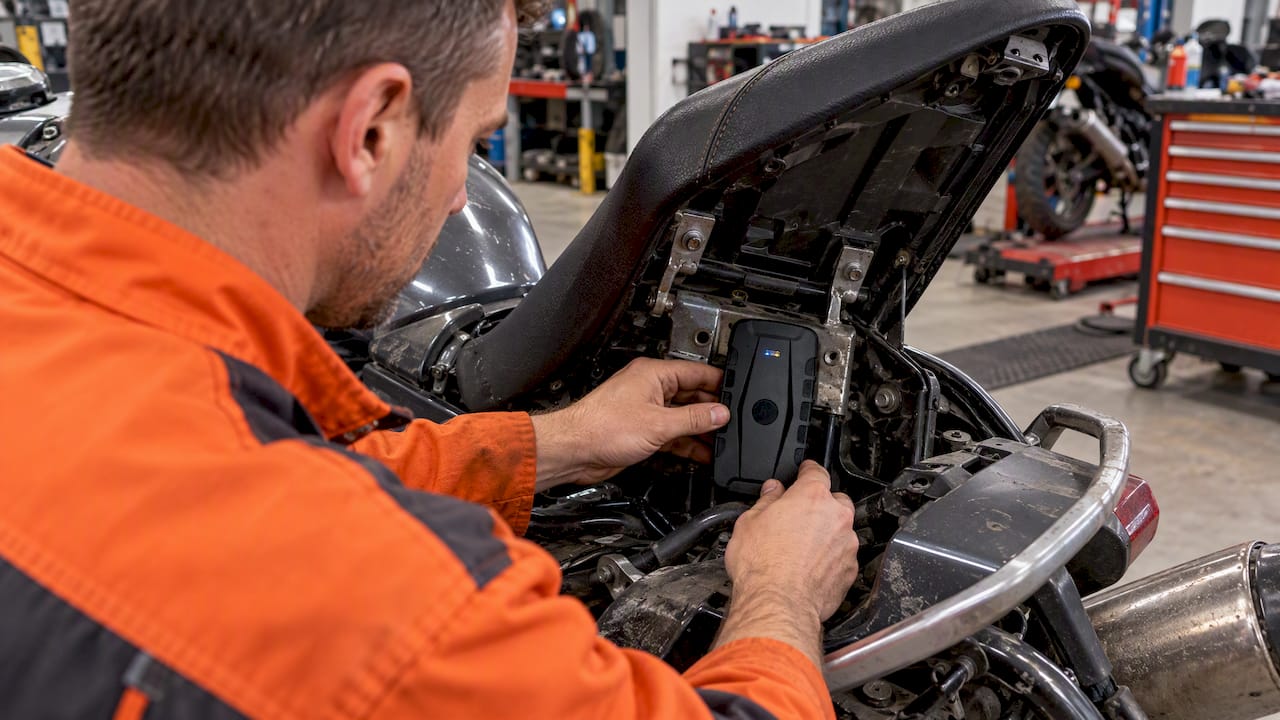
- Hardwired units cost $75 to $300 for hardware because they include sealed wiring harnesses and tamper resistance. The higher device cost pays off on fleet vehicles that need to stay hidden and permanently powered.
- Satellite trackers sit at the top of the price scale, justified only when assets travel outside cellular coverage: remote construction sites, off-road equipment, or cross-border freight.
What Makes Up Your Total GPS Tracking Cost?
Every GPS tracking quote breaks down into three components, and understanding each one lets you compare vendors on equal footing instead of getting fooled by a low headline price.
- Hardware. Battery capacity, motion sensors, ruggedized casing, and satellite versus cellular radios all add cost. A basic cellular tracker might run $20 to $100, while a sealed, tamper-resistant unit with a multi-year battery climbs toward $250 or higher.
- Subscription/software. Real-time trackers need cellular data to transmit location, and monthly plans commonly run $5 to $25 per device. Ping rate is the single biggest lever here: a tracker reporting every few seconds burns dramatically more data than one checking in hourly, and satellite connectivity or advanced analytics dashboards push fees toward the top of that range or beyond.
- Hidden fees. Activation charges, installation labor, data overages, and per-user seat fees can quietly double what looked like an affordable plan. Multi-year contract lock-ins are especially common with subscription vendors trying to guarantee recurring revenue.
Quick fact: Real-time cellular tracking plans typically cost $5 to $25 per month per device, and that number rises fastest when you increase how often the device reports its position rather than when you add hardware features.
What Does GPS Tracking Actually Cost Over One and Three Years?
Sticker price rarely tells the real story. Run the numbers across a realistic timeline and the picture changes for each use case below.
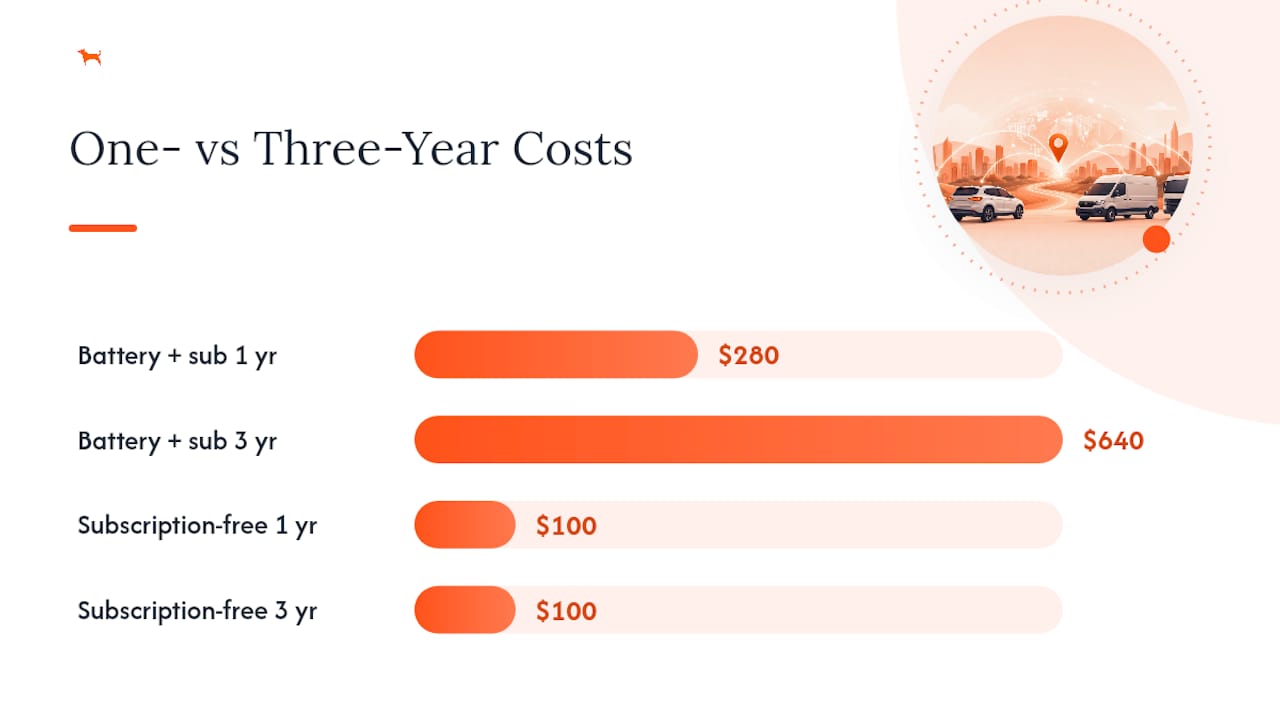
Single personal vehicle. A mid-range battery GPS tracker at roughly $100 paired with a $15/month subscription totals $280 in year one and $640 over three years, assuming no plan changes or hardware failures. Swap in a subscription-free device and that three-year number drops to just the upfront hardware cost.
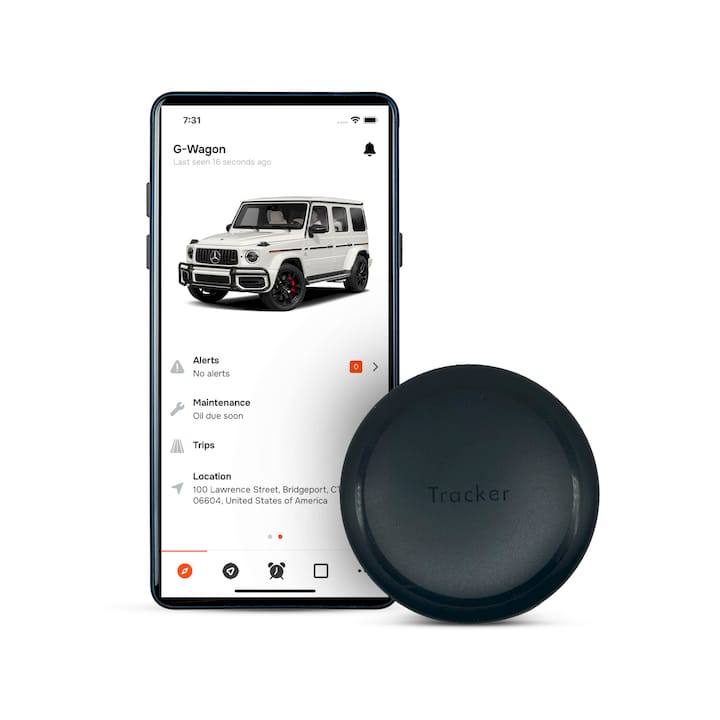
Trailer or equipment tracker. Trailers sit idle for long stretches, so lower ping rates and long-life batteries matter more than raw speed. A hardwired unit with an hourly update plan and a moderate subscription level costs several hundred dollars over multiple years., with battery replacement adding a modest recurring cost on non-hardwired models.
Small fleet (five vehicles). Volume often earns a discount on the subscription side, but per-unit fees and account-level charges still add up. For a small fleet, hardware and subscription costs combined can reach low thousands of dollars over one to three years before installation fees.
- Swap your own device price and ping-rate assumptions into these formulas to get numbers specific to your fleet.
- The gap between one-year and three-year totals is almost entirely subscription math, not hardware.
How Do You Choose the Right GPS Tracker Without Overpaying?
Match features to your actual reporting needs before comparing prices, because paying for capabilities you’ll never use is the fastest way to inflate total cost of ownership.
Run through this checklist before requesting quotes: How often do you actually need location updates: every few seconds, every few minutes, or hourly? Does the asset stay within cellular coverage, or does it need satellite backup? Do you need mileage and trip reporting for tax or client billing purposes? How many user seats does your team actually need access for?
When you talk to a vendor, ask directly: What’s the activation fee, and is it waived on bulk orders? Who owns the location data, and can you export it? Is there an API for integrating with existing fleet software? What are the exact terms for canceling or downgrading a plan?
| Red flag | Why it matters |
|---|---|
| Multi-year contract with no early exit | Locks you into fees even if the device fails or your needs change |
| Vague data-overage pricing | Ping rate assumptions vary by vendor, so your real bill may exceed the quote |
| No published warranty terms | Signals the company expects you to absorb hardware failure costs |
| Per-seat fees that scale non-linearly | Small fleets can end up paying enterprise-level account fees |
Pro Tip: Ask every vendor for a data-usage profile tied to your specific ping rate before signing anything. Two companies quoting “$10 a month” can mean wildly different numbers once you specify how often the device reports.
What Installation and Maintenance Costs Should You Budget For?
Hardware and subscription fees only tell part of the story. Installation and upkeep often decide whether a tracker stays affordable past year one.
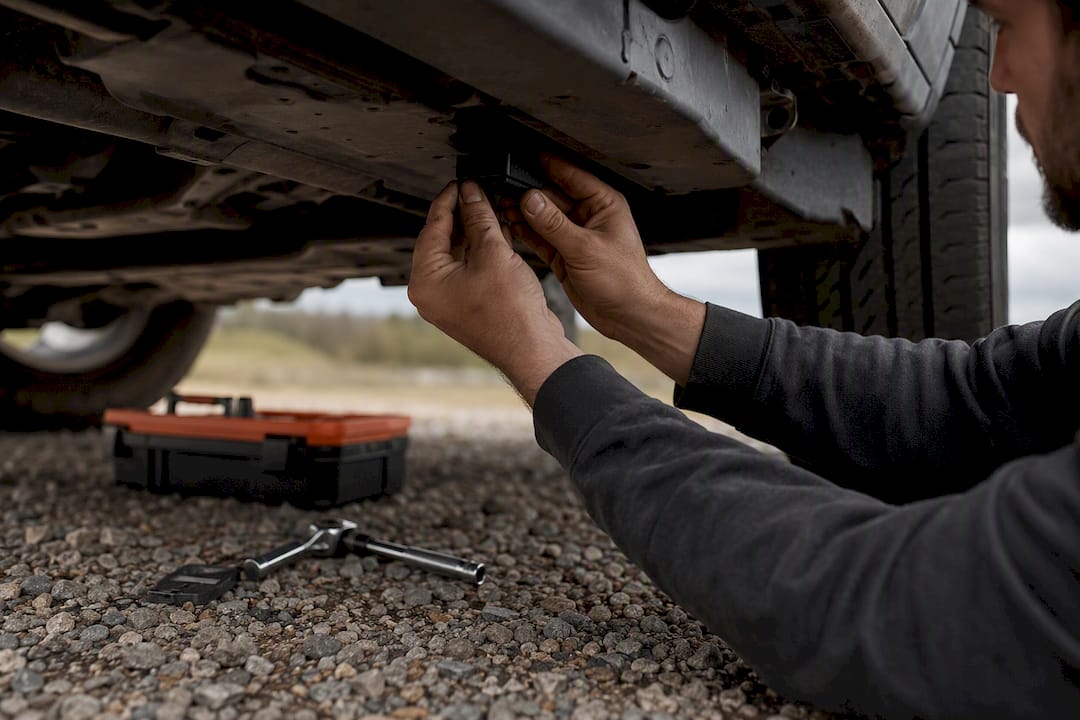
OBD-II and battery-powered units are DIY-friendly, no tools required beyond a few minutes of setup. Hardwired trackers on trailers or fleet vehicles usually need a professional, and installation typically adds $100 to $300 per asset once you include wiring and labor.
- Battery replacement cycles matter more at fleet scale: swapping batteries across ten units even once a year adds real labor hours to your operations budget.
- Firmware updates and RMAs are rarely dramatic individually, but device lifecycle management across dozens of units often becomes a bigger recurring cost than any monthly subscription fee.
- Budget for a small percentage of hardware replacement each year rather than assuming every unit lasts indefinitely.
Why a Subscription-Free Model Changes the TCO Math
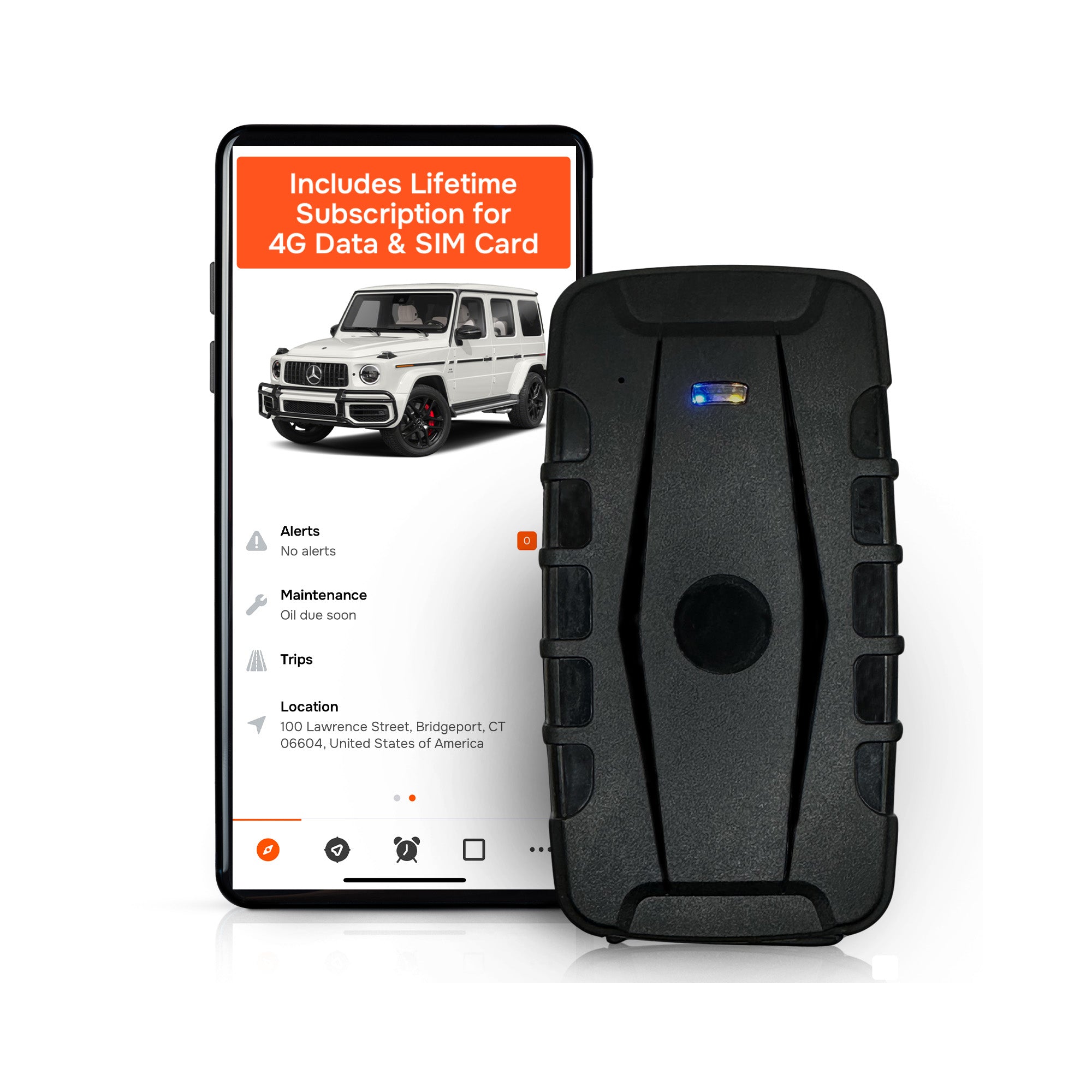
Moto Watchdog sells GPS tracking devices with no monthly fee, built-in geofencing, mileage reporting, and long battery life. Run the fleet example above without a $12/month per-unit subscription and the three-year total for five vehicles drops from roughly $2,760 to just the hardware cost, since removing recurring fees materially lowers multi-year TCO when the device already covers your reporting needs.
When Is Paying More Upfront Actually Worth It?
Higher hardware cost pays off when it buys reliability you’d otherwise chase with manual maintenance. A sealed, hardwired unit with a durable battery reduces the odds of a dead tracker exactly when you need recovery data most.
The real trade-off isn’t hardware versus subscription. It’s upfront durability versus ongoing labor. Run your own trip and mileage assumptions through the TCO math above before deciding, because your ping-rate needs will change the answer more than any brand name will.
— Louis
Get a GPS Tracker Without the Recurring Bill
Every example above shows the same pattern: subscription fees, not hardware, drive most of the three-year cost gap. Motowatchdog sells GPS tracking devices built around that math, with no monthly fee, geofencing alerts, long battery life, and mileage reporting included in the one-time purchase price. That fits the checklist from earlier almost exactly: personal vehicle owners who want peace of mind without a recurring charge, contractors tracking trailers and equipment across job sites, and small fleet owners who’d rather pay once than manage per-seat billing every month.
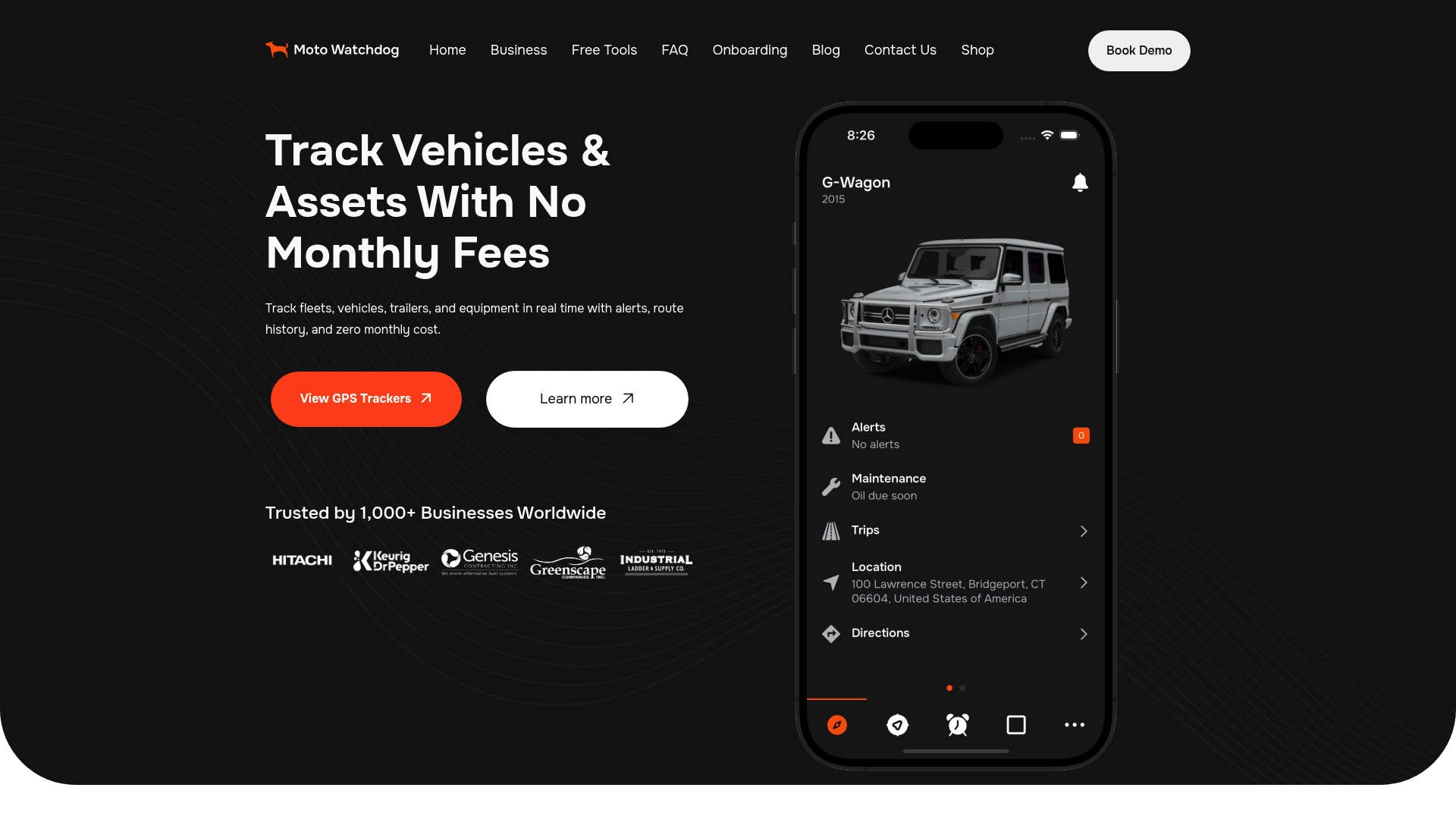
If your use case matches hourly or on-demand location checks rather than second-by-second live tracking, a subscription-free device likely covers your needs at a lower three-year total than anything billed monthly. Check device options and pricing on the Moto Watchdog product page and run your own numbers against the fleet example above before you buy.
Sources
- GPS Asset Tracker Pricing: What You Pay in 2026
- Best GPS trackers tested — Car and Driver
- AirTag 2 vs GPS Tracker: Which One Should You Buy?