How to start saving money
Lorem ipsum dolor sit amet, consectetur adipiscing elit lobortis arcu enim urna adipiscing praesent velit viverra sit semper lorem eu cursus vel hendrerit elementum morbi curabitur etiam nibh justo, lorem aliquet donec sed sit mi dignissim at ante massa mattis.
- Neque sodales ut etiam sit amet nisl purus non tellus orci ac auctor
- Adipiscing elit ut aliquam purus sit amet viverra suspendisse potent
- Mauris commodo quis imperdiet massa tincidunt nunc pulvinar
- Excepteur sint occaecat cupidatat non proident sunt in culpa qui officia
Why it is important to start saving
Vitae congue eu consequat ac felis placerat vestibulum lectus mauris ultrices cursus sit amet dictum sit amet justo donec enim diam porttitor lacus luctus accumsan tortor posuere praesent tristique magna sit amet purus gravida quis blandit turpis.

How much money should I save?
At risus viverra adipiscing at in tellus integer feugiat nisl pretium fusce id velit ut tortor sagittis orci a scelerisque purus semper eget at lectus urna duis convallis. porta nibh venenatis cras sed felis eget neque laoreet suspendisse interdum consectetur libero id faucibus nisl donec pretium vulputate sapien nec sagittis aliquam nunc lobortis mattis aliquam faucibus purus in.
- Neque sodales ut etiam sit amet nisl purus non tellus orci ac auctor
- Adipiscing elit ut aliquam purus sit amet viverra suspendisse potenti
- Mauris commodo quis imperdiet massa tincidunt nunc pulvinar
- Adipiscing elit ut aliquam purus sit amet viverra suspendisse potenti
What percentege of my income should go to savings?
Nisi quis eleifend quam adipiscing vitae aliquet bibendum enim facilisis gravida neque. Velit euismod in pellentesque massa placerat volutpat lacus laoreet non curabitur gravida odio aenean sed adipiscing diam donec adipiscing tristique risus. amet est placerat in egestas erat imperdiet sed euismod nisi.
“Nisi quis eleifend quam adipiscing vitae aliquet bibendum enim facilisis gravida neque velit euismod in pellentesque”
Do you have any comments? Share them with us on social media
Eget lorem dolor sed viverra ipsum nunc aliquet bibendum felis donec et odio pellentesque diam volutpat commodo sed egestas aliquam sem fringilla ut morbi tincidunt augue interdum velit euismod eu tincidunt tortor aliquam nulla facilisi aenean sed adipiscing diam donec adipiscing ut lectus arcu bibendum at varius vel pharetra nibh venenatis cras sed felis eget.
Geofence theft alerts notify a fleet or asset manager the moment a vehicle, trailer, or piece of equipment crosses a boundary it shouldn’t, typically within seconds to a few minutes of the event. Detection alone doesn’t stop theft. What actually recovers stolen assets is pairing that alert with a fast, pre-built escalation workflow during the first 15 to 30 minutes after the breach. Subscription-free platforms build customizable geofence alerts around exactly that window.
TL;DR:
- Using polygon fences instead of radius ones reduces false alarms by following irregular boundaries like jobsite perimeters, increasing detection accuracy.
- Speeding up alert reporting with more frequent location pings, such as every five minutes, significantly improves theft response times and asset recovery chances.
- Establishing a small, trained response team with clear escalation procedures and regular simulated breaches enhances alert accountability and effective asset recovery.
- Immediate actions within the first 15 minutes of a breach, including confirming movement and notifying authorities, are critical to preventing asset loss.
- Subscription-free systems with long battery life and built-in mileage reporting allow cost-effective, scalable theft alert coverage without recurring fees.
Table of Contents
- What Are Geofence Theft Alerts?
- How Geofence Detection Actually Works
- Where Geofence Alerts Actually Prevent Theft
- Setting Up Geofences That Actually Work
- What to Do in the First 30 Minutes After a Breach
- A Real-World Example: Subscription-Free Geofence Monitoring
- What Geofence Theft Alert Systems Actually Cost
- Why Response Design Beats Alert Volume
- Get Geofence Alerts Running Without a Monthly Bill
- Sources
- FAQ
What Are Geofence Theft Alerts?
A geofence theft alert fires when a tracked asset crosses a virtual boundary drawn on a map, without authorization to do so. The system evaluates GPS or cellular location data against that boundary continuously, then triggers a notification the moment a rule is broken.
Three components drive every geofence alert:
- Zone type: a radius fence (a simple circle around a point) or a polygon fence that follows a jobsite’s actual perimeter, fence line, or parking lot shape.
- Trigger event: entry, exit, or dwell time inside a zone beyond a set threshold.
- Delivery channel: push notification, SMS, email, or an API webhook into a dispatch system.
Polygon fences generally outperform radius fences for theft detection because they hug irregular boundaries instead of bleeding over into a public road or neighboring lot, which is where most radius geofence false alarms originate. Reporting interval matters just as much as geometry. A device pinging every 30 seconds catches a breach far faster than one pinging every 15 minutes, but faster reporting drains battery quicker, so the tradeoff between alert speed and device runtime shapes every deployment decision.
How Geofence Detection Actually Works
Every geofence theft alert follows the same basic chain, whether the device costs $50 or $500:
- The tracker sends a location ping over cellular or satellite network.
- The platform’s server checks that coordinate against every active geofence assigned to the device.
- A rule engine evaluates whether the crossing violates a time-based or status-based condition (for example, “alert only if outside 7 a.m. to 5 p.m.”).
- If the rule is violated, the platform pushes an alert to the assigned recipient list.
Latency creeps in at two points: the gap between pings and the time the network takes to relay data. A device on a five-minute reporting cycle can leave a five-minute blind window before anyone even sees the crossing. Combining location data with other telemetry, ignition status, speed, door sensors, or a power-disconnect signal, cuts down on noise substantially. Geofencing paired with connected telemetry filters out a legitimate operator moving equipment during shift hours from an unauthorized tow at 2 a.m., which is the distinction that actually matters for a theft alert to be useful rather than annoying.
Where Geofence Alerts Actually Prevent Theft
Vehicle and equipment theft has been climbing, and the National Insurance Crime Bureau tracks that trend closely enough to make rapid detection a standing priority for anyone running a fleet or jobsite. Geofence alerts earn their keep in a handful of specific, high-value scenarios:
- Construction jobsites: a tight polygon fence around an active site flags any excavator, skid steer, or trailer that exits after the crew leaves for the day.
- Depots and trailer yards: correlating a geofence exit with engine or ignition status catches an unauthorized tow, since a trailer moving without a connected tractor is an immediate red flag.
- En-route protection: corridor geofences drawn along an expected haul route flag a driver or vehicle deviating from the planned path, which can signal hijacking or diversion.
- Billing and insurance documentation: the same location logs that trigger theft alerts double as proof-of-service records and supporting evidence for insurance claims.
Fleet operators running dozens of trailers report that tow-detection alerts alone justify the deployment cost, since a single recovered trailer often exceeds a year of hardware and monitoring expense.
Setting Up Geofences That Actually Work
Most geofence programs fail from bad tuning, not bad technology. Follow this sequence when building or auditing a fence network:
- Draw fences tight around active zones. A polygon that matches the actual jobsite or lot boundary detects a breach in seconds; a loose radius fence covering half a city block detects it after the thief is already gone.
- Layer time-based rules. Set work-hour crossings to log silently and after-hours crossings to trigger a real-time alert. This single change eliminates most of the noise that causes teams to ignore alerts altogether.
- Route high-priority alerts to a small, named response team. Two or three accountable people with a clear escalation timer beat a distribution list of twenty people who assume someone else will act.
- Test with simulated breaches quarterly. Running a mock breach confirms the alert actually reaches the right person, on the right device, in the right amount of time, before a real theft exposes the gap.
Pro Tip: Assign one person as the “first responder” for after-hours alerts, not a whole team. When everyone owns an alert, nobody actually opens it.
What to Do in the First 30 Minutes After a Breach
Speed in the first half hour determines whether an asset comes back or disappears into a resale pipeline. Here’s the sequence that matters:
- Minute 0 to 5: Acknowledge the alert, pull up the live GPS breadcrumb trail, and confirm the asset is actually moving rather than sitting still from a signal glitch.
- Minute 5 to 15: Escalate to a dispatcher or security contact, call local police with a prepared data packet (VIN or serial number, last known coordinates, direction of travel, device ID), and start continuous location logging so the trail isn’t lost.
- Minute 15 to 30: Preserve the full telemetry export for the insurer’s claim packet, and evaluate whether remote immobilization is appropriate, checking company policy and applicable law before disabling equipment remotely.
Vendor case studies on geofencing paired with immediate response consistently show that recovery odds drop sharply once a stolen asset clears the first few miles, which is exactly why the response ladder needs to exist on paper before the first real alert ever fires, not improvised in the moment.
A Real-World Example: Subscription-Free Geofence Monitoring
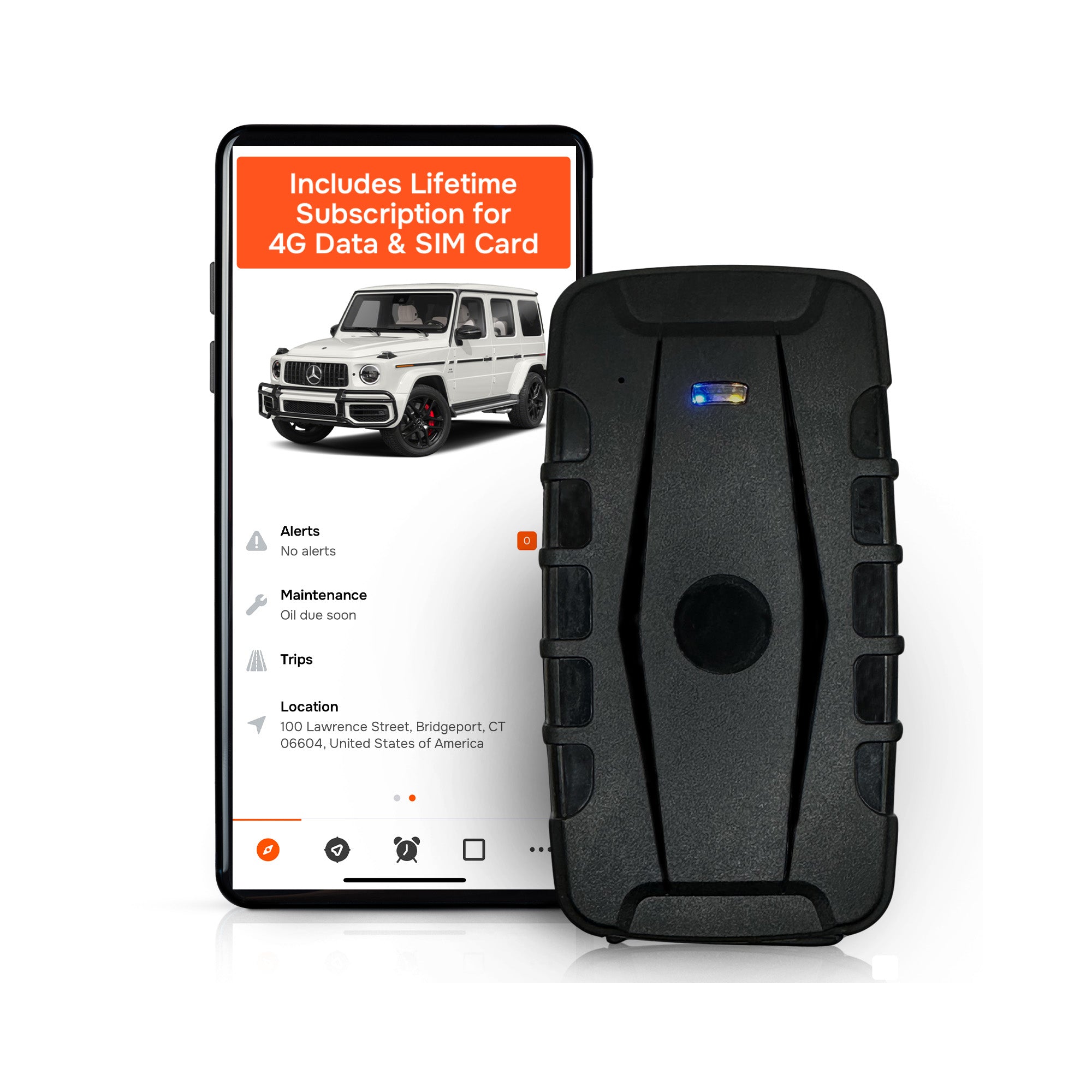
A working geofence alert system can operate without a monthly fee attached. The platform’s tracking devices pair customizable geofence alerts with long battery life, which matters directly for reporting cadence on equipment that sits unpowered for weeks between jobs.
A few things stand out about how subscription-free changes the math:
- Lower ongoing cost means a rental company or small contractor can afford to tag ten or fifty trailers instead of rationing devices to only the highest-value assets.
- Lifetime data included with the device removes the monthly-fee creep that causes many fleets to quietly deactivate tracking on older equipment.
- Mileage and trip reporting built into the same device doubles as documentation for insurance and billing, not just theft response.
- Customers cite straightforward setup and dependable alert delivery as the main reasons the system stays in active use instead of getting ignored after the first month.
What Geofence Theft Alert Systems Actually Cost
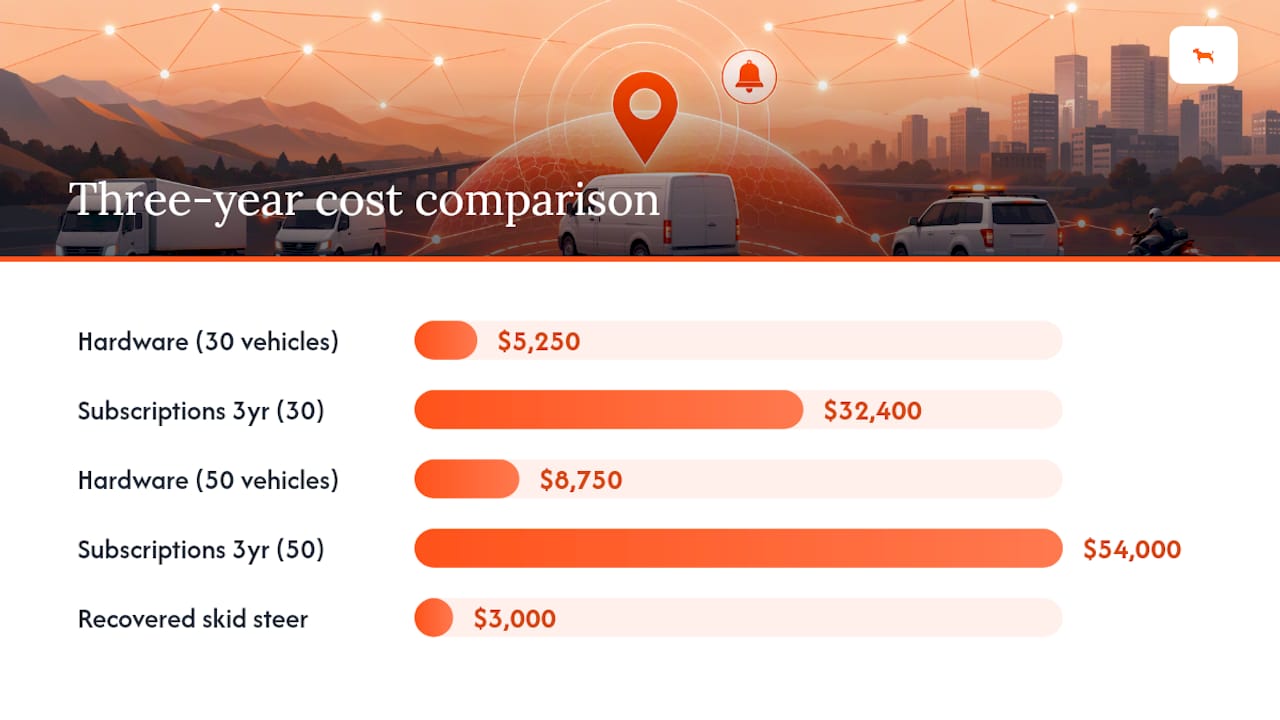
Hardware is a one-time purchase in most subscription-free systems, typically in the range of $100 to $250 per device depending on battery life, cellular capability, and ruggedization. That upfront number, though, is only half the real cost equation.
The bigger variable is recurring fees. Traditional fleet telematics platforms charge a monthly per-vehicle subscription on top of hardware, which compounds fast across a fleet of 30 or 50 units. A subscription model at $20 to $40 per month per device adds up to thousands of dollars a year that a subscription-free device avoids entirely, since the data plan and platform access are included in the one-time purchase.
Installation labor is the other line item fleets underestimate. Hardwired devices tied into ignition or CAN bus data take longer to install than battery-powered magnetic units, but they also unlock richer telemetry (ignition status, fuel level) that sharpens alert accuracy. Battery-powered units install in minutes and suit trailers, generators, and rented equipment where wiring isn’t practical.
The real cost comparison isn’t hardware price against hardware price. It’s total three-year cost, hardware plus subscriptions plus labor, against the value of a single recovered asset. A $3,000 skid steer recovered because of a same-night alert pays for a dozen devices outright.
Why Response Design Beats Alert Volume
The industry oversells alert quantity and undersells alert accountability. A geofence without an assigned owner and a rehearsed response is decoration, not security. My background sits in vehicle telematics and fleet operations analysis, and the pattern is consistent: fleets that pilot geofencing on five to ten high-risk assets first, tune aggressively, then scale, recover more equipment than fleets that blanket every asset with alerts on day one and drown their own response team in noise.
— Louis
Get Geofence Alerts Running Without a Monthly Bill
Subscription-free telematics platforms offer an alternative for fleets and contractors tired of paying a recurring fee just to keep geofence alerts active. Every device ships with customizable geofencing, long battery life, and mileage reporting built in, and the API access page covers integration options for teams that want alerts routed straight into an existing dispatch or escalation tool.
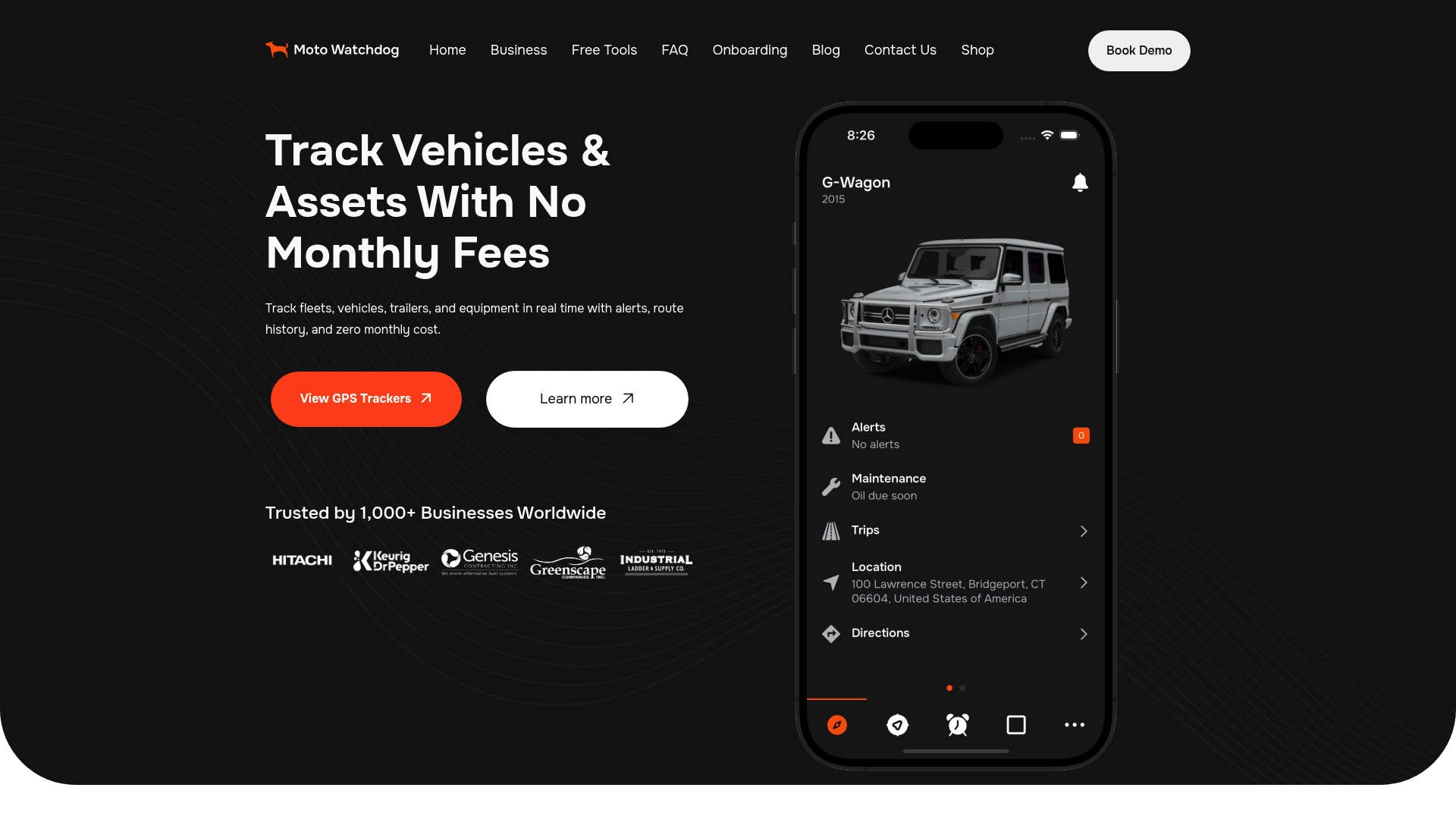
A practical way to start: pilot 5 to 10 high-risk assets, whether that’s trailers sitting in an open yard or equipment on an active jobsite, and validate alert latency and escalation timing before rolling out further. Contractors specifically can review the contractor tracking page for a setup built around jobsite equipment. Trackers start from $124.99 one-off, with no monthly fee attached. Check current pricing and place an order to get a pilot fleet running this week.
Sources
- NICB: rise in vehicle theft
- Geofencing drives productivity (CDRecycler)
- GPS geofencing for construction sites (Fleet Rabbit)
- How to prevent construction equipment theft with GPS and geofencing (Clue)
FAQ
What Is a Geofence Alert and How Does It Work?
A geofence alert is a notification triggered when a tracked device crosses a virtual boundary drawn on a map. The system compares the device’s live GPS or cellular location against that boundary and sends a push, SMS, or email alert the moment a rule, like an unauthorized after-hours exit, is broken.
What Are the Downsides of Geofencing?
The biggest downside is alert fatigue: loose fence geometry or missing time-based rules generate so many false positives that teams start ignoring notifications entirely. Battery drain from frequent reporting and blind spots in areas with weak cellular coverage are the other common tradeoffs.
Is Geofencing Legal for Business Vehicles and Equipment?
Geofencing company-owned vehicles and equipment is legal in the United States, but tracking employees or personal devices carries additional privacy obligations. Clear written policy and legal review are recommended before deploying tracking on anything an employee might reasonably consider personal, as outlined in general workplace surveillance guidance.
How Can I Reduce False Geofence Alarms?
Tighten fence geometry with polygon shapes instead of wide radius circles, and layer time-based rules so work-hour crossings log quietly while after-hours crossings trigger a real alert. Testing fences with simulated breaches on a quarterly basis catches drift before it causes missed or excessive alerts.
Does Motowatchdog Support Geofence Theft Alerts?
Yes, Motowatchdog’s GPS trackers include customizable geofence alerts with no monthly subscription fee, paired with long battery life and mileage reporting. Devices start from $124.99 one-off, with business API access available for teams integrating alerts into an existing dispatch workflow.