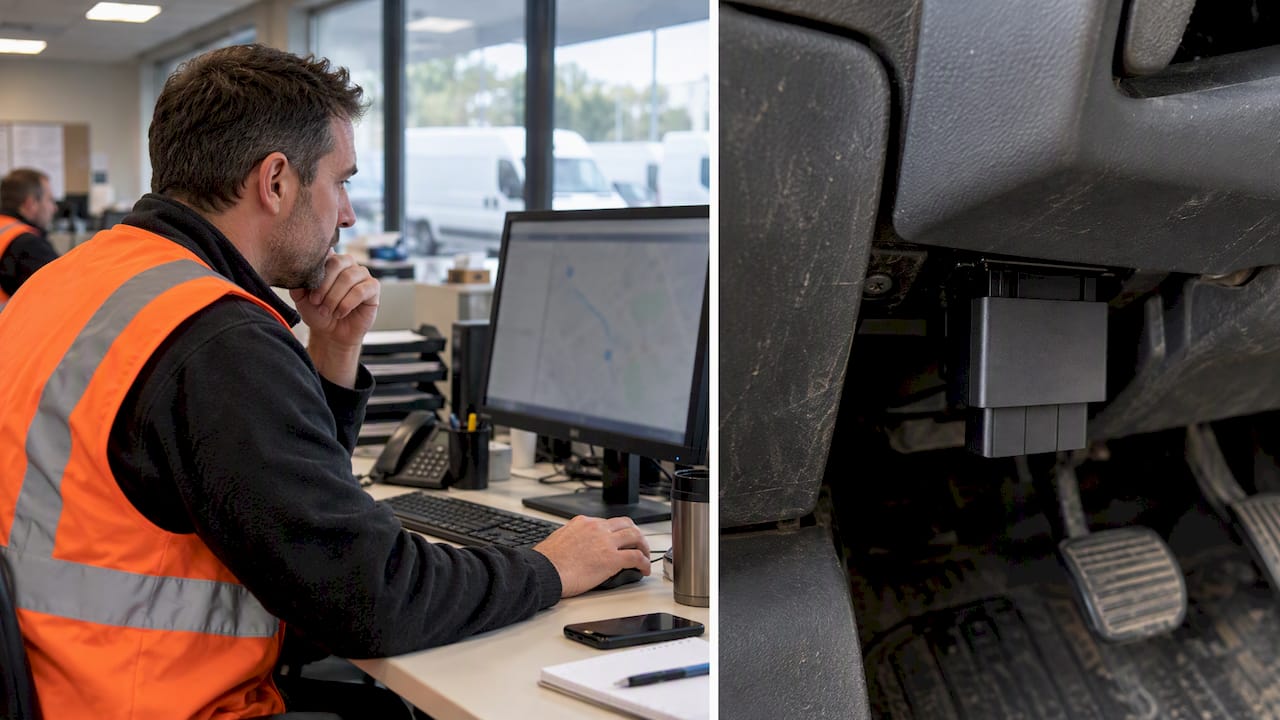
How to start saving money
Lorem ipsum dolor sit amet, consectetur adipiscing elit lobortis arcu enim urna adipiscing praesent velit viverra sit semper lorem eu cursus vel hendrerit elementum morbi curabitur etiam nibh justo, lorem aliquet donec sed sit mi dignissim at ante massa mattis.
- Neque sodales ut etiam sit amet nisl purus non tellus orci ac auctor
- Adipiscing elit ut aliquam purus sit amet viverra suspendisse potent
- Mauris commodo quis imperdiet massa tincidunt nunc pulvinar
- Excepteur sint occaecat cupidatat non proident sunt in culpa qui officia
Why it is important to start saving
Vitae congue eu consequat ac felis placerat vestibulum lectus mauris ultrices cursus sit amet dictum sit amet justo donec enim diam porttitor lacus luctus accumsan tortor posuere praesent tristique magna sit amet purus gravida quis blandit turpis.

How much money should I save?
At risus viverra adipiscing at in tellus integer feugiat nisl pretium fusce id velit ut tortor sagittis orci a scelerisque purus semper eget at lectus urna duis convallis. porta nibh venenatis cras sed felis eget neque laoreet suspendisse interdum consectetur libero id faucibus nisl donec pretium vulputate sapien nec sagittis aliquam nunc lobortis mattis aliquam faucibus purus in.
- Neque sodales ut etiam sit amet nisl purus non tellus orci ac auctor
- Adipiscing elit ut aliquam purus sit amet viverra suspendisse potenti
- Mauris commodo quis imperdiet massa tincidunt nunc pulvinar
- Adipiscing elit ut aliquam purus sit amet viverra suspendisse potenti
What percentege of my income should go to savings?
Nisi quis eleifend quam adipiscing vitae aliquet bibendum enim facilisis gravida neque. Velit euismod in pellentesque massa placerat volutpat lacus laoreet non curabitur gravida odio aenean sed adipiscing diam donec adipiscing tristique risus. amet est placerat in egestas erat imperdiet sed euismod nisi.
“Nisi quis eleifend quam adipiscing vitae aliquet bibendum enim facilisis gravida neque velit euismod in pellentesque”
Do you have any comments? Share them with us on social media
Eget lorem dolor sed viverra ipsum nunc aliquet bibendum felis donec et odio pellentesque diam volutpat commodo sed egestas aliquam sem fringilla ut morbi tincidunt augue interdum velit euismod eu tincidunt tortor aliquam nulla facilisi aenean sed adipiscing diam donec adipiscing ut lectus arcu bibendum at varius vel pharetra nibh venenatis cras sed felis eget.
Industry reporting built from National Insurance Crime Bureau (NICB) and National Equipment Register (NER) data puts annual U.S. construction equipment theft losses in a wide range, from roughly $300 million to $1 billion, with riding mowers, skid steers, loaders, and tractors topping the stolen-asset list. Recovery rates hover far below half, which means most losses become permanent, not temporary.
TL;DR:
- The 11,625 report baseline covers heavy equipment reported to police, while broader estimates add tools and materials that machinery records often miss.
- Historical NICB and NER figures put heavy equipment recovery near 23%; missing serial numbers make tracing harder, so record identifiers digitally before theft.
- Riding mowers, garden tractors, skid steers, and loaders lead reported thefts, while tools, copper, and lumber are often missing from machinery datasets.
- Texas, Florida, and California report high theft volumes; exposure also rises during spring and summer construction peaks and holiday shutdowns.
- Use immobilizers and GPS tracking for heavy equipment, while locked tool storage and tighter access controls target the quick, opportunistic theft of small tools.
Table of Contents
- Which equipment and materials get stolen most often
- What national estimates actually measure, and their limits
- Recovery odds and where theft concentrates geographically
- The financial impact goes well beyond replacement cost
- Why theft risk keeps shifting for contractors
- Building a layered defense: where prevention actually works
- Recordkeeping and reporting that actually help recovery
- How theft methods differ between heavy machinery and small tools
- What GPS adoption has changed about theft outcomes
- Where construction sites are most exposed
- What the data tells us about where contractors actually lose money
- Moto Watchdog: subscription-free tracking built for contractor fleets
- FAQ
- Sources
Which equipment and materials get stolen most often
Thieves gravitate toward assets that move fast and sell faster. On a typical jobsite, that means equipment with wheels, a resale market, or scrap value, rather than large fixed structures. Understanding the pattern helps contractors decide where to spend limited security dollars first.
NICB and NER data compiled from 11,625 heavy equipment theft reports submitted to NCIC in a single reporting year show a consistent pattern: riding mowers and garden tractors, along with loaders and skid steers, rank at the top of stolen-equipment counts, with brands like John Deere, Kubota, Bobcat, and Caterpillar appearing most frequently in those reports.
- Riding mowers and garden tractors rank highest in reported theft counts, largely because they are common, easy to load, and simple to resell without documentation.
- Skid steers and compact loaders come next, prized for their versatility and strong demand in both legitimate resale and gray markets.
- Tractors follow a similar pattern, often taken from rural or semi-rural sites with lighter overnight security.
- Small power tools (drills, saws, nail guns) disappear in bulk because they fit in a backpack or truck bed and rarely carry visible identification.
- Metals and copper wiring draw thieves chasing scrap value, especially during material price spikes.
- Lumber and other building materials go missing from staging areas, often in broad daylight when deliveries sit unattended.
- Appliances and fixtures staged for installation near project completion are frequent late-stage targets.
The theft scenarios differ by category. Trailer theft often involves hitching an entire enclosed trailer and driving away within minutes. Small tools disappear in quick grabs during shift changes or lunch breaks. Materials pilferage tends to happen gradually, a few sheets or coils at a time, making it harder to notice until inventory counts come up short.
What national estimates actually measure, and their limits
The commonly cited $300 million to $1 billion range is not one figure from one source. It reflects different datasets with different inclusion rules, which is why contractors see such a wide spread when they search for a single number.
One of the most frequently cited data points shows 11,625 heavy equipment theft reports submitted to NCIC in a single year, with an estimated equipment value near $300 million and a recovery rate around 23%. That figure anchors much of the lower end of the commonly cited range, while broader industry aggregations that include small tools, materials, and cargo theft push estimates toward the higher end.
- NCIC (National Crime Information Center) captures police-reported theft data, which undercounts incidents victims never report.
- NER (National Equipment Register) and NICB compile law enforcement and insurance claim data specifically for heavy equipment, offering the most cited baseline for machinery theft.
- Broader aggregations from trade publications often blend equipment theft with cargo and materials theft, which explains why some totals reach closer to $1 billion.
Each source answers a different question. If you need a police report filed, NCIC is the system of record. If you want an industry-level view of heavy equipment theft trends, NER and NICB publish the most consistently cited figures. Small tools, lumber, and copper theft rarely show up in either dataset at the level of detail contractors want, which means the true all-in cost of construction theft, tools and materials included, is almost certainly higher than any single published estimate.
Recovery odds and where theft concentrates geographically
Recovery remains the weakest link in the entire theft picture. Once equipment leaves a jobsite, the odds of getting it back drop sharply, and the odds get worse the longer it takes to report the loss.
- Historical NICB/NER data shows a recovery rate around 23% for reported heavy equipment theft, consistent with broader industry estimates that place recovery somewhere between 10% and 25% depending on the year and dataset.
- Recovery rates fall further when serial numbers go unrecorded, since unmarked equipment is nearly impossible to trace once it crosses state lines.
- Equipment theft tracks closely with construction activity density, so states with the most active construction markets, including Texas, Florida, and California, also report some of the highest theft volumes.
- Recent cargo and trailer theft reporting shows regional spikes in California and Texas during 2023 and 2024, reinforcing that high-activity corridors remain persistent targets.
- Seasonal risk rises heading into spring and summer construction season, when more equipment sits on more sites, and again around holidays when crews are off-site for extended stretches.
The geographic concentration is not random. Thieves follow the equipment, and equipment follows construction spending. A contractor working in a high-growth metro area should assume a materially higher baseline risk than one working in a market with less active building.
The financial impact goes well beyond replacement cost
Replacing a stolen skid steer is only the first invoice. The real financial damage usually shows up in the weeks that follow, in costs that rarely make it into a simple loss estimate.
- Rental costs to keep a project moving while a replacement is sourced, often at a premium for short-notice bookings.
- Delay penalties tied to contract schedules, especially on projects with liquidated damages clauses.
- Administrative time spent filing police reports, insurance claims, and internal incident documentation.
- Higher insurance premiums in subsequent policy terms, particularly after repeat claims.
- Lost productivity as crews wait on equipment, reassign tasks, or work around gaps in the plan.
Consider a contractor who loses a skid steer mid-project. The unit itself might cost $45,000 to replace, but the rental needed to bridge the gap, the week of schedule slippage, and the claims paperwork can add thousands more before the project closes out. Industry risk reporting notes that indirect losses often exceed the direct replacement cost once rental, delay, and administrative costs are added together.
Pro Tip: Log every indirect cost tied to a theft incident, including rental invoices and delay days, in a dedicated file. That documentation speeds up claims negotiations and sharpens your internal risk budgeting for next year.
Why theft risk keeps shifting for contractors
Construction theft is not a static problem. A handful of structural shifts are changing who gets targeted and how.
- Organized theft rings increasingly move stolen equipment across state lines quickly, often repainting or re-tagging machines before resale, which is a major reason recovery rates stay low.
- Rising equipment and material prices raise the resale value of everything from skid steers to copper wiring, giving thieves a stronger financial incentive even as replacement costs climb for contractors.
- Technology cuts both ways: GPS jammers and signal blockers have emerged as countermeasures against tracking devices, while telematics and centralized monitoring centers have become a standard part of layered jobsite security, according to AGC reporting on jobsite security.
- Cargo and trailer theft reporting shows continued growth into 2024, suggesting the problem is not shrinking even as awareness and prevention technology spread.
The net effect is a risk environment that rewards contractors who adapt. Static security, a padlock and a chain-link fence, worked better a decade ago than it does now against organized, mobile theft operations.
Building a layered defense: where prevention actually works
No single measure stops construction theft. The contractors with the lowest loss rates combine physical barriers, visibility, and technology into layers that each close a different gap.
- Perimeter fencing and controlled site access reduce casual opportunity theft, particularly for materials and small tools.
- Lighting across equipment staging areas removes the cover of darkness that off-hours thieves depend on.
- Cameras, whether standalone or tied into a monitoring service, create both deterrence and after-the-fact evidence.
- Security trailers and back-end monitoring centers pair physical presence with centralized alerting, an approach AGC highlights as effective on larger projects.
- Locking fuel caps, hitch locks, and wheel immobilizers slow down quick-grab theft of trailers and towable equipment.
- Secure, lockable storage containers for small tools cut into the category of theft that national equipment statistics usually miss entirely.
- Digital inventory controls, with photos and serial numbers tied to each asset, make it far easier to prove ownership and loss after the fact.
GPS trackers and geofencing add a layer that physical security alone cannot provide: location awareness after the theft has already happened. A device with long battery life can sit on a trailer or piece of equipment for months, sending alerts the moment it crosses a geofenced boundary or moves outside scheduled hours. That combination of real-time alerts and historical location data is often what turns a stolen asset into a recovered one, and what turns a vague police report into a specific, mapped lead.
Operational integration matters as much as the hardware. Assign each tracked asset to a specific device and job number, keep a digital register that updates when equipment moves between sites, and set maintenance reminders so tracking hardware stays charged and functional. Explore GPS anti-theft technology for a closer look at how real-time tracking fits into a broader security plan.
Pro Tip: Stagger your geofence alerts by time of day. A boundary breach at 2 p.m. during work hours means nothing; the same breach at 2 a.m. should trigger an immediate notification.
Recordkeeping and reporting that actually help recovery
The paperwork you keep before a theft determines how fast police, insurers, and recovery databases can act after one. Most recovery failures trace back to missing or disorganized records, not to a lack of effort once the theft is reported.
- Record serial numbers, PINs, and VINs for every piece of equipment, and store them digitally rather than on paper in a site trailer.
- Photograph each asset from multiple angles, including close-ups of identifying marks or aftermarket modifications.
- Keep purchase documentation and maintenance records together with the serial number file, not scattered across departments.
- Report theft to local police immediately; departments typically submit stolen-equipment reports to NCIC, where they become searchable nationally.
- Register high-value equipment with NER so NICB and participating law enforcement agencies can cross-check it during investigations.
Practitioners note that recovery efforts often stall when serials exist only in paper logs, disconnected from photos or location data; combining all three materially shortens investigation time and strengthens insurance claims.
How theft methods differ between heavy machinery and small tools
Heavy machinery theft and small-tool theft are different crimes with different playbooks, and treating them identically leaves gaps in coverage.
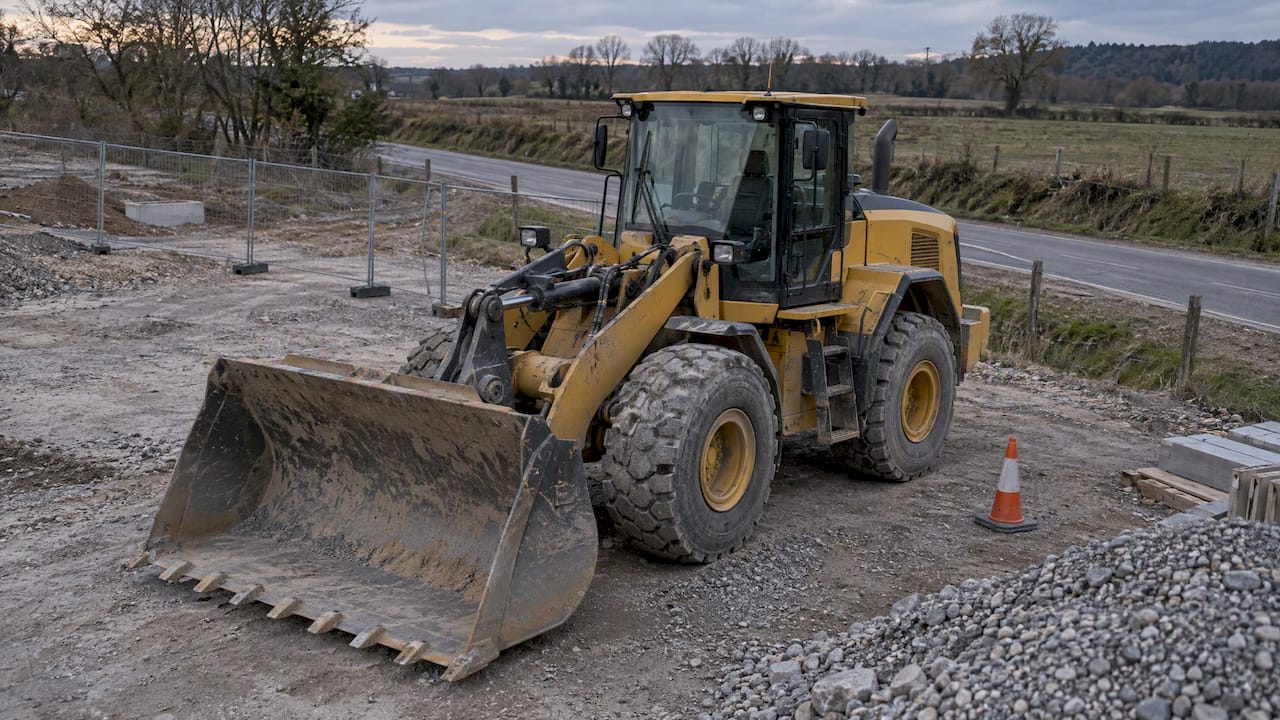
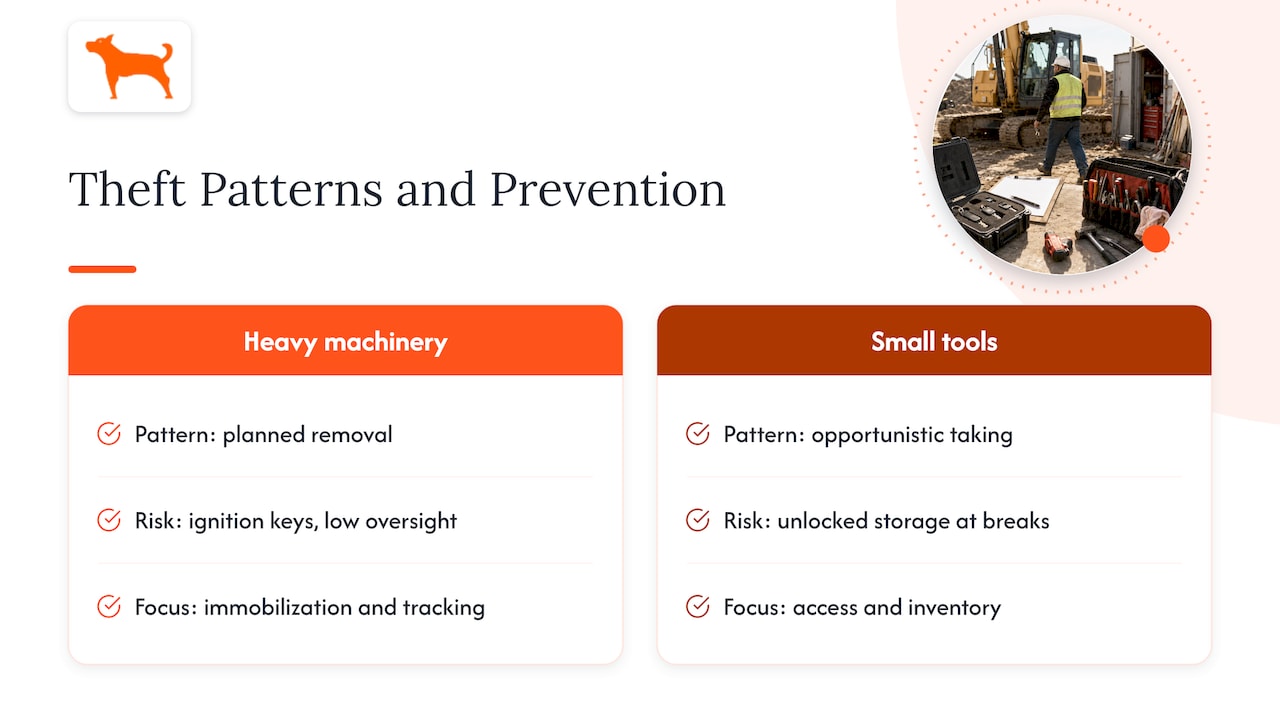
Heavy machinery, including skid steers, loaders, and tractors, is typically stolen in planned operations. Thieves scout sites in advance, often during business hours, then return during low-visibility windows to load equipment onto trailers using the same ramps and attachments crews use daily. Keys left in ignition switches, a common site-convenience habit, make this far easier than it should be. These thefts tend to happen in rural or lightly monitored sites, where it can take hours before anyone notices a machine is gone.
Small tools follow an opportunistic pattern instead. Drills, saws, and nail guns go missing during shift changes, lunch breaks, or brief periods when a storage container sits unlocked. Because individual tools carry lower value, thieves favor volume: filling a bag or truck bed in a single pass rather than planning a targeted extraction. This is also the category most underrepresented in national statistics, since many small-tool losses go unreported to police given the comparatively low per-item value.
The practical takeaway is that heavy equipment needs immobilization and tracking, while small tools need access control and inventory discipline. A single prevention strategy rarely covers both well.
What GPS adoption has changed about theft outcomes
The spread of GPS tracking and telematics across contractor fleets has shifted the theft equation in two measurable ways: deterrence and recovery speed.
On the deterrence side, visible tracking hardware and geofencing alerts raise the operational risk for thieves, since equipment can be flagged the moment it leaves an authorized zone or operates outside scheduled hours. On the recovery side, real-time location data gives police a specific, mapped lead instead of a vague last-known location, which matters given how low historical recovery rates have been without that data. Industry coverage of jobsite security points to monitoring platforms tied to asset tracking as a practical way to shorten recovery time and support claims with documented evidence.

Equipment without any tracking relies entirely on physical identification, serial number matches, and chance sightings, the same limited toolkit that has defined recovery efforts for decades. Fleets that pair tracking hardware with disciplined digital registers are positioned to outperform that historical baseline, though national statistics have not yet caught up to reflect widespread adoption.
Where construction sites are most exposed
Most thefts do not happen because a thief defeats sophisticated security. They happen because a basic vulnerability sat open long enough to be noticed.
Unsecured storage is the most common gap: tool trailers left unlocked overnight, staging areas without fencing, and materials stacked in open view from the road. Off-hours periods, nights, weekends, and holiday shutdowns, account for a disproportionate share of incidents, since crews are absent and response time to any alert is naturally slower. Sites with multiple access points or shared entry with neighboring projects compound the risk, since it becomes harder to track who has legitimate reason to be on-site at any given hour.
Keys left in equipment ignitions, a convenience many crews rely on to speed up daily startup, remain one of the simplest points of failure for heavy machinery theft. Similarly, equipment staged near a site perimeter, close to a road for easy loading during the workday, is just as easy for a thief to load at night. Addressing these points does not require major capital investment, mainly consistent habits: locking up, relocating equipment away from perimeters overnight, and treating off-hours as the highest-risk window on the calendar.
What the data tells us about where contractors actually lose money
The clearest pattern across NICB, NER, and AGC reporting is that contractors lose more to preventable gaps than to sophisticated criminal operations. Most theft is not dramatic. It is a trailer left unlocked, a tool container without a working padlock, or equipment parked at the edge of a site with the keys still inside.
We think the industry focuses too much on the headline loss figures and not enough on the recovery gap. A $300 million annual estimate matters less than the fact that roughly three-quarters of stolen equipment, based on historical NICB/NER recovery data, never comes back at all. That single number should drive prevention budgets more than any other statistic in this article.
In our experience working with fleet managers and equipment owners, the operators who track assets in real time catch problems early, often before a full theft occurs, because a geofence alert flags unauthorized movement within minutes rather than after a crew notices a gap at the next shift. That early warning is worth more than most contractors assume when they are budgeting for security.
If you manage a fleet or a jobsite with high-value equipment, the data suggests the highest-leverage move is not necessarily a bigger fence. It’s a basic layer of tracking combined with disciplined recordkeeping, the kind of practical, implementable setup worth considering if you want fewer surprises.
— Louis
Moto Watchdog: subscription-free tracking built for contractor fleets
We built Moto Watchdog around a simple problem with most tracking services: recurring fees that add up over years of ownership. Our devices carry no monthly subscription, which means the Trackers line, starting at $124.99 one-off, stays a fixed cost rather than an ongoing one, a meaningful difference for fleet managers tracking multiple trailers, skid steers, and vehicles across several jobsites.
- Real-time GPS tracking with customizable geofencing lets you set boundaries around a jobsite and get alerted the moment equipment crosses them, day or night.
- Long battery life keeps a device running on a trailer or stored machine for extended stretches without a charging routine to manage.
- Trip and mileage reporting simplifies the recordkeeping that insurance claims and internal risk reviews both depend on.
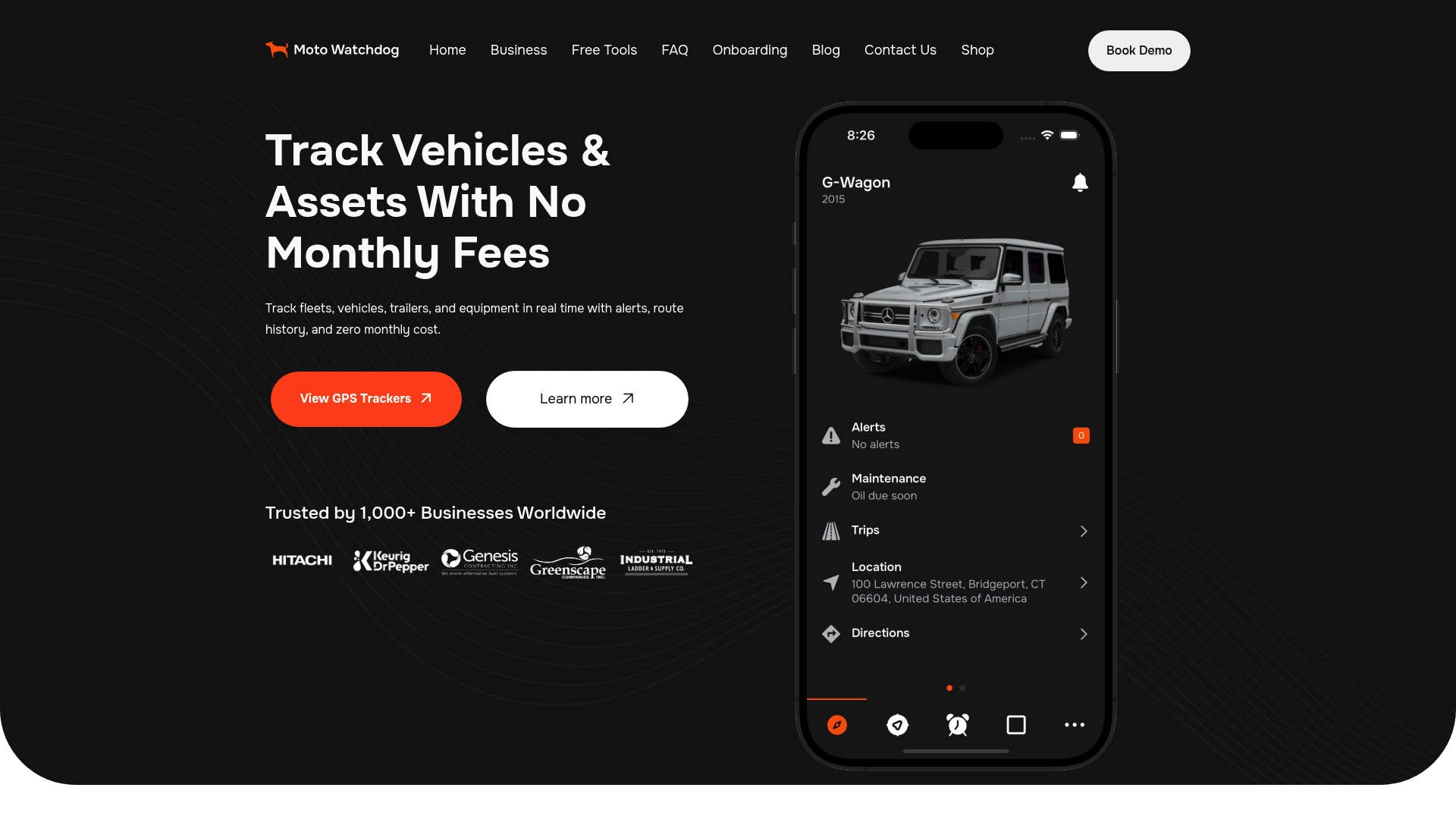
For contractors managing equipment rental companies or larger fleets, our API access supports unlimited vehicles and users on a single dashboard, which fits the multi-site, multi-asset reality most fleet managers deal with daily. If you want a practical way to put real-time visibility on your highest-risk equipment, visit Motowatchdog to see current tracker options and get started.
FAQ
What is the average annual cost of construction equipment theft?
Commonly cited industry estimates place annual U.S. construction equipment theft losses in a range from roughly $300 million to $1 billion, depending on which categories a given report includes. NICB/NER data from 11,625 reported thefts in a single year placed the estimated value near $300 million for that dataset alone.
What percentage of stolen construction equipment gets recovered?
Historical NICB/NER reporting shows a recovery rate around 23% for heavy equipment theft, and broader industry estimates place recovery generally between 10% and 25% depending on the year and dataset. Rapid cross-state movement and missing serial number records are the most commonly cited reasons recovery stays low.
Which types of construction equipment are stolen most often?
Riding mowers and garden tractors, skid steers, loaders, and tractors rank highest in reported theft counts according to NICB/NER data. Small power tools, metals, and building materials are also frequent targets, though they are often underrepresented in national equipment-theft statistics.
Which states report the most construction equipment theft?
Theft volume tends to track closely with construction activity, with Texas, Florida, and California among the states most frequently cited for high theft activity. Recent cargo theft reporting also shows regional spikes in California and Texas during 2023 and 2024.
Does GPS tracking actually help prevent construction theft?
GPS tracking and geofencing improve both deterrence and recovery speed by alerting owners to unauthorized movement in real time and giving police a specific location lead rather than a last-known position. Industry reporting on jobsite security notes that monitoring tied to asset tracking shortens recovery time and supports insurance claims with documented evidence.