How to start saving money
Lorem ipsum dolor sit amet, consectetur adipiscing elit lobortis arcu enim urna adipiscing praesent velit viverra sit semper lorem eu cursus vel hendrerit elementum morbi curabitur etiam nibh justo, lorem aliquet donec sed sit mi dignissim at ante massa mattis.
- Neque sodales ut etiam sit amet nisl purus non tellus orci ac auctor
- Adipiscing elit ut aliquam purus sit amet viverra suspendisse potent
- Mauris commodo quis imperdiet massa tincidunt nunc pulvinar
- Excepteur sint occaecat cupidatat non proident sunt in culpa qui officia
Why it is important to start saving
Vitae congue eu consequat ac felis placerat vestibulum lectus mauris ultrices cursus sit amet dictum sit amet justo donec enim diam porttitor lacus luctus accumsan tortor posuere praesent tristique magna sit amet purus gravida quis blandit turpis.

How much money should I save?
At risus viverra adipiscing at in tellus integer feugiat nisl pretium fusce id velit ut tortor sagittis orci a scelerisque purus semper eget at lectus urna duis convallis. porta nibh venenatis cras sed felis eget neque laoreet suspendisse interdum consectetur libero id faucibus nisl donec pretium vulputate sapien nec sagittis aliquam nunc lobortis mattis aliquam faucibus purus in.
- Neque sodales ut etiam sit amet nisl purus non tellus orci ac auctor
- Adipiscing elit ut aliquam purus sit amet viverra suspendisse potenti
- Mauris commodo quis imperdiet massa tincidunt nunc pulvinar
- Adipiscing elit ut aliquam purus sit amet viverra suspendisse potenti
What percentege of my income should go to savings?
Nisi quis eleifend quam adipiscing vitae aliquet bibendum enim facilisis gravida neque. Velit euismod in pellentesque massa placerat volutpat lacus laoreet non curabitur gravida odio aenean sed adipiscing diam donec adipiscing tristique risus. amet est placerat in egestas erat imperdiet sed euismod nisi.
“Nisi quis eleifend quam adipiscing vitae aliquet bibendum enim facilisis gravida neque velit euismod in pellentesque”
Do you have any comments? Share them with us on social media
Eget lorem dolor sed viverra ipsum nunc aliquet bibendum felis donec et odio pellentesque diam volutpat commodo sed egestas aliquam sem fringilla ut morbi tincidunt augue interdum velit euismod eu tincidunt tortor aliquam nulla facilisi aenean sed adipiscing diam donec adipiscing ut lectus arcu bibendum at varius vel pharetra nibh venenatis cras sed felis eget.
Choose a 5G-capable GPS tracker when your work demands frequent live updates, dense fleet deployments, or long-term network compatibility. For most vehicle, trailer, or personal asset monitoring, a well-built 4G or LTE-M device still does the job reliably, and we build our own trackers without the monthly fees that many 5G-marketed products carry.
TL;DR:
- 5G changes transmission speed and network capacity, not GPS accuracy; well designed GNSS receivers can achieve about 3 meters or better under open skies.
- LTE M and NB IoT use less power than 5G, extending battery life from months to years; NB IoT also reaches deeper indoor locations.
- Before buying, verify 4G LTE or 5G support, regional carrier certification, SIM compatibility, and a firmware update path, since 3G only devices will lose service.
- Poorly implemented 5G protections can expose trackers to false base stations and denial of service, so choose vendors that patch firmware and use modern authentication.
Table of Contents
- What 5G means for GPS trackers and how it differs from 4G/LTE
- Benefits 5G brings to real-time tracking and fleet monitoring
- Practical trade-offs and better alternatives for low-power tracking
- Compatibility, upgrading, and the 3G sunset: what to check before you buy
- Security, interference and reliability risks with 5G-enabled trackers
- Real-world use cases and deployment guidance
- Our take on when a subscription-free tracker makes sense
- Getting started with a subscription-free GPS tracker
- FAQ
- Sources
What 5G means for GPS trackers and how it differs from 4G/LTE
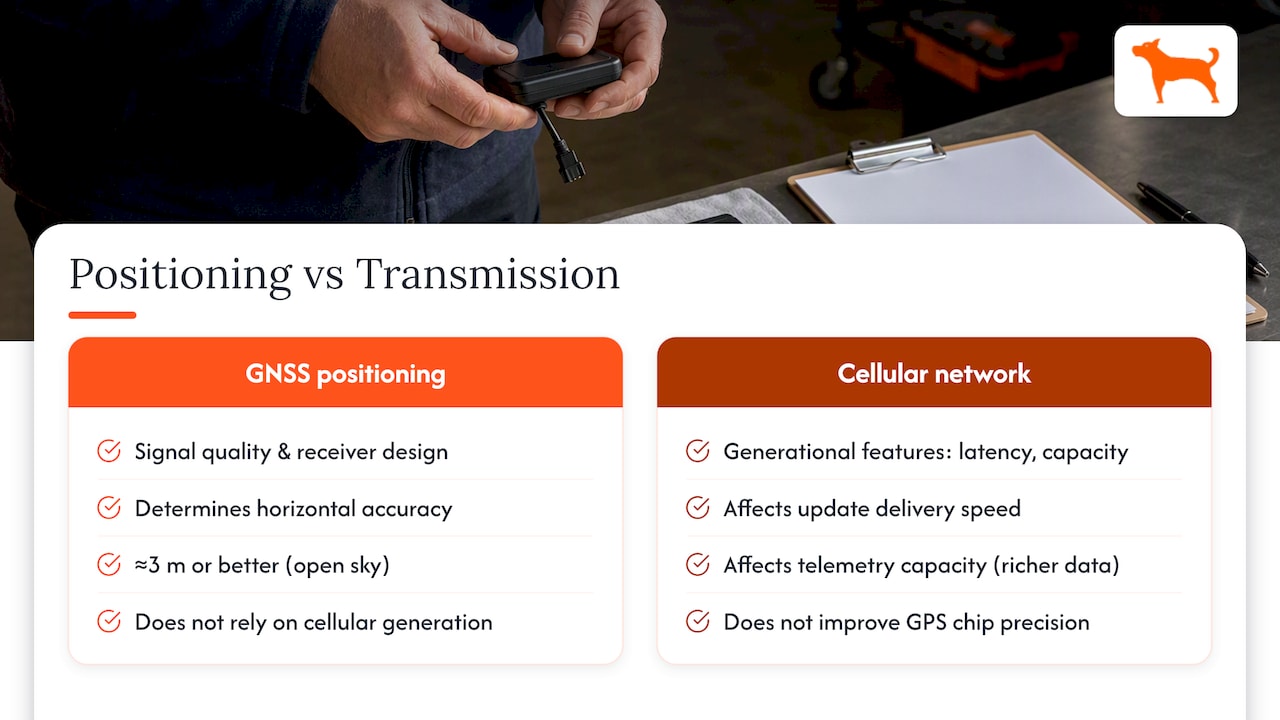
5G’s real advantages for tracking hardware are lower latency, greater network capacity, and newer architectural features like network slicing. These properties affect how fast a location update reaches a dashboard and how many devices a tower can serve at once, not how accurately a device finds its position.
Positional accuracy comes from satellite signal quality and receiver design. Gps confirms that well-designed GNSS receivers typically achieve about 3 meters or better horizontal accuracy at high probability under open-sky conditions, a result of satellite geometry and receiver engineering rather than cellular generation. A 5G modem does not make the GPS chip inside a tracker more precise. What changes is how quickly that position gets transmitted and how much telemetry, like diagnostic codes or richer trip data, can ride alongside it.
Benefits 5G brings to real-time tracking and fleet monitoring
For jobs where seconds matter, 5G’s lower latency and higher device capacity translate into real operational gains.
- Near-real-time position updates speed up geofence alerts and dispatch decisions.
- Higher simultaneous device capacity supports dense deployments, like large fleets or event-based tracking.
- Richer telematics, including diagnostic streams and higher-resolution trip logs, becomes practical with more bandwidth.
- High-speed fleets, stolen-vehicle recovery, and time-sensitive dispatching benefit the most from faster networks.
Legacy 3G devices are already losing service as carriers retire older networks, a shift confirmed by FCC guidance on the 3G phase-out. That alone pushes many fleet operators toward 4G or 5G-capable hardware regardless of whether they need 5G’s speed advantages.
Practical trade-offs and better alternatives for low-power tracking
5G is not the right fit for every asset. Narrowband cellular standards, specifically LTE Cat M1 and NB-IoT, often outperform 5G for battery-powered tags that report infrequently.
- LTE-M and NB-IoT modems draw far less power than broadband 5G radios, extending battery life from months to years in low-reporting applications.
- NB-IoT in particular reaches deeper into basements, containers, and dense urban structures than higher-frequency 5G bands.
- For a trailer or piece of equipment that only needs hourly check-ins, narrowband hardware is typically cheaper to run and simpler to maintain.
- Vehicles needing frequent, high-resolution updates are better served by 4G or 5G modems despite the higher power draw.
Pro Tip: Match the network type to the reporting frequency you actually need, not the fastest technology on the spec sheet.
Compatibility, upgrading, and the 3G sunset: what to check before you buy
Before buying any tracker, confirm it will keep working as carriers continue retiring legacy networks. The FCC’s phase-out guidance makes clear that 3G-only devices will stop transmitting once carriers complete their shutdowns, leaving fleets blind without warning.
- Verify the device supports 4G LTE or 5G, not legacy 3G-only radios.
- Check whether the manufacturer offers firmware updates to adapt to carrier network changes.
- Confirm the SIM type and whether it is locked to a single carrier or works across networks.
- Ask whether the device carries carrier certification for the bands used in your region.
- Weigh the cost of upgrading firmware remotely against replacing the hardware outright.
A device with an unclear update path is a liability, regardless of how advanced its network technology sounds at purchase.
Security, interference and reliability risks with 5G-enabled trackers
Faster networks introduce new risks alongside new capabilities. NTIA analysis of adjacent-band compatibility documents how terrestrial transmissions near GPS frequencies can degrade receiver signal quality and cause loss of lock, a finding reinforced by NTIA’s more recent review of direct-to-device emissions, which shows that out-of-band emissions from some L-band services can reduce GNSS receiver performance at practical distances ranging from tens to hundreds of meters depending on conditions.
On the cellular side, NIST and NCCoE testbed research finds that while 5G architecture includes real security improvements, lab scenarios still demonstrate False Base Station and denial-of-service risks when manufacturers fail to implement those protections correctly.
- Choose vendors that patch firmware regularly rather than shipping a device and walking away.
- Avoid equipment flagged on FCC-covered equipment lists for security concerns.
- Favor devices with modern authentication built into their cellular stack, not just GPS encryption.
Real-world use cases and deployment guidance
The right network choice depends heavily on the job. Fleet telematics and stolen-vehicle recovery benefit from 4G or 5G’s speed, while long-life asset tags on trailers or equipment often do better on narrowband connections that prioritize battery life over throughput.
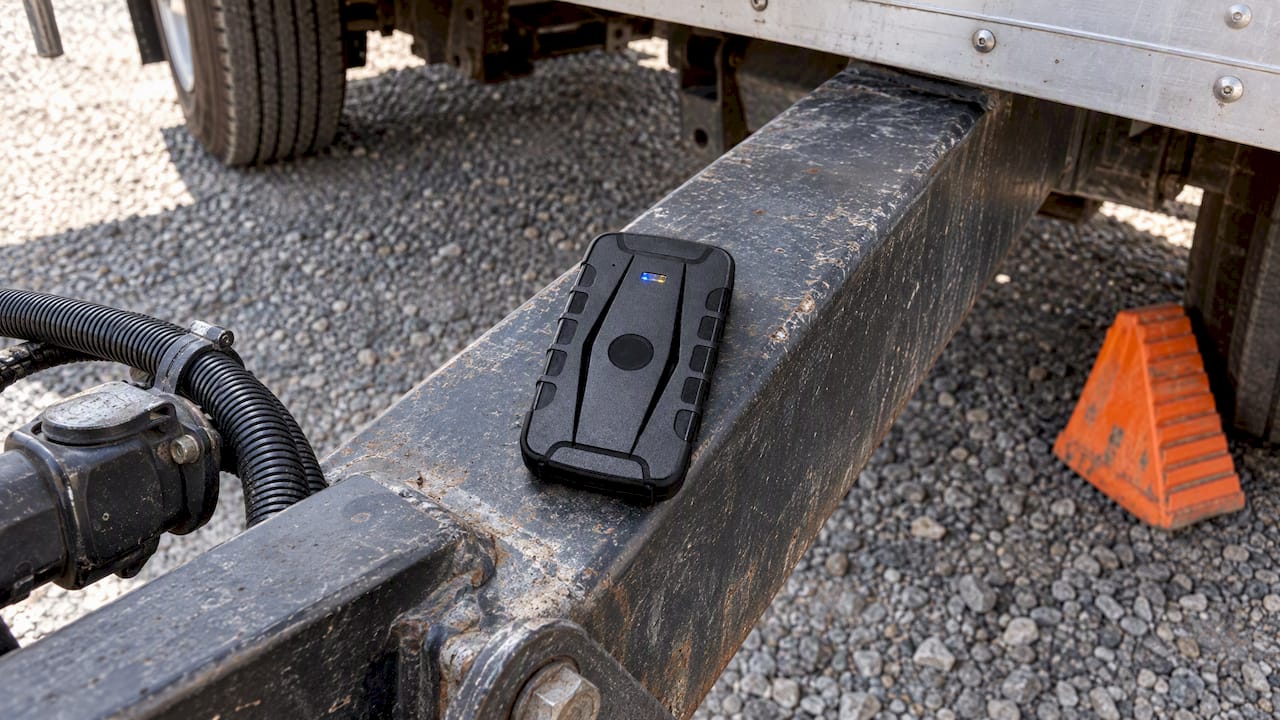
- Mount antennas with a clear view of the sky whenever possible to maximize GNSS reception and reduce interference from nearby metal structures.
- Use motion-triggered reporting so devices only transmit when an asset actually moves, extending battery life significantly.
- Set adaptive reporting intervals, frequent while in motion, sparse while parked, to balance responsiveness with power consumption.
- For personal assets like bikes, a compact tracker with motion-based alerts outperforms one that pings constantly regardless of movement.
Pro Tip: Test antenna placement before permanent installation. A few inches of clearance from a metal chassis can meaningfully improve GPS fix reliability.
Our take on when a subscription-free tracker makes sense
We design GPS trackers around the idea that reliable location data without ongoing fees is essential for many users. Many businesses rely on GPS tracking devices that offer tracking accuracy, long battery life, customizable geofencing, and mileage reporting that can simplify tax and compliance work.
For most fleet, trailer, and personal asset jobs described above, a 4G tracker without a subscription covers the real need: dependable location data, fast alerts, and no recurring bill. We see 5G as valuable for specific high-density or high-bandwidth deployments, not as a requirement for everyday tracking.
— Louis
Getting started with a subscription-free GPS tracker
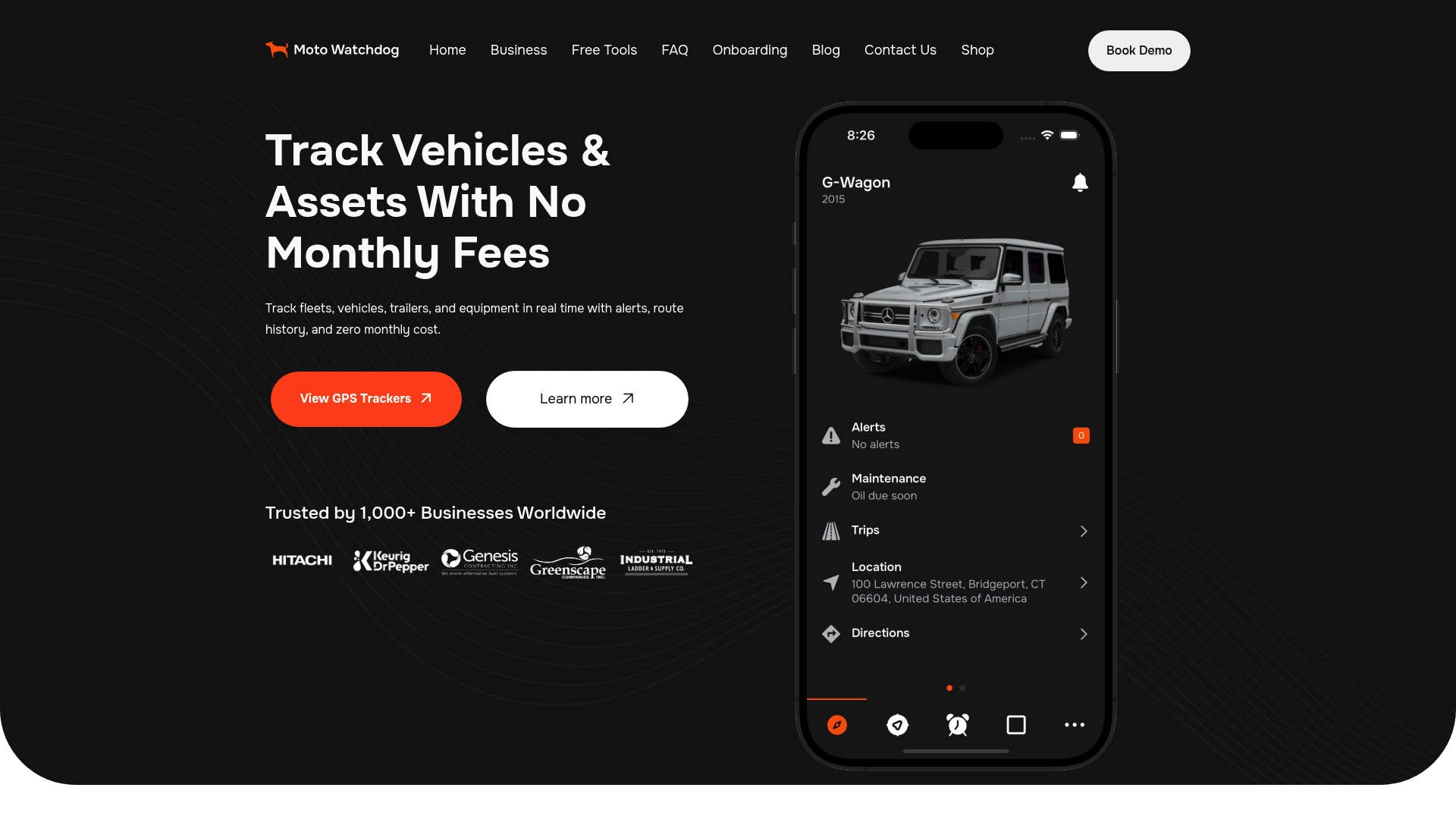
If you need dependable tracking without a monthly bill, our trackers include real-time location updates, customizable geofencing, long battery life, and detailed mileage reporting, all included at the time of purchase.
Before ordering, confirm a few basics:
- Check that your vehicle, trailer, or asset type matches the device’s mounting and power options.
- Decide whether you need single-device tracking or multi-vehicle management through one dashboard.
- For fleet integration or custom reporting, reach out through our business and API access page to discuss connecting tracking data to your existing systems.
FAQ
Does GPS tracking use the internet?
GPS tracking itself relies on satellite signals to determine location, not the internet. The device then typically sends that location data over a cellular network, which is why network compatibility and coverage matter for real-time reporting.
What is the best tag tracker?
The best tag tracker depends on the job: narrowband options like NB-IoT devices suit long-life, infrequent-reporting tags, while 4G or 5G devices suit assets needing frequent updates. Battery life, reporting interval, and coverage in your deployment area should guide the choice more than brand marketing.
Does SyncUp tracker need a subscription?
Subscription requirements vary by manufacturer and device, so buyers should check the specific product’s terms before purchase. Some trackers are built around a one-time purchase model with no recurring subscription fees required to access core tracking features.
What is the best GPS tracker device for mobile phones?
Most smartphones already include built-in GPS and location-sharing features through their operating system, so a dedicated external tracker is typically used for vehicles, trailers, or physical assets rather than phones. For vehicle or equipment tracking, a dedicated hardware tracker with long battery life and geofencing offers more reliable, purpose-built monitoring than relying on a phone’s location services.
How much do 5G GPS trackers cost?
Pricing varies by manufacturer, network technology, and included features, so it’s worth comparing devices directly. Our own trackers start from $124.99 as a one-time purchase, with no recurring subscription required.
Sources
- Gps
- FCC — Plan ahead for the phase-out of 3G cellular networks and service
- NIST — Applying 5G cybersecurity and privacy capabilities
- NTIA — Assessment of compatibility between GPS receivers and adjacent-band transmitters