Landscaping Fleet Reporting: Essential Metrics for Service Business Success
How to start saving money
Lorem ipsum dolor sit amet, consectetur adipiscing elit lobortis arcu enim urna adipiscing praesent velit viverra sit semper lorem eu cursus vel hendrerit elementum morbi curabitur etiam nibh justo, lorem aliquet donec sed sit mi dignissim at ante massa mattis.
- Neque sodales ut etiam sit amet nisl purus non tellus orci ac auctor
- Adipiscing elit ut aliquam purus sit amet viverra suspendisse potent
- Mauris commodo quis imperdiet massa tincidunt nunc pulvinar
- Excepteur sint occaecat cupidatat non proident sunt in culpa qui officia
Why it is important to start saving
Vitae congue eu consequat ac felis placerat vestibulum lectus mauris ultrices cursus sit amet dictum sit amet justo donec enim diam porttitor lacus luctus accumsan tortor posuere praesent tristique magna sit amet purus gravida quis blandit turpis.

How much money should I save?
At risus viverra adipiscing at in tellus integer feugiat nisl pretium fusce id velit ut tortor sagittis orci a scelerisque purus semper eget at lectus urna duis convallis. porta nibh venenatis cras sed felis eget neque laoreet suspendisse interdum consectetur libero id faucibus nisl donec pretium vulputate sapien nec sagittis aliquam nunc lobortis mattis aliquam faucibus purus in.
- Neque sodales ut etiam sit amet nisl purus non tellus orci ac auctor
- Adipiscing elit ut aliquam purus sit amet viverra suspendisse potenti
- Mauris commodo quis imperdiet massa tincidunt nunc pulvinar
- Adipiscing elit ut aliquam purus sit amet viverra suspendisse potenti
What percentege of my income should go to savings?
Nisi quis eleifend quam adipiscing vitae aliquet bibendum enim facilisis gravida neque. Velit euismod in pellentesque massa placerat volutpat lacus laoreet non curabitur gravida odio aenean sed adipiscing diam donec adipiscing tristique risus. amet est placerat in egestas erat imperdiet sed euismod nisi.
“Nisi quis eleifend quam adipiscing vitae aliquet bibendum enim facilisis gravida neque velit euismod in pellentesque”
Do you have any comments? Share them with us on social media
Eget lorem dolor sed viverra ipsum nunc aliquet bibendum felis donec et odio pellentesque diam volutpat commodo sed egestas aliquam sem fringilla ut morbi tincidunt augue interdum velit euismod eu tincidunt tortor aliquam nulla facilisi aenean sed adipiscing diam donec adipiscing ut lectus arcu bibendum at varius vel pharetra nibh venenatis cras sed felis eget.
Managing a landscaping business means coordinating vehicles, equipment, and crews across different job sites each day. Without clear visibility into fleet operations, companies face inefficient routing, unexpected equipment breakdowns, and rising fuel costs that reduce profits.
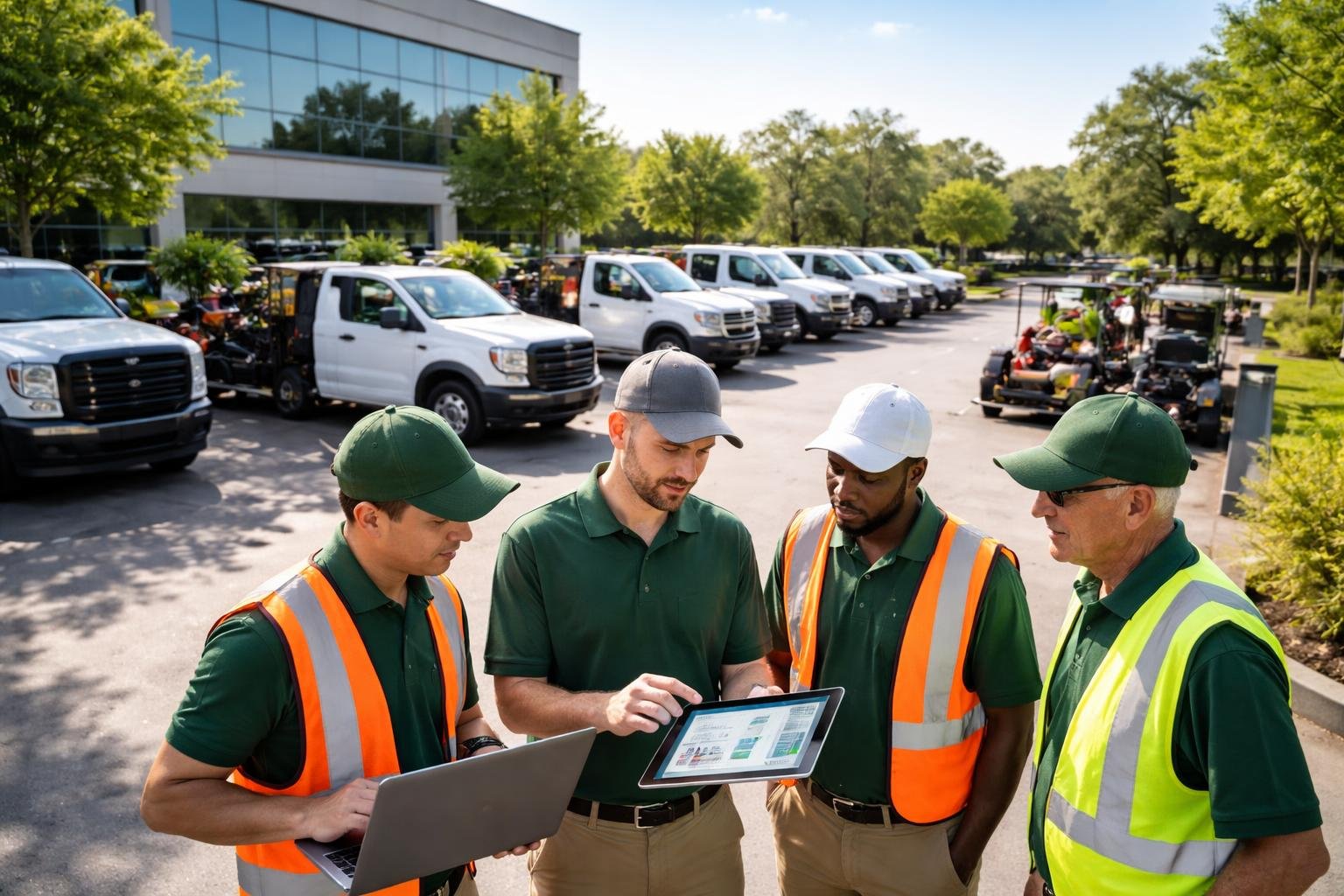
Landscaping fleet reporting gives businesses real-time data on vehicle location, equipment usage, maintenance needs, and driver behavior. These systems turn raw fleet data into useful information for better routing, scheduling, maintenance, and resource use.
Modern fleet reporting solutions do more than basic GPS tracking. They offer analytics on many aspects of landscaping operations.
By understanding what fleet reporting measures and how to use the information, landscaping companies can boost productivity and extend equipment life.
Understanding Landscaping Fleet Reporting
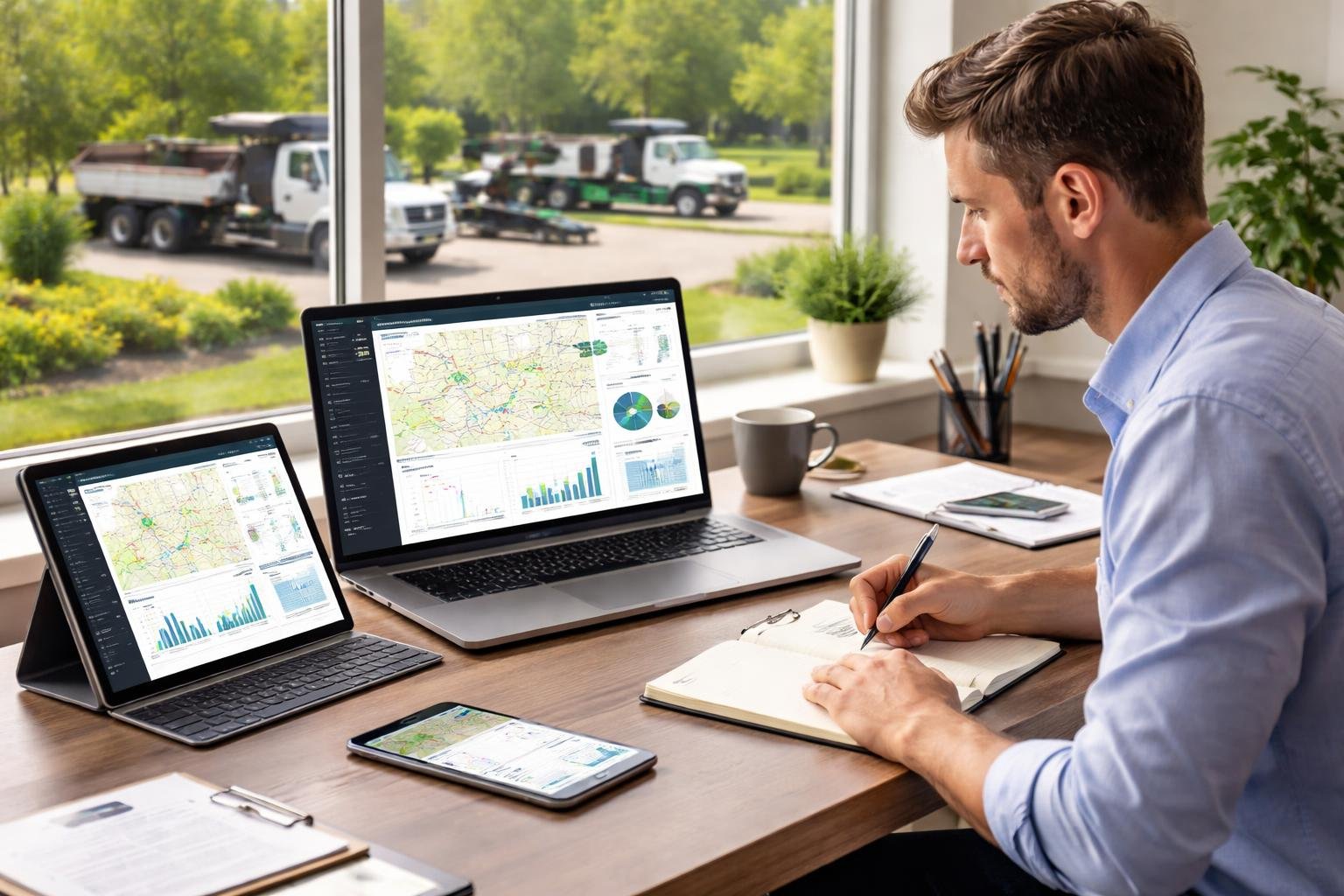
Landscaping fleet reporting focuses on collecting and analyzing data about vehicle deployment, equipment usage, and operational performance for landscaping companies. This framework is different from standard fleet management because it accounts for seasonal workloads, specialized equipment, and job site-based metrics.
Definition and Key Purposes
Landscaping fleet reporting is the process of collecting, managing, and analyzing data on how vehicles and equipment are used across job sites. It tracks deployment patterns, monitors performance indicators, and distinguishes between productive work and idle time.
The main goals are to reduce costs through fuel and maintenance optimization, improve resource allocation, and ensure accountability for vehicles and equipment. Reports help identify underused assets, prevent theft, and support data-driven decisions about fleet size.
Fleet managers use reporting to automate mileage tracking, fuel monitoring, and driver management. These systems save time and provide accurate insights into daily operations.
Core Data Sources and Metrics
GPS tracking systems provide real-time location data, route information, and geofencing to monitor when vehicles enter or leave job sites. Telematics devices collect engine diagnostics, fuel rates, idle time, and maintenance alerts.
Driver behavior data captures hard braking, acceleration, speeding, and seat belt use. Equipment sensors track usage hours for mowers, trimmers, and other tools.
Key metrics include:
- Vehicle utilization rate (time equipment is actively used)
- Fuel efficiency (miles per gallon or cost per job)
- Maintenance costs per vehicle or equipment
- Route efficiency (planned vs. actual travel time)
- Idle time percentages across the fleet
How Landscaping Fleet Reporting Differs from General Fleet Reporting
Landscaping fleet reporting adjusts for seasonal fluctuations in workload. Spring and summer often require different resources than fall and winter.
Equipment diversity is another key difference. Reports track both vehicles and equipment like mowers, aerators, and trailers.
Job site-based metrics focus on time at each location, crew activity, and equipment use per property. Landscaping operations also have unique compliance needs, such as pesticide laws and crew certifications, which are tracked alongside standard vehicle data.
Essential Features of Landscaping Fleet Reporting Systems
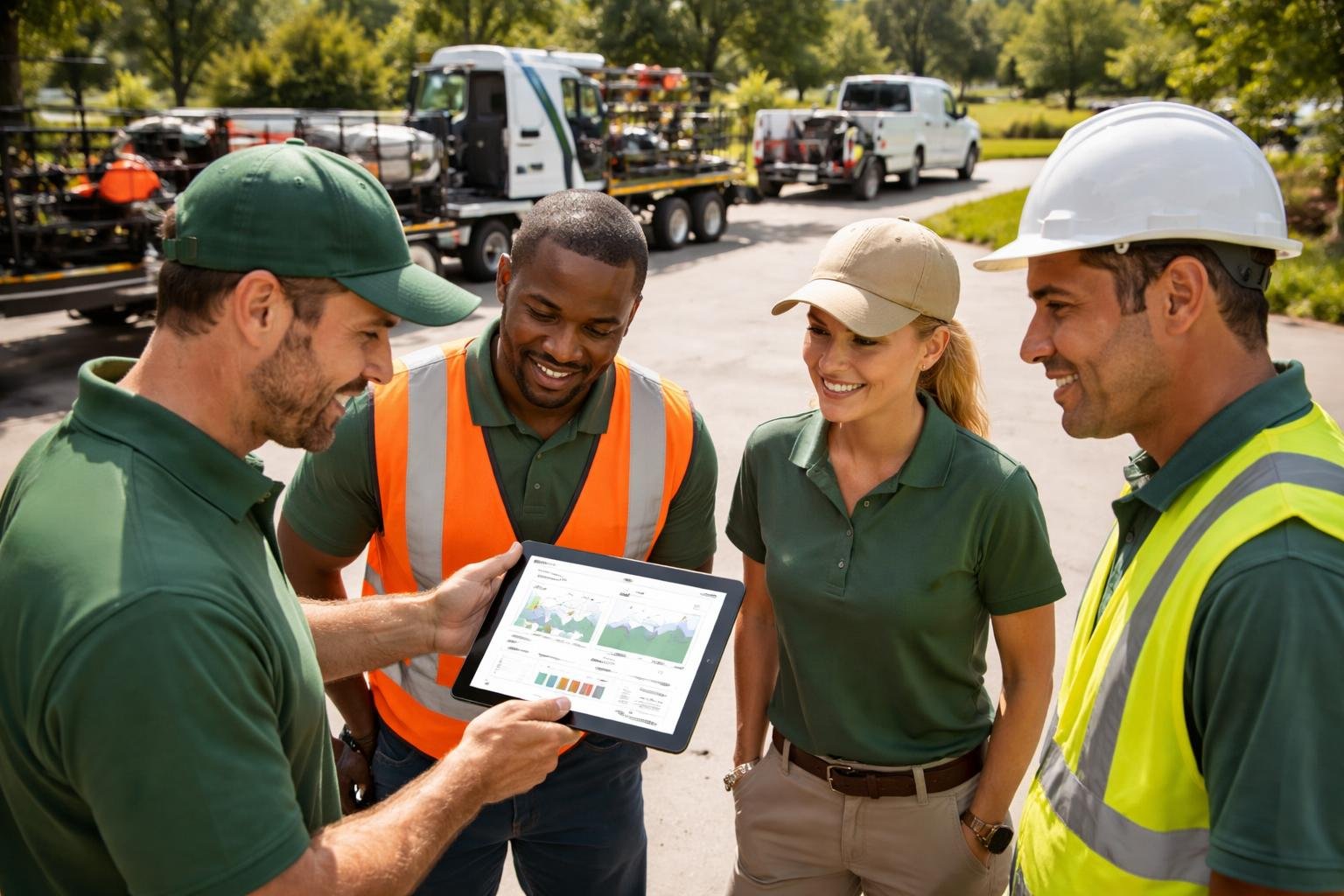
Effective landscaping fleet reporting systems combine real-time tracking with tools that measure equipment usage and operational efficiency. These platforms help reduce costs, improve scheduling, and maintain equipment reliability.
Fleet Tracking Technologies
Fleet tracking uses GPS devices in vehicles and equipment to capture location data throughout the day. These systems send coordinates regularly, creating a record of where crews travel and how long they stay at each property.
Fleet management software matches tracking data with job schedules to confirm arrival times and service duration. This helps managers spot delays, confirm work, and give customers accurate service windows.
The technology also protects equipment by sending alerts if vehicles move outside set areas or operate at unauthorized times. Automated reports summarize daily mileage, idle time, and coverage patterns.
Landscaping companies use these metrics to review driver behavior and allocate resources based on demand.
Route Planning and Optimization Tools
Route optimization tools analyze job locations, crew availability, and traffic to create efficient travel plans. The software finds the shortest routes while considering time windows and vehicle capacity.
Optimized routing cuts fuel use by reducing extra miles and grouping nearby jobs. Dynamic rescheduling adjusts routes in real time for weather delays or urgent requests.
These tools compare planned routes with actual travel. Managers use this data to spot training needs and improve future routing.
Service and Utilization Reports
Utilization reports show how equipment and vehicles are used during billable hours, maintenance, and idle periods. They calculate the percentage of time assets are working versus unused, helping companies spot underperforming equipment.
Service reports track maintenance, fuel use, and costs for each vehicle and piece of equipment. Software combines this data to show total ownership costs and highlight assets that need frequent repairs.
Managers use utilization metrics to decide on fleet size, equipment purchases, and crew assignments. The reports reveal seasonal demand patterns for better planning.
Enhancing Fleet Efficiency with Reporting
Reporting systems give landscaping companies data to monitor vehicle performance and control fuel costs. These insights help managers make decisions that affect costs and equipment life.
Monitoring Fleet and Equipment Performance
Fleet reporting tracks key metrics like vehicle utilization, maintenance schedules, and equipment downtime. Companies can spot underperforming assets by reviewing usage and mileage data.
Equipment tracking records real-time location and operational hours for each machine. Dashboards show maintenance alerts and service intervals, helping prevent breakdowns during busy seasons.
Managers use this data to schedule preventive maintenance during slow periods. Regular monitoring shows which vehicles need replacement and which are still efficient.
GPS tracking also shows crew arrival times and job site duration. This helps optimize routes and reduce unnecessary travel. Reports highlight operator behaviors that may cause faster equipment wear.
Reducing Fuel Costs and Improving Fuel Efficiency
Fuel management reporting finds consumption patterns and spots vehicles with high fuel use. Managers compare efficiency between vehicles to find mechanical issues or poor driving habits.
Fuel reports track costs by vehicle, route, and job. Route optimization based on reporting data cuts out extra trips and reduces miles driven.
Idle time monitoring alerts managers to vehicles running when not needed. These insights support driver training for fuel efficiency.
Key fuel cost savings strategies include:
- Tracking fuel purchases and use by vehicle
- Finding the best refueling locations and times
- Monitoring idle time and aggressive driving
- Comparing efficiency across vehicle models
Companies that use fuel reporting often see lower monthly fuel costs. The data helps with precise budgeting and shows if the fleet size matches actual fuel consumption.
Operational Improvements and Streamlined Landscaping Operations
Fleet reporting systems help landscaping companies streamline operations with automated scheduling, better customer communication, and proactive maintenance. These features reduce admin work and improve service delivery.
Job Scheduling and Dispatching Enhancements
Modern reporting platforms automate job scheduling by analyzing real-time locations, crew availability, and equipment status. Dispatchers assign work based on proximity, cutting travel time between jobs by 15-25%.
Software tracks completion rates and adjusts schedules when delays happen. Route algorithms find the best paths for multiple stops, reducing fuel use and letting crews complete more jobs per shift.
Managers can monitor job progress through GPS tracking and get notifications when crews arrive or leave. Historical data helps schedulers estimate time for similar projects.
The system flags scheduling conflicts to prevent double-booking. Mobile apps let field crews view schedules and receive updates without calling the office.
Customer Communication and Satisfaction
Fleet reporting systems send automatic notifications to keep clients updated about service status. Customers receive alerts with estimated arrival times based on GPS data.
Office staff can give accurate answers to customer questions about timing. The system logs arrival, work duration, and completion times for transparency.
Photo documentation links directly to job records, giving visual proof of completed work. This reduces disputes and builds client trust.
Service history reports help companies spot trends in customer requests and adjust maintenance plans. Response times improve when dispatchers can quickly locate the nearest available crew.
Maintenance Alerts and Preventative Care
Fleet reporting platforms track usage and trigger maintenance alerts based on mileage, engine hours, or calendar dates. This helps prevent equipment failures that disrupt schedules.
The system logs maintenance history for each vehicle, including repairs and service costs. Managers can spot vehicles with frequent problems and decide on repairs or replacement.
Automated reminders ensure oil changes, tire rotations, and inspections are on time. This extends equipment life and keeps warranties valid.
Fuel tracking reveals inefficient vehicles, signaling mechanical issues before breakdowns. Maintenance scheduling works with job assignments, so managers can plan downtime during slow periods.
Digital inspection checklists completed by drivers each morning catch small issues early.
Safety, Accountability, and Driver Monitoring
Fleet reporting systems give landscaping companies important insights into driver performance and compliance. These tools help reduce accidents, lower insurance costs, and ensure crews stay within service areas.
Driver Behavior Monitoring
GPS tracking systems capture detailed metrics on how drivers operate company vehicles. Fleet managers can identify speeding, harsh braking, rapid acceleration, and excessive idling through automated dashboards.
Driver behavior monitoring uses data to improve safety. The system generates individual driver scorecards that track performance, allowing managers to recognize safe operators and coach those who need improvement.
Real-time alerts notify supervisors immediately when violations occur. This enables quick intervention before issues become accidents or cause equipment damage.
This visibility can lower insurance premiums and reduce liability. Landscaping companies with driver monitoring programs often qualify for reduced insurance rates.
The documentation also provides valuable evidence in accidents or disputed claims.
Geofencing and Site Accountability
Geofencing technology lets fleet managers set virtual boundaries around job sites, customer properties, or service areas. The system logs when vehicles enter or exit these zones, creating accurate records without manual input.
These virtual boundaries help ensure accountability. Managers can verify crews arrive on time and spend the right amount of time at each site.
Unauthorized use of company vehicles is easy to spot when trucks leave approved areas during work hours. Geofencing also improves customer service.
Automated notifications can inform clients when crews are approaching. Precise time stamps support accurate billing for services.
Leveraging Data Analytics for Landscaping Fleet Optimization
Data analytics turns raw fleet information into decisions that impact operational costs and efficiency. Modern fleet management systems collect thousands of data points daily, from fuel use to equipment utilization, helping landscaping companies spot patterns and optimize resources.
Fleet Management Dashboards and Data Visualization
Fleet management dashboards present key metrics in simple visual formats. Managers can monitor vehicle locations, fuel use, maintenance schedules, and driver behavior through charts and graphs.
Interactive tools let users drill down into specific cost centers or compare trends over time. Managers can identify high-cost vehicles or track seasonal equipment usage.
Visualizing data helps spot anomalies, such as unexpected fuel spikes or maintenance patterns that signal equipment problems. Effective dashboards focus on the most relevant KPIs for landscaping, like miles per gallon, idle time, and cost per service hour.
Customizable views allow team members to access the information they need without being overwhelmed.
Generating Actionable Insights from Reports
Data analytics helps turn fleet metrics into operational improvements. Fleet management systems highlight underused assets, vehicles needing frequent repairs, and inefficient routes.
Telematics data shows driver behaviors that increase costs, such as harsh braking or long idling. Reports can compare performance across similar vehicles to set benchmarks and find outliers.
Cost analysis breaks down expenses by fuel, maintenance, and insurance, allowing managers to target areas for improvement. Advanced analytics track metrics over time to predict future needs and prevent problems.
Predictive maintenance alerts help schedule repairs during slow periods, reducing downtime in busy seasons.
Choosing and Implementing Landscaping Fleet Reporting Solutions
Choosing the right fleet reporting system means evaluating features, ensuring compatibility, and testing platforms before making a decision. Prioritizing scalability and using trial opportunities make implementation smoother.
Comparing Software Options
Landscaping businesses should choose fleet reporting software based on their specific needs. Important features include real-time GPS tracking, automated fuel reporting, maintenance scheduling, and equipment utilization metrics.
Some platforms focus on vehicle tracking, while others manage full asset inventories, including mowers and trailers. Pricing varies, with monthly subscriptions usually between $20 and $50 per vehicle.
There may be extra costs for advanced features or equipment tracking. Businesses should compare the total cost, including hardware, training, and support.
User interface design affects how easily drivers and dispatchers use the software. Mobile apps let field crews log equipment use and update job status from job sites.
Dashboard customization helps managers focus on metrics that matter most, such as route efficiency or seasonal equipment use.
Integration and Scalability Considerations
Fleet reporting solutions should connect with existing business systems to prevent data silos. Integration with accounting software automates expense tracking and invoicing.
Connecting with customer management systems ensures job assignments match service contracts and preferences. The software should support growth without needing a full system replacement.
Platforms that handle multiple locations, unlimited users, and flexible equipment categories help avoid costly migrations as the business expands. Cloud-based solutions usually scale better than on-premise systems.
Data migration tools make it easier to transfer historical records into new systems. Businesses with years of logs need import tools to keep this information.
API access allows custom integrations with industry-specific tools, such as landscape design or irrigation management software.
Requesting a Free Demo
Most fleet management providers offer free demo periods that last 14 to 30 days. These trials usually include full feature access with real company data instead of generic examples.
Businesses can check reporting accuracy by comparing system mileage with manual odometer readings. They can also validate maintenance alerts by reviewing service records.
The demo period lets companies evaluate customer support and technical assistance. Landscaping companies should test the system during busy seasons to see how it performs under real workloads.
Staff feedback during the trial helps identify usability issues before making a financial commitment.