Fleet Management Software Free Solutions for Efficient Vehicle Operations
How to start saving money
Lorem ipsum dolor sit amet, consectetur adipiscing elit lobortis arcu enim urna adipiscing praesent velit viverra sit semper lorem eu cursus vel hendrerit elementum morbi curabitur etiam nibh justo, lorem aliquet donec sed sit mi dignissim at ante massa mattis.
- Neque sodales ut etiam sit amet nisl purus non tellus orci ac auctor
- Adipiscing elit ut aliquam purus sit amet viverra suspendisse potent
- Mauris commodo quis imperdiet massa tincidunt nunc pulvinar
- Excepteur sint occaecat cupidatat non proident sunt in culpa qui officia
Why it is important to start saving
Vitae congue eu consequat ac felis placerat vestibulum lectus mauris ultrices cursus sit amet dictum sit amet justo donec enim diam porttitor lacus luctus accumsan tortor posuere praesent tristique magna sit amet purus gravida quis blandit turpis.

How much money should I save?
At risus viverra adipiscing at in tellus integer feugiat nisl pretium fusce id velit ut tortor sagittis orci a scelerisque purus semper eget at lectus urna duis convallis. porta nibh venenatis cras sed felis eget neque laoreet suspendisse interdum consectetur libero id faucibus nisl donec pretium vulputate sapien nec sagittis aliquam nunc lobortis mattis aliquam faucibus purus in.
- Neque sodales ut etiam sit amet nisl purus non tellus orci ac auctor
- Adipiscing elit ut aliquam purus sit amet viverra suspendisse potenti
- Mauris commodo quis imperdiet massa tincidunt nunc pulvinar
- Adipiscing elit ut aliquam purus sit amet viverra suspendisse potenti
What percentege of my income should go to savings?
Nisi quis eleifend quam adipiscing vitae aliquet bibendum enim facilisis gravida neque. Velit euismod in pellentesque massa placerat volutpat lacus laoreet non curabitur gravida odio aenean sed adipiscing diam donec adipiscing tristique risus. amet est placerat in egestas erat imperdiet sed euismod nisi.
“Nisi quis eleifend quam adipiscing vitae aliquet bibendum enim facilisis gravida neque velit euismod in pellentesque”
Do you have any comments? Share them with us on social media
Eget lorem dolor sed viverra ipsum nunc aliquet bibendum felis donec et odio pellentesque diam volutpat commodo sed egestas aliquam sem fringilla ut morbi tincidunt augue interdum velit euismod eu tincidunt tortor aliquam nulla facilisi aenean sed adipiscing diam donec adipiscing ut lectus arcu bibendum at varius vel pharetra nibh venenatis cras sed felis eget.
Managing a fleet efficiently takes more than a spreadsheet. With free fleet management software, organizations can track vehicles, monitor drivers, schedule maintenance, and improve route efficiency without extra cost.
Free solutions help businesses gain control over operations and improve performance using real-time data and automation. They also help reduce downtime.

Modern platforms offer features that were once only available in paid software. Many support GPS tracking, fuel usage monitoring, and maintenance reminders to keep vehicles running longer.
These tools make it easier to plan routes and allocate resources. They also help identify issues before they cause delays or extra expenses.
As technology advances, free fleet management options continue to improve. They give small and midsize operations a way to modernize logistics while staying within budget.
Core Features of Free Fleet Management Software
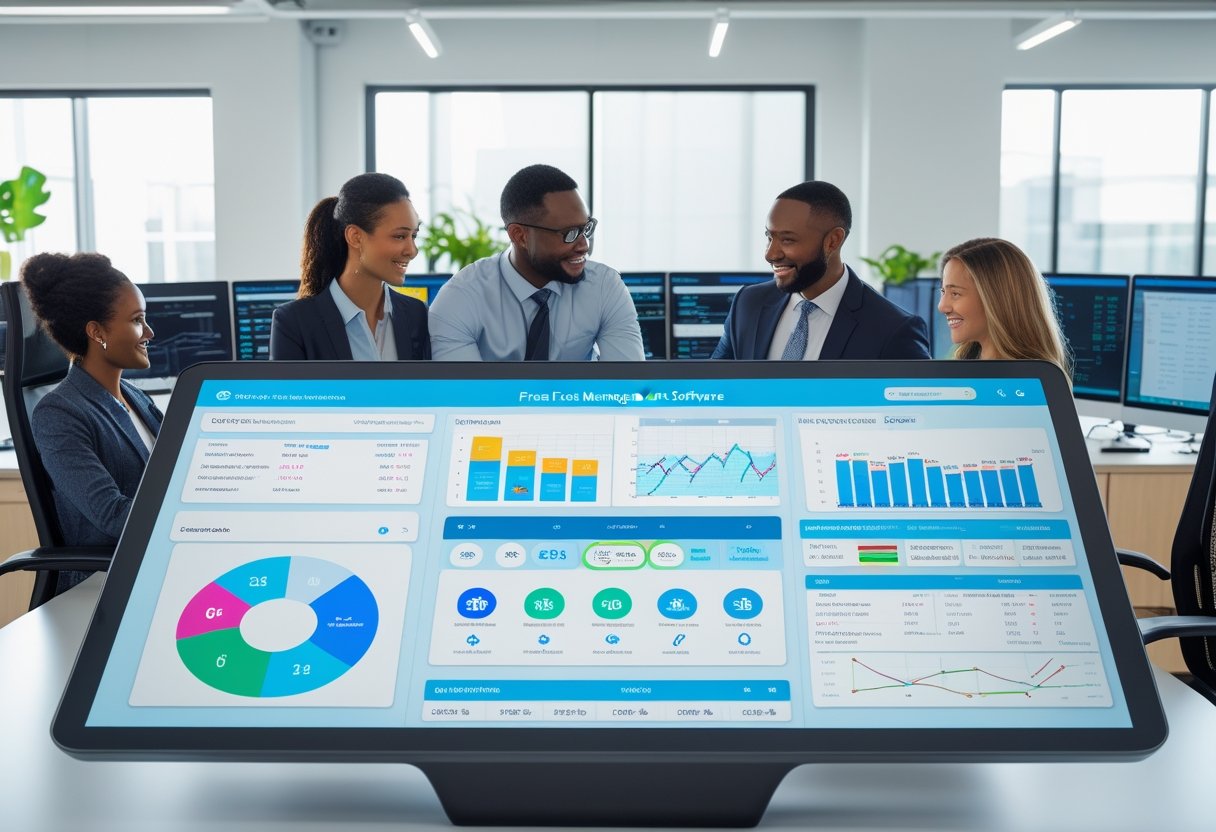
Free fleet management software provides tools for monitoring vehicle performance, planning routes, tracking fuel use, and scheduling maintenance. Many platforms use cloud dashboards, mobile apps, and GPS integrations to help managers stay in control without high licensing costs.
GPS Tracking and Real-Time Vehicle Monitoring
GPS tracking is a core feature of most fleet management platforms. It uses onboard devices or mobile apps to collect location data.
Managers can see each vehicle’s location, direction, and speed in real time. This improves dispatch accuracy and driver accountability.
Most free fleet management software includes real-time tracking on digital maps. Alerts notify managers if vehicles leave assigned areas, stay idle too long, or exceed speed limits.
Some systems support geofencing, which automates notifications when vehicles enter or exit specific zones. This helps reduce unauthorized use and speeds up vehicle recovery if theft occurs.
Open source and freemium tools offer enough accuracy for small to mid-sized fleets that need oversight without complex infrastructure.
Route Optimization and Delivery Planning
Route optimization helps reduce fuel use, lower labor costs, and improve service reliability. Many free platforms analyze map data and traffic patterns to find the shortest or fastest routes.
Users can set priorities like distance, delivery deadlines, or balanced workloads. Managers enter multiple stops, and the system generates a route plan automatically.
This reduces manual planning and saves time. Some systems let users reschedule routes easily when orders change.
Key advantages include:
- Lower fuel and maintenance costs
- Fewer overtime hours
- More predictable deliveries
Free tools may limit the number of vehicles per plan but still offer value for small logistics or service companies.
Maintenance Scheduling and Tracking
Regular maintenance scheduling keeps vehicles running and reduces breakdowns. Free fleet management software often includes calendars, reminders, and maintenance logs.
Managers can record service dates, costs, and inspections in one place. The software can set intervals for preventive tasks like oil changes and tire rotations.
Notifications alert managers before deadlines, helping avoid missed servicing. This lowers long-term repair costs and extends vehicle life.
Many platforms link maintenance tracking with telematics data. For example, odometer readings can trigger service reminders automatically.
Fuel Management and Cost Control
Fuel management features track each vehicle’s consumption. Data often comes from fuel card integrations or manual entry.
Managers can compare distance traveled with fuel purchased to monitor fuel economy. Free fleet management tools often include dashboards that show fuel trends over time.
They may also categorize spending by driver, route, or vehicle. This makes it easier to spot issues and reduce unnecessary idling.
Practical strategies include:
- Monitoring idle time
- Comparing driver efficiency
- Generating monthly fuel summaries
Using these insights leads to measurable cost savings and better accountability, even with free or open source solutions.
Popular Free Fleet Management Software Solutions

Free fleet management software helps organizations track vehicles, monitor drivers, schedule maintenance, and optimize routes without large investments. Many platforms offer core features for free, while others use open-source models for more customization.
Open Source and Freemium Platforms
Open-source systems like Traccar and Odoo Fleet attract users who want a customizable solution without licensing fees. Administrators can modify source code, add plug-ins, or integrate telematics devices.
These tools are useful for tech-savvy teams with diverse or specialized fleets. Freemium models like Fleetio, Samsara, and Onfleet offer free tiers with basic tracking and reporting.
Premium versions add analytics, fuel monitoring, and API integrations. This lets small operators start free and upgrade as they grow.
Community support is important for these systems. Users often share updates, troubleshooting tips, and templates, making the software more reliable and adaptable.
Key Comparisons and Selection Criteria
When comparing free fleet management options, users should look at data accuracy, ease of use, integration options, and scalability. Good mapping, GPS refresh rates, and telematics compatibility are essential for real-time tracking.
Administrators also check which devices are supported. Systems like GPSWOX and MyGeotab work with both mobile apps and dedicated GPS trackers.
Security features like data encryption and user controls protect sensitive information.
CriteriaImportanceExample PlatformsGPS Tracking AccuracyHighGPSWOX, RastracMaintenance SchedulingMediumFleetio, Odoo FleetAPI and Integration SupportHighSamsara, OnfleetFree Tier LimitationsVariesMoovs, AZUGA
A careful comparison helps users choose software that fits their needs and budget.
Popular Software Examples and Unique Capabilities
Some free fleet management tools are widely recommended. AUTOsist offers a simple dashboard for maintenance tracking and document storage.
Fleetmax and Truckspy focus on driver performance and compliance reporting. Detrack and Traffio support delivery confirmation with mobile photos and digital signatures.
Truway and EasyRoutes help with route optimization. Verizon Connect and Azuga provide limited free versions or trial options for small and midsize fleets.
Other options like Trackolap, Carstater, and Fast Forward TMS focus on dispatch automation, fuel reports, and asset analysis. Each platform offers a unique mix of tools, such as advanced analytics or cloud access, to match different operational needs.
Essential Tools and Integrations for Fleets
Modern fleet management software relies on connected tools that use real-time data and automated communication. These features help organizations track assets and monitor driver performance with less manual work.
Mobile Apps and Real-Time Interfaces
A fleet management app or driver mobile app gives continuous visibility and direct communication between managers and drivers. Mobile access lets teams review GPS data, fuel use, and maintenance alerts from anywhere.
Drivers can upload inspection reports or update trip status in real time, reducing delays and paperwork. Many mobile platforms use map-based dashboards that refresh automatically.
Managers can set arrival alerts, track routes, and assign new tasks instantly. Driver apps often include digital signatures, document uploads, and compliance reminders.
Mobile apps support both Android and iOS. Some solutions combine mobile and web dashboards for unified management.
FeatureBenefitLive GPS trackingMonitors vehicle position and route adherenceDriver alertsSends instant updates about speed or safety eventsTrip logsRecords mileage and service time automatically
API and Custom Integrations
A good API extends fleet software beyond basic scheduling and tracking. Open interfaces, like the Rastrac Web API, let businesses connect fleet systems with accounting, ERP, CRM, or HR tools.
This integration cuts down on duplicate data entry and improves reporting. APIs also let developers build custom modules, such as syncing driver hours with payroll.
Secure endpoints and access tokens control data visibility. Flexible documentation and sandbox access help IT teams test and adapt integrations before full deployment.
Hardware, Sensors, and IoT Devices
IoT hardware connects vehicles, equipment, and sensors to fleet management software. Devices include GPS trackers, telematics sensors, and fuel monitors.
These devices collect location, usage, and condition data for real-time visualization. Sensors provide feedback on speed, engine status, and idling.
This information supports maintenance scheduling and helps detect unsafe driving. Many tools combine diagnostic codes with maintenance prediction for better planning.
IoT integration unifies data across devices and vehicle types. Tracking units, temperature sensors, and dash cameras can stream data directly to dashboards, reducing manual entry.
Reliable hardware ensures consistent performance and prevents missing important details.
Optimizing Fleet Operations and Productivity
Fleet management software improves operational visibility and workforce coordination. It reduces manual workload and helps organizations strengthen driver accountability, streamline work order management, and use automated scheduling for efficient logistics.
Driver Management and Behavior Monitoring
Effective driver management relies on accurate data. Modern platforms use GPS-based tracking and onboard telematics to record driving patterns such as speed, braking, and idle time.
Managers review this data to spot unsafe habits. They also assess driver performance trends that affect productivity and costs.
Monitoring tools display behavior metrics in dashboards and reports. Fleet supervisors can compare drivers using indicators like fuel consumption per route, on-time delivery rates, and safety compliance scores.
A focused driver management program often includes training recommendations based on software analytics. This helps reduce accidents and lowers insurance expenses.
Structured driver behavior monitoring builds a more reliable and accountable workforce.
Dispatch and Delivery Management
Precise dispatching helps fleets maintain consistent delivery performance. Software tools manage delivery operations by combining route optimization with live driver locations.
They automate task assignments, so the closest available vehicle handles each work order. Centralized dashboards let dispatchers track shipments and adjust schedules when delays occur.
Automated alerts keep both drivers and clients informed in real time. This reduces downtime and missed deadlines.
Systems with inventory and work order management features ensure each delivery includes the correct items or parts. This coordination improves customer satisfaction and minimizes wasted travel time.
Automated Scheduling and Task Management
Automated scheduling tools reduce administrative work by creating accurate timetables for vehicles and drivers. The system analyzes maintenance schedules, workforce availability, and task duration to suggest optimal time slots.
Integrating scheduling with fleet operations data helps align vehicle use with maintenance needs. This prevents unplanned breakdowns and extends equipment life.
Task management modules often include drag-and-drop calendars, reminders, and progress tracking. Supervisors can review work status, modify assignments, or reallocate resources quickly.
This structured approach improves scheduling accuracy and supports workforce management.
Compliance, Safety, and Risk Mitigation
Compliance management and safety practices help reduce risks and maintain legal standards in fleet operations. Digital systems for monitoring, reporting, and vehicle upkeep ensure fleets meet regulations and safety goals.
ELD and Legal Requirements
Electronic Logging Devices (ELDs) track driving time to meet hours-of-service rules. Most commercial fleets use ELD compliance tools to record work hours automatically, reducing paperwork and errors.
Free fleet management software may include basic ELD features or connect to third-party devices. Effective compliance management platforms store records securely and generate reports for inspections.
Digital logs help companies prepare for Department of Transportation (DOT) reviews and internal audits. Fleets can set alerts for violations, rest breaks, or maintenance updates.
Many tools now include real-time GPS tracking and driver identification. Automating legal documentation and keeping transparent data trails lowers the risk of penalties.
Inspection and Preventive Practices
A structured inspection management process ensures vehicles are checked before operation. Modern free fleet systems support customizable inspection checklists that drivers access from mobile devices.
Drivers can log tire pressure, fluid levels, or brake conditions and flag issues for maintenance teams. Preventive maintenance schedules use automated reminders based on mileage or engine hours.
These alerts help teams act early and reduce unexpected breakdowns. Recording inspection results in a single dashboard keeps historical data organized for compliance reviews.
Table-based maintenance tracking enhances visibility:
Inspection TypeIntervalResponsible PersonStatusBrake CheckWeeklyDriverCompleteTire RotationMonthlyMaintenance LeadPendingEngine Oil10,000 milesTechnicianComplete
Digital inspection workflows cut paperwork and allow faster issue resolution.
Fleet Safety and Incident Reporting
Fleet safety programs rely on technology and clear policies. Driver scorecards, route monitoring, and safety alerts identify risky behavior like speeding or harsh braking.
Software dashboards show performance trends and encourage safer driving habits. Incident reporting tools let drivers record collisions, near misses, or equipment damage quickly.
Uploading photos and notes through mobile apps provides accurate information for insurance and compliance reviews. Regular analysis of this data supports ongoing risk mitigation and training.
Many free or open-source fleet platforms now include driver behavior monitoring and configurable safety thresholds. These solutions help organizations meet standards without major investment.
Cost Considerations and Limitations of Free Solutions
Free fleet management software can reduce costs for small operations. However, most options include limits on users, vehicles, or features.
These restrictions may affect data analysis, scalability, and integration with other systems as fleets grow.
Free vs. Paid Features and Upgrades
Free versions of fleet management solutions often provide essential tools like vehicle tracking, basic maintenance scheduling, and driver oversight. However, advanced reporting, fuel analytics, and route optimization usually require a paid plan.
A brief comparison:
Feature TypeFree PlanPaid UpgradeLive GPS trackingOften includedEnhanced accuracy and historyMaintenance schedulingBasic remindersPredictive and automated alertsReportingLimited data pointsAdvanced analytics and export optionsUser accessRestrictedMulti-user with role control
Free plans may offer a free trial of premium tools, usually 7–30 days. Users should check licensing details and confirm whether exported data stays accessible after the trial ends.
Overlooking these details can cause workflow disruptions or data loss when the free period expires.
Scaling for Growing Fleets
A free plan may suit a small business with fewer than 10–20 vehicles. As operations expand, these versions often cannot handle more assets or complex route management.
Limited server capacity, data storage, and integration options can slow performance or restrict reporting. Growing fleets need scalability—the ability to add vehicles, users, and devices without delays.
Paid upgrades or hybrid models often offer API integration for accounting, telematics, and compliance systems. Investing in a scalable solution early helps avoid migration costs later.
Emerging Trends and Advanced Features
Modern fleet management tools use connected data systems and mobility platforms to improve decision-making and operational visibility. Advanced analytics, automated communication, and platform integrations now give managers more accurate forecasts and real-time coordination.
Predictive Analytics and Data Insights
Fleet management software uses predictive analytics to analyze maintenance data, fuel use, and driver patterns. By processing large data sets, these systems can forecast equipment failures and reduce unplanned downtime.
This improves asset utilization and cuts repair expenses. Many free and open-source platforms now include data visualization dashboards.
Managers can view trends across routes, vehicles, or drivers using customizable metrics. Dat Freight & Analytics and its DAT One platform show how aggregated data can reveal demand and rate trends.
Predictive models also support route optimization by considering traffic, weather, and delivery history. The result is faster deliveries and lower fuel costs.
Enhanced data insights turn routine fleet tracking into a strategic function.
Customer Notifications and Real-Time Updates
Automated notification systems are now standard in fleet management. These tools send updates about deliveries, arrival times, or delays directly to customers and dispatchers.
Such features improve transparency and reduce support calls. Modern solutions integrate customer notifications with driver apps.
When a vehicle reaches a checkpoint, the system sends alerts via SMS or app. This is part of a customer support framework focused on proactive communication.
Real-time updates also help resolve exceptions quickly. If a delivery route changes or traffic slows progress, managers are notified instantly and can adjust schedules.
Free versions may limit automation, but even basic alert functions help maintain service reliability and build trust.
Integration with Mobility Platforms and Delivery Networks
Fleet management platforms now connect with mobility-as-a-service (MaaS) systems and third‑party delivery networks. Integrations with logistics tools such as Trucker Tools or load‑matching services enable faster load assignments.
These connections help improve utilization rates. Fleets can coordinate with external carrier networks through shared APIs.
Managers can monitor vehicles, loads, and driver locations in a single interface. This simplifies dispatch for multi‑company operations.
Linked systems also streamline automated sales and booking workflows. Integration depth affects how efficiently data flows between partners.
A unified mobility ecosystem lets fleets respond faster to changing demand. Fleets can maintain route efficiency and extend operational capacity without major system changes.