How to start saving money
Lorem ipsum dolor sit amet, consectetur adipiscing elit lobortis arcu enim urna adipiscing praesent velit viverra sit semper lorem eu cursus vel hendrerit elementum morbi curabitur etiam nibh justo, lorem aliquet donec sed sit mi dignissim at ante massa mattis.
- Neque sodales ut etiam sit amet nisl purus non tellus orci ac auctor
- Adipiscing elit ut aliquam purus sit amet viverra suspendisse potent
- Mauris commodo quis imperdiet massa tincidunt nunc pulvinar
- Excepteur sint occaecat cupidatat non proident sunt in culpa qui officia
Why it is important to start saving
Vitae congue eu consequat ac felis placerat vestibulum lectus mauris ultrices cursus sit amet dictum sit amet justo donec enim diam porttitor lacus luctus accumsan tortor posuere praesent tristique magna sit amet purus gravida quis blandit turpis.

How much money should I save?
At risus viverra adipiscing at in tellus integer feugiat nisl pretium fusce id velit ut tortor sagittis orci a scelerisque purus semper eget at lectus urna duis convallis. porta nibh venenatis cras sed felis eget neque laoreet suspendisse interdum consectetur libero id faucibus nisl donec pretium vulputate sapien nec sagittis aliquam nunc lobortis mattis aliquam faucibus purus in.
- Neque sodales ut etiam sit amet nisl purus non tellus orci ac auctor
- Adipiscing elit ut aliquam purus sit amet viverra suspendisse potenti
- Mauris commodo quis imperdiet massa tincidunt nunc pulvinar
- Adipiscing elit ut aliquam purus sit amet viverra suspendisse potenti
What percentege of my income should go to savings?
Nisi quis eleifend quam adipiscing vitae aliquet bibendum enim facilisis gravida neque. Velit euismod in pellentesque massa placerat volutpat lacus laoreet non curabitur gravida odio aenean sed adipiscing diam donec adipiscing tristique risus. amet est placerat in egestas erat imperdiet sed euismod nisi.
“Nisi quis eleifend quam adipiscing vitae aliquet bibendum enim facilisis gravida neque velit euismod in pellentesque”
Do you have any comments? Share them with us on social media
Eget lorem dolor sed viverra ipsum nunc aliquet bibendum felis donec et odio pellentesque diam volutpat commodo sed egestas aliquam sem fringilla ut morbi tincidunt augue interdum velit euismod eu tincidunt tortor aliquam nulla facilisi aenean sed adipiscing diam donec adipiscing ut lectus arcu bibendum at varius vel pharetra nibh venenatis cras sed felis eget.
Fleet repair services help keep commercial vehicles dependable, safe, and ready for operation. Every hour a truck sits in a shop can mean lost revenue and schedules falling behind.
Fleet repair keeps vehicles on the road longer through preventive maintenance, timely repairs, and careful compliance with safety standards.
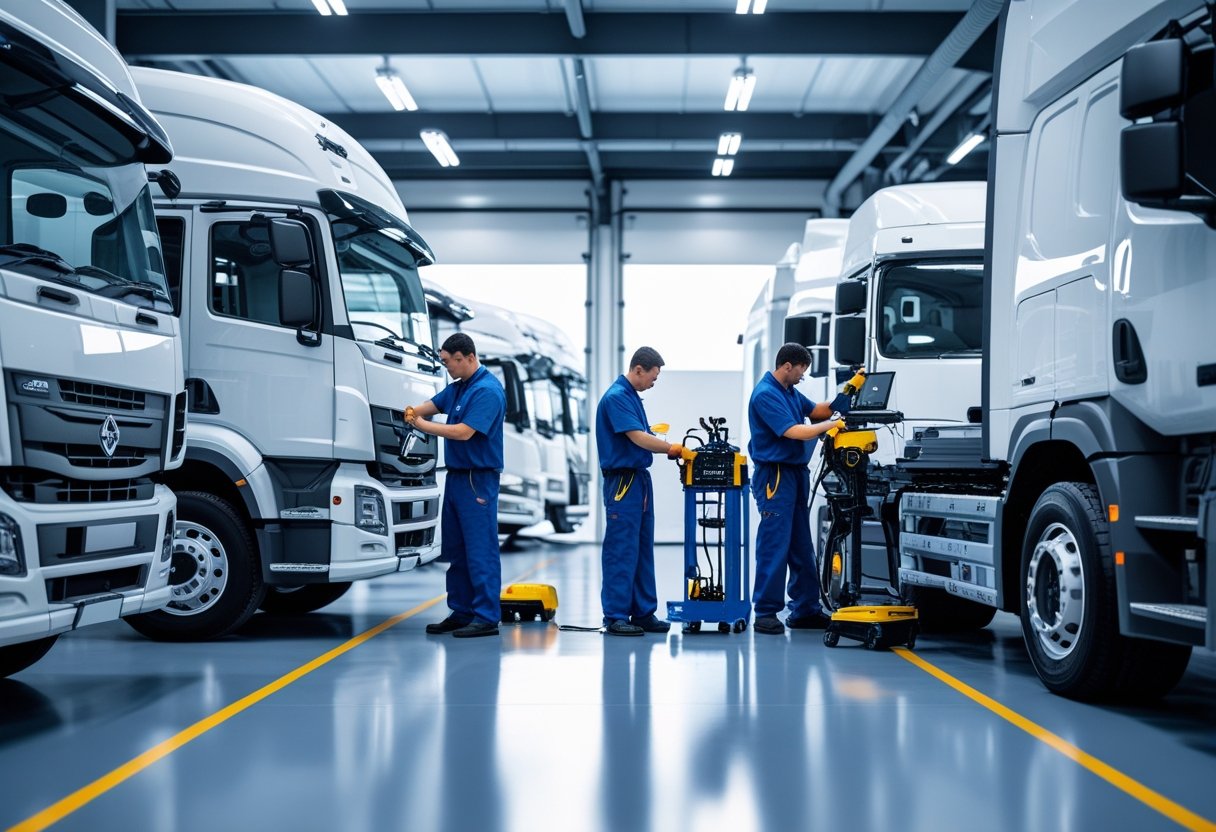
A complete fleet service program covers engine diagnostics, tire replacement, DOT inspections, and hydraulic equipment repair. Companies in Dallas and other major markets rely on experienced diesel technicians and mobile service units for onsite maintenance.
Modern fleet management uses both skilled technicians and digital support systems. Advanced tracking and maintenance platforms provide clear data on service histories, inspection schedules, and equipment performance.
This approach helps reduce downtime and improve reliability for every vehicle in the fleet.
Understanding Fleet Repair Services
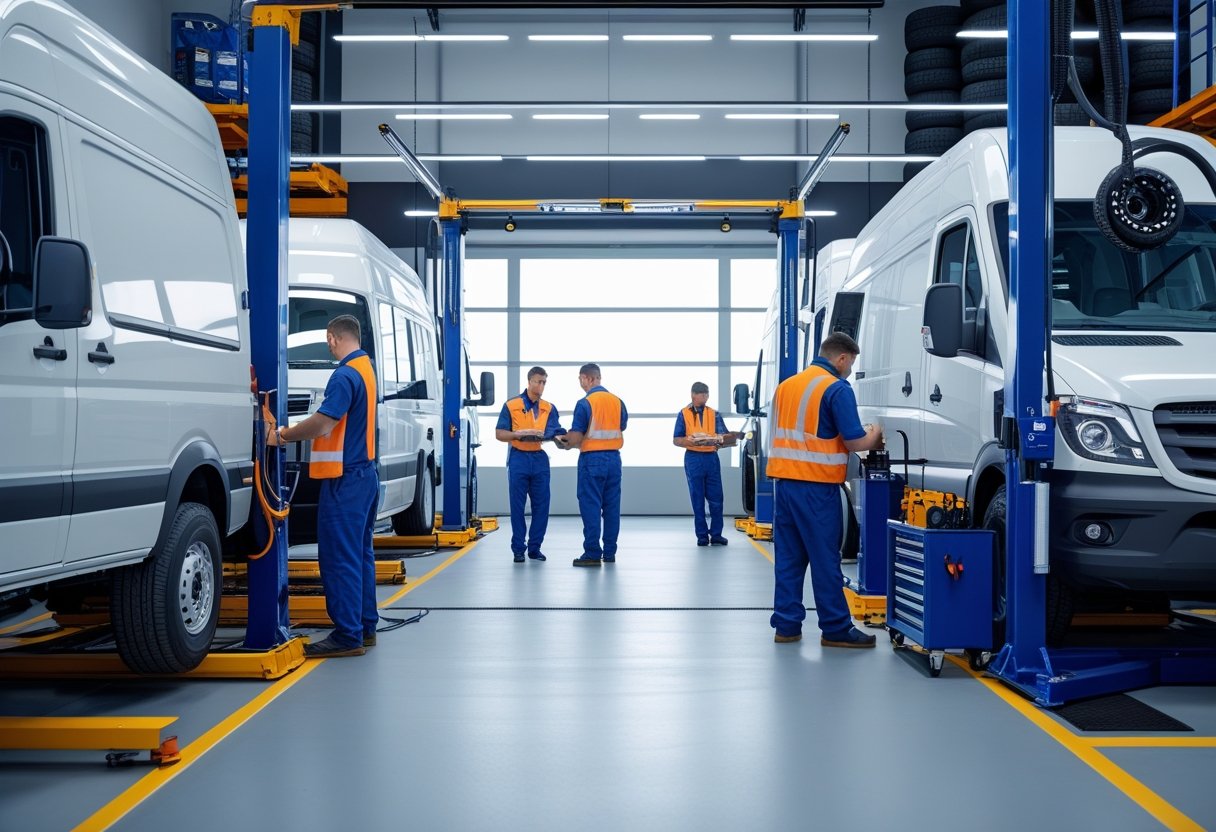
Fleet repair services support vehicle reliability, lower operating costs, and ensure compliance with safety standards. Businesses across the USA rely on these services to keep cars, trucks, buses, and trailers in service with minimal downtime.
What Are Fleet Repair Services
Fleet repair services include inspection, maintenance, and mechanical repair for multiple company vehicles. Services cover preventive maintenance like oil and filter changes, tire rotations, and brake replacements, as well as diagnostic testing and major repairs for engines, transmissions, or electrical systems.
Providers may operate dedicated service facilities or offer mobile fleet support for on-site repairs. Many modern providers use digital tools for real-time tracking, maintenance scheduling, and cost reporting.
Regular upkeep keeps vehicles running efficiently and safely. Systematic management reduces emergency breakdowns and helps companies predict repair costs.
Key Benefits for Businesses
Reliable fleet repair services help organizations control costs and maintain readiness. A well-maintained fleet has fewer breakdowns, keeping deliveries and transport schedules on time.
This reduces lost productivity and the expense of emergency towing or unscheduled repairs. Well-documented repair records also make regulatory compliance easier for commercial fleets.
Many U.S. businesses use fleet management software to track each vehicle’s maintenance history. Additional benefits include improved vehicle resale value and better fuel efficiency.
A structured maintenance plan extends vehicle lifespan and supports safer driving conditions for employees.
Types of Fleets Served
Fleet repair providers serve a wide variety of vehicle groups. Common fleet types include:
Fleet TypeTypical VehiclesIndustry ExamplesCommercial DeliveryVans, box trucksCouriers, logistics firmsPublic TransportationBuses, shuttlesMunicipal systems, schoolsConstruction and IndustrialService trucks, trailersContractors, utility companiesCorporate and SalesPassenger cars, SUVsSales teams, field staff
Each fleet type has unique repair schedules and regulatory expectations. Providers design flexible service contracts to support mixed fleets and regional operations, helping organizations maintain consistent performance and safety.
Core Fleet Repair Offerings
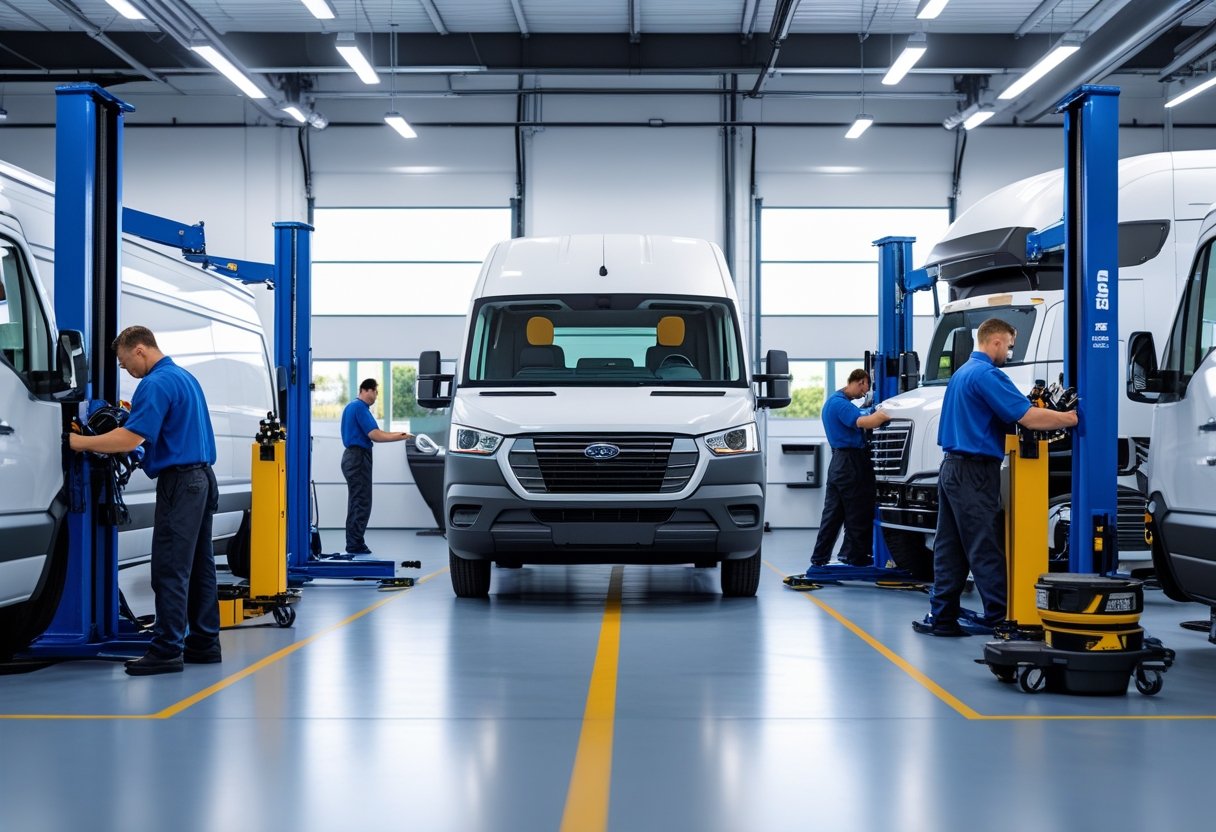
Fleet repair services help commercial vehicles stay safe, efficient, and compliant. Skilled technicians handle truck, trailer, and mechanical repairs, aiming to minimize downtime and keep operations on schedule.
Truck Repair Solutions
Fleet repair facilities service both light- and heavy-duty trucks. Technicians diagnose and repair engines, transmissions, suspension systems, and brakes to restore reliability and performance.
ASE-certified specialists use digital diagnostic tools to identify issues early. Modern trucks use electronic control systems, so repair facilities maintain advanced software and OEM-approved equipment.
Common services include diesel engine repairs, electrical troubleshooting, and preventive maintenance for fleets in demanding conditions. Preventive measures such as fluid analysis, filter replacement, and tire alignment checks are part of most service schedules.
These steps keep trucks within warranty compliance and help spot early signs of wear that could lead to downtime.
Trailer Repair Expertise
Trailer repair includes maintenance for cargo, flatbed, and refrigerated trailers. Technicians address axle alignment, braking systems, suspension components, and lighting circuits to keep equipment roadworthy.
Repair facilities often provide DOT inspections, cargo door adjustments, and wheel bearing servicing. For refrigerated trailers, technicians maintain temperature-control units and repair insulation.
Routine inspections also check flooring, frame corrosion, and seal condition. Keeping trailers in good condition supports efficient loading, reduces delays, and prevents costly incidents.
Many service centers offer mobile trailer repair for on-site emergencies, helping fleets return to service quickly.
Mechanical Repairs and Diagnostics
Mechanical systems are central to reliable fleet operation. Mechanics use scan tools and test equipment to diagnose drivetrain, hydraulics, fuel systems, and emissions controls.
Typical services include engine rebuilds, cooling system repairs, and transmission servicing. Repair facilities use electronic diagnostic interfaces to access fault codes and system data, improving accuracy and turnaround times.
Accurate diagnostics help fix root causes, reducing repeat visits and increasing mechanical dependability. Consistent documentation of diagnostics and repairs also helps with compliance and resale value.
Collision and Bodywork Services
Fleet vehicles may suffer dents or collision damage. Repair centers offer frame straightening, panel replacement, and paint refinishing using manufacturer-matched coatings.
Bodywork teams use computerized measuring systems and welding stations for proper alignment and durability. Some facilities also provide glass replacement, rust treatment, and custom decal reapplication for fleet branding.
Proper collision repair preserves asset value and prevents hidden strain from misaligned components. Consistent workmanship maintains professional appearance and roadworthiness.
Mobile and On-Site Repair Options
Mobile repair programs bring certified technicians to fleet locations or breakdown sites. These services combine preventive maintenance with fast response, helping operators keep vehicles safe and operational without waiting for shop schedules.
Mobile Fleet Repair Service
A mobile fleet repair service acts as a garage on wheels. Technicians arrive at the customer’s lot, yard, or job site with diagnostic tools, parts, and supplies.
This eliminates transportation time to a shop and limits interruptions. Many providers offer standardized service packages, including oil changes, brake inspections, filter replacements, fluid checks, and diagnostics.
These programs often use flexible scheduling, allowing maintenance during driver breaks or overnight. The efficiency of mobile repairs depends on technician training and vehicle outfitting.
Units typically carry compressors, lifts, diagnostic computers, and lighting systems for precise on-site work. Compared to shop visits, mobile maintenance can cut downtime and support larger fleets.
Roadside Assistance Coverage
When vehicles break down en route, roadside assistance provides immediate support. These programs often run 24/7 and use centralized dispatch systems to connect drivers with mobile service units.
Typical coverage includes tire changes, fuel delivery, jump-starts, lockout help, and towing when on-site repair isn't possible. National providers offer network-wide access, ensuring consistent response times.
Using roadside assistance reduces towing costs and keeps deliveries on schedule. Some fleets integrate assistance plans into telematics systems, allowing automatic breakdown reports.
This improves response efficiency and ensures mechanical data is recorded for later analysis.
On-Site Emergency Repairs
On-site emergency repairs address critical failures that prevent a vehicle from operating. Mobile technicians diagnose and fix issues like engine stalls, brake problems, electrical faults, or suspension damage without moving the vehicle.
This service minimizes safety risks and downtime, especially in remote or busy areas. Many providers keep stocked service trucks for immediate part replacement, resolving most issues in a single visit.
Response times depend on proximity and technician availability, but commercial fleets under service contracts often get priority. This helps organizations maintain reliability while controlling costs.
Fleet Maintenance Programs and Solutions
Fleet maintenance programs keep vehicles reliable, compliant, and minimize downtime. They use structured service intervals, proactive inspections, and flexible scheduling based on each fleet’s needs.
Routine Maintenance Plans
Routine maintenance plans are the foundation of a dependable fleet program. These plans schedule inspections and services like oil changes, tire rotations, filter replacements, and brake checks at regular intervals.
Following a maintenance schedule prevents small issues from becoming costly repairs. Companies often use digital fleet management software to log service dates and set reminders.
This reduces missed appointments and supports compliance with safety regulations. Routine maintenance also helps extend equipment life by maintaining performance.
For example:
Task TypeCommon IntervalPurposeEngine oil changeEvery 5,000–10,000 milesPrevent engine wearTire rotationEvery 6,000–8,000 milesEnsure even tread wearBrake inspectionQuarterly or semiannuallyMaintain stopping performance
A structured plan enables predictable costs and better budgeting for operations.
Preventative and Preventive Maintenance
Preventative (or preventive) maintenance aims to catch problems before they occur. It uses systematic inspections, performance monitoring, and scheduled replacements based on usage.
This approach lowers the risk of unexpected breakdowns and keeps operating costs stable. Modern solutions use telematics and analytics to spot early warning signs, like fuel inefficiency or repeated alerts.
Managers can then intervene before a vehicle becomes unsafe or inoperable. Preventative maintenance also ensures regulatory compliance.
Over time, it reduces unscheduled downtime and keeps essential equipment available.
Custom Maintenance Schedules
Every fleet has unique needs, so custom maintenance schedules are important. Maintenance services adjust schedules based on vehicle type, duty cycle, region, and manufacturer guidelines.
A delivery van making daily stops needs different care than a long-haul truck. Custom schedules help balance cost and performance by matching maintenance to real-world use.
Fleet managers analyze data like mileage, idling hours, and road conditions to adjust intervals. Some providers offer on-site programs that fit business schedules, minimizing downtime.
For large or mixed fleets, this flexibility ensures routine and preventive care stay in sync with operational needs.
Compliance, Inspections, and Safety
Fleet repair services in the USA depend on precise inspection protocols, adherence to federal transportation rules, and consistent safety standards. These practices prevent downtime, reduce risk, and ensure every vehicle meets Department of Transportation (DOT) compliance.
DOT Inspections and Certification
DOT inspections check that commercial vehicles operate safely under federal law. Certified inspectors review brakes, tires, lights, steering systems, and other safety parts.
If a vehicle fails inspection, it cannot operate until repairs are made. This makes regular maintenance important for both safety and business operations.
There are six DOT inspection levels. These range from basic checks to full reviews, including cargo and documentation.
Fleets that perform regular internal audits are usually better prepared for official inspections. This helps them avoid violations and unexpected repairs.
Mobile inspection services allow fleets to stay compliant without stopping operations. Technicians perform on-site checks and create digital reports for each vehicle.
This process makes recordkeeping easier and reduces delays from traditional shop visits.
Regulatory Requirements
Fleet operators must follow federal and state laws, especially those from the Federal Motor Carrier Safety Administration (FMCSA) and the DOT. These rules include driver qualification files, hours-of-service limits, maintenance schedules, and electronic logging device use.
Noncompliance can lead to warnings, fines, or vehicle shutdowns. Many fleets use compliance software to track inspections and licenses.
Companies like J. J. Keller and Powerfleet offer tools and audits to help carriers with documentation and reporting.
Accurate records are as important as having safe vehicles. Inspectors often check logs and certificates, so scanned copies and centralized databases help with quick verification during inspections.
Safety Standards in Fleet Operations
Safety standards guide how fleets maintain vehicles and train staff. These include regular inspections, driver safety briefings, and equipment upkeep.
Basic practices—like pre-trip inspections, checking tire pressure, and monitoring brakes—help prevent accidents and breakdowns.
Many companies create an internal safety policy that follows OSHA and DOT rules. This policy explains the roles of drivers, mechanics, and managers to ensure everyone knows their responsibilities.
A simple safety checklist might include:
AreaFrequencyKey TasksBrakesWeeklyAdjust, inspect pads, test pressureTiresDailyCheck tread depth and inflationLightingDailyTest signals, replace faulty bulbs
Following these routines keeps vehicles safe and reduces risk. Fleets that make safety part of maintenance have fewer incidents and stronger compliance.
Essential Fleet Maintenance Services
Regular maintenance keeps vehicles safe, efficient, and on the road longer. Key services focus on engine health, tire care, and brakes to lower downtime and repair costs.
Oil Changes and Fluid Services
Timely oil changes help engines run smoothly and prevent damage from dirty oil. Skipping oil changes can cause more friction, higher fuel use, and engine problems.
Most fleet managers schedule oil and filter changes based on mileage or hours of use.
Other fluids—like transmission, coolant, brake, and power steering—also need regular checks. Each fluid helps with cooling, lubrication, or pressure, and dirty fluids can harm parts.
A maintenance log helps track fluid changes. Many fleets use digital reminders to keep up with service.
Keeping good records of oil and fluid changes helps with warranties and cost tracking.
Tire Repair and Tire Rotations
Tire repair and rotation programs keep drivers and vehicles safe. Tires wear unevenly based on load, alignment, and roads.
Rotating tires regularly helps them wear evenly, last longer, and improve fuel economy.
Shops use different rotation patterns, like front-to-back or cross-rotation, depending on the vehicle. Regular checks find punctures, cuts, or bulges before they cause problems.
Fleet managers use tread gauges to check for safe tread depth.
If a tire is damaged, technicians check if it can be fixed. Small tread punctures can be patched, but sidewall damage means the tire must be replaced.
Keeping tire pressure correct after each service also improves safety and handling.
Brake Repair and Replacement
A strong brake system is key for safety and meeting regulations. Over time, brake pads and rotors wear down, so fleets check them during inspections and replace them before they fail.
Drivers may notice squealing or shaking when brakes need attention. Technicians also check brake fluid and look for leaks.
Finding problems early prevents bigger repairs to calipers and rotors.
Service records help predict when brakes need replacing and keep parts in stock. Good brake repair lowers downtime and ensures vehicles stop safely.
Fleet Management Platforms and Support
Fleet operations use technology and oversight to keep vehicles available, reduce downtime, and manage costs. Digital platforms bring together maintenance tracking, data analysis, and service planning.
Integrated Fleet Management Systems
Modern fleet management platforms combine tracking, maintenance scheduling, and compliance in one place. Managers can see all assets—cars, trucks, and special equipment—without switching apps.
Dashboards show upcoming maintenance, fuel use, repair logs, and alerts. Many tools link inventory and vendor info with work orders.
This setup helps with timely procurement and cuts down on paperwork.
Key features often include:
- Automatic service reminders
- GPS and telematics integration
- Service history with document storage
- Role-based access for team members
These systems give everyone a clear, updated view of vehicle status.
Service Reporting and Analytics
Accurate reports help make better fleet repair and maintenance decisions. Analytics tools gather data from inspections, breakdowns, and invoices.
Tracking cost per mile or downtime highlights which vehicles or routes are most expensive.
Most software creates reports from digital work orders, so managers don’t need manual logs. Dashboards make trends easy to see and help focus on key measures like preventive service and repair times.
Common performance metrics include:
MetricDescriptionBenefitMean Time Between Repairs (MTBR)Average time between unscheduled repairsIdentifies reliability issuesCost per MileTotal fleet expenses divided by total mileageTracks economic performanceDowntime HoursTotal hours vehicles are inactiveAssesses operational impact
Better data helps fleets plan maintenance and manage budgets more effectively.
Dedicated Fleet Support Teams
Technology alone cannot sustain long-term fleet reliability. Dedicated support teams interpret diagnostic data and coordinate service schedules.
They also monitor vendor performance. These professionals include fleet coordinators, maintenance planners, and repair specialists.
They work directly with software platforms to ensure prompt issue resolution. Support teams document every repair interaction and verify that vendors meet compliance and warranty requirements.
Through direct communication channels—email, chat, or integrated support tickets—they streamline service approvals. They also oversee roadside assistance when breakdowns occur.
Effective teams establish standard operating procedures for preventive maintenance intervals and part replacements. They also set inspection frequency and align these procedures with digital tracking systems.
Collaboration between software intelligence and skilled technicians helps maintain performance, safety, and cost control across the fleet.